Top tables

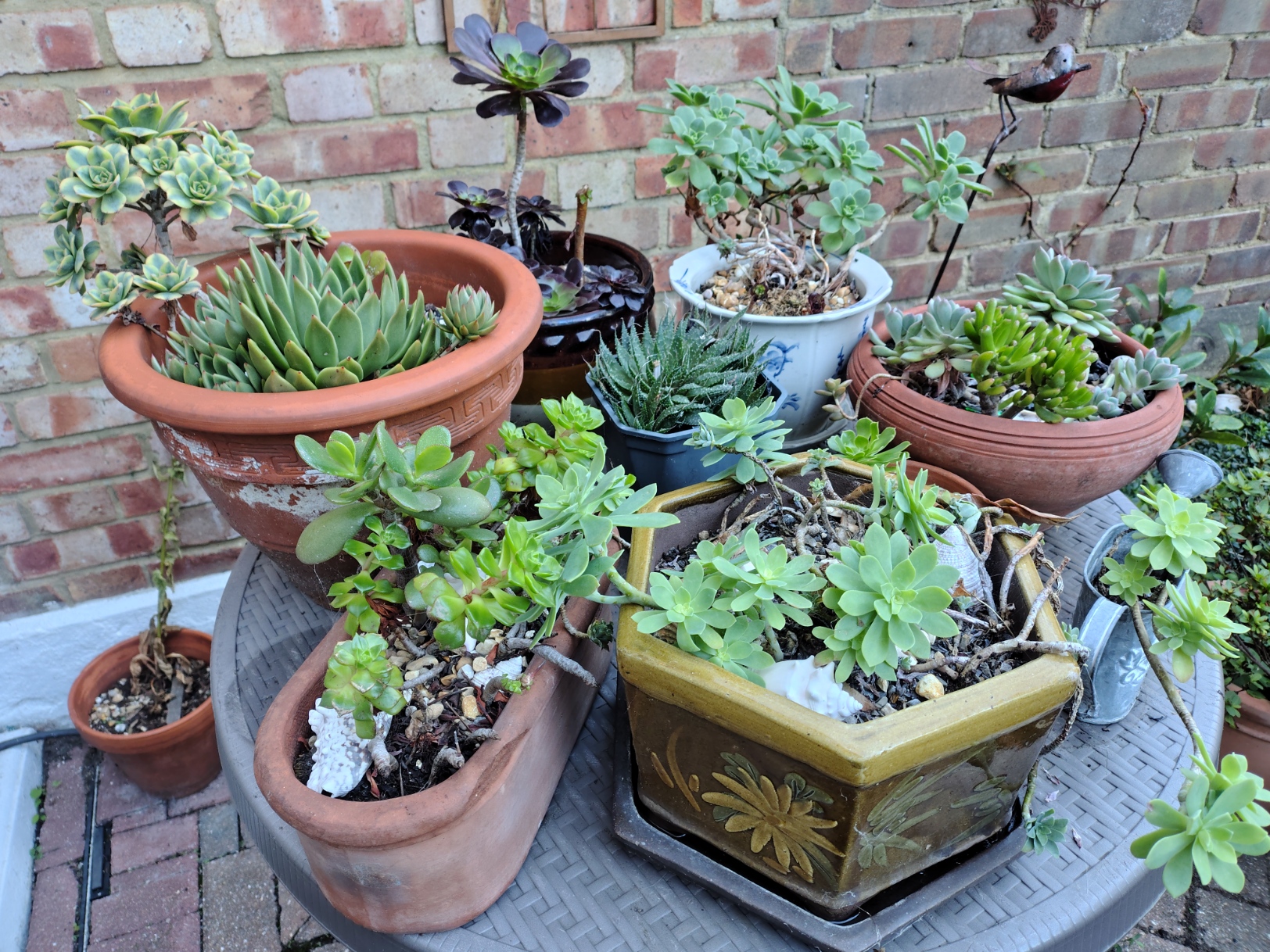
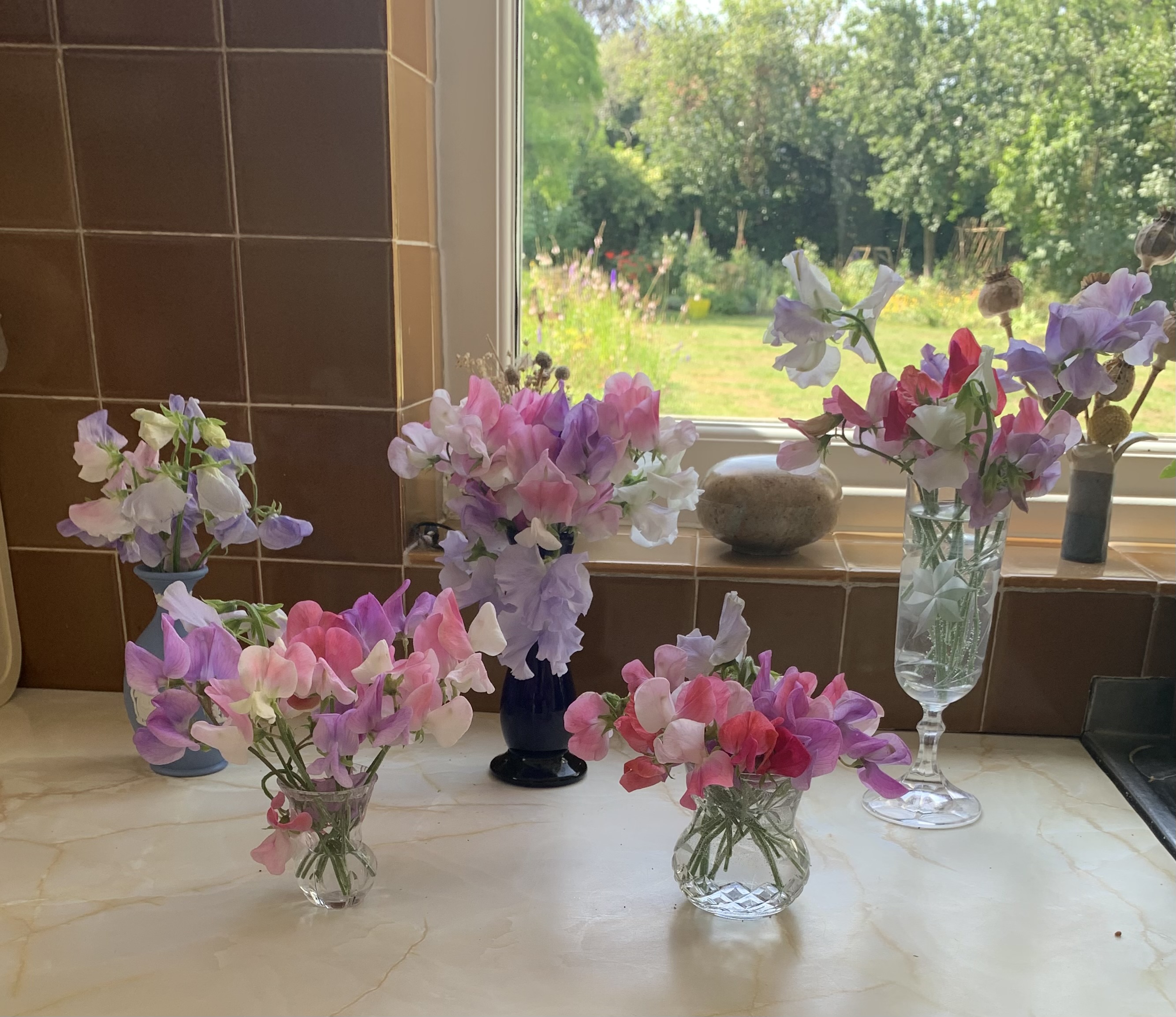
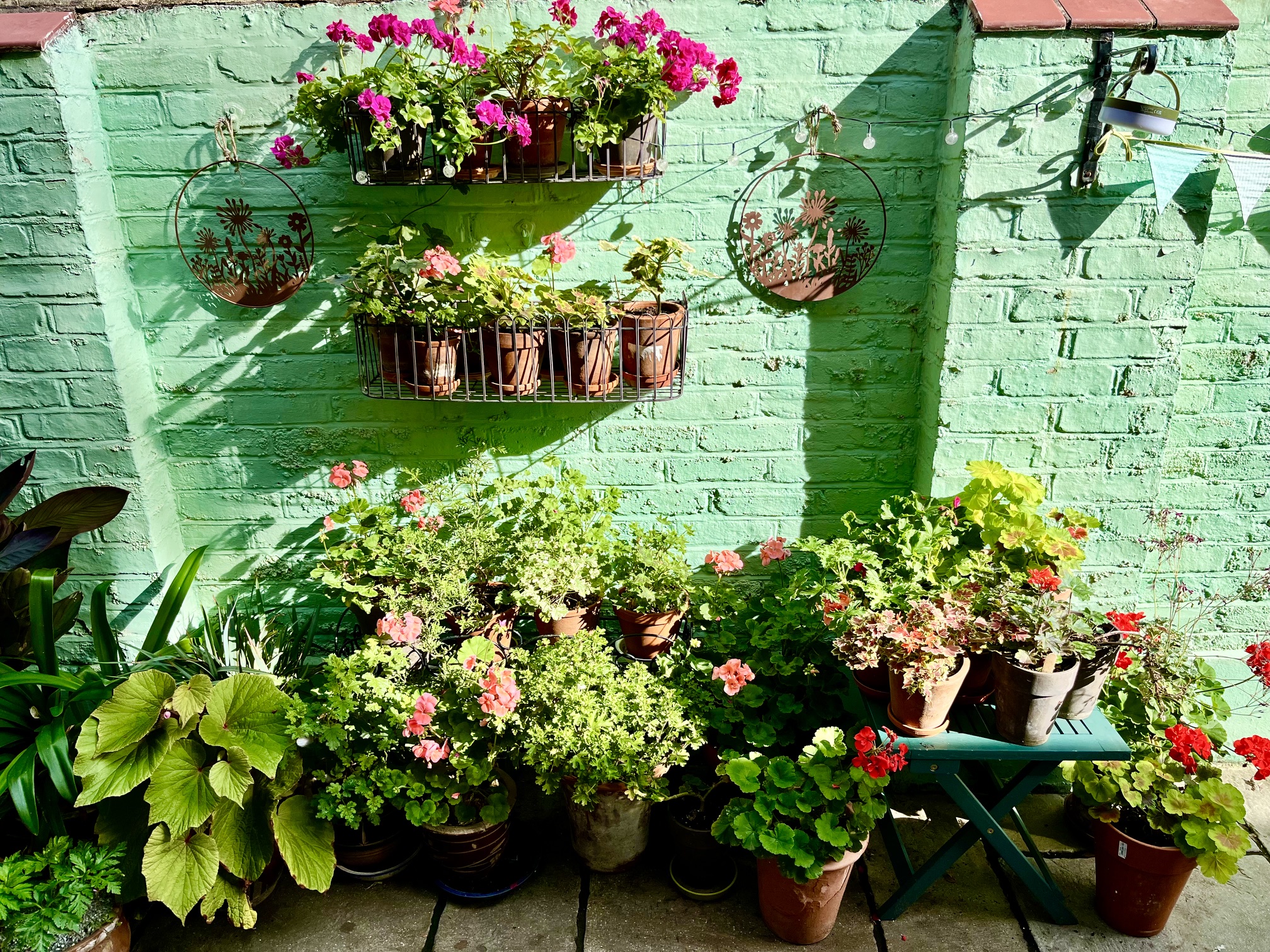
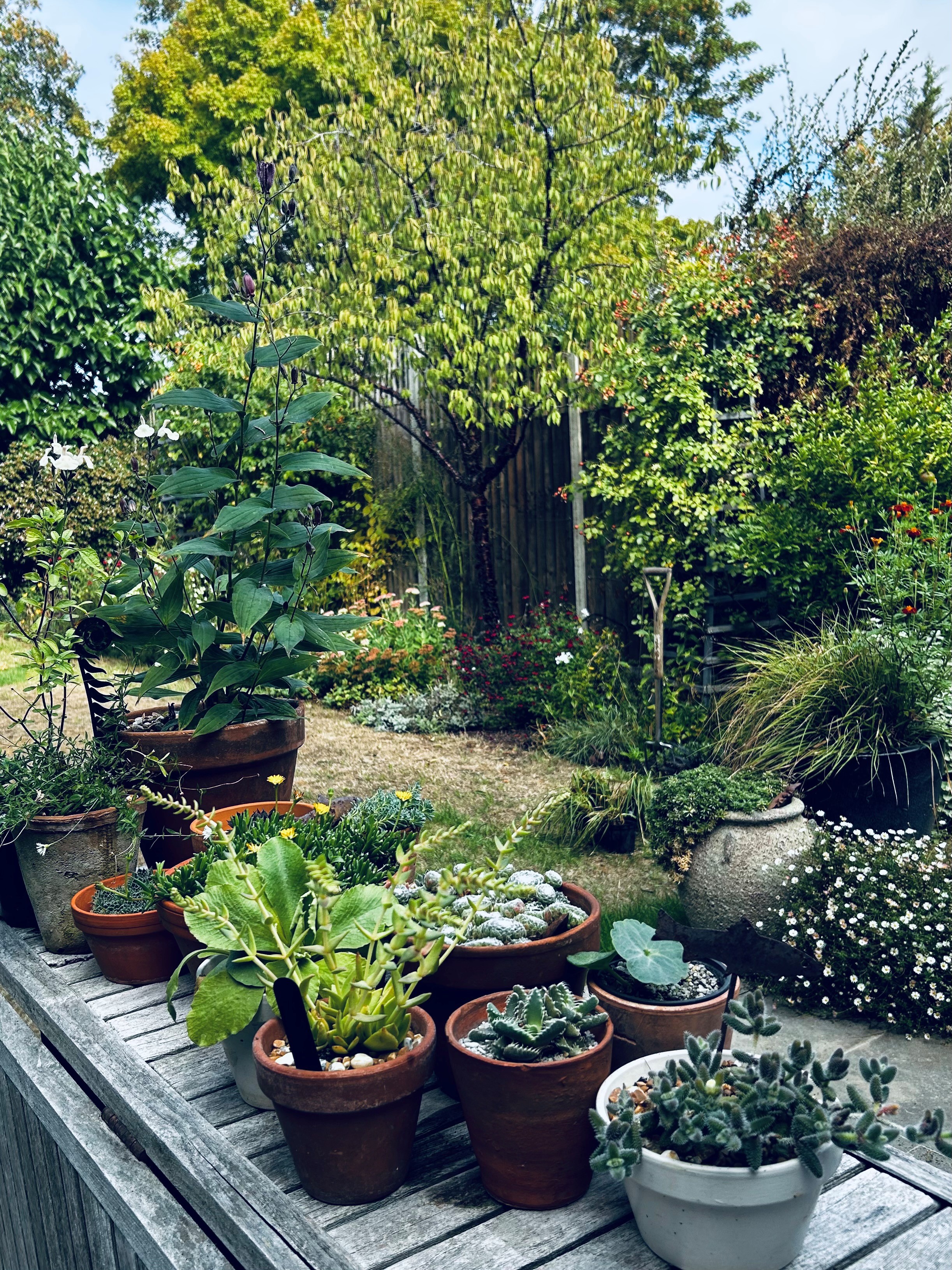
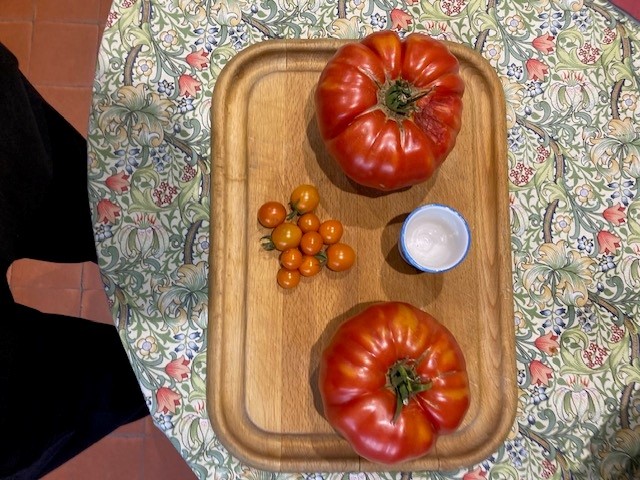
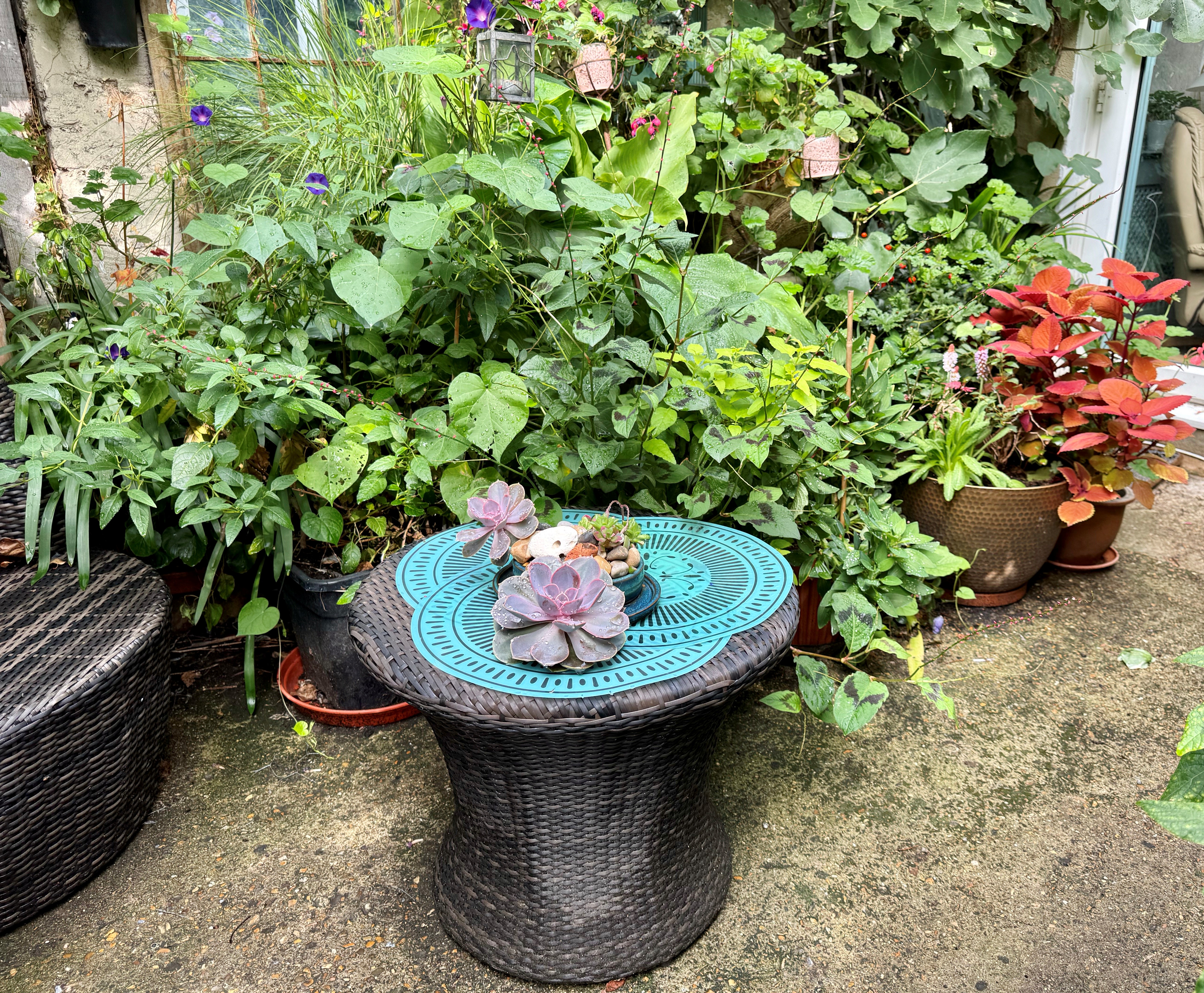
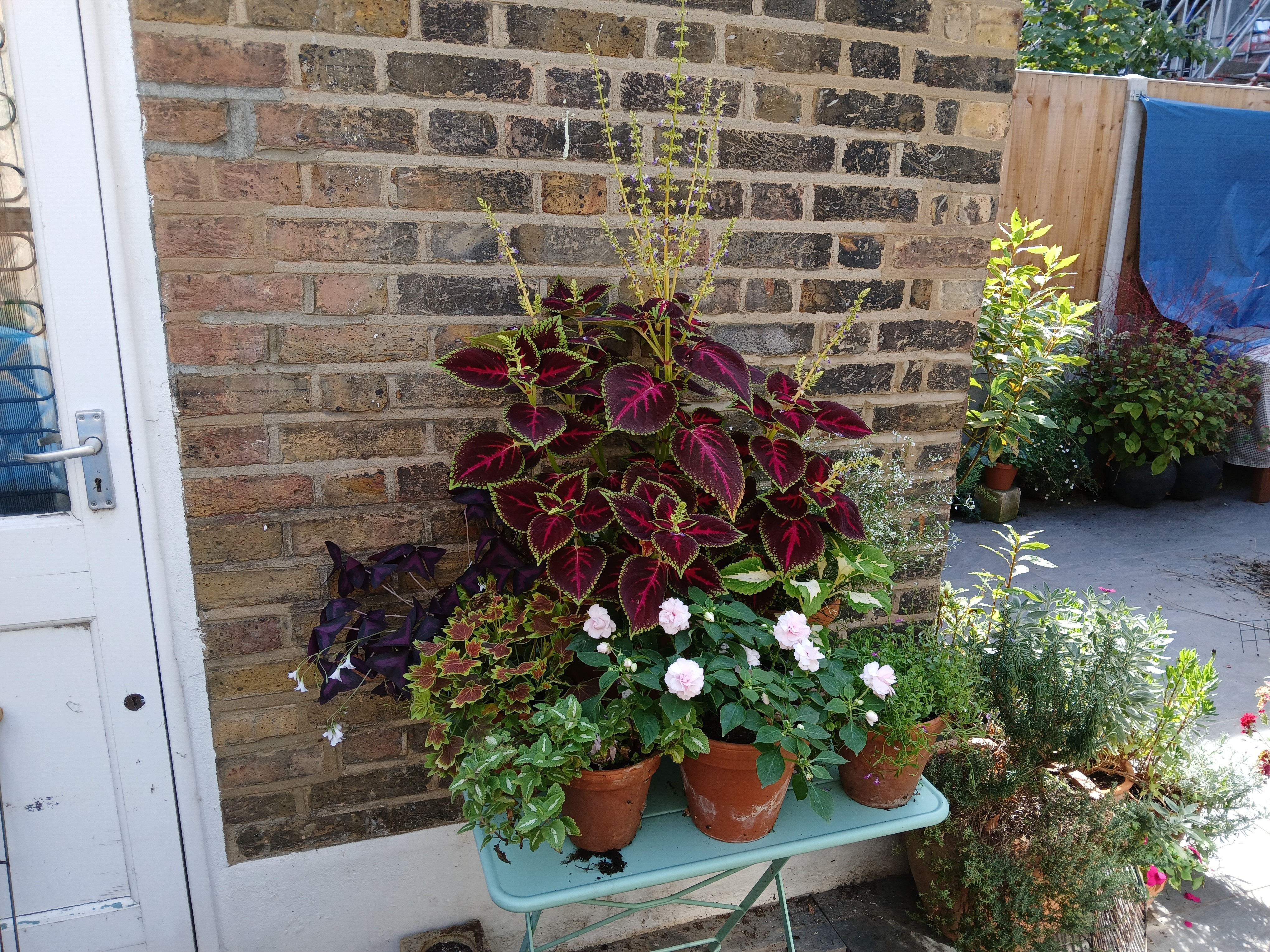
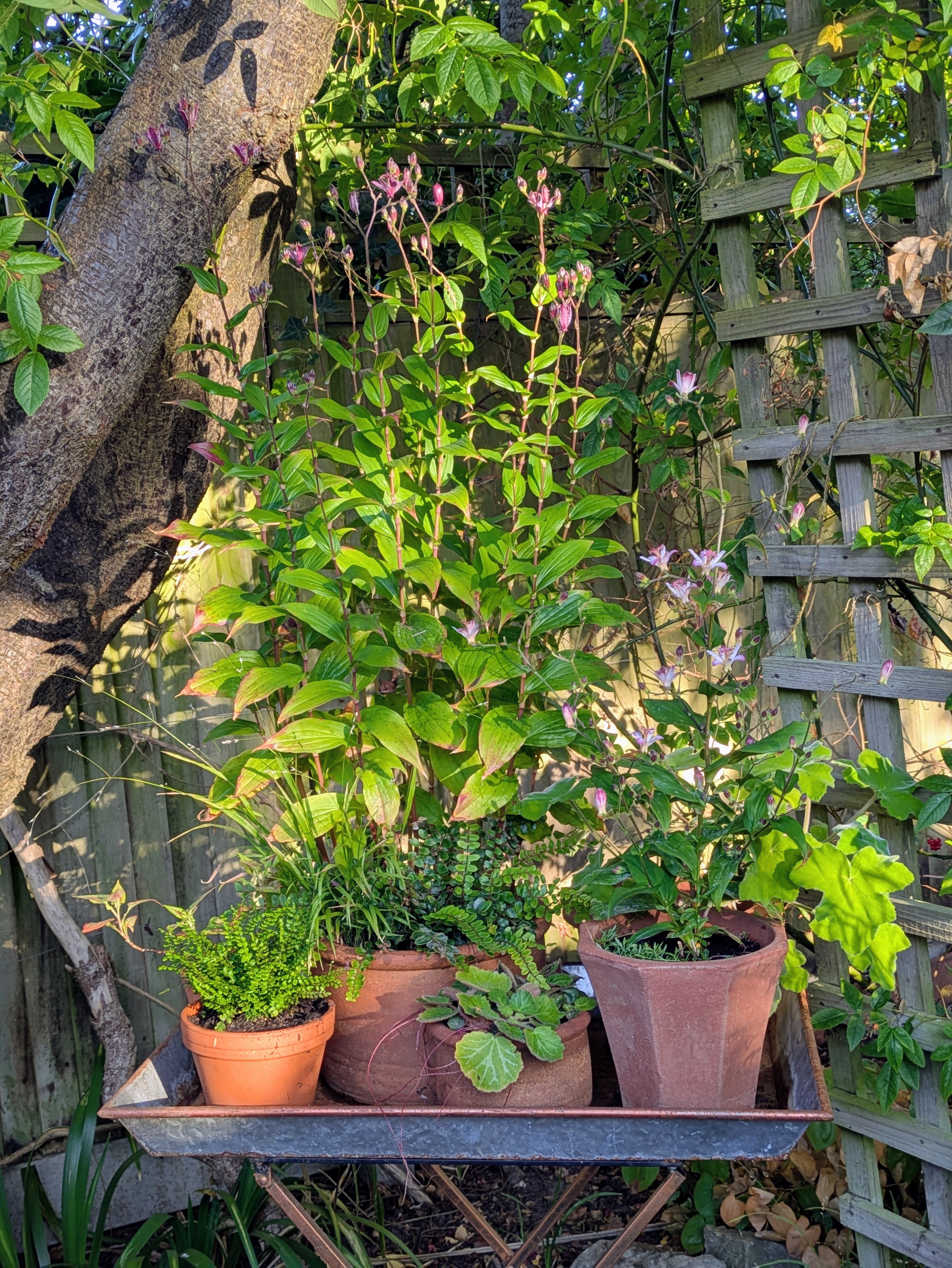
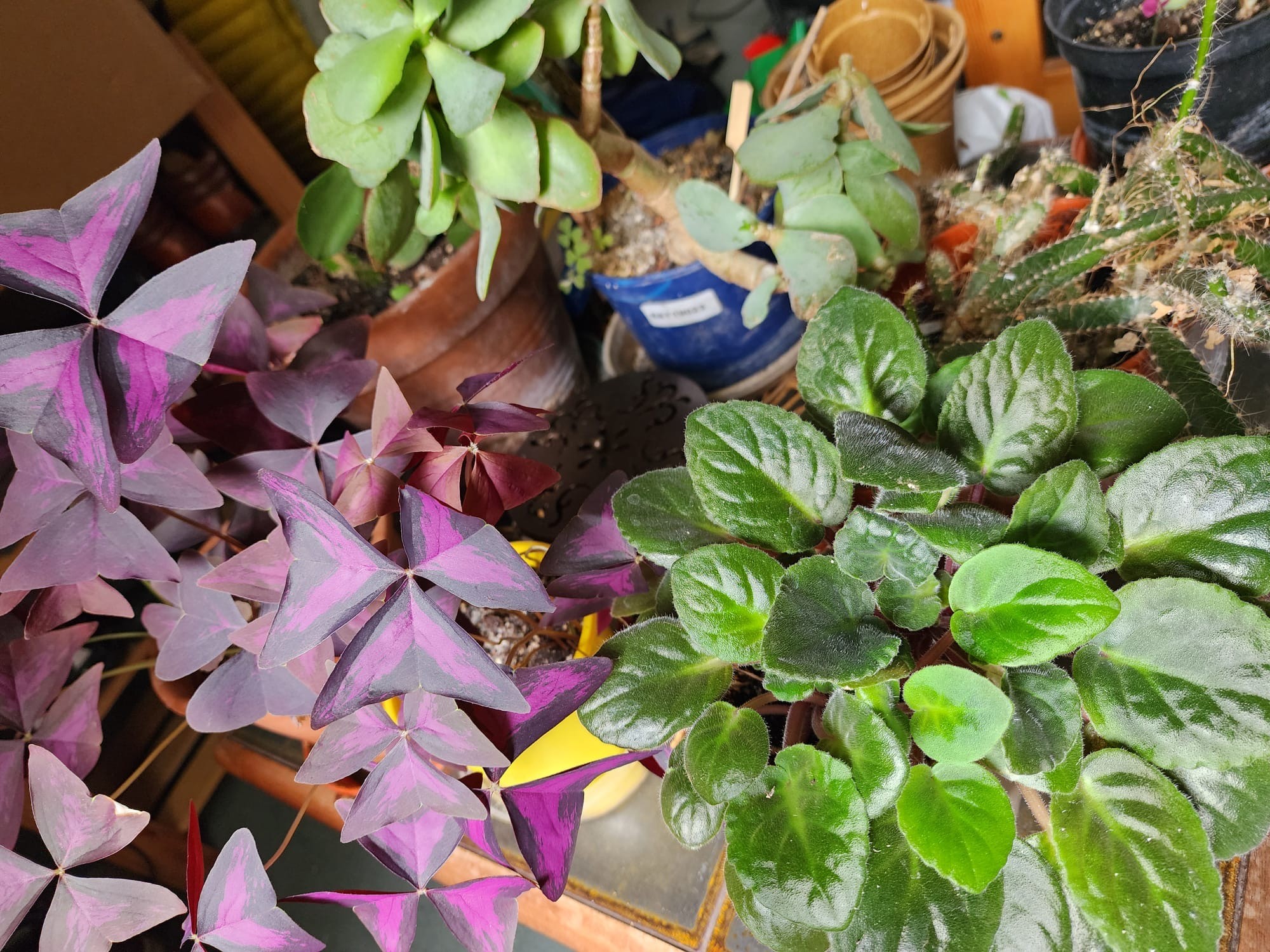
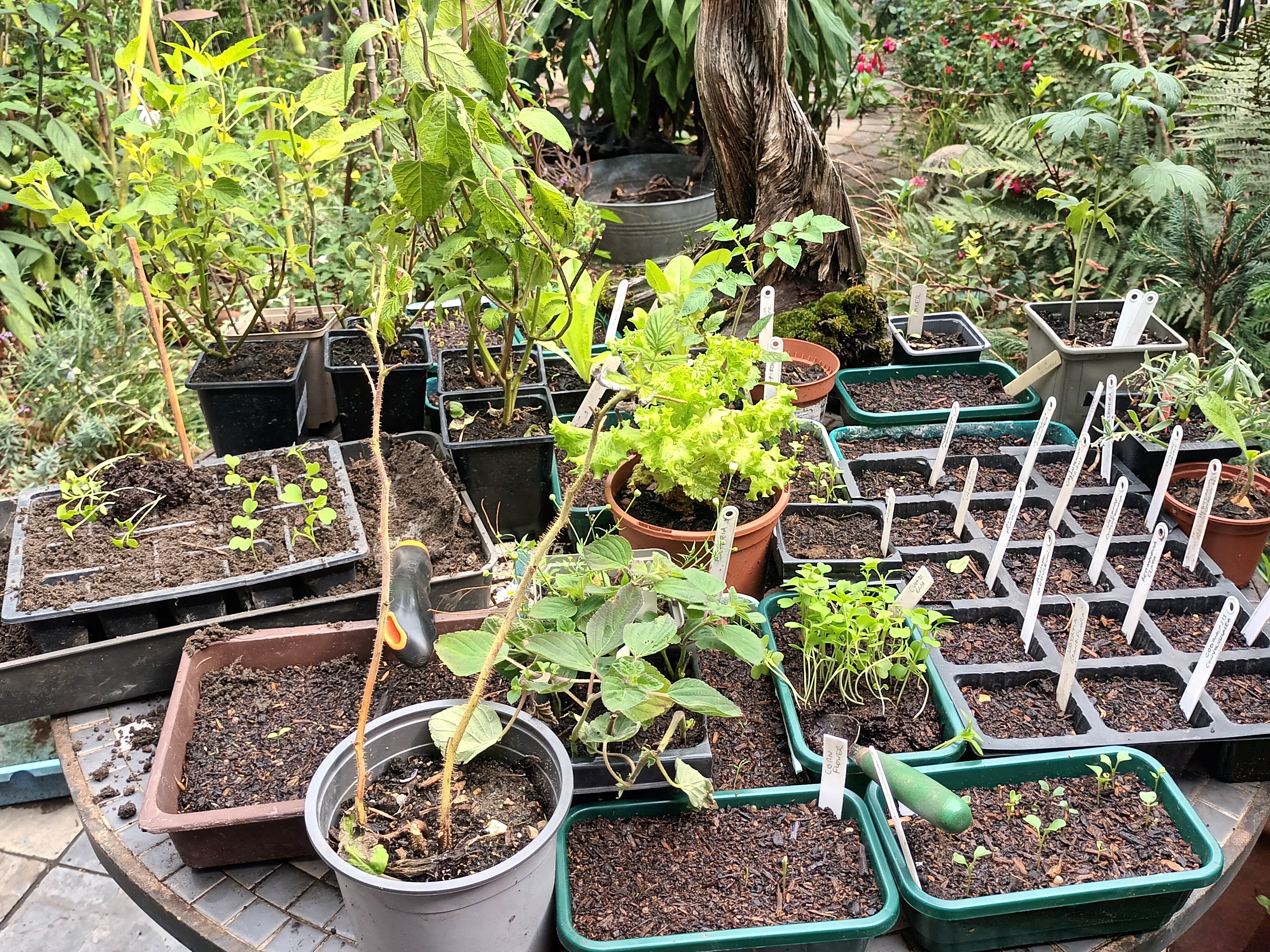
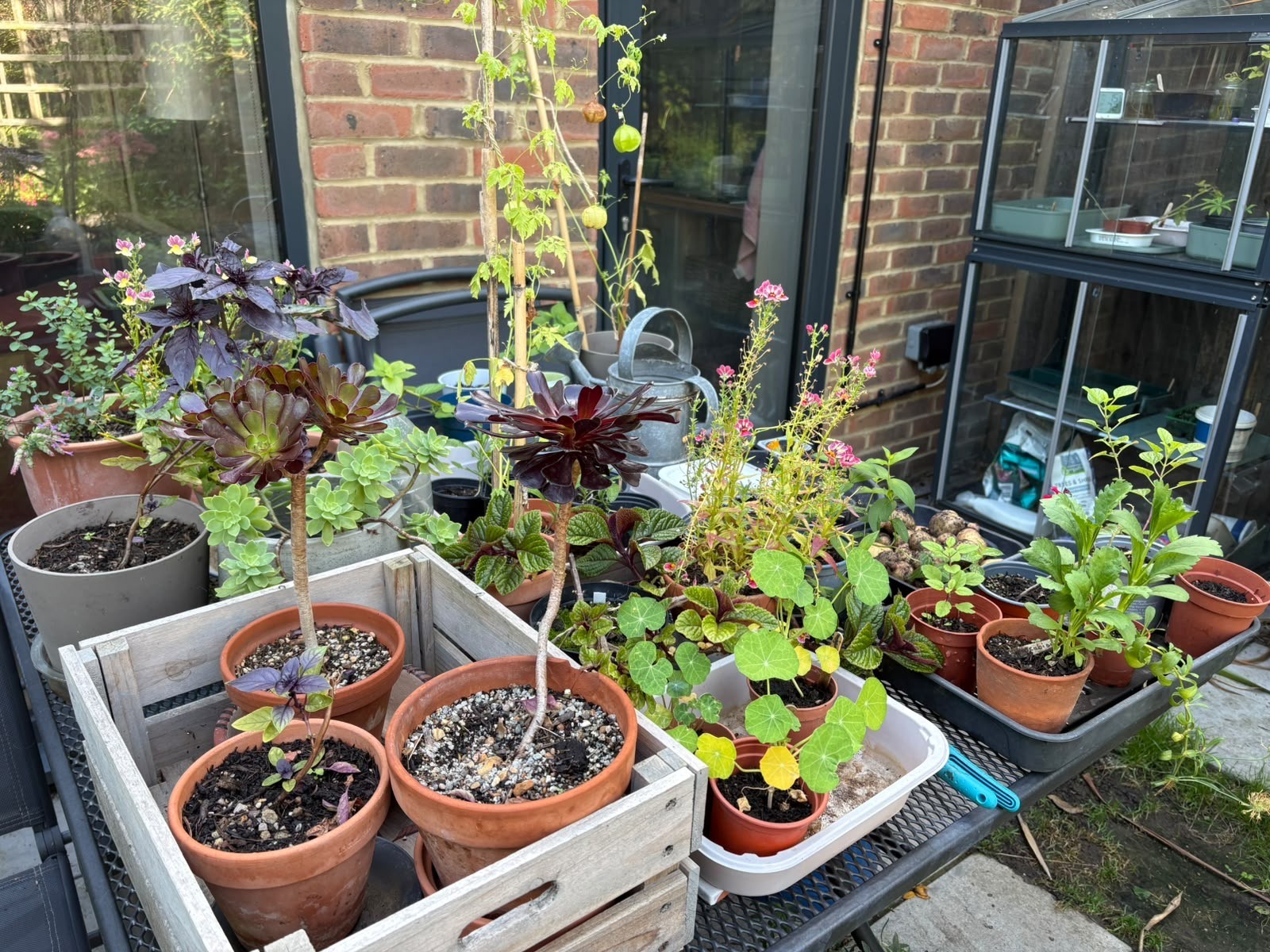
Class 15 (‘photograph of a display of plants on a table’) in our recent Flower, Fruit and Vegetable Show revealed a lovely variety of interpretations again this year (see last year’s tables for further inspiration). All are expressions of nature’s bounty, whether displaying the fruits – and flowers – of the summer’s labours or the exciting potential of seeds and cuttings. Indoors or outdoors, many choose to display tender plants in containers, enabling easy frost-protection later in the year.

Continue reading Top tables

Plant of the Month: Pelargonium (September 2026)

Pelargonium 'Lady Plymouth'

Every home should have at least one Pelargonium and, once you have one, you will most definitely want more. There is something so uplifting when seeing a Pelargonium in a pot, whether it’s flowering or not. Some can flower from early spring until the early frosts, but September, to my mind, is the month when many come into their own, generally sending out multiple flowering shoots to delight the eye. But they are all regarded as tender and should be brought indoors before the first frost of the season.


The following plants are in Vija’s garden, enjoying the present sunshine, amongst her table displays.

Continue reading Plant of the Month: Pelargonium (September 2026)

Beth Chatto’s Plants and Gardens, September 2026

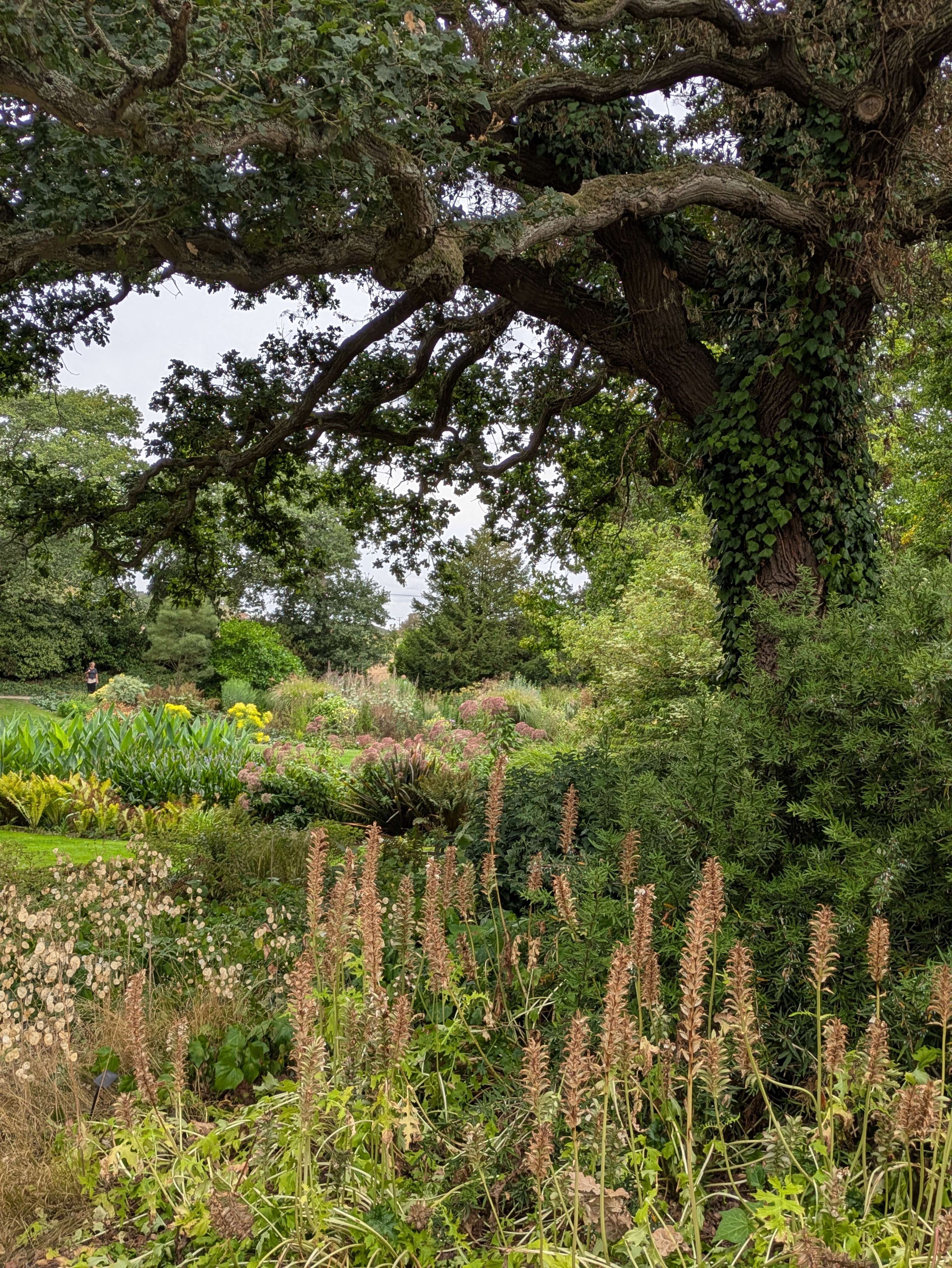
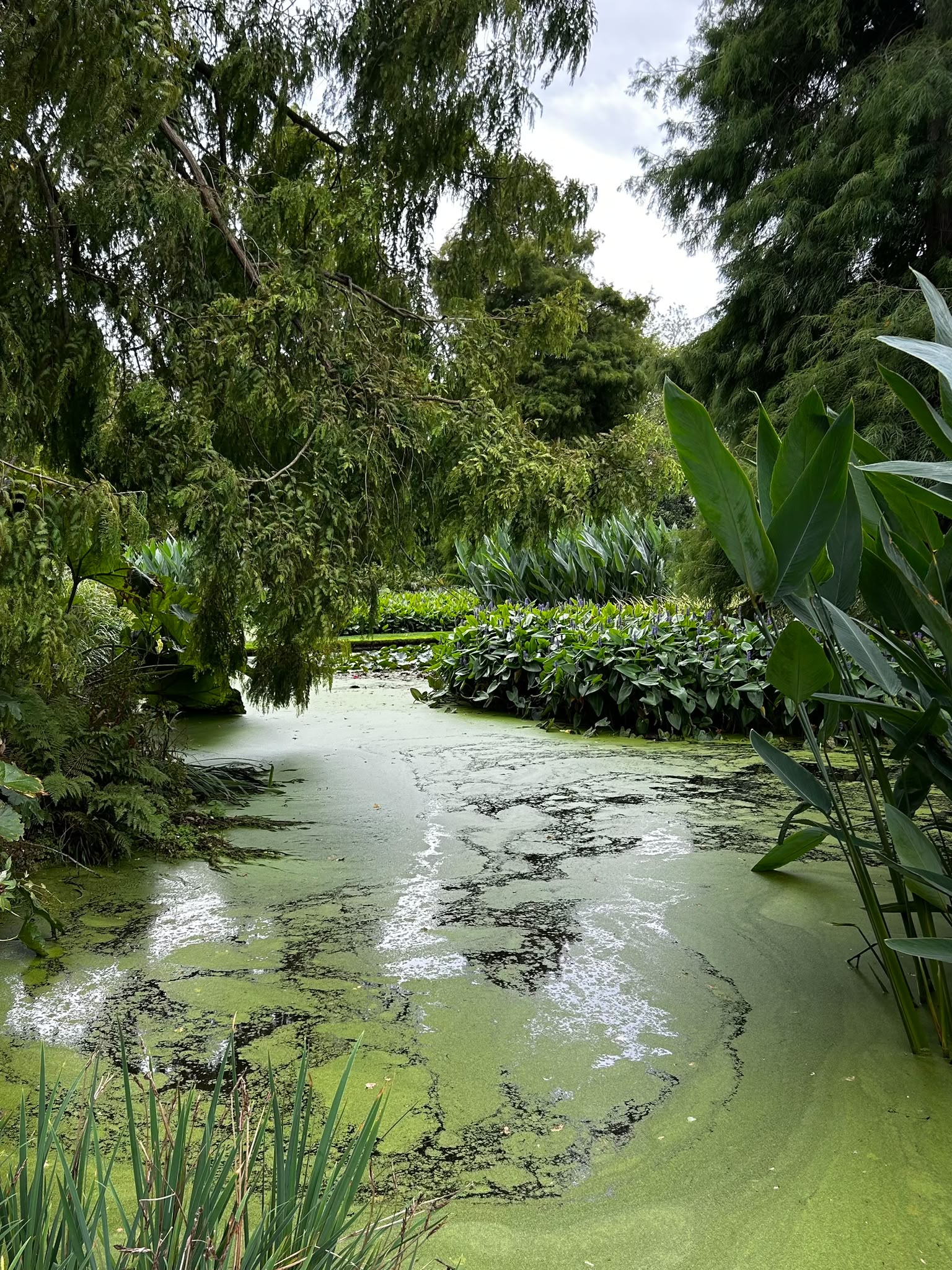
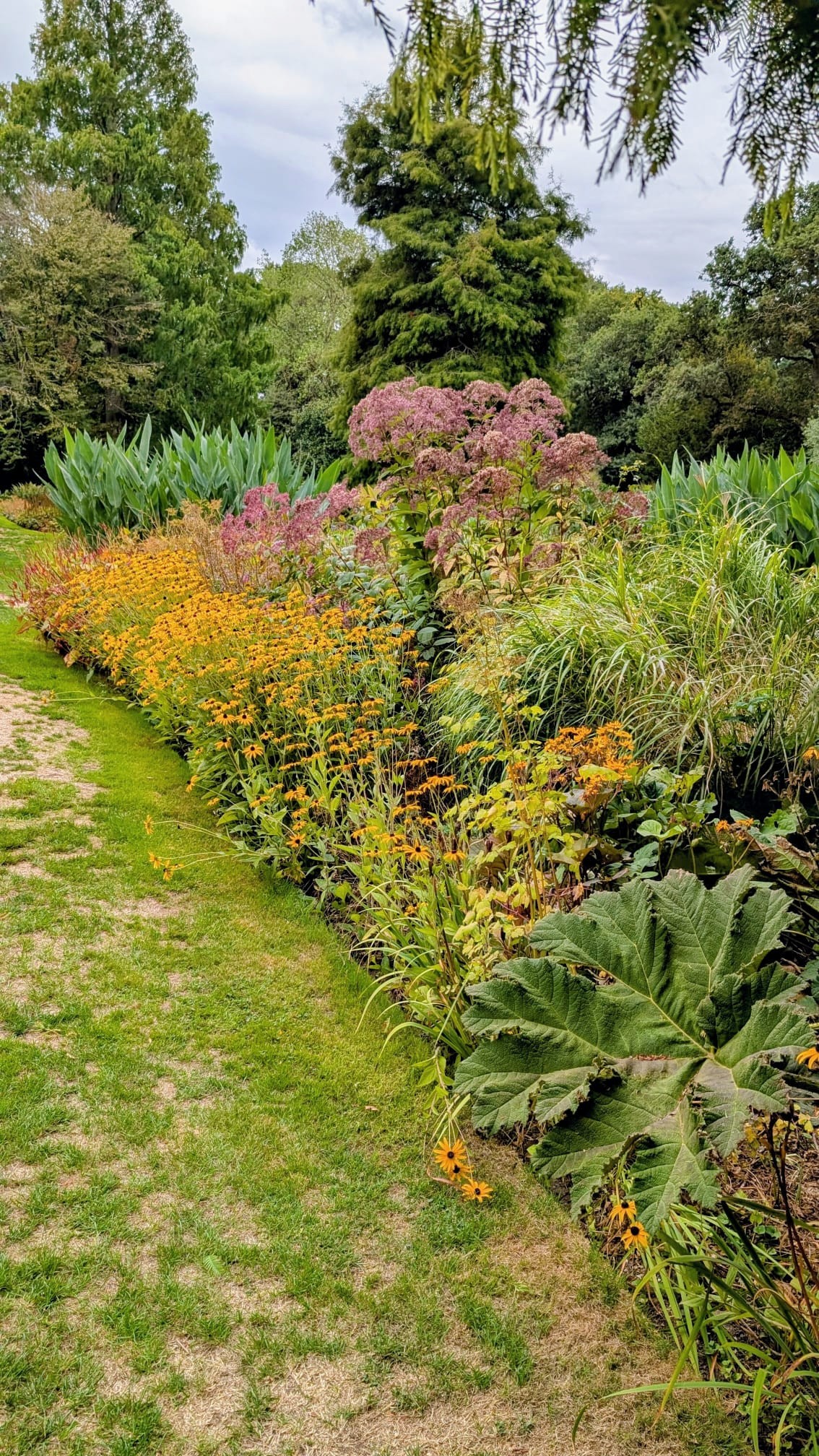
Looking toward the Water Garden. Beth Chatto's, September 2026

Last Friday, a full coach of CABAHS members took another trip to Essex, this time to see Beth Chatto’s Plants and Gardens. The last group visit was in 2021 and the irony of visiting a world-famous dry garden in torrential rain was not lost on those who attended then. A heavy downpour on Friday’s journey made us wonder if we might be reliving the experience, but it was brief and our whole visit was dry.

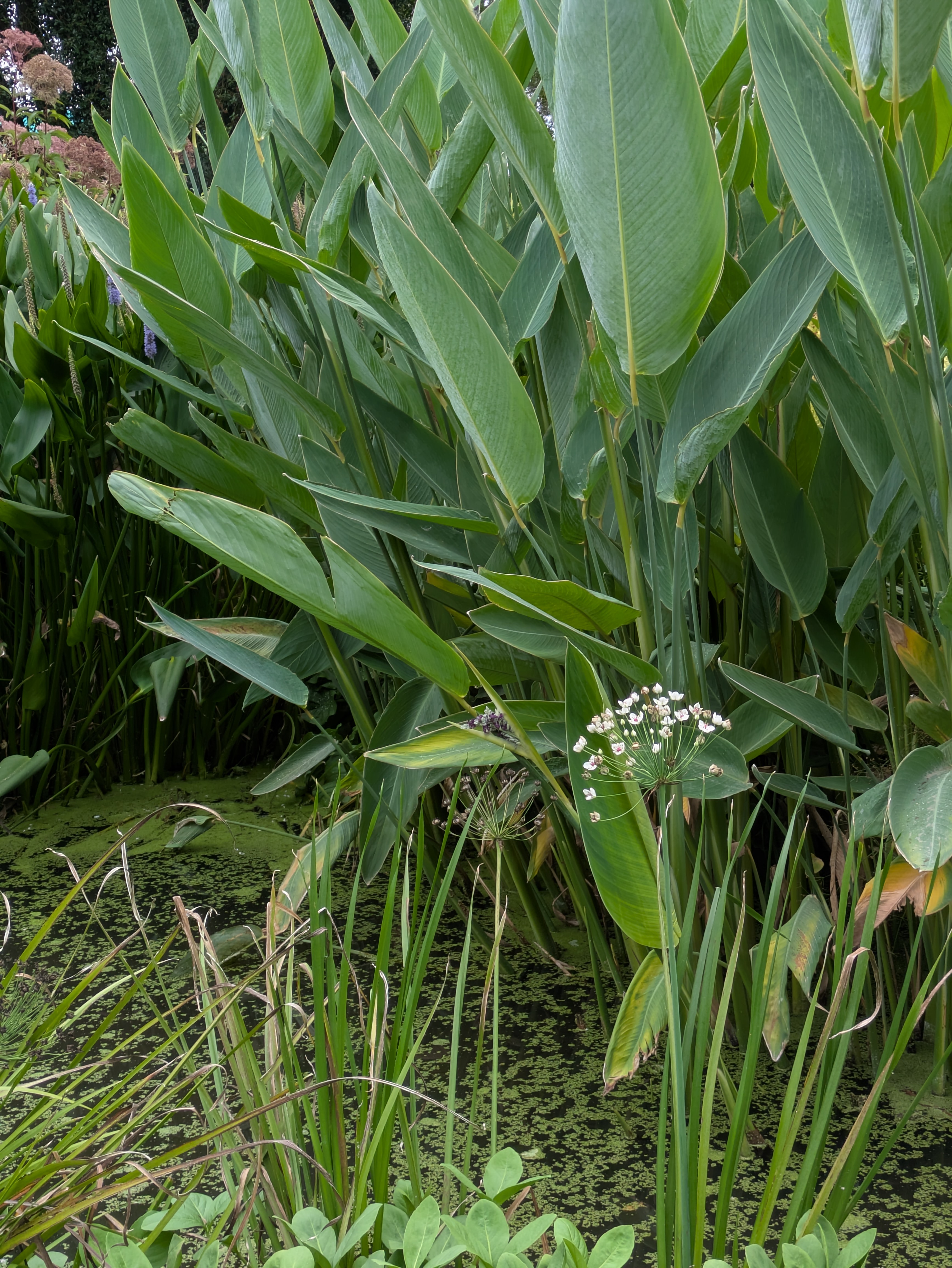
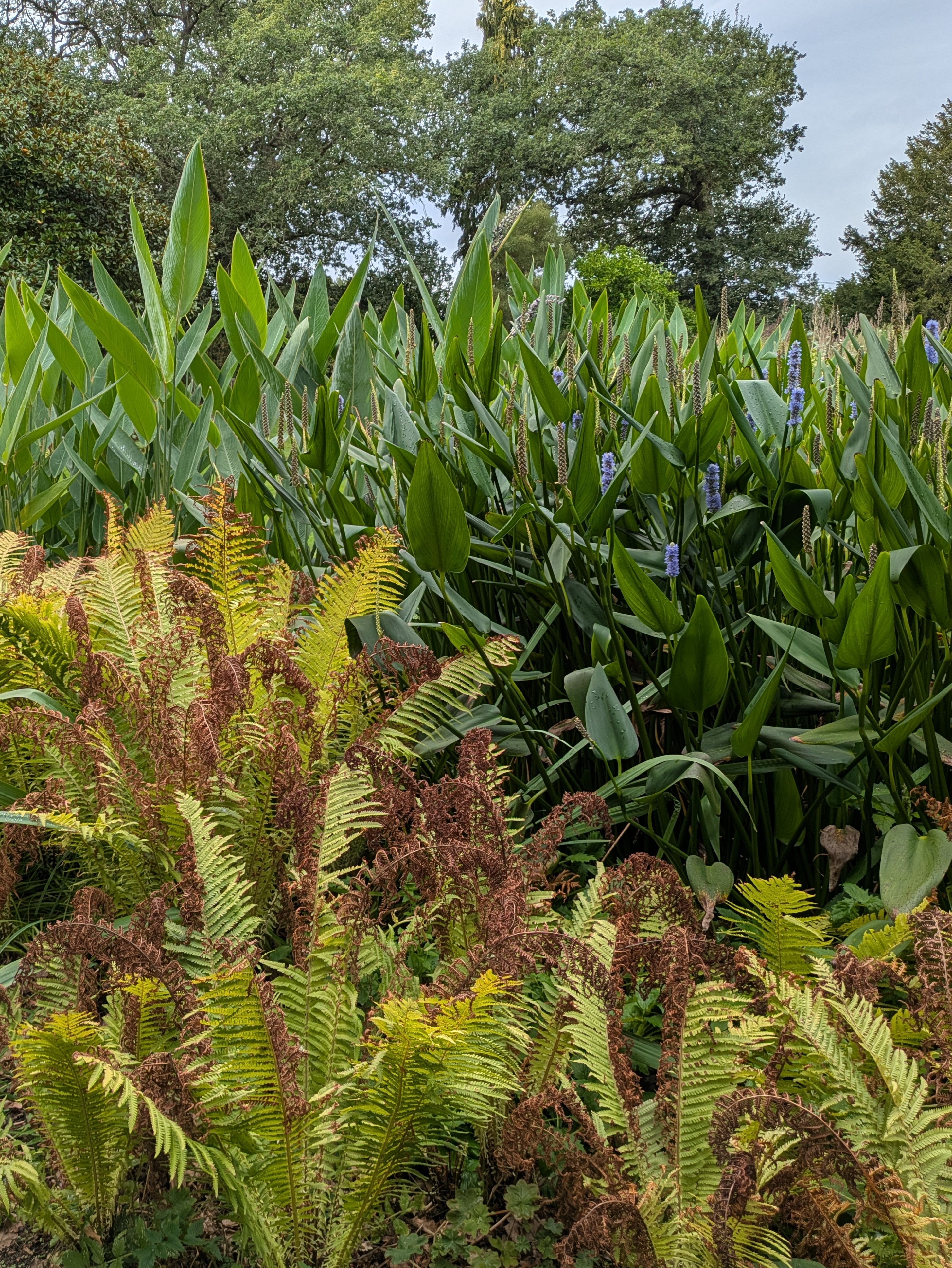
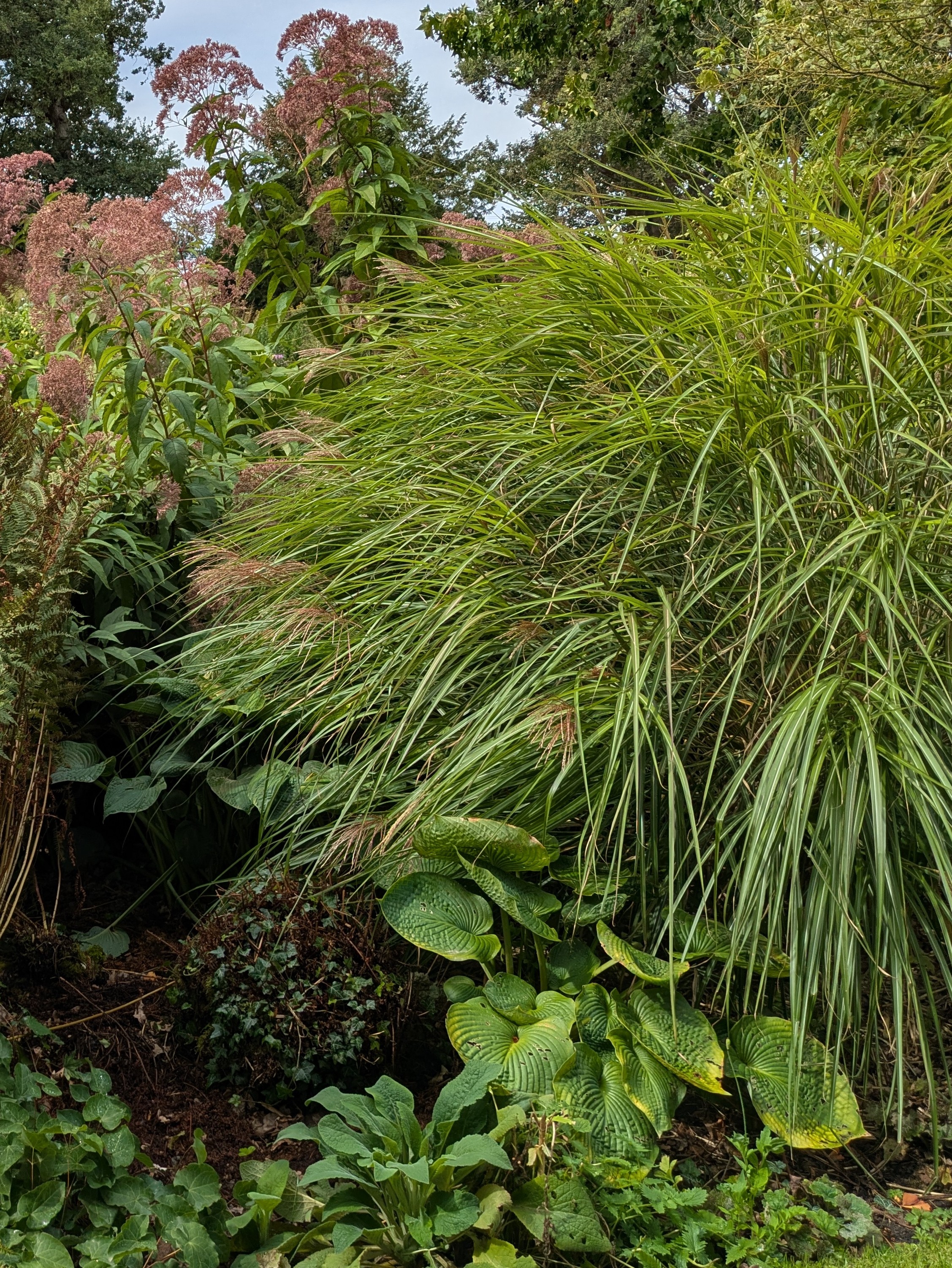
Most well-known is the Gravel Garden, which was developed in the 1990s on the former car park – at a high point in the gardens which, in Essex, are in one of the driest parts of the country. But the site has a much more varied topography and ecology than just the dry garden. Much of the site was actually boggy and Beth and Andrew Chatto carved ponds in the lowest areas. This meant that we saw green, green lawns in an area – the Water Garden – where the water table, even after this summer drought, is high.

Continue reading Beth Chatto’s Plants and Gardens, September 2026

A visit to Great Dixter, August 2026

Great Dixter, August 2026

The weather was forecast to be wet and possibly stormy, so we travelled with raincoats and umbrellas and extra layers of clothes. As it turned out, the weather was hot and sunny – a perfect day for garden visiting.

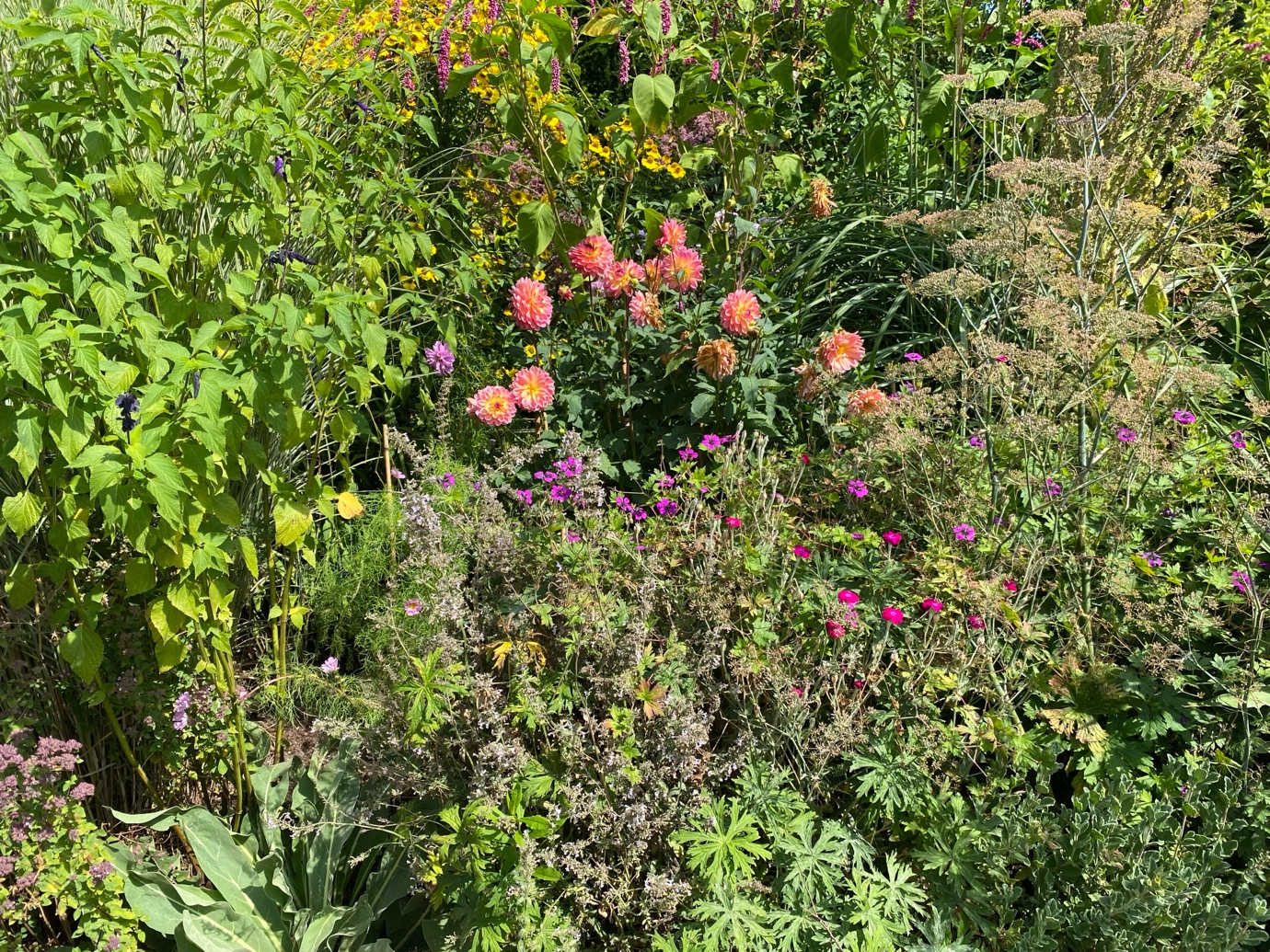
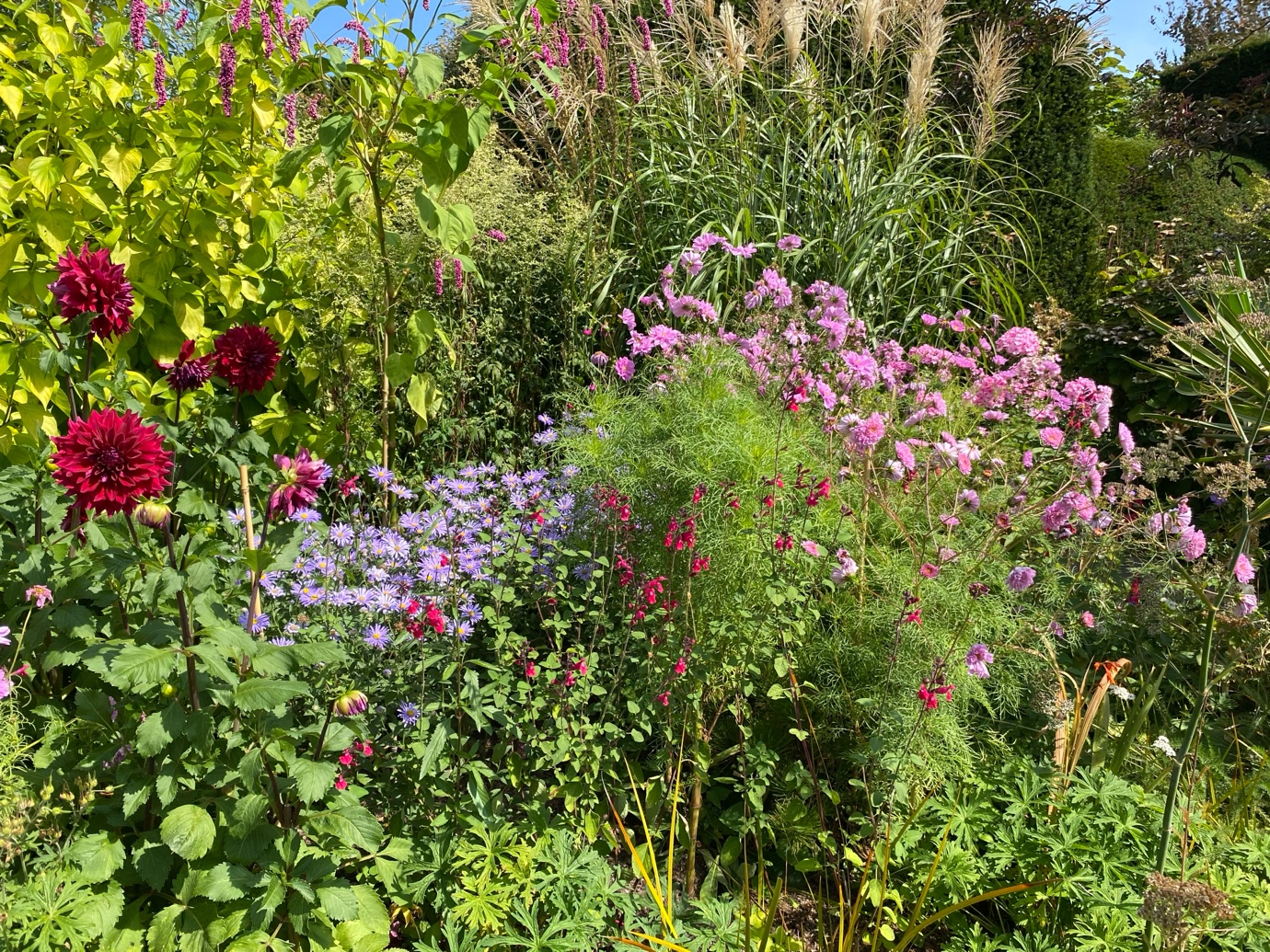
Unlike some other gardens, including many of our own, Dixter was full of colour and a profusion of planting. Nathaniel Lloyd and Edwin Lutyens had had the foresight to install a reservoir when the gardens were first built and this has served them well. The gardening team have focussed watering on new planting and stressed areas, which has clearly been a successful strategy. The intensively gardened areas like the Long Border have been watered end to end four times since January and the effects of this can be seen in the photos below.

Salvia and Persicaria at Great Dixter, August 2026
Salvias and Persicaria providing colour throughout
Continue reading A visit to Great Dixter, August 2026

Le Jardin Secret, Marrakesh

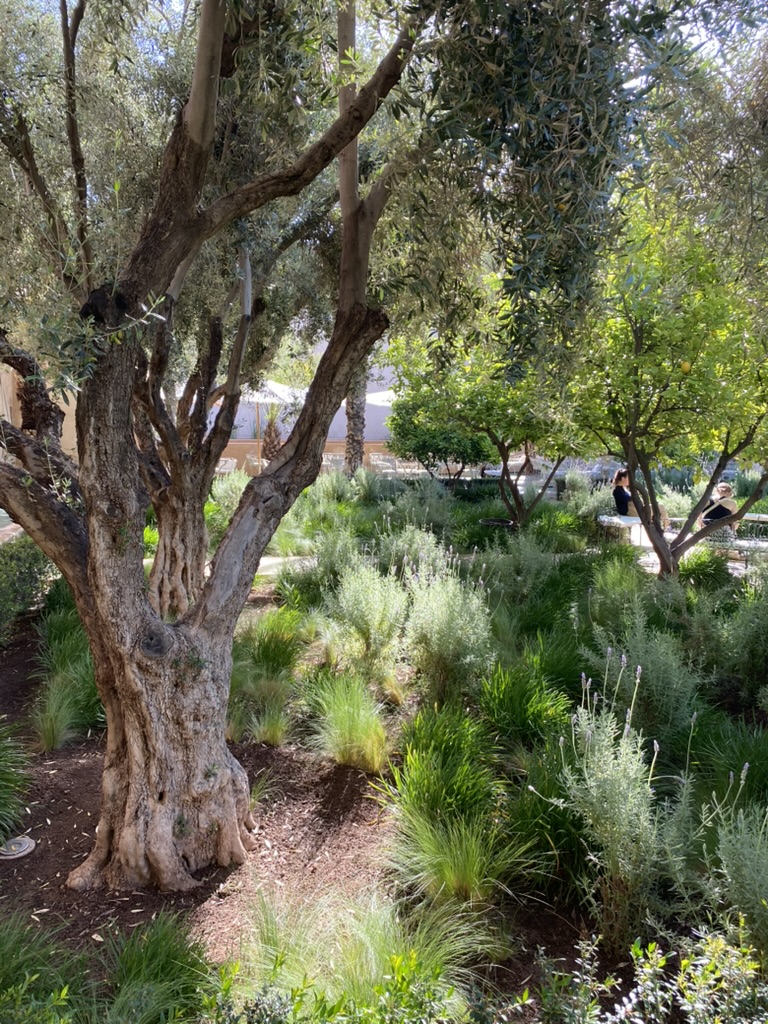
Hidden in the heart of the Medina in Marrakech is Le Jardin Secret. Many will be familiar with the documentary showing Tom Stuart-Smith working with teams of local builders and craftspeople to renovate this ancient site, making it what it is today. 

Olives underplanted with Tulbaghia

The origins of the garden date back to the second half of the sixteenth century, created by the Saadian dynasty. However, the garden and its buildings underwent decline and development as successive rulers governed the region, finally falling into disrepair in the 1930s. The site was eventually bought by an Italian couple, who employed Tom Stuart-Smith to design and create a new garden.

Continue reading Le Jardin Secret, Marrakesh

Pat’s 10 jobs for September 2025

1. Well at last the rain has arrived and is ready to drown all our plants! You may need to empty those saucers you put under pots for some of your more tender plants before they drown or rot…

2. This month and next is a good time to cut down and split many perennials ready for our sale at the Horn Fair on 19 October which soon comes round. I split sedum and Hesperantha the other day. I needed two forks back to back but made about fifteen plants! Check which plants are suitable for splitting in Autumn as some are better done in Spring.

3. Increase your supply of Pelargoniums by taking cuttings now below a leaf node. It also provides insurance for next year. We always love unusual varieties for the sales table if you can spare them.

Continue reading Pat’s 10 jobs for September 2025

Fantasy garden tables

Those of you who are regular viewers of BBC Gardeners’ World will most likely have noted Monty Don’s table of potted plants, which varies throughout the seasons and looks like something most of us can only dream of! In a recent article by Alice Vincent, she describes what she calls Monty Don’s ‘Fantasy table’. (My latest garden fantasy? An elegant table covered in flower pots)

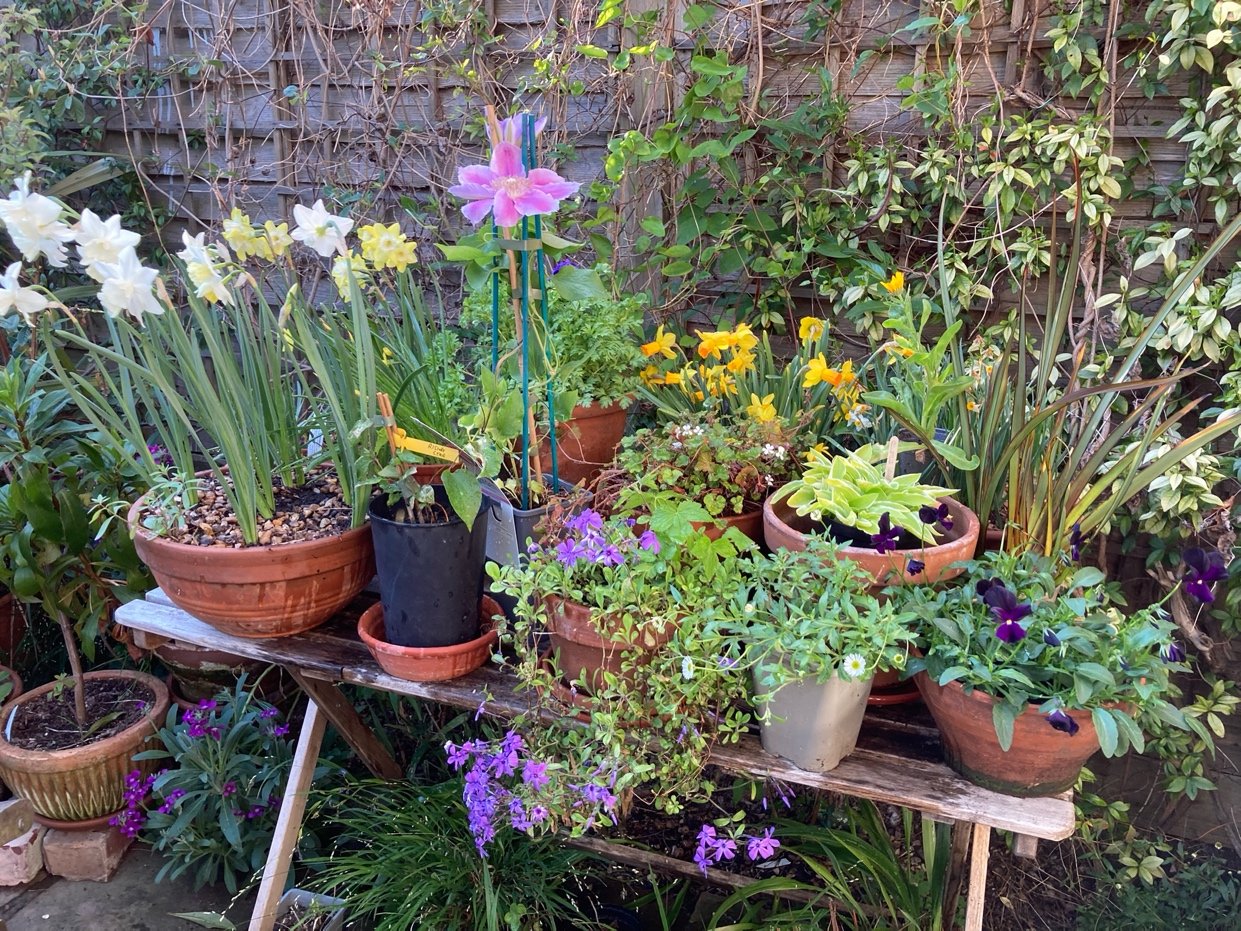
The scale of Don’s table and the amount he has displayed is something many of us may aspire to, myself included! On a recent visit to Anna L’s garden, I was impressed by how she had similarly grouped a range of plants in pots, a mix of bulbs, a small Phlox stolonifera, Violas, a Clematis waiting to be planted and a miniature Hosta. Anna very kindly listed the plants for me and you can see from this that a display does not have to be carefully curated, but a selection of whatever takes your fancy!

Anna's garden table
Anna’s plant table in late spring, featuring:
Narcissus ‘Thalia’ and N. ‘Pipit’; Clematis ‘Rising Star’ and C. ‘Bees’ Jubilee’; Pelargonium australe; Phlox stolonifera ‘Fran’s Purple’; Anemone de Caen blue-flowered; Primula ‘Stella Neon Violet’; Phormium; purple Viola; Hosta ‘Lemon Stiletto’
Continue reading Fantasy garden tables

Pat’s Jobs for July

1. Top of the list for July is pruning wisteria, taking back that whippy growth to 2 to 3 buds from the main stems.

2. Sweetpeas should be flowering by now so make sure to keep cutting the blooms and give them a feed and plenty of water. They cease flowering quickly if not picked twice a week. 

Vase of sweetpeas

3. Deadhead all your perennials and annuals regularly unless you want them to set seed for next years sowing.

Continue reading Pat’s Jobs for July

Never say ‘Never’

A few years ago I cleared out my greenhouse following the losses of the winter and dumped in my compost the remains of pelargoniums and other dead items. It’s always a little sad to lose much loved plants which have given you their best. I then had some fun ordering new plants to replace the old ones (and some others!). A couple of weeks later, I found several of my ‘dead’ pelargoniums lying in the compost and sprouting new shoots from the roots. Of course, I swiftly took them out and potted them up to achieve lovely healthy plants. I am now a little less impatient to discard anything that looks dead.

Continue reading Never say ‘Never’

Sussex Prairie Gardens

The Sussex Prairie Garden is a six acre garden with naturalistic planting, created by Paul and Pauline McBride, who worked with Piet Oudolf some years ago. The garden is on a farm and surrounded by oak trees, featuring a wide range of herbaceous perennials, Veronicastrums, Thalictrums, Persicarias, Sanguisorbas, Kniphofias and Hemerocallis. Huge drifts of ornamental grasses and Asters extend the season of interest hugely. In addition to the planting in the borders there are some massive pots beautifully planted up with huge salvias, Melianthus Major and splendid Pelargonium Tomentosum. The expansive beds are planned with winding rough paths to allow visitors to wander through, brushing grasses and Heleniums as they pass. It is definitely a garden for a late summer visit and seems to have managed remarkably well through this hot summer of 2022.

The plant fair on the day of our visit was spread out through the garden and accompanied by a band and stalls selling refreshments. It had a decidedly festive air! There are dozens of varieties of Miscanthus, Panicums, Molinias, Sporobolis and Penisetum and several of the plant stalls capitalize on this by selling a good selection of grasses.

Beds of mixed grasses and herbaceous perennials

The garden is at its best in late summer and into the autumn as might be expected from the nature of the plants. I have visited earlier in the year when there is far less to see.

Beds of mixed grasses and herbaceous perennials

The planting is bold and on a grand scale, not much of it less than a metre tall, but for anyone interested in growing prairie type plants or simply just interested, this is a garden well worth visiting.

Vija