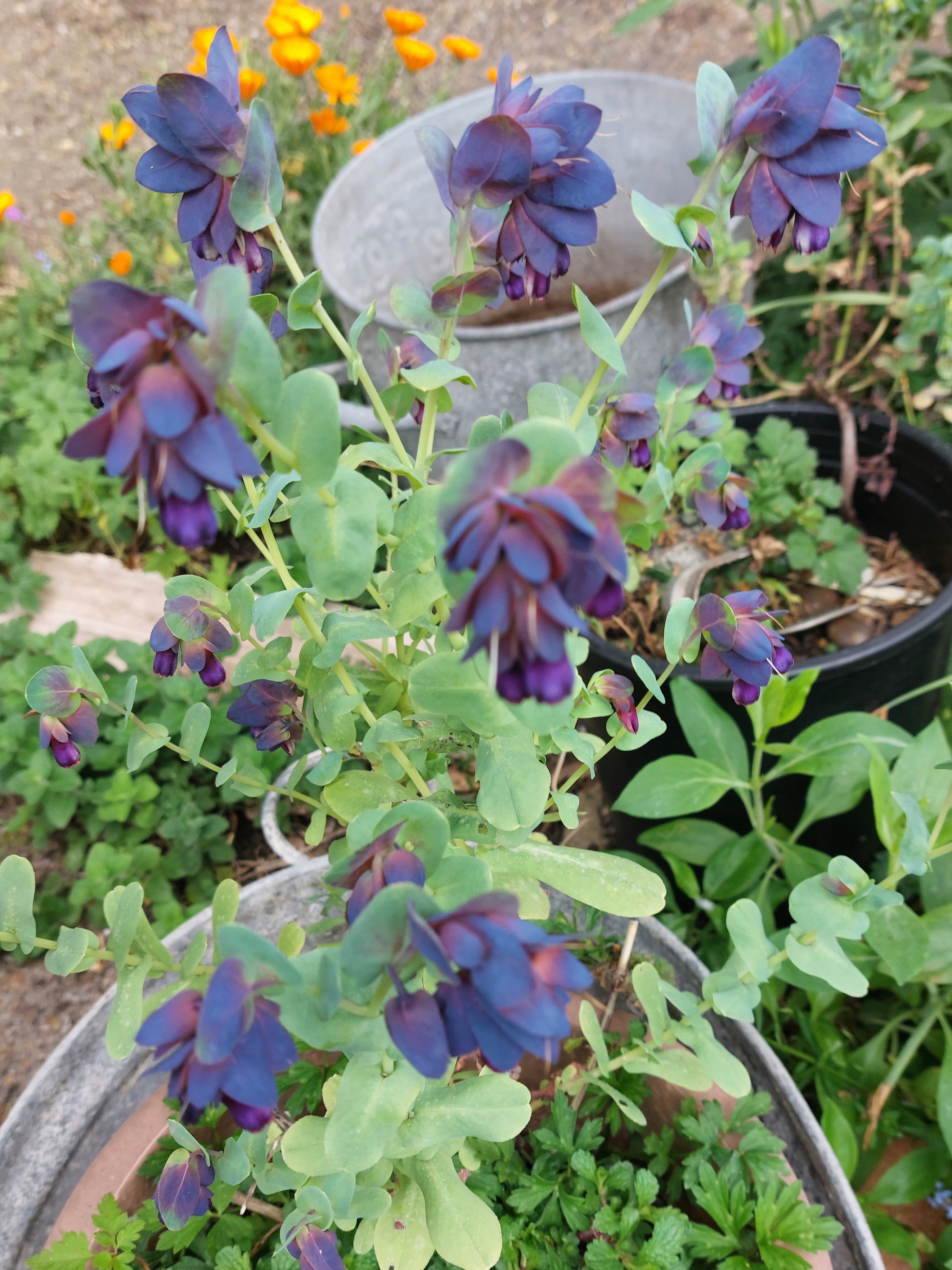
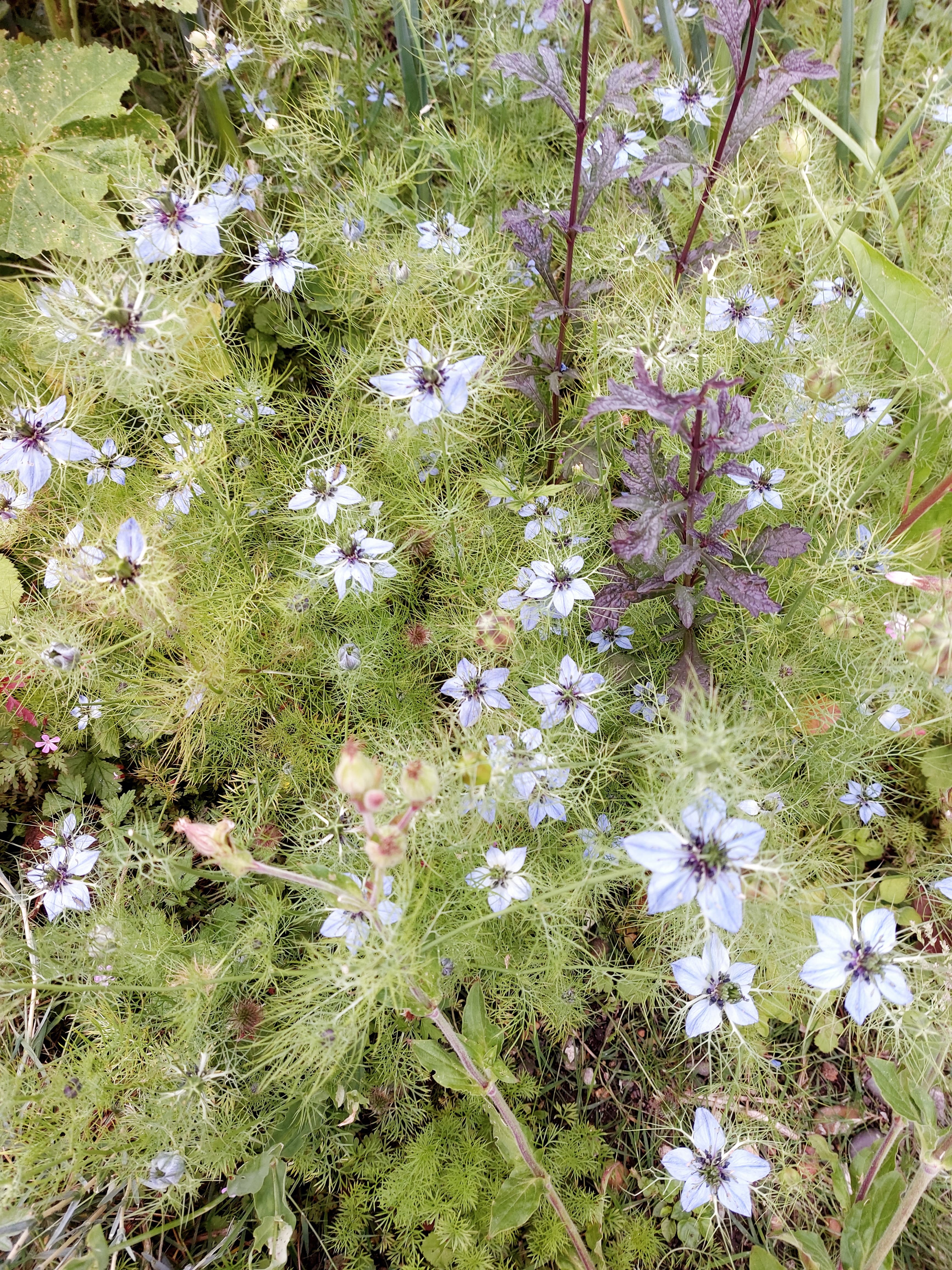
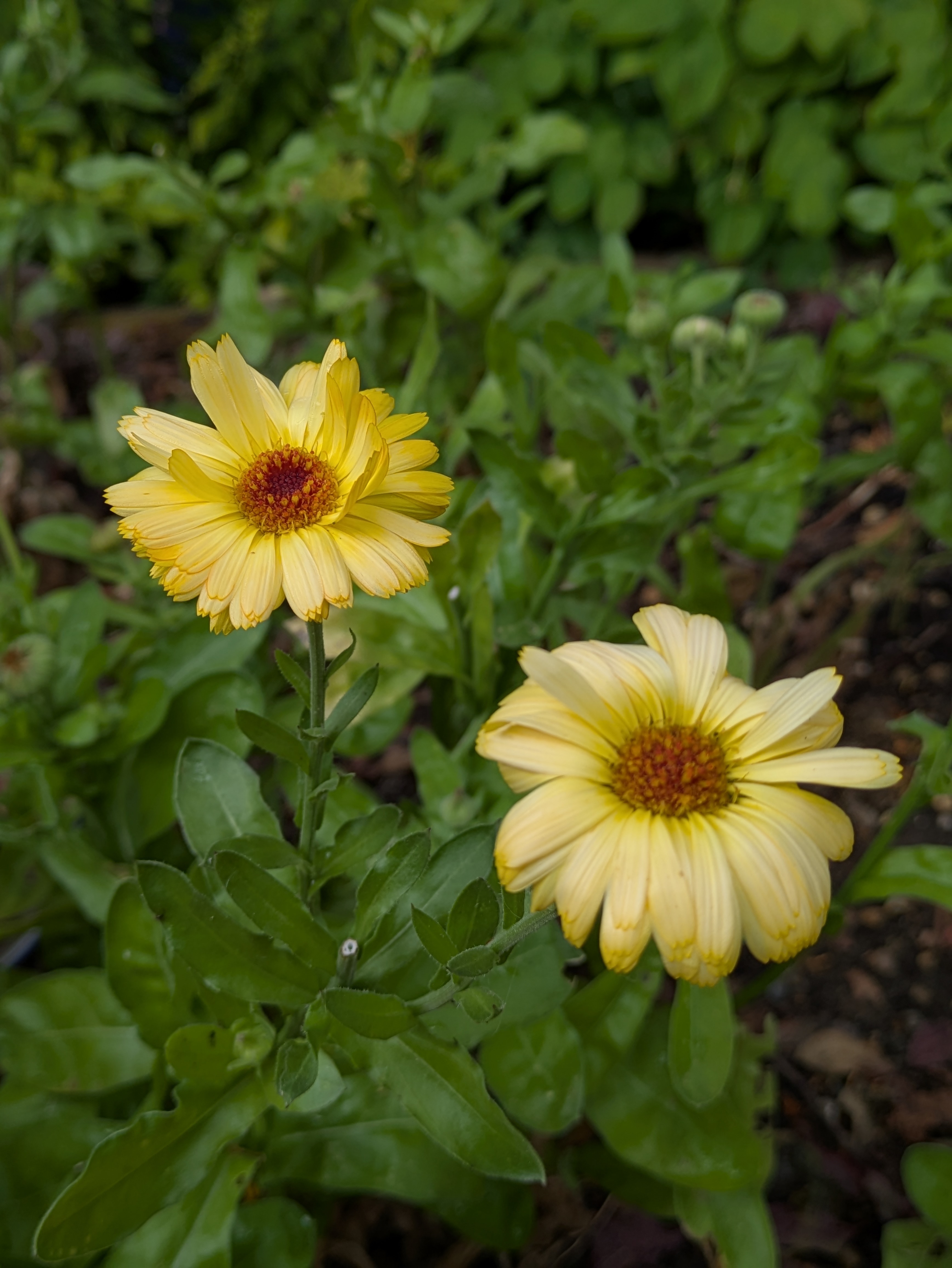
1. There’s still time to direct sow some annuals like Cerinthe, Nasturtium, Nigella and Calendula for late flowering. Remember to thin out once germinated for decent size flowers.
Cerinthe (honeywort), Nigella (love in the mist) and Calendula (pot marigold) can all still be sown now
2. Lily beetles are rife this year so be vigilant as they can devastate in no time (and they enjoy fritillaries too).
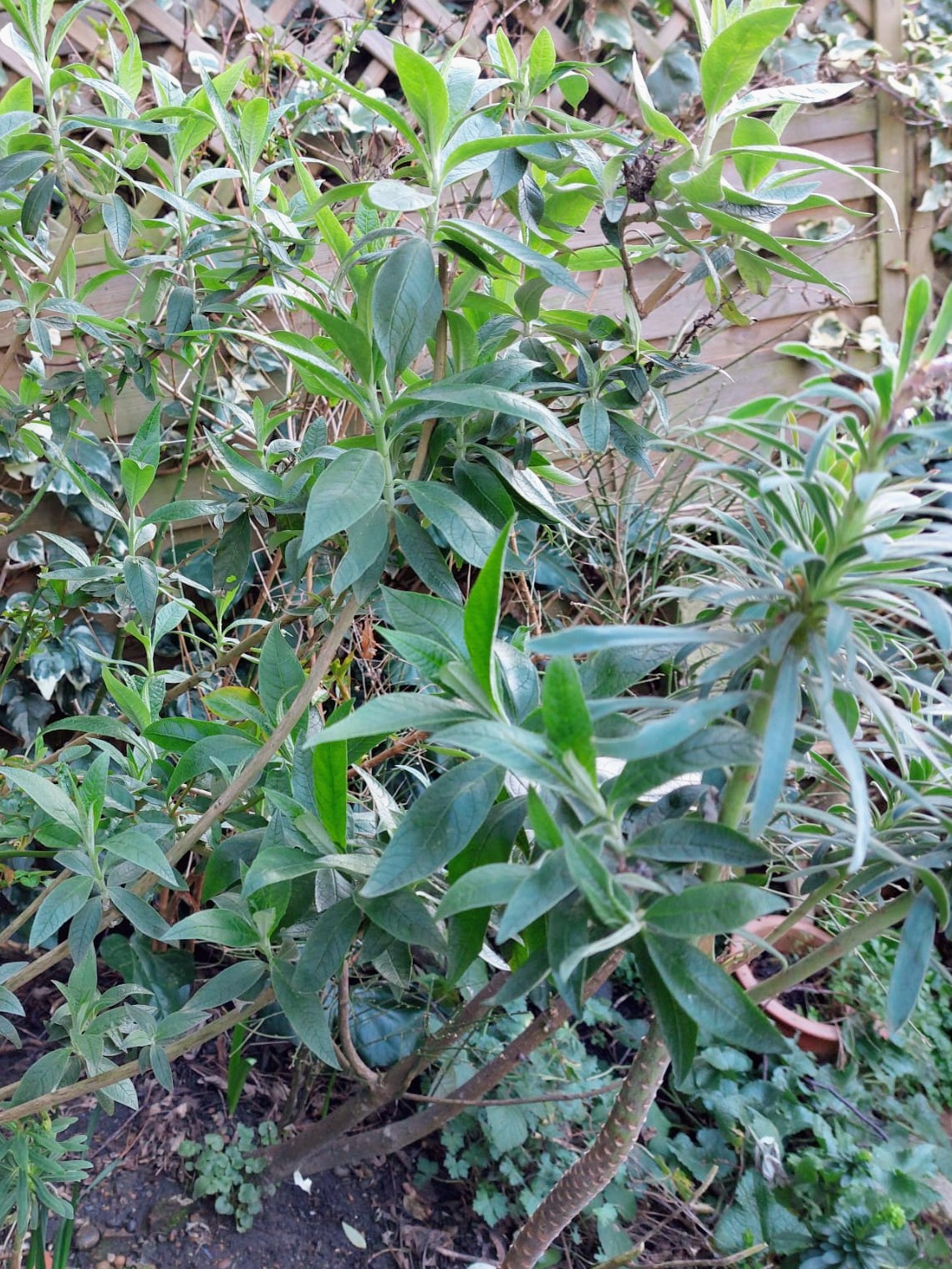
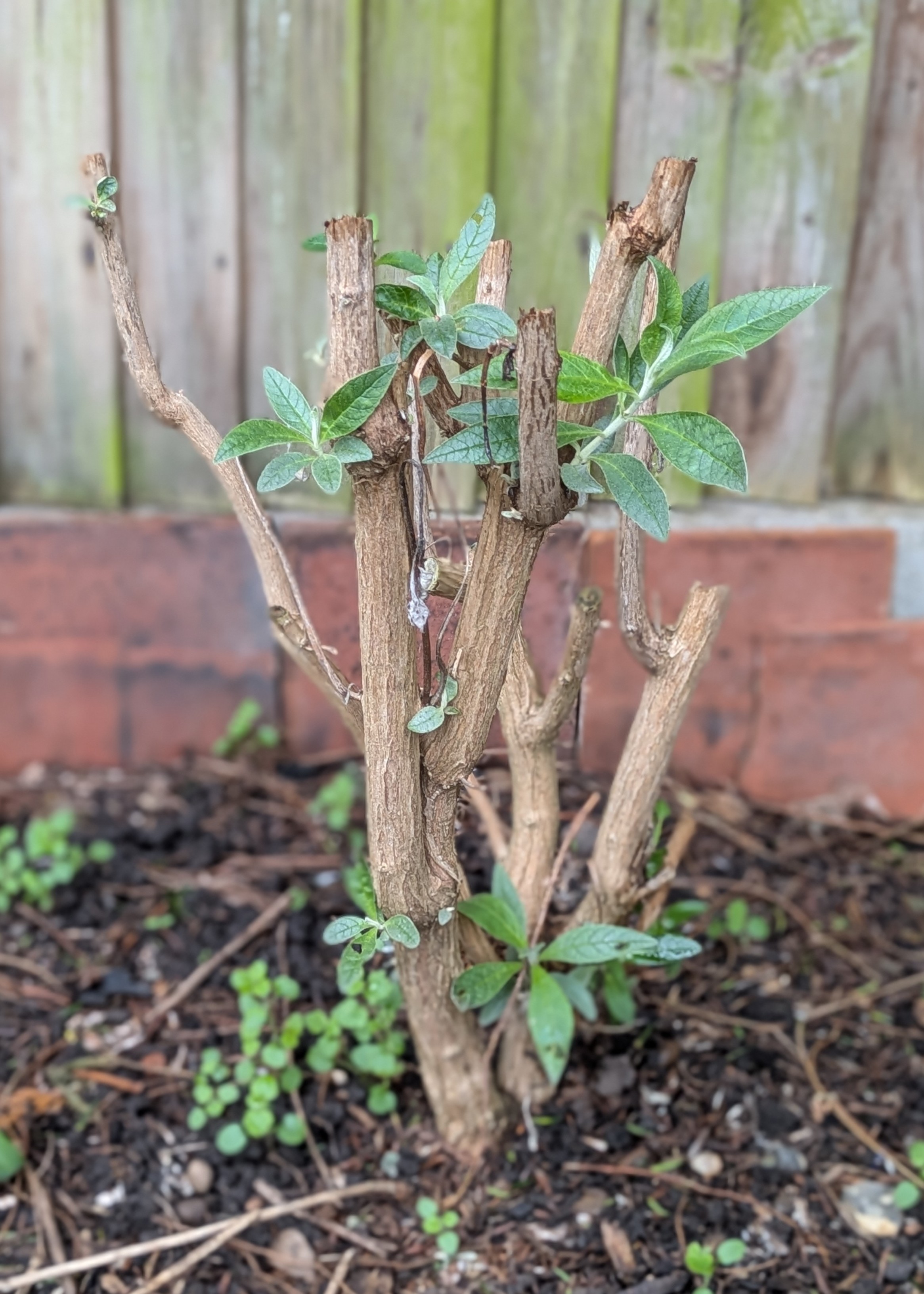
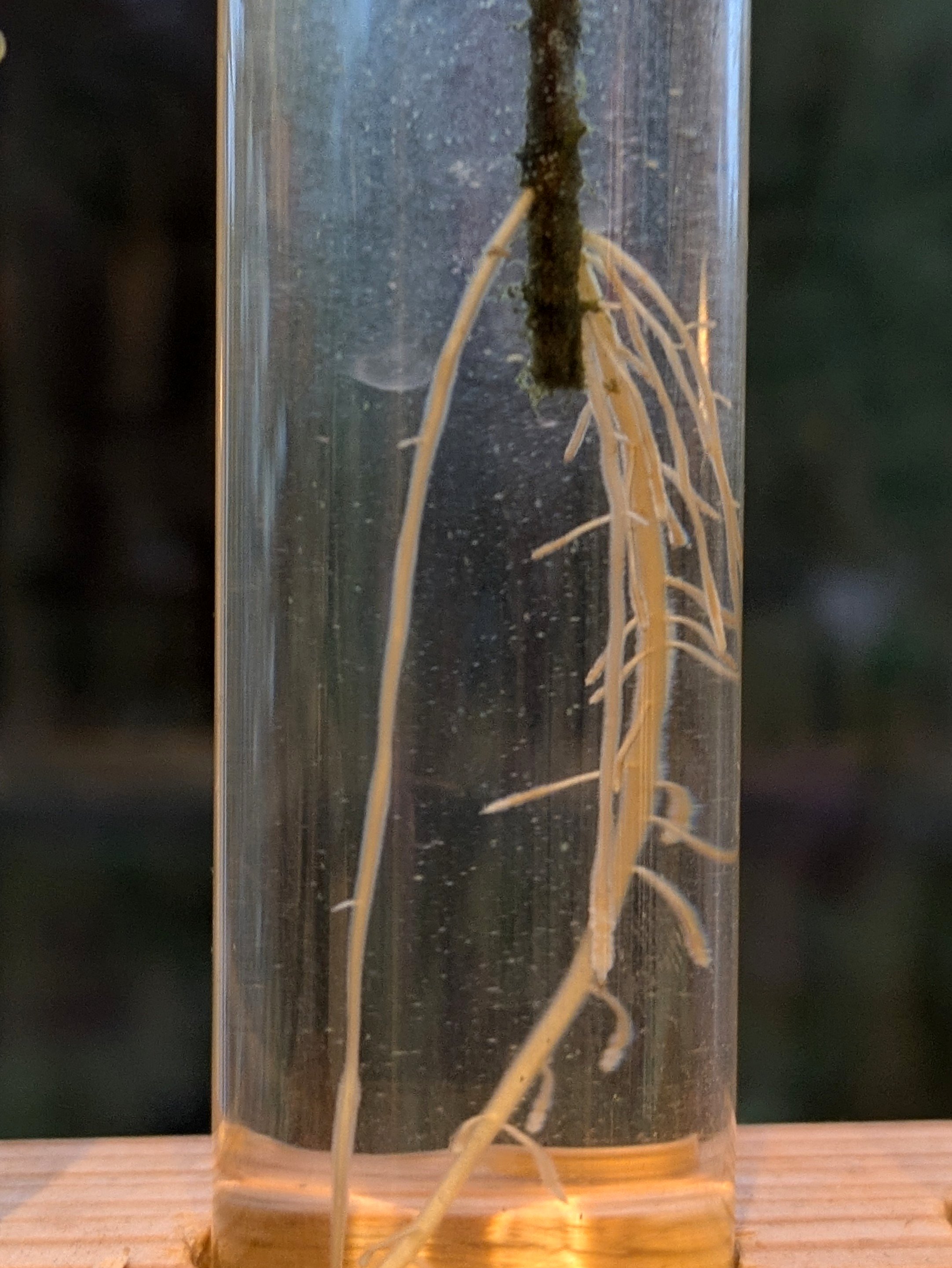
1. Time to cut back Buddleja davidii hard… don’t be timid, take it right back to 40cm to a pair of buds. If you want a taller plant make the cuts higher up the stem. It will grow back in no time. The prunings make good hardwood cuttings and root easily straight in the ground.
Buddlejas before and after a hard prune (not the same plant!)
2. You can pot up Dahlia tubers now by placing in pots or trays of peat-free compost in a frost-free place, and water once with no need to water again until shoots appear. Make sure the tubers are firm with no sign of rot.
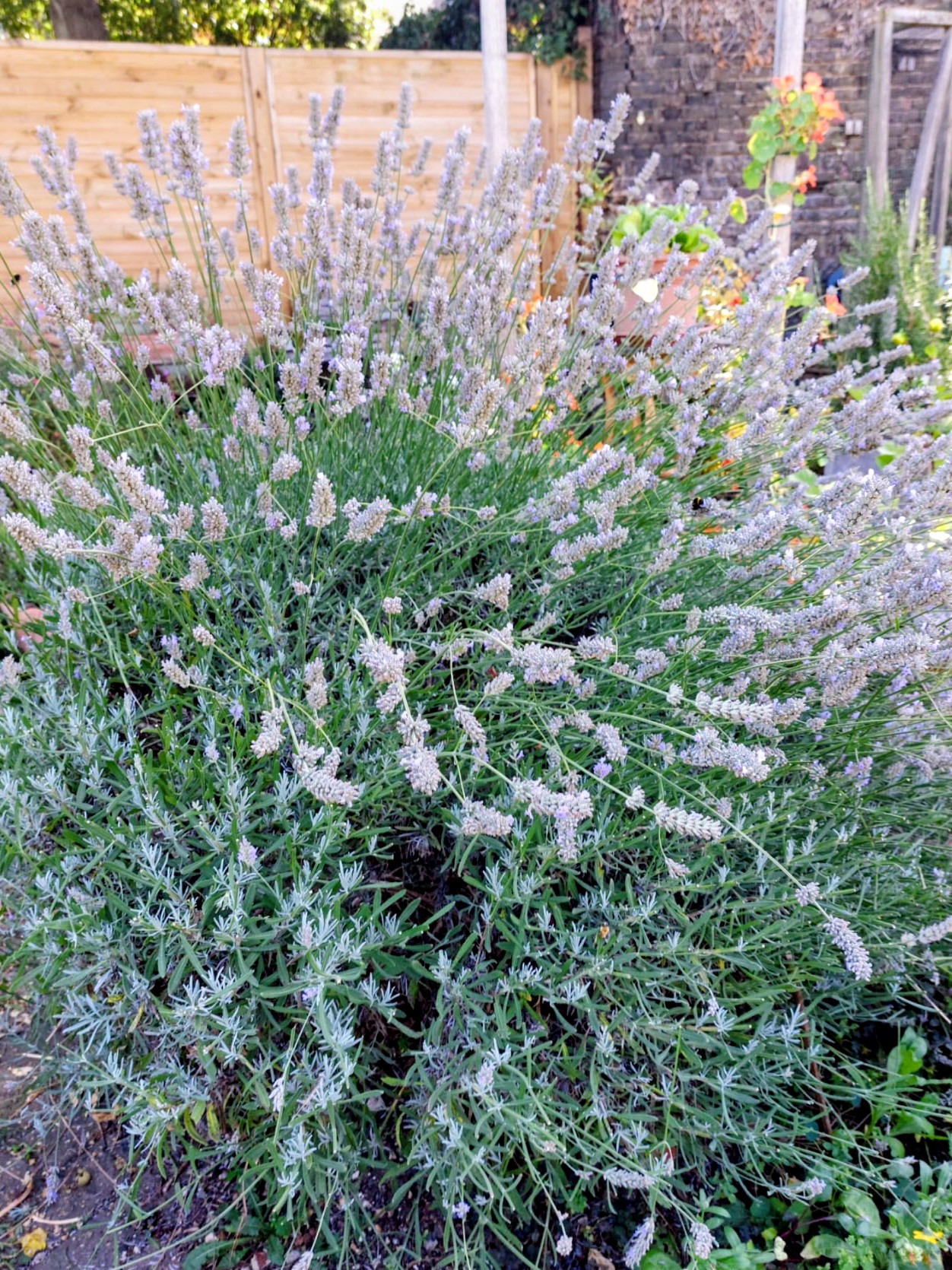
1. Time to trim back lavender hard if it has finished flowering, but try not to cut into the old wood. If you’re lucky you may get a few late flowers.
2. And time to give that Wisteria and Campsis a hack back by removing all the whippy growth and tidying up for the autumn.
Promote flowers by cutting back and watering in good time.
3. Azaleas. Camellias and Rhododendrons are making their flowers for next year and need regular water at their roots or they’ll drop their buds and have no spring blooms.
1. If herbs like thyme have finished flowering, trim them back to keep them compact and use the trimmings to do some cuttings.
2. Stake Dahlias before they get too tall and straggly or the stems may snap. Keep well watered in this dry weather.
3. To conserve water and before we get a hosepipe ban, just water around the roots of plants and mulch them if you can. Some are really suffering at the moment. So why not start sowing seeds of Eryngium giganteum ‘Miss Wilmott’s Ghost’ for a drought proof plant for next year? Loved by pollinators too.
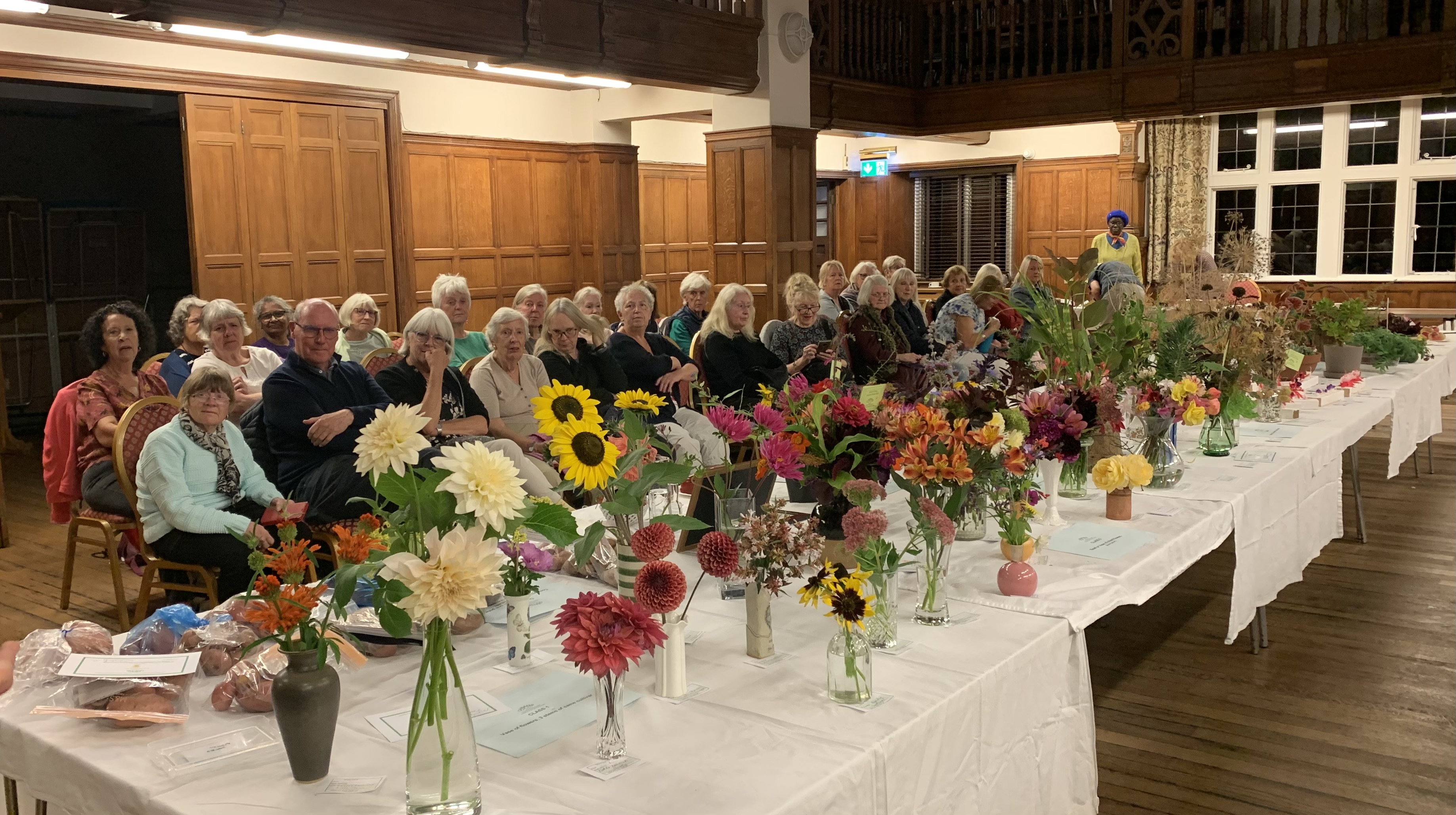
This year’s Autumn Show will be held a month earlier than usual, on Monday 18 August, at 7.30pm in the Old Library at Charlton House. Please note that due to the earlier date, the Potato competition will be judged as part of the Show Table at September’s meeting.
Here’s a reminder of last year’s efforts!
The classes you can enter this year are shown below, please have a go at as many as you like!
1. Plant out Dahlias in a sunny spot in fertile soil adding some compost to the planting hole. I have to surround mine with Strulch on my allotment to protect them from the hundreds of slugs and snails lurking all around.
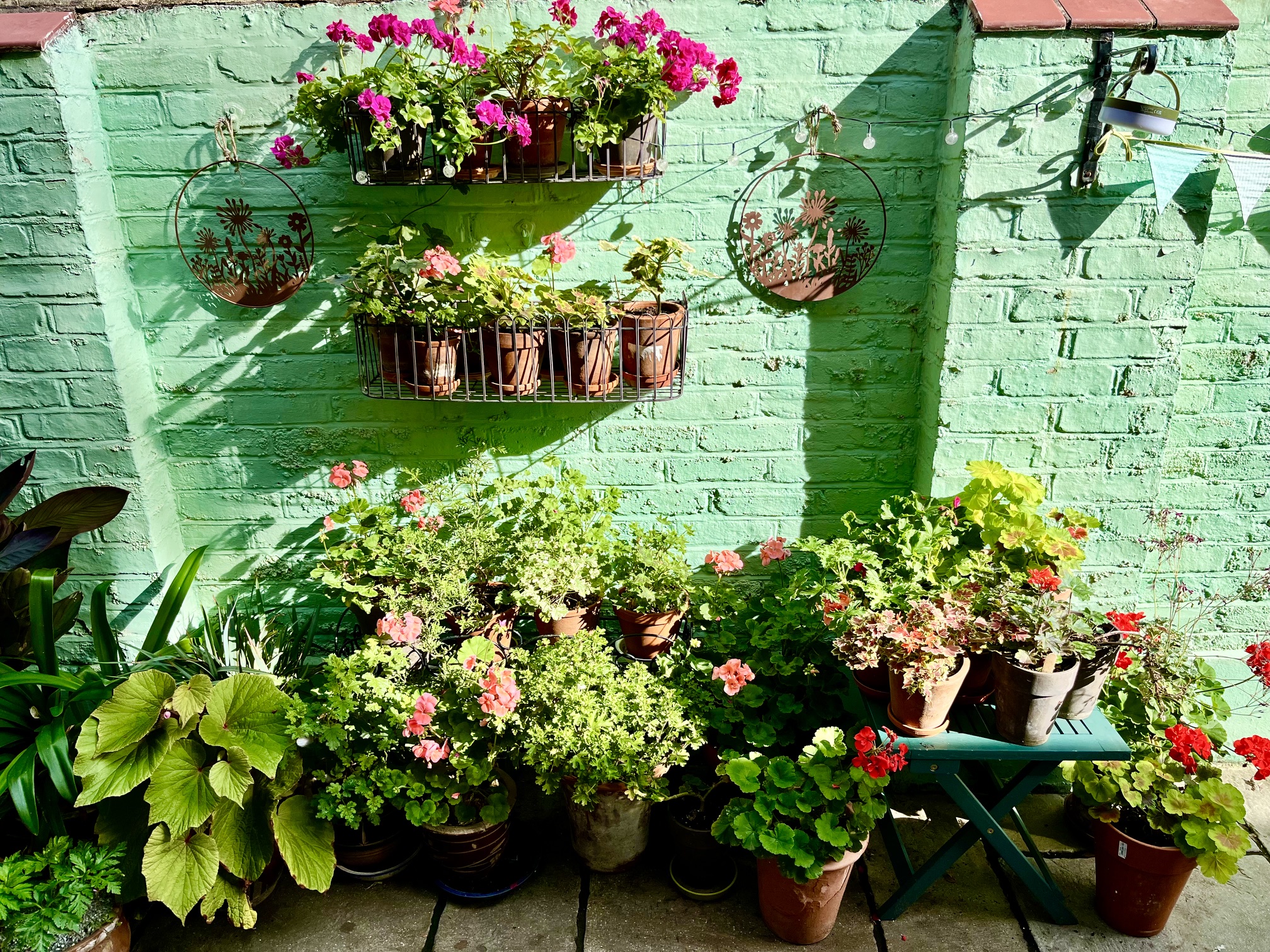
2. Take softwood cuttings now of Anthemis, Salvia, Verbena, Penstemon and Fuchsia. Cut below a leaf node and dibble around the edge of a pot. Salvias will also grow fine roots in water to give them a head start.
3. Look out for hellebore seedlings around the base of your favourite plant. The resulting plants may not resemble the parent but they could be even better.
1. It is especially important to keep Camellias and Rhododendrons damp at the roots this month as this is the time that the buds form for next Spring. Water well and mulch if you can.
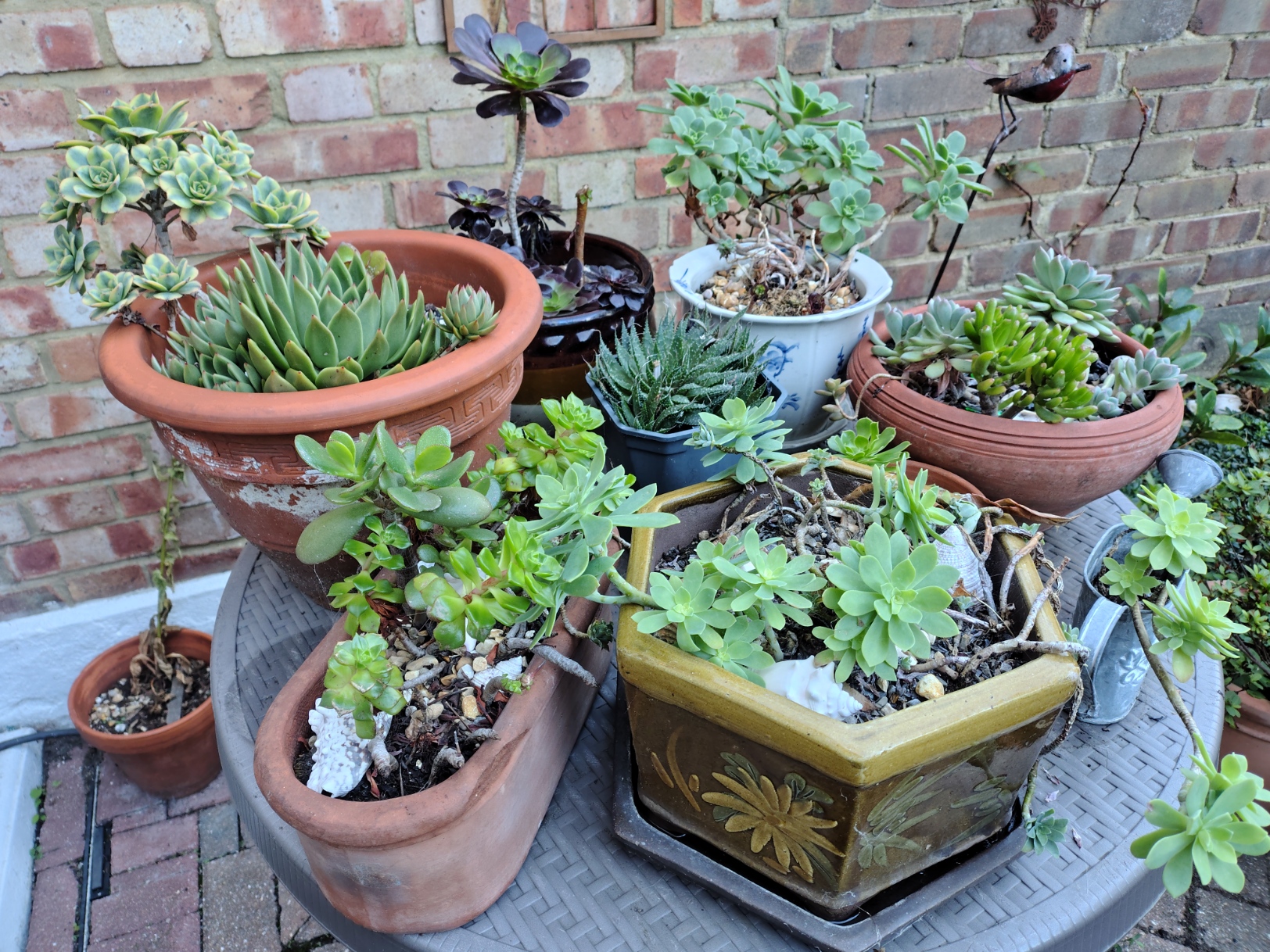
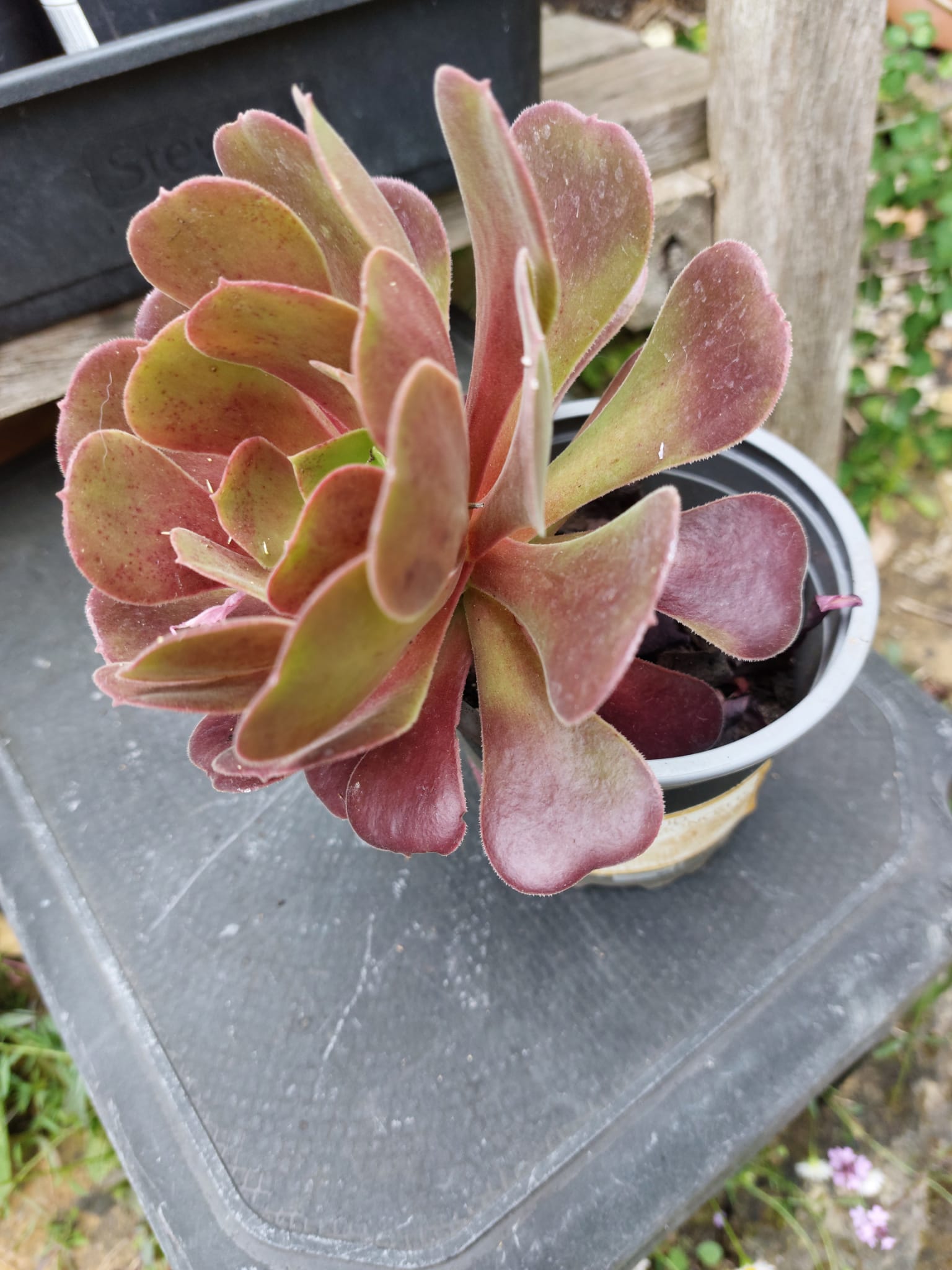
2. Take Aeonium cuttings now by severing leggy leaf stems a couple of inches below a cluster. Leave the stem end to callous over, then push into gritty compost and keep in a shady spot until roots start to form.
1. Top of the list for July is pruning wisteria, taking back that whippy growth to 2 to 3 buds from the main stems.
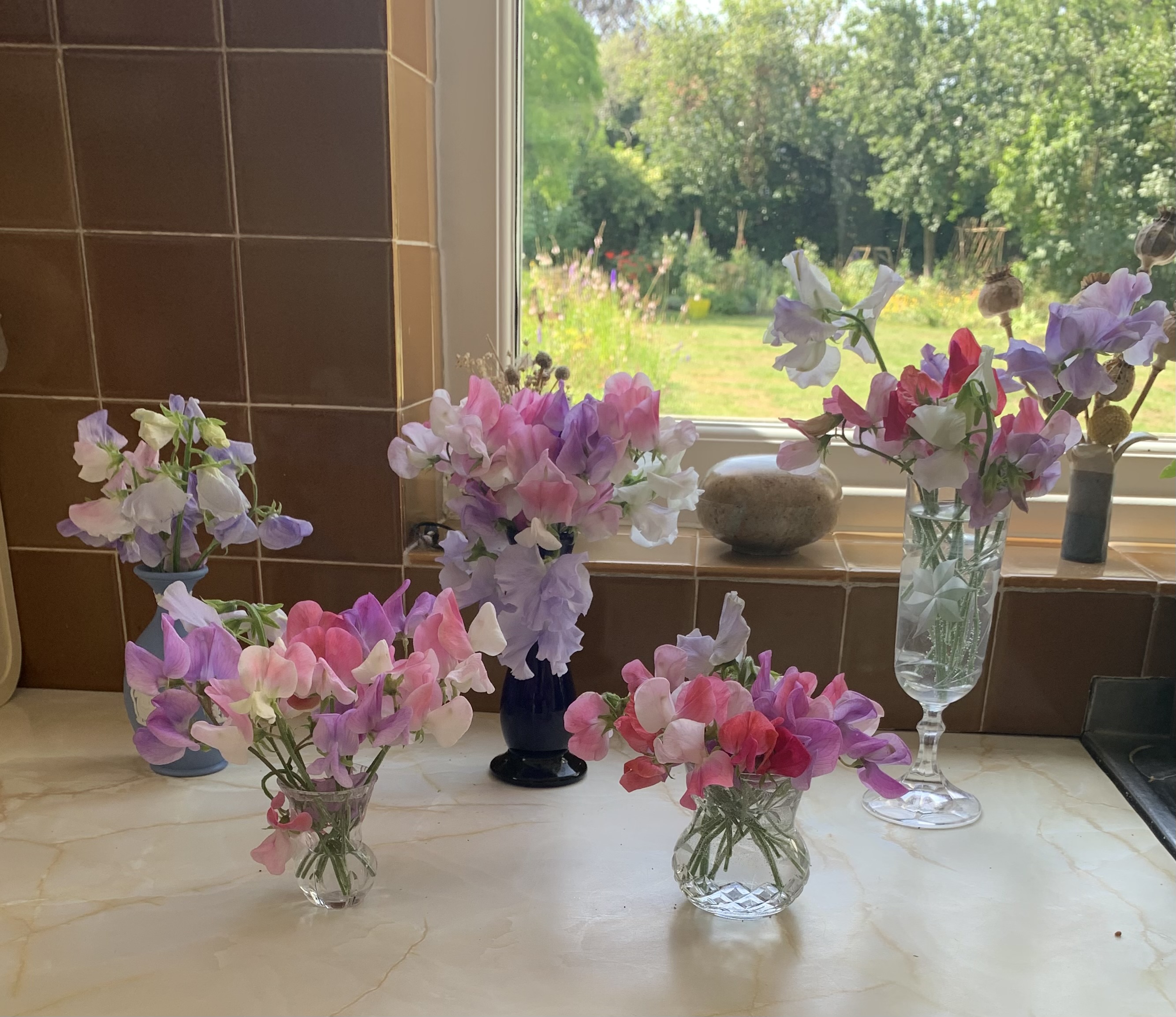
2. Sweetpeas should be flowering by now so make sure to keep cutting the blooms and give them a feed and plenty of water. They cease flowering quickly if not picked twice a week.
3. Deadhead all your perennials and annuals regularly unless you want them to set seed for next years sowing.
What a strange spring this has been as everything has grown so tall ….but then some things especially vegetables have hardly grown at all and are struggling as there has been little warmth.
Giant Foxglove – 8 foot tallCephalaria a foot taller than usual
Anyway we soldier on….
1. Divide spring flowering bulbs as soon as foliage fades. My own stock has diminished and badly need splitting.
2. Prune ornamental cherries when flowering has finished making as few cuts as possible as they have difficulty healing.
3. Tie in shoots on sweetpeas which are finally growing and revelling in the cool conditions.
4. Cut early flowering hardy geraniums to the ground when they finish as they have a tendency to seed everywhere…unless you want them to of course.
1. It’s a good time to take softwood cuttings of both tender and hardy perennials such as pelargoniums, anthemis and penstemons. Place in a shady spot until roots begin to form.
2. Put plant supports in place to stop things flopping and make them yourself from shrubby prunings or just push prunings in the soil around the plant.
3. I’ve Chelsea chopped my phlox today and also done a few clematis as they are far too tall and leggy after all the rain we’ve had.