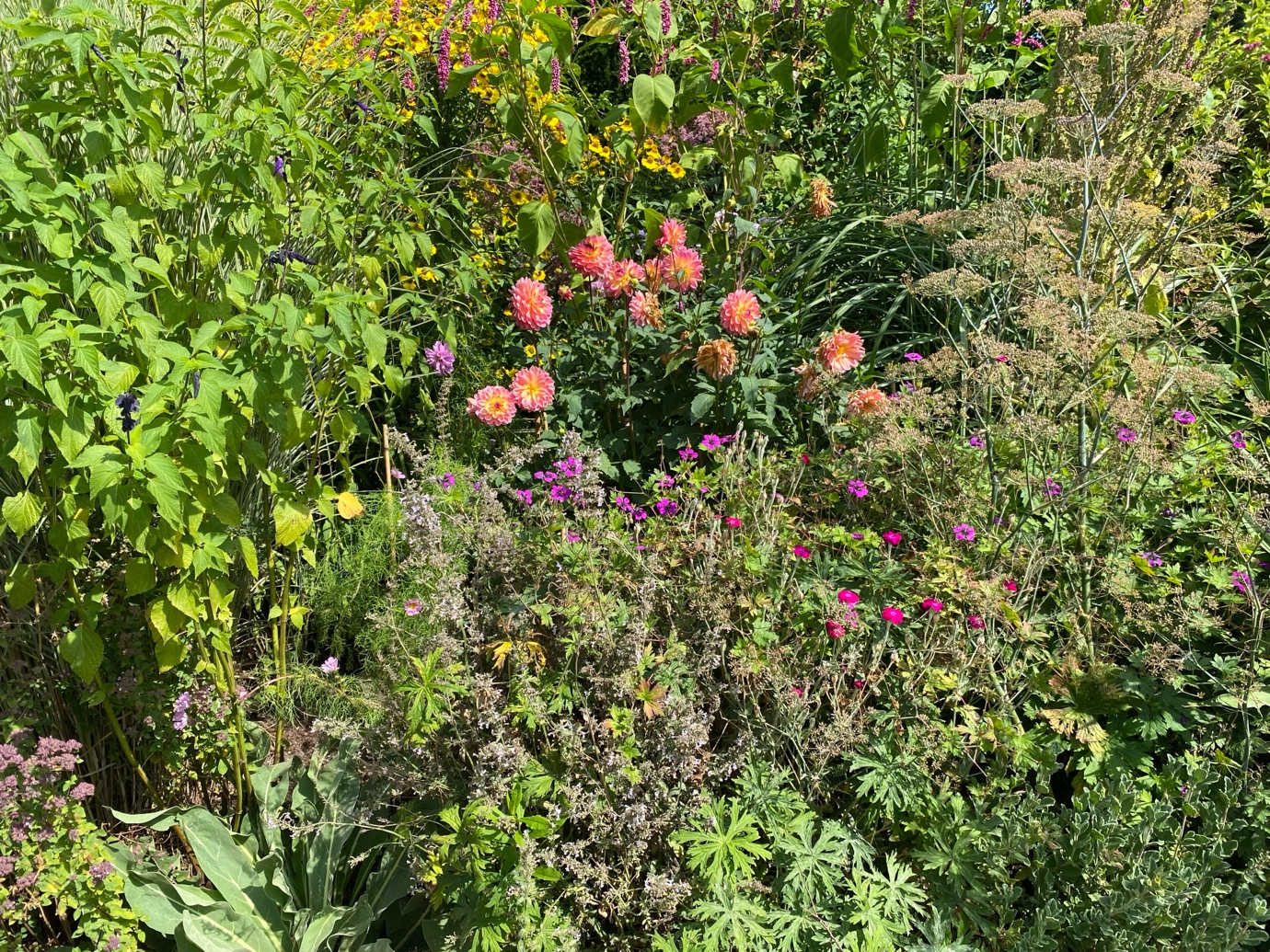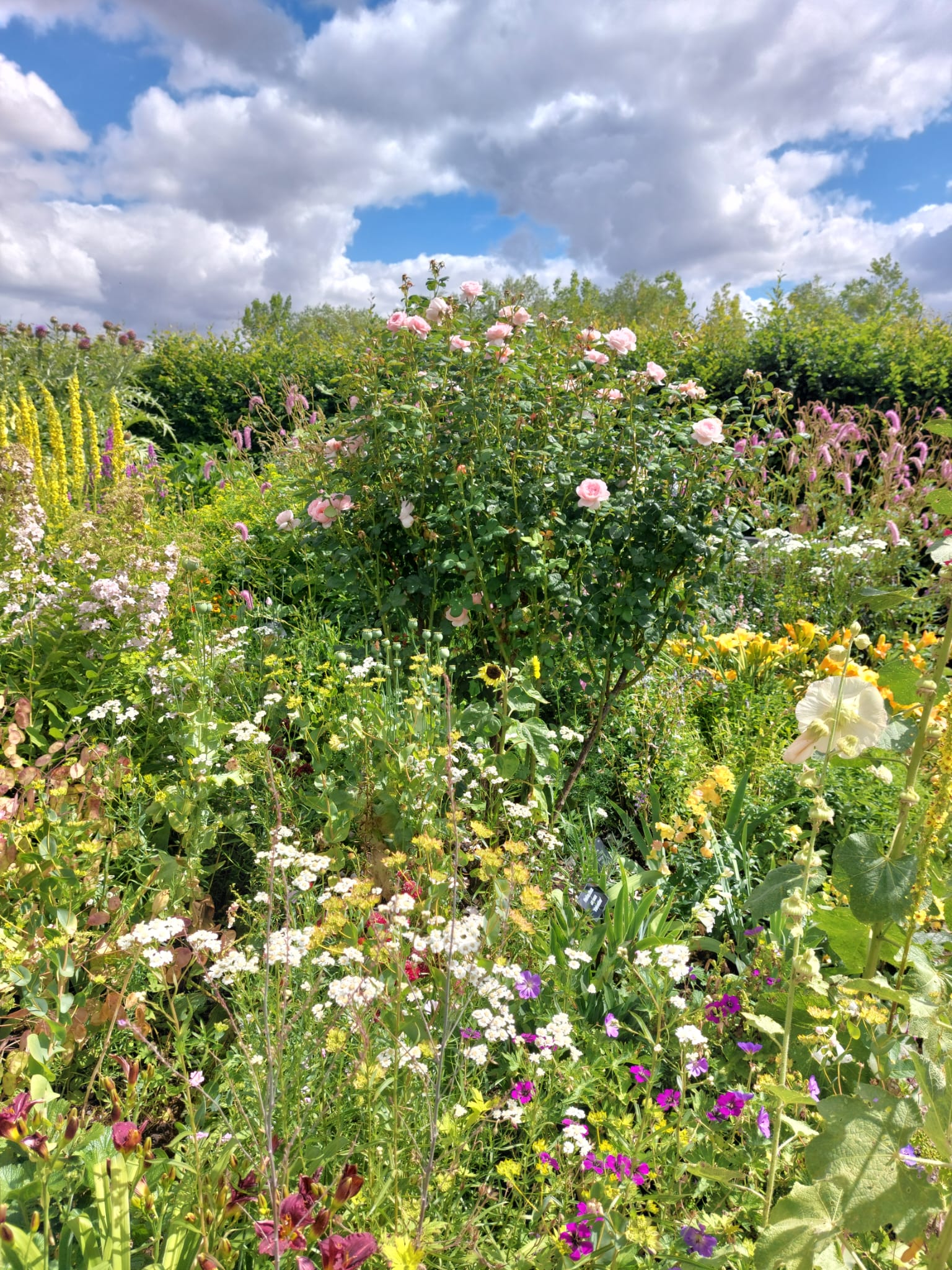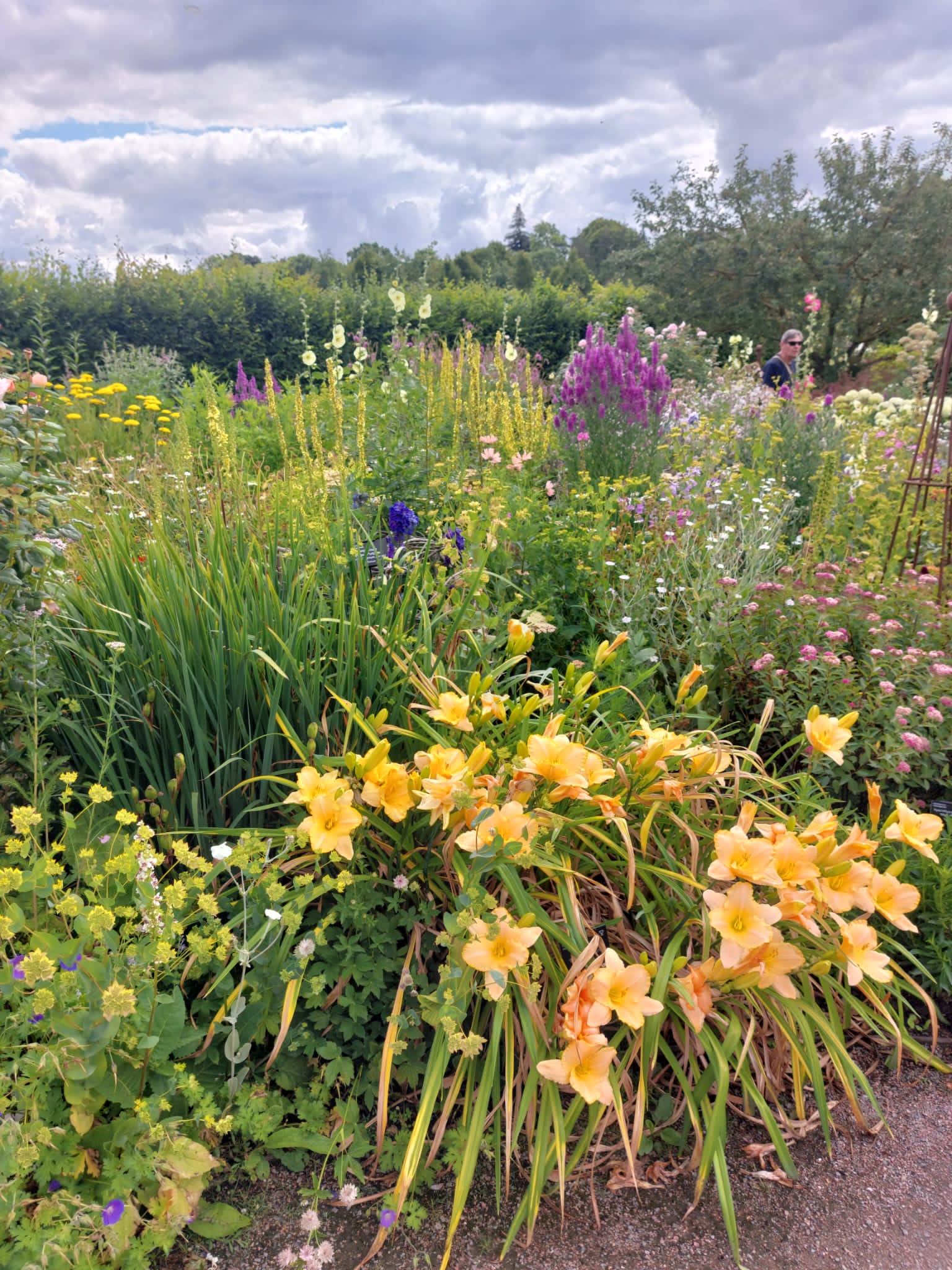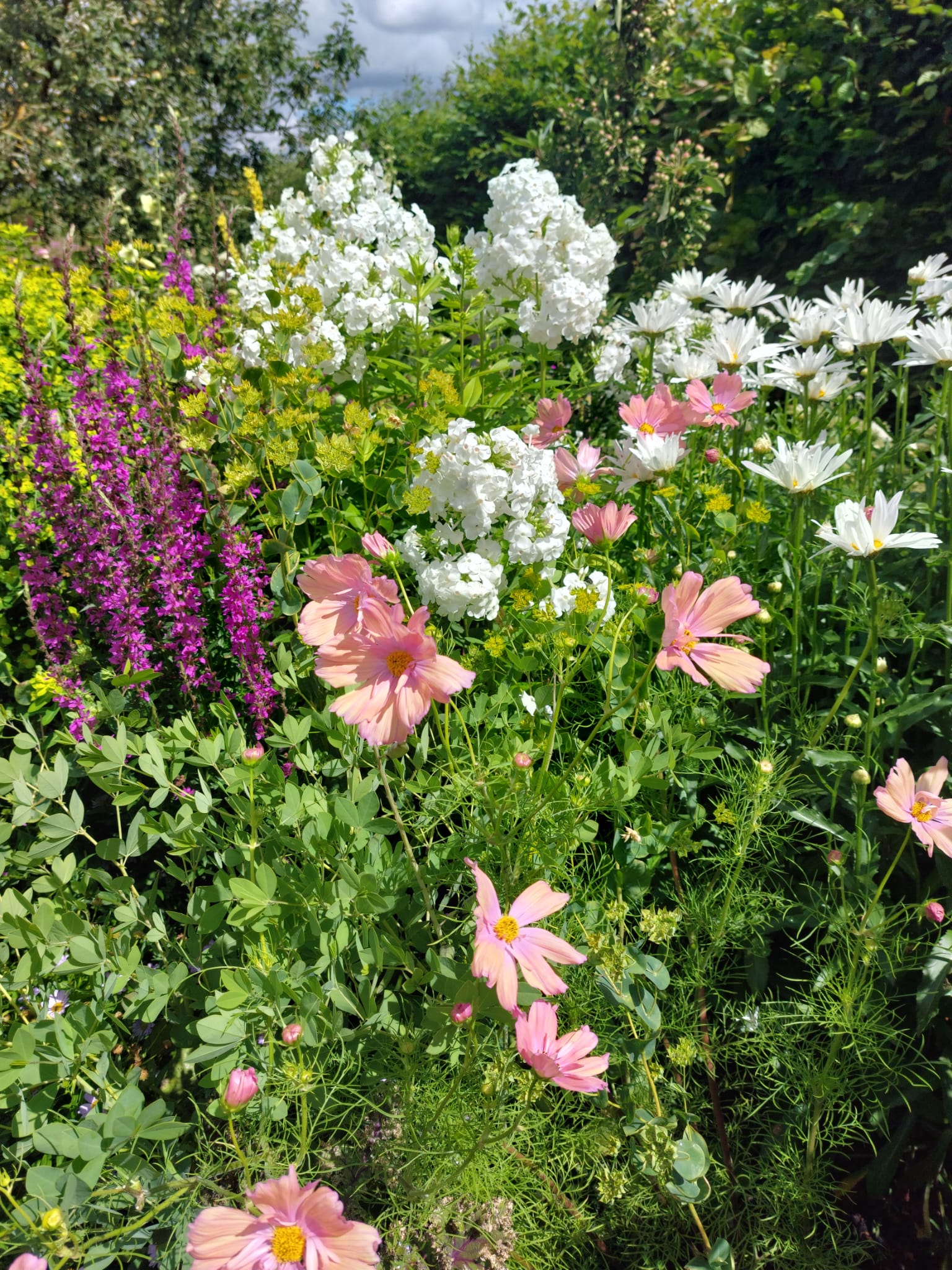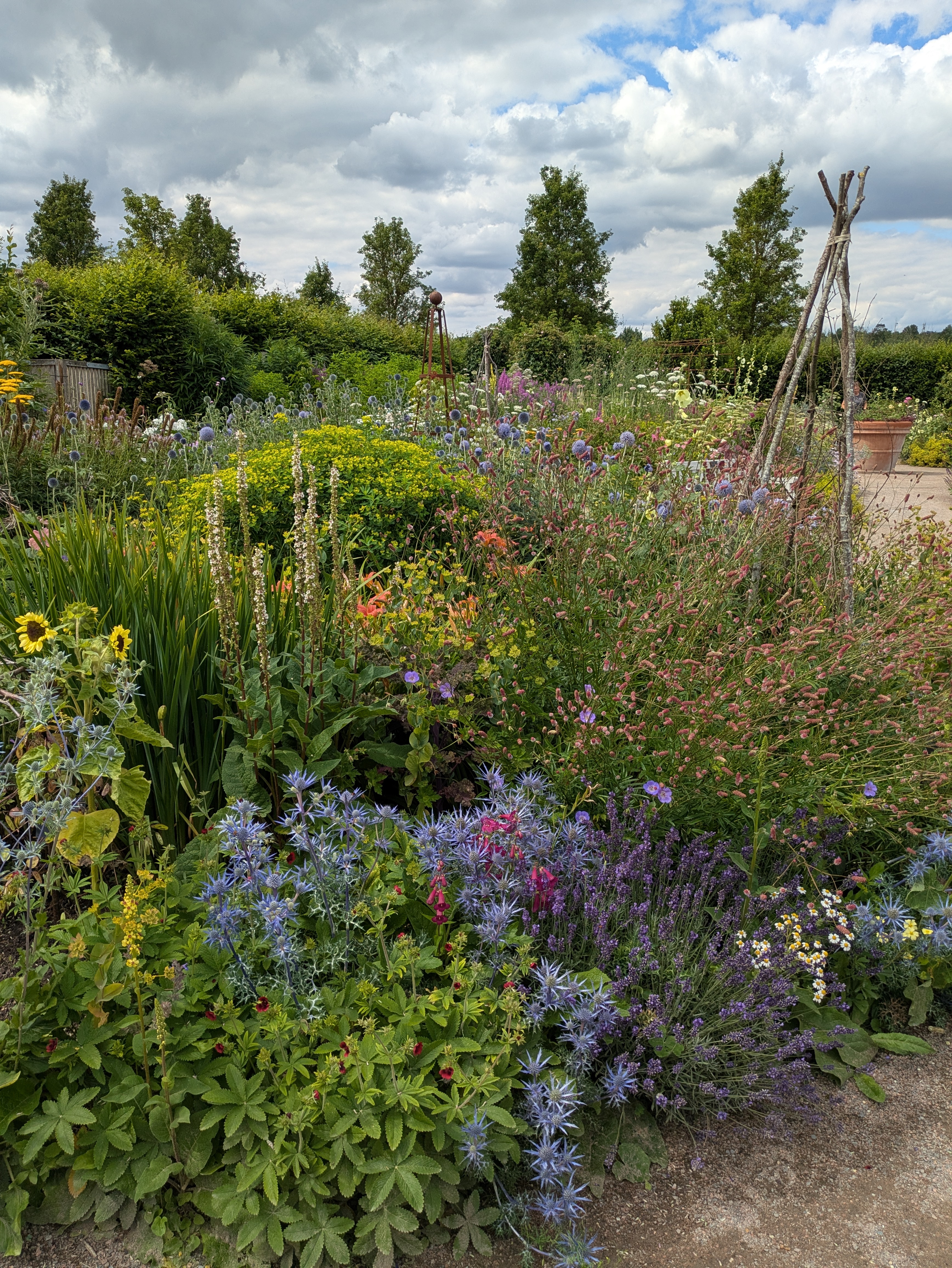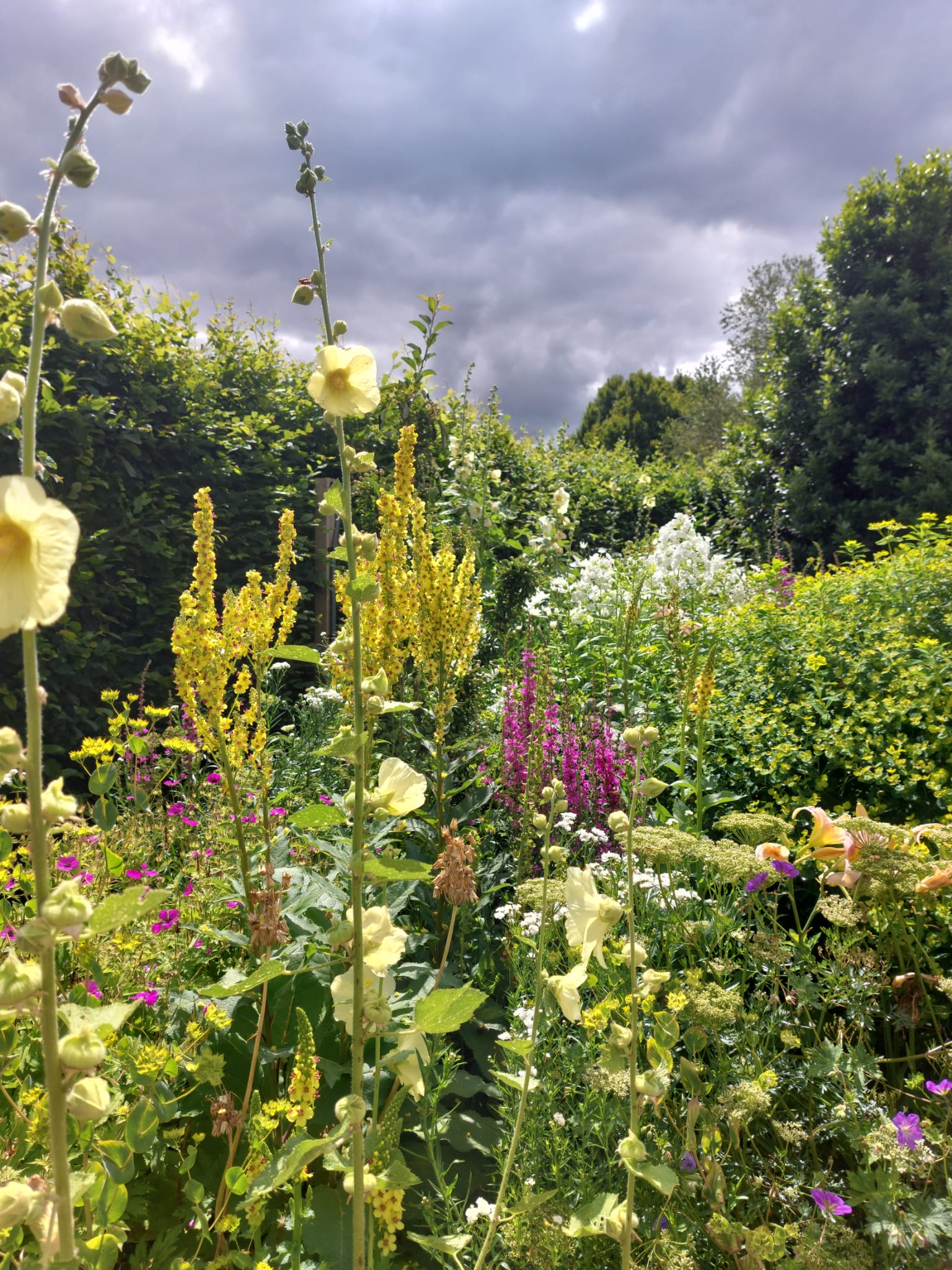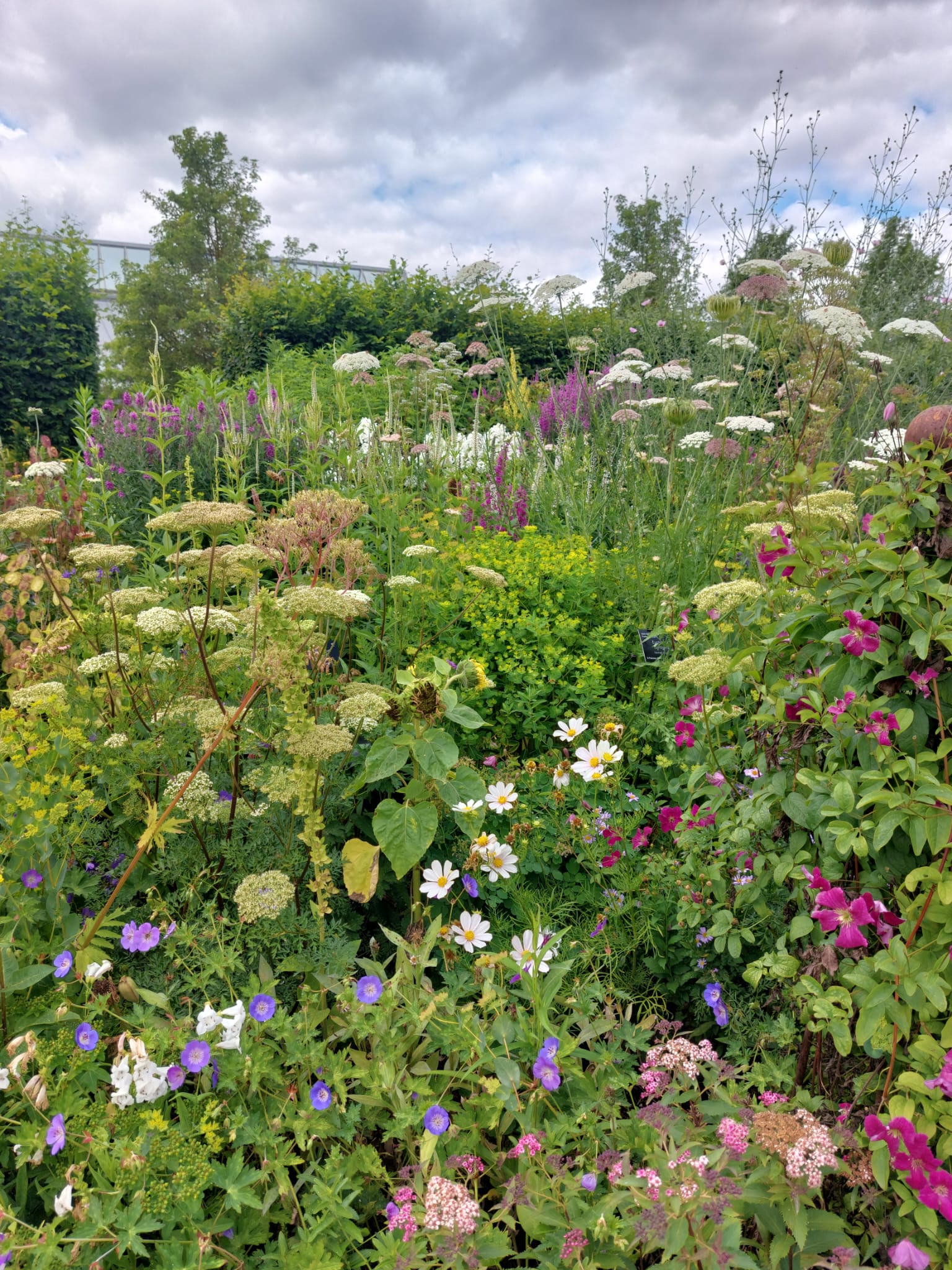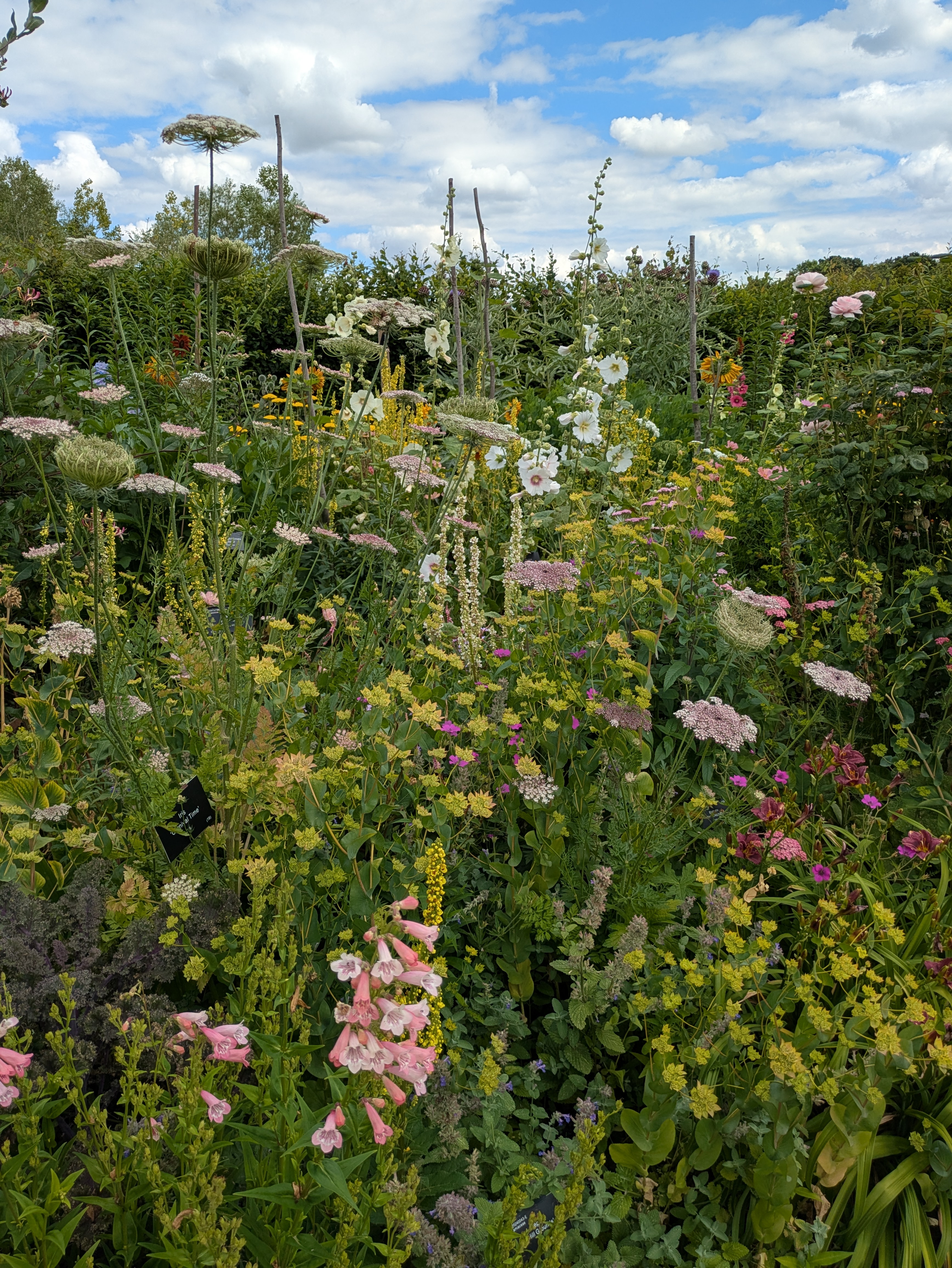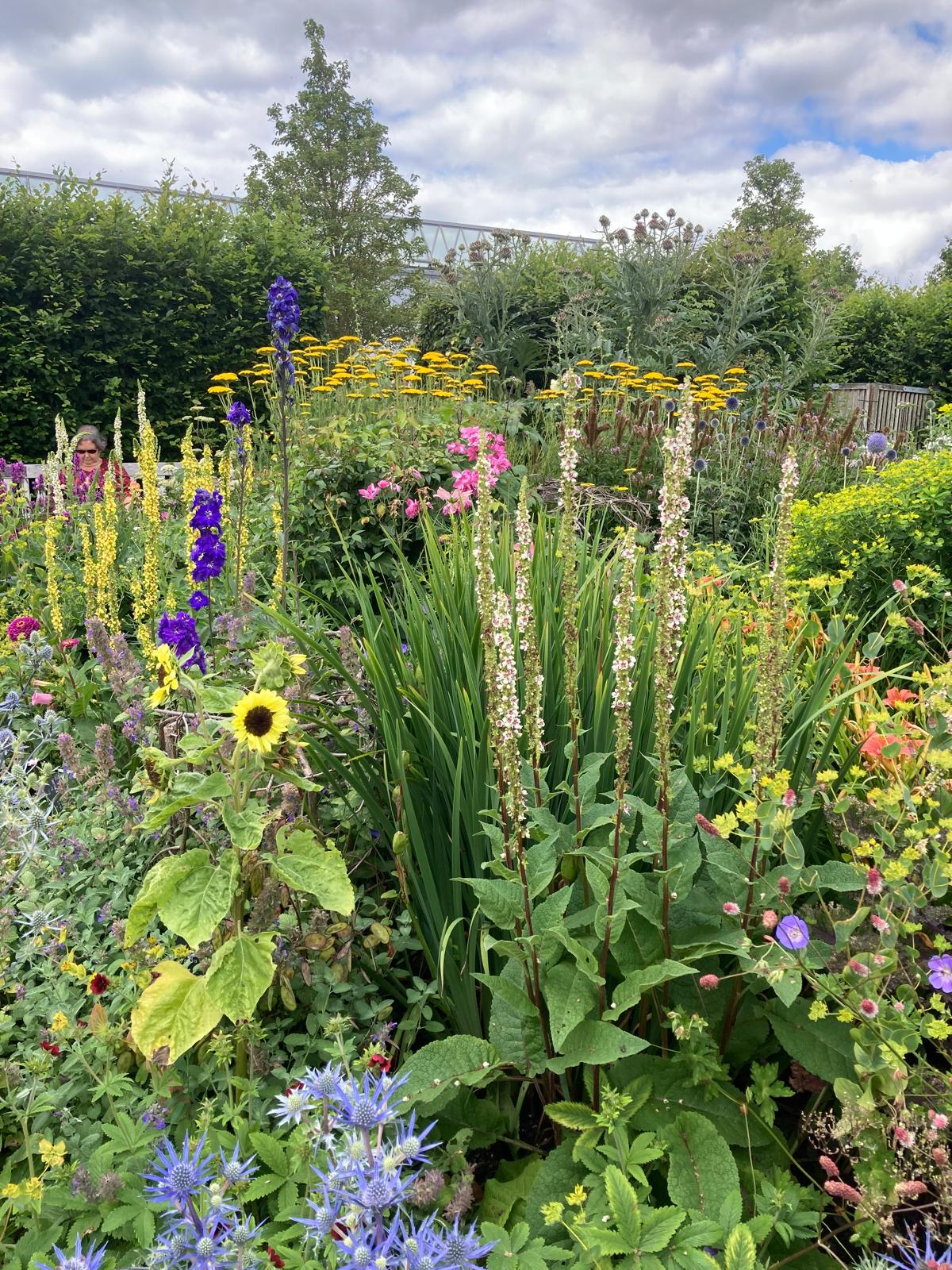
Beth Chatto’s Plants and Gardens, September 2026

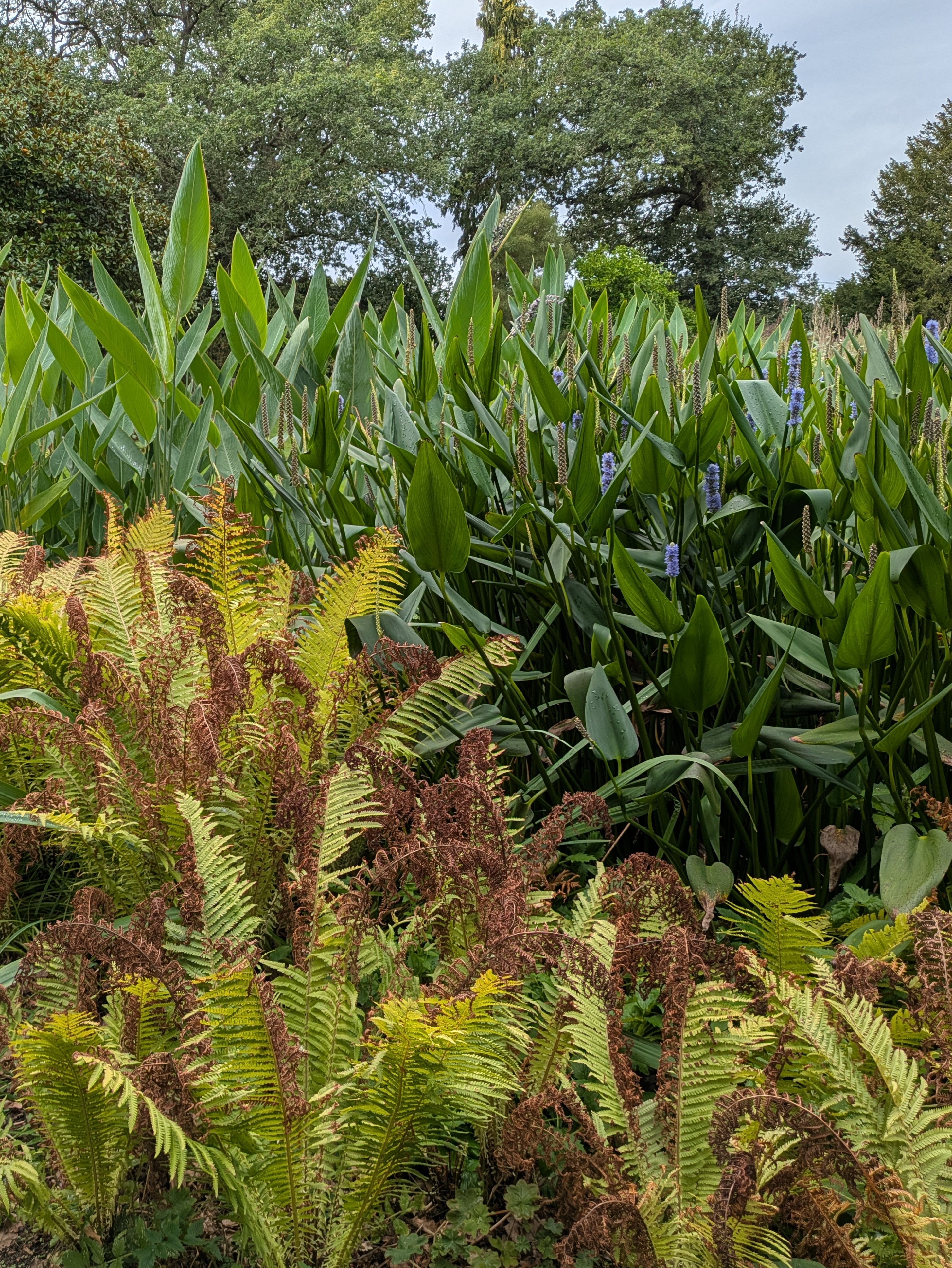
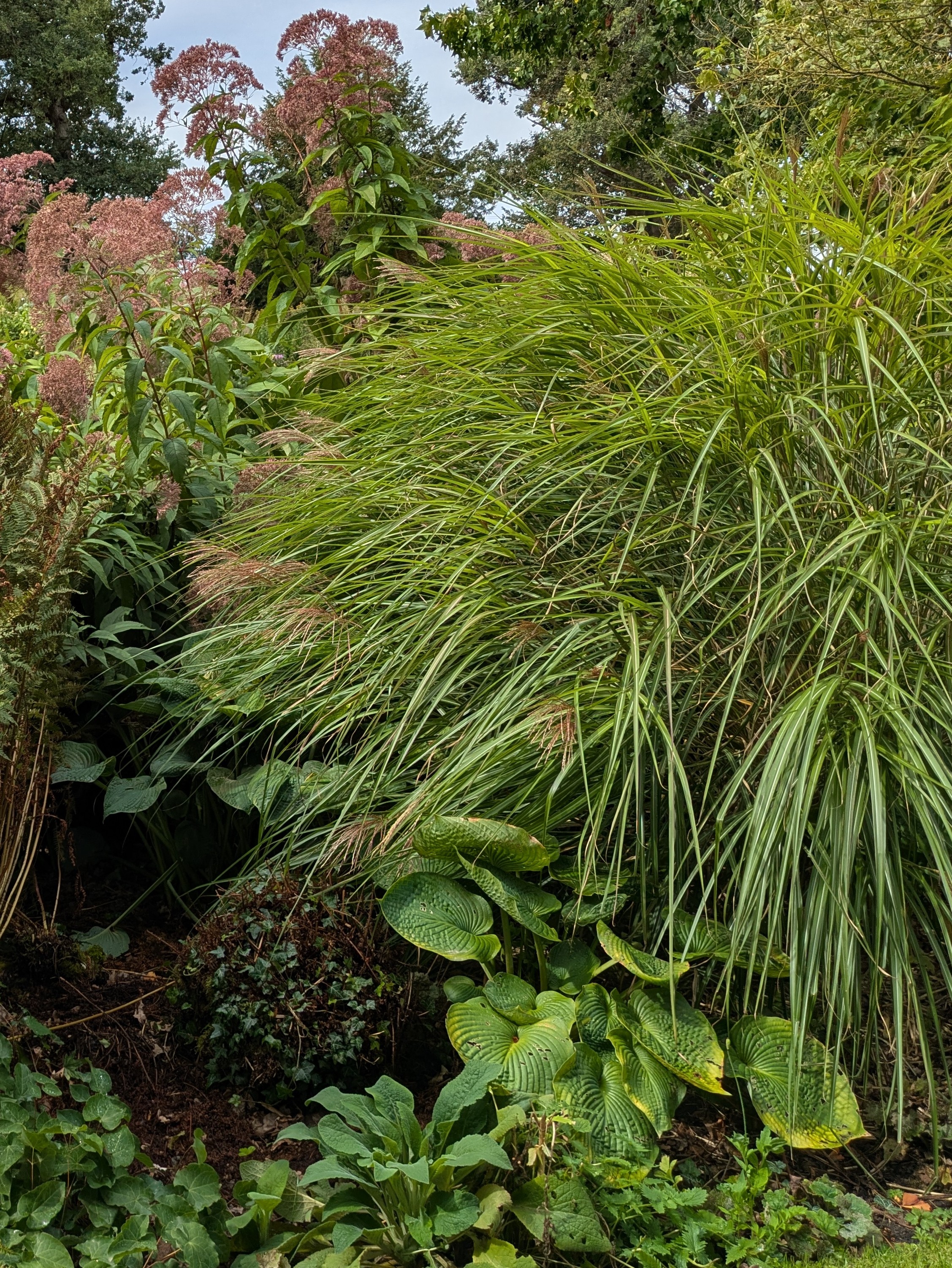
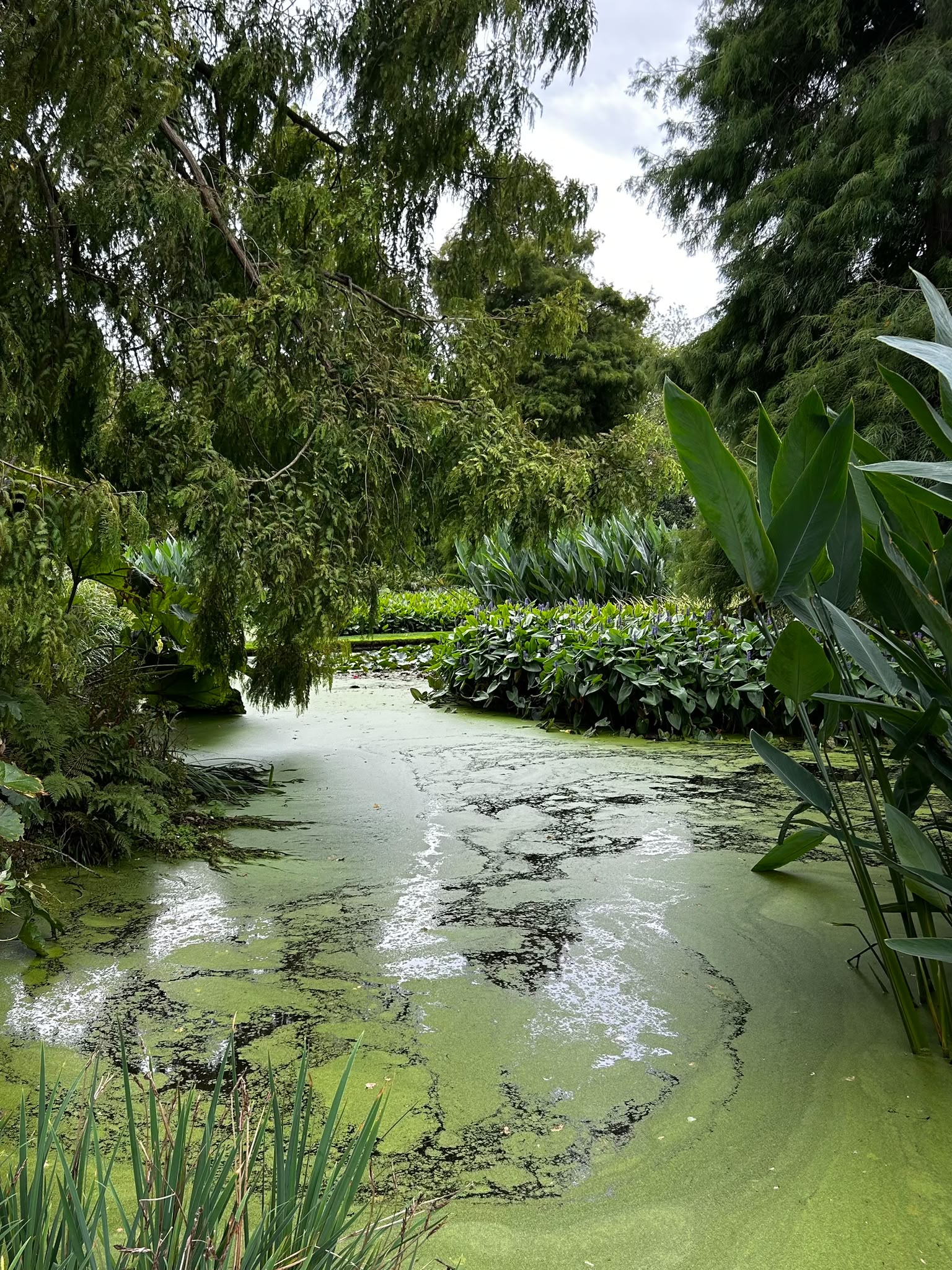
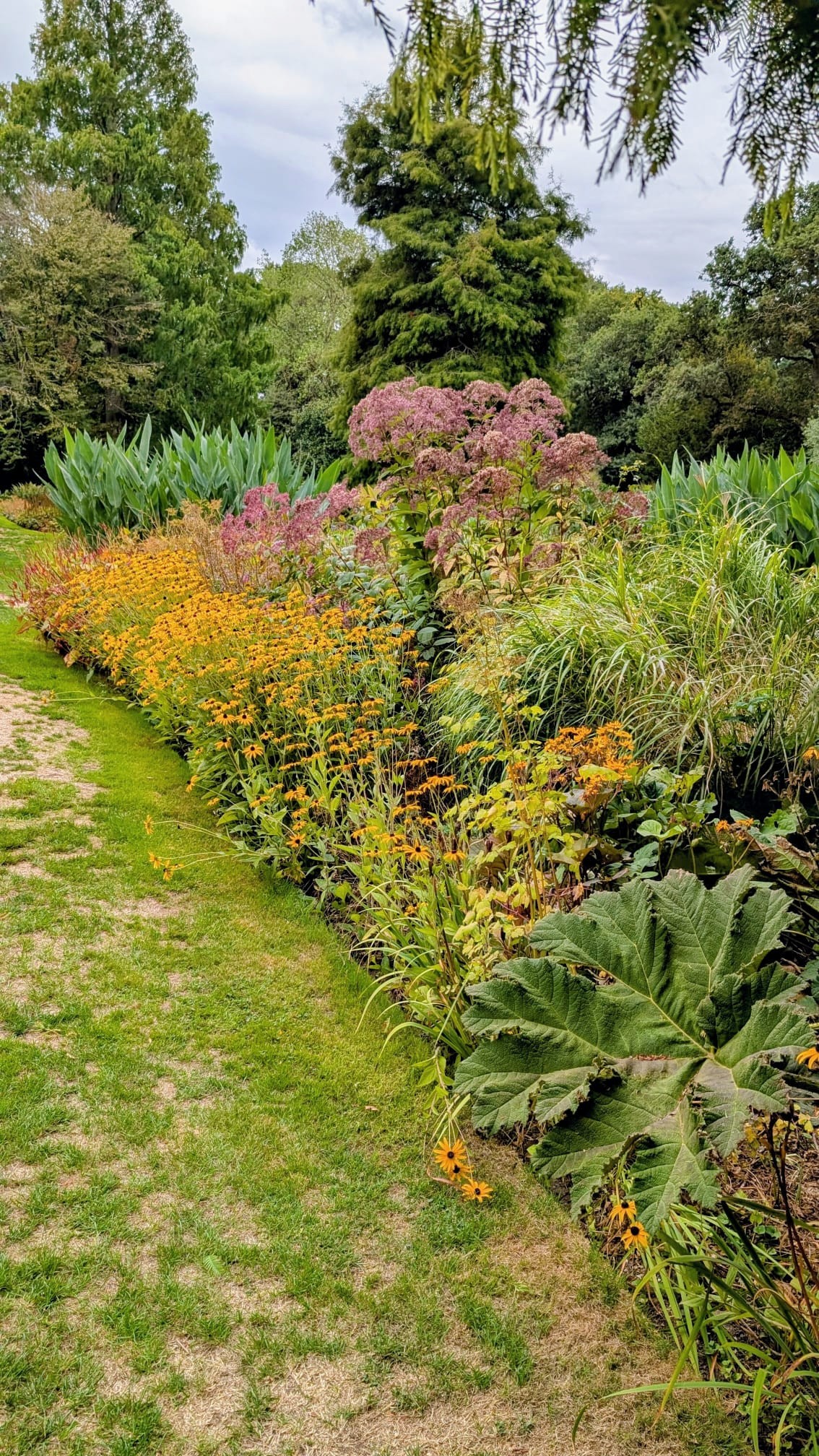
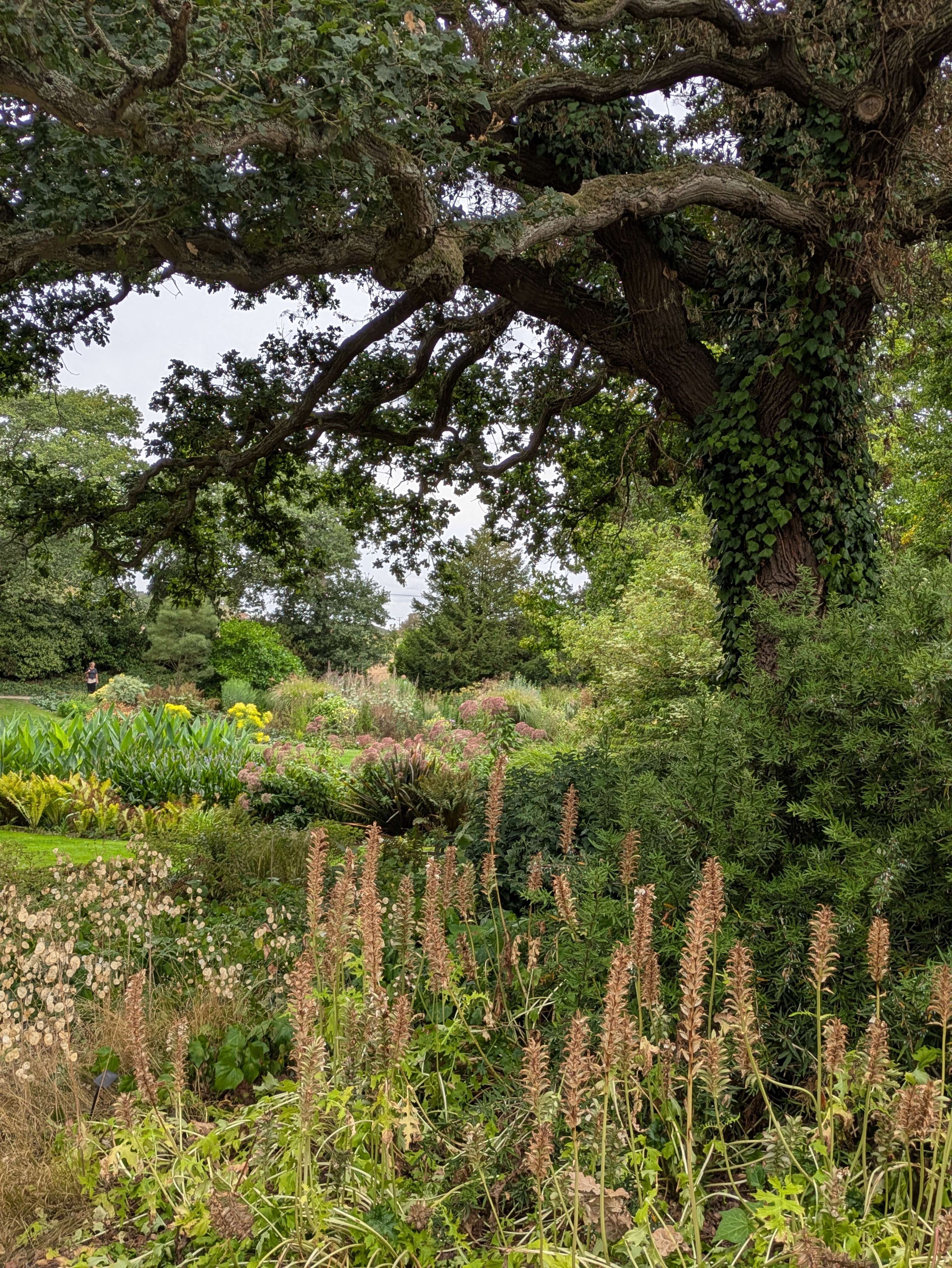
Looking toward the Water Garden. Beth Chatto's, September 2026

Last Friday, a full coach of CABAHS members took another trip to Essex, this time to see Beth Chatto’s Plants and Gardens. The last group visit was in 2021 and the irony of visiting a world-famous dry garden in torrential rain was not lost on those who attended then. A heavy downpour on Friday’s journey made us wonder if we might be reliving the experience, but it was brief and our whole visit was dry.

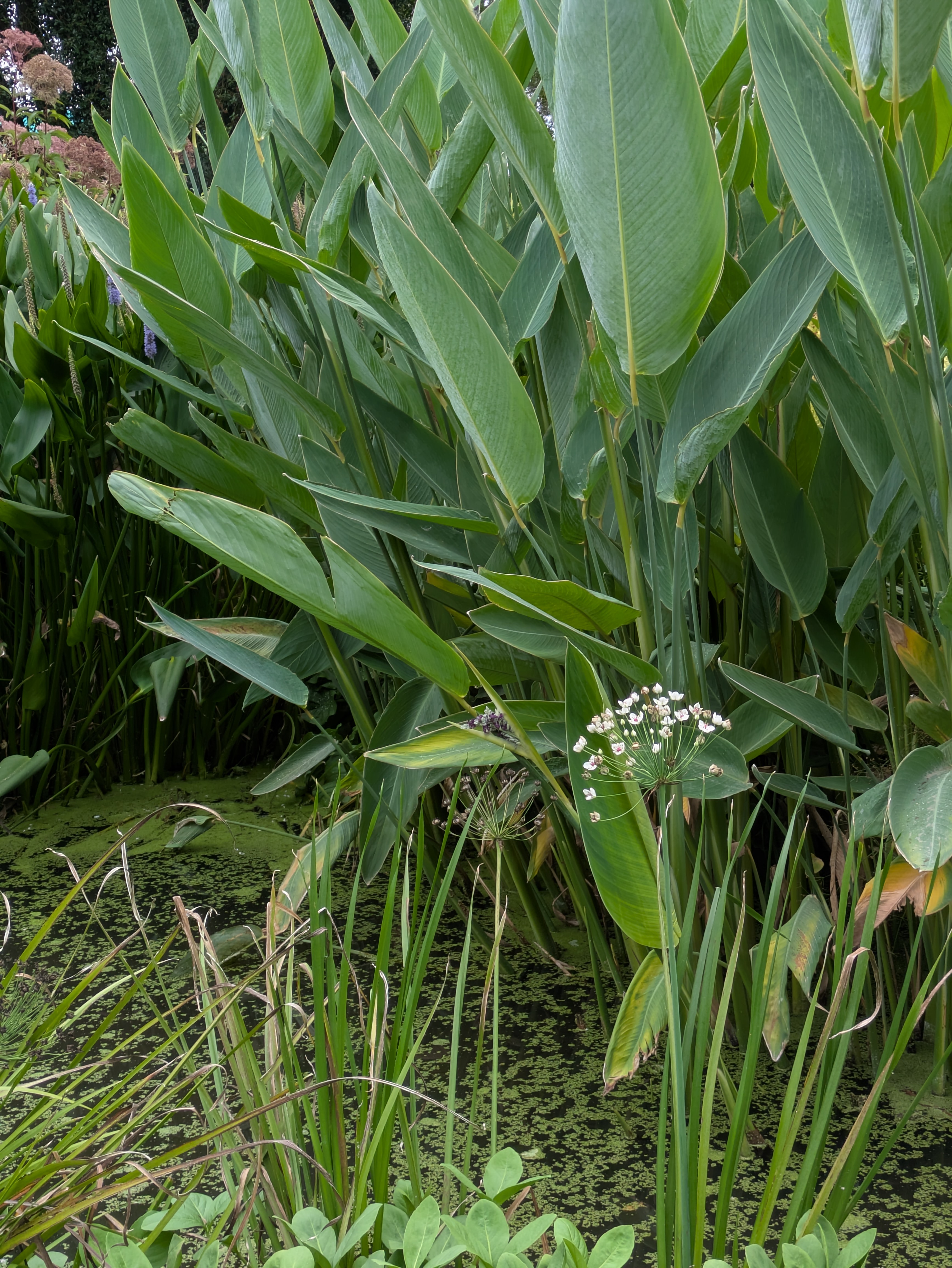
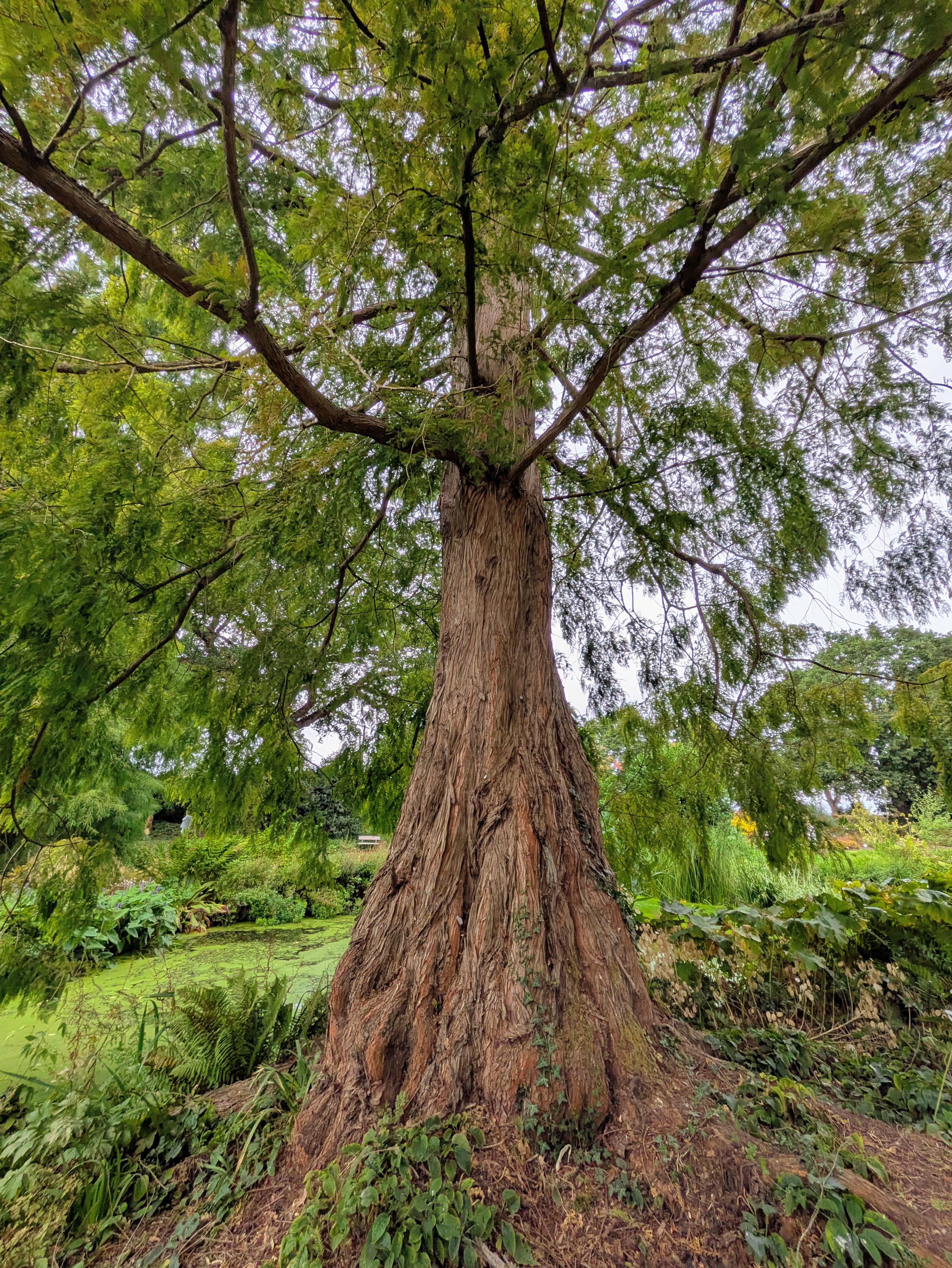
Most well-known is the Gravel Garden, which was developed in the 1990s on the former car park – at a high point in the gardens which, in Essex, are in one of the driest parts of the country. But the site has a much more varied topography and ecology than just the dry garden. Much of the site was actually boggy and Beth and Andrew Chatto carved ponds in the lowest areas. This meant that we saw green, green lawns in an area – the Water Garden – where the water table, even after this summer drought, is high.
Continue reading Beth Chatto’s Plants and Gardens, September 2026

A visit to Great Dixter, August 2026

Great Dixter, August 2026

The weather was forecast to be wet and possibly stormy, so we travelled with raincoats and umbrellas and extra layers of clothes. As it turned out, the weather was hot and sunny – a perfect day for garden visiting.

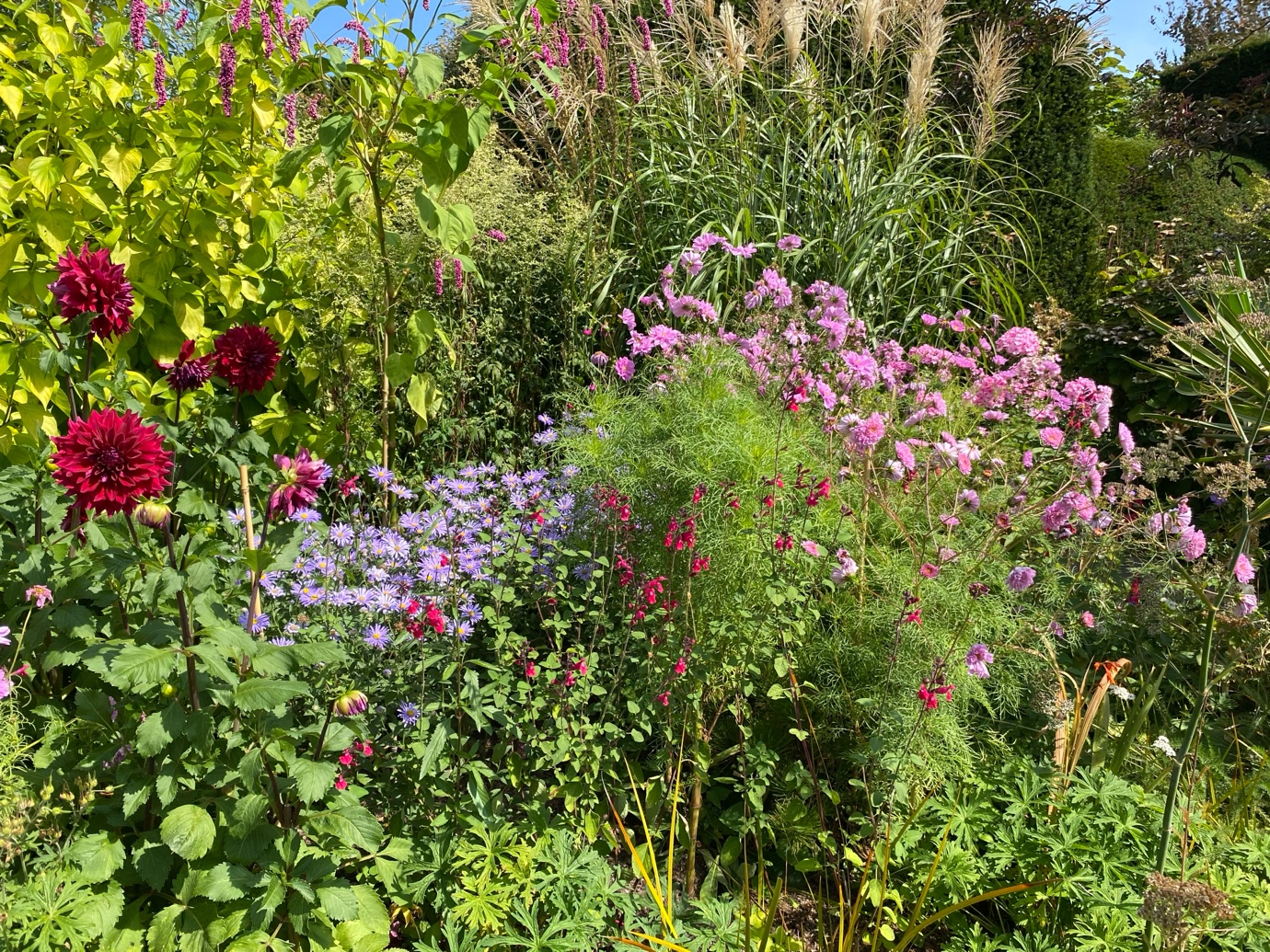
Unlike some other gardens, including many of our own, Dixter was full of colour and a profusion of planting. Nathaniel Lloyd and Edwin Lutyens had had the foresight to install a reservoir when the gardens were first built and this has served them well. The gardening team have focussed watering on new planting and stressed areas, which has clearly been a successful strategy. The intensively gardened areas like the Long Border have been watered end to end four times since January and the effects of this can be seen in the photos below.

Salvia and Persicaria at Great Dixter, August 2026
Salvias and Persicaria providing colour throughout
Continue reading A visit to Great Dixter, August 2026

Members coach trip to RHS Hyde Hall

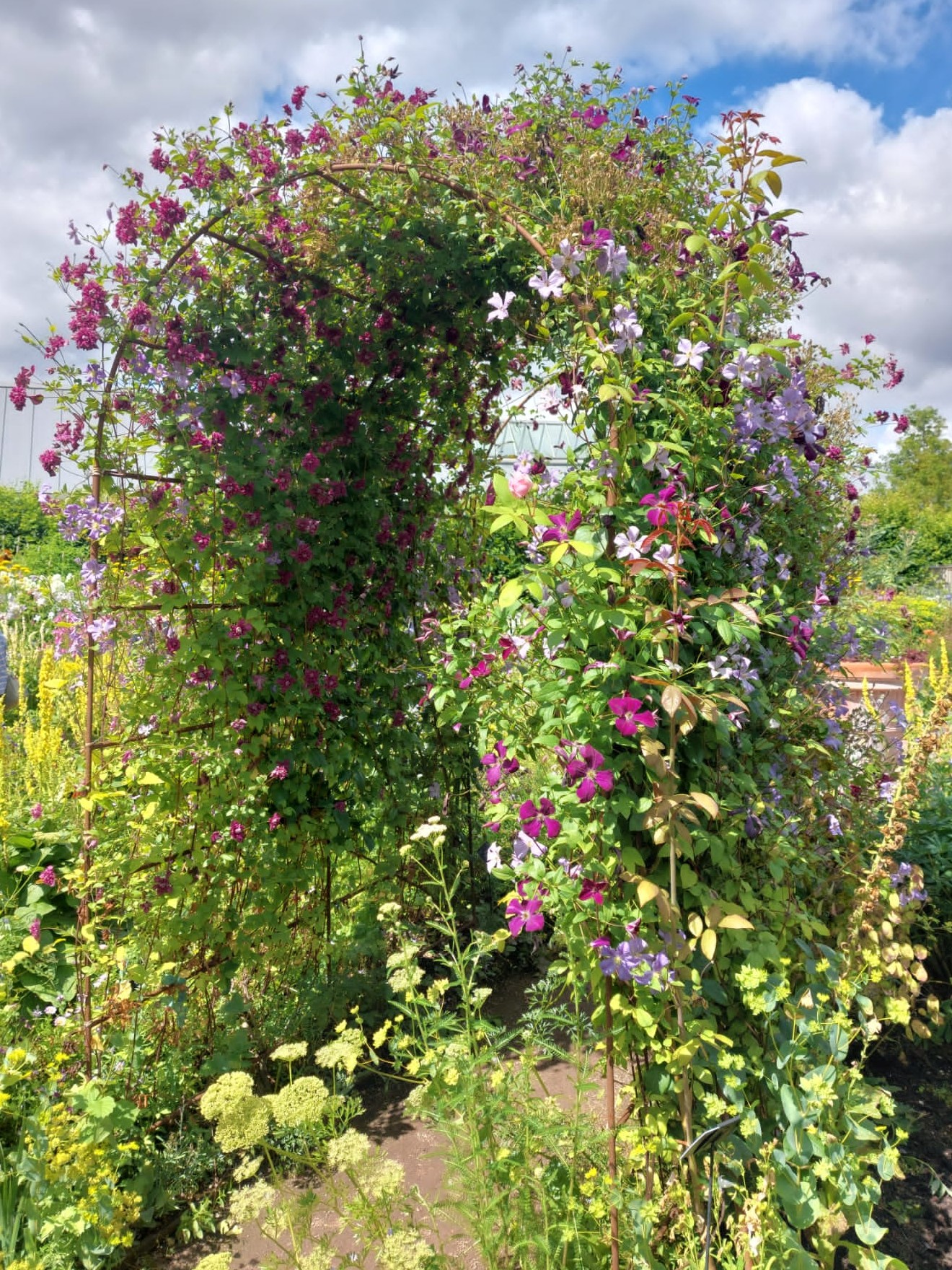
Clematis arch in the Cottage Garden. Hyde Hall July 2026

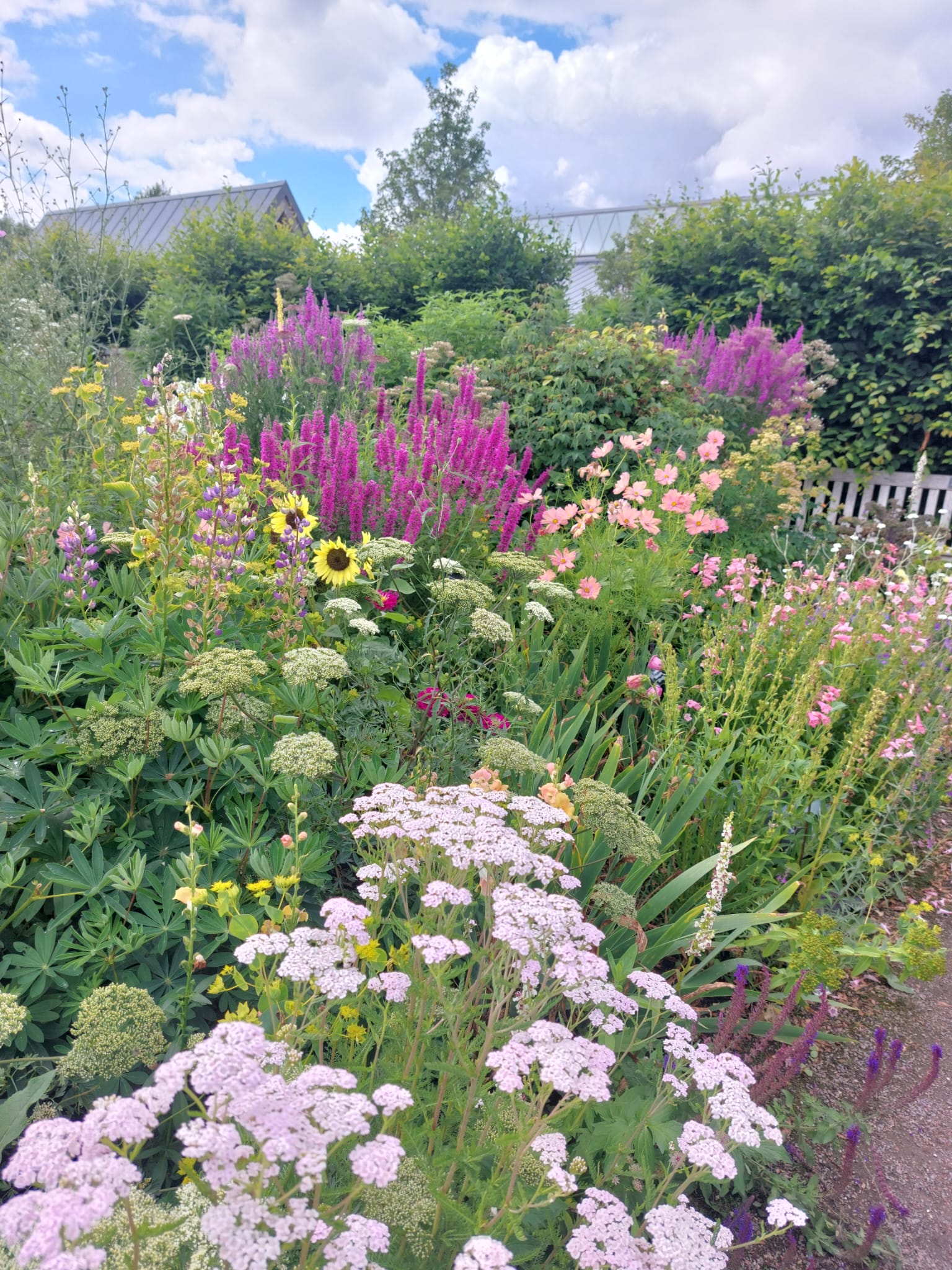
[This post contains lots of photographs, just click on the photos to see a larger version. There are so many plants that we haven’t named them all (we don’t necessarily know every cultivar), but feel free to ask about them in the comments and we’ll do our best to answer!]

On the first day of July more than 50 CABAHS members and a few guests set off from Charlton House bright and early for a trip to RHS Hyde Hall in Essex.

As we arrived, a staff member advised us not to miss the Cottage Garden near the entrance. They were not wrong – the garden was as exuberant as I’ve ever seen it, with bursts of height and colour expressed in some beautifully grown species such as Clematis, hollyhocks, Dierama and Zinnia.

Continue reading Members coach trip to RHS Hyde Hall

The Gatehouse

Well used to opening in the summer to raise money for the local hospice, this year Ruth and Matthew opened their garden ‘The Gatehouse‘ for the National Garden Scheme in the spring. Ruth said she bought ‘something like’ 2,000 bulbs, not surprising in a garden of this size!

Described in the NGS Handbook as ‘one of London’s largest private gardens’, the grounds were originally part of Eltham Palace and are presided over by a hugely imposing copper beech. The great wall surrounding the garden and the mature trees lend the garden an immediate air of gravitas.

Continue reading The Gatehouse

Le Jardin Majorelle, Marrakesh

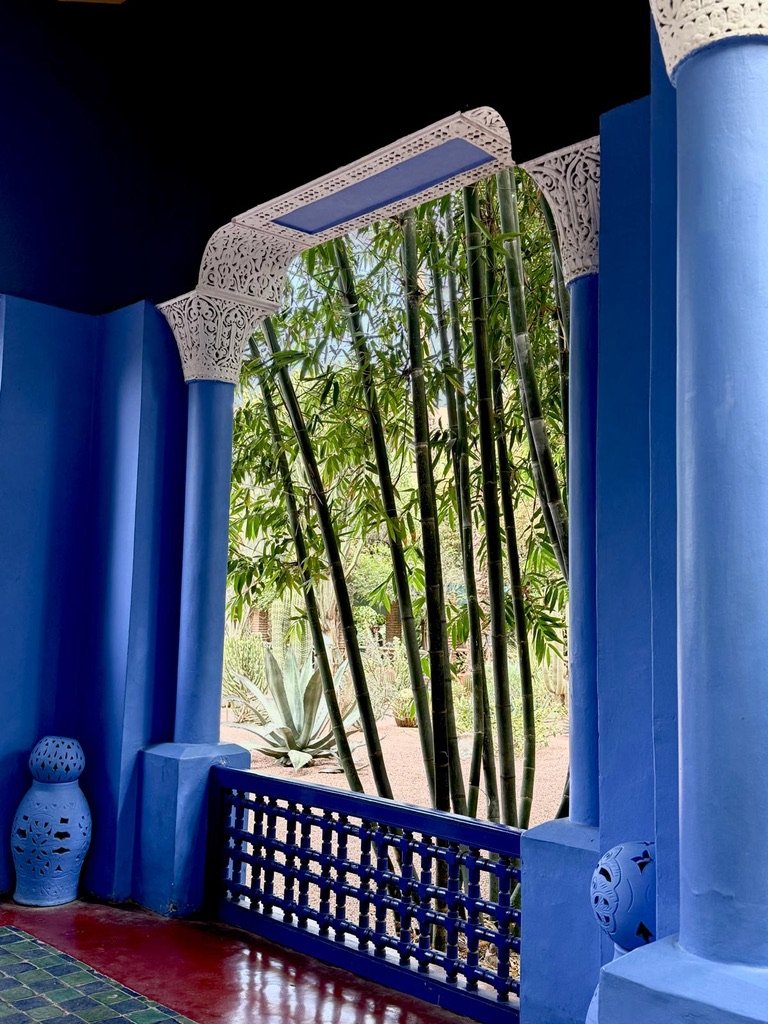
Bamboo at Le Jardin Majorelle, Marrakesh. March 2026

You really need to arrive before 11am to appreciate Le Jardin Majorelle, before it gets too crowded. It is absolutely stunning.

Initially created in the 1930s by Jacques Majorelle, after whom the garden is named, the garden fell into disrepair in the 1950s. In the 1980s Yves Saint-Laurent and Pierre Bergé set about restoring it. Today the garden and villa complex is open to the public, housing the Berber Museum with the Yves Saint-Laurent Museum close by (both well worth a visit) and has become a major tourist destination in Marrakech, attracting more than 700,00 visitors annually.

Plants from five main groups fill the garden: cacti, palms, bamboo, blooming potted plants and aquatic plants. What makes the garden unique is the incredible cobalt blue, yellow and red used in the hardscaping and it is probably the blue which has made the garden so famous.

Continue reading Le Jardin Majorelle, Marrakesh

A visit to the Hortus Botanicus

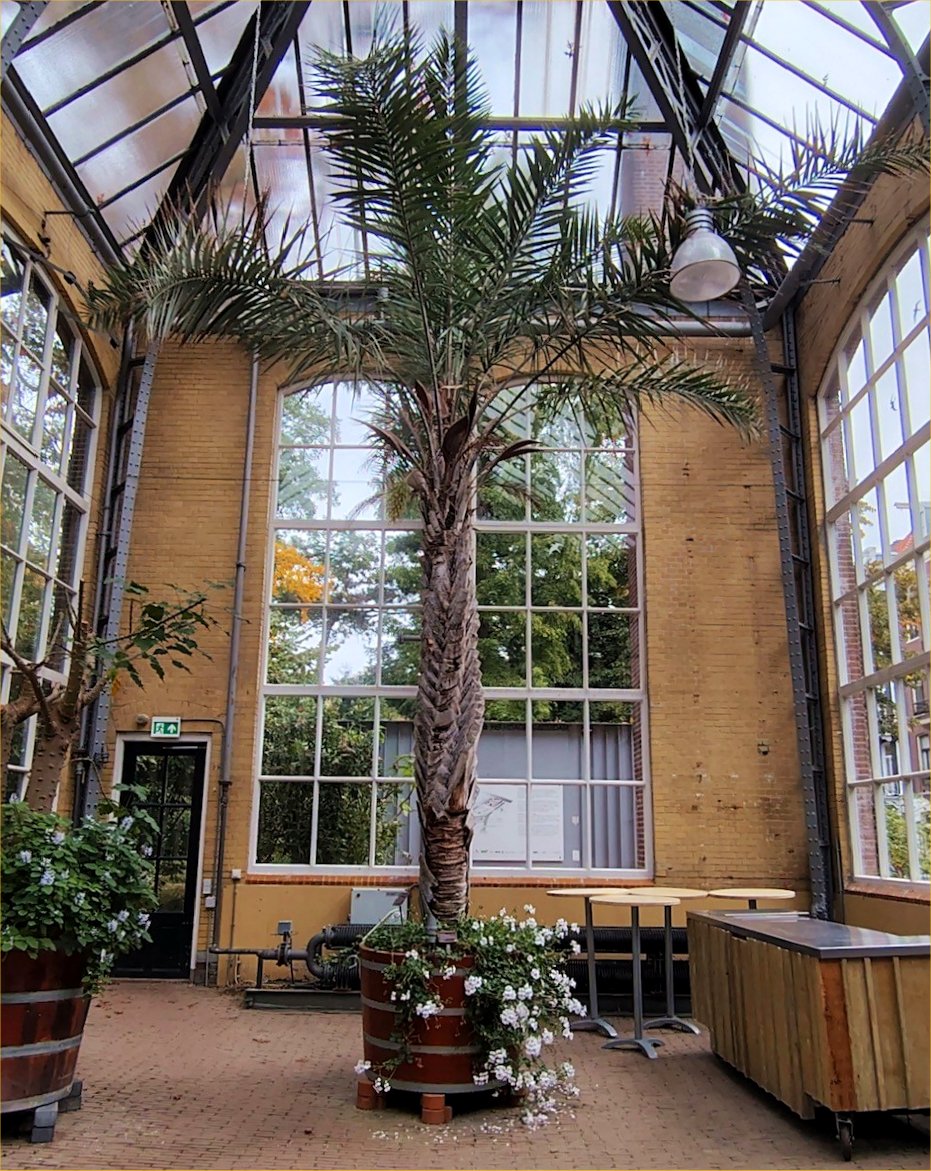
Away from the main tourist area of Amsterdam, in the east of the city, is the tranquil oasis of the Hortus Botanicus (Botanical Garden). It is open daily from 10am – 5pm and tickets can be bought in advance online, although this is not essential.

The garden was established in 1638 and is one of the oldest in the world. It was originally a herbal garden for doctors and apothecaries. There are now about 4,000 species of plants at the Hortus.

Continue reading A visit to the Hortus Botanicus

A visit to Kiftsgate

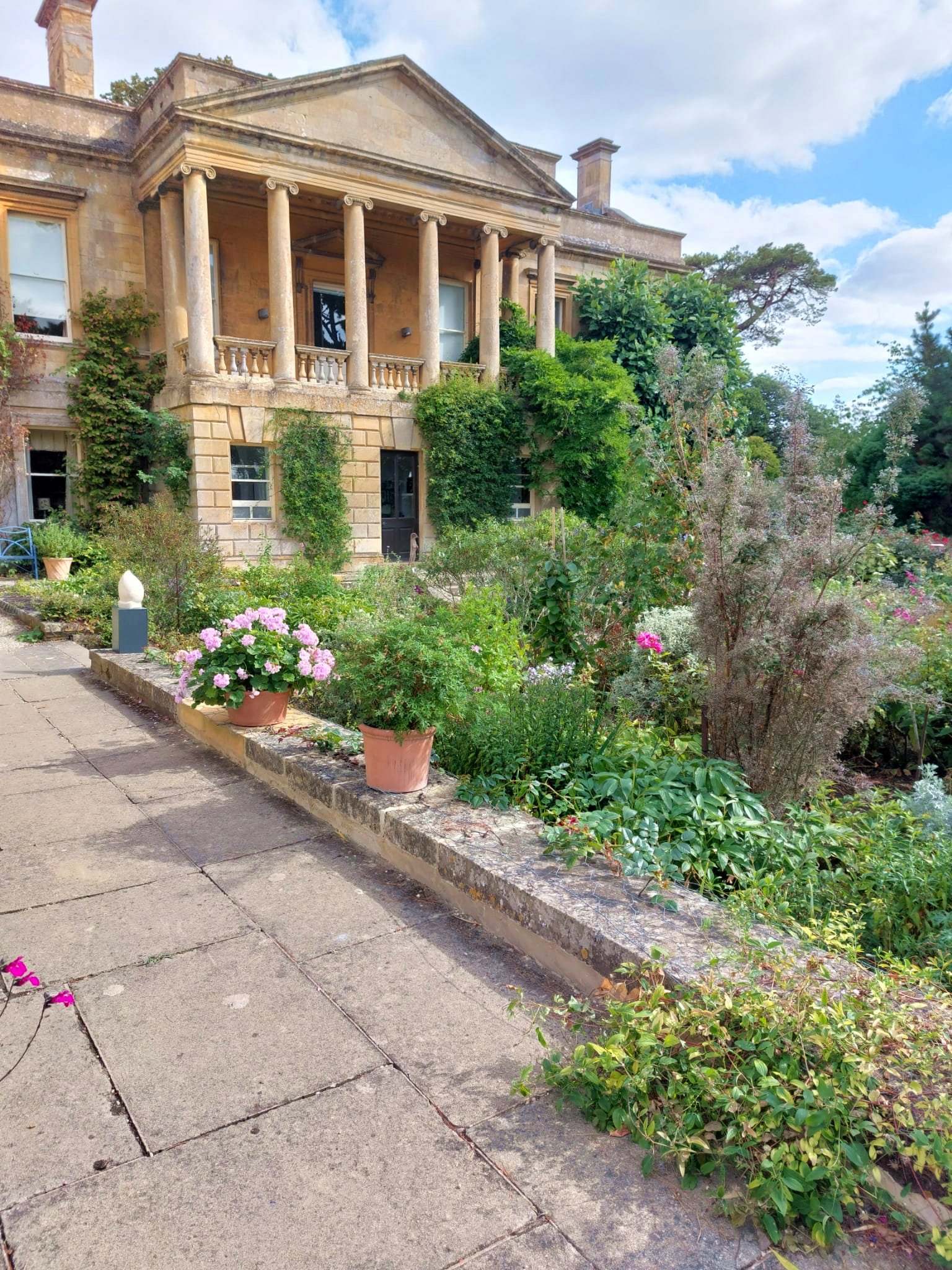
Kiftsgate Court, with terrace in front. August 2025

I first visited Kiftsgate Court Gardens near Chipping Campden in Gloucestershire in 2018 and always vowed to visit again, which we did at the end of August. This magnificent Manor House is located opposite Hidcote Manor (owned by the National Trust), so in a day you can visit both beautiful gardens.

Kiftsgate was originally bought by Heather Muir and her husband in 1920. She designed the garden, advised and influenced by her friend Lawrence Johnson who designed the famous Hidcote. Heather Muir’s daughter Diany Binny became the next custodian, and it is now run by her daughter Ann Chambers and husband Johnny who are very hands on and always present in the garden.

Continue reading A visit to Kiftsgate

A visit to Hidcote

Hidcote Manor has existed in one form or another for centuries, but the present garden was only established in the early twentieth century when Lawrence Johnston bought the property at auction on behalf of his mother and the two moved in in 1908, adapting the house to suit their requirements. Having been farmland for much of its history, Johnston had a blank canvas on which to begin work. He was a keen plantsman and went on plant-hunting expeditions himself – today Hidcote’s plant collection still contains many species regarded as of national importance, and many gardeners will be familiar with Lavandula angustifolia ‘Hidcote’ and Rosa ‘Lawrence Johnston’.

Hidcote Manor, August 2025
Continue reading A visit to Hidcote

A visit to the Old English Garden in Battersea Park

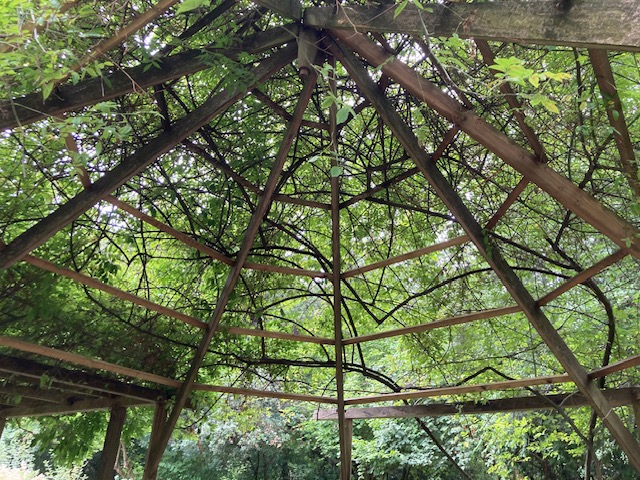
Pergola cathedral. 
Old English Garden, Battersea Park, July 2025

A group of enthusiastic members visited the Old English Garden in Battersea Park last weekend, led by Ruth, who worked there for Thrive, during the period during which it was transformed from a rather overgrown historic site to an award winning and inspirational garden reimagined by a well-known designer.

The original garden was designed by JJ Sexby in the early 1900s and renovated a couple of times in the 1960s and 1980s, during which the lily pond was drained and filled with bedding schemes, the hard landscaping changed to crazy paving and then to the current brick pavers, and the splendid Wisteria pergola deteriorated.

Continue reading A visit to the Old English Garden in Battersea Park

‘Unearthed: the Power of Gardening’

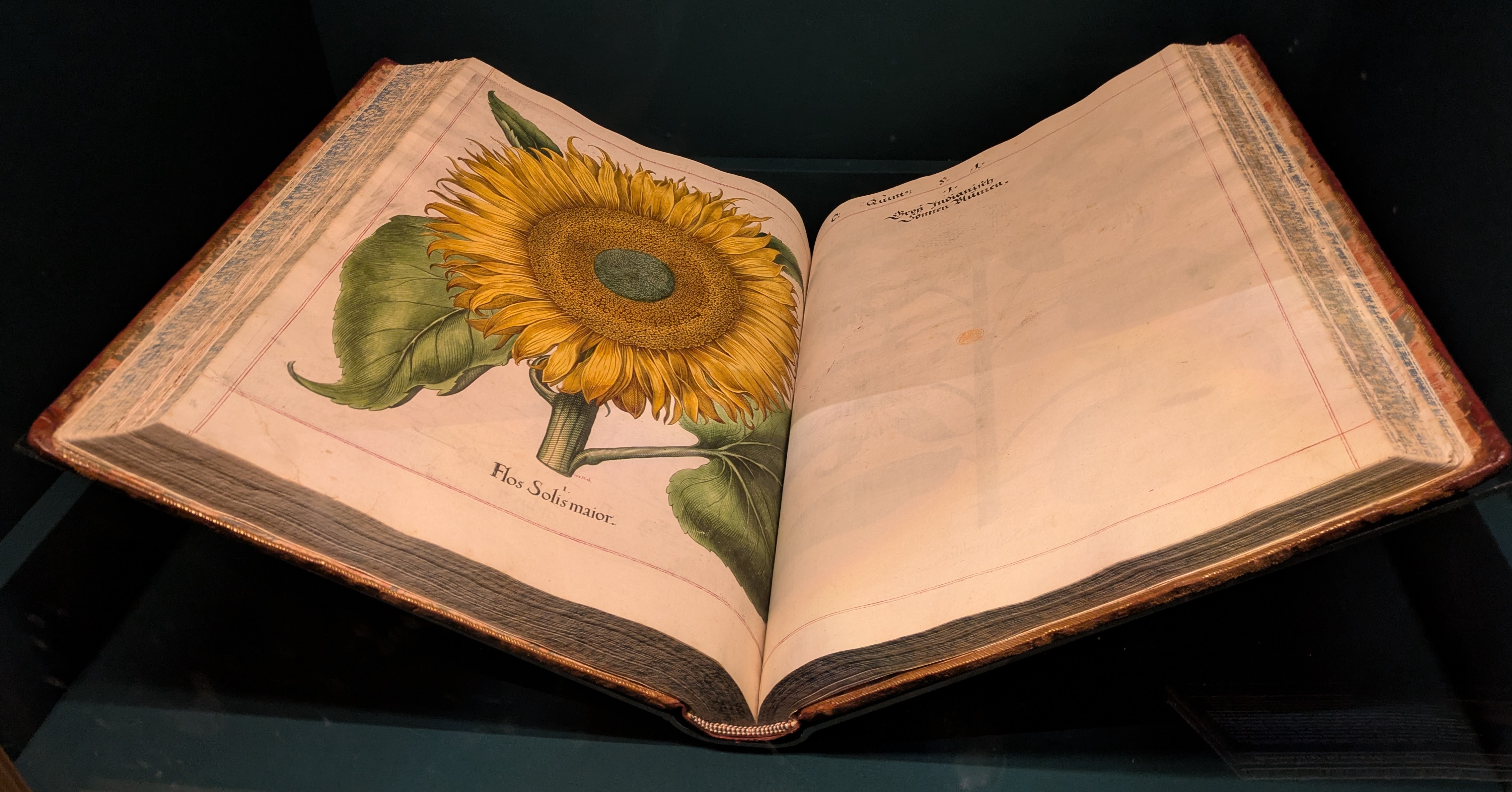
I visited the ‘Unearthed: The Power of Gardening‘ exhibition (on until Sunday 10 August 2025) at the British Library recently, the third gardening-related exhibition at a non-garden-related institution that I’ve seen in the past few years (I’m sure there have been others!). The first two were ‘Rooted Beings’ at the Wellcome Collection in 2022 and ‘Soil’ at Somerset House earlier this year.

This exhibition, as the title suggests, was more about the actual act of gardening than the other two, and as such had quite a lot in common with the permanent display at the Garden Museum. The British Library’s advantage was its access to phenomenal (and in some cases phenomenally old) examples of historical books, and its focus on gardening and gardeners, rather than the gardens.  

Continue reading ‘Unearthed: the Power of Gardening’