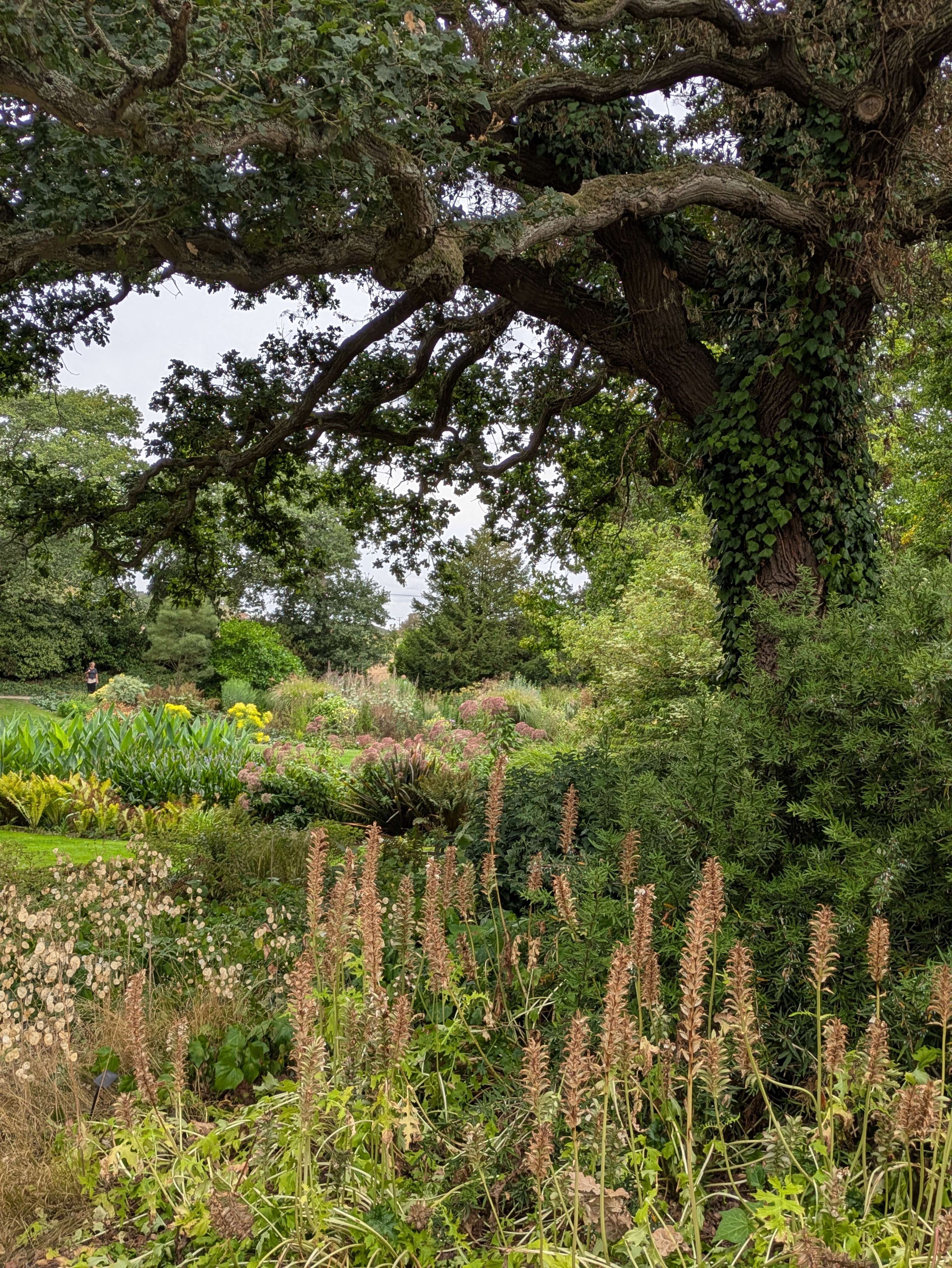
Last Friday, a full coach of CABAHS members took another trip to Essex, this time to see Beth Chatto’s Plants and Gardens. The last group visit was in 2021 and the irony of visiting a world-famous dry garden in torrential rain was not lost on those who attended then. A heavy downpour on Friday’s journey made us wonder if we might be reliving the experience, but it was brief and our whole visit was dry.
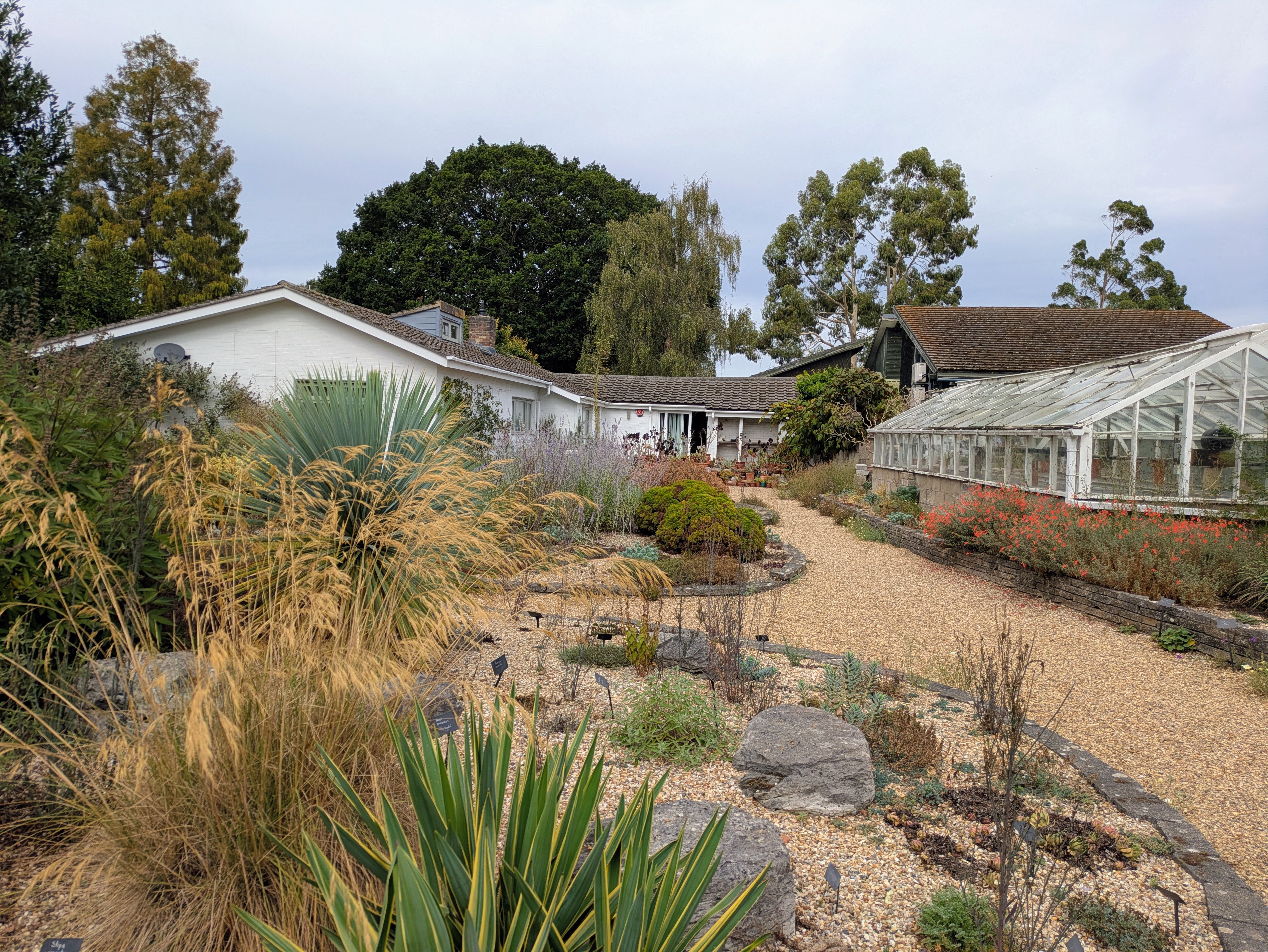
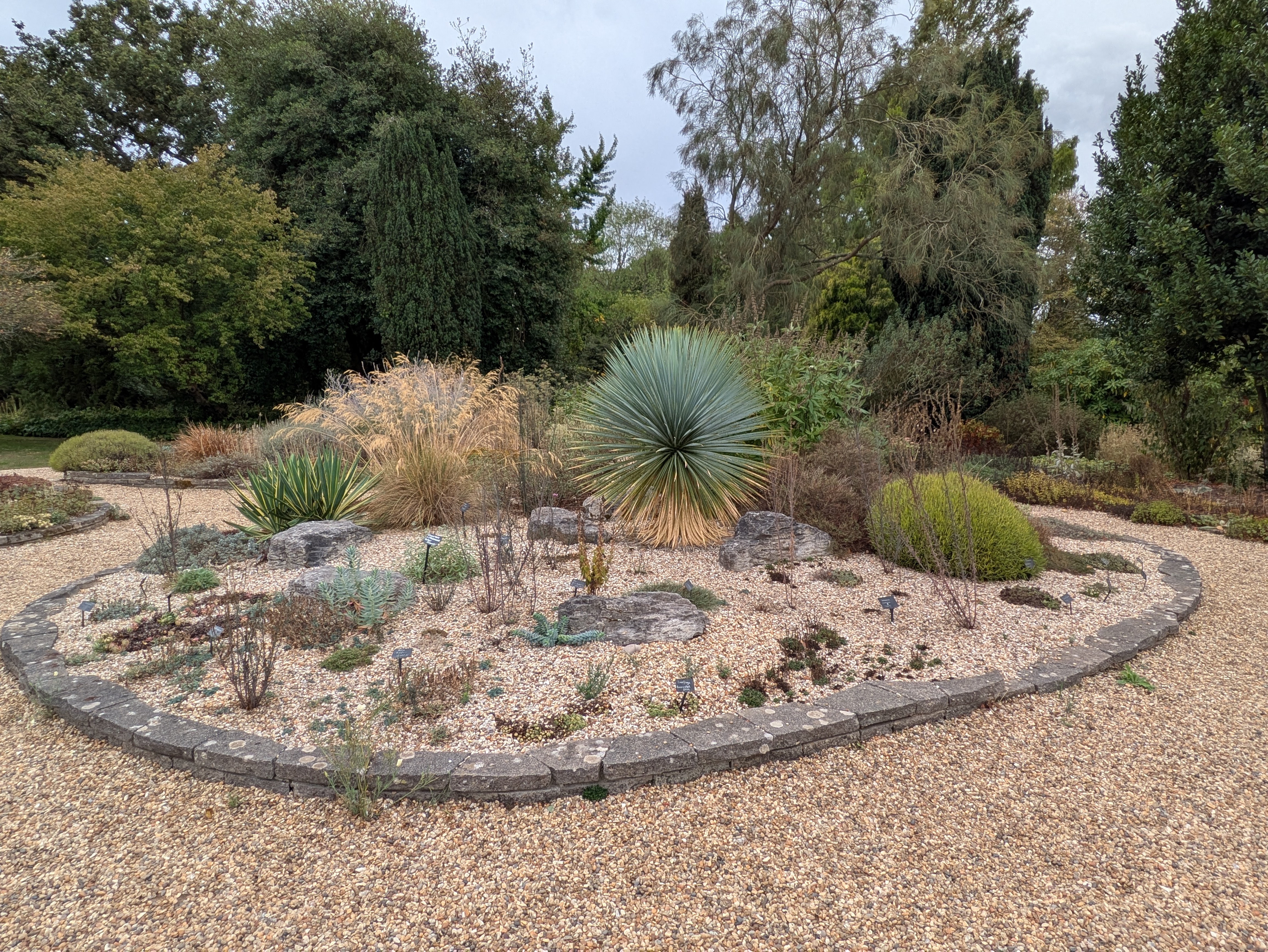
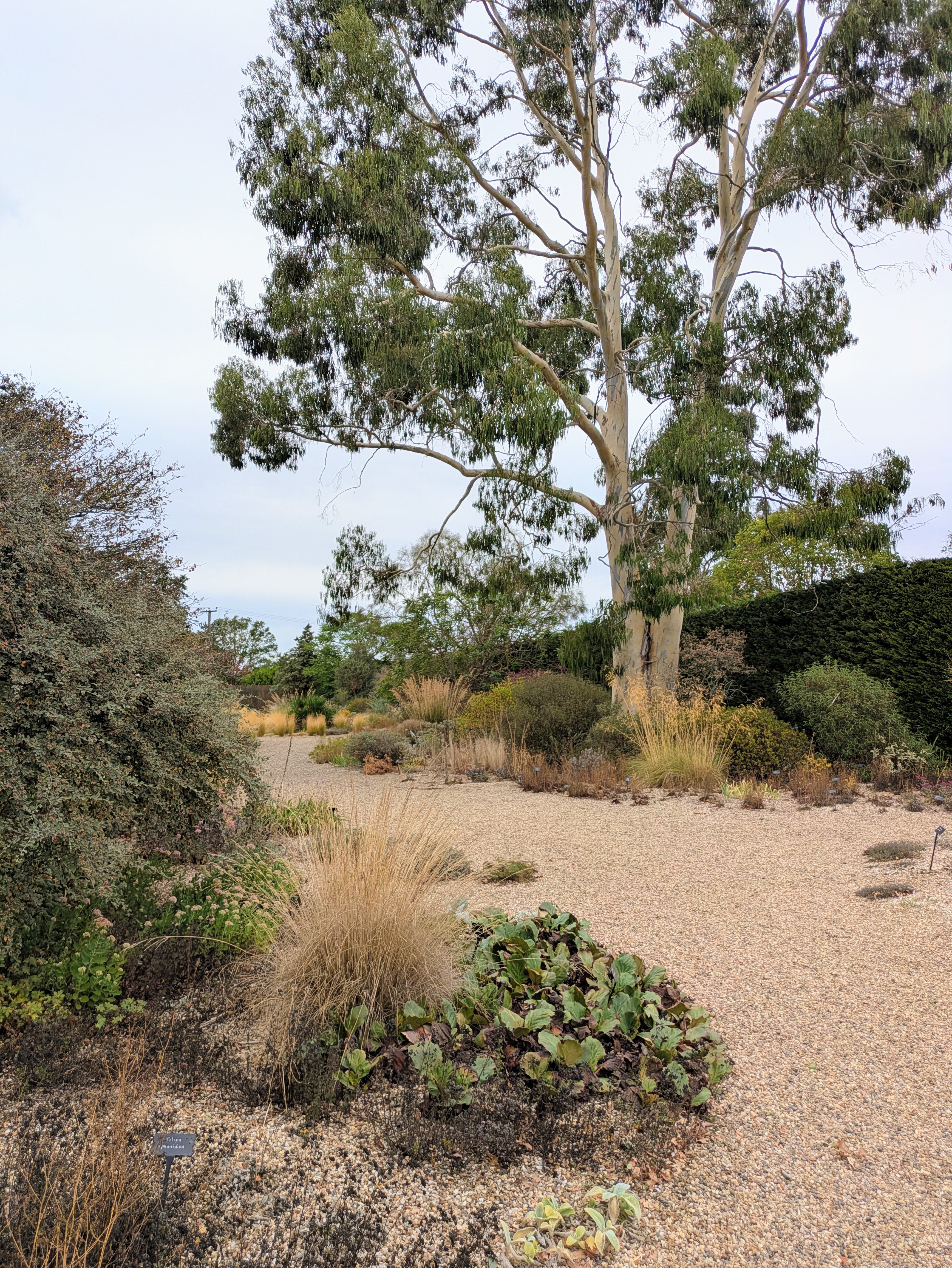
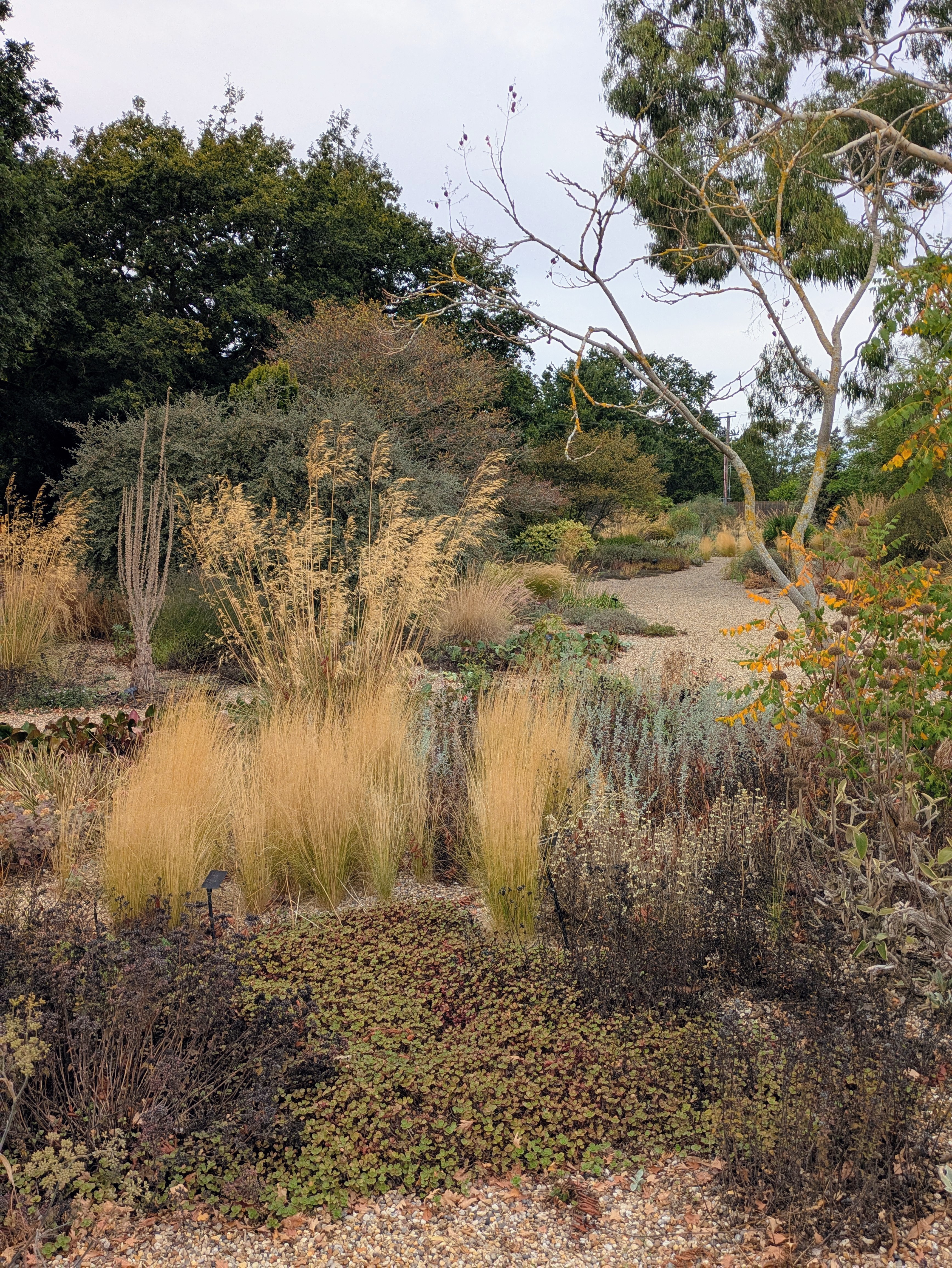
Most well-known is the Gravel Garden, which was developed in the 1990s on the former car park – at a high point in the gardens which, in Essex, are in one of the driest parts of the country. But the site has a much more varied topography and ecology than just the dry garden. Much of the site was actually boggy and Beth and Andrew Chatto carved ponds in the lowest areas. This meant that we saw green, green lawns in an area – the Water Garden – where the water table, even after this summer drought, is high.
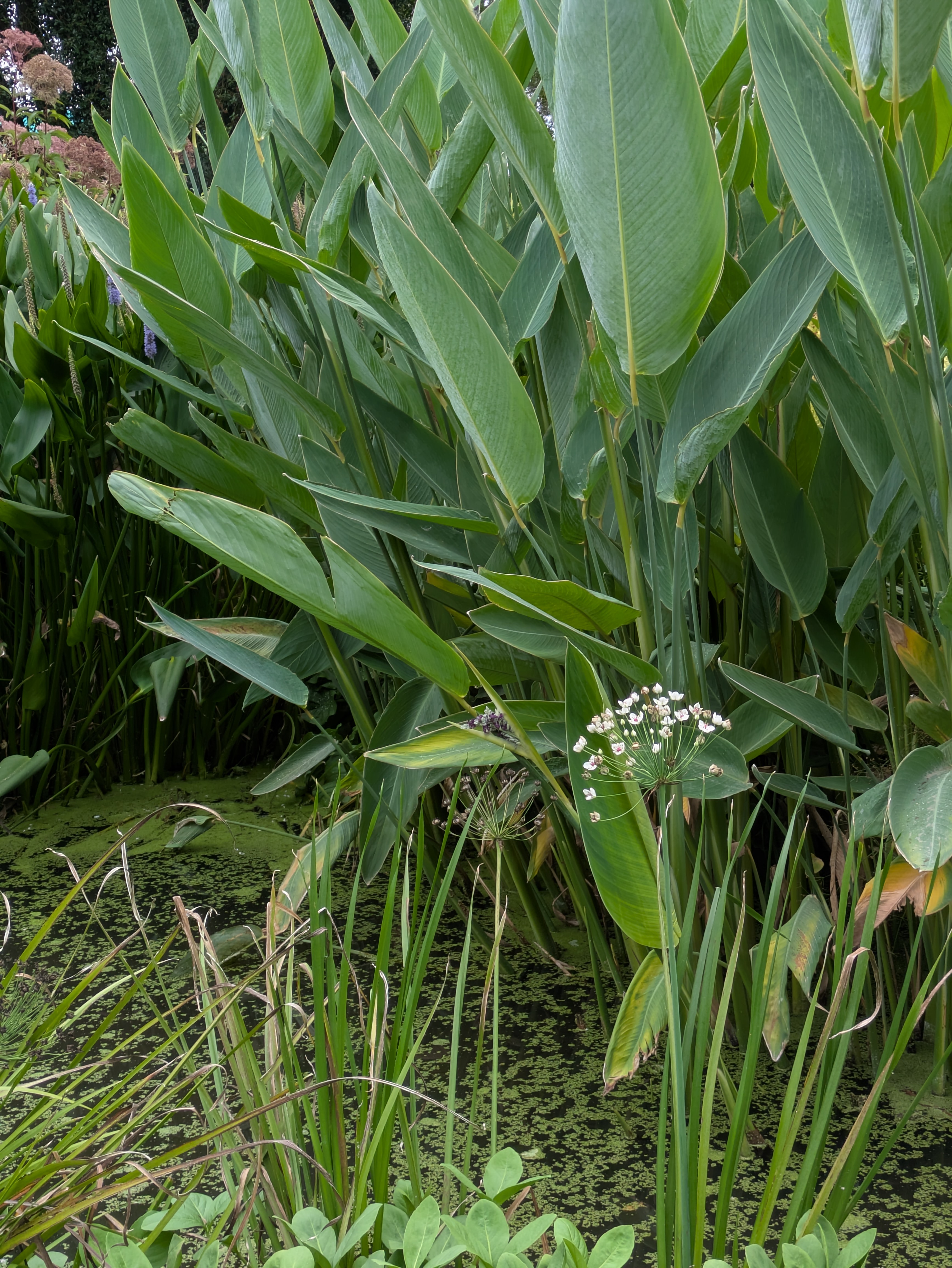
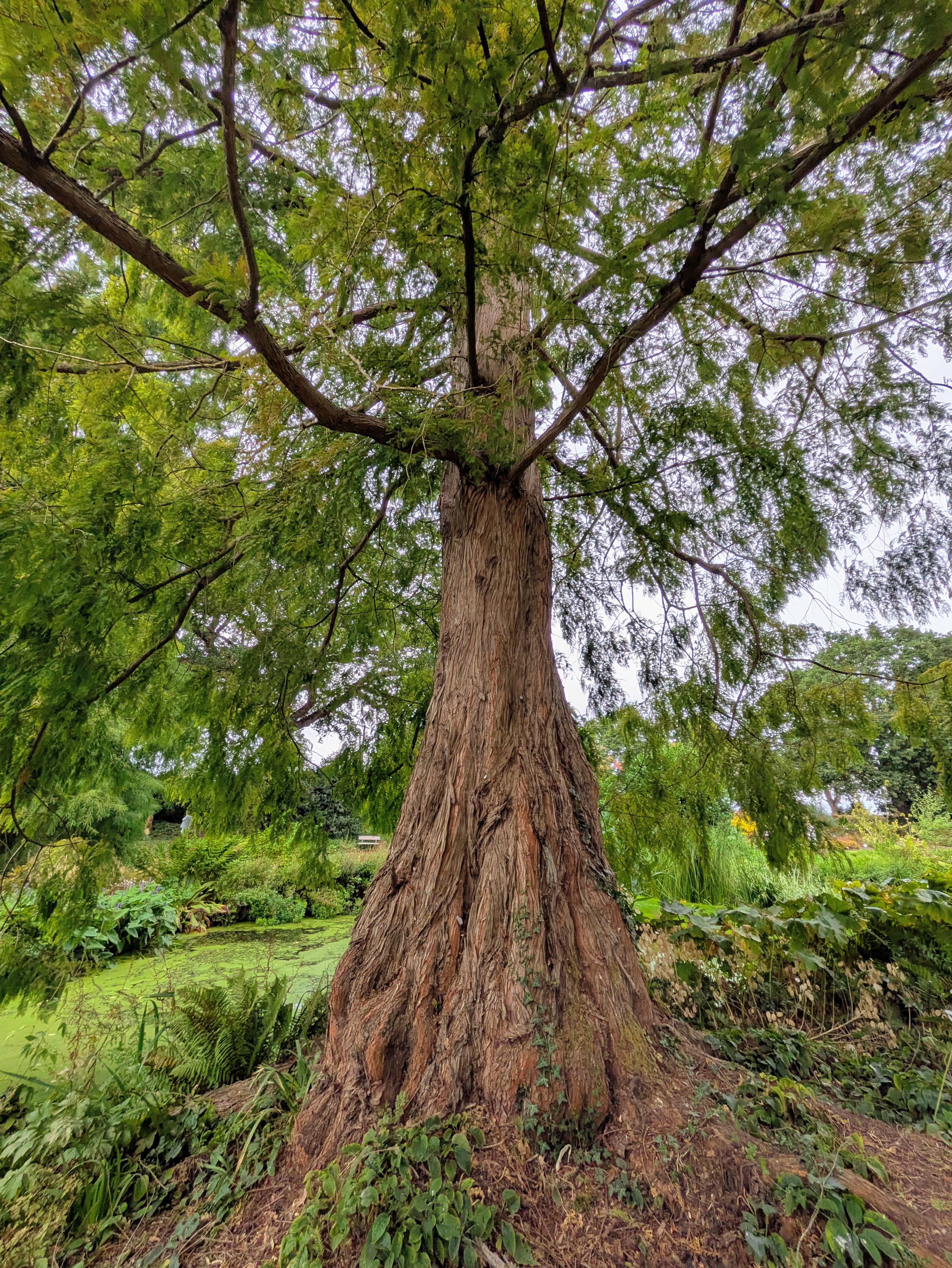
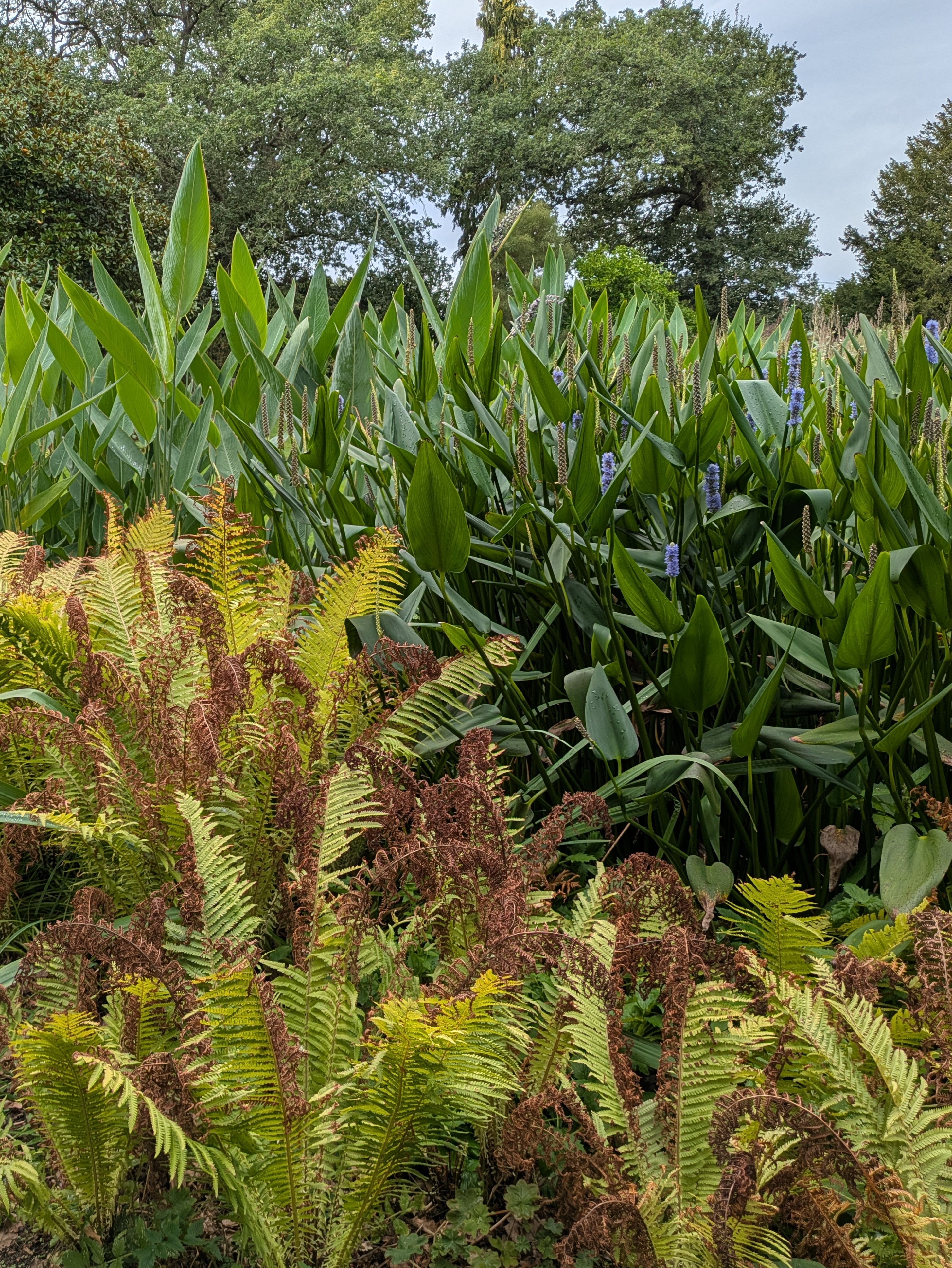
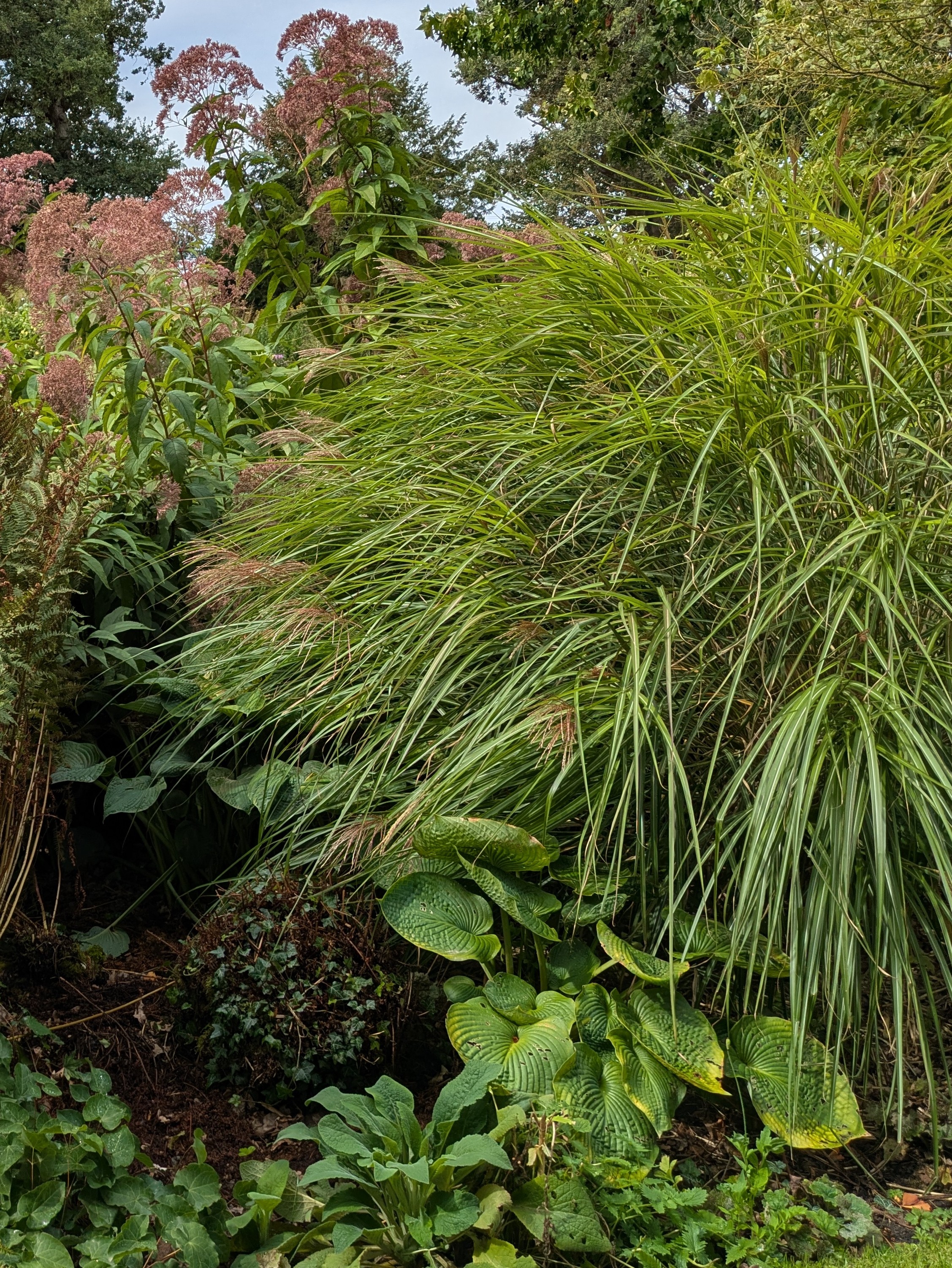
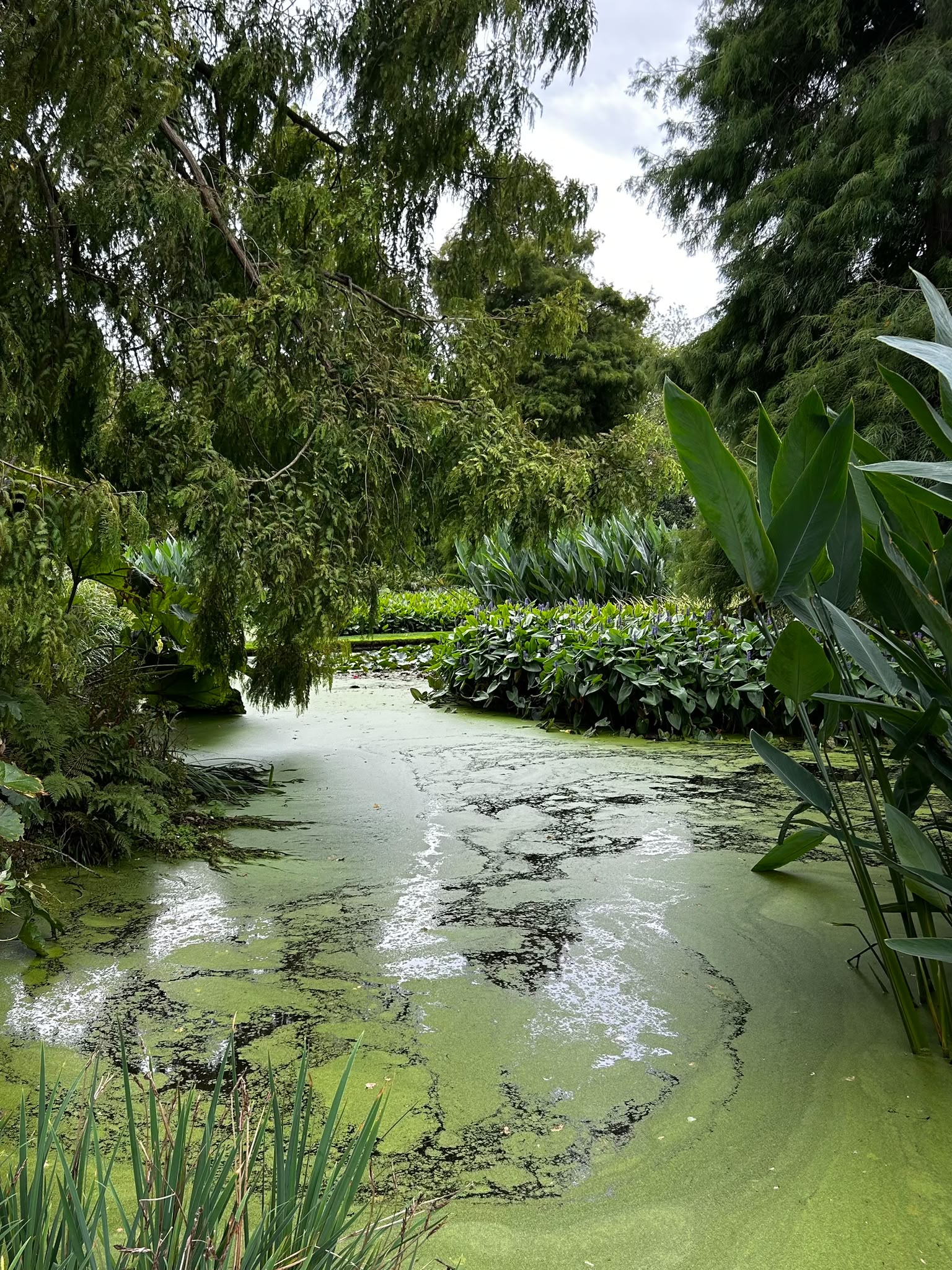
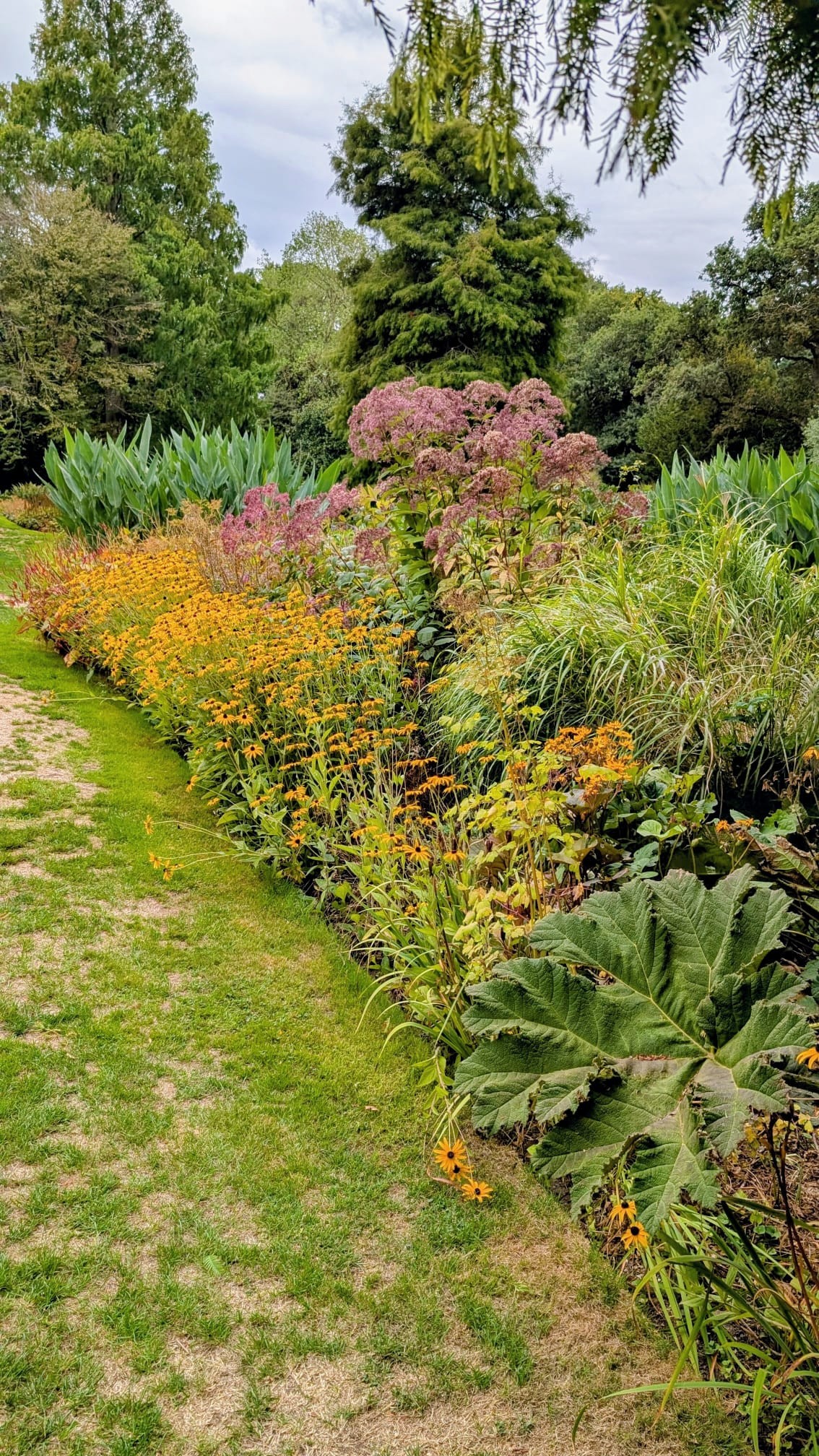
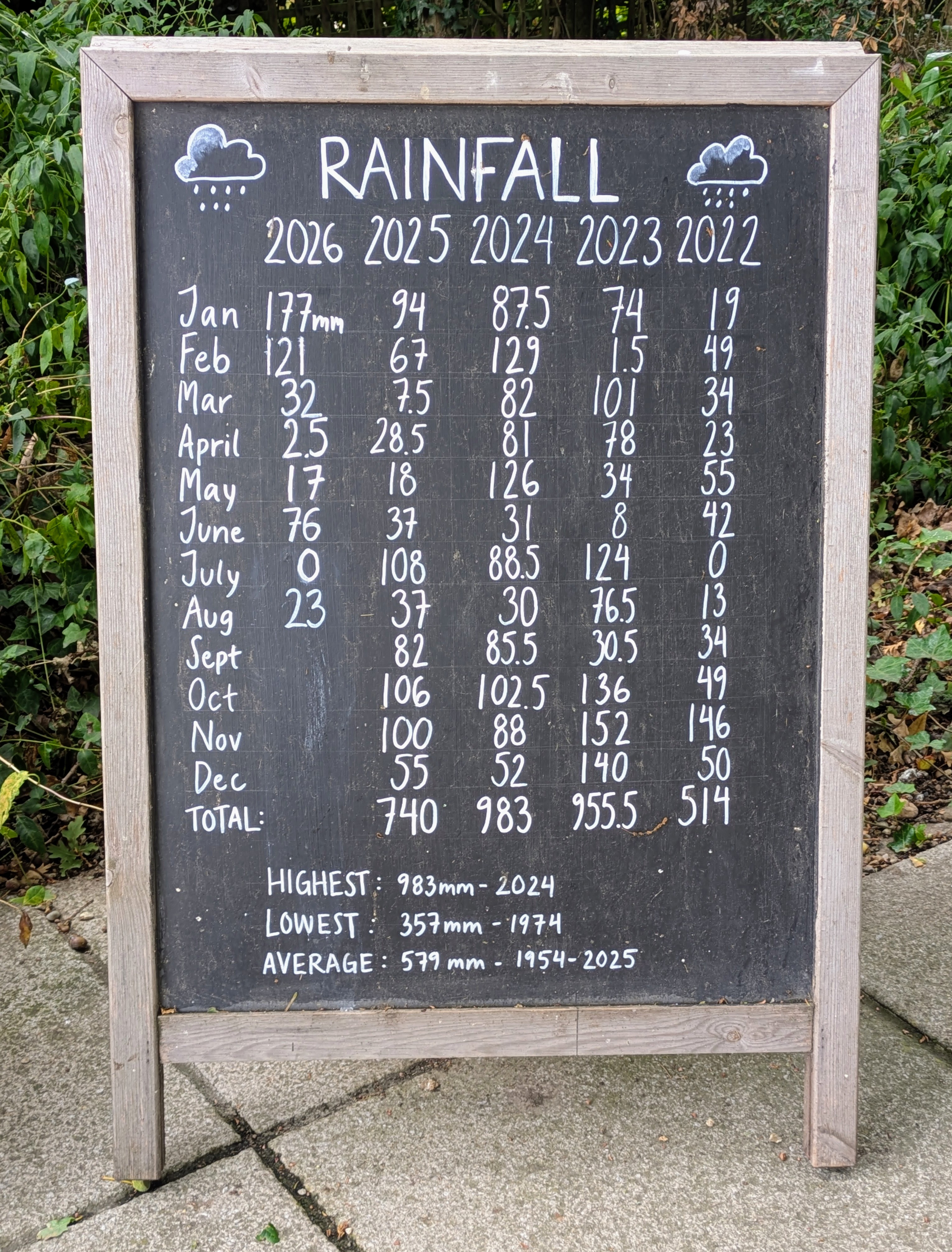
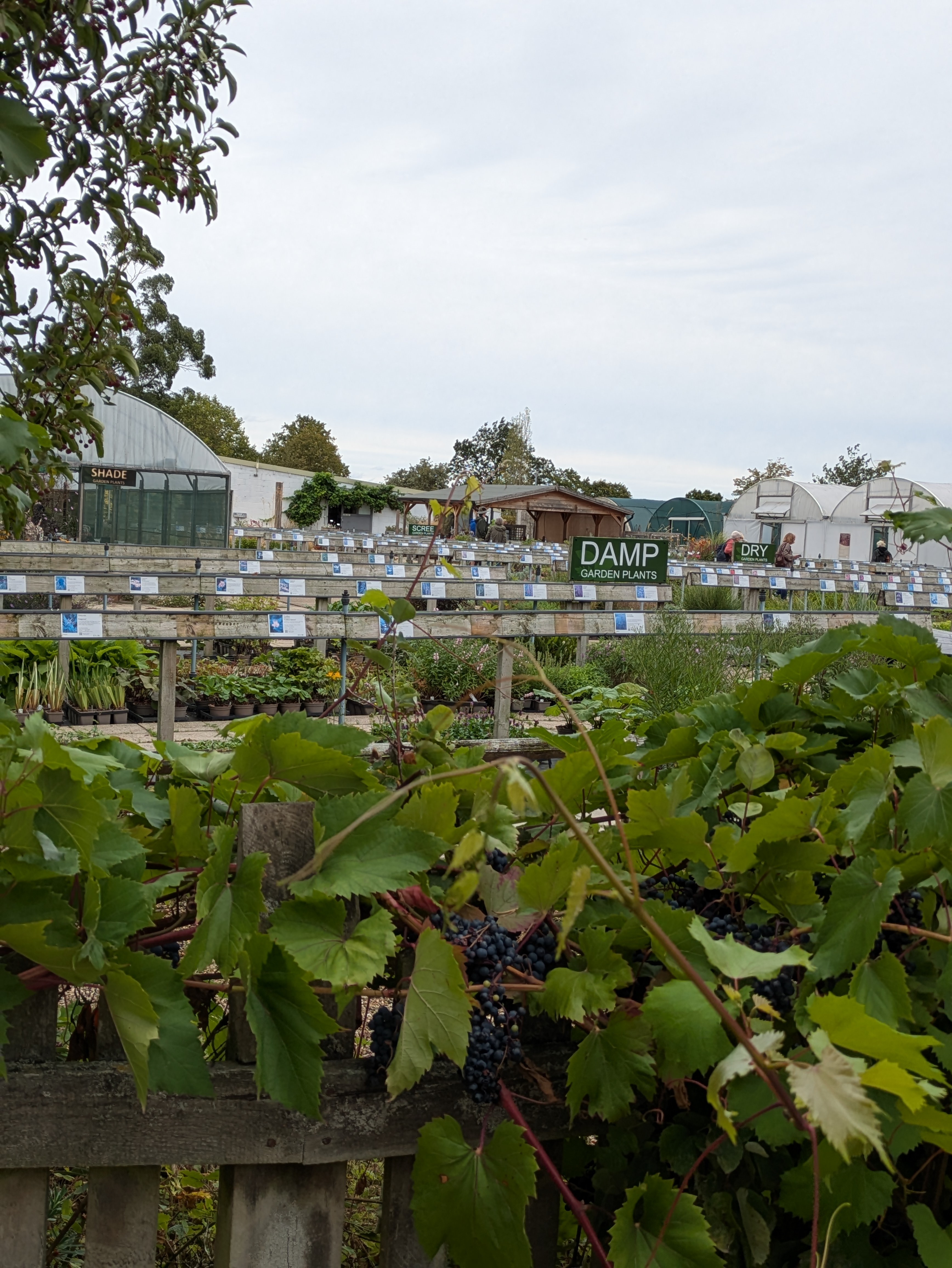
Information boards stated that it is not only the Gravel Garden which is (famously) not watered, but that none of the ‘garden areas’ are watered after first planting. This rule of course did not include the stock and propagation beds, nor the pots. Another very interesting information board gave monthly rainfall measurements for the past few years, something that several of us thought we might start doing.
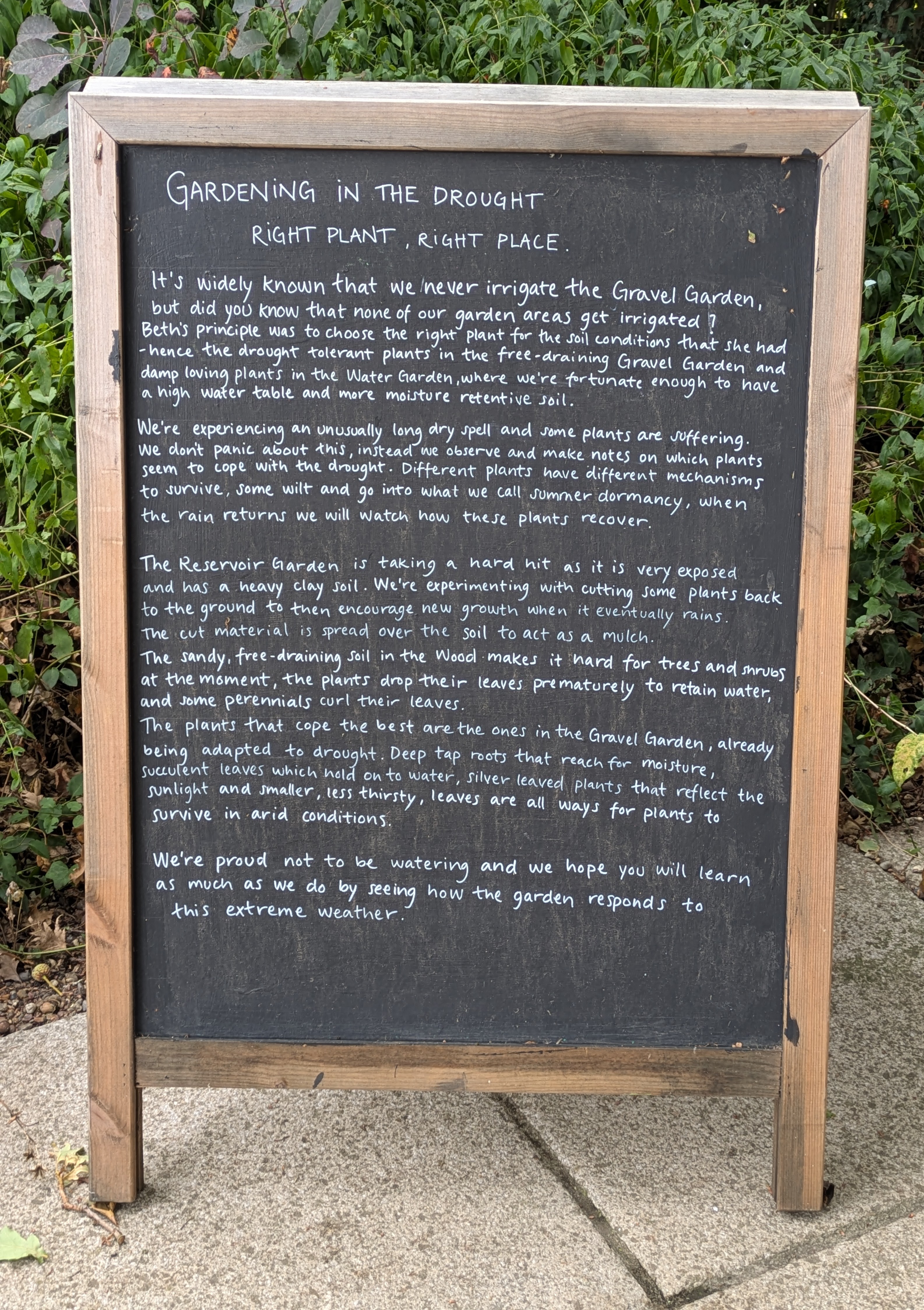
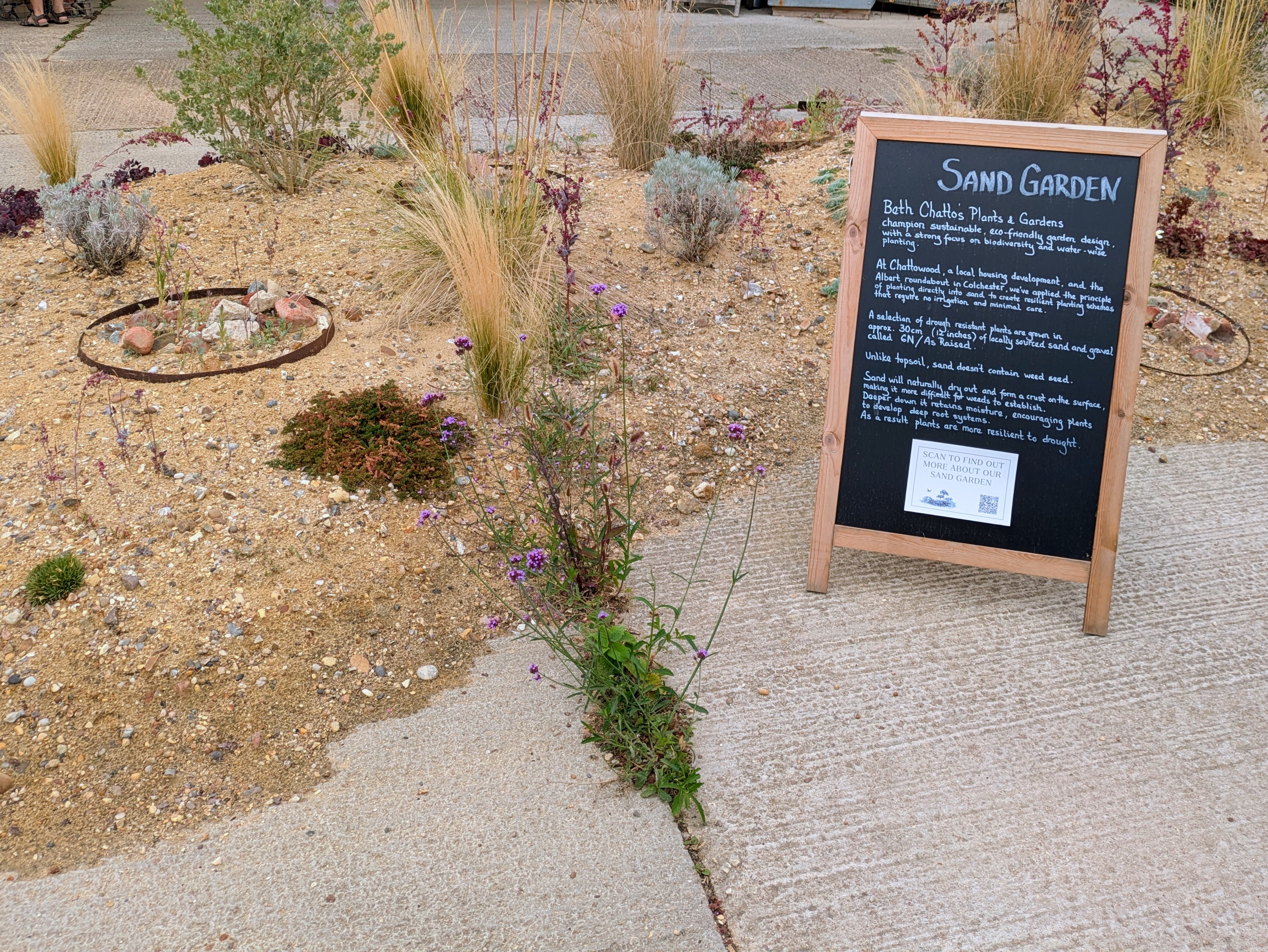
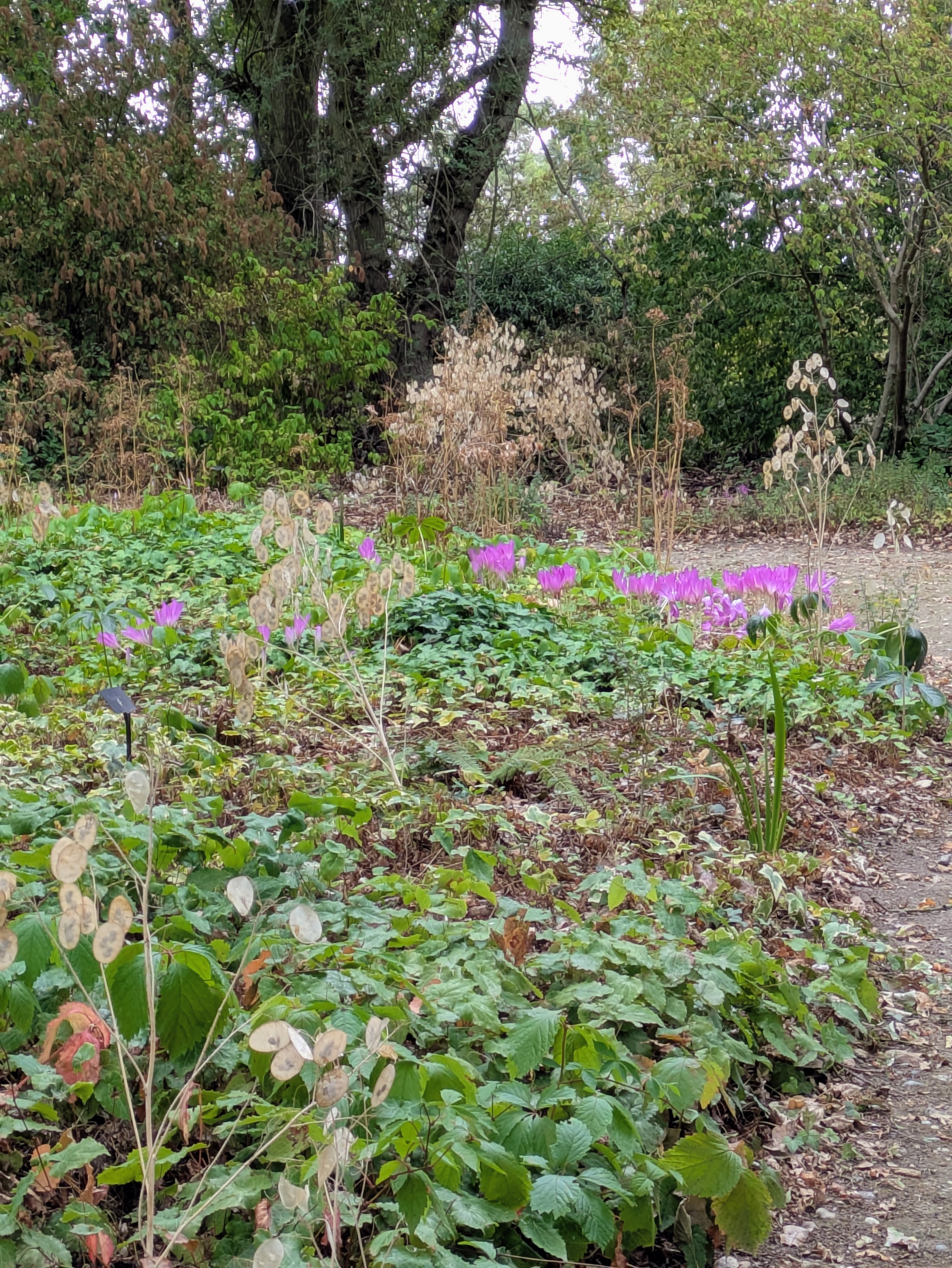
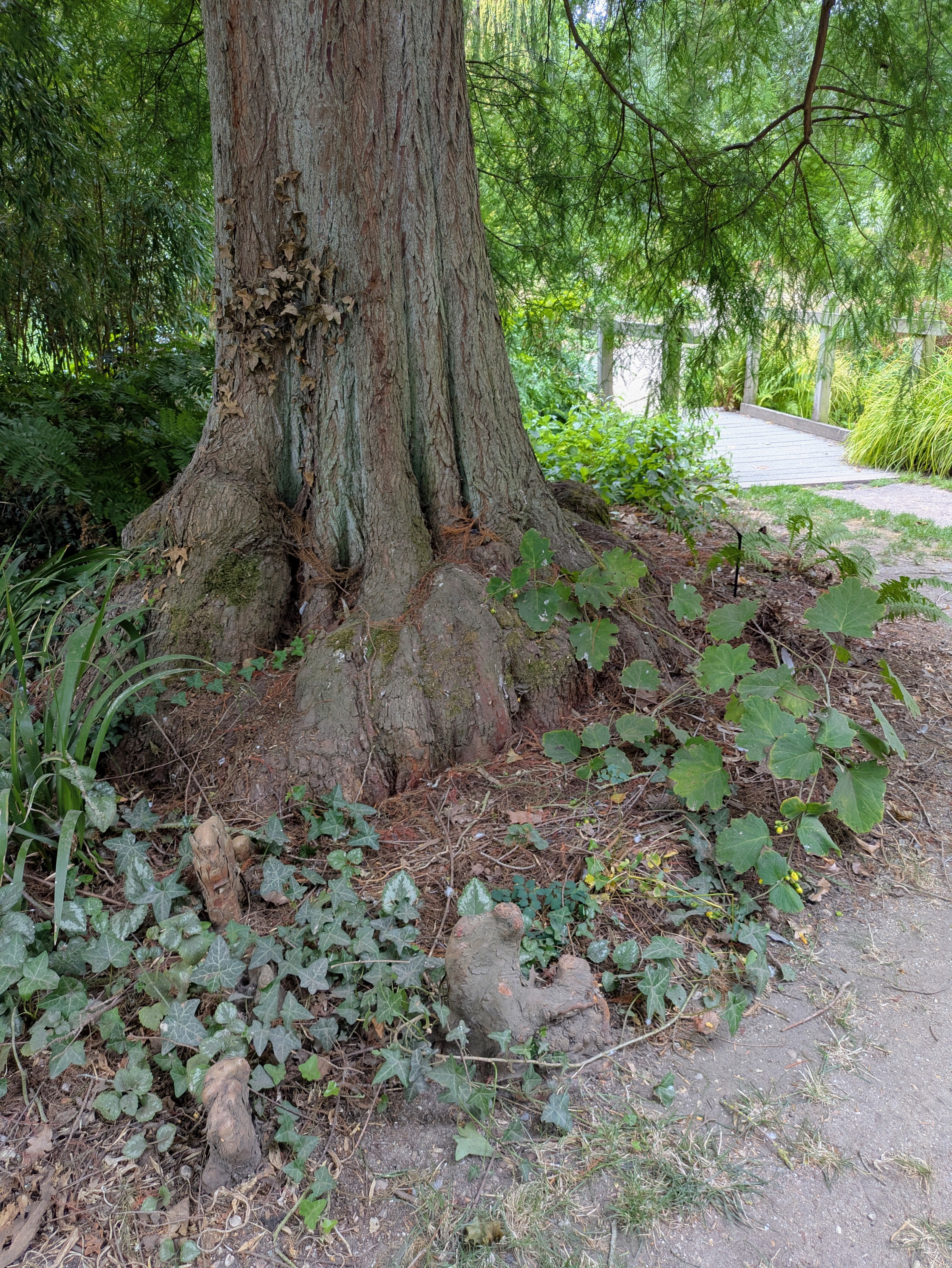
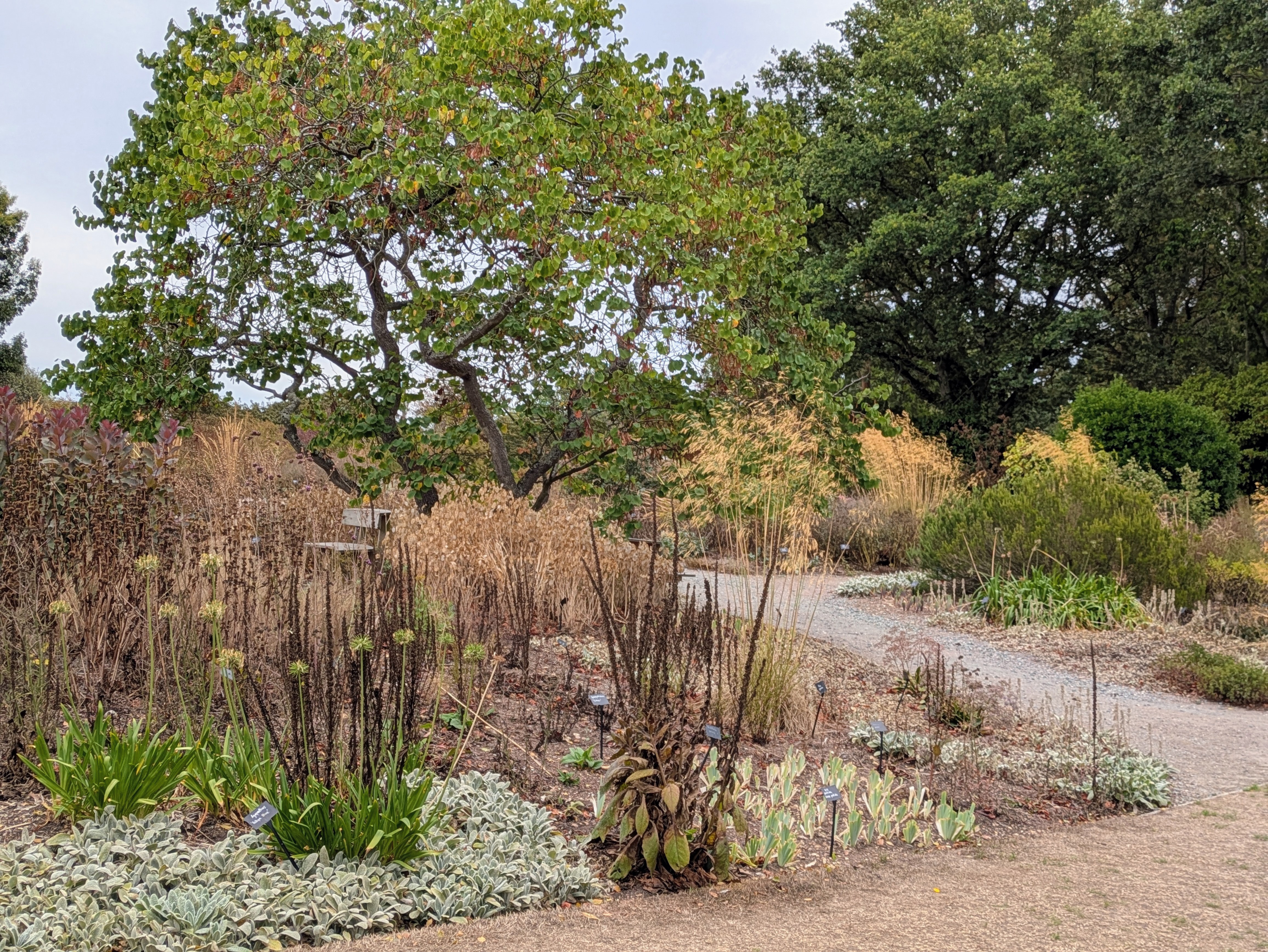
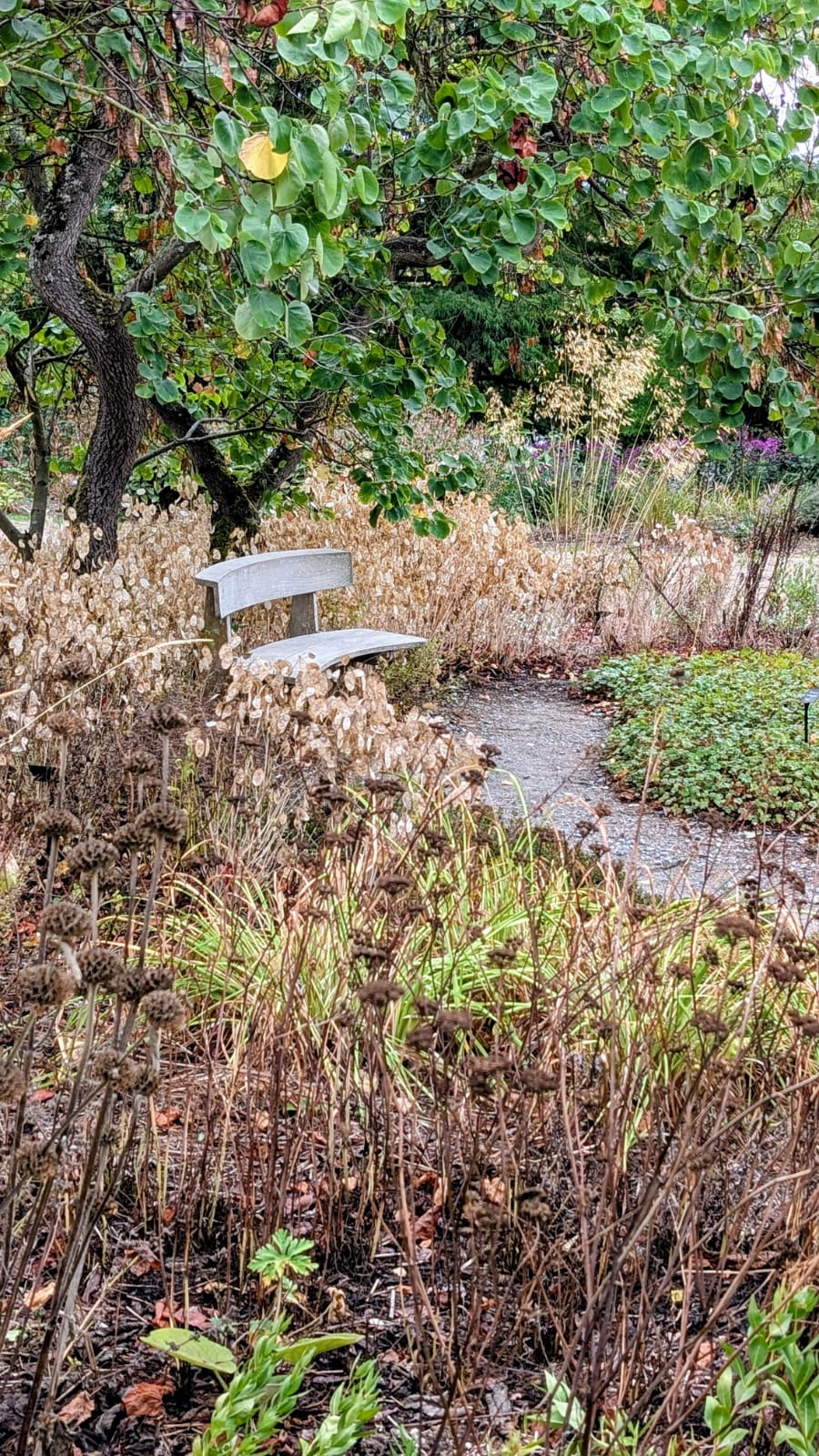
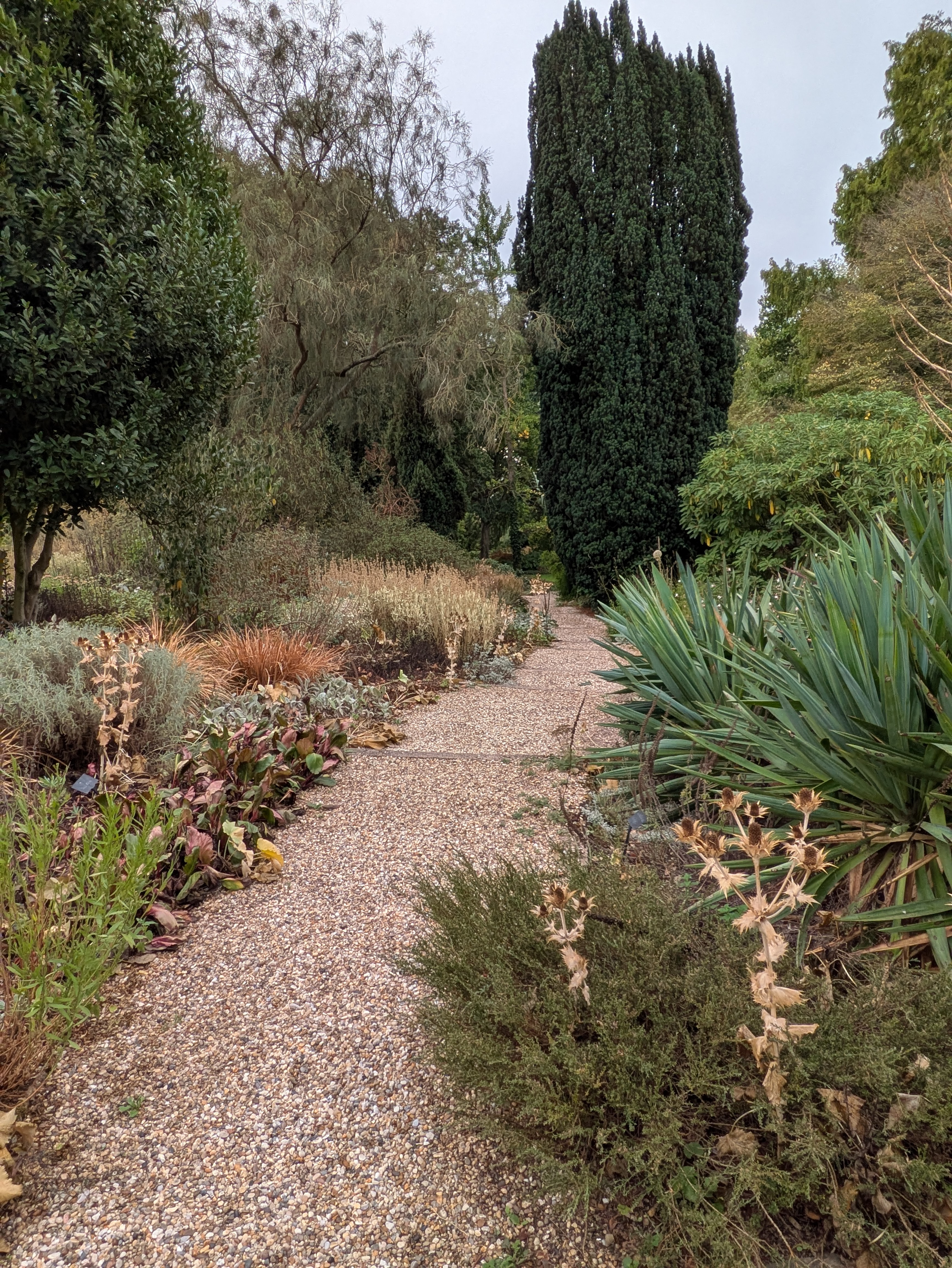
We had chosen possibly the ‘worst’ time to visit: seeing an unwatered garden on a dull day after a prolonged drought and record-breaking high temperatures was always going to mean lots of scorched and even dead plants. Recent showers have not really made a dent in the water deficit and even the Woodland and Reservoir Gardens looked parched, with not enough time having passed for any kind of recovery to have started. There were numerous early-finishers and losses, even in the Scree and Gravel Gardens, and it occurred to me that the plant choices for a dry garden 30 years ago would not have had to contend with the changes in climate we are experiencing since and might need to change.
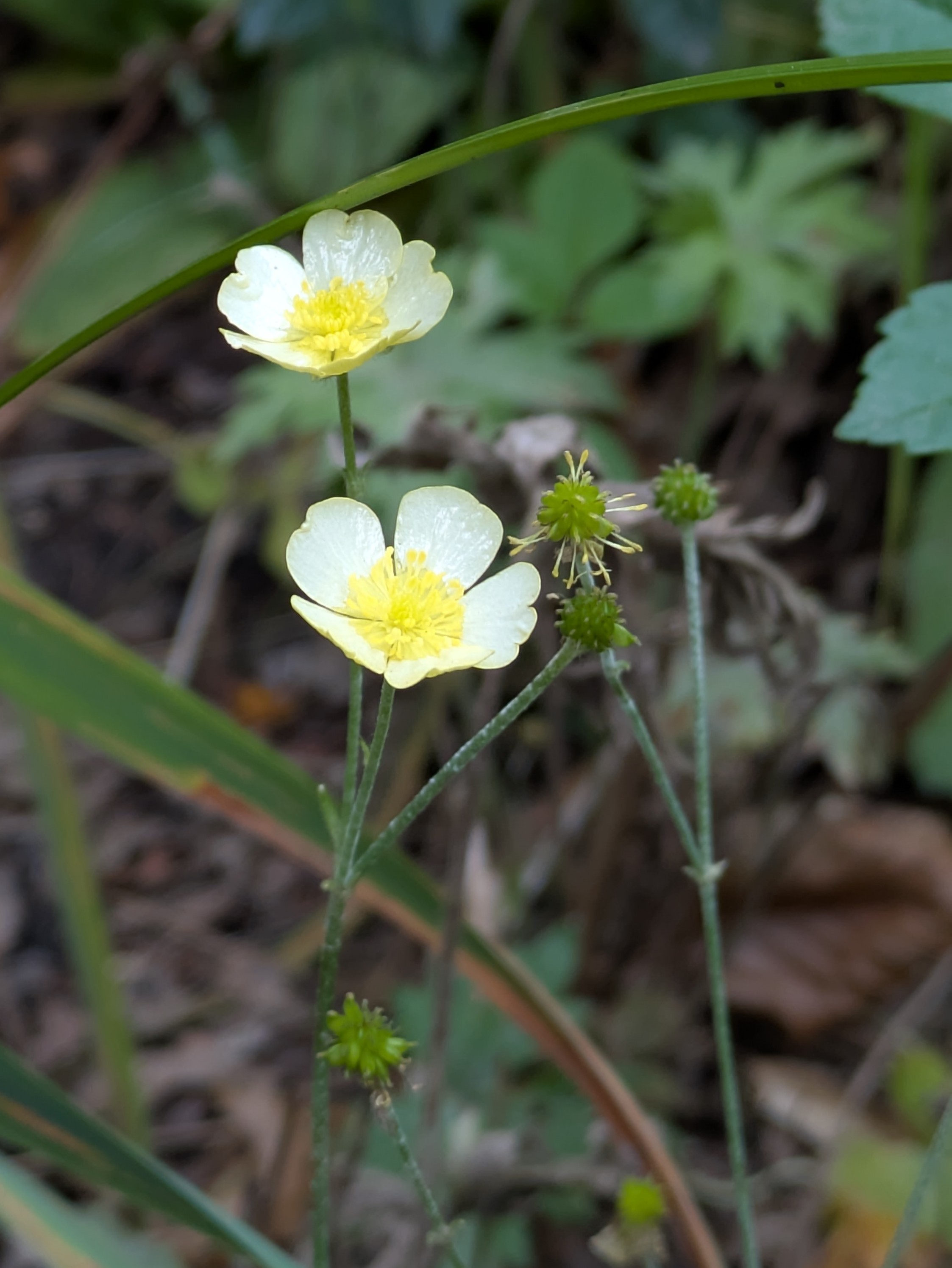
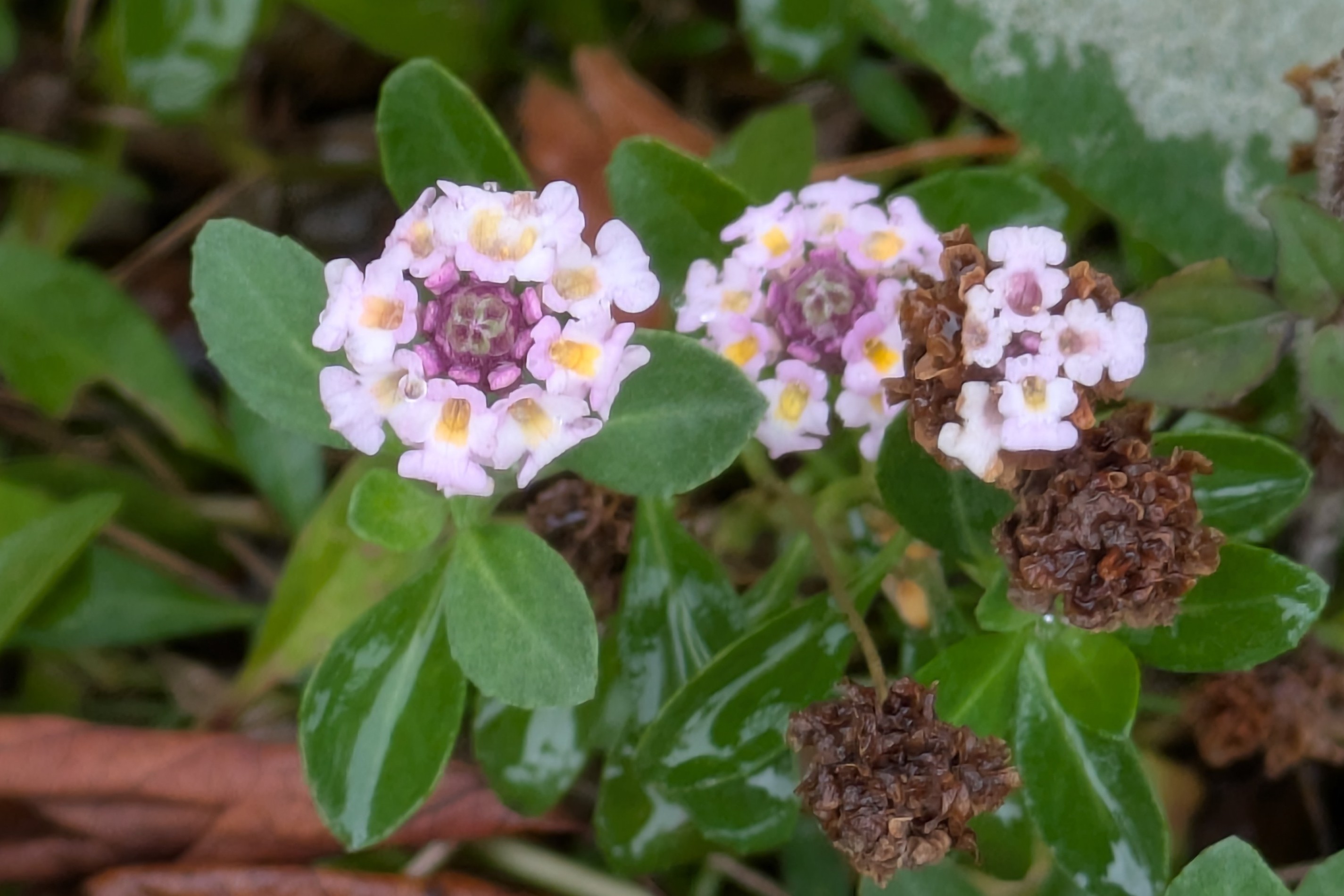
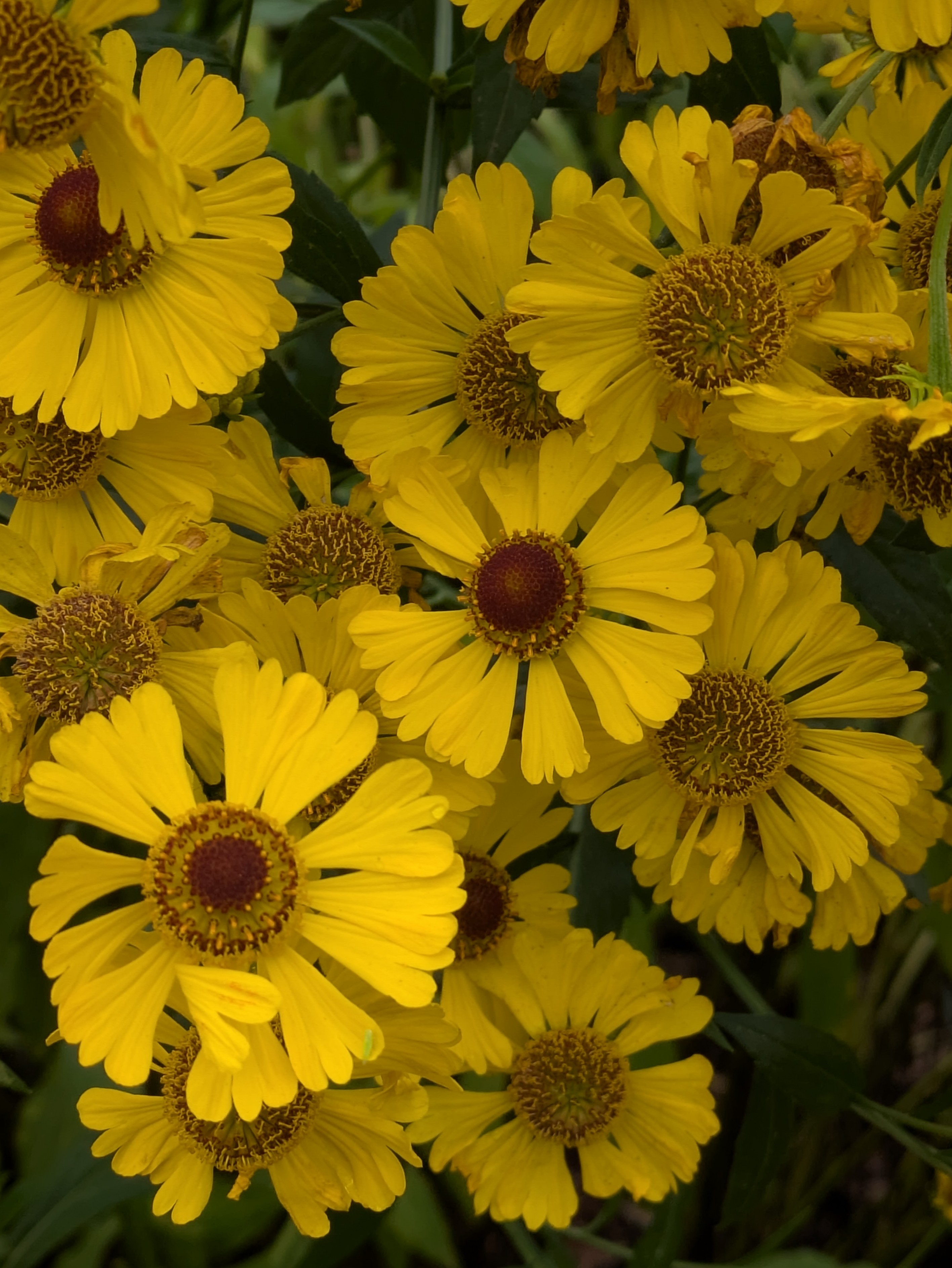
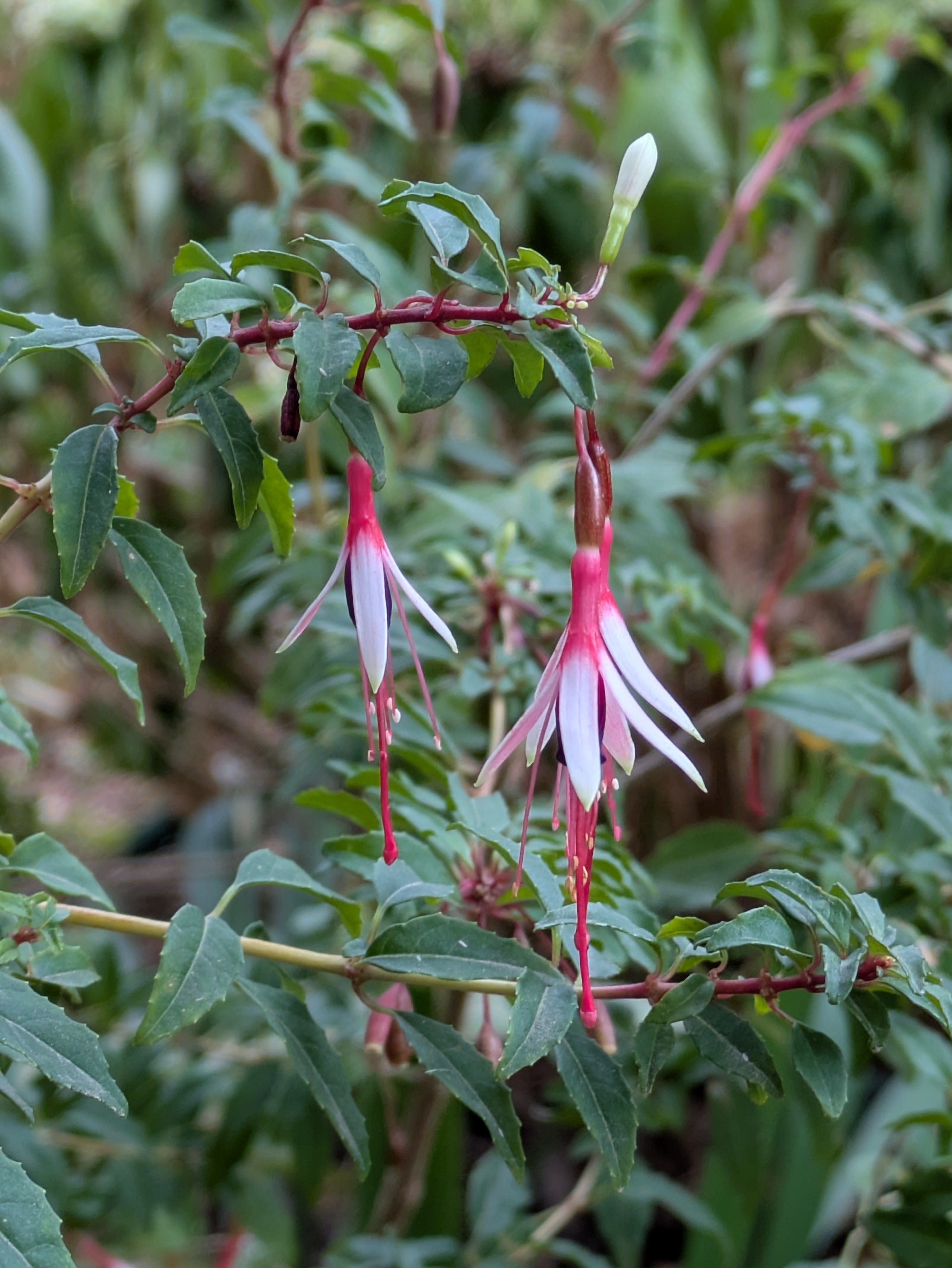
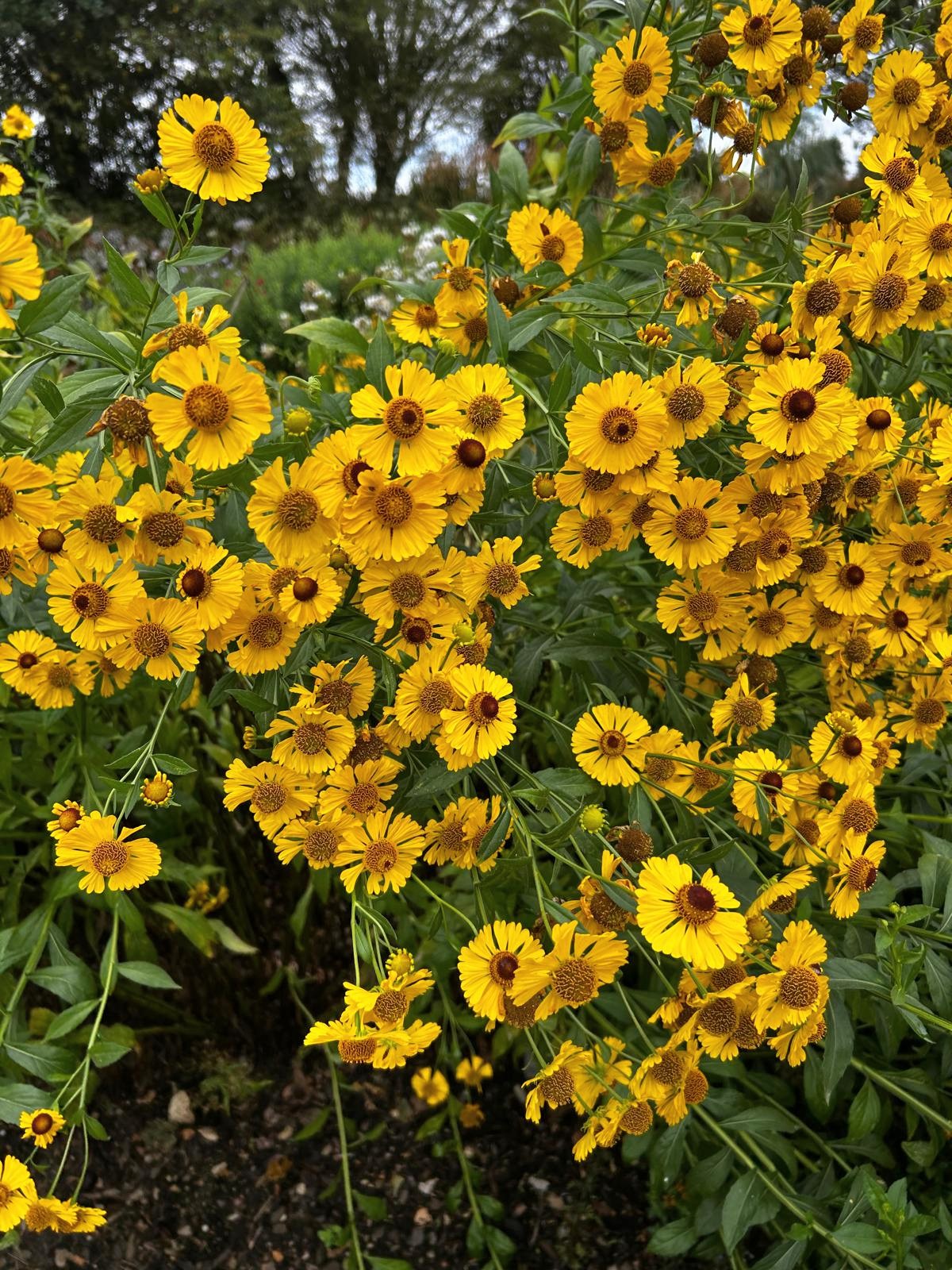
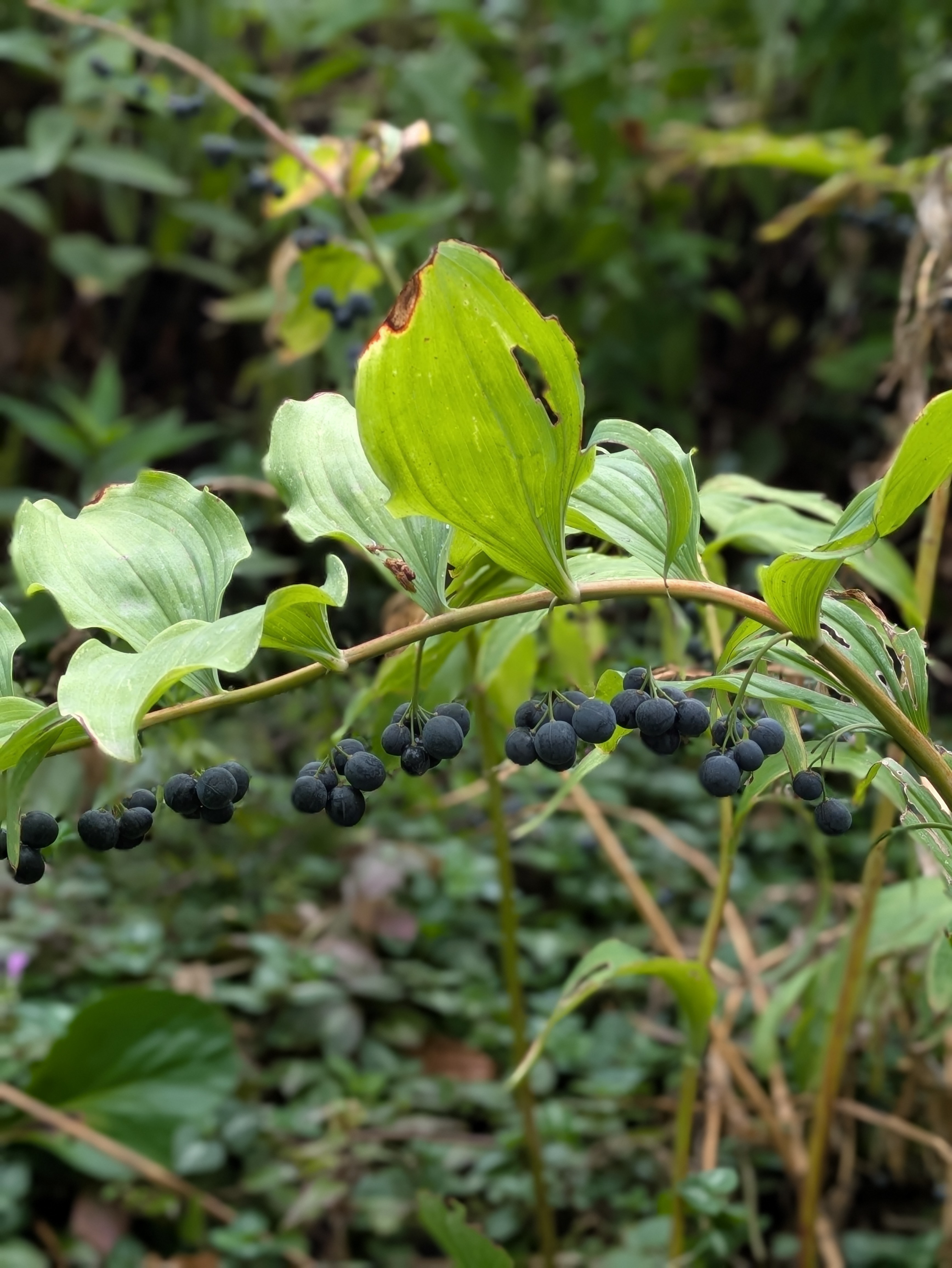
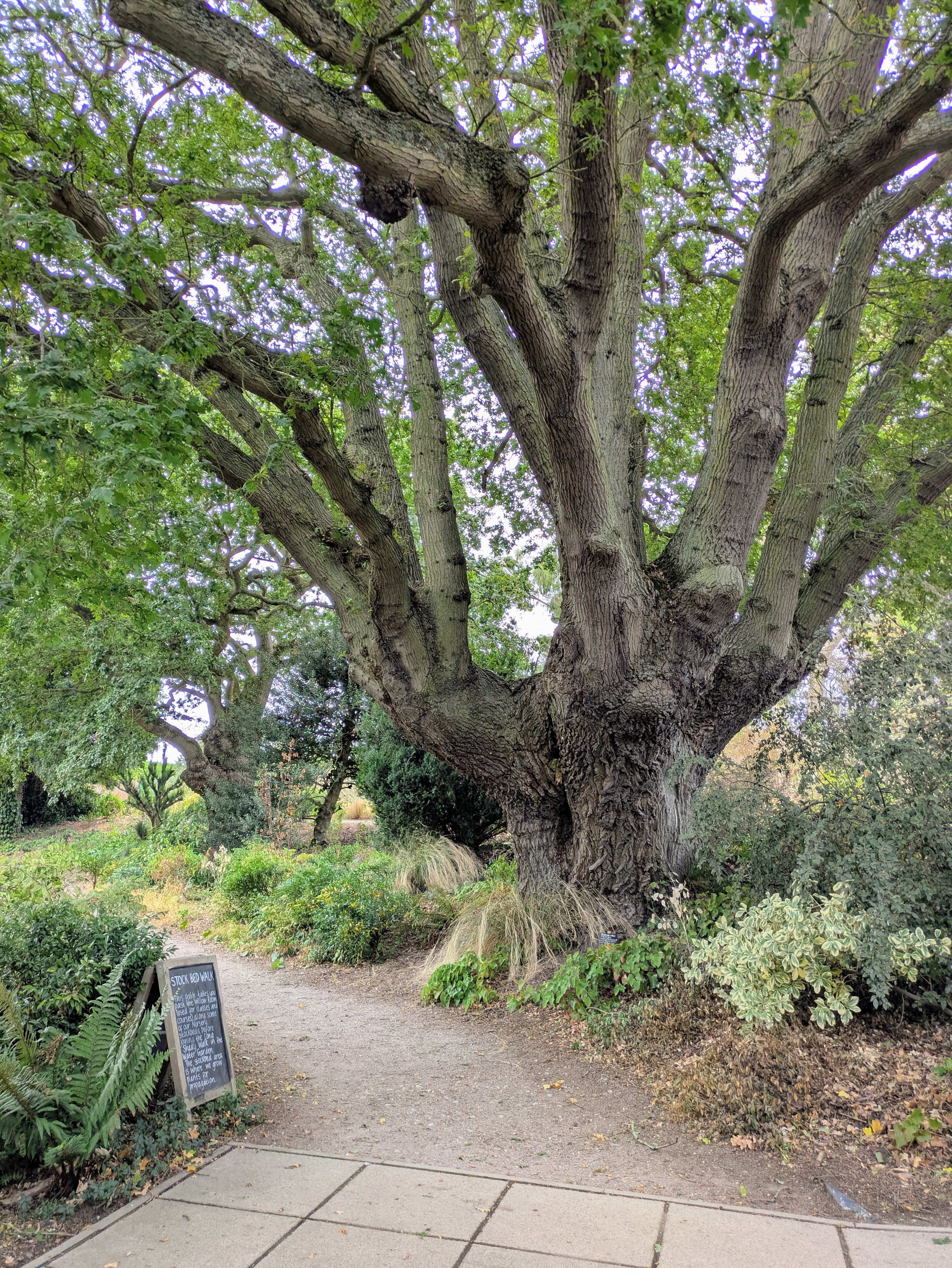
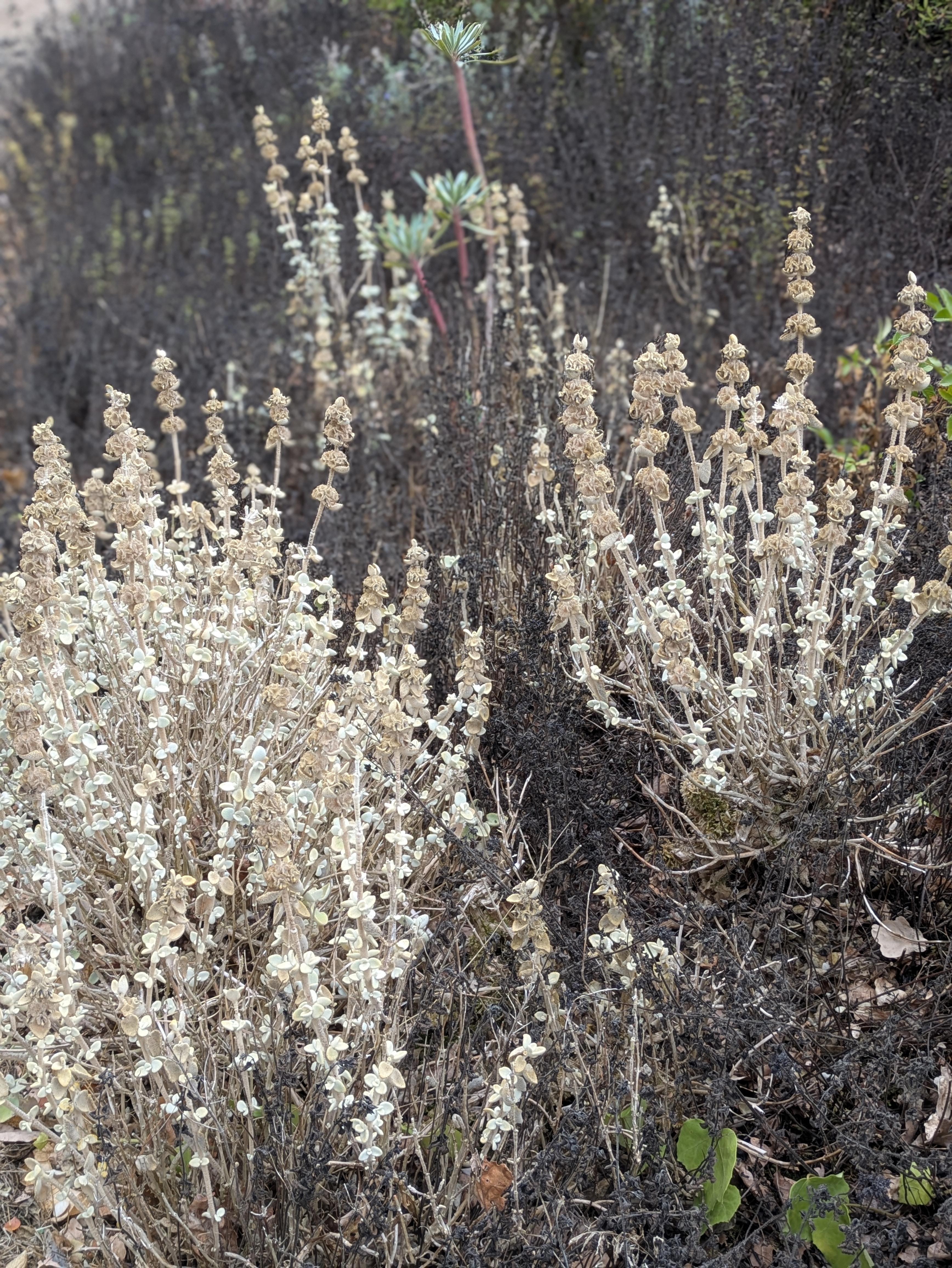
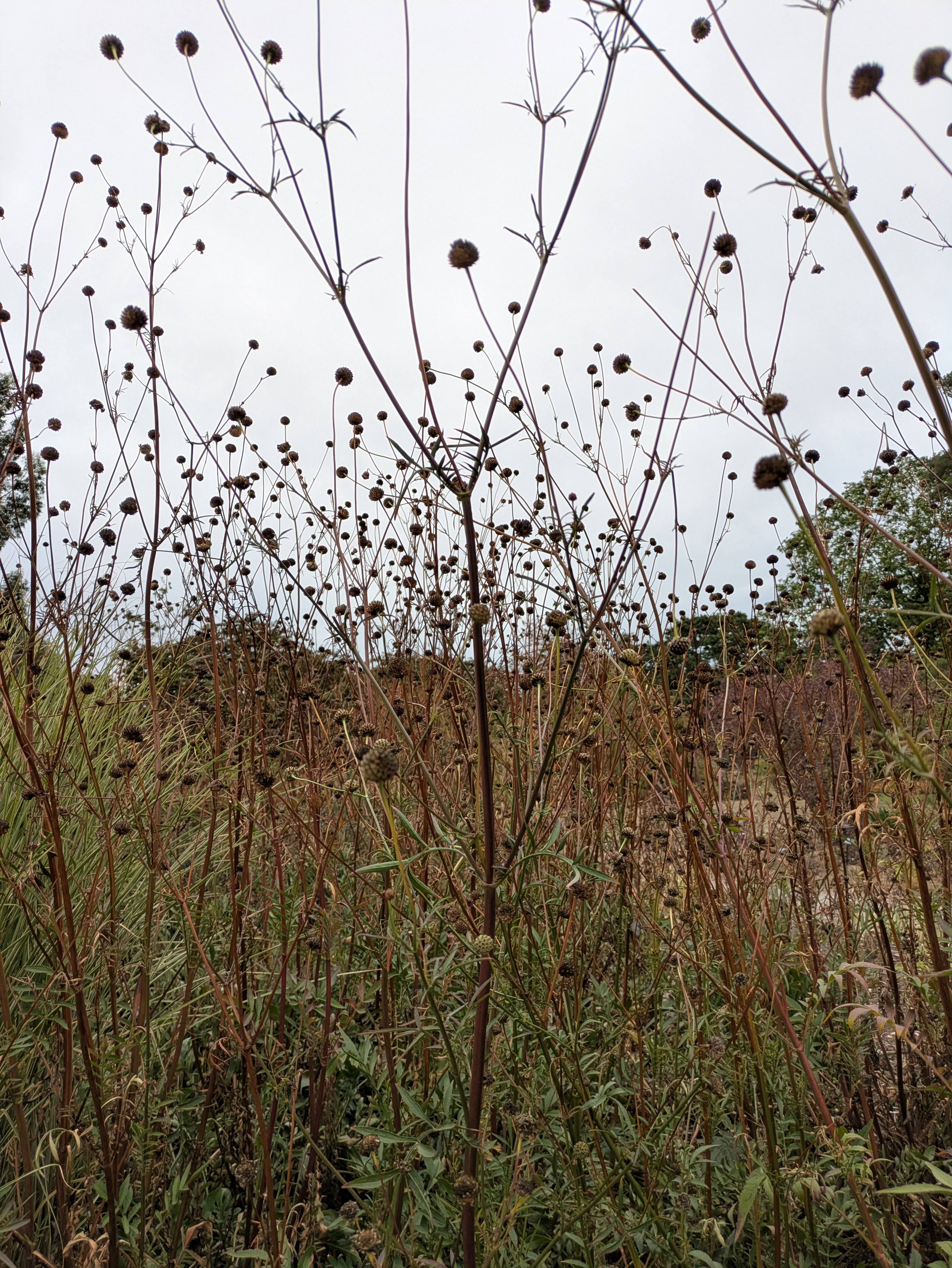
and the monochrome effect of dead foliage
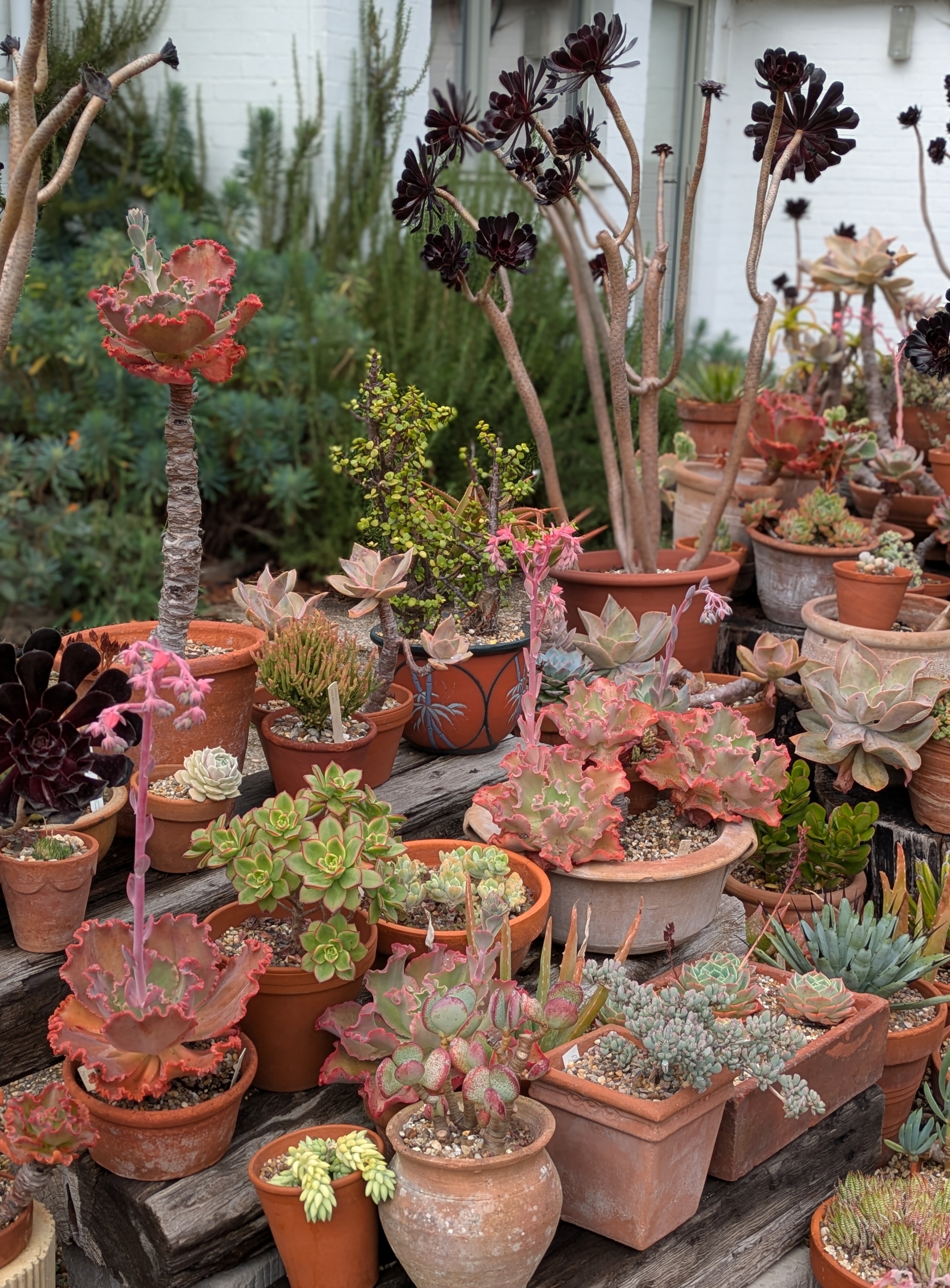
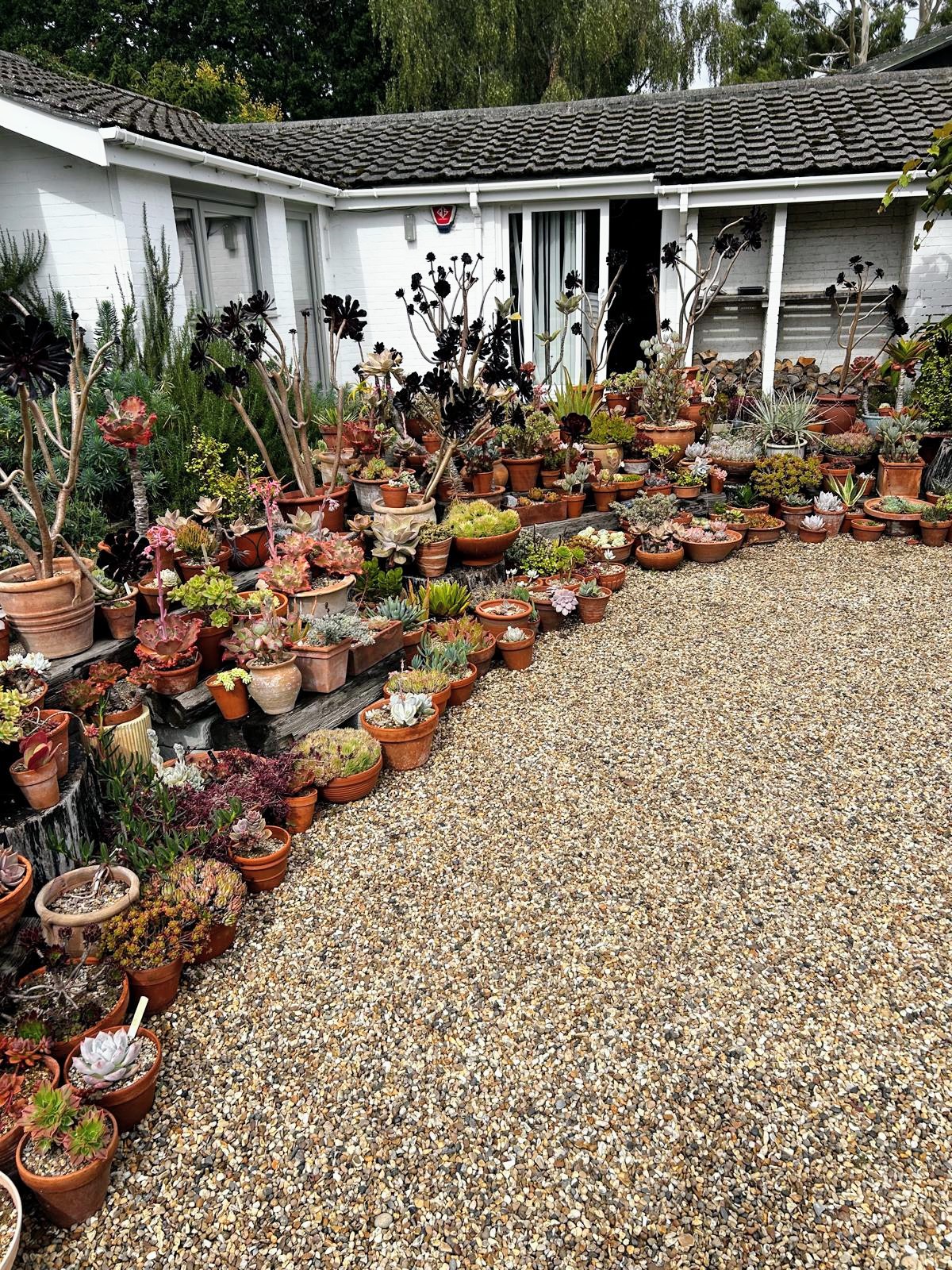
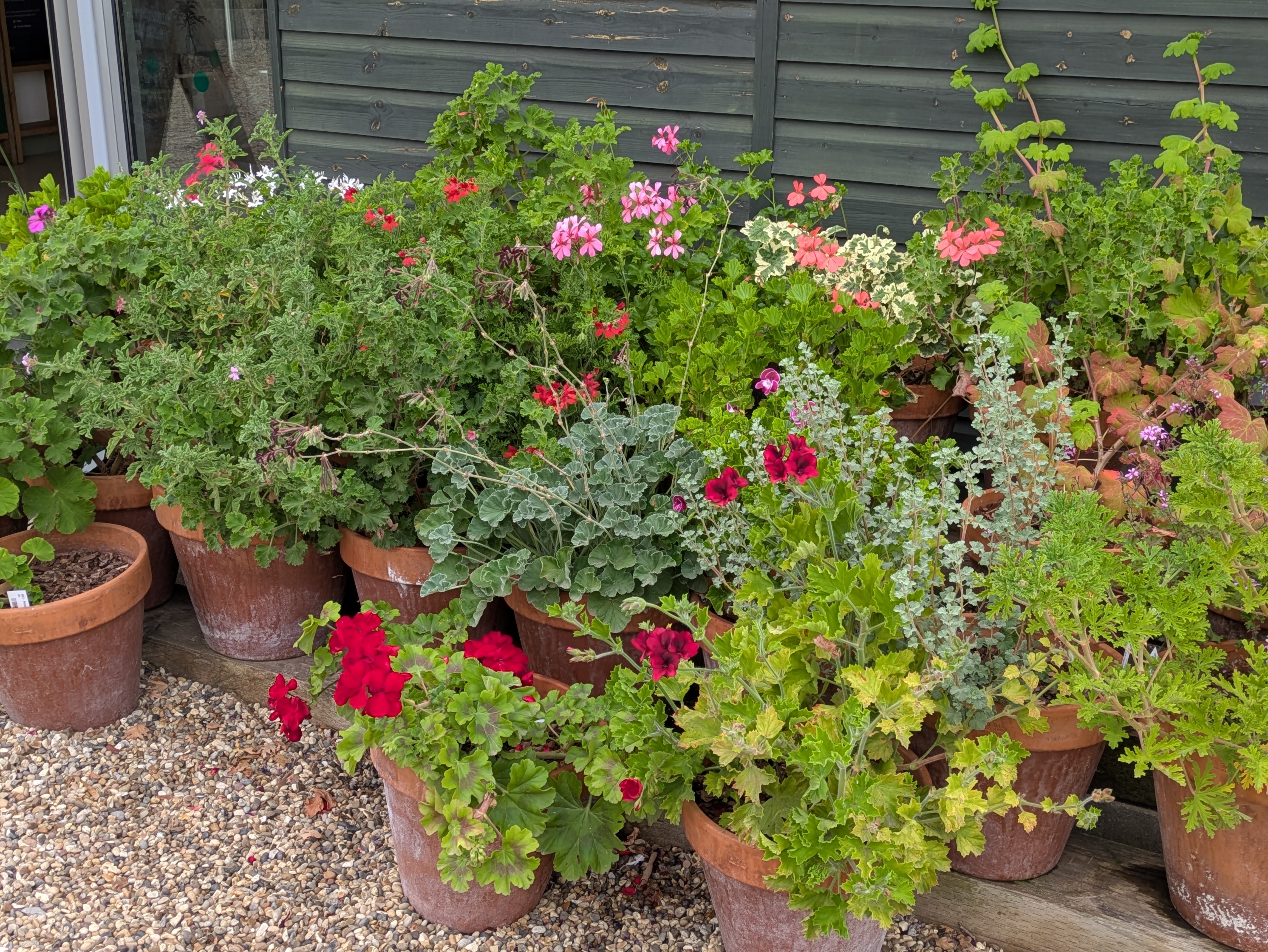
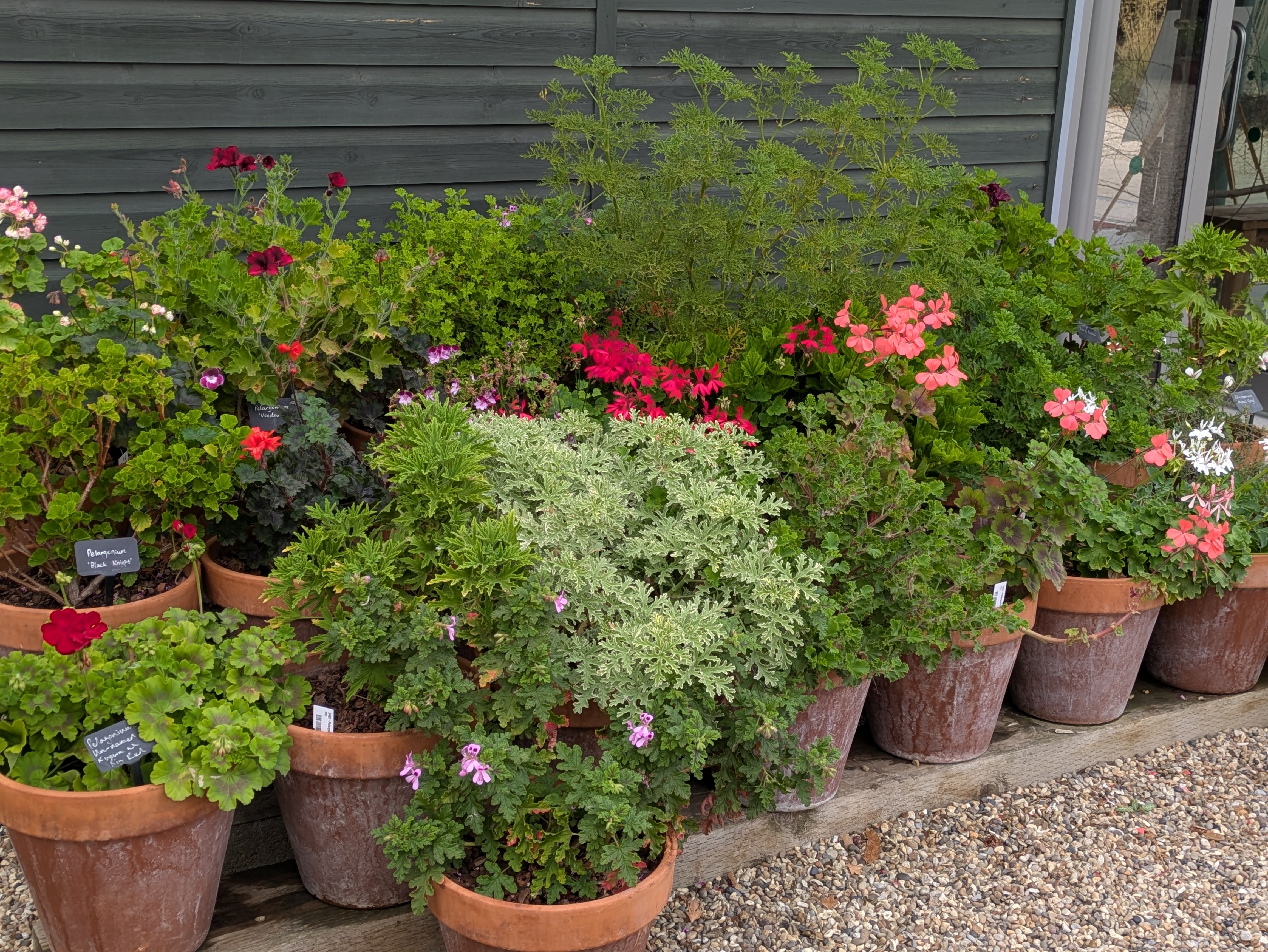
All that said, one member commented on how very stylish the garden design still looked, and there was lots to learn from and enjoy in the plants that had thrived through this summer. The pot displays (especially of Pelargoniums and succulents) were glorious, the enormous size of some of the pond and marginal plants (and Helenium ‘Riverton Beauty’ in the Stock Beds) was impressive, and the Gravel Garden still had great presence, if not colour.
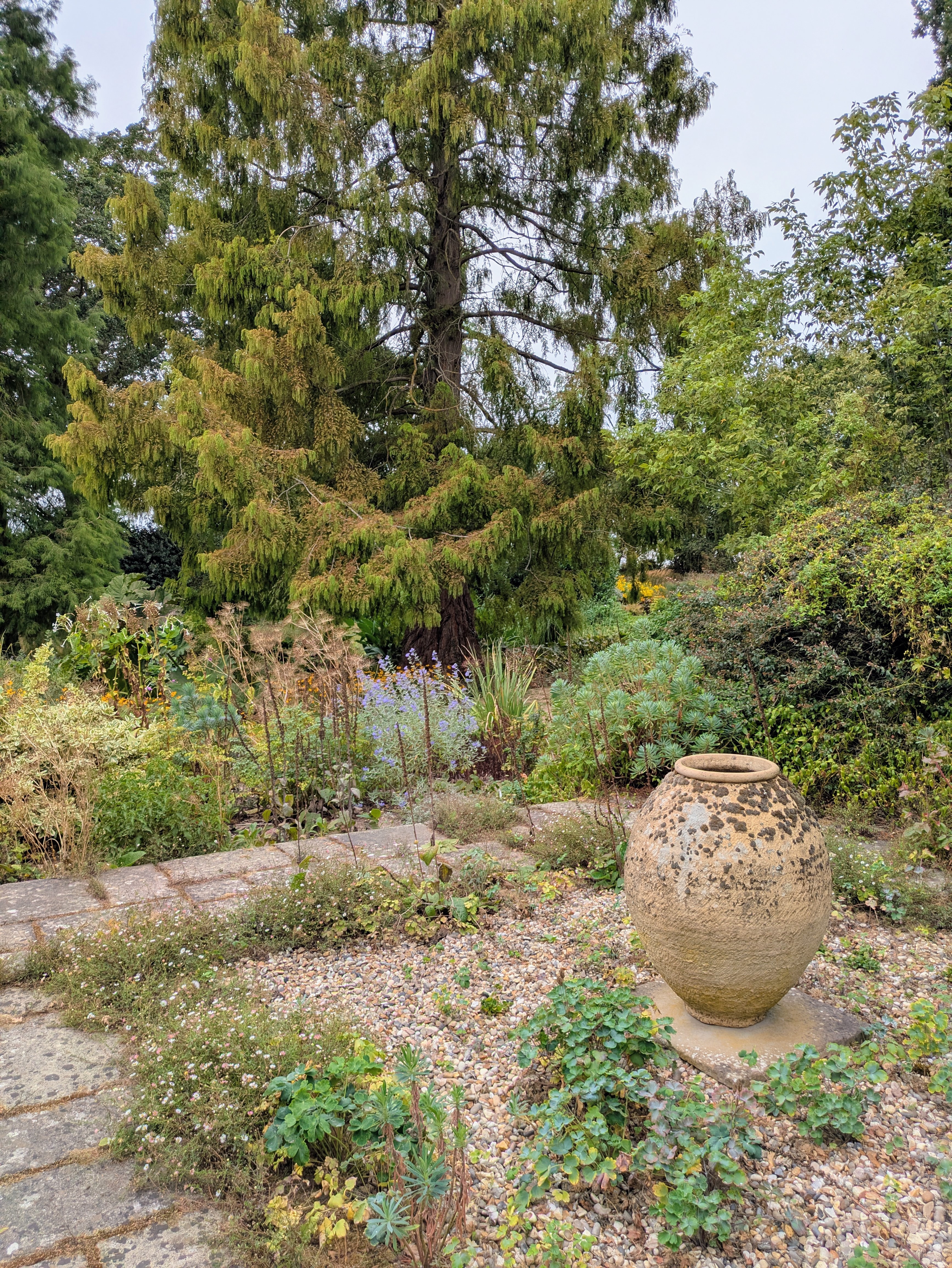
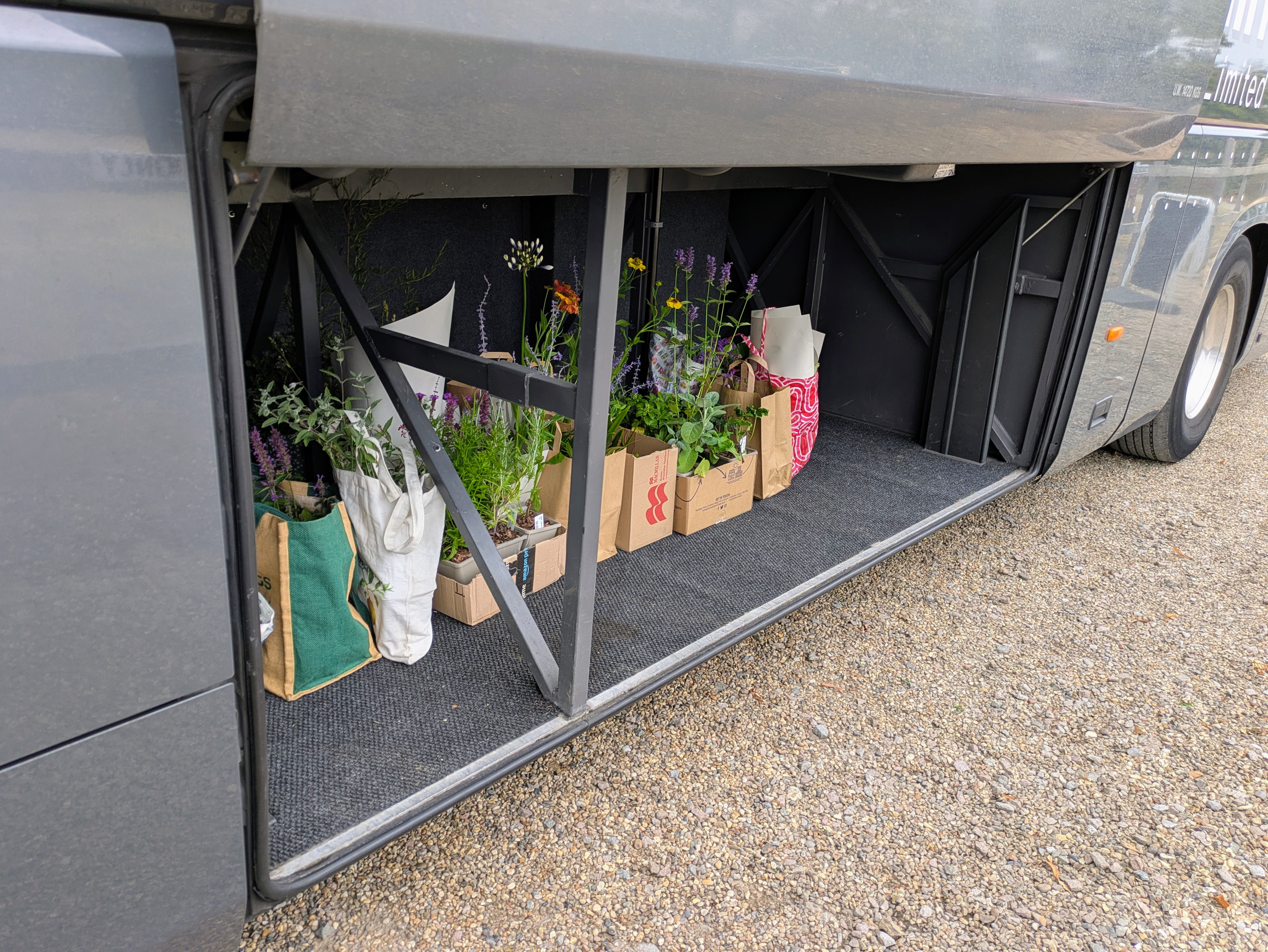
Members made the most of the delicious offerings from the café (the lemon & poppy seed scone with lemon curd gets a special mention) and the fantastic quality and range of the nursery plants. Journeys were smooth (some rain on the way and some hold-ups on the return, but nothing too disruptive) and it was lovely to have a decent amount of time to really explore the gardens. Many thanks must go to Anna, as ever, for all the organisational work.
Ali H
Discover more from Charlton and Blackheath Amateur Horticultural Society
Subscribe to get the latest posts sent to your email.


I am new to your blog but want to say what a privilege it was to ‘ visit’ this garden with you. Your words and detailed photographs were a joy. We certainly have had a ‘ dry ‘ time here in the UK.
LikeLiked by 1 person