Pat’s 10 jobs for September 2026

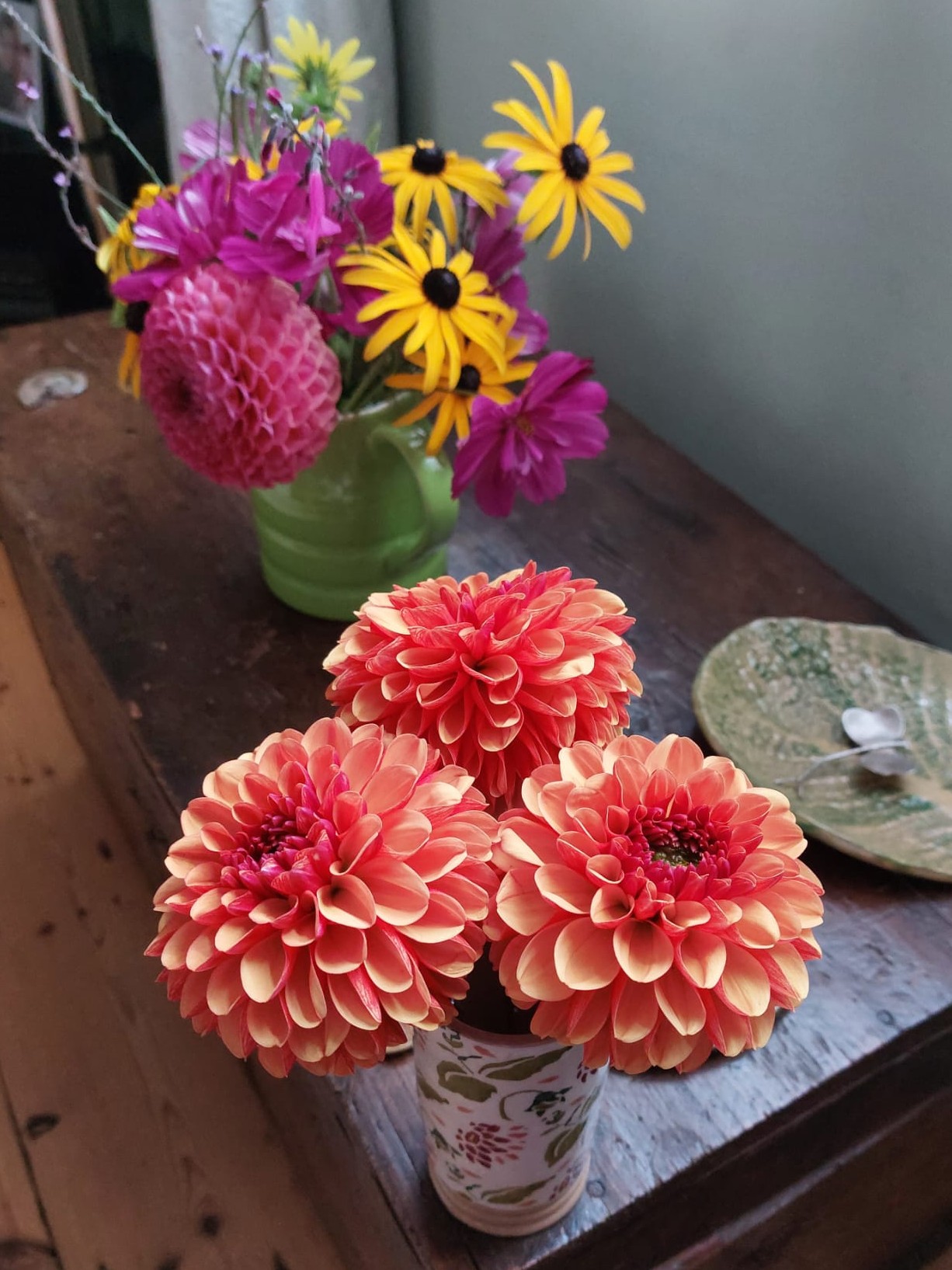
1. Keep cutting or dead heading your Dahlias to keep the flowers coming, hopefully into October. Give them a weekly feed too.

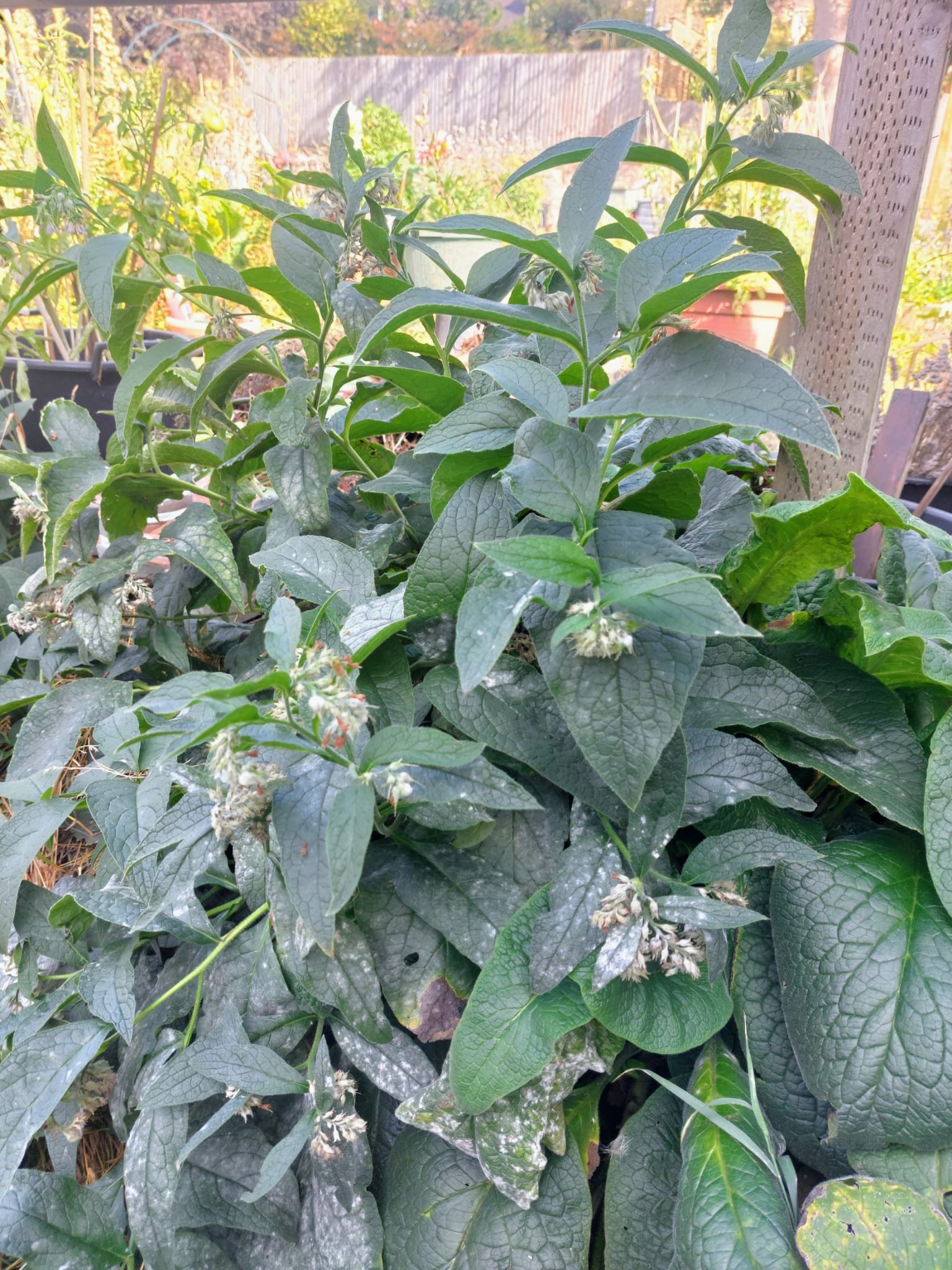
2. It’s not too late to make some comfrey tea to feed your plants and veg. Just cut up handfuls of leaves and leave in a bucket with some water and a weight to hold it down. Try to cover the bucket as the smell is very unpleasant, then dilute 1/10 in water and aim at the base of plants you are trying to keep going.

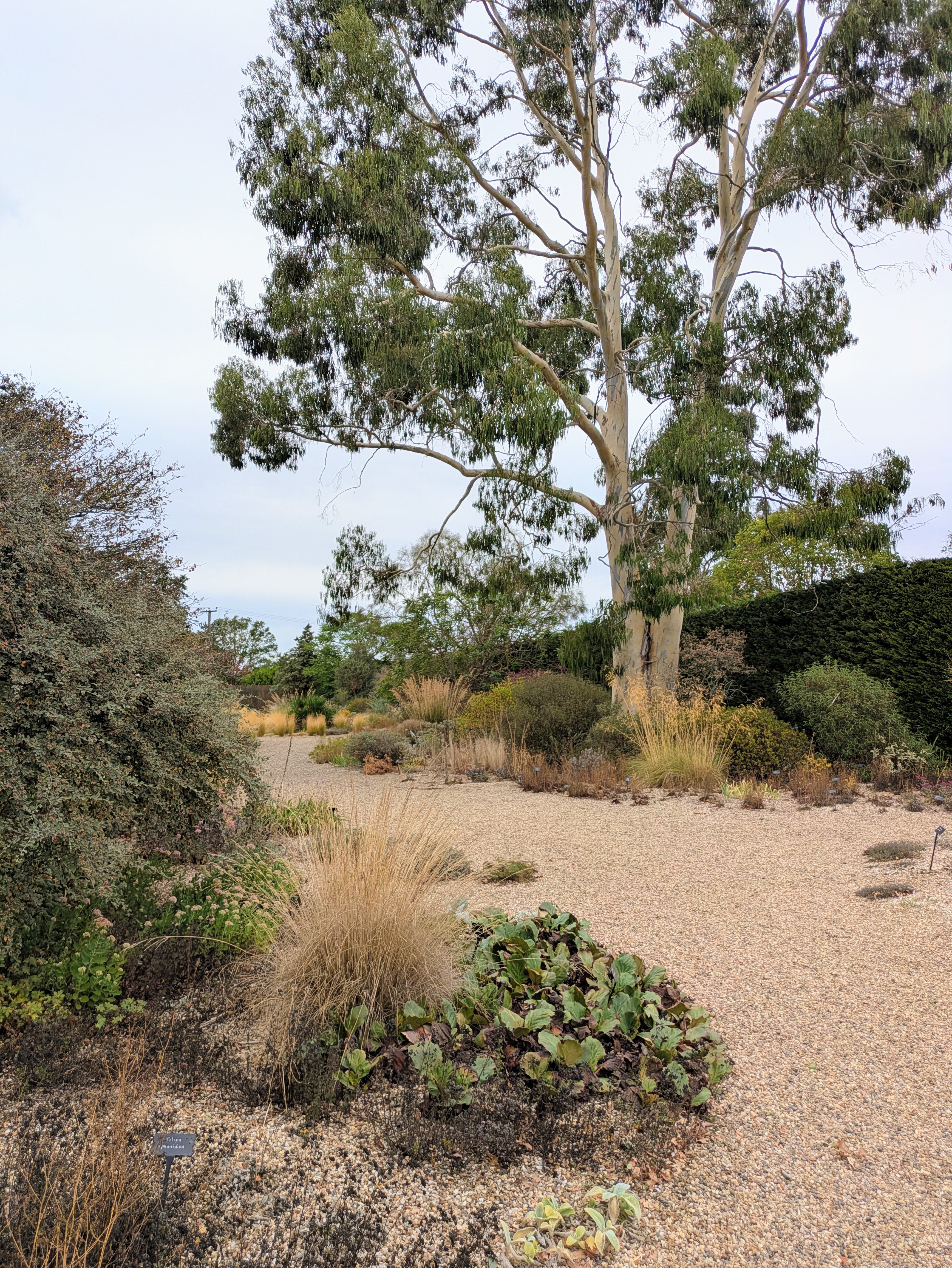
3. I think this year we need to carry out a review of very dry areas in our gardens and replant with drought tolerant plants. If you made the visit to Beth Chatto her dry garden is an excellent example. I have a bank at the back of my garden and half of it looks very sad or even dead so I’ll be replanting some of it in the spring if things don’t come through.

Continue reading Pat’s 10 jobs for September 2026
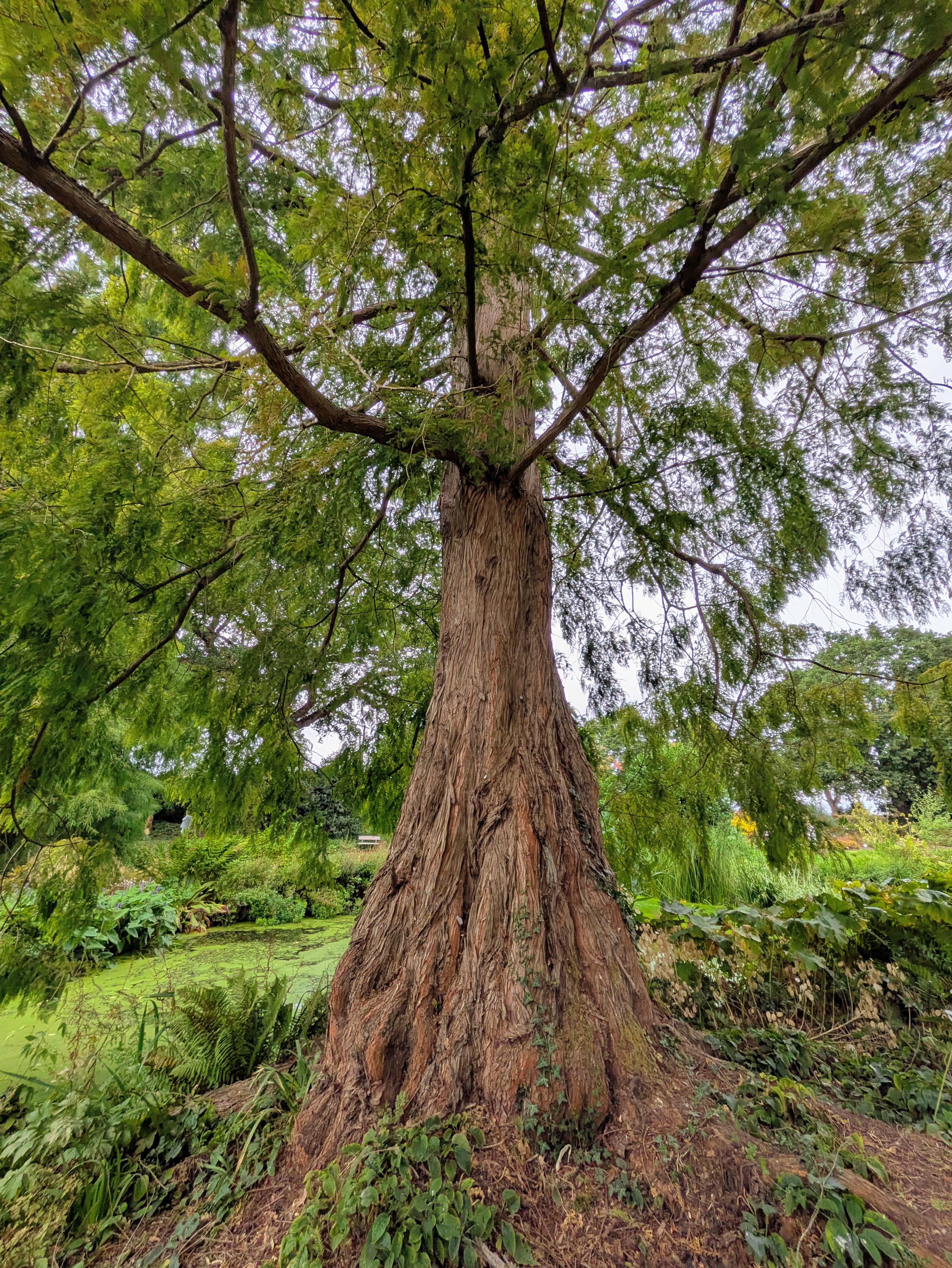
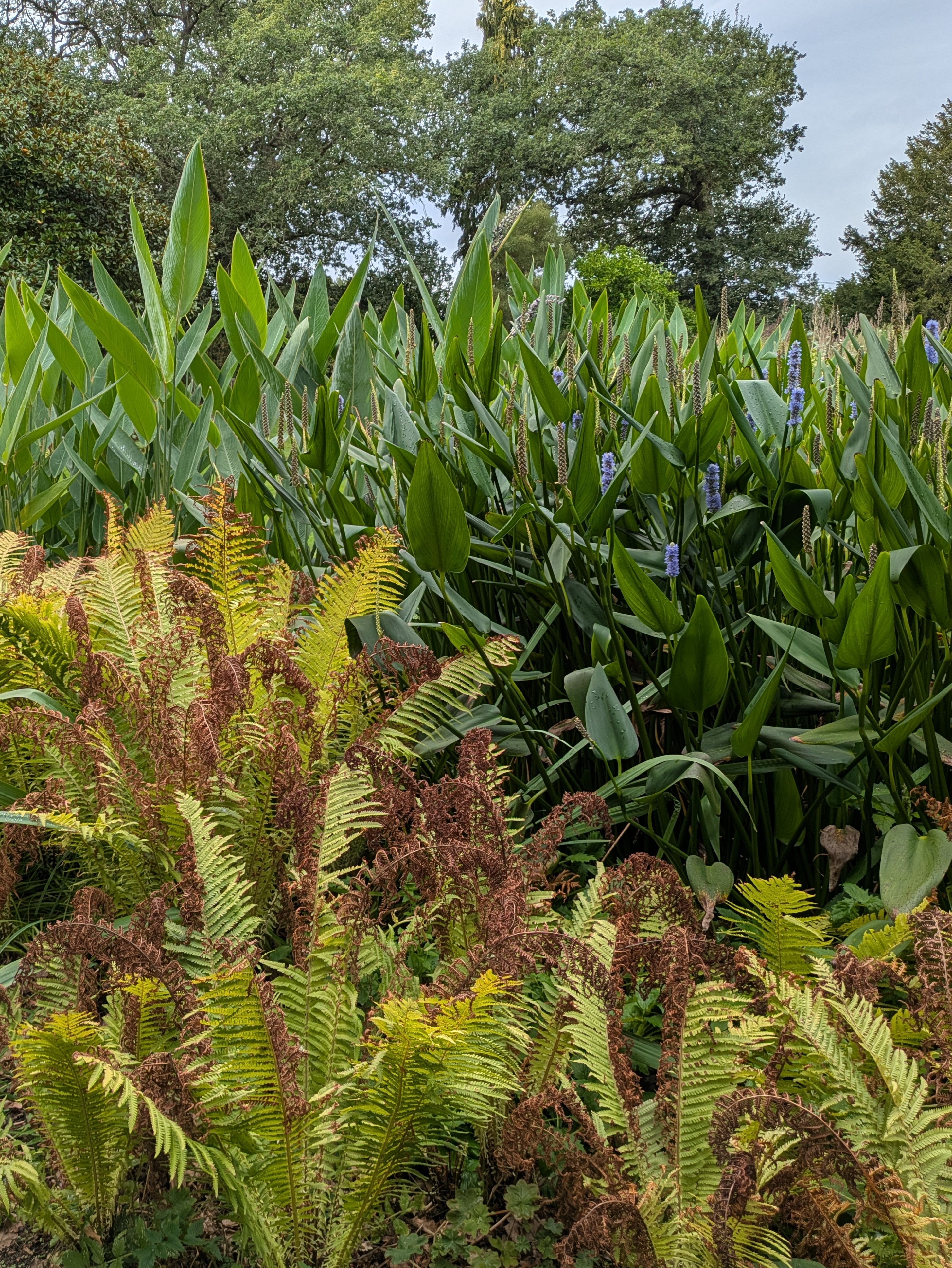
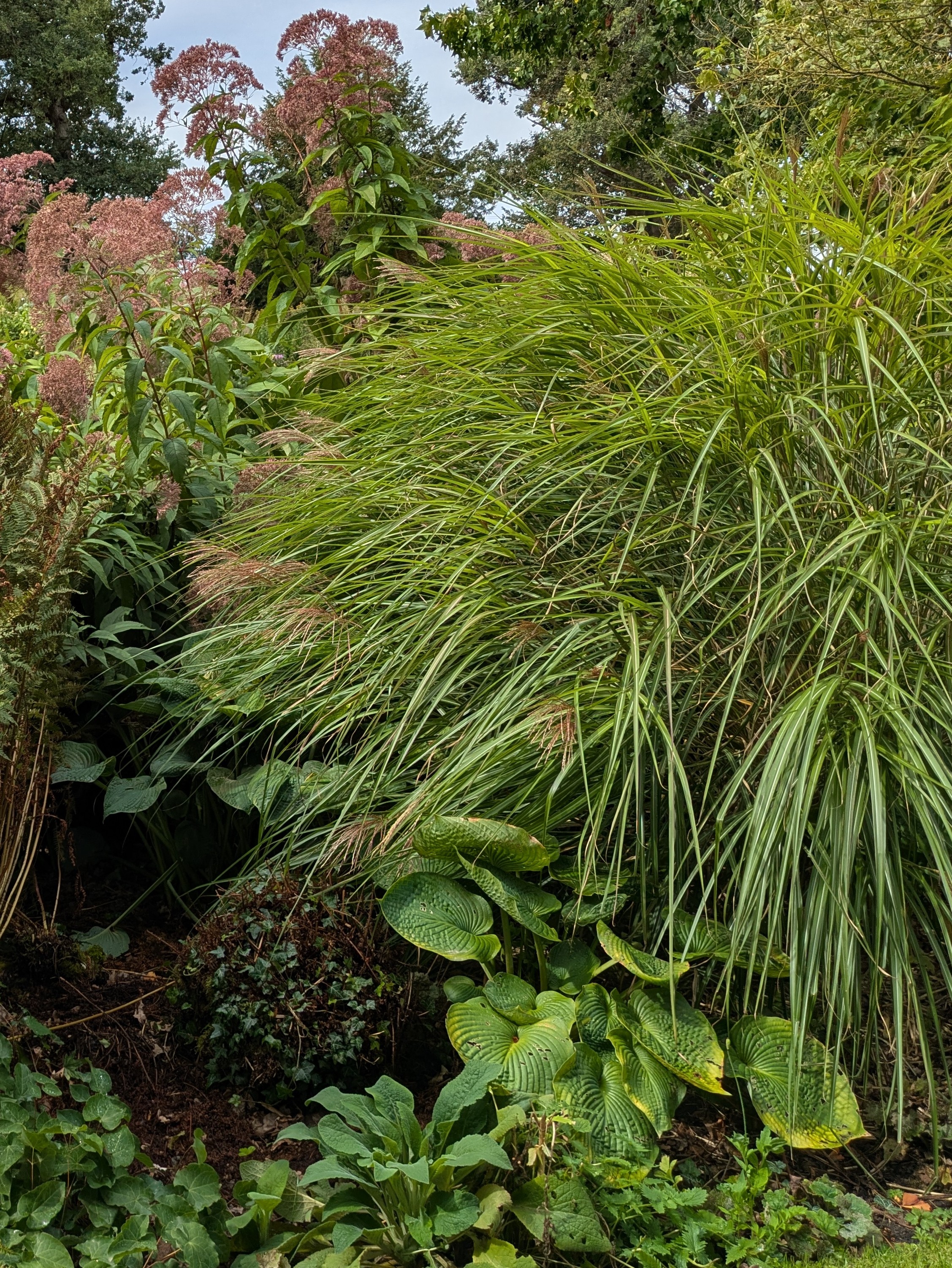
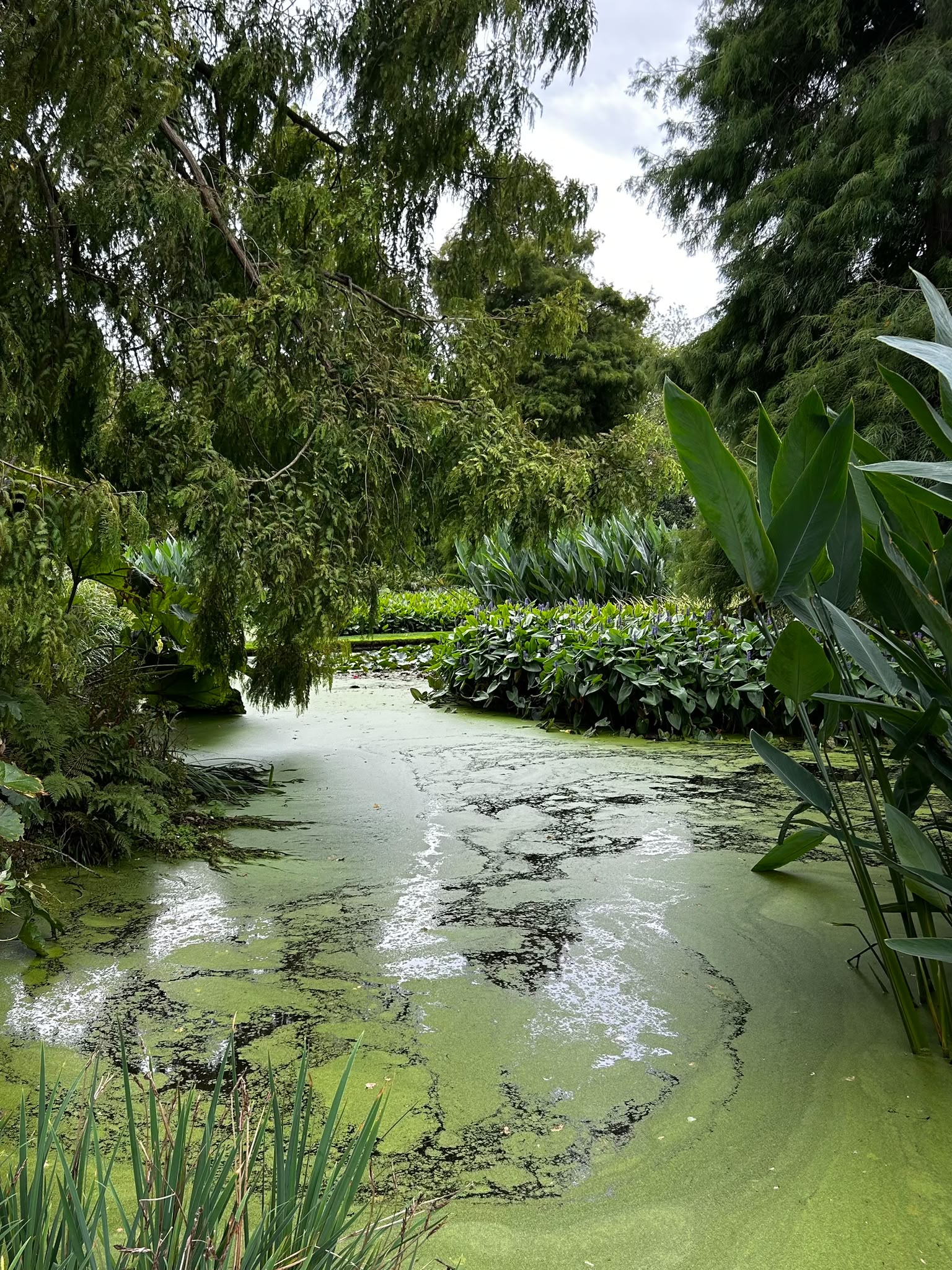
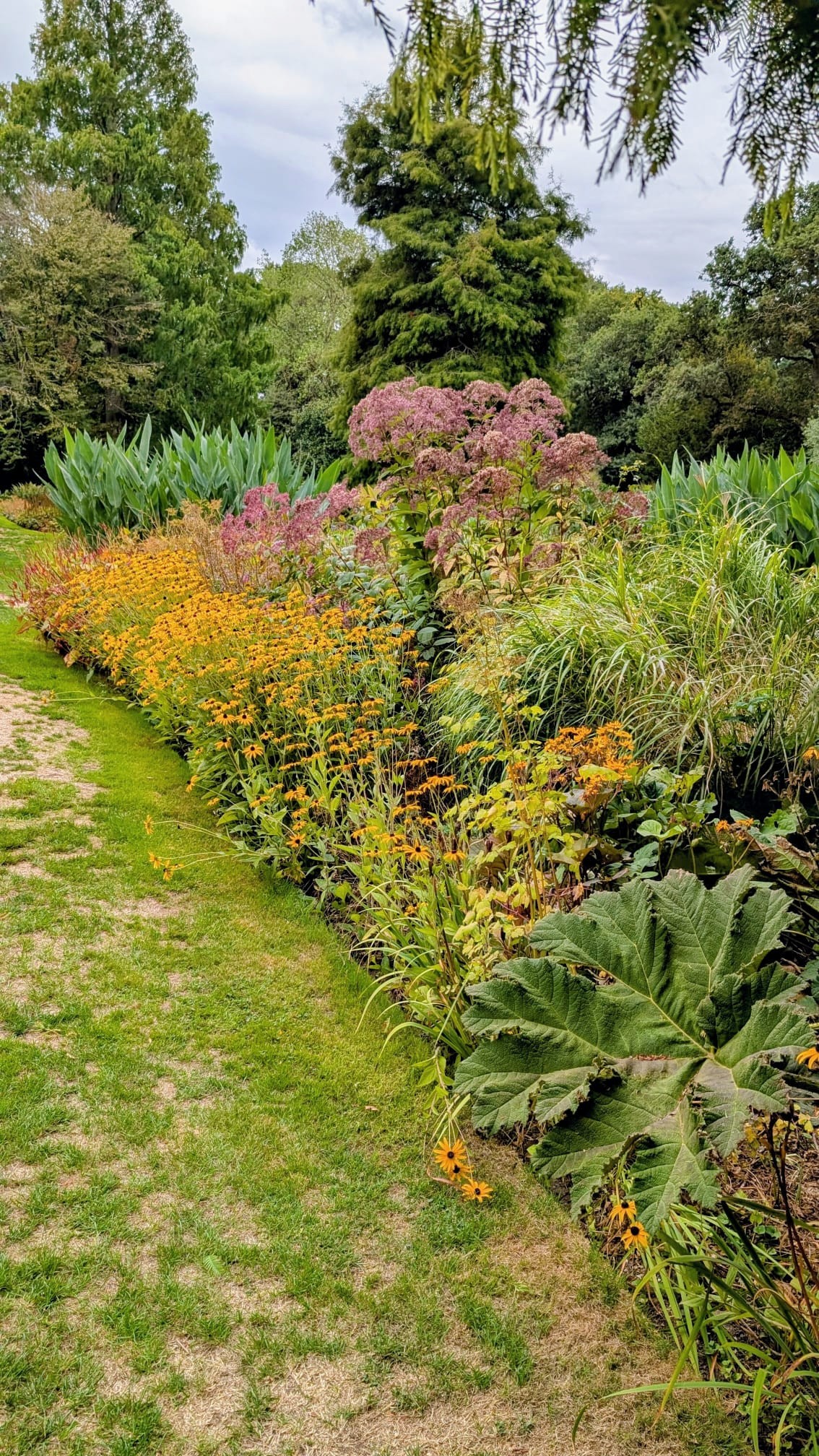
Beth Chatto’s Plants and Gardens, September 2026

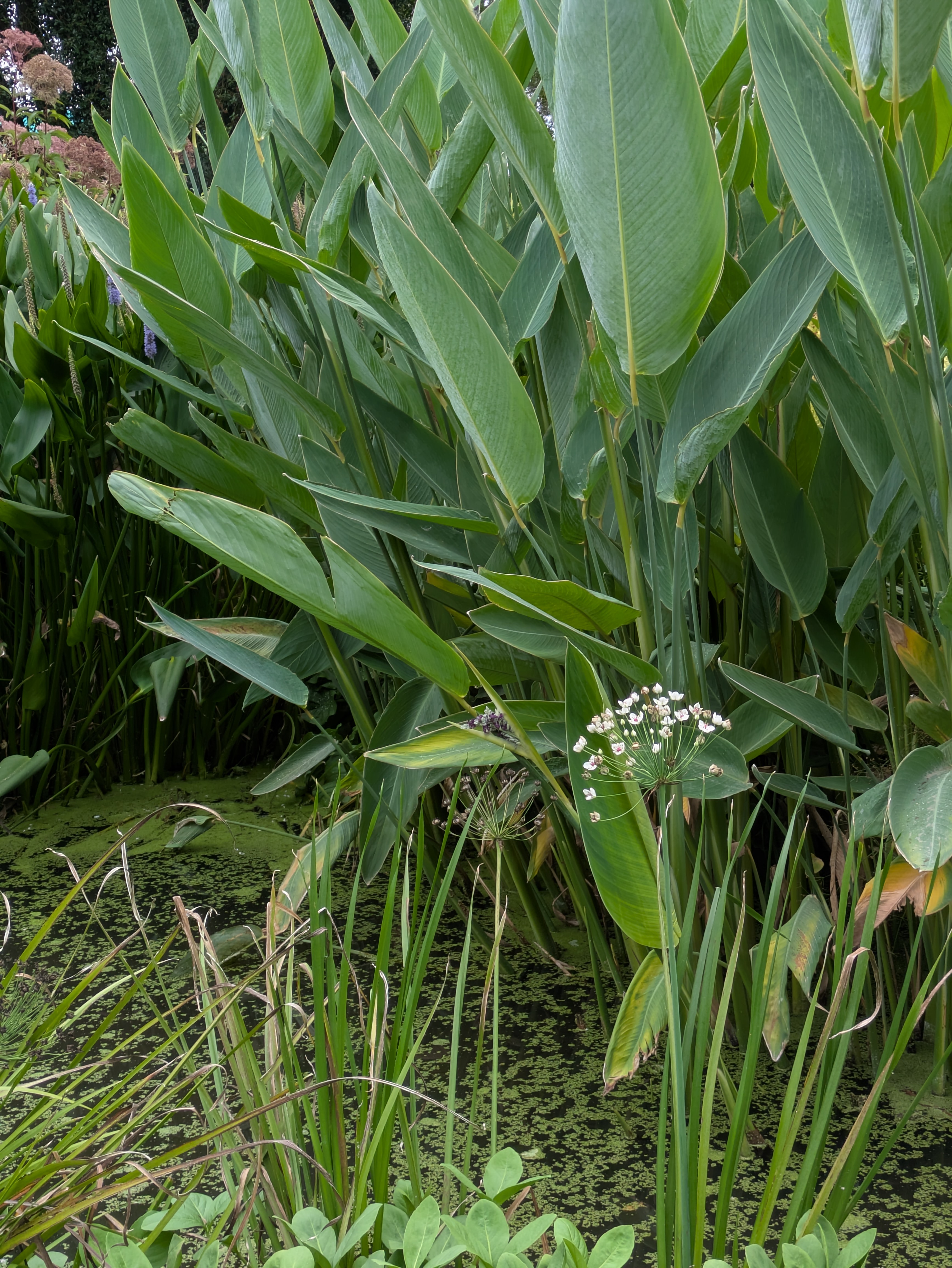
Looking toward the Water Garden. Beth Chatto's, September 2026

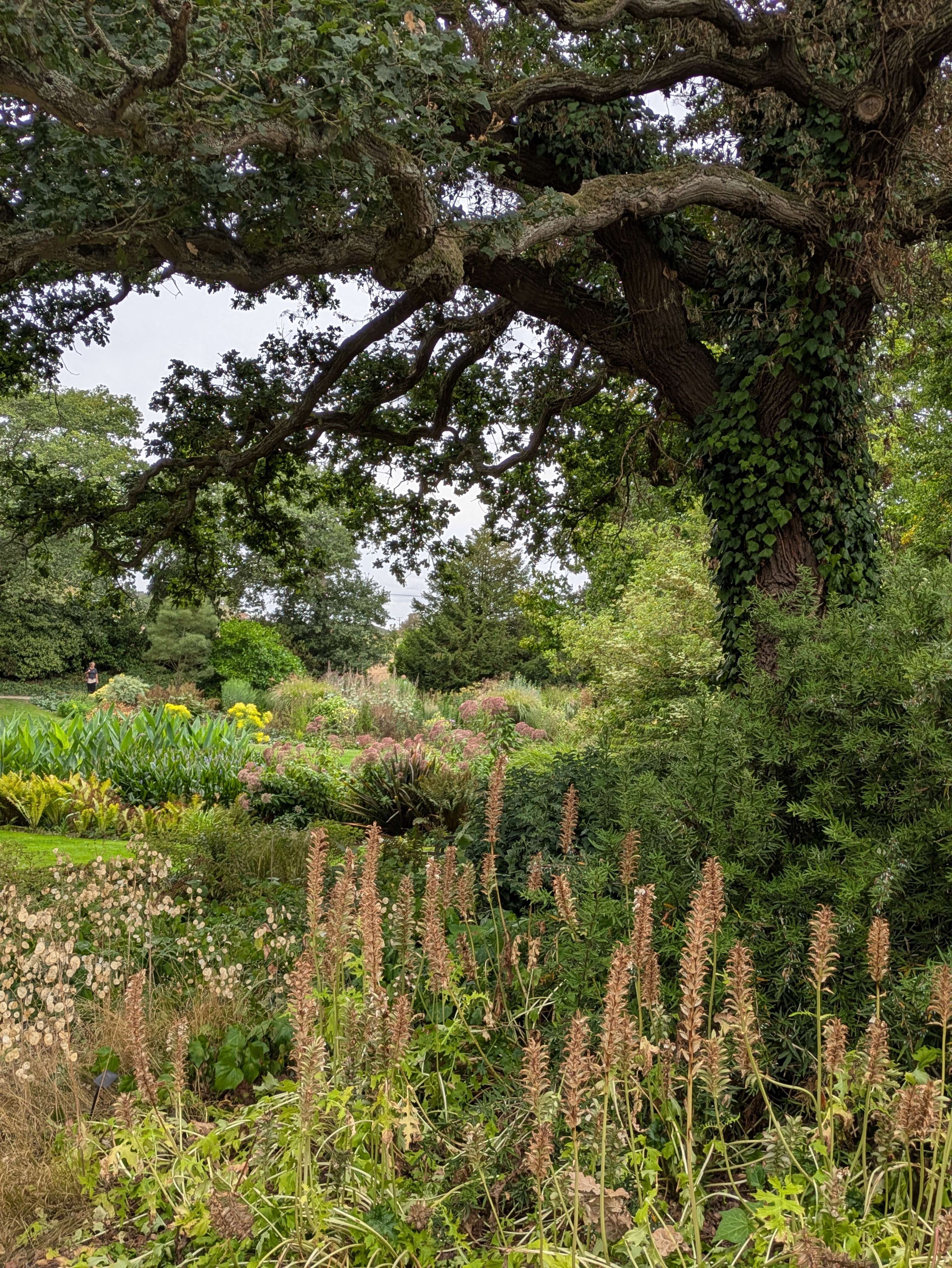
Last Friday, a full coach of CABAHS members took another trip to Essex, this time to see Beth Chatto’s Plants and Gardens. The last group visit was in 2021 and the irony of visiting a world-famous dry garden in torrential rain was not lost on those who attended then. A heavy downpour on Friday’s journey made us wonder if we might be reliving the experience, but it was brief and our whole visit was dry.

Most well-known is the Gravel Garden, which was developed in the 1990s on the former car park – at a high point in the gardens which, in Essex, are in one of the driest parts of the country. But the site has a much more varied topography and ecology than just the dry garden. Much of the site was actually boggy and Beth and Andrew Chatto carved ponds in the lowest areas. This meant that we saw green, green lawns in an area – the Water Garden – where the water table, even after this summer drought, is high.

Continue reading Beth Chatto’s Plants and Gardens, September 2026

August 2026 Talk: The Exchange, Erith

Selina Ozanne, head gardener at The Exchange, Erith. CABAHS August 2026

It was a pleasure to welcome Selina Ozanne to our August meeting to hear about her work as Head Gardener for The Exchange, Erith, a community led arts and craft organisation based in the town’s former Carnegie library.

The refurbished listed building is now home to craft production workshops, a cafe and shop, along with a varied programme of community events.

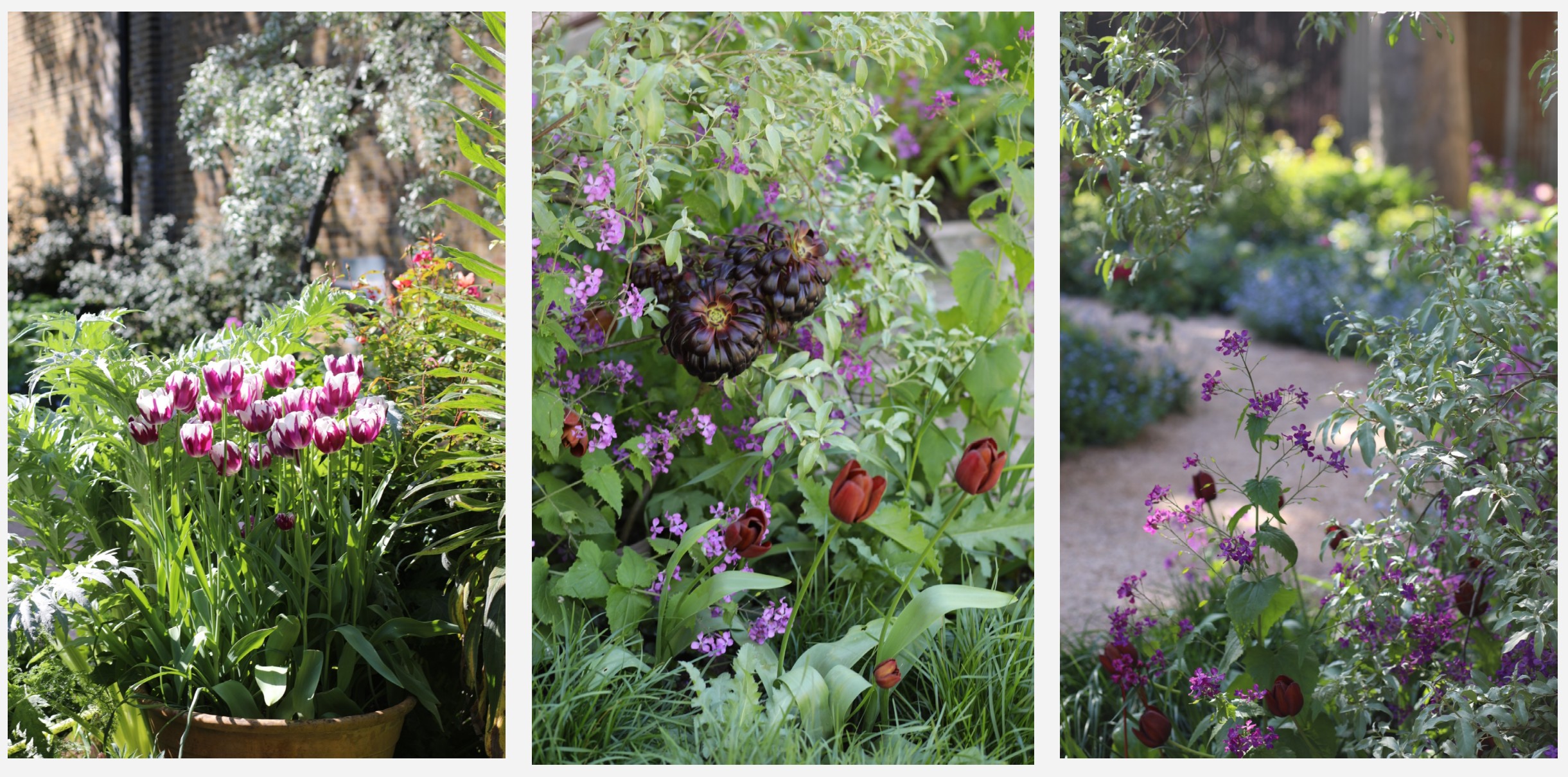
The Exchange gardens were designed by Chelsea Gold medal winner Sarah Price. The site has various challenges from a sloping roadside front garden exposed to sun and wind from the Thames, to a woodland-edge rear garden with a steep incline. Sarah’s design pulls together these diverse elements together using sustainable materials and matrix planting to make the garden flow coherently in a way that everyone can access.

Spring flowers at the Exchange. Photos: The Exchange Erith
Continue reading August 2026 Talk: The Exchange, Erith

Weather winners and losers

NB: We have just heard about an RHS survey about the impact of the recent weather: RHS Climate Change Resilience: Heatwave Impact on Gardens which has to be completed by 30 September 2026.

Following on from Pat’s ’10 Jobs…’ tips on coping with drought and heat, we asked CABAHS members to share which plants had proved to be ‘winners’ and ‘losers’ in the recent extreme weather, to help us all make climate-change-appropriate choices in the future.

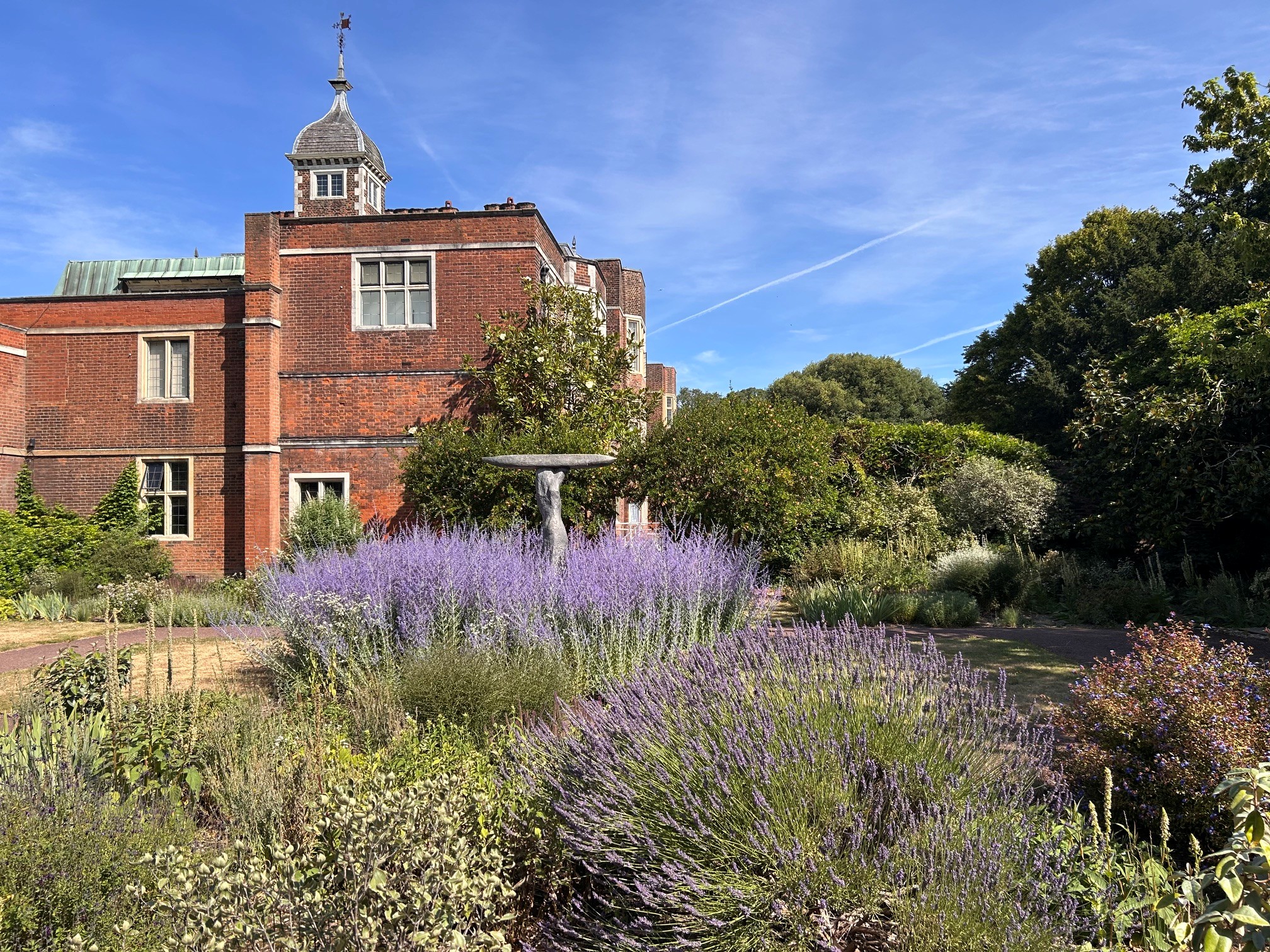
Charlton House Peace Garden, July 2026 Pomegranate, Magnolia grandiflora and perovskia are all winners
Pomegranate, Magnolia grandiflora and Salvia yangii (aka perovskia) are all winners in the Charlton House Peace Garden this year

A summary: After the spring AND summer drought of 2025 (with four of the previous five years being the warmest on record), we experienced a cold November and a wet winter (the 4th wettest on record for Southern England), with the addition of unusually low light levels in early spring. We have now had extreme drought (no rain at all since early June and counting – and there were long dry periods before that too) and, so far, several heatwaves (which is counted as three or more consecutive days over 28 degrees in London – all have been in the 30s). Of course, the heatwaves may have counted six times (starting on 22 May, 19 June, 4 July, 28 July, 2 August and 9 August respectively) but the weather hasn’t exactly cooled off much in between. In addition, Thames Water declared a hosepipe ban beginning on 23 July (though watering cans and drip-feed systems are not banned) and there’s precious little rain showing in the forecast even now.

Continue reading Weather winners and losers

Pat’s 10 jobs for August 2026

1. To be honest we know at the moment with the drought and the heat this column will be about the few things you can do to keep things alive. I am sure we will all have losses along the way, but remember all is not lost and will mean new planting opportunities for next year.

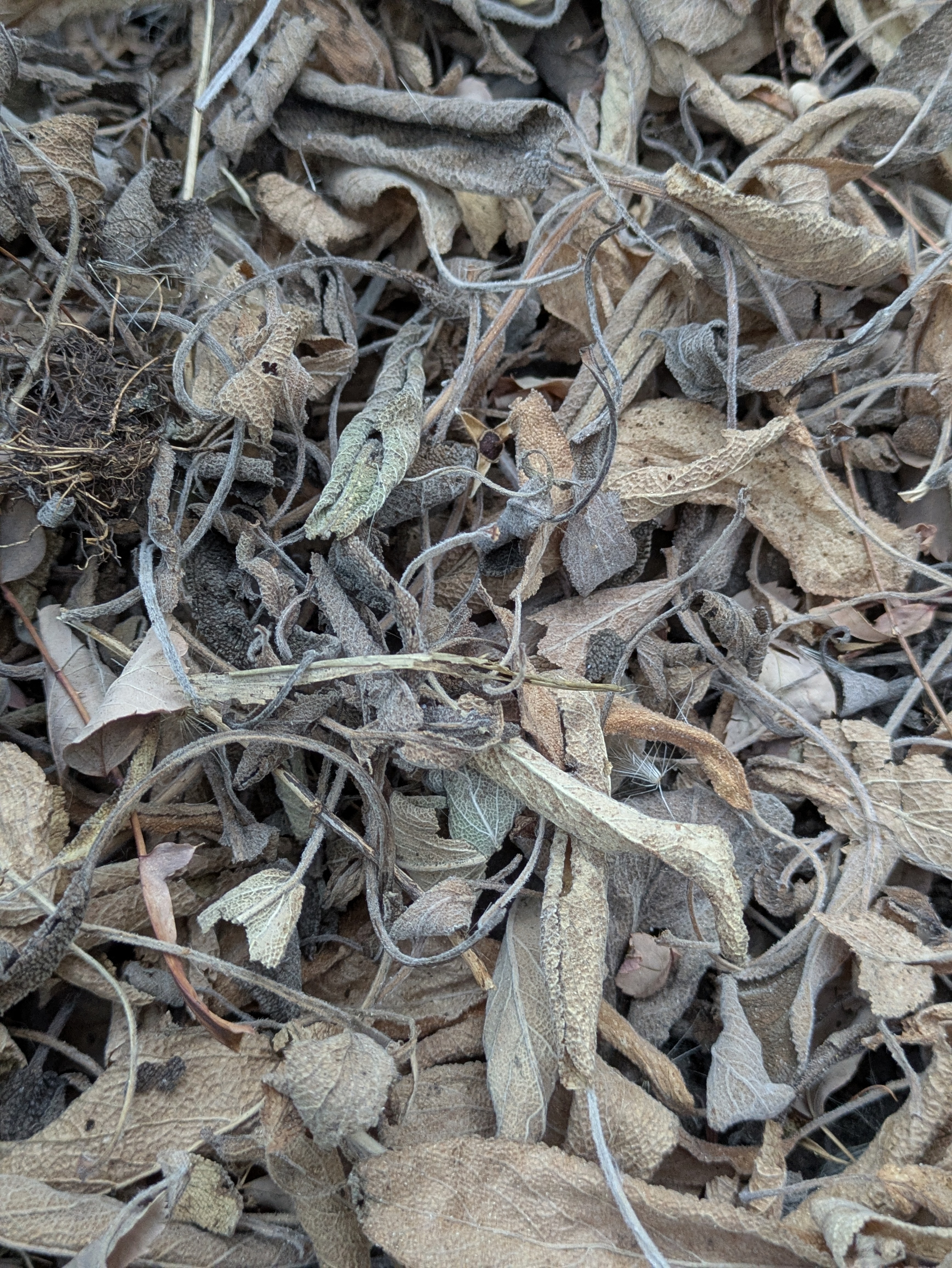
Fallen leaves can make an immediate mulch over damp ground, August 2026
Impromptu mulch after watering

2. If you have weeds growing (even they are struggling at the moment!), pull out and place around plants to help hold the moisture in the soil. Make sure the weeds haven’t gone to seed and, if they have, pull the seedheads off and dispose of them.

3. Mulch the soil with anything you have to hand: your own compost, fallen leaves (as there seem to be so many) but make sure the soil is damp first so you can help lock in the moisture.

Continue reading Pat’s 10 jobs for August 2026

Pat’s 10 jobs for July 2026

1. Maybe in this challenging weather the best thing you can do is mulch the soil (after watering, so that the soil is moist and the mulch will retain that moisture). If you pull out weeds leave them on the surface to keep roots cool, use grass clippings if you have them but making sure to keep away from stems of plants.

2. To save water just water around the roots of plants by removing roses on watering cans and spray attachments on hoses.

Continue reading Pat’s 10 jobs for July 2026