Pat’s 10 jobs for September 2026

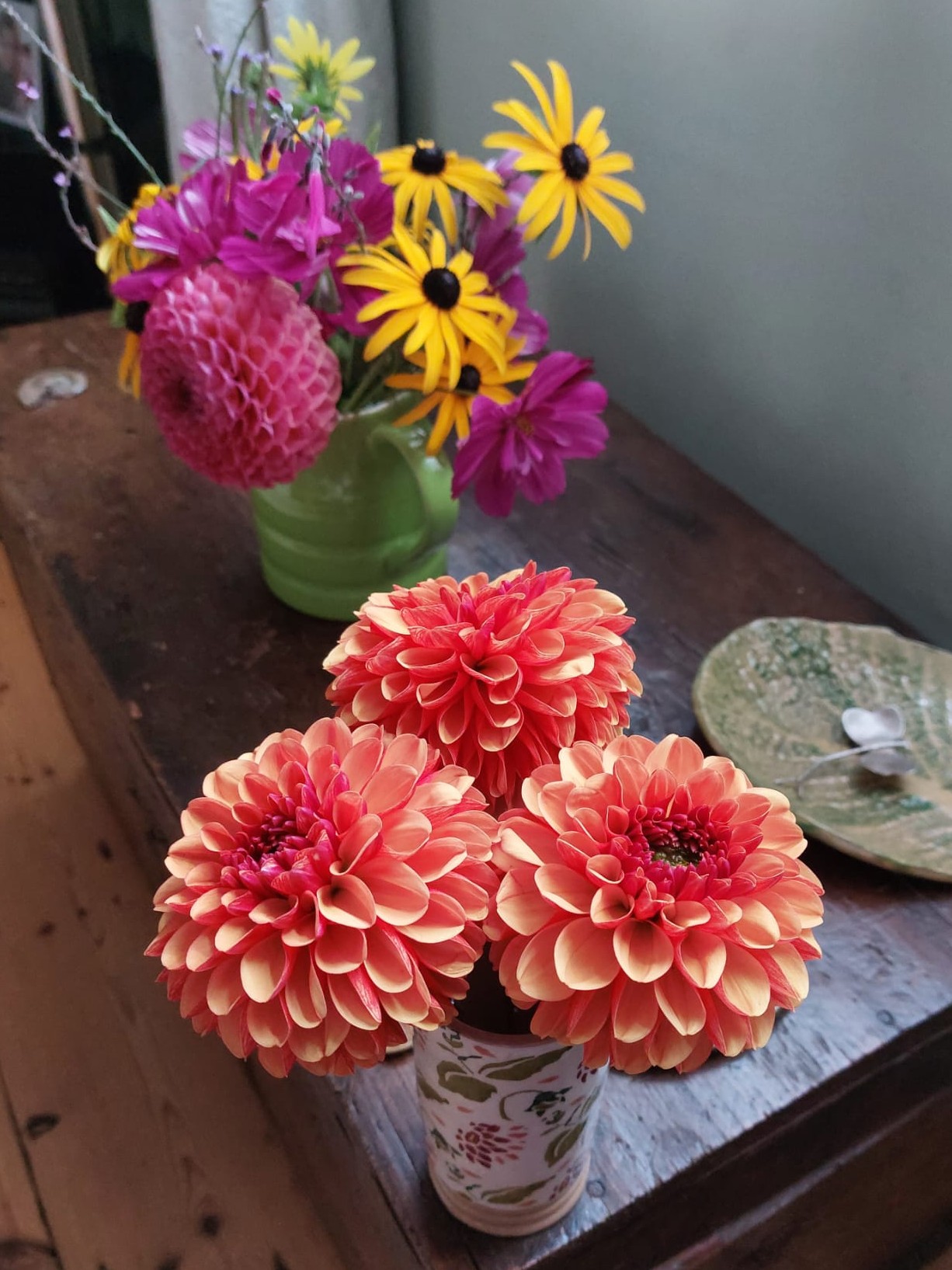
1. Keep cutting or dead heading your Dahlias to keep the flowers coming, hopefully into October. Give them a weekly feed too.

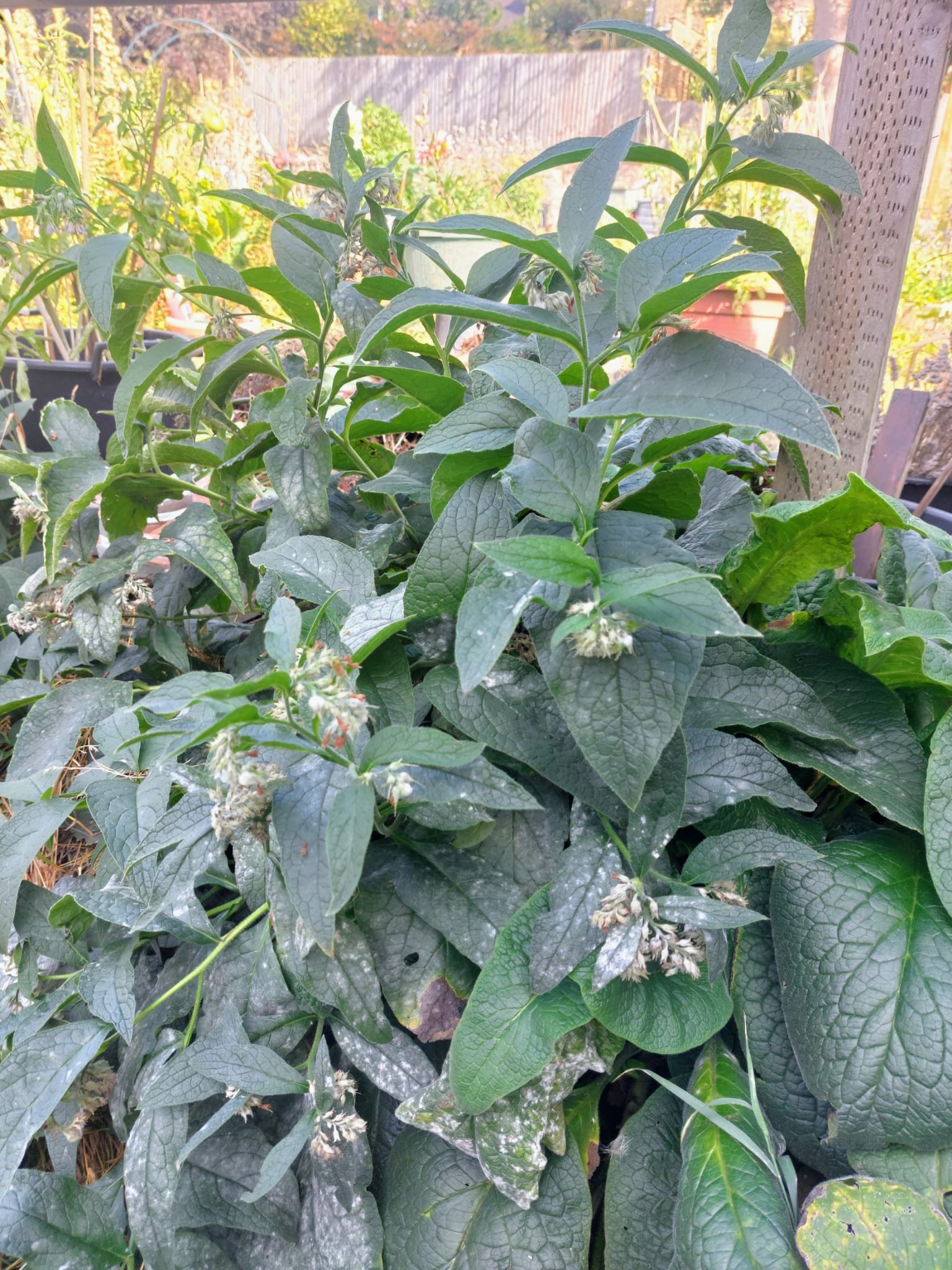
2. It’s not too late to make some comfrey tea to feed your plants and veg. Just cut up handfuls of leaves and leave in a bucket with some water and a weight to hold it down. Try to cover the bucket as the smell is very unpleasant, then dilute 1/10 in water and aim at the base of plants you are trying to keep going.

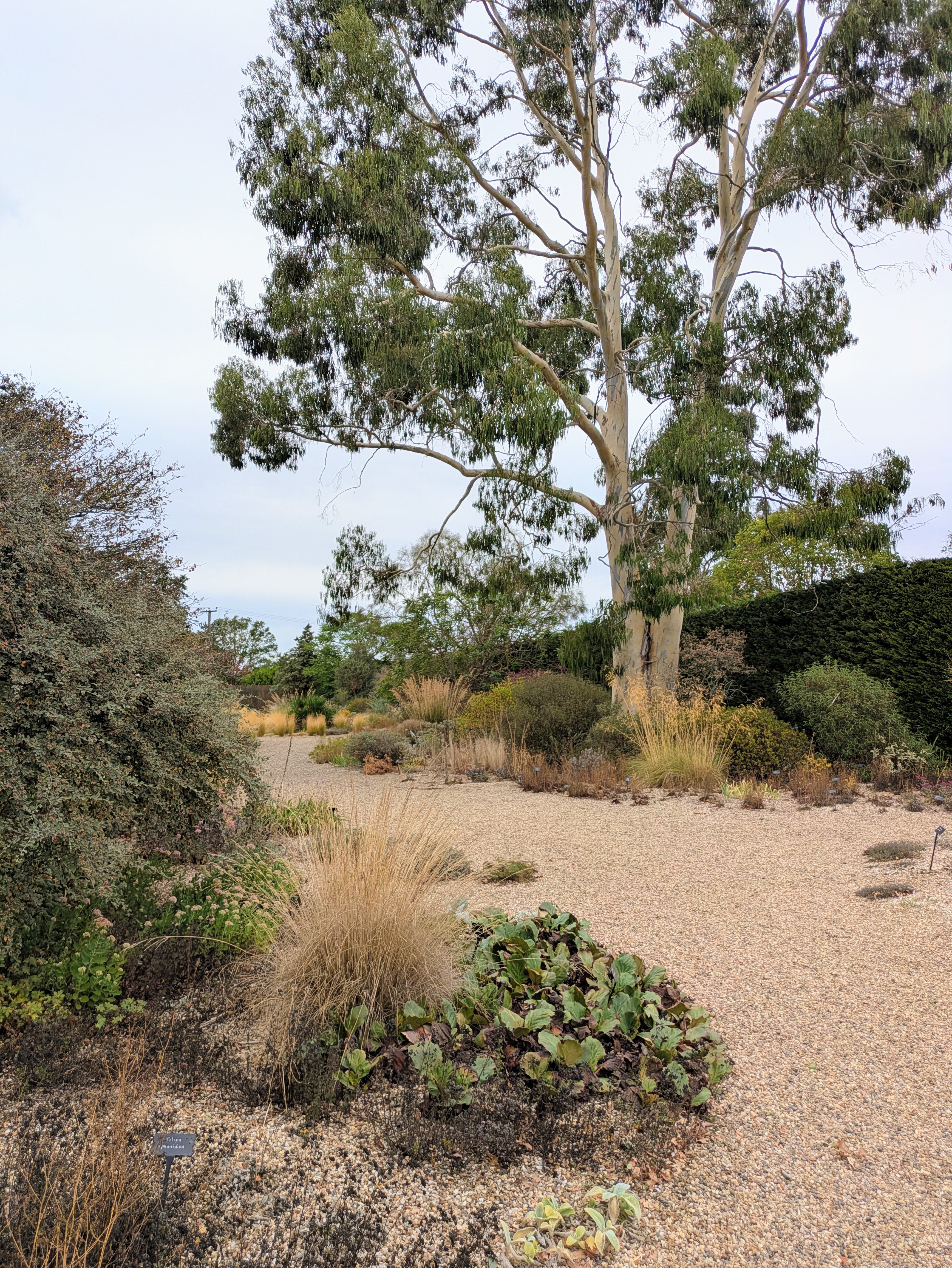
3. I think this year we need to carry out a review of very dry areas in our gardens and replant with drought tolerant plants. If you made the visit to Beth Chatto her dry garden is an excellent example. I have a bank at the back of my garden and half of it looks very sad or even dead so I’ll be replanting some of it in the spring if things don’t come through.

Continue reading Pat’s 10 jobs for September 2026

Beth Chatto’s Plants and Gardens, September 2026

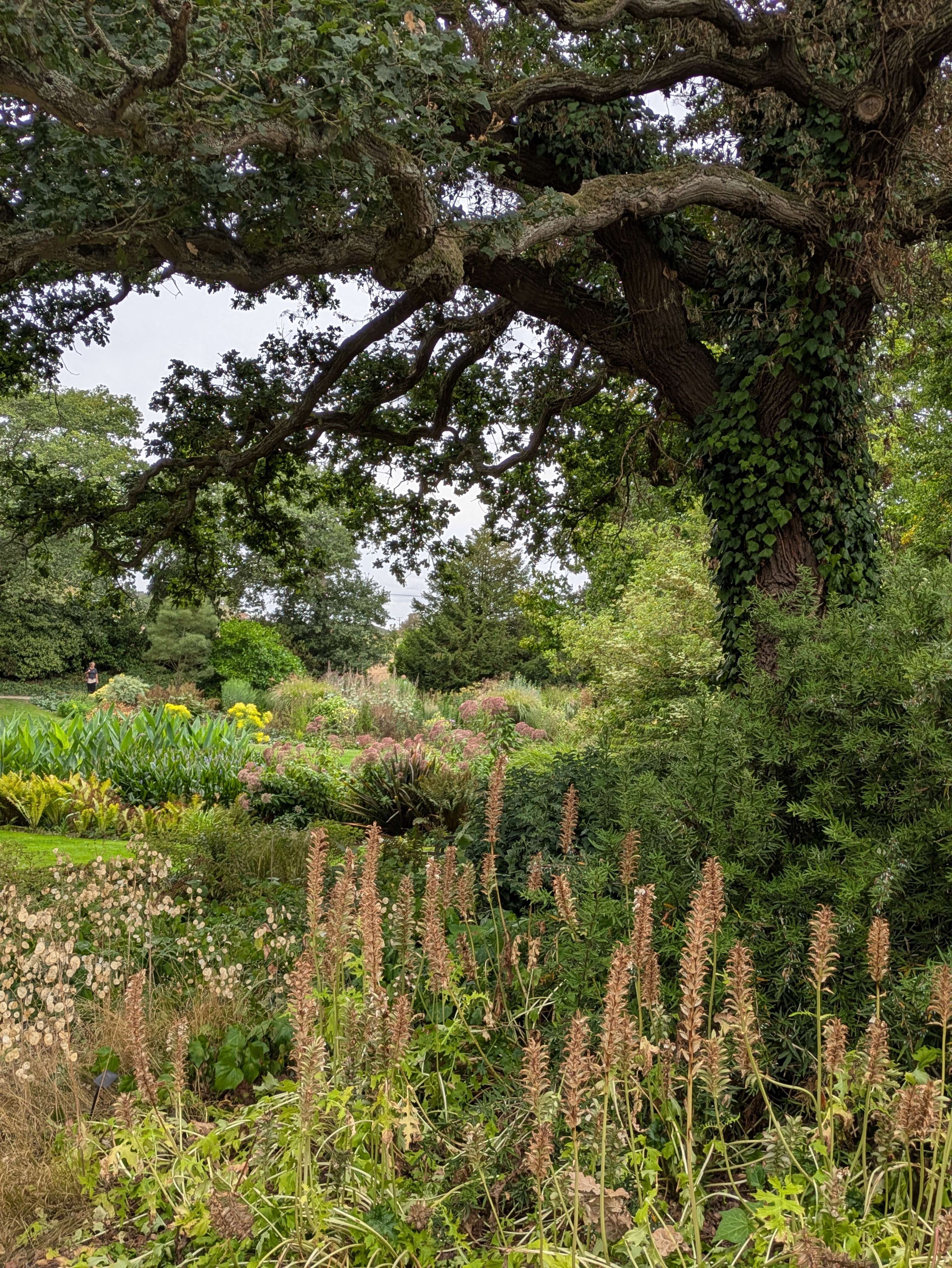
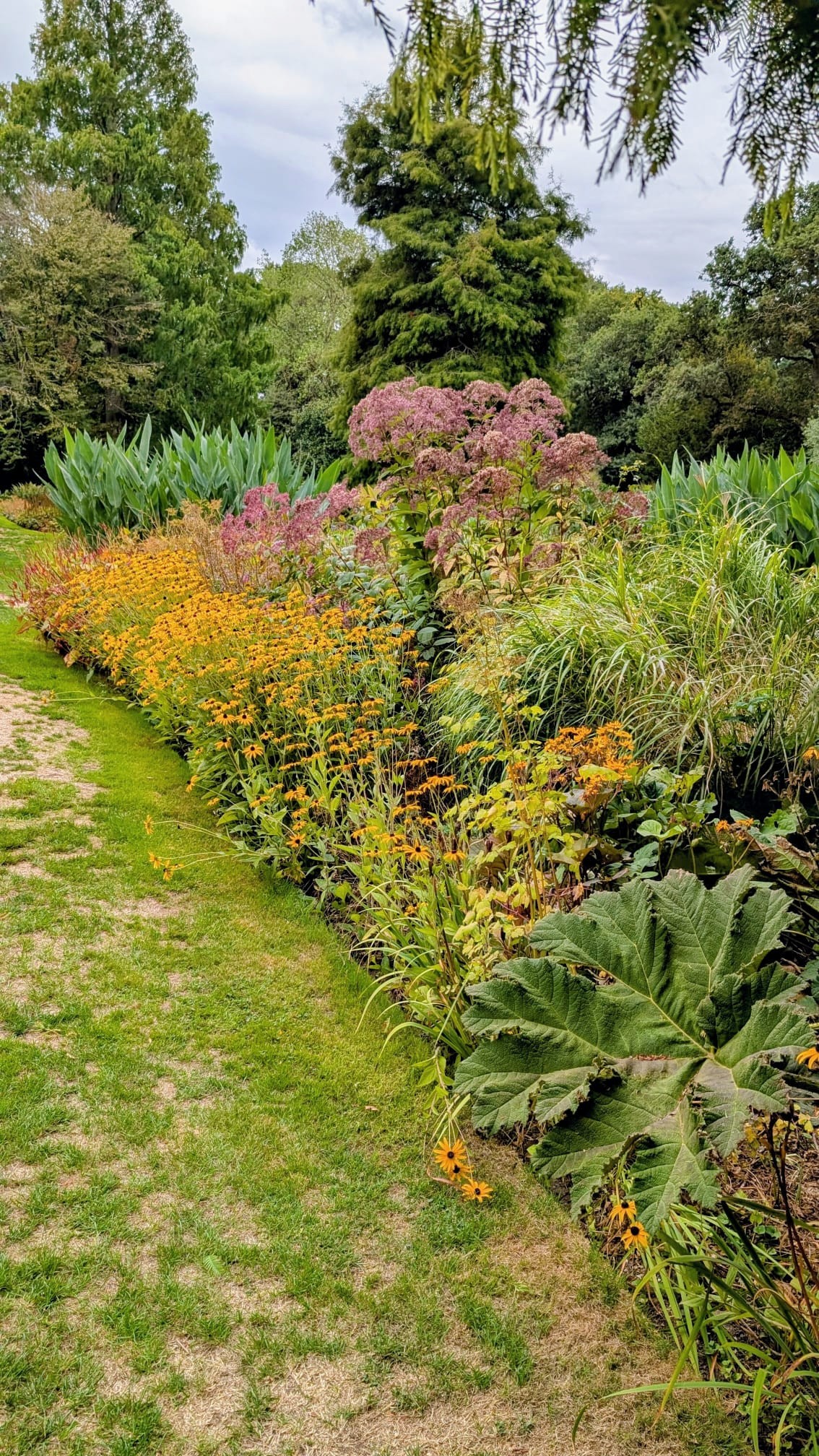
Looking toward the Water Garden. Beth Chatto's, September 2026

Last Friday, a full coach of CABAHS members took another trip to Essex, this time to see Beth Chatto’s Plants and Gardens. The last group visit was in 2021 and the irony of visiting a world-famous dry garden in torrential rain was not lost on those who attended then. A heavy downpour on Friday’s journey made us wonder if we might be reliving the experience, but it was brief and our whole visit was dry.

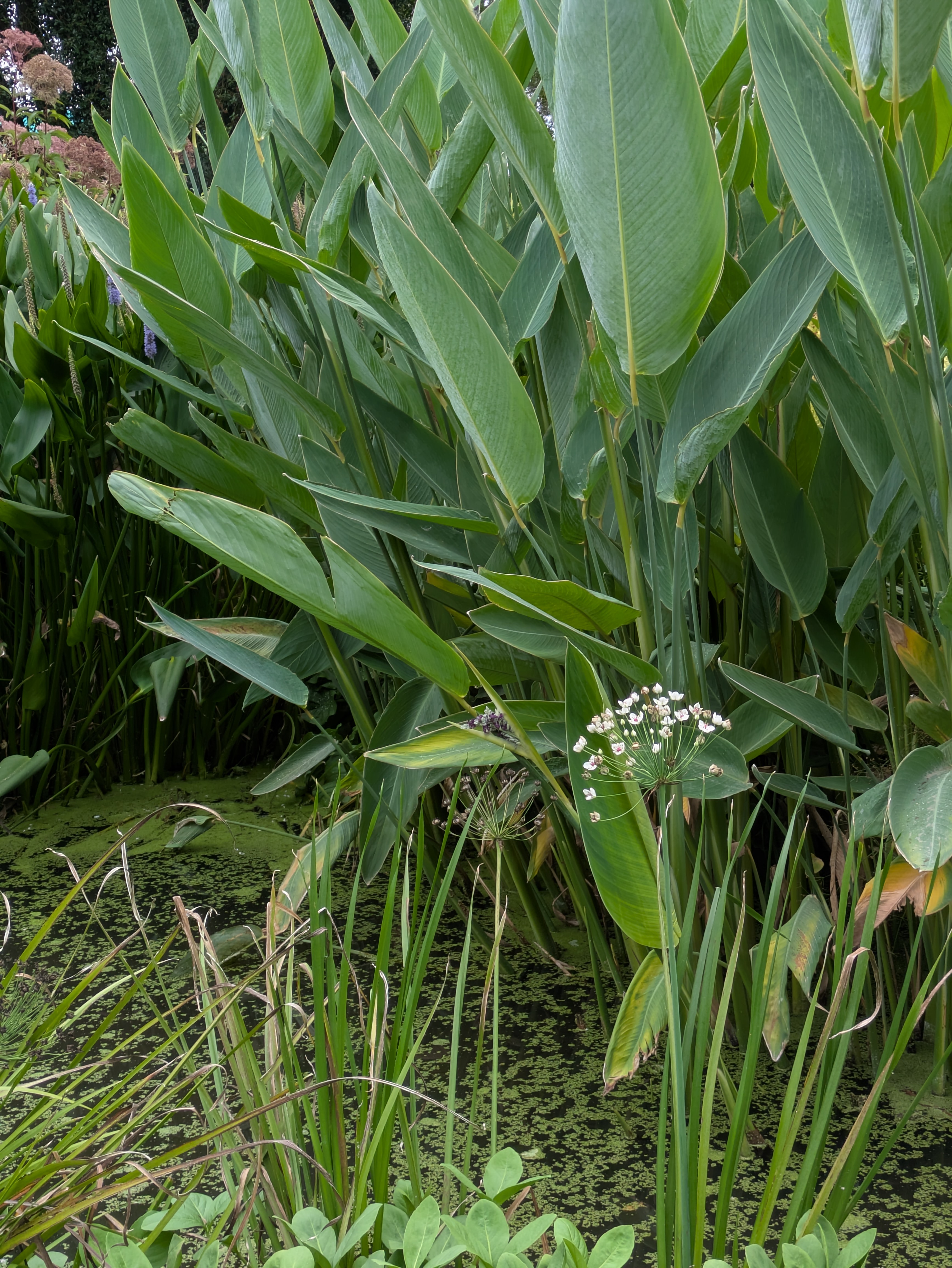
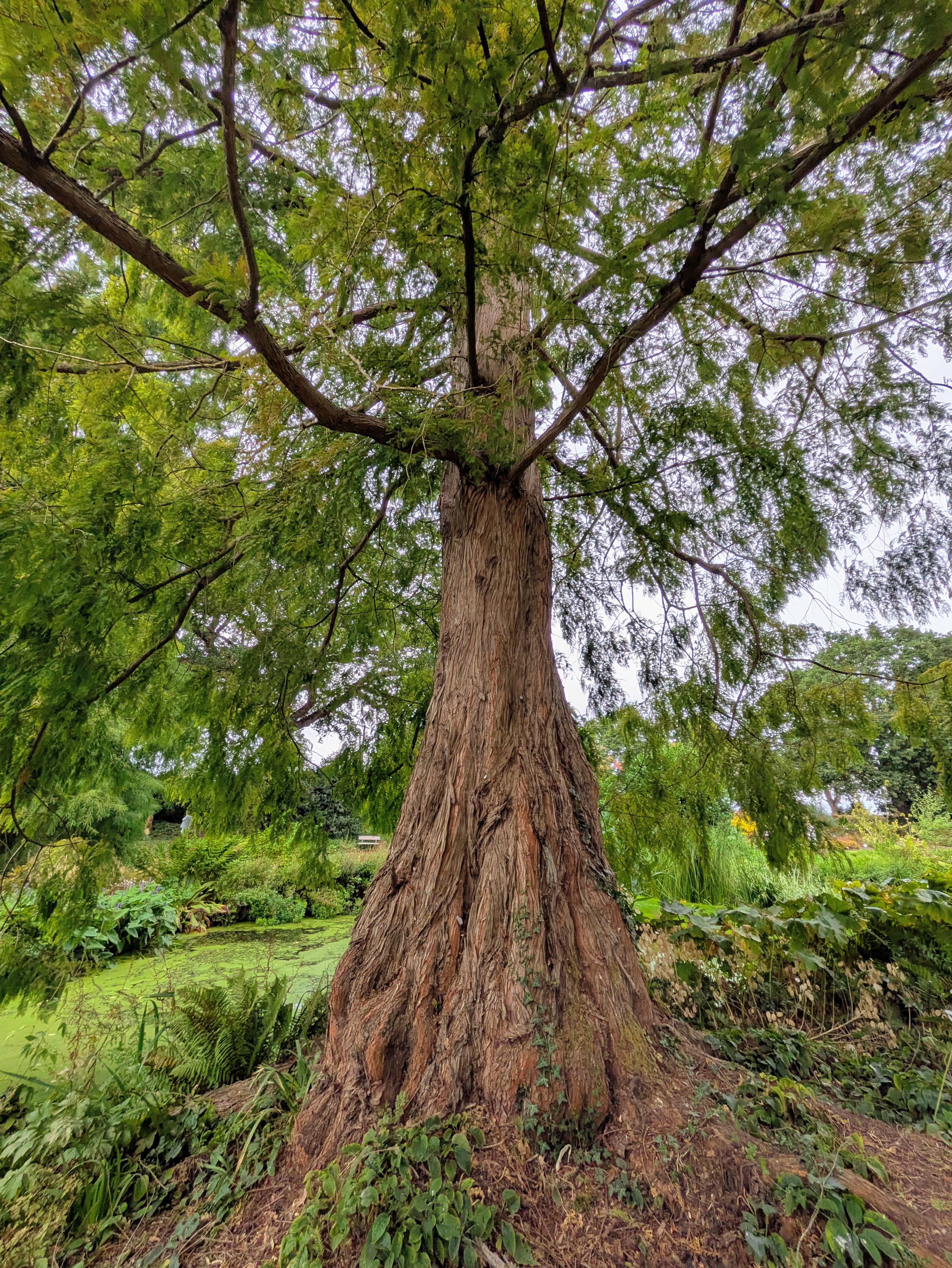
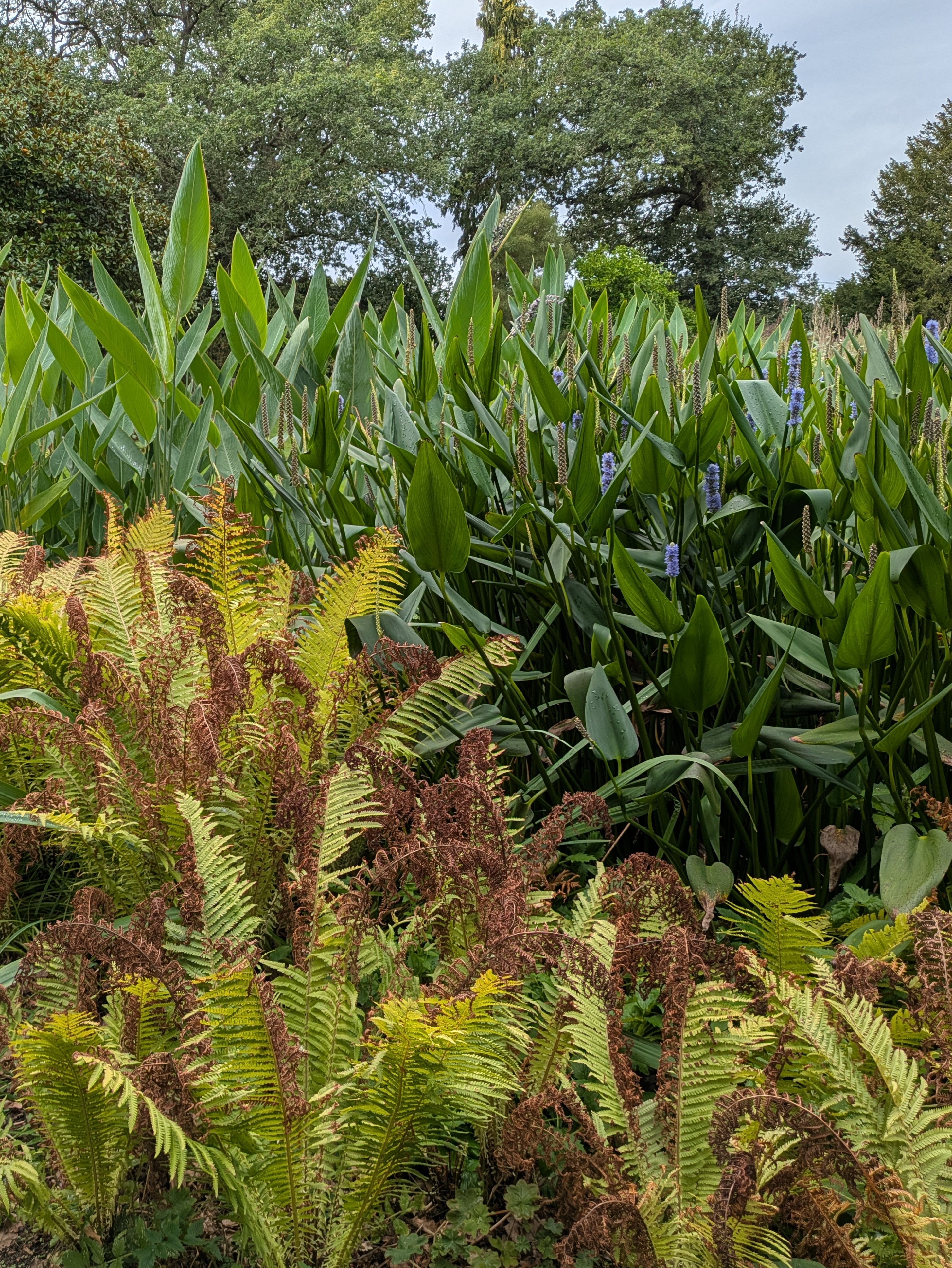
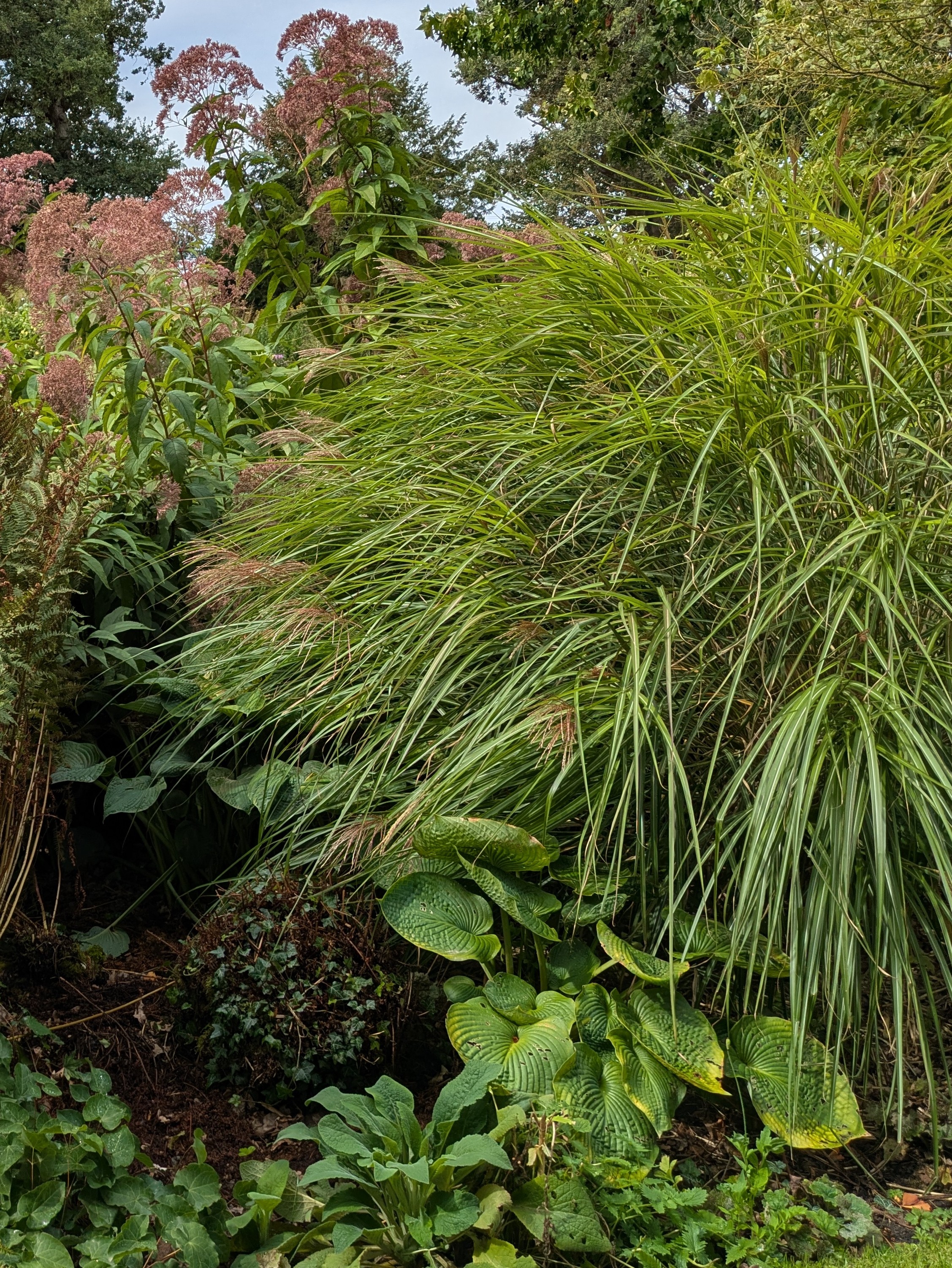
Most well-known is the Gravel Garden, which was developed in the 1990s on the former car park – at a high point in the gardens which, in Essex, are in one of the driest parts of the country. But the site has a much more varied topography and ecology than just the dry garden. Much of the site was actually boggy and Beth and Andrew Chatto carved ponds in the lowest areas. This meant that we saw green, green lawns in an area – the Water Garden – where the water table, even after this summer drought, is high.

Continue reading Beth Chatto’s Plants and Gardens, September 2026

Autumn Flower, Fruit & Vegetable Display 2026 – classes to enter

CABAHS Autumn Show, August 2025

This year’s Autumn Show will be held on Monday 21 September, at 7.30pm in the Old Library at Charlton House.

Here’s a reminder of last year’s show – a groaning table of entries…

The classes you can enter this year are shown below, please have a go at as many as you like!

Continue reading Autumn Flower, Fruit & Vegetable Display 2026 – classes to enter

Pat’s 10 jobs for November 2025

1. You can start planting tulips now, either in pots or in the ground. The deeper they are planted in the ground the more chance there is of them reappearing next year – but do protect them well from squirrels who love to eat them.

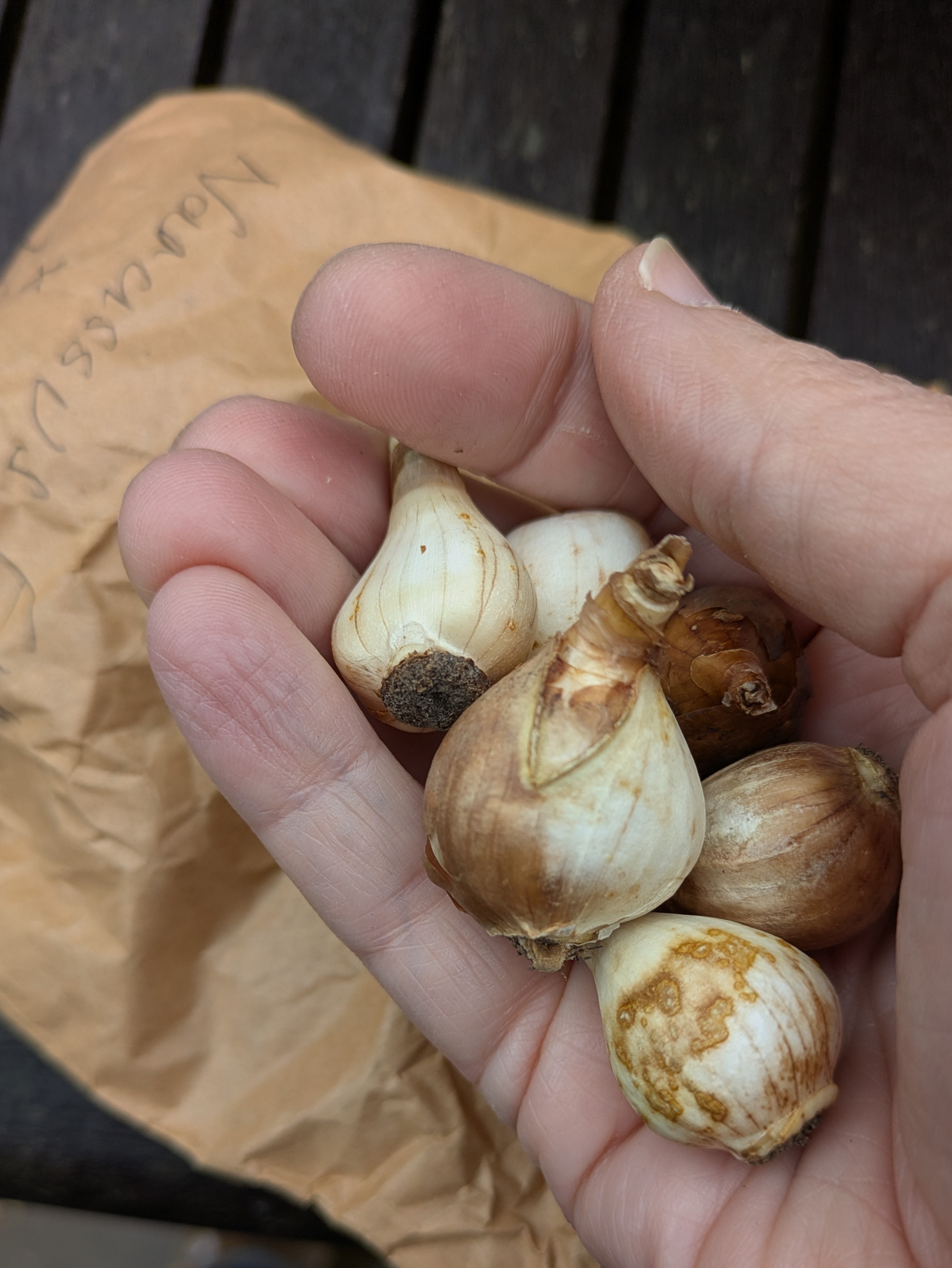
2. It’s not too late to plant Narcissus and other bulbs like Allium, but again as deep as you can if planting in the ground as squirrels do love to lunch on Allium.

Continue reading Pat’s 10 jobs for November 2025

October 2025 Meeting and Show Table

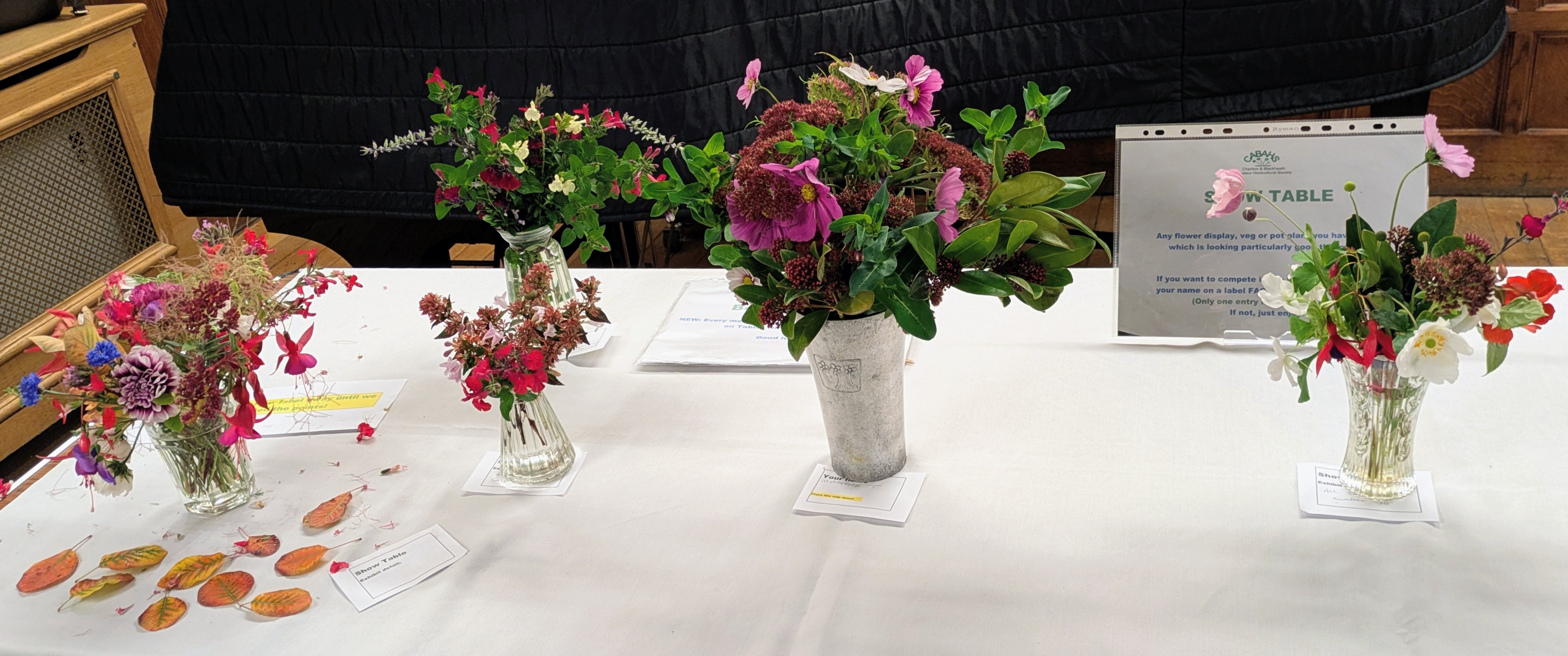
October 2025 Show Table

The October meeting at CABAHS featured tea. coffee and biscuits, a raffle, bulbs for sale, the Show Table and an enlightening talk from Ruth Cornett about ‘Flowers in Art’.

Continue reading October 2025 Meeting and Show Table

Autumn Colour in Members’ Gardens

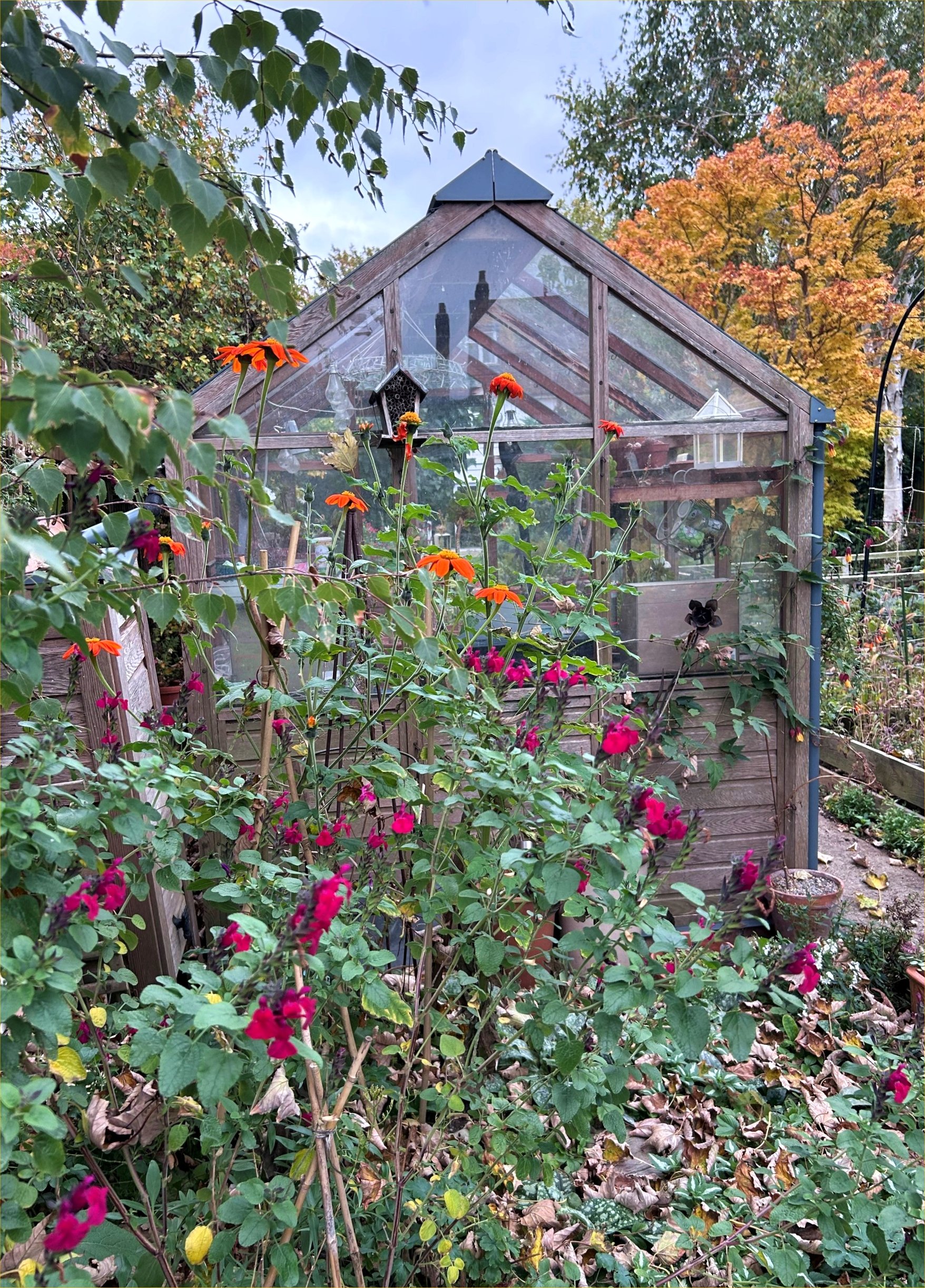
This year’s ‘autumn colour’ seems to have developed quite suddenly and intensely, but may be short-lived. So we asked CABAHS members to share photographs of the colour they could find in their gardens this week. The weather has been dull and grey most of the time, yet these late flowers and glowing leaves shine out of the gloom. You can click on the images for more information and to see at full size.
Take a tour…

We tend to focus on brightly coloured leaves when we think of autumn colour, but several groups of flowers add plenty of zing to the October garden. Salvia really is ‘Plant of the Month‘!

Salvia doesn’t get all the glory though – there’s competition from another richly-coloured group, the Dahlias.

Continue reading Autumn Colour in Members’ Gardens

Pat’s 10 jobs for October 2025

1. Salvias are flowering their hearts out now but make sure you have some cuttings on stand by to cover any winter losses. And remember that quite a few are tender and will need winter protection in the colder months.

2. Last year I dug up my Dahlia tubers and potted them up once they had died down but lost quite a few despite keeping them frost free. So this time I will try leaving some in the ground and giving them a thick mulch. Of course, the problem then is trying to protect the new growth in spring from slugs and snails, so they’ll need keeping an eye on.

Continue reading Pat’s 10 jobs for October 2025

Plant of the Month: Salvia (October 2025)

A few years ago, my garden would be looking quite green at this time of the year. But not this year; I am pleased to say that it’s actually very colourful, all due to my collection of salvias, which I’ve added to year-on-year. As you know, they are not 100% hardy as they originate from hotter climates, but, they do appear to survive in sheltered, London gardens if the winters are not too severe. And, as a precaution, we have learnt to take cuttings – just in case!
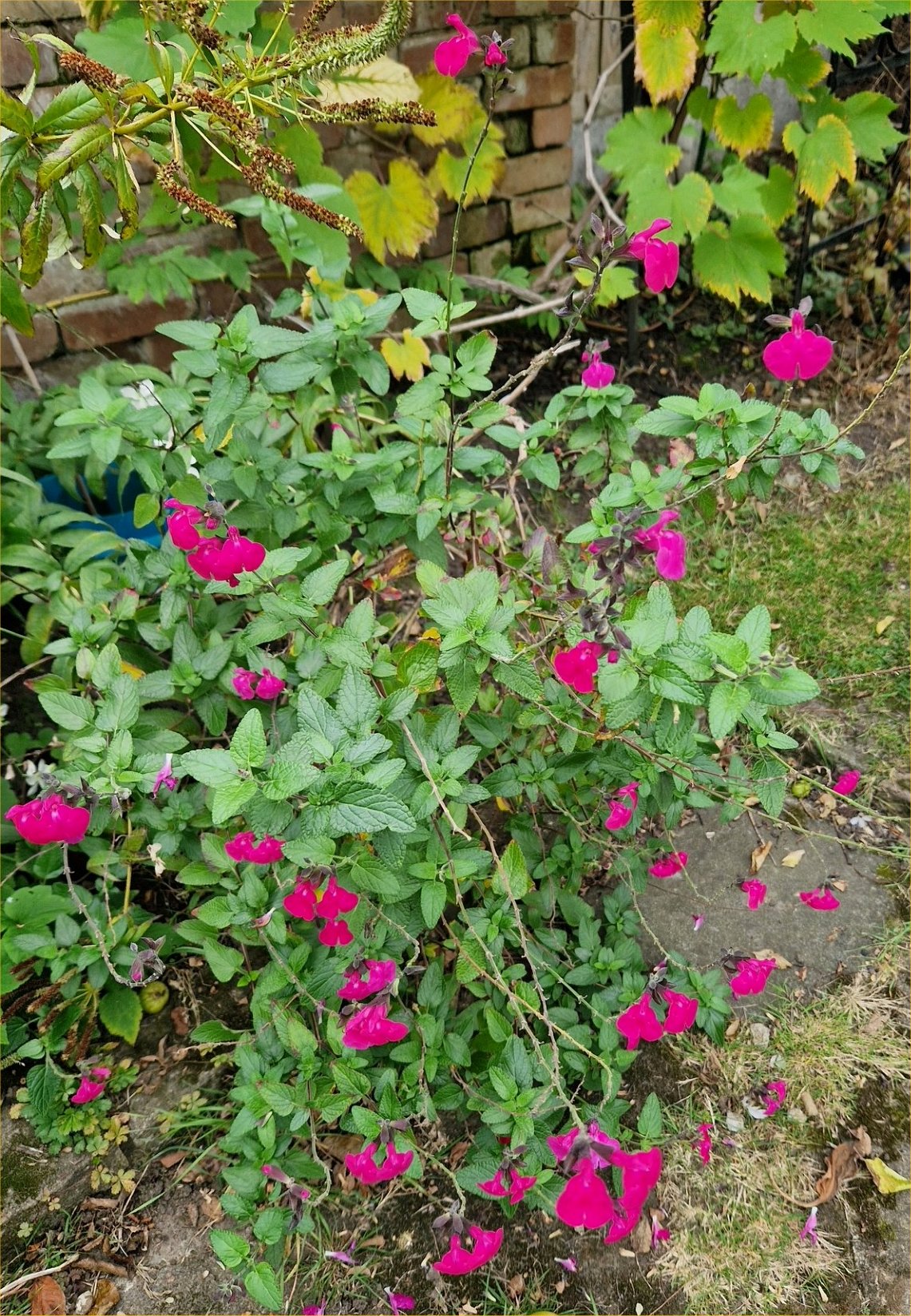
Continue reading Plant of the Month: Salvia (October 2025)

September 2025 Meeting and Show Table

This month’s meeting included an interesting talk from Clare Lanes about the three-year renovation project of the Rose Garden at Greenwich Park, the monthly Show Table display, the raffle, the potato competition, the sales table and of course plenty of chat and information about upcoming events (NB: Horn Fair on 19 October!).

CABAHS Show Table, September 2025
Continue reading September 2025 Meeting and Show Table

Plants of the Month: The annuals (September 2025)

If your own space is looking ‘a bit green’ at the moment, think about adding annuals to liven up your garden in 2026.  Here are a few I highly recommend:

Zinnia

Zinnia 'Sprite Mixed'

This year I’ve grown Zinnia elegans SPRITE MIXED at my allotment and they are looking good – tall, healthy, robust, colourful and bee-friendly. I am very pleased with them, as the flowers themselves are a mixture of vibrant and subtle shades, and, as an added bonus, no signs of stem rot (fungi/bacteria more prevalent in warm, wetter summers that attack the stems).

I sowed the seed straight into the soil in two rows.  Two or three weeks later, I thinned the seedlings and replanted those thinnings into a third row. So, they are tightly packed and they don’t seem to mind that and I don’t need to stake them.  Flowering from July to October, this robust variety is perfect for displaying in gaps in borders or containers. And ideal for picking, although I don’t have the heart to do that yet!

Continue reading Plants of the Month: The annuals (September 2025)