Members trip to Petersham House and Nursery 23rd April 2023


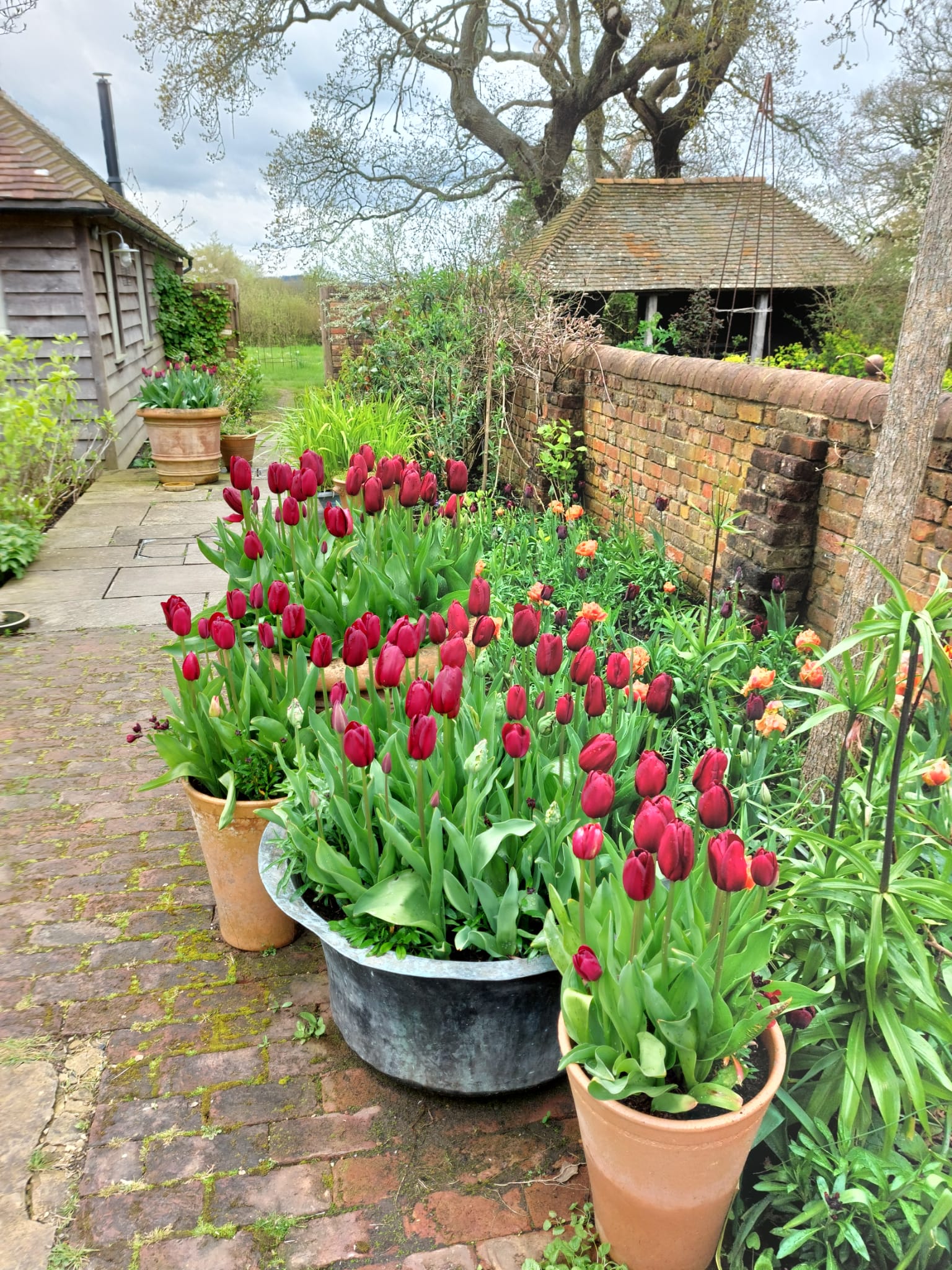
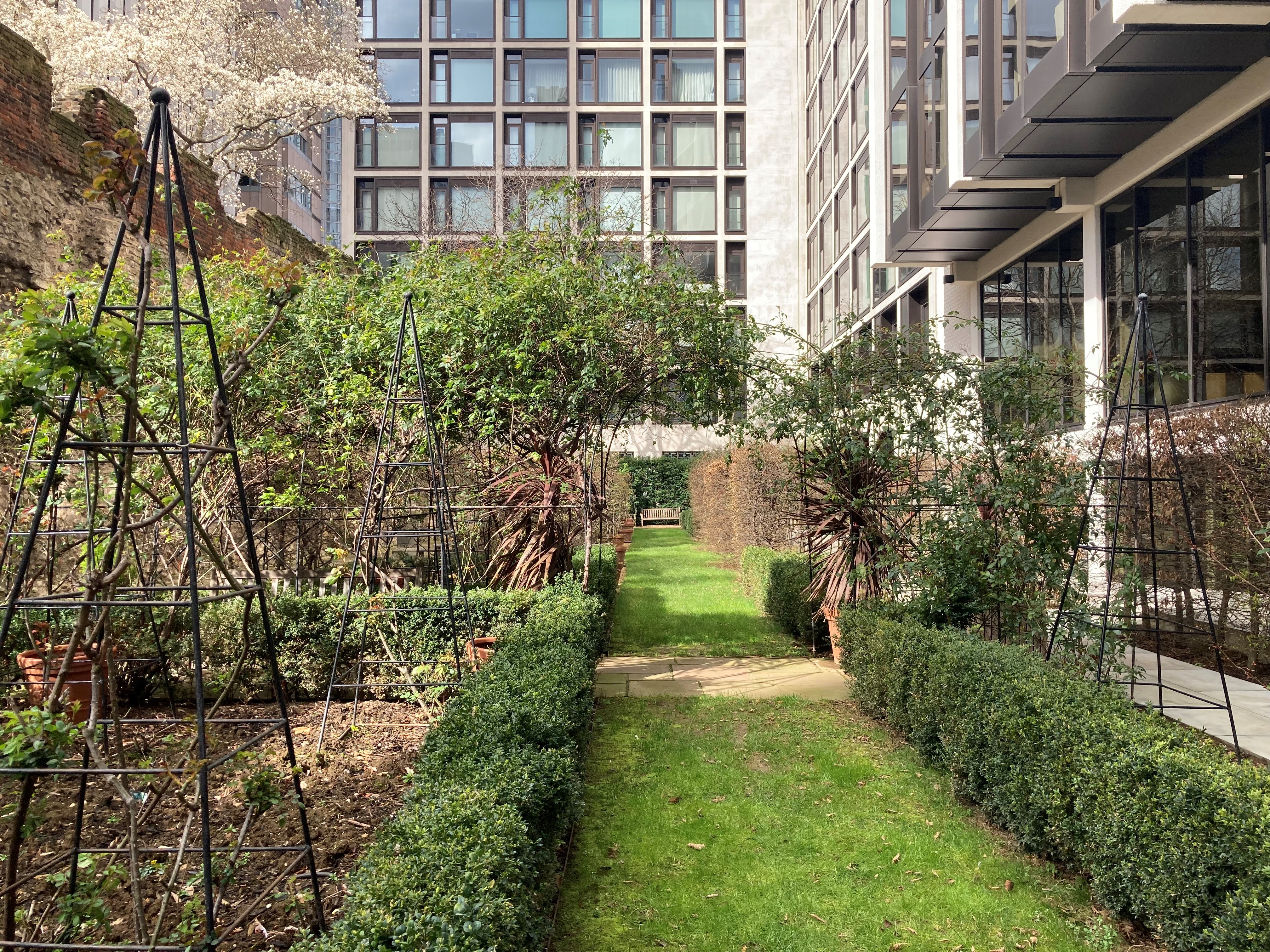
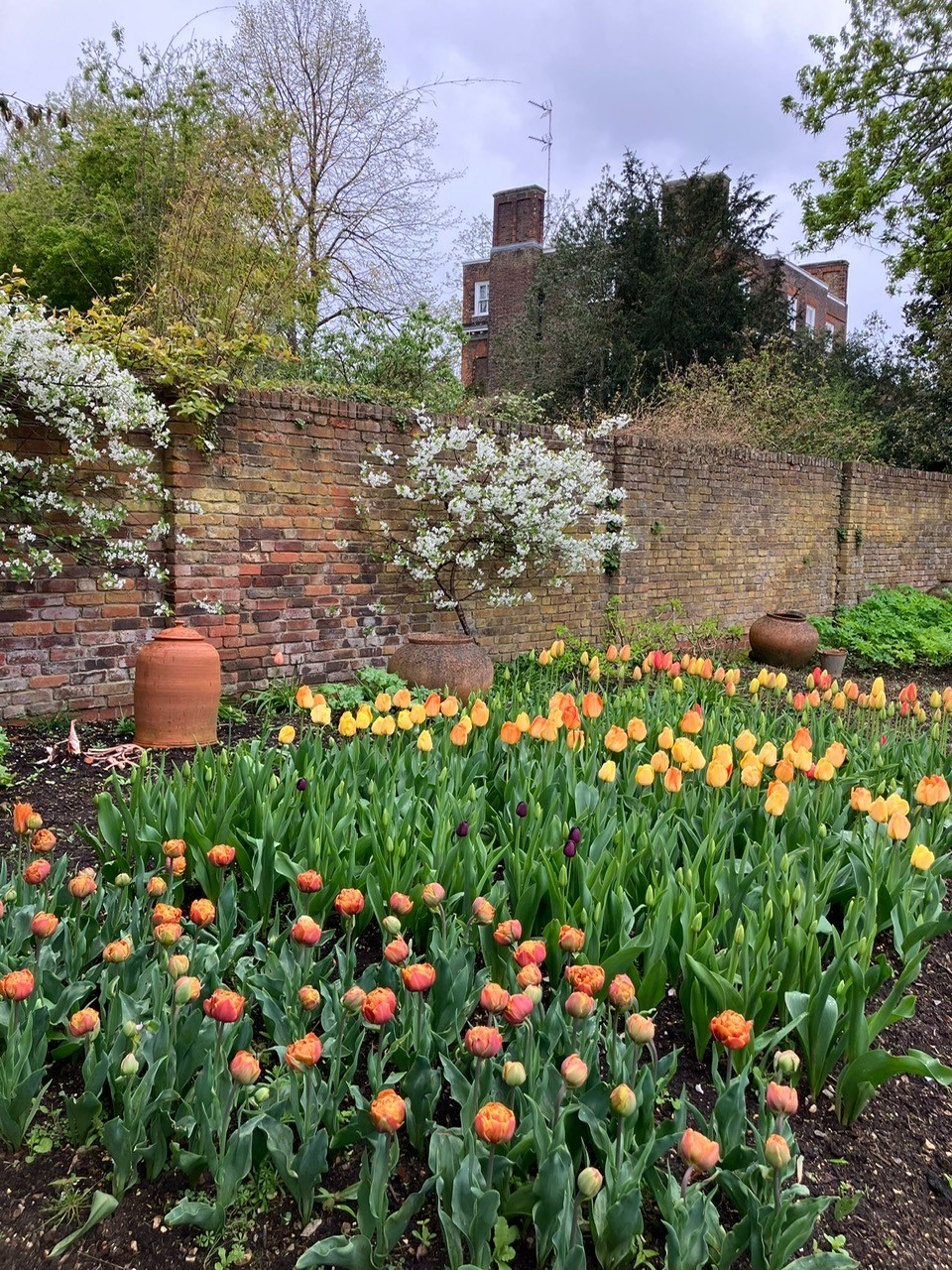
A group of CABAHS members enjoyed a visit to Petersham House recently, open for one day under the National Garden Scheme. It was a bit of a challenge that the day chosen was that of the London Marathon, but everyone made it on time to meet at Cannon Street station. The crowds were mostly going the other way and very friendly!

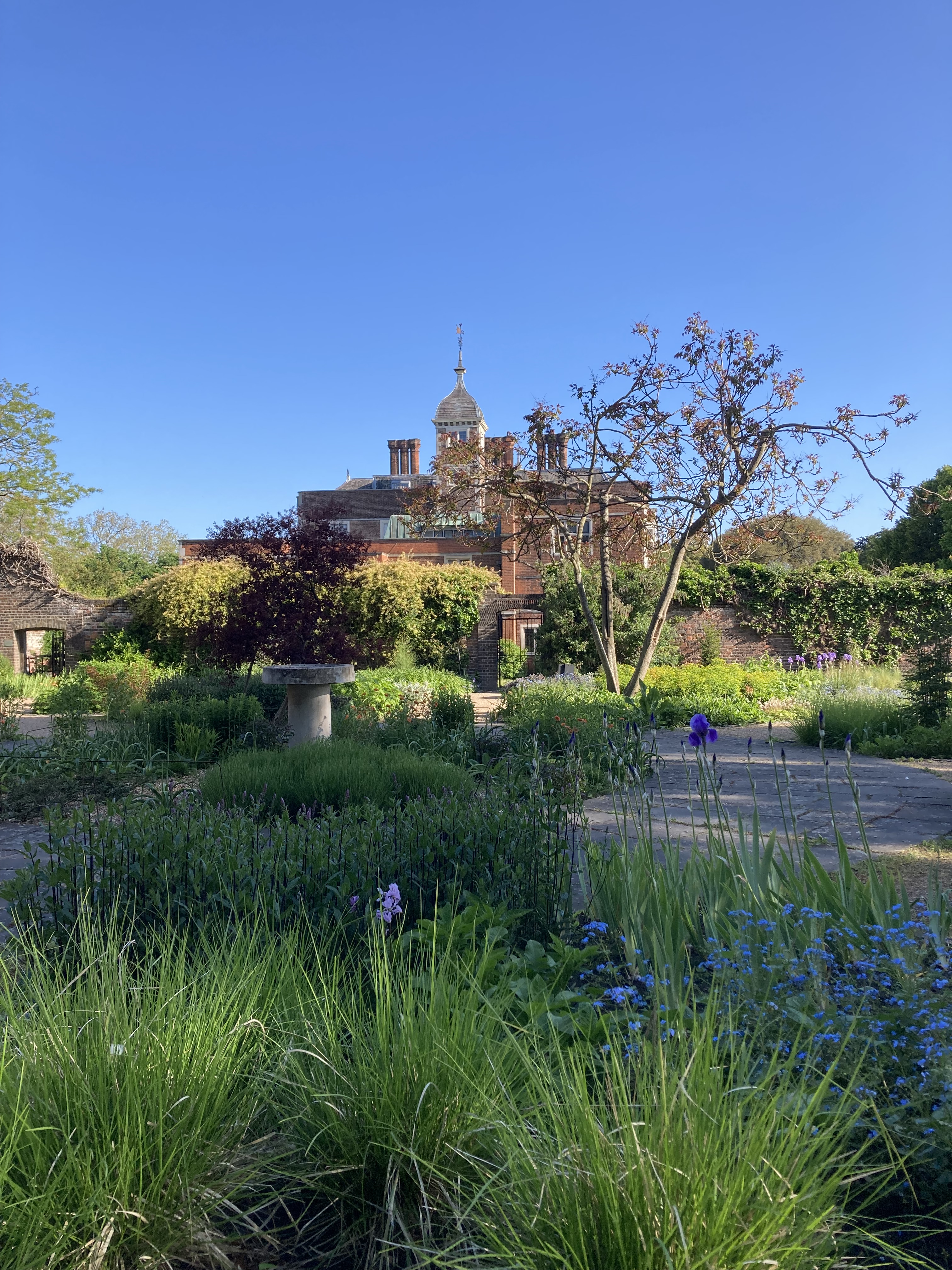
The 17th century house near Richmond was bought by the Boglione family in 1997, and turned into a family home next to their renowned Petersham Nurseries. The gardens have a long walk, large borders set into yew hedging against the walls, topiary and a kitchen garden. The tulip displays were beautiful! Despite the drizzly weather, members had a great time wandering around before decamping to the tea rooms at the Nursery.

Continue reading Members trip to Petersham House and Nursery 23rd April 2023

Preparing for our Plant Sale and Community Day 2023

Sunday May 21st from 11 am – date for your diary!

Our annual plant sale takes place on the back lawn at Charlton House on Sunday May 21st and this year it promises to be our biggest (and best?) yet. We are being joined by Blackheath & Greenwich WI as usual, with their scrumptious cakes and savouries. The following groups will be there, and perhaps a few more!

The Charlton Society, Charlton Community Gardens, Charlton Toy Library, Blackheath Flower Arranging Club, Friends of Charlton Park, Friends of Greenwich Park, St George’s Garrison Church Woolwich, Charlton Central Residents Association and Neighbourhood Watch, Charlton Neighbourhood Forum, Repurpose Silvertown Tunnel and Charlton House Beekeepers

On top of this, stalls from the Producers Market will be there, with face painting and hot food, Frilly’s cafe will be open and you can view the brand new “Ottoman Journeys” exhibition in Charlton House. https://www.greenwichheritage.org/events/ottoman-journeys-life-and-afterlife-in-greenwich/

St Luke’s Church will be open, you can climb the tower to see the panoramic views and the wonderful Millenium tapestry will be on display too. You can download the poster here, please share it widely.

Continue reading Preparing for our Plant Sale and Community Day 2023

Labour of love – Keukenhof (2)

A visit to Keukenhof for the second year running found a different garden, although the visits were only a week apart. Spring has evidently come later and most of the narcissus and hyacinths were still in full flower. Last year there were very few remaining in flower. The scent from both filled the air.

swathes of daffodils

Even where some of the tulips had gone over they were still exquisitely beautiful – like a Dutch still life painting.

"still life" of tulips

At home my hyacinths have been swept around by the rain and wind, but at Keukenhof they stand firm.

swathes of hyacinths

But then I looked closer. Each individual hyacinth has been individually staked, so discretely that it is hardly noticeable!  What a labour!

pink hyacinths staked - to stand firm

Vija

Spring Show 2023

Well, as we now know from a trawl through the CABAHS archive, our first Spring Show took place in April 1978, when the entries were recorded as “good considering the wintry conditions”. 45 years later, in 2023, our display has once again risen above the challenging weather and looked frankly fabulous!

Thank you to everyone who carried their exhibits into St Thomas’ Church hall, we had more entries than in the past few years, 73 in total, and everyone seemed to have a great evening. Our judge Mrs Norma Leslie said she had a hard time choosing the winners, listed below. Best in Show was awarded to Sharon’s “Perfect Pot of Pipits”, well deserved, and it was good to see so many entries in this class. The Wild Card class generated a lot of conversations around the range of entries, so that will be a fixture from now on. The short talk about past shows sparked some good ideas for future classes, such as one for Primroses and Auriculas and perhaps we can revive a “Domestic” class to add a baking angle to the evening (followed by some munching probably).

Continue reading Spring Show 2023

Bunnies in the Beds 2023

Easter bunnies arrived early this year at Charlton House & Gardens. On the Sunday before Easter, ten vegetable loving bunnies hid themselves along with their favourite vegetables in the flower beds of the Gardens and were ready to be found by young visitors to this joint CABAHS & RGHT event. The morning’s chilly weather did not seem to deter the children who all enthusiastically scoured the Old Pond Garden and the Peace Garden.

Once they had found all ten and identified each bunny’s favourite vegetable they were encouraged to sow some radish seeds as part of the Royal Horticultural Society’s Big Seed Sow https://www.rhs.org.uk/get-involved/big-seed-sow . They could also learn about ‘the Secret Life of the Pea’ and choose some seeds to take home with them. Some even made their own origami seed packets. Fingers crossed we have set some of our visitors on the joyous path to becoming a life-long gardener!  

Thankfully the weather was kind: dry with even a spell or two of sunshine during the afternoon. The real live bunnies brought along by Juli were an extra special attraction! By 3 o’clock, around 180 trails had been completed with donations earning a sizeable sum for Charlton House & Gardens. Our Plant Sale also proved an attractive draw and took over £200.

Continue reading Bunnies in the Beds 2023

OPG Diary – Dec to March 23

Here is an update on what Jason and the Gardenauts have been getting up to in the gardens since my last post. Apologies it’s rather long, we’ve been doing lots!

December turned the gardens into a winter wonderland, and caused us to miss a few days volunteering, but gave some great photo opportunities. The prolonged cold period hit a few of the more tender shrubs quite hard and we lost some big favourites like the Teucrium. 

January was about cutting back, the ivy in particular. The old walls cannot take the weight of the ivy so we are taking it off in stages and being careful of wildlife. Our efforts revealed the top of the doorway for the first time in some years!

We have removed the palms from the front lawn beds and the beds will be re-designed this summer. The Palms were planted as part of an annual bedding scheme years ago and never envisaged to get as tall as they have. The Tete-a Tete daffodils have all been lifted and will go in the woodland glade next year. The Summerhouse has had a good weed and tidy-up, as has the Mulberry. Snowdrops and Hellebores popped up in the OPG woodland side.

In February, we discovered our regular feline visitor is called Casper and he lives in Canberra Road but clearly considers the gardens his playground.

Continue reading OPG Diary – Dec to March 23

Visit to Beth Chatto’s garden

For those who haven’t visited, Beth Chatto’s Garden is a horticultural paradise located in Essex, England. In March, visitors can expect to see a range of unique features and highlights that make Beth Chatto’s Garden a must-see destination for anyone with an interest in gardening or nature.

One of the most striking things about Beth Chatto’s Garden in March is the abundance of early spring blooms. As winter fades and the weather begins to warm up, the garden comes alive with an array of colourful flowers and blossoms. The famous Gravel Garden is a great place to start exploring the garden. This innovative garden was created in the 1990s, and features plants that are adapted to dry conditions, making it an ideal spot for early bloomers like crocuses, daffodils, and tulips. Visitors can expect to see bright pops of colour as they stroll along the winding paths that wind through the garden.

Beth Chatto's garden

In addition to the early spring blooms, March is also a great time to explore the woodland areas of Beth Chatto’s Garden. The woodland gardens are home to a wide range of plant species, including ferns, shrubs, and trees. Another highlight of Beth Chatto’s Garden in March is the chance to see the garden’s many rare and unusual plant species. Beth Chatto was a pioneer of ecological gardening and her garden is a testament to her commitment to sustainable practices. Visitors can expect to see a range of native and non-native plants that are perfectly suited to the local climate and soil conditions.

Vija

Barbican Conservatory

The Barbican Conservatory is a tropical and sub-tropical botanical glass-roofed garden located on the third floor of the Barbican.   It’s an ideal place to visit during the winter months (and all-year round) but on 16th March we hit the jackpot and were thrilled to see Clivia plants in full flower – perfect timing, as it is this month’s Plant of the Month!

This is the second largest conservatory in London (Kew Gardens’ Temperate House being the largest). Opened in 1984, the walkways and terraces have been designed to encourage visitors to wander the pathways and along the walkways in order to explore and experience an urban jungle and to observe the characteristic form of every plant.

Amongst the tropical planting, various exotic palms stand out and the handsome foliage of Monstera deliciosa (swiss cheese house-plant as we know it) is there to be admired. The  majestically tall weeping fig tree emphasises the height of the conservatory and frames everything around it. Wide, arching stems of the handsome tree fern  and the striking tree, Araucaria heterophylla (which we rested under), plus unusual climbers and shrubs including yuccas and cordylines, are amongst the 1500 plant species on show for the public to appreciate. 

Continue reading Barbican Conservatory

There is wild and then there is wild

I have never visited the Botanical Garden at Ventnor on the Isle of Wight, but the gardens have recently become the subject of some controversy with factions divided over the way in which the gardens are currently being managed (or not).   The significance of the garden lies in its situation in a micro-climate which makes it ‘the hottest garden in England’ and the previous head gardener gained a reputation for bringing in plants from far flung regions. From its foundation in 1970 until it was sold to an American businessman, John Curtis in 2012, the garden was publicly owned, and run by the Isle of Wight council, but as the council struggled with significant financial losses the garden was sold.

Over the course of the next few years a number of visitors noted what they described as a decline in the gardens – weeds were appearing and there seemed to be a general feeling that it was no longer being managed properly. John Curtis defended the garden arguing that the methods being used supported gardening in a time of climate change. Unlike a typical botanic garden, plants are no longer labelled which the current head gardener, Chris Kidd describes as creating an ‘immersive experience’ and the idea is to garden with nature.

With opinions sharply divided on both sides, ultimately, much seems to depend on what one describes as a ‘natural garden’ and the nature of a ‘botanic garden’. What is wild gardening, or gardening with nature? How natural is a natural garden? Ventnor’s dilemma seems to embody much of current horticultural conversation.

Pat K