Visit to Beth Chatto’s garden

For those who haven’t visited, Beth Chatto’s Garden is a horticultural paradise located in Essex, England. In March, visitors can expect to see a range of unique features and highlights that make Beth Chatto’s Garden a must-see destination for anyone with an interest in gardening or nature.

One of the most striking things about Beth Chatto’s Garden in March is the abundance of early spring blooms. As winter fades and the weather begins to warm up, the garden comes alive with an array of colourful flowers and blossoms. The famous Gravel Garden is a great place to start exploring the garden. This innovative garden was created in the 1990s, and features plants that are adapted to dry conditions, making it an ideal spot for early bloomers like crocuses, daffodils, and tulips. Visitors can expect to see bright pops of colour as they stroll along the winding paths that wind through the garden.

Beth Chatto's garden

In addition to the early spring blooms, March is also a great time to explore the woodland areas of Beth Chatto’s Garden. The woodland gardens are home to a wide range of plant species, including ferns, shrubs, and trees. Another highlight of Beth Chatto’s Garden in March is the chance to see the garden’s many rare and unusual plant species. Beth Chatto was a pioneer of ecological gardening and her garden is a testament to her commitment to sustainable practices. Visitors can expect to see a range of native and non-native plants that are perfectly suited to the local climate and soil conditions.

Vija

Barbican Conservatory

The Barbican Conservatory is a tropical and sub-tropical botanical glass-roofed garden located on the third floor of the Barbican.   It’s an ideal place to visit during the winter months (and all-year round) but on 16th March we hit the jackpot and were thrilled to see Clivia plants in full flower – perfect timing, as it is this month’s Plant of the Month!

This is the second largest conservatory in London (Kew Gardens’ Temperate House being the largest). Opened in 1984, the walkways and terraces have been designed to encourage visitors to wander the pathways and along the walkways in order to explore and experience an urban jungle and to observe the characteristic form of every plant.

Amongst the tropical planting, various exotic palms stand out and the handsome foliage of Monstera deliciosa (swiss cheese house-plant as we know it) is there to be admired. The  majestically tall weeping fig tree emphasises the height of the conservatory and frames everything around it. Wide, arching stems of the handsome tree fern  and the striking tree, Araucaria heterophylla (which we rested under), plus unusual climbers and shrubs including yuccas and cordylines, are amongst the 1500 plant species on show for the public to appreciate. 

Continue reading Barbican Conservatory

Visit to RHS Wisley

On Saturday 11th February Jean and I spent a very pleasant day at RHS Wisley. This was the last day of the Iris and Cyclamen Show held in the Hilltop event hall. 

The displays were beautiful. So uplifting to see so many spring colours after a long, cold winter. We were amazed at the variety in size and pattern of cyclamen leaves, all in perfect condition of course.


The Iris Fields of Hall Road, Wenhaston IP19 9HF were selling small pots of irises to which we both succumbed!

Continue reading Visit to RHS Wisley

My other (sort of) walled garden

In a previous life when I worked for garden charity Thrive*, I was involved in replanting the Old English Garden in Battersea Park and last week I and a former colleague went back to see how it is looking now, some 10 years later. 

Although it has a similar feel and look to the Old Pond Garden, it is only walled on one side, but it does still have a large pond in the middle, which is full of water lilies in the summer – spot the heron ! 

Pond in Old English Garden in Battersea Park

Much of the funding was provided by Jo Malone London (JML) and many of the plants are those used in their fragrances including lilies, rhubarb, pomegranate, jasmine and, of course, roses.  Some replanting has been done in the intervening period and it continues to be well maintained and supported by JML, volunteers and Thrive gardeners.

Continue reading My other (sort of) walled garden

A Treat at Great Dixter

Great Dixter Snowdrops and Giant Fennel

Friends of Great Dixter were invited to a post- Christmas event at the end of January to join Fergus Garrett, students and staff. Warm spiced home-made apple juice and biscuits were available for refreshment and the archives were open for those who had not already seen them. We were welcomed into the Great Hall where a huge fire crackled and students created a ladder from chestnut poles gathered from the surrounding area. Outside, Fergus demonstrated how, using a traditional A-frame and tools, chestnut poles could almost perfectly be split ready for use. Of course, the highlight was being able to look around the gardens at a time when they are not usually open to the public. For those who have watched Fergus’ lectures on successional planting, the practice was evident in the canes laid out on the soil. Fergus’ favourite giant fennels were already unfurling and the gardens were positively covered with Galanthus atkinsii, both of which are clearly visible in the photograph above. An added bonus was that the day was sunny and moderately mild. What a treat.

Pat K

Garden Museum – not only but also

The Garden Museum was created in 1977 in order to rescue from demolition the then abandoned church of St Mary’s at Lambeth, a church which now is restored and renewed: restored in the outer and inner structure of the church, and renewed as exhibition spaces on all matters related to the history of gardening, and to the history of the Tradescant family, father and son both named John, in turn each appointed Royal Gardener to the Stuarts and whose family tomb is within the grounds, fittingly in a garden that reflects their world-wide plant collecting.

The Tradescant family tomb though is overshadowed by that of William Bligh, the hero/villain of the Mutiny on the Bounty.

The visitor must tread over centuries-old gravestones set in the floor, and past memorials to some very late indeed Archbishops of Canterbury: St Mary-at-Lambeth was a popular resting place, right next door to Lambeth Palace.

The Museum has a permanent exhibition of the history of gardening in all aspects from grand estates to allotmenteering, from Gertrude Jekyll to Alan Titchmarsh. Art is of interest generally here, with currently a showing of Lucian Freud’s paintings of plants. The Museum has an archive/study room on garden design: visits for research are by appointment.

Continue reading Garden Museum – not only but also

Florence Nightingale Garden

I’m sure we can all remember the particular joy that gardens gave us during the dark days of lockdown. Gardeners of course have always known the benefits that green spaces can bring.

This fact was brought home to me recently when I spent time in the Florence Nightingale Garden at St Thomas’s Hospital, Southwark – happily as a guest, not a patient or loved-one of a patient.  The theme of the garden is ‘nurture through nature’.

Florence Nightingale Garden


The archivist in me loved the fact that enlarged extracts from Florence Nightingale’s letters in which she campaigned for healthcare reform featured in the original design, printed onto the boundary walls and overlaid with images of her pressed flower collection.

Continue reading Florence Nightingale Garden

Sussex Prairie Gardens

The Sussex Prairie Garden is a six acre garden with naturalistic planting, created by Paul and Pauline McBride, who worked with Piet Oudolf some years ago. The garden is on a farm and surrounded by oak trees, featuring a wide range of herbaceous perennials, Veronicastrums, Thalictrums, Persicarias, Sanguisorbas, Kniphofias and Hemerocallis. Huge drifts of ornamental grasses and Asters extend the season of interest hugely. In addition to the planting in the borders there are some massive pots beautifully planted up with huge salvias, Melianthus Major and splendid Pelargonium Tomentosum. The expansive beds are planned with winding rough paths to allow visitors to wander through, brushing grasses and Heleniums as they pass. It is definitely a garden for a late summer visit and seems to have managed remarkably well through this hot summer of 2022.

The plant fair on the day of our visit was spread out through the garden and accompanied by a band and stalls selling refreshments. It had a decidedly festive air! There are dozens of varieties of Miscanthus, Panicums, Molinias, Sporobolis and Penisetum and several of the plant stalls capitalize on this by selling a good selection of grasses.

Beds of mixed grasses and herbaceous perennials

The garden is at its best in late summer and into the autumn as might be expected from the nature of the plants. I have visited earlier in the year when there is far less to see.

Beds of mixed grasses and herbaceous perennials

The planting is bold and on a grand scale, not much of it less than a metre tall, but for anyone interested in growing prairie type plants or simply just interested, this is a garden well worth visiting.

Vija

Pashley Manor Trip

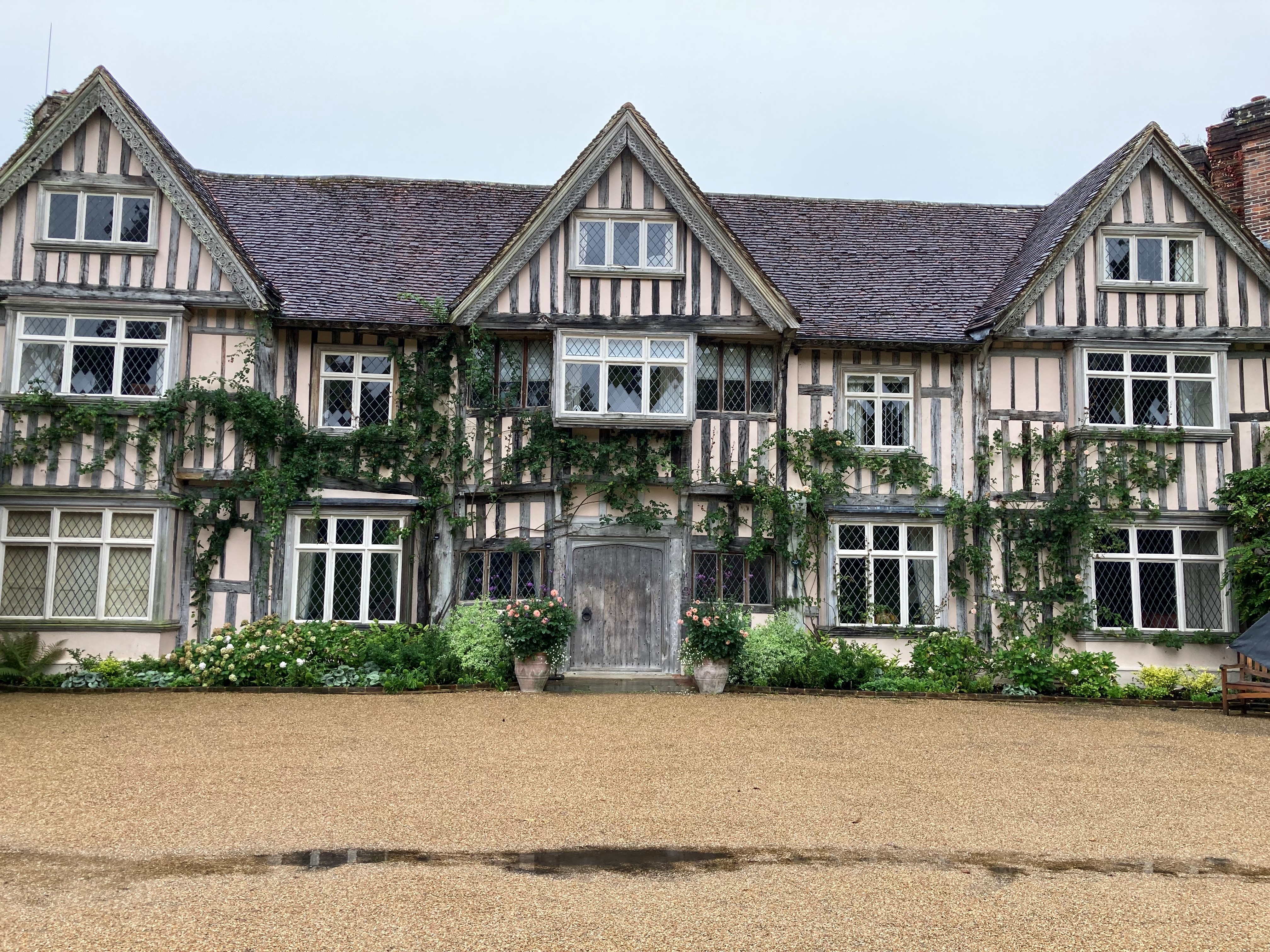
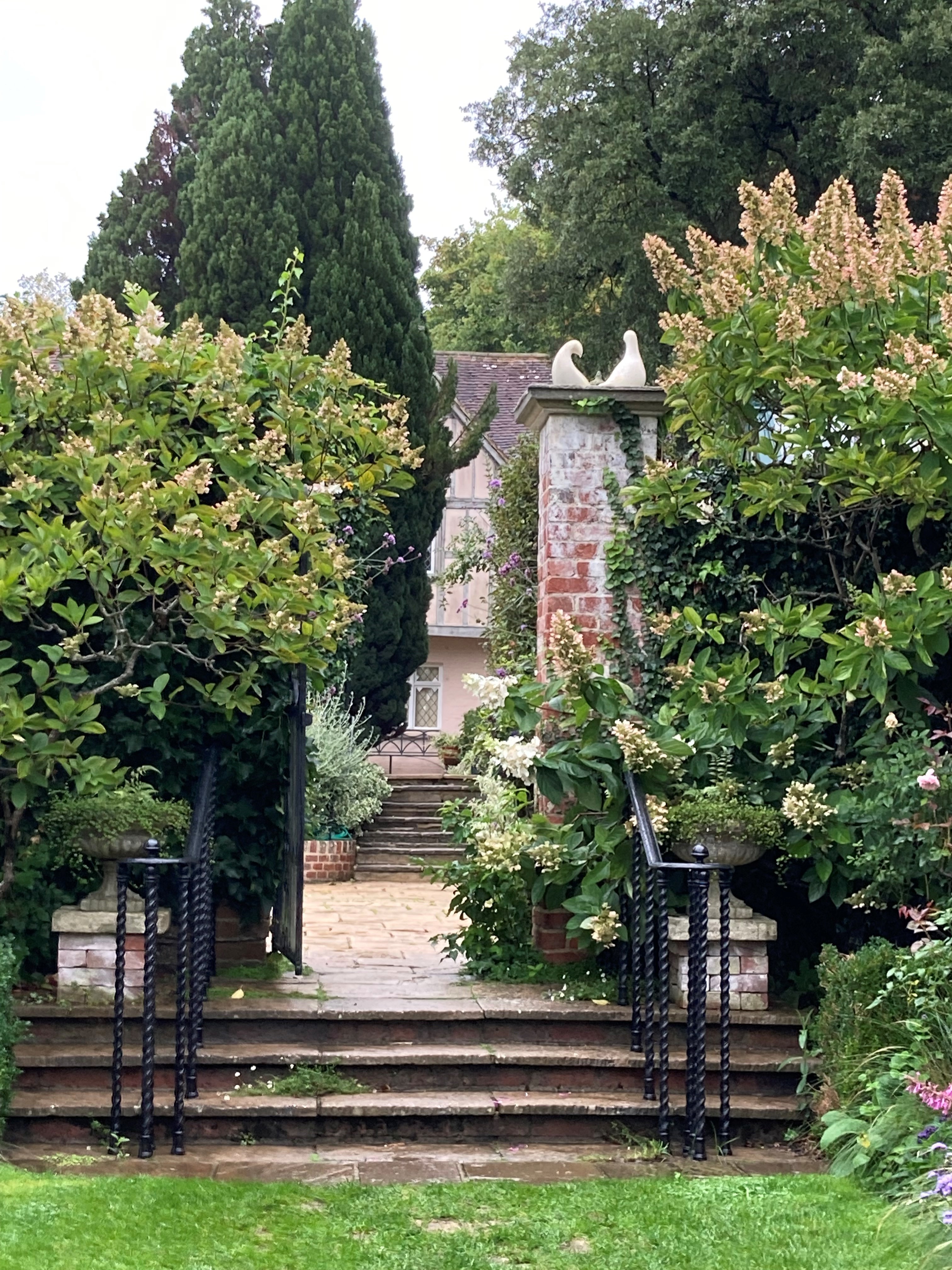
A lovely day was had by all, despite the rain, for our visit to Pashley Manor Gardens, on Wednesday 14 September.  The first wow factor was the magnificent and absolutely huge 500-year-old spreading oak tree that is the same age as the frontage of the Manor House. The second wow factor are the gardens: exquisitely beautiful, divided into several colour-co-ordinated garden ‘rooms’ which lead to the fabulous terrace, with sweeping views of the long borders, lawns, lake (once a moat) and surrounding trees to the countryside beyond. After a refreshing coffee, many joined a half-hour gardener’s dahlia ‘talk and walk’ around sections of the garden’s long borders. I loved the gardens so much that I am aiming to visit again on a sunny day so that I can relax on the terrace and absorb the spirit of the place.

Anna

Perch Hill

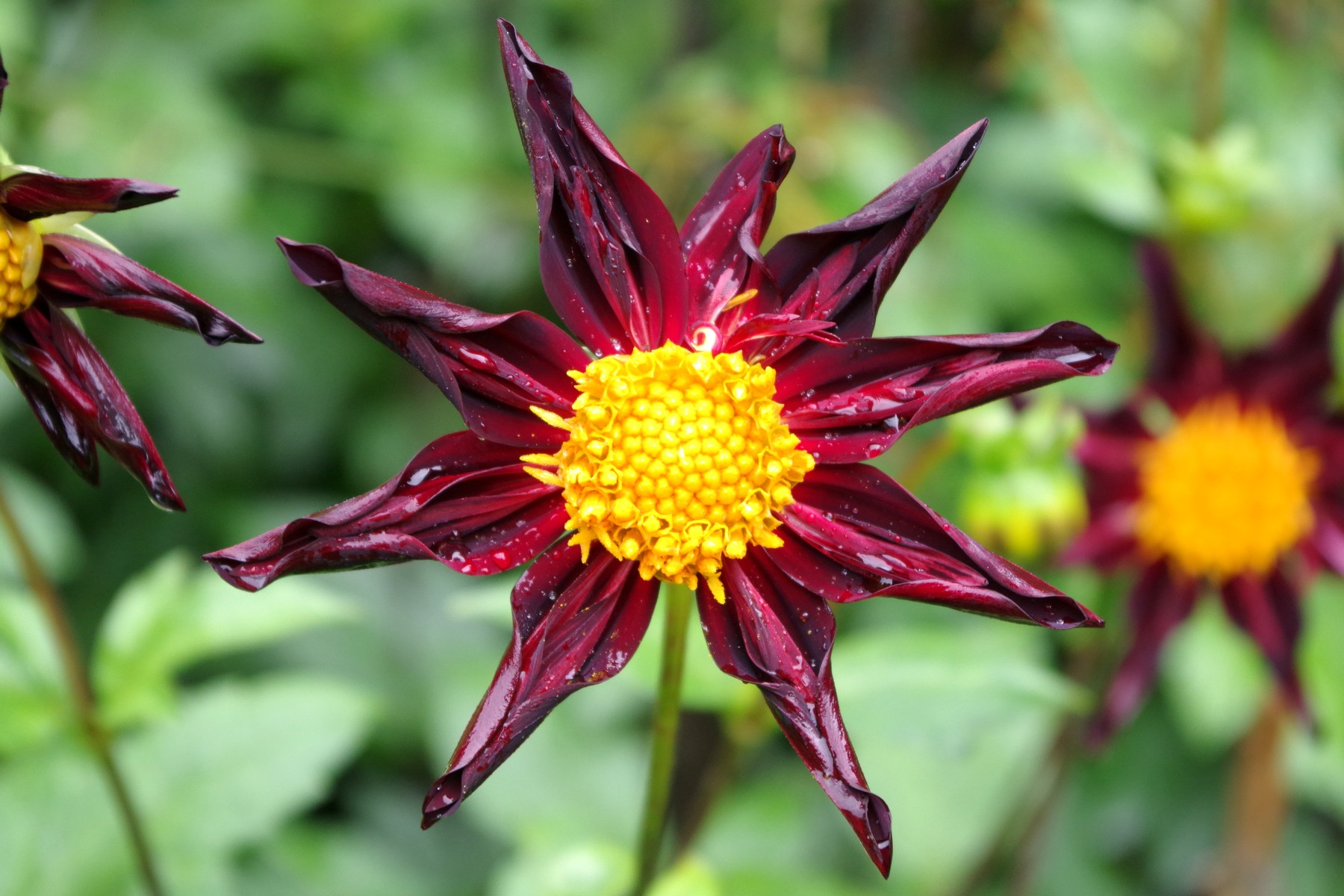
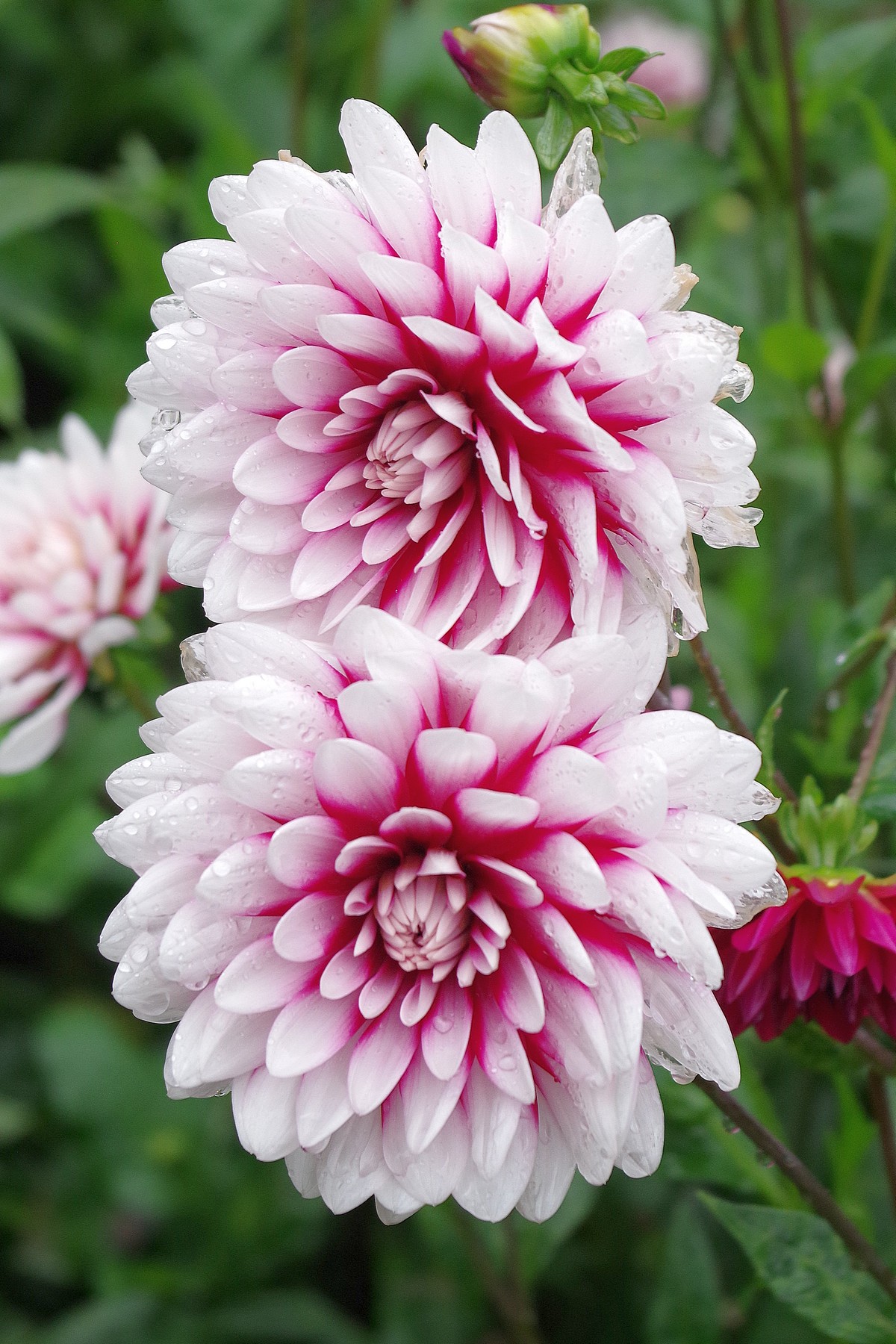
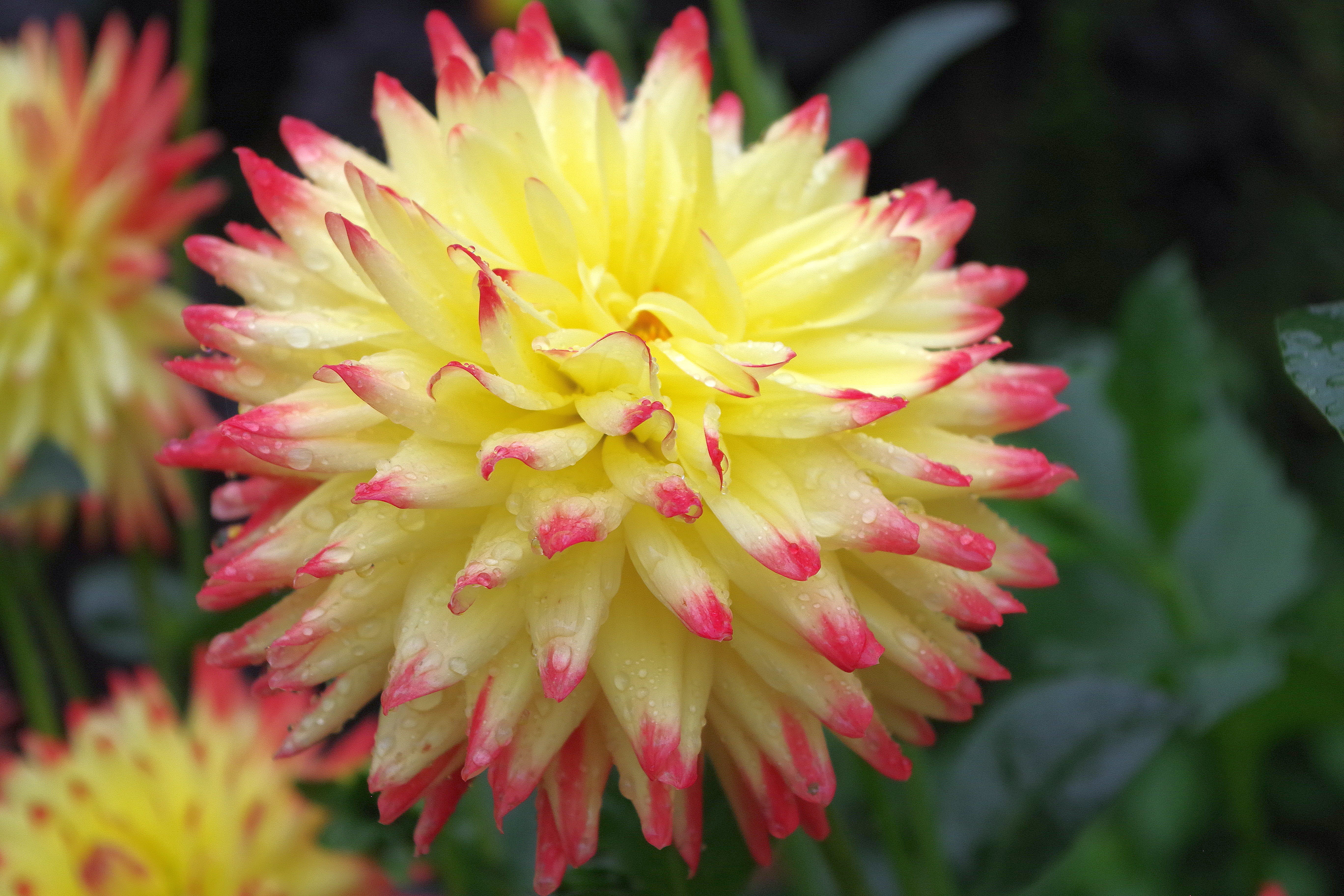
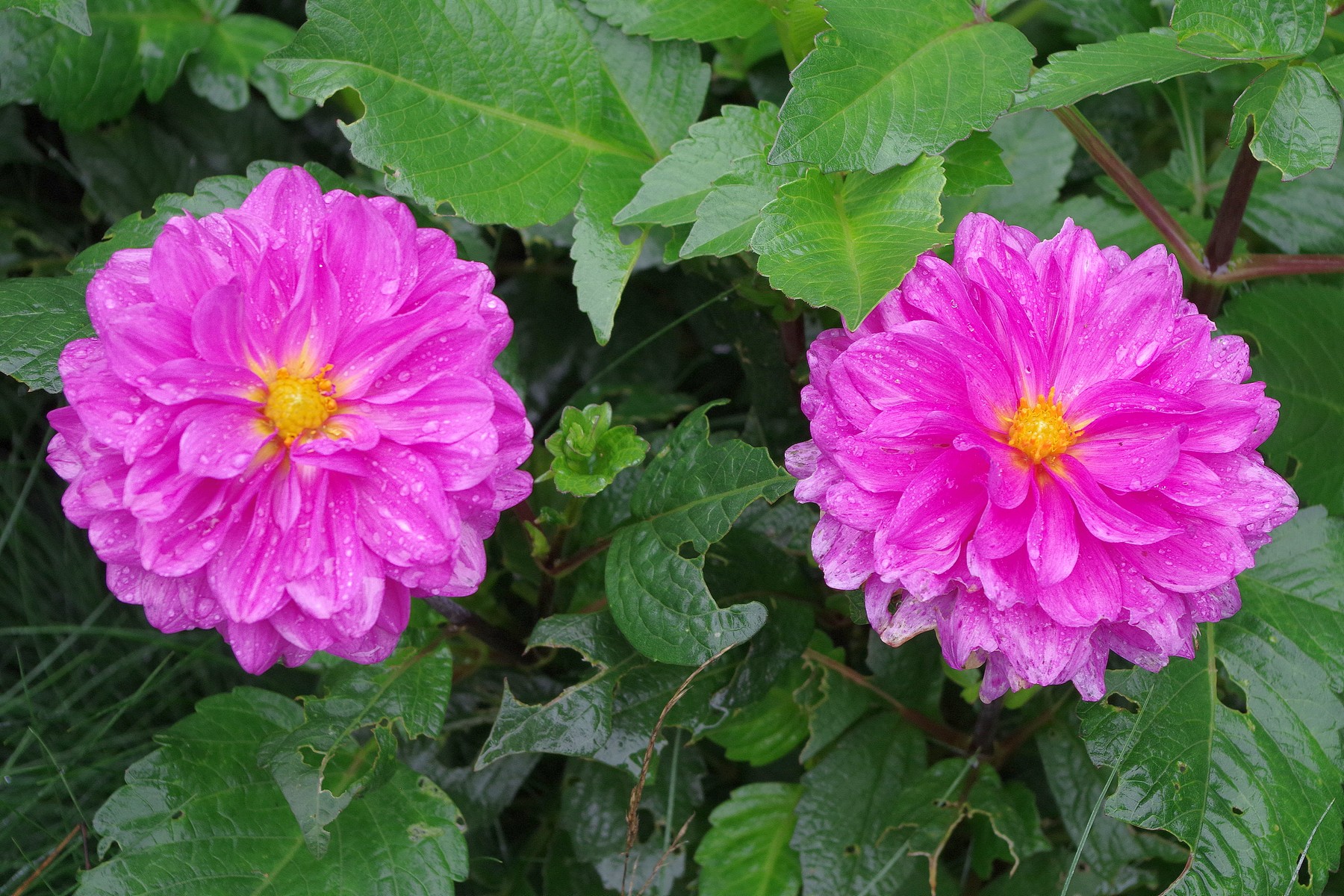
Thinking we would take advantage of the extra days made available for visits to Perch Hill, we chose the one for container planting. However, on the day it was the dahlias that stole the show and which we will remember!

Although rain was not forecast, we arrived to a little bit of a mizzle and a very grey sky – in the photographs this has tended to deaden the exuberant colours. We were knocked out by Penhill Watermelon, Geri Scott and the delicious Apricot Desire, but it would be impossible to choose one favourite out of all the lovely colours. Although some are critical of the Sarah Raven enterprise, there is no question that the gardens are beautifully styled. Of course, plants are labelled so that anything you see you will find on their website, but it is a commercial business. In fact, it is good to find a label so that you can identify what you are looking at! Salvias are everywhere, edging the herbaceous borders, in pots as well as mixed through the beds. These are such versatile plants.

Dahlias at Perch Hill
Continue reading Perch Hill