Members’ gardens, July 2020

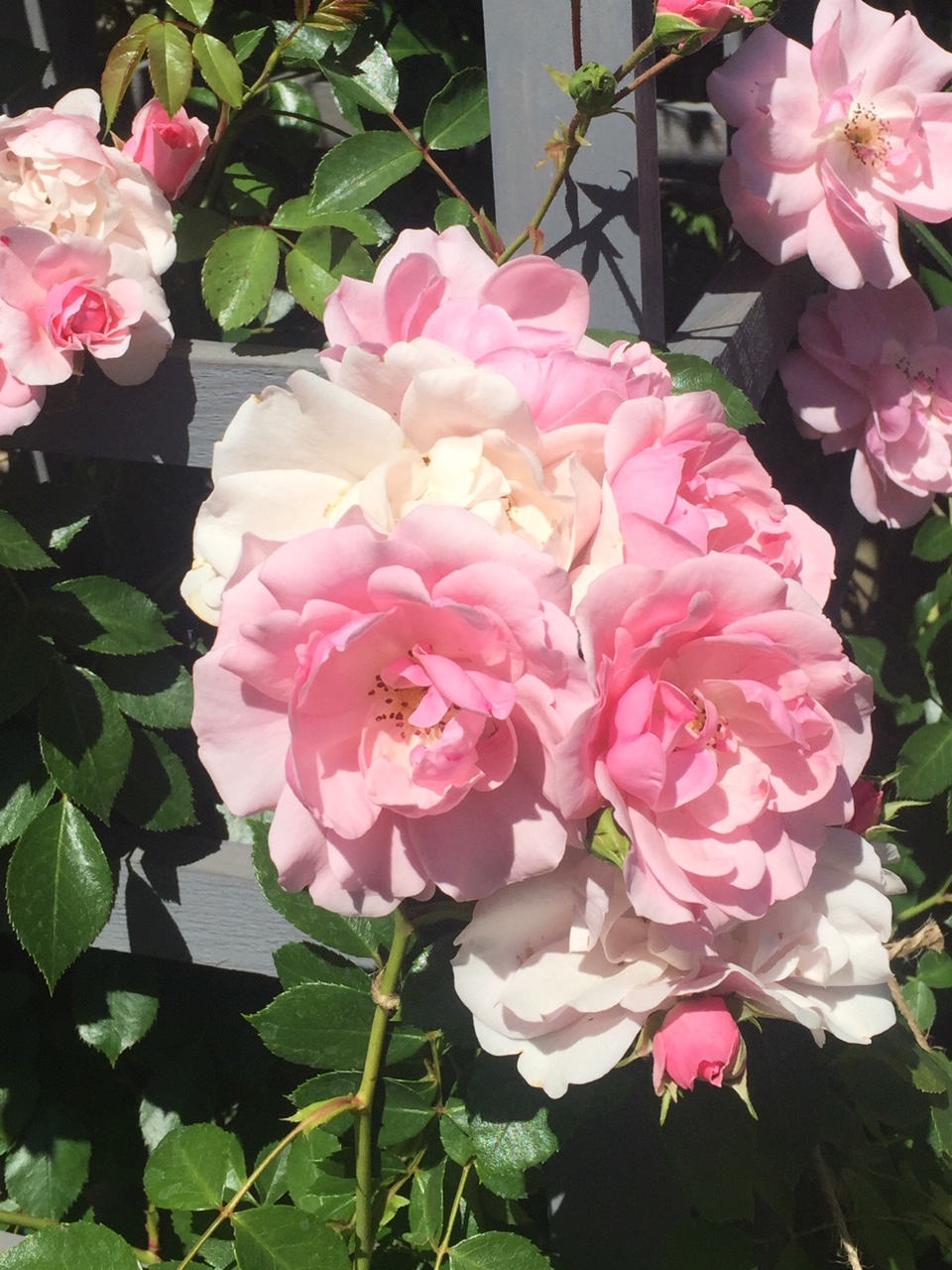
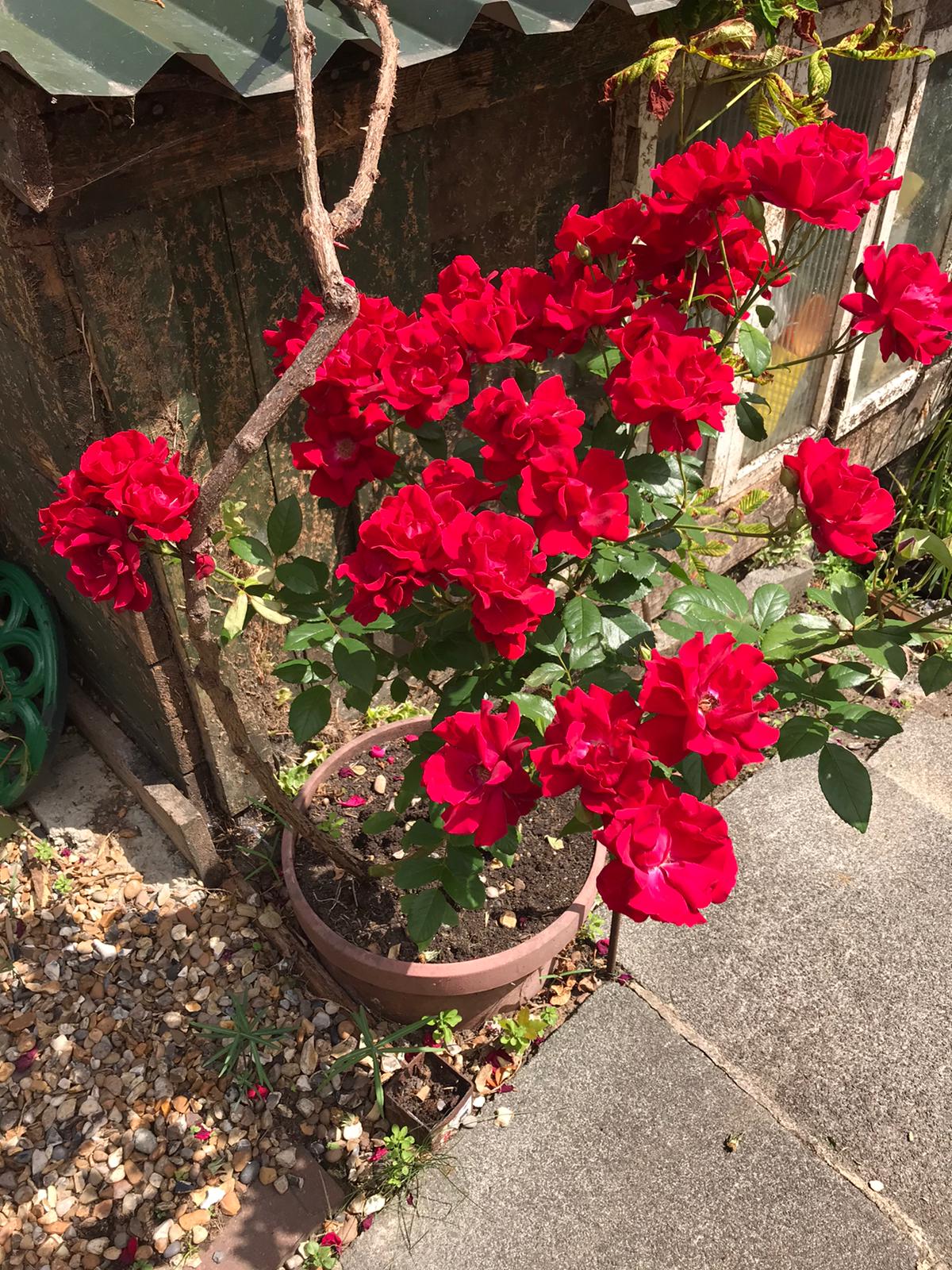
Here is Peter’s rose, he says about 50 rosebuds have come off this one side shoot, which he was going to cut off. Lucky he didn’t then!

PK Rose

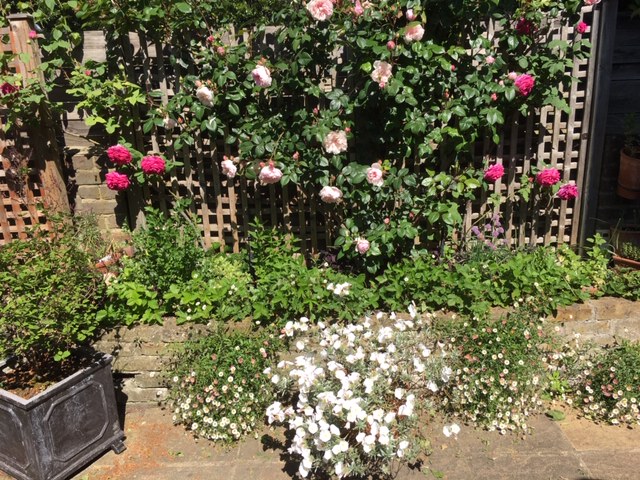
This is Carol’s back garden – a very stylish “White Garden” at this season.

CM Garden

The little plant below is Night Phlox, grown from seed, in Kathy’s garden. The picture at the top is during the day – when you would definitely just pass it by. But at dusk, it absolutely dances and shines out!

KA Night Phlox

Not strictly a members garden, this is in the hedgerow at Vanburgh pits on Blackheath. It is our native Clematis – called Travellers Joy or Old Man’s Beard (because of the fluffy seed heads later on). It is rather beautiful at this time of year.

KA Travellers Joy

My lockdown projects, part 1

The most difficult part of writing this piece was deciding where to start! I vaguely remember something about introducing yourself, your subject and to put it in context, back in the days when I used to write essays.

So, introductions, not me so much as my garden, after all that’s what we are interested in. I moved here just under five years ago, my first garden, a well-established one. Too well established – houseleeks the full length of the path, Japanese anemone and bluebells (Spanish) everywhere in the deep borders. Bracken and a mini forest down the back with two large Camellias and a lilac which is covered in jasmine.

From this description I’m guessing you are thinking that it is quite a large plot. I have a friend who says I acquire enough plants to fill up the grounds of a manor house. I have recently been forced to admit that it might be reaching capacity.  So, my garden is, actually, around 30 feet by 18 feet, with a brick shed in one corner. It is fully south facing and seems not only to have its own micro-climate, but also its own definition of time:  I nip into the garden for 10 minutes and go back indoors an hour later.

Just before lockdown I had ordered some supplies for a gardening project from Wickes. While waiting for the supplies and suddenly finding myself having an unexpected staycation – I brought my Mum (94) to stay with me so that I could ‘shield’ her better – I started on the ‘must get to that’ jobs.

First, I painted the trellis and gate that forms the boundary between my garden and that of my next-door neighbour. I don’t know if you have ever painted trellis which is already in situ, but I can assure you it is not a quick job. Especially when it is 6ft + and you are a touch over 5ft. There are still bits of snagging that need attention which I have managed to ignore so far. 2
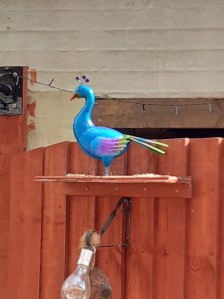
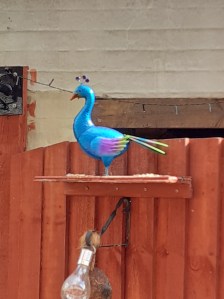
The ‘finishing’ of this project was followed by the completion of a – what turned out to be thoroughly unsuccessful – bird table which I attached to the top of the gate. The wood pigeons throw the seed everywhere, tease the dog and poop on the gate. I no longer put feed on it and have adorned it with a rather splendid peacock instead..
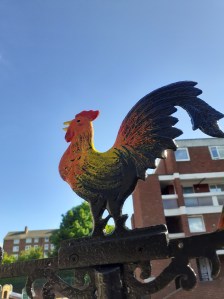
3While I had the paint brushes out I decided to smarten up the weather vane. He was plain black and my neighbour had told me he was getting a bit of rust. I am most chuffed with the result, particularly when he was put back up.

Earlier in the year my Mum’s oldest friend had died, they had known each other for 88 years. I wanted to do something in her memory and that of her older sister who passed a few years ago. The stories that May & Mary would tell you about the three of them and what they got up to during the war were a must-hear!

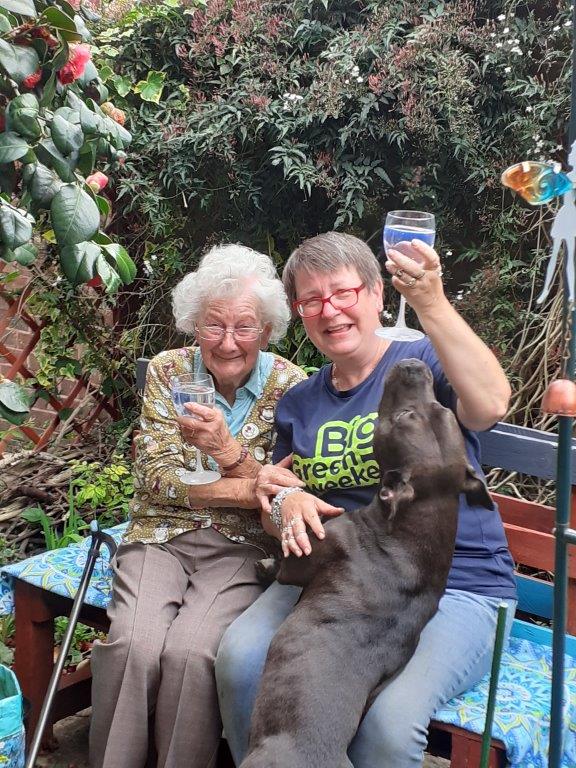
As it was getting close to May’s birthday I decided to dedicate the back of my garden to the sisters. My neighbour made a bench seat which he decided would be the perfect size for my Mum, and I thought it would be ideal for the newly named ‘Mary & May Plaza’. So, painting the bench was my next job. May’s birthday was coming up on 1st May and I wanted the project I had in mind finished so that we could sit there with a G & T (her favourite drink) and have a toast to the two sisters.
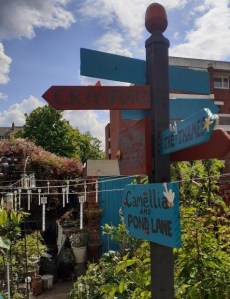
4I set to and started the lengthy process of making a sign post – I  planed the edges from the wooden post, cut and shaped my signs. Painted the whole thing including the wording and the acorn on the top which looked more like an egg and cup in it’s plain wood state.

I am pleased to say that everything was finished and in place for 1st May and we had a, not so quiet, drink to celebrate. Petra, the dog had most of the G & T in the end!
5

More to come on my other Lockdown Projects – a green roof and a pond are just two of them!

Juli
Calming colours

In his gardening column, Allan Jenkins has recently written about the colours he is using in his garden this summer, which he calls ‘candy colours’. He describes petunias and pelargoniums brightly clashing. ‘In these fearful, difficult days it seems I am cheered by childish colours’. By contrast, a friend has said that she is using a lot of white in her garden this summer, which she feels is calming in these uncertain times. I too am using a lot of pastels this summer, mainly in pots, as later in the year the dahlias will be providing bright splashes of colour.

VV Clematis Fleuri and Bijou
Trailing Clematis Fleuri and Bijou in a pot

VVPetunia Lime Green
Petunia Lime Green, and a scented Lupin

Colour is a funny thing as I have written before. Dahlias were considered ‘vulgar’ by some people at one time, but are enjoying a renaissance as they are promoted by Monty Don, Sarah Raven and of course Christopher Lloyd and Fergus Garrett who have been using them to great effect at Great Dixter for many years. Nothing can match that eye-popping brightness of these fabulous plants. CABAHS members, Alex and Joe had some lovely colour clashes in their front garden last year!

But this year, for me, a limited palette will suit. I remember one year at the Chelsea Flower Show the overwhelming impression from a large number of the show gardens was that green was the dominant colour. It was remarkably soothing.

VV Green at Chelsea
Andy Sturgeon’s Chelsea garden, all the greens

Vija

Members’ gardens, June 2020

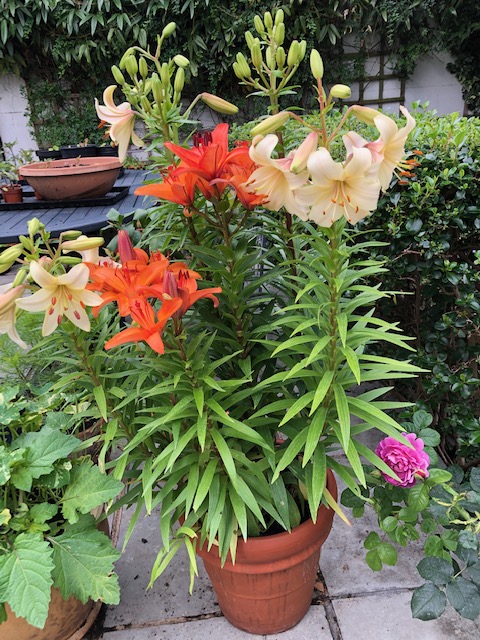
Emma has sent in pics of her lilies doing very well this year and loving the hot weather. Well done for keeping the dreaded lily beetle at bay!

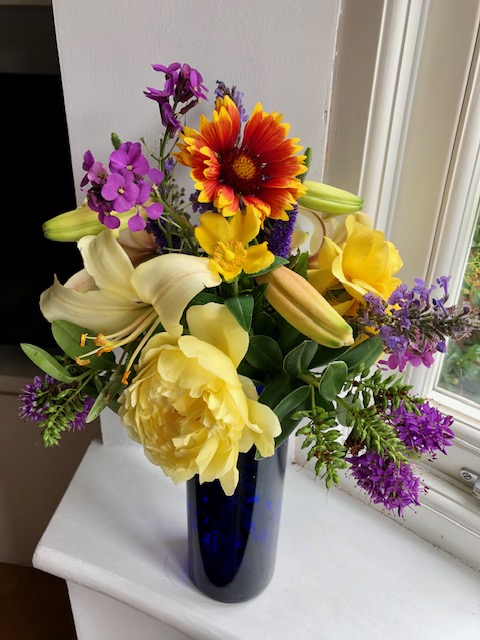
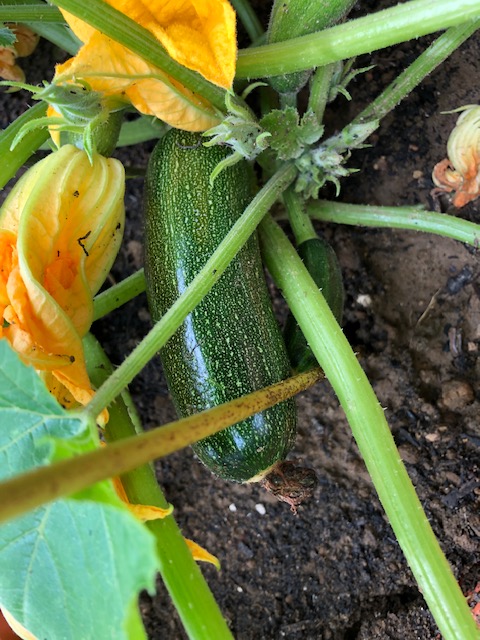
She is also very proud of her first lockdown courgette (and looks like lots more to come) and this vase of colourful home-grown flowers. Beautiful – it would be a good entry for the Summer Show coming up soon!

This rather beautiful caterpillar will turn into a Toadflax Brocade moth. Kathy says: it gave me a turn as I thought it was a box caterpillar at first ( ie Kill on Sight!), but it seems to be reasonably well-behaved and is munching on self-sown common purple toadflax so I have left them in peace.

Linaria catapillar

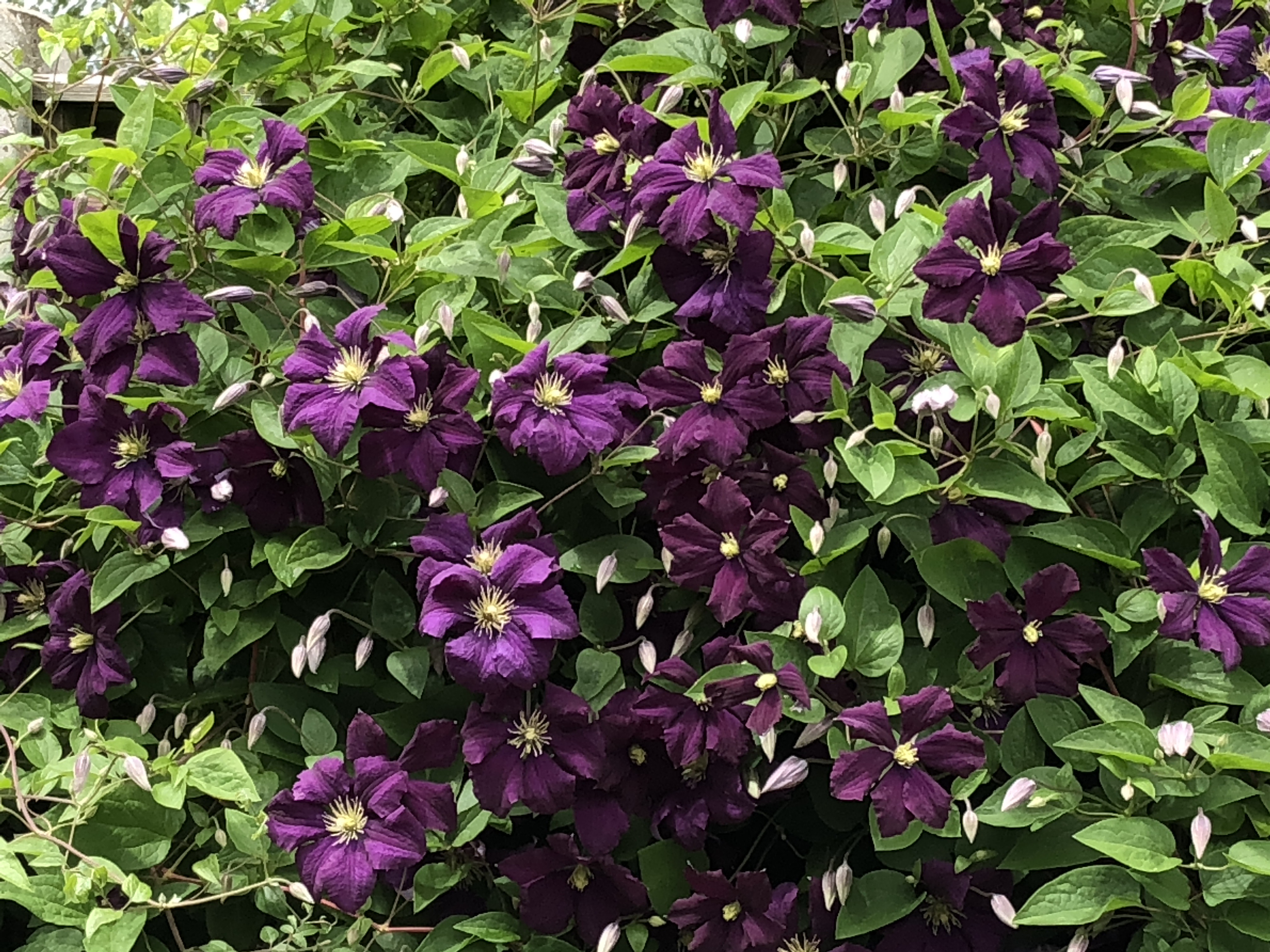
Val bought this clematis half-price from RHS Hyde Hall some year ago. Think she got a bargain!

VW Clematis RHS

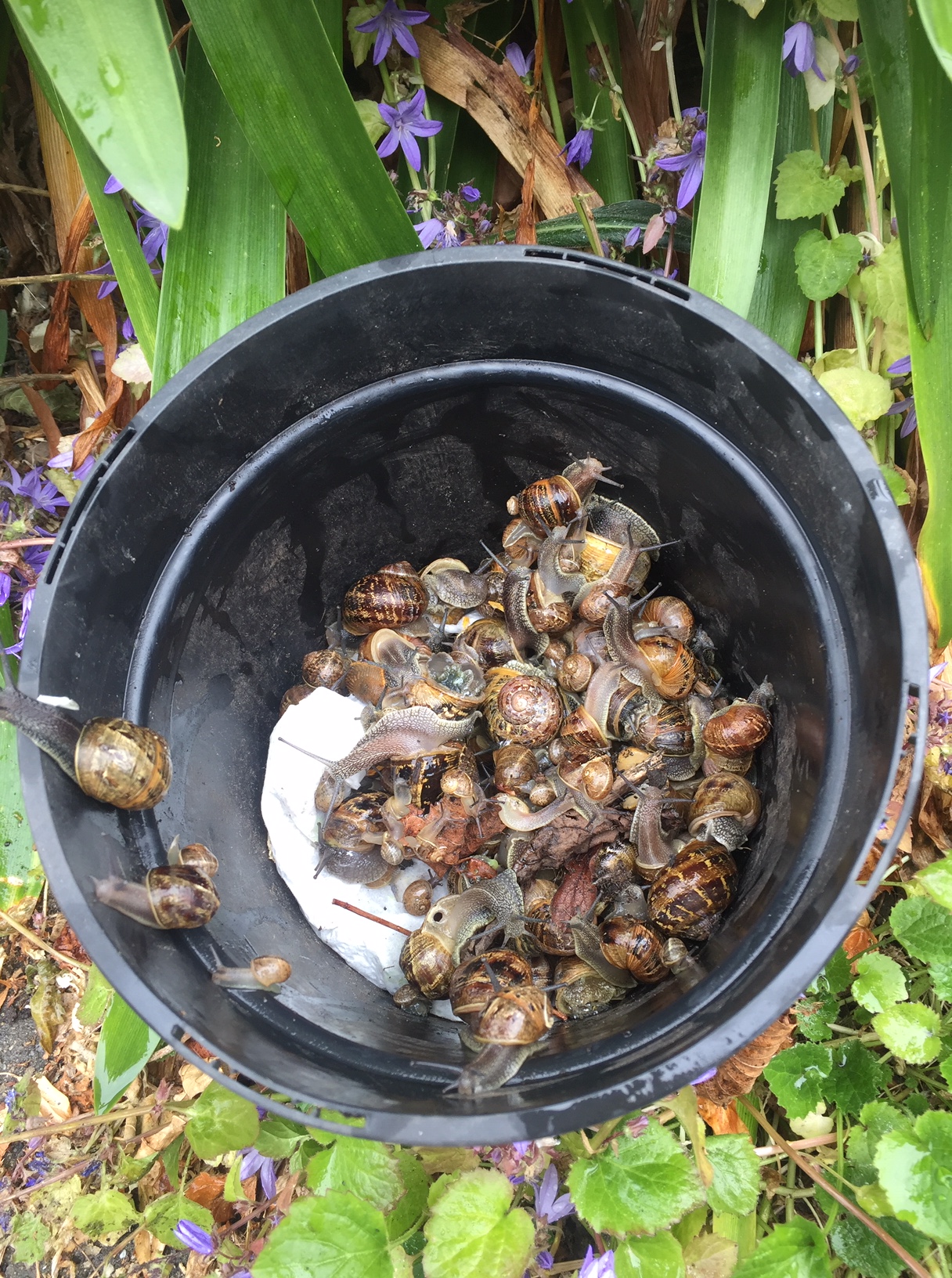
Not everything is coming up roses in every Members Garden.  Kathy is an organic gardener and doesn’t use any pellets.. but is thinking that may change soon. Watch your Agapanthus everyone, the little beasties hide in there!

KA Snails

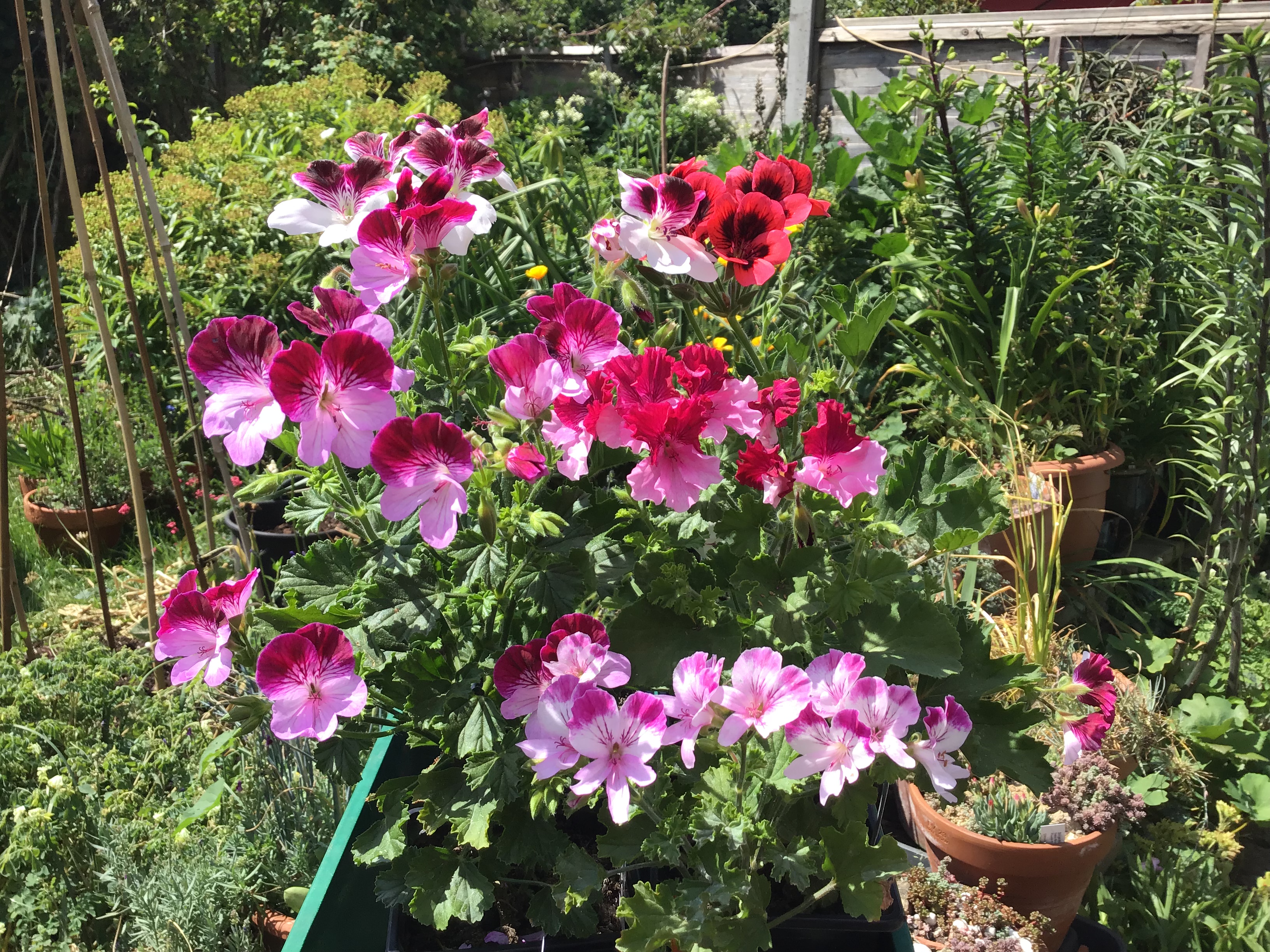
Val and Harry have sent in four pictures of their special plants in June: The first shows off their Pelargonium collection – “Angel” “Decorative” and “Unique”.

image1a

Here is Paeony lactiflora:

image2

Here is a “Lampranthus”, which Val says has for the last five years grown in a basket on the wall. The flowers open white and turn to pink. The plant is watered only when it rains; otherwise, it is ignored!

image3

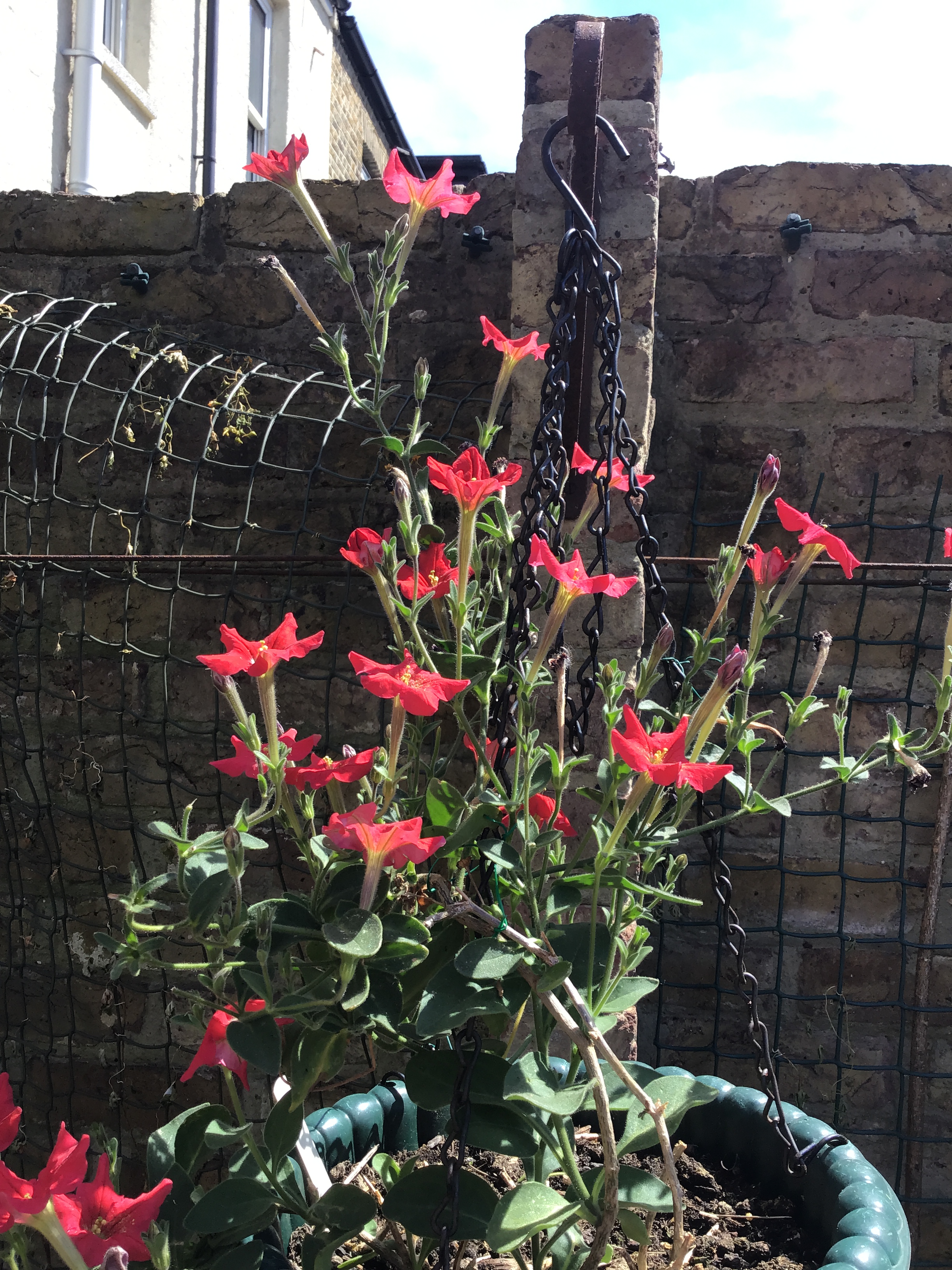
The fourth is Petunia ekserta, a South American plant easily raised from seed. It is winter-hardy in a sheltered dry spot in the garden:

image1

In praise of Salvia ‘Black and Blue’

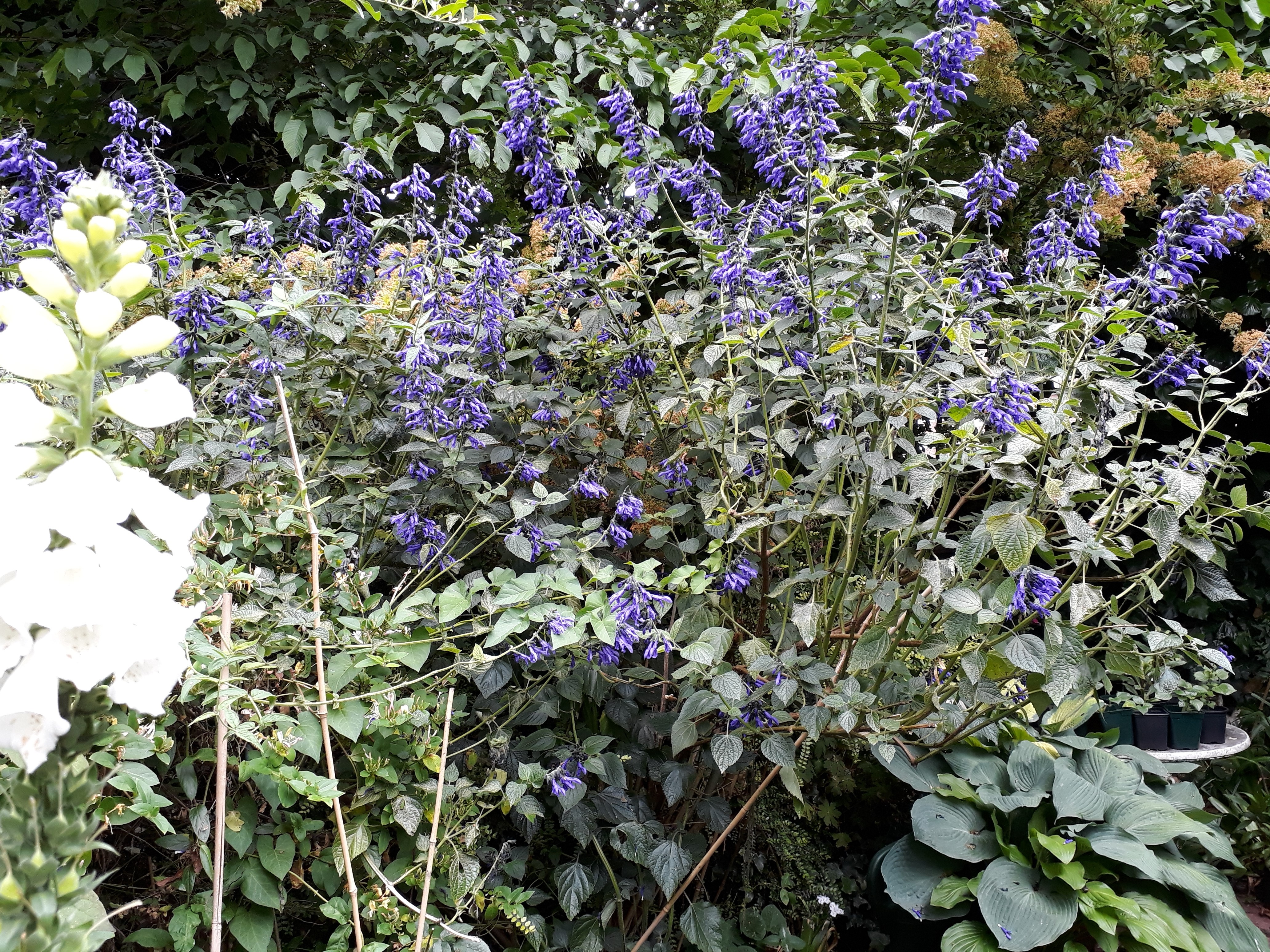
Angela absolutely loves Salvia guarantica Black and Blue. She says “I  have had the main plant for over 2 years. In places it is nearly 7ft tall. It has flowered non stop through out the winter. I took a few cuttings in April. Grew them in water initially (the Terry method!) before potting them up and amazingly one cutting is now in flower!!. If anybody would like one happy to donate. What an amazing plant. It really loves life.”

Anna and Kathy both grow this wonderful plant and recommend it if you have space. It can be tender and might need shelter in a harsh winter, but as Angela has found, cuttings take well as an insurance.

AB Salvia Black and Blue 2

Shout out for self-seeders

I have recently watched two online Lectures from Fergus Garrett. These are replacing the events which had been planned at Great Dixter. More are planned. The second lecture was on the subject of self seeders in the garden. Of course, Great Dixter uses these extensively and it was interesting to see how self seeding is managed by the team there and how much they value the contribution the self seeders make to the herbaceous borders.

I have never planted Valerian, but it pops up in random spots and this year makes a lovely splash of colour combined with Salvia ‘Jezebel’, and a Californian poppy. Forget-me-nots I have to be careful with as they are smotherers. But primroses are a joy (apart from when they get into the lawn). Tanicetum (tansy) and the grass Milium effusum (wood millet) make a lovely splash of colour in late spring and Erigeron karavinskianus (Mexican fleabane) makes itself at home in many inhospitable corners. Although I allow a large number of Pulmonaria (Lungwort) to provide an early food source for bees, these can be a problem if I am not ruthless, so they have to be thinned out when they finish flowering.

Part of my garden includes a gravel path and a number of plants have self seeded there very generously over the years. Many of these I take out and pot on to be used in my own garden, or give away or bring to the sales table. On occasion, this has even included Phlomis and Clematis. Spotting the gems before I tread on them takes care!

In my garden, as in all gardens, there are some plants which seem not to like where they have been planted and have made their way to anothePlume poppyr spot where they feel far more comfortable. I am thinking in particular of the Plume Poppy, Macleaya microcarpa. It has completely ceased to exist in its original spot and is now doing very well a good 5 metres further along the border. In fact, it actually looks better there. Once again, I am reminded of the maxim that plants will grow well if you provide them with the conditions  which they need to succeed. Alternatively, it seems they find these for themselves.
For more Fergus Garrett lectures, see: https://www.greatdixter.co.uk/whats-on/events/online-lectures-2020/ 

Vija

What’s in a name?

Vija’s blog on the garden jobs she finds relaxing made me think about what I enjoy most. I don’t find the action of pricking seedlings out particularly relaxing, but I do love the satisfied feeling once I’ve done it! That’s usually because the poor little babies have been in their first beds far too long and have taken to looking at me accusingly whenever I walk past.

I really enjoy planting seeds in pots, usually done on a grey day, as it creates such bright ideas for the future and dreams of wafting around a Sarah-Raven-like garden paradise. I like to dream.

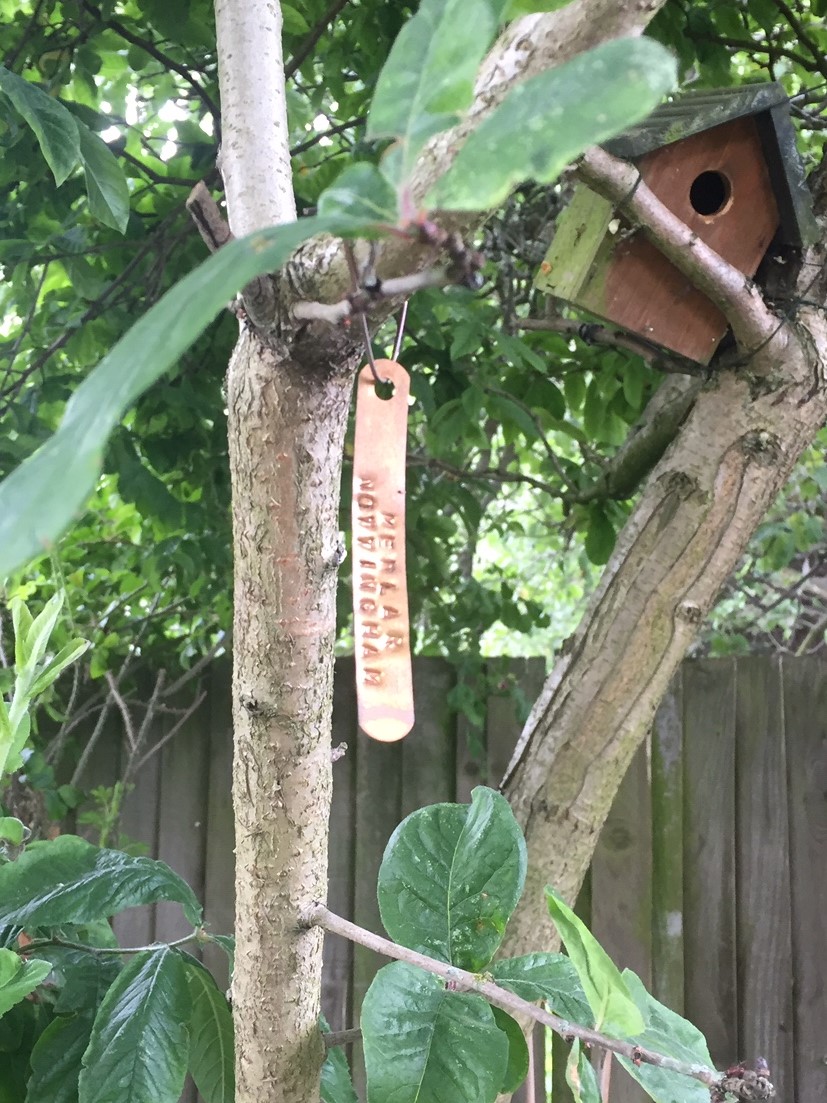
I also enjoy labelling, which might seem a mundane though necessary and useful practice. But the creative variety of labelling ideas is fabulous, have a look at Pinterest sites for examples of gardeners never ending ingenuity. IMG_5562

I have labelled the trees in my garden with strong copper embossed labels, because they need the most permanent ones. I like to fantasise that after I’ve gone, whoever buys our house will find the labels and marvel at the previous owners wonderful tree choices. At the least, it may give them pause before chopping down whatever monster it has grown into!

I don’t buy new plastic labels any more, so some of them are a bit tatty but fine for annuals. I use wooden lolly sticks for seed trays but they don’t last long once planted out as my terrier can’t distinguish between a wooden label and a twig so they tend to wander onto the lawn. This year, as my husband likes woodwork, he has made me lots of sturdy batons which I have painted a trendy Charcoal Grey and written on in White – very “National Trust” and reasonably terrier-proof.

As regards what I write on the label – for the trees I have used both the common and Latin name, for posterity’s sake. But everything else tends to be in my own unique language – often the name my father taught me (so quite possibly wrong or changed according to its DNA by now) but I know what I mean! Alternatively, I label according to a memory or who gave it to me: for instance “Pat’s Tangerine Sage” or “Tina’s Geranium”. My favourite is a large and very beautiful Weigelia, called “Christian’s Bush”, which conjures a lovely memory of my son, then aged 5, charging into our friend Christian’s beautifully symmetrical shrub and snapping a great piece off.  I was embarrassed but  Christian gallantly presented it to me for a cutting and I grew it on successfully!

IMG_5569

Our future house buyer is going to be Googling in vain for all these unusual variety names!

If you have any unusual ideas for labels, let us know! Email cabahshortisoc@gmail.com

Kathy A

Members’ gardens, May 2020

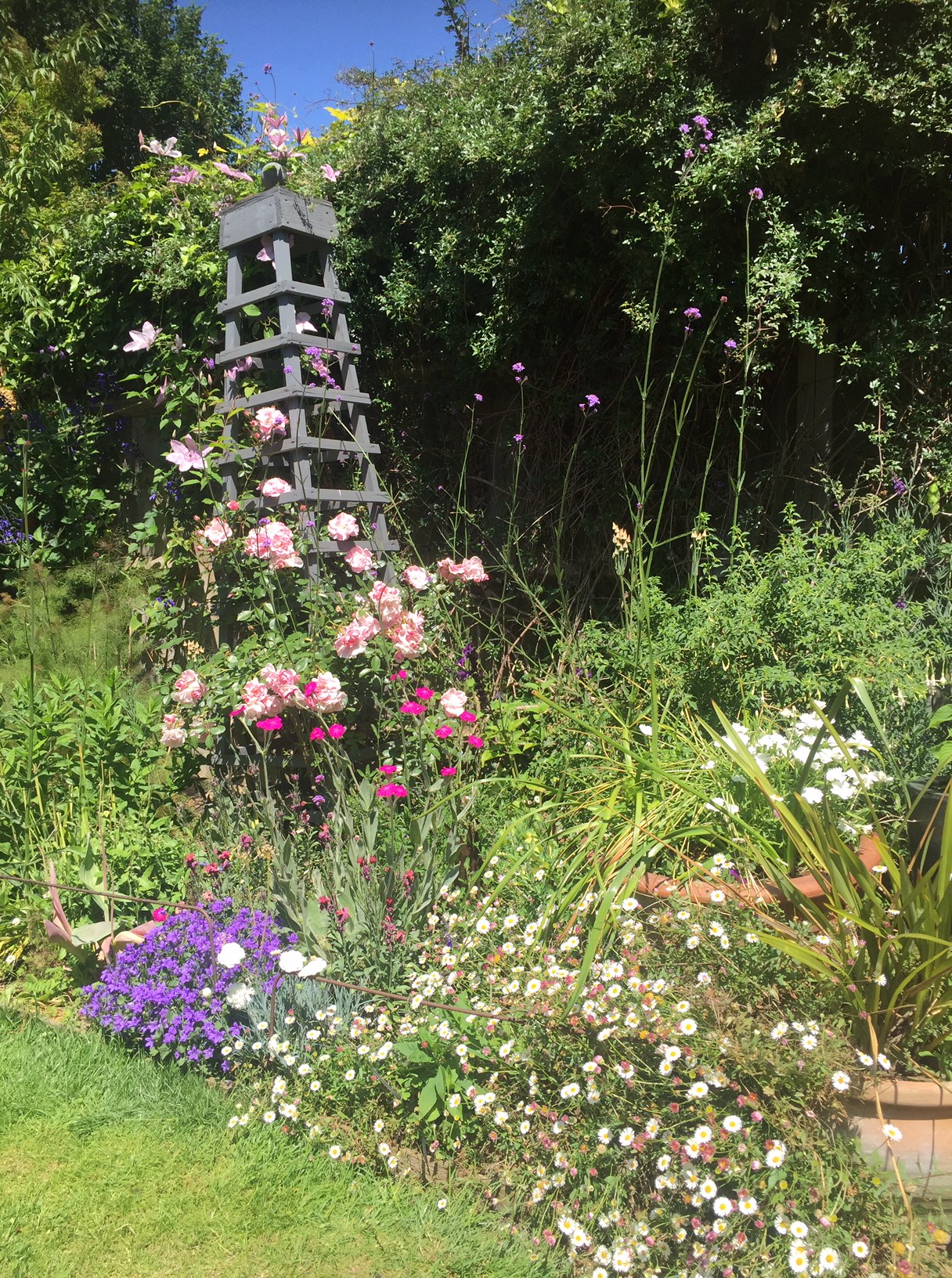
Rosa ‘Bonica’ finally getting into its stride up the obelisk in Kathy’s garden:

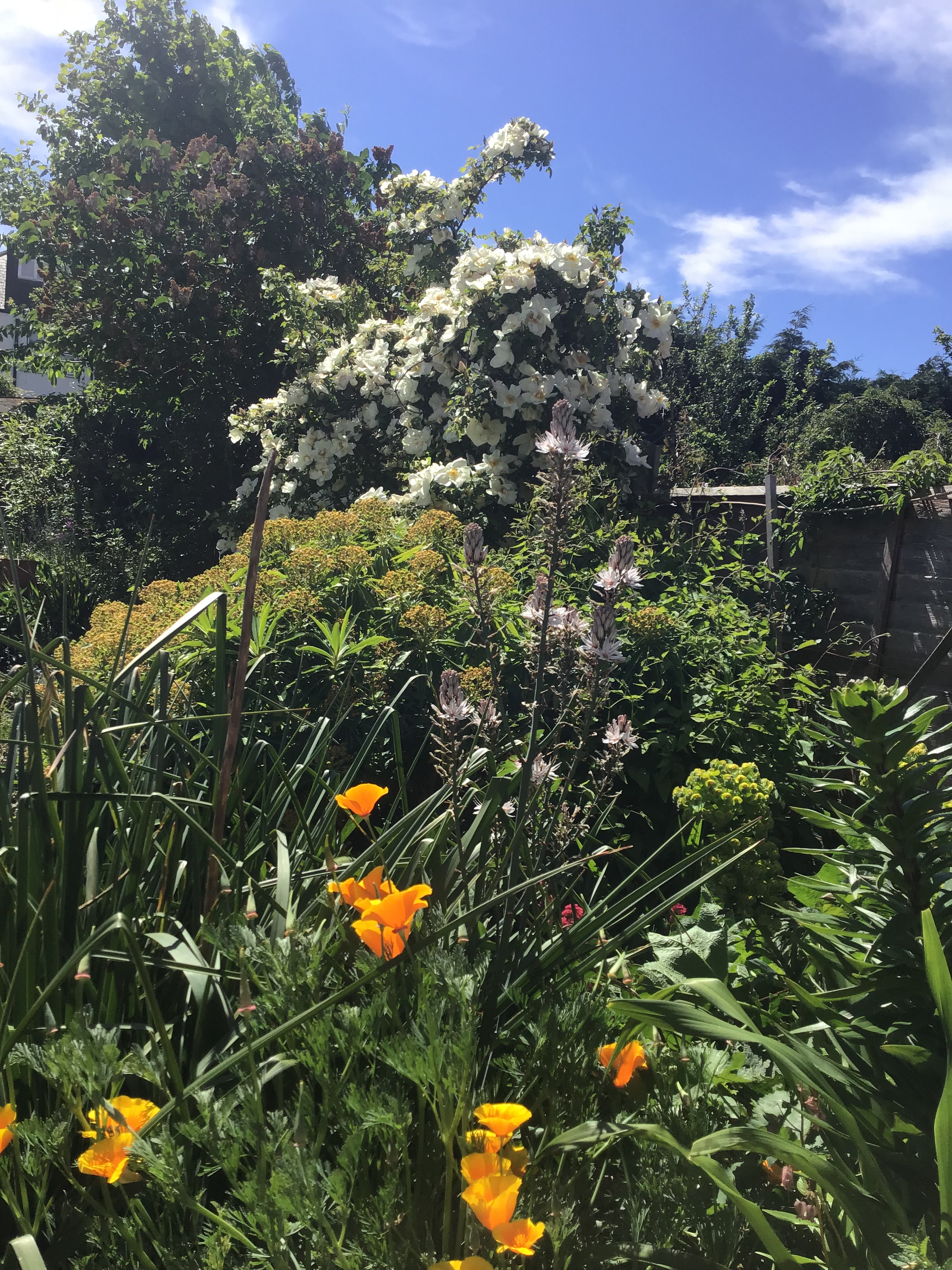
Val & Harry’s garden has a colourful combination of Californian poppies, Asphodelus microcarpus (tall spikes of white flowers), Euphorbia mellifera and, in the background, a rambling white rose in full bloom:

VW Cal Poppies

And just look at this fabulous Abutilon vitifolium, Val says it is from a self-sown seedling fifteen years ago, and now fifteen feet high!

VW Abutilon

Sharon sent in this picture of the peaceful, shady woodland area of her garden. She has written an article explaining how this part of her garden came about: A Neglected Patch

SC Garden 5

Nicolas has sent in three pictures of his garden – first, a Dwarf Chestnut:

NB Dwarf chestnut

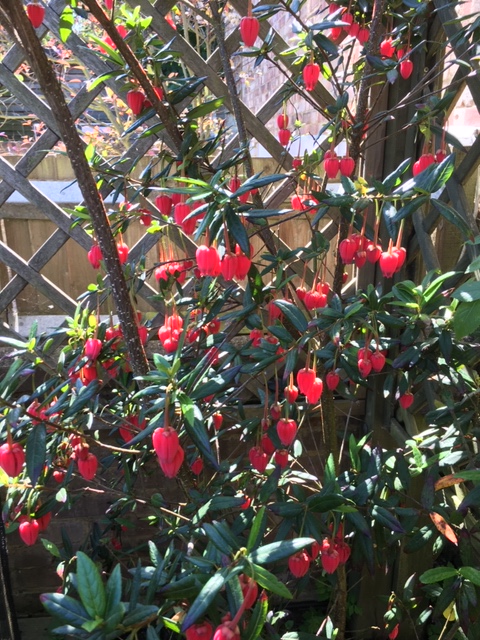
This is his spectacular Chilean Lantern Tree (Crinodendron hookerianum) in full flower:

NB Crinodendron

And a lovely view of the border, with the little Mexican Fleabane (Erigeron karvinskianus) on either side of a Silverbush (Convolvulus cneorum), and the two roses are Mme Isaac Pereire (dark pink) and The Generous Gardener (pale pink).

NB Generous Gardener
JF Bird Feeder

Juli has sent in a follow-up on her April lockdown project of a new bird feeding table. She says “The wood pigeons created havoc and upset the dog.  So, I have now put this fine fellow up there in the hope that there is no longer room for them, so the Great Tit and his fledglings will now get a look-in. The wood pigeons will not miss out as they can return to their previous excellent job of clearing the path and pots of the feeder cast off seeds!” Good luck with that, Juli!

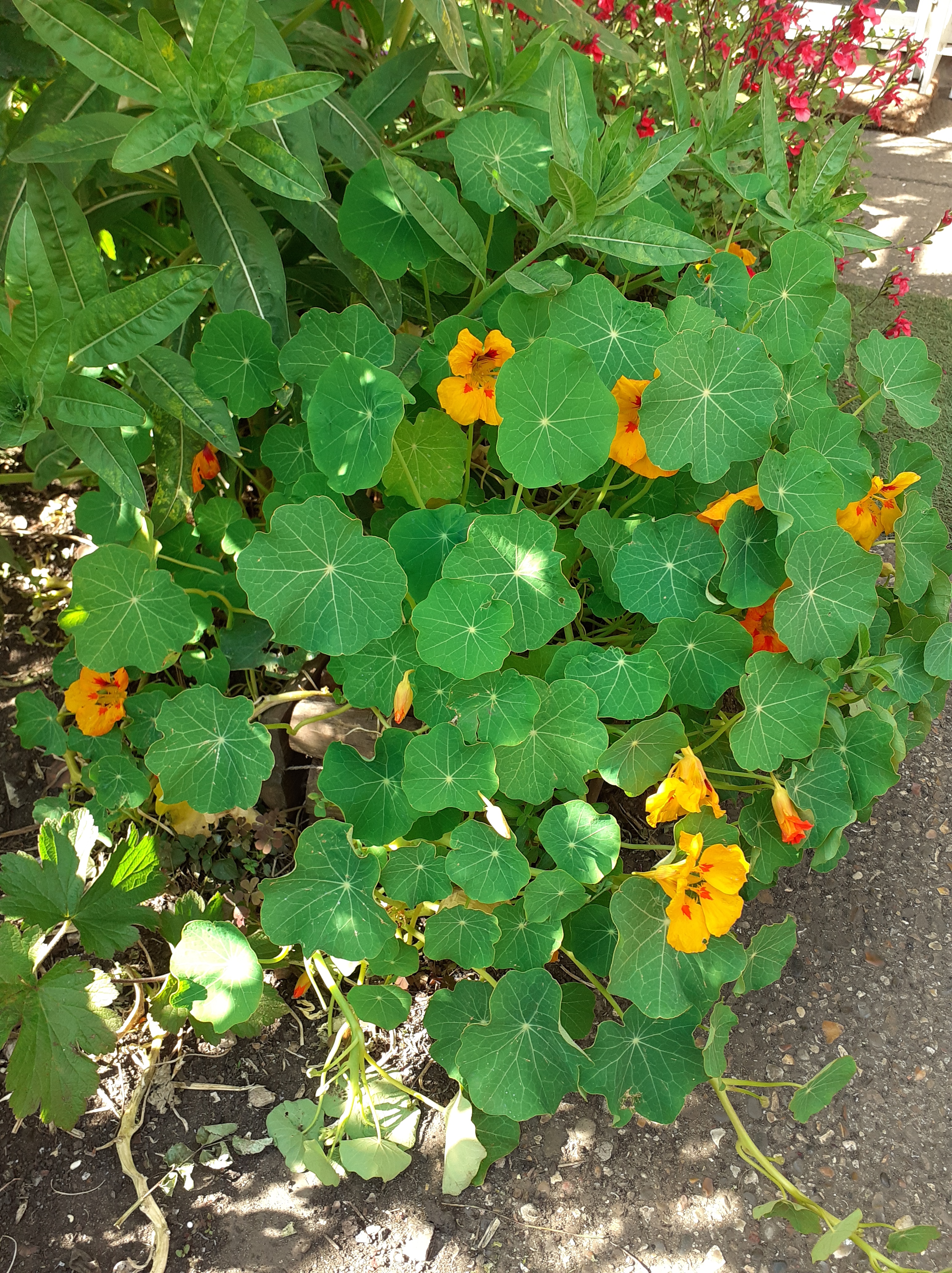
Juli also sent in this picture – it might look like a common Nasturtium, but this is a granddaddy of nasturtiums, it’s 2 years old! Pretty darn good for an annual plant and shows how mild it has been.

JF Nasturtium

A neglected patch

Retirement four years ago. Time stretched, or I thought it would. The bottom of my garden was an area where rubble collected, unwanted household items had been left and bonfires lit. It was in desperate need of a clear up and a change of use although to what I had no ideas. Nettles and weeds thrived and tall trees belonging to neighbours and the MOD who own the land at the back ensured there was shade for most of the day apart from an hour or so. One year on it remained untouched as there proved too many fun things to do.
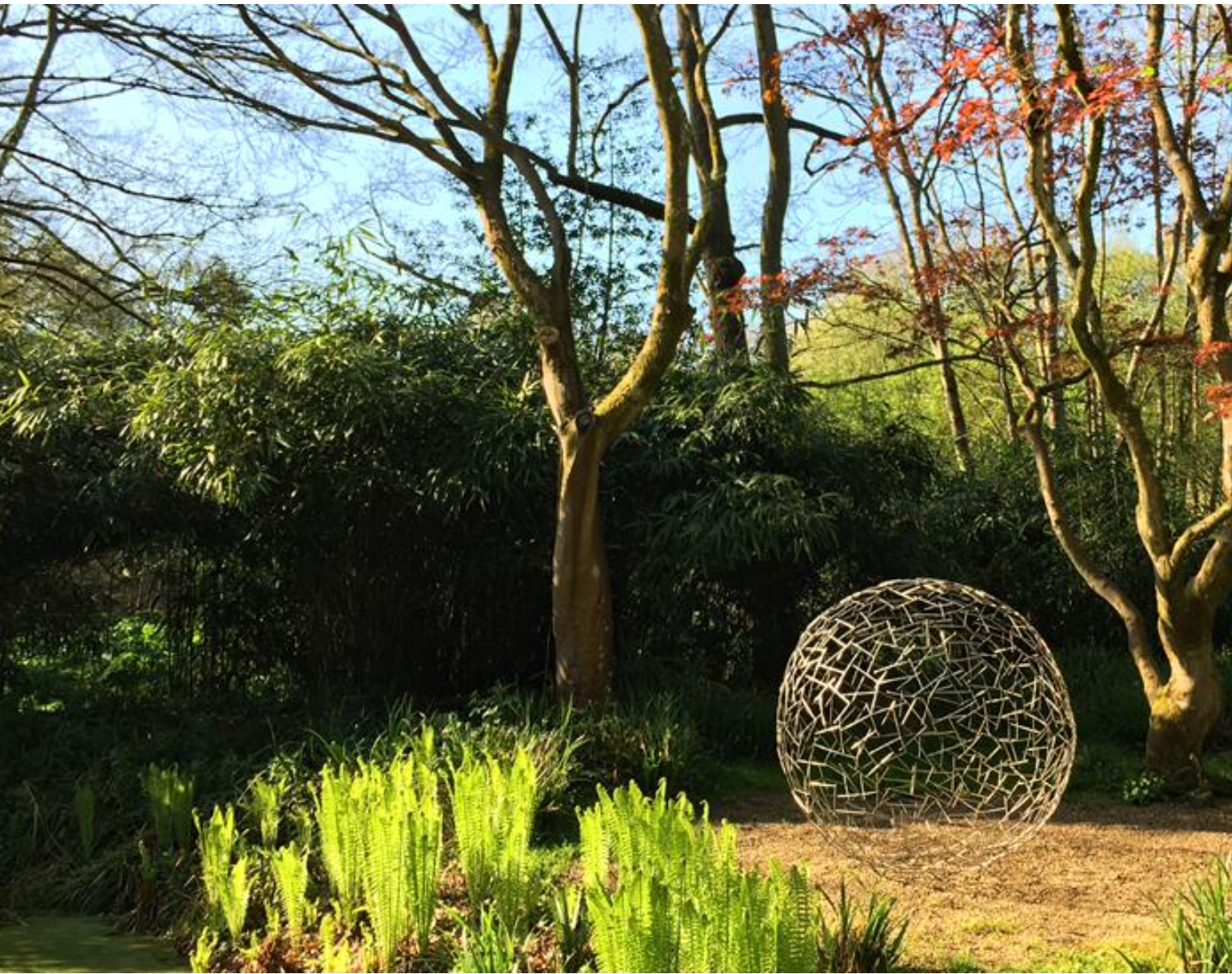
A visit to the Hannah Peschar Sculpture Garden in Surrey spurred me on to make a start.
SC Hannah Peschar
Much of this magical woodland garden is in shade and shuttlecock ferns were in abundance. I loved their structure and vibrant green. I had not grown ferns before and felt that they at least may like my shady patch. The hard work began.
Picking up the obvious rubbish, carrying it up the garden, through the house, up a steep flight of stairs, into the car, onto the recycling centre – halcyon days! – was just the beginning. When I dug into the ground, I realised there were layers of broken bricks and glass underneath. It was heavy labour and took weeks to clear. The reverse journey, but now from the garden centre, brought in bags of compost, rotted horse manure and chipped bark.
I had no particular vision of the final outcome but by now just wanted to plant something. Half of the area had been dug over. Ferns along with a few other shade tolerant plants such as astrantia and hardy geraniums were planted.
SC Garden 1
By June 2018 I had dug up the remaining rubble and added more plants – foxgloves, aquilegia, thalictrum delavayi to give height and the nettles were left for butterfly eggs. Other wildflower/ plants that had found there way in and settled were allowed to remain as good for pollinators. I now have a large clump of greater stitchwort (also known as gentlemans shirt buttons – love that name) and cow parsley. Hellebores were put in later that year.
SC Garden 2
Bronze fennel was planted last year which grew to such a height it needed staking. I found an obelisk which does the trick. As the area is fairly bare in early spring, I had put in loads of aconite bulbs. None of these survived as the local squirrels found them irresistible. A few English bluebells and snowdrops did grow and more will be planted in Autumn.

Time stretches now. I sit and enjoy watching bees, early butterflies, neighbouring cats, toads, ignoring the gaping holes where the fox has squashed the gentlemens’ shirt buttons and hoping the hedgehog recently spotted in a garden two doors away will wander into mine.
SC Garden 5

SC Garden Hogg

Sharon

Gardening for health

Monty Don has always been a keen exponent of the health benefits of gardening, in particular its effect on the not so quiet mind. I have recently read that some hospitals have introduced ‘secret gardens’ where patients recovering from the Coronovirus are taken for periods every day, even in drizzling rain, for the beneficial effects. And, of course, this week it is Gardens and Health Week, sponsored by the NGS with Rachel de Thame as its Ambassador. The NGS website has various links to the personal stories of people for whom gardens have played a vital role in their recovery.

V May blog 1

Also recently published is Sue Stuart-Smith’s (wife of the garden designer Tom Stuart-Smith) book, ‘The Well Gardened Mind: Rediscovering Nature in the Modern World’, in which she points out the pleasures of growing and nurturing things and argues for a ‘greening’ of all of our lives.

Despite exhortations to sit and enjoy our gardens, I think keen gardeners often don’t do that! But this spring there has been one thing that has brought me joy every time I look at it! In the autumn I bought a collection of ‘ tulips for a window box’. When it came to planting them, I decided the window box was too small, so I jammed  them all into a pot. The three varieties are absolute beauties and even now they are fading are still immensely lovely.

V May blog 2

I rarely sit outside,  but I am greeted by them every morning when I have breakfast.

At the end of my garden I have a Clematis ‘Freckles’ which flowered constantly through the winter. However, I only saw this when I ventured further down the garden. I have resolved to plant something which gives me such pleasure closer to the house where I can see it even in inclement weather. In these unusual and difficult times, let us take pleasure where we can.

The tulips are Double Early and Double Lates: Anthracite, Copper Image and Dream Touch.

Vija

Pond life

There is something very soothing to the soul to live near water, and if you can’t get a sea view in London then at least you can sit by a pond. (By this I mean a wildlife pond, not some unnatural Koi fishpond, you won’t get much wildlife around that!)  I grew up with a mother who was a primary school teacher and every Spring we had to go frog spawn hunting so that she could teach the cycle of life to a new generation of pupils. It’s actually a rather horrid lesson, when you think of the thousands of tadpoles and how many actually make it to Froghood. Everything eats tadpoles! I used to spend my days trying to save them from newts and blackbirds etc., only to find they did something stupid like sunbathe on a lily leaf until they frizzled up.

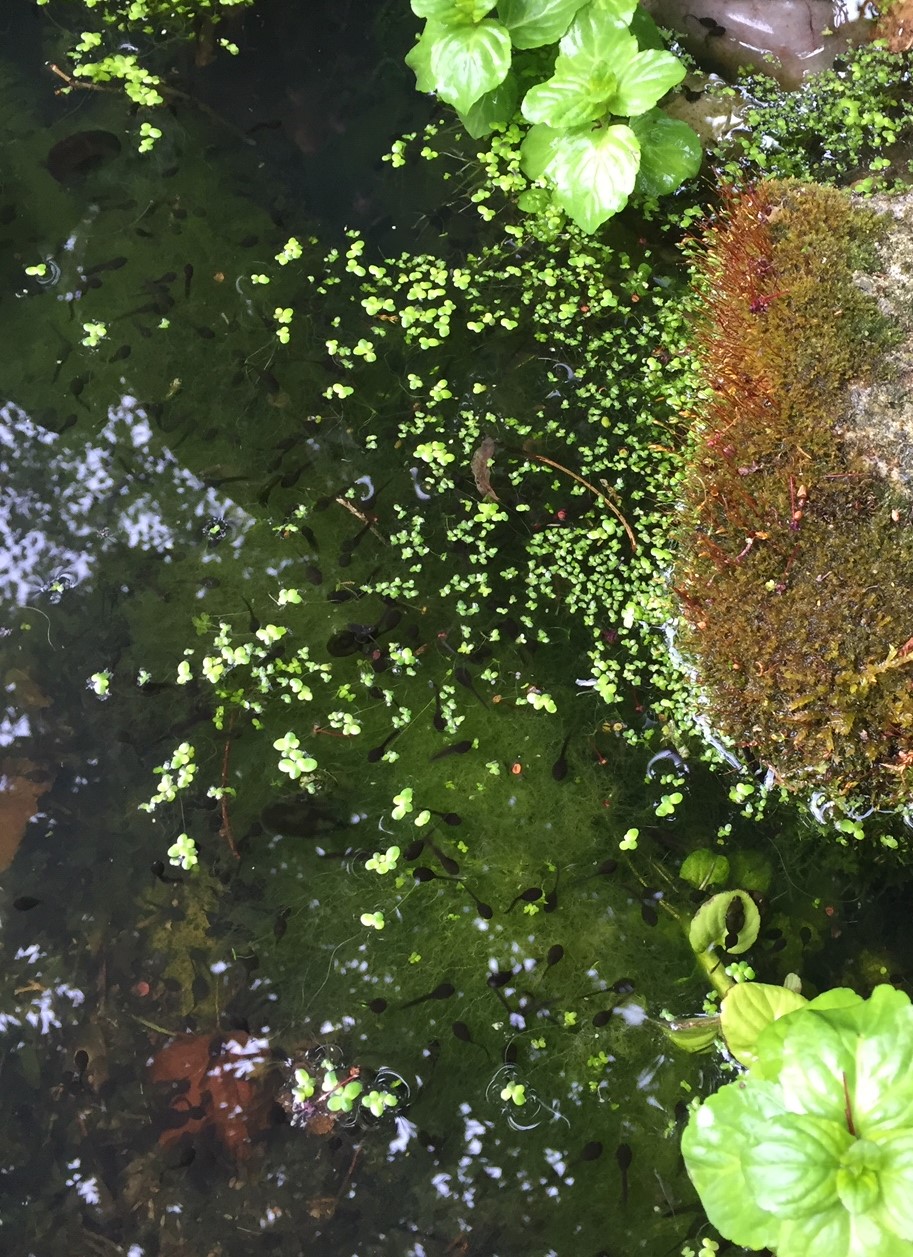
Pond Tadpoles

Hooking duckweed etc out of my pond was a lengthy process as I had to help each little black blob back into the water. I have great respect for Gardeners World and Monty, but he’s absolutely wrong when he says to just “leave the weeds on the side of the pond for a while and the creatures will crawl back in”. They jolly well don’t, and you go back to find these poor little Ramshorn snails and water slaters gasping away on the bank, or worse, idiotically crawling away  from the pond. The only things that seem to be able to wriggle back in are leeches and diving beetle larvae (– which also eat tadpoles…).


Anyway, I am now older and wiser, or perhaps just have better things to do. We have so many toads and frogs that come back to our 30 year old pond every year that it has dawned on me nature carries on working without needing my help. I do still net the pond at mating time when the Heron and Crows come down for party snacks, and I don’t mow near the pond in July when the froglets are leaving to make their way in the Big Wide World, after one traumatic year.. It seems to work!

Apparently 1 in 7 of us now have a garden pond, which act as a network for wildlife since so many agricultural ones have gone. Our recent survey of CABAHS members showed that 32% have a pond, so we are much better than the average! Apparently in 1890 there were 1.25 million ponds in the UK, a mix of natural ponds and dew ponds created by farmers for livestock. About 70% of those have been lost or are polluted with fertiliser and pesticide run-off. Or salty runoff from de-icing the roads. So garden wildlife ponds are increasingly important, not to mention a whole lot of fun!

Here are some pictures of mine, trying to turn itself into a bog garden at this time of year, but very full of life.

pond

Kathy A