Stella’s Scottish odyssey

The week didn’t start well. The train was delayed at King’s Cross and then got stuck behind a freight service so was an hour and a half late into Edinburgh. The visits, next day, to two lovely gardens near Peebles, about three quarters of an hour south west from the city more than made up. The Royal Botanic Gardens Edinburgh took responsibility for Dawyck in the 1970s. The gardens of this country estate are renown for their woodland areas and spectacular plantings of rhododendrons and azelas. All tastes in colours are catered for: from deep reds and oranges to more subtle whites and mauves. There are also areas covered in beautiful blue Meconopsis. A former owner, Sir John Naesmith was a patron of the plant-hunter, David Douglas (1799-1834) and there are splendid examples of his fir here as well as some impressive redwoods.

Dawyck Botanic Gardens

While we were in the area we decided to call in at Kailzie Gardens which are undergoing significant development. Their glasshouses were one of the first installed in the 1860s by the famous Scottish firm of Mackenzie and Moncur. We were fascinated to read about the restoration which involves much linseed oil to ensure the wood-framed structures last for another century and a half at least! The gardens themselves provide a peaceful but colourful sanctuary with herbaceous borders to inspire and walks with views of the lovely countryside beyond. We finished our outings with tea in a stylish courtyard café.

Continue reading Stella’s Scottish odyssey

Visit to Community Garden in Open Gardens Festival 2023

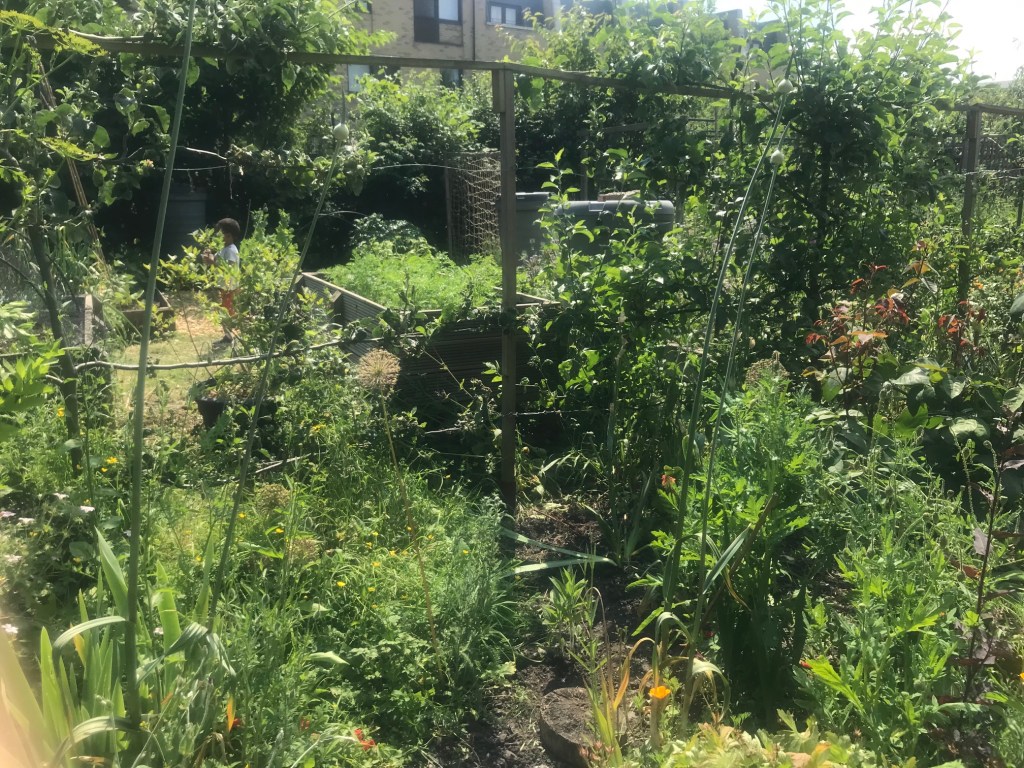
Given the hot weather for this year’s Festival and that this is our third, we focused on Gardens we haven’t seen before. So this afternoon we set off to Christchurch School Community Garden to see what was going on there. And we were pleased. It demonstrates what can be done with a pocket of land, off a busy main road, with some funding and lots of enthusiasm and knowledge – and effort. The description on the Festival brochure referred to raised beds for food crops, a community orchard, ornamental borders, a Forest School and a covered meeting hub. They also have a hugelkultur bed, a bee hive, a wildlife pond – and they were selling goji berry plants!

Continue reading Visit to Community Garden in Open Gardens Festival 2023

Never say ‘Never’

A few years ago I cleared out my greenhouse following the losses of the winter and dumped in my compost the remains of pelargoniums and other dead items. It’s always a little sad to lose much loved plants which have given you their best. I then had some fun ordering new plants to replace the old ones (and some others!). A couple of weeks later, I found several of my ‘dead’ pelargoniums lying in the compost and sprouting new shoots from the roots. Of course, I swiftly took them out and potted them up to achieve lovely healthy plants. I am now a little less impatient to discard anything that looks dead.

Continue reading Never say ‘Never’

A visit to Perch Hill

A few weeks back Vija and I went to one of the open days at Sarah Raven’s farm Perch Hill in East Sussex. The preceding evening had seen torrential rain and an email arrived on the morning of the visit warning people of the muddy conditions and that a four wheel drive was essential. And they weren’t exaggerating… the field we were to park in was a mud slide with a tractor towing cars out of the mud! 


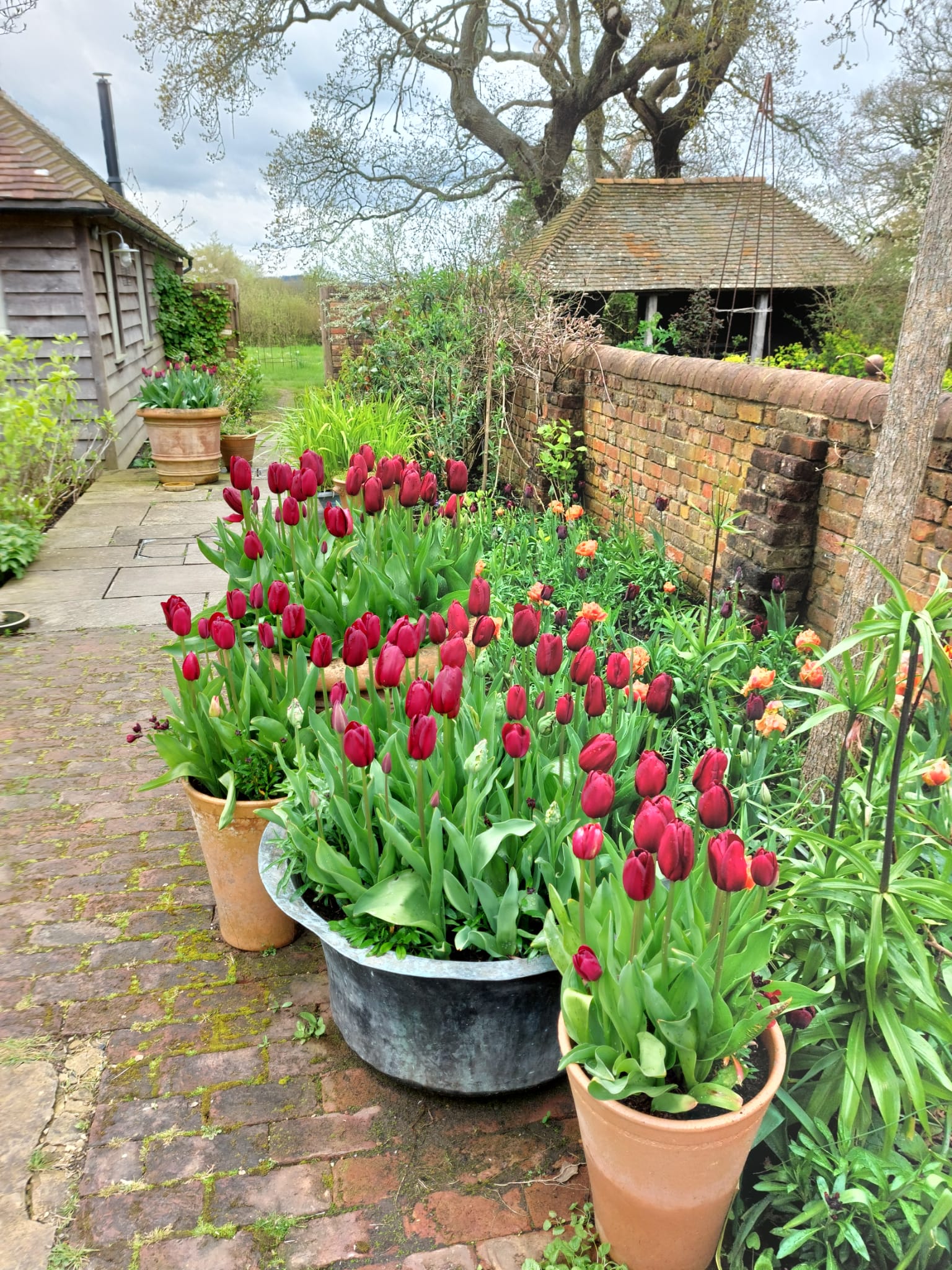
But the rain hadn’t affected the garden. The tulips, many of which were in pots,were stunning with the same colours used repeatedly throughout the garden. They were well labelled  so we could make a note of them and there seemed to be loads of new varieties and quite a lot in oranges and shades of reds. There were lots of pots with pastel shades too and it wasn’t just tulips. There was a whole bed planted with a tall variety of fritillary which you don’t see very often and is certainly different.


Additionally there were displays in pots of some lovely frilly violas and the glasshouse was planted with ranunculus and  other early varieties of annuals. There were displays of early vegetables but they were small and obviously affected by the cold spring. And the tea and cakes were good too!

All in all a stunning display and worth a visit despite the mud and flooded roads.

Pat K

Spring at Exbury Gardens, Hampshire

Lawn at Exbury Gardens

A visit to Exbury Gardens in the week between two May Bank Holidays was a treat for the senses.  I last visited after the summer drought and before the winter storms and asked myself, ‘how would everything look?’  In short, everything looked thrillingly fresh.


There have been some losses, which, while regrettable, have provided opportunities to the gardeners to open up views, plant new (drought-resistant) species and create entirely new gardens. 

Continue reading Spring at Exbury Gardens, Hampshire

Anna visits Salters’ Garden

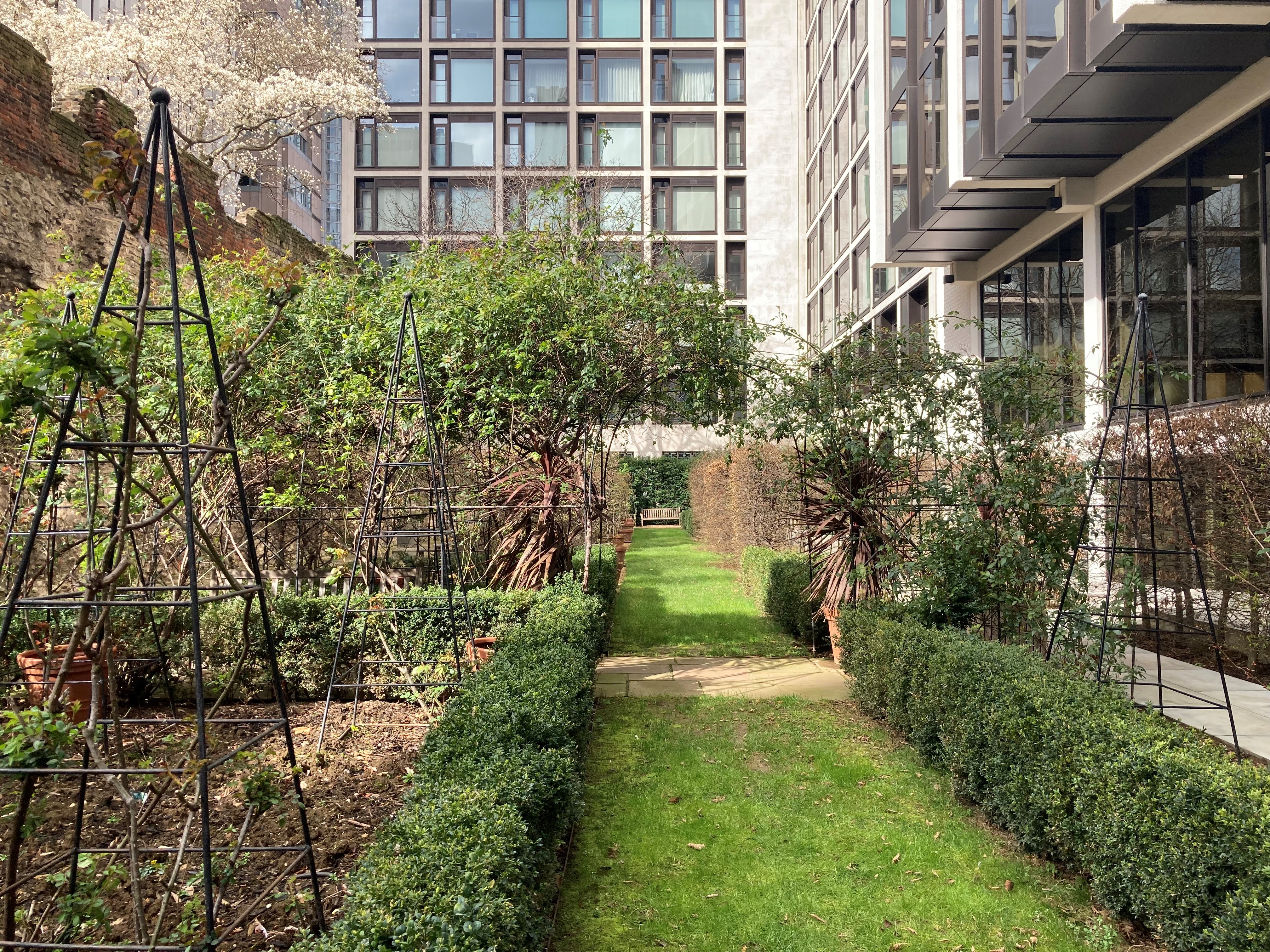
The City of London is a wonderful place to explore and is full of hidden- away gardens for us to access. We came upon this garden in early spring when we were meandering (slightly lost, really) towards the Barbican to visit the Conservatory.

Salters Garden
Continue reading Anna visits Salters’ Garden

Labour of love – Keukenhof (2)

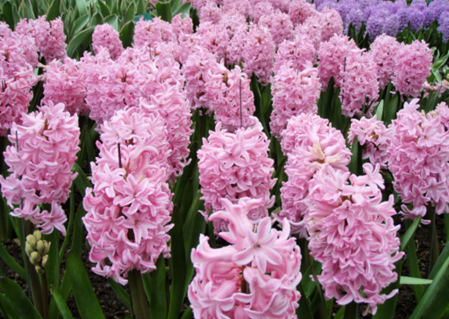
A visit to Keukenhof for the second year running found a different garden, although the visits were only a week apart. Spring has evidently come later and most of the narcissus and hyacinths were still in full flower. Last year there were very few remaining in flower. The scent from both filled the air.

swathes of daffodils

Even where some of the tulips had gone over they were still exquisitely beautiful – like a Dutch still life painting.

"still life" of tulips

At home my hyacinths have been swept around by the rain and wind, but at Keukenhof they stand firm.

swathes of hyacinths

But then I looked closer. Each individual hyacinth has been individually staked, so discretely that it is hardly noticeable!  What a labour!

pink hyacinths staked - to stand firm

Vija

Visit to Beth Chatto’s garden

For those who haven’t visited, Beth Chatto’s Garden is a horticultural paradise located in Essex, England. In March, visitors can expect to see a range of unique features and highlights that make Beth Chatto’s Garden a must-see destination for anyone with an interest in gardening or nature.

One of the most striking things about Beth Chatto’s Garden in March is the abundance of early spring blooms. As winter fades and the weather begins to warm up, the garden comes alive with an array of colourful flowers and blossoms. The famous Gravel Garden is a great place to start exploring the garden. This innovative garden was created in the 1990s, and features plants that are adapted to dry conditions, making it an ideal spot for early bloomers like crocuses, daffodils, and tulips. Visitors can expect to see bright pops of colour as they stroll along the winding paths that wind through the garden.

Beth Chatto's garden

In addition to the early spring blooms, March is also a great time to explore the woodland areas of Beth Chatto’s Garden. The woodland gardens are home to a wide range of plant species, including ferns, shrubs, and trees. Another highlight of Beth Chatto’s Garden in March is the chance to see the garden’s many rare and unusual plant species. Beth Chatto was a pioneer of ecological gardening and her garden is a testament to her commitment to sustainable practices. Visitors can expect to see a range of native and non-native plants that are perfectly suited to the local climate and soil conditions.

Vija

Barbican Conservatory

The Barbican Conservatory is a tropical and sub-tropical botanical glass-roofed garden located on the third floor of the Barbican.   It’s an ideal place to visit during the winter months (and all-year round) but on 16th March we hit the jackpot and were thrilled to see Clivia plants in full flower – perfect timing, as it is this month’s Plant of the Month!

This is the second largest conservatory in London (Kew Gardens’ Temperate House being the largest). Opened in 1984, the walkways and terraces have been designed to encourage visitors to wander the pathways and along the walkways in order to explore and experience an urban jungle and to observe the characteristic form of every plant.

Amongst the tropical planting, various exotic palms stand out and the handsome foliage of Monstera deliciosa (swiss cheese house-plant as we know it) is there to be admired. The  majestically tall weeping fig tree emphasises the height of the conservatory and frames everything around it. Wide, arching stems of the handsome tree fern  and the striking tree, Araucaria heterophylla (which we rested under), plus unusual climbers and shrubs including yuccas and cordylines, are amongst the 1500 plant species on show for the public to appreciate. 

Continue reading Barbican Conservatory