CABAHS medal-winning Chelsea experiences

As a volunteer at the RHS Chelsea Flower Show, I was expecting to be revelling in the uncrowded gardens at Press Day today, prior to going to work in the very crowded gardens later in the week. Very sad. But as I have time on my hands, I have looked into some of CABAHS history at the Show.

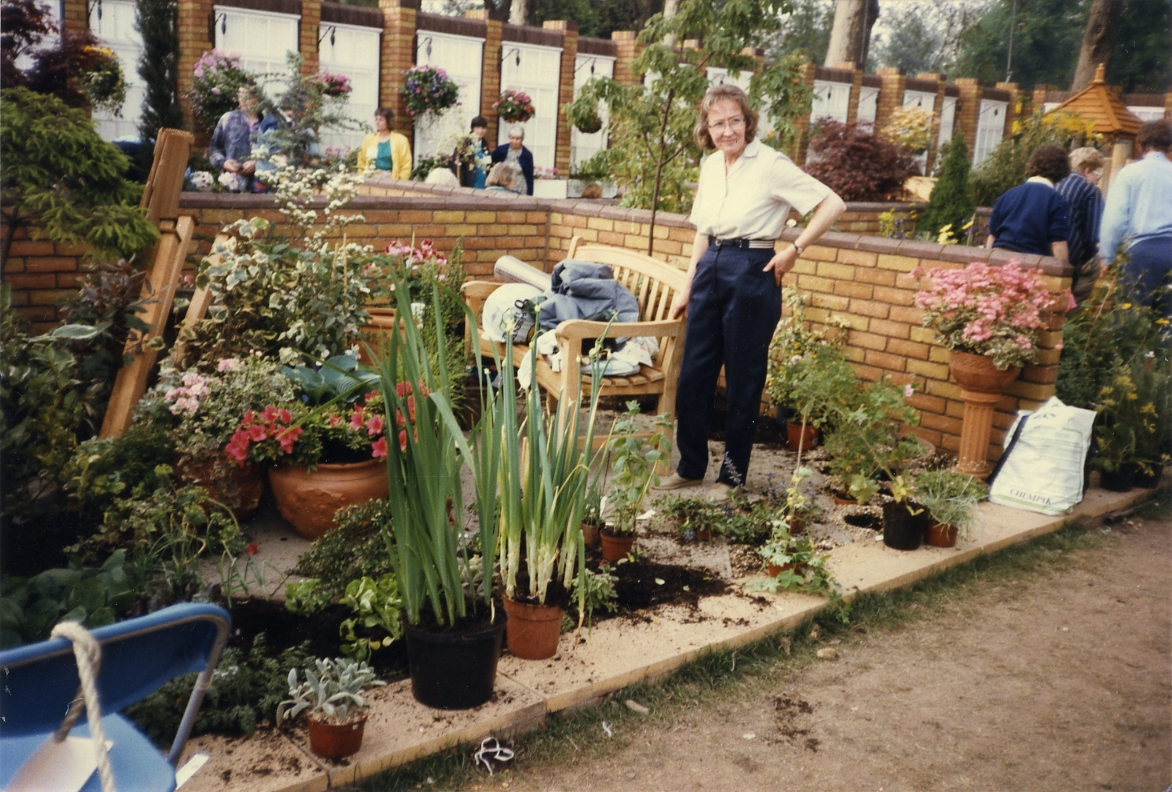
On 18th May 1987, CABAHS won a Grenfell Silver Gilt medal at that year’s show, for a window box display. In those days a lot of the Affiliated Horticultural Societies entered exhibits, as the Chelsea grounds were not so pressed for space or so prohibitively expensive. Here is our winning entry (thank you to Joyce and Jane for these photos).

In 1990, CABAHS won a Bronze medal in the hanging basket category. Then in 1991, we really went to town! With the help of sponsors, the Society entered the “City or Town Courtyard Garden” category. The brief was “An interpretation of plants to consider in the lifestyle conditions for the occupants of a property situated in a City or Town, with limited space”. The space given was 14ft x 11ft (4.3m x 3.4m). So here is the Plan:

191Courtyard Design

Here are pictures of the build process. Can you imagine the huge organisation that must have gone on behind the scenes, for our small amateur group! Marshalls (which is still in business) supplied the paving and seats. Members supplied a lot of the plants and organised the collection and transport.

391Courtyard 3

And the finished result:

591Chelsea Courtyard Final

Here are some members (Win H on the left and Marjorie P) relaxing in the garden while the visitors queue around them.

991Courtyard ladies sitting

We were featured on the BBC coverage, Alan Titchmarsh looks very young! He said there were 29 show gardens that year, and marvelled at the idea that some of them cost nearly £65,000.  Those were the days. The presenter for the small gardens was Anne Gregg. She complimented our design for getting a veg bed and herbs into the space, as well as the scented geraniums display.

791Chelsea Courtyard Queue

891Chelsea Courtyard Medal

We even got a mention in Amateur Gardening magazine.

999Courtyard Magazine

CABAHS entered the Courtyard Gardens again in 1992 and won a Bronze medal, and won a Silver in 1994 for its Windowbox and Hanging basket display.

I hope you enjoy this week’s TV coverage of the last decade of Chelsea, and look forward with fingers crossed to next year’s “real” show.

Kathy A

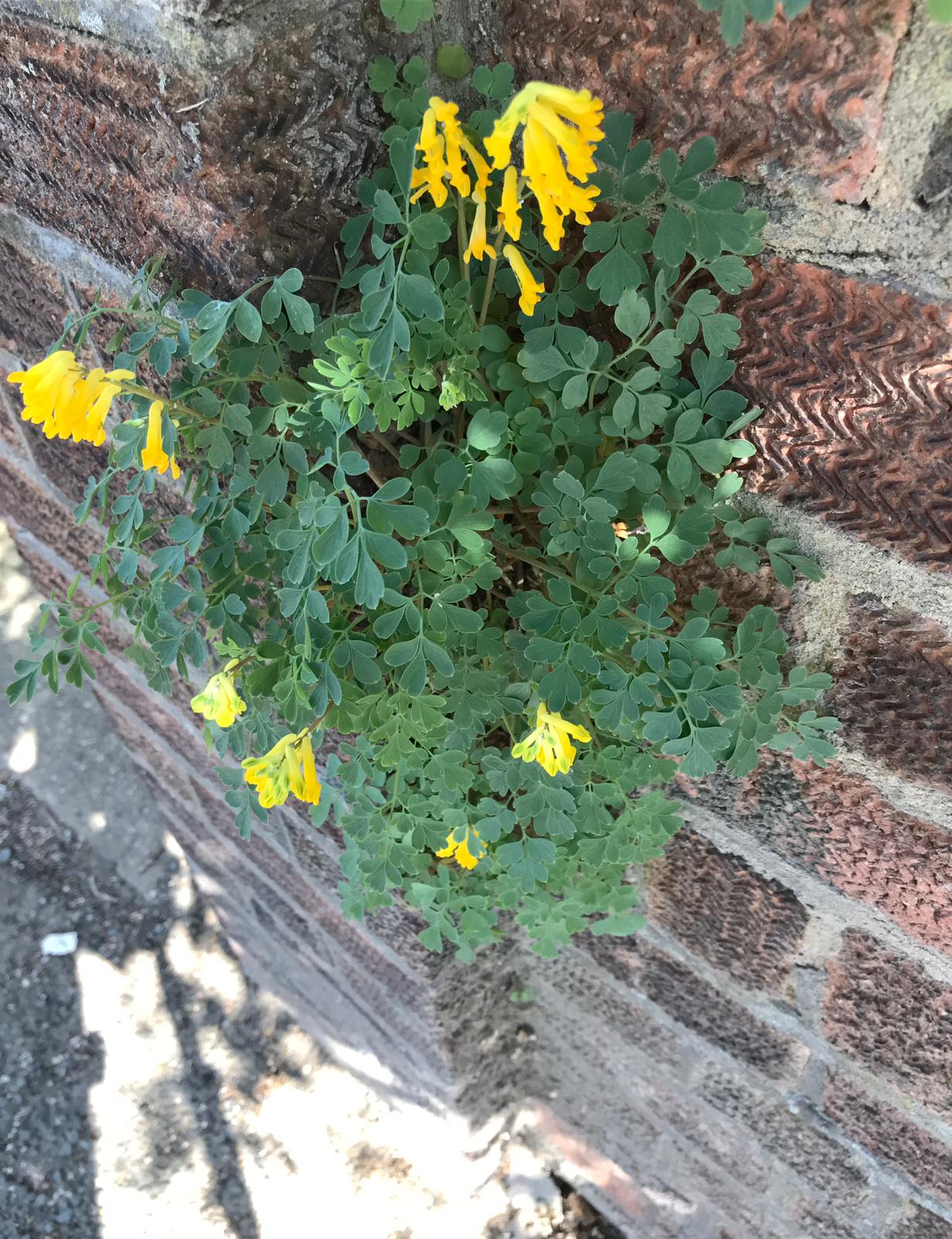
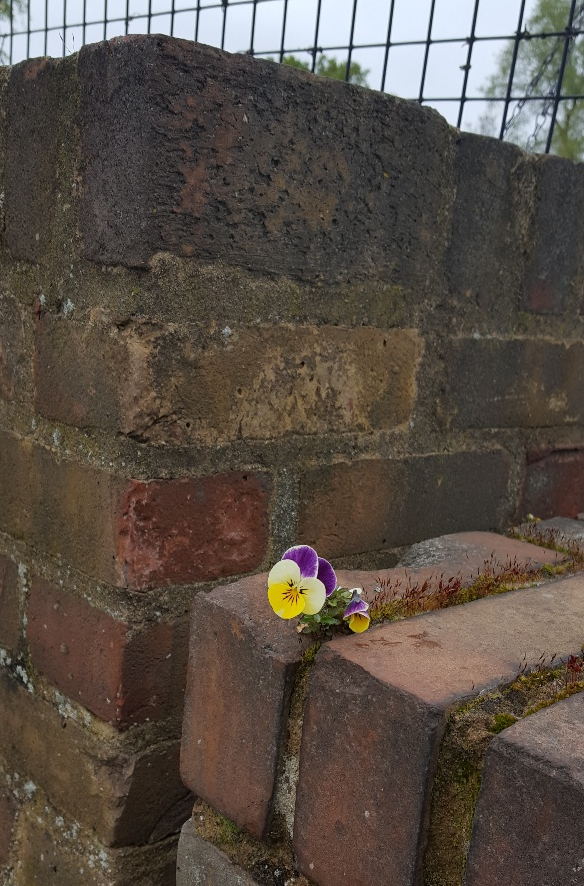
‘Brave’ plants

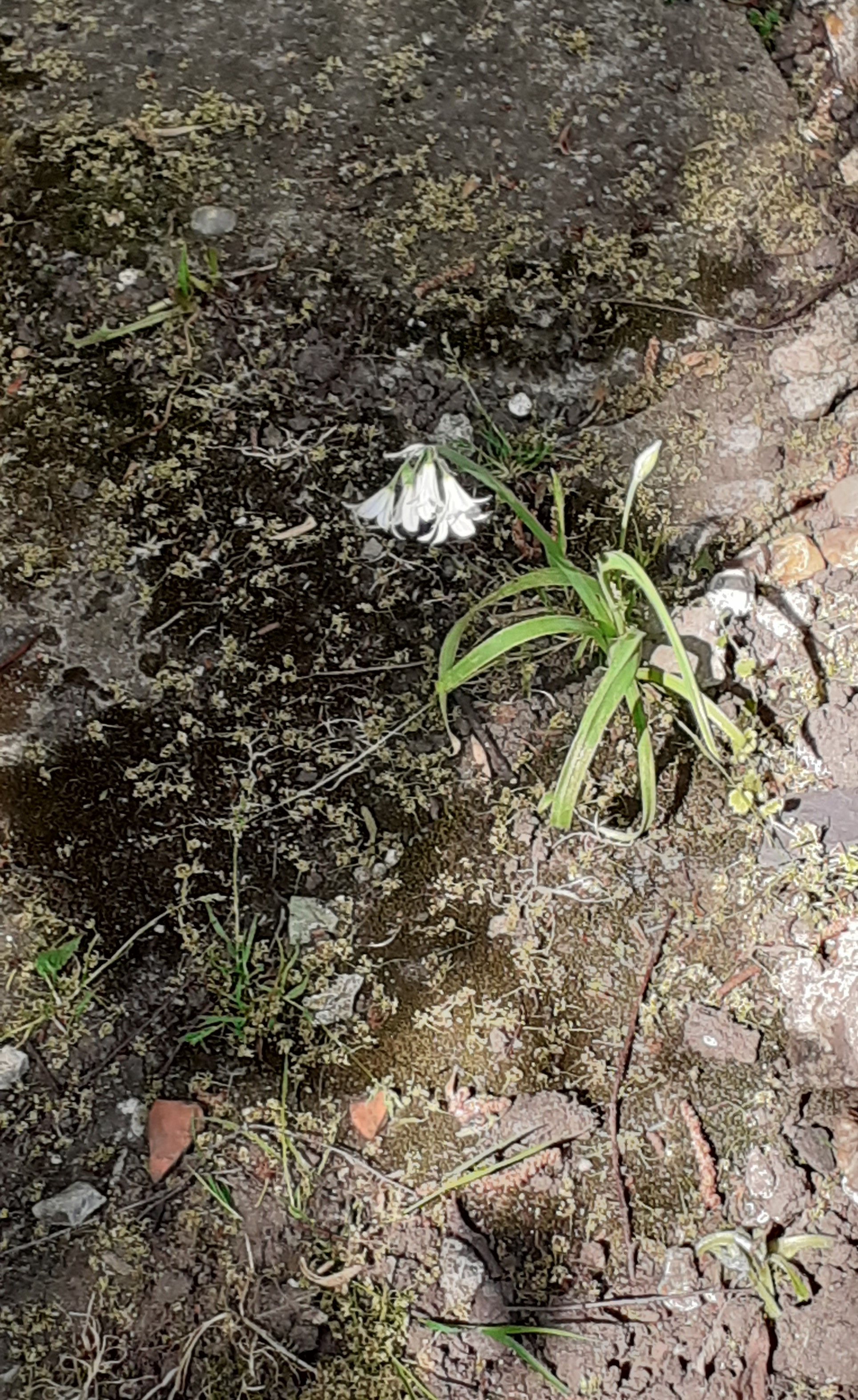
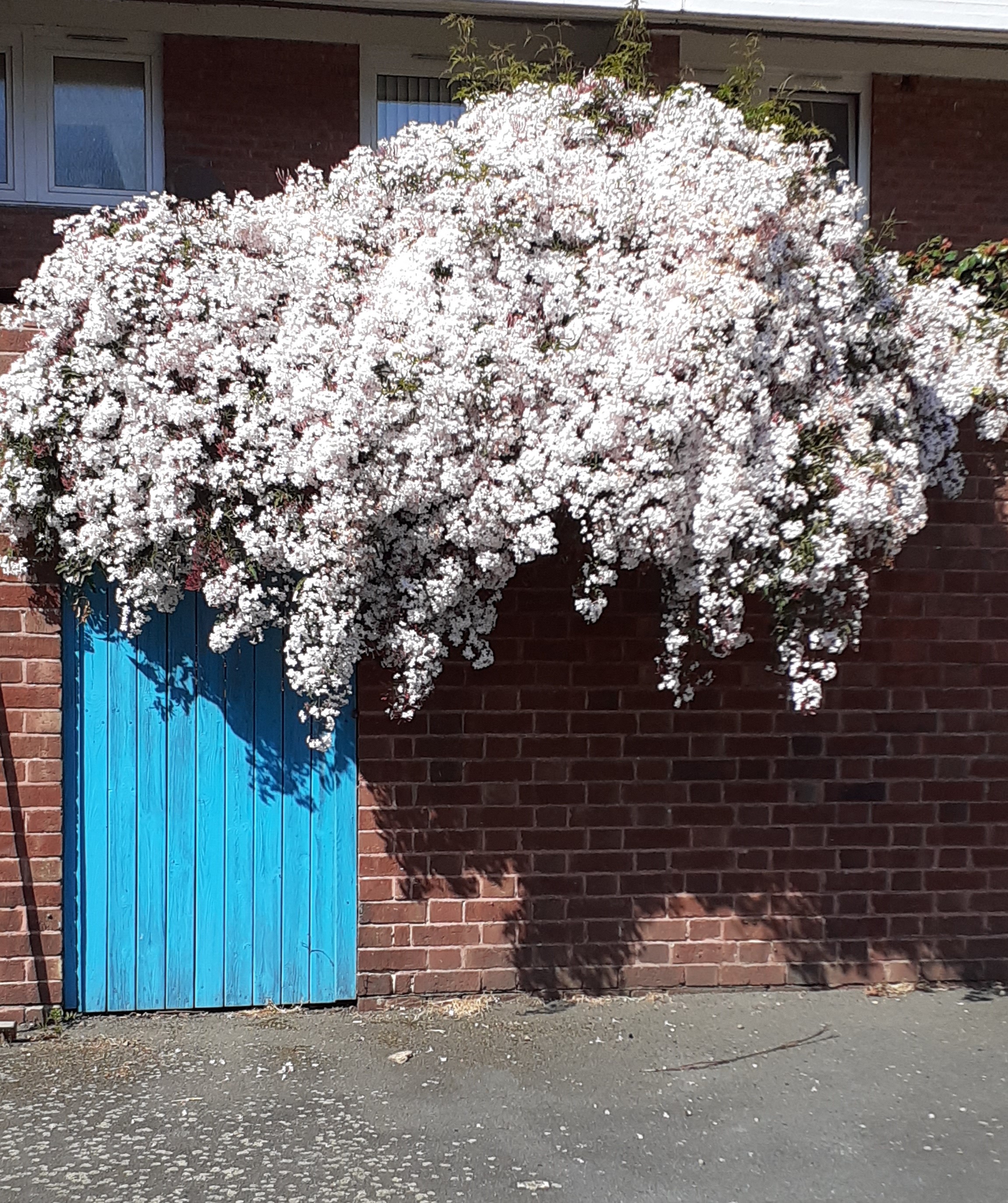
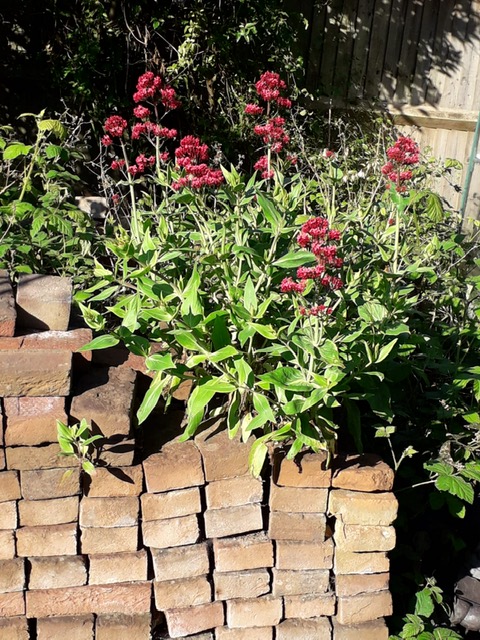
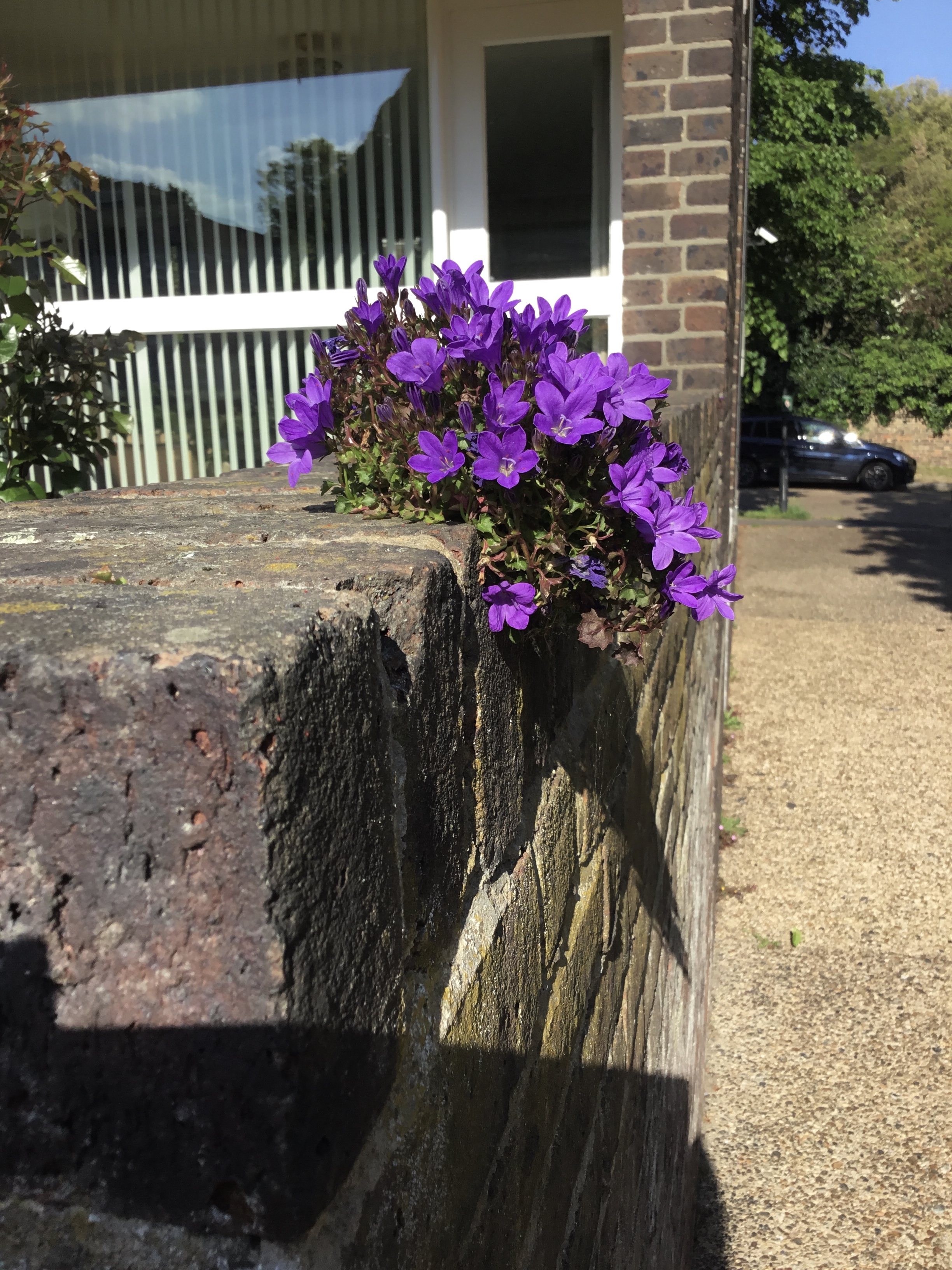
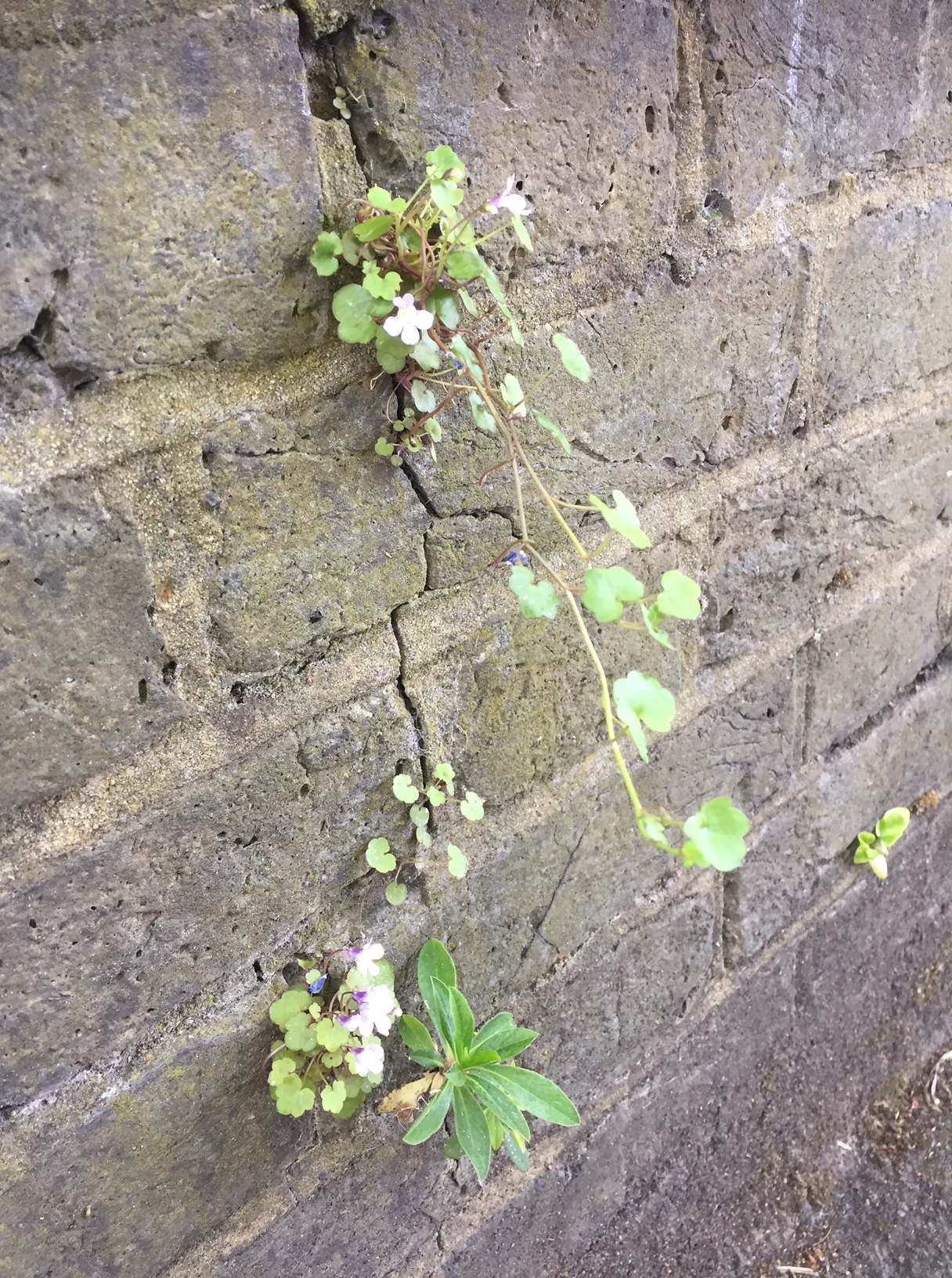
It started with Andrew’s snap of a Viola, surviving and flowering in the mortar on a school wall. Such optimism!

Malmaison, the first great rose garden

As we are coming up to “rose” season, with the early ones already coming out, I have been reading a bit about the history of the Rose Garden.  As everyone is taught at school, Josephine married Napoleon and became Empress of France. But did you know that she was much more than that for gardeners – she was also the Queen of Roses. She had a dream to create the greatest rose garden ever made, to collect a specimen of every single rose species and every rose variety growing anywhere in the world at that time.

To contemplate such a task today with all the miracles of modern travel and communications would be a vast operation. To have undertaken such a scheme at the beginning of the 19th century was like reaching for the stars. No aeroplanes, no telephones, no fast ships, no Google!  Just war-torn France locked in a mighty struggle with the rest of Europe.

Yet she succeeded, and on the outskirts of Paris the world’s first great rose garden was created, and was called Malmaison.

Josephine gathered around her some of the great botanists of the time, to source the plants, and engaged Pierre-Joseph Redoutė to record the roses for posterity. After divorce from Napoleon in 1810, she moved permanently to Malmaison and devoted herself to her plants.

Malmaison contained about 250 different types of roses. If you could go back in time to 1810, you might have been disappointed, as you would have seen none of the vibrant colours, the repeat flowering and compact bushes of a modern rose garden. They would have been large, spreading bushes with a single flush of flowers each year. There would have been Gallica roses, the classic red rose, also tough Rugosa roses, Blood roses from China and Virginia roses from America. The finest would have been the Damask roses, but nearly all would have been white, pink and red.

There were just one or two dull yellow or dark orange roses from Persia – and these were the ones which were eventually to produce most of our modern colourful varieties.

Malmaison gardens are no more, they were destroyed in the Prussian War in 1870. They live on in the paintings of Redoutė and in his volumes of Les Roses.

Kathy

No Mow May – Every Flower Counts

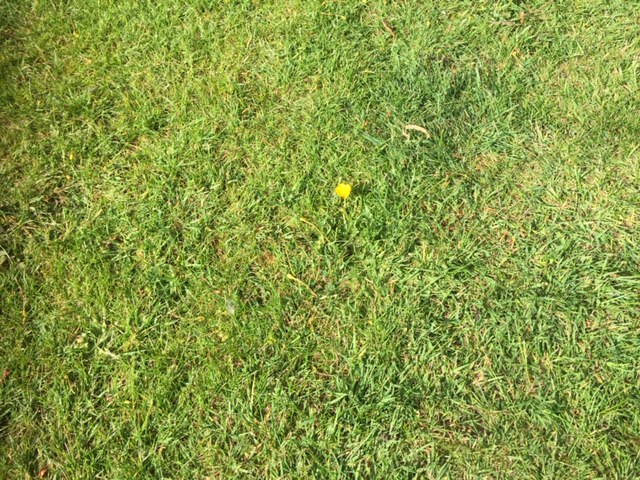
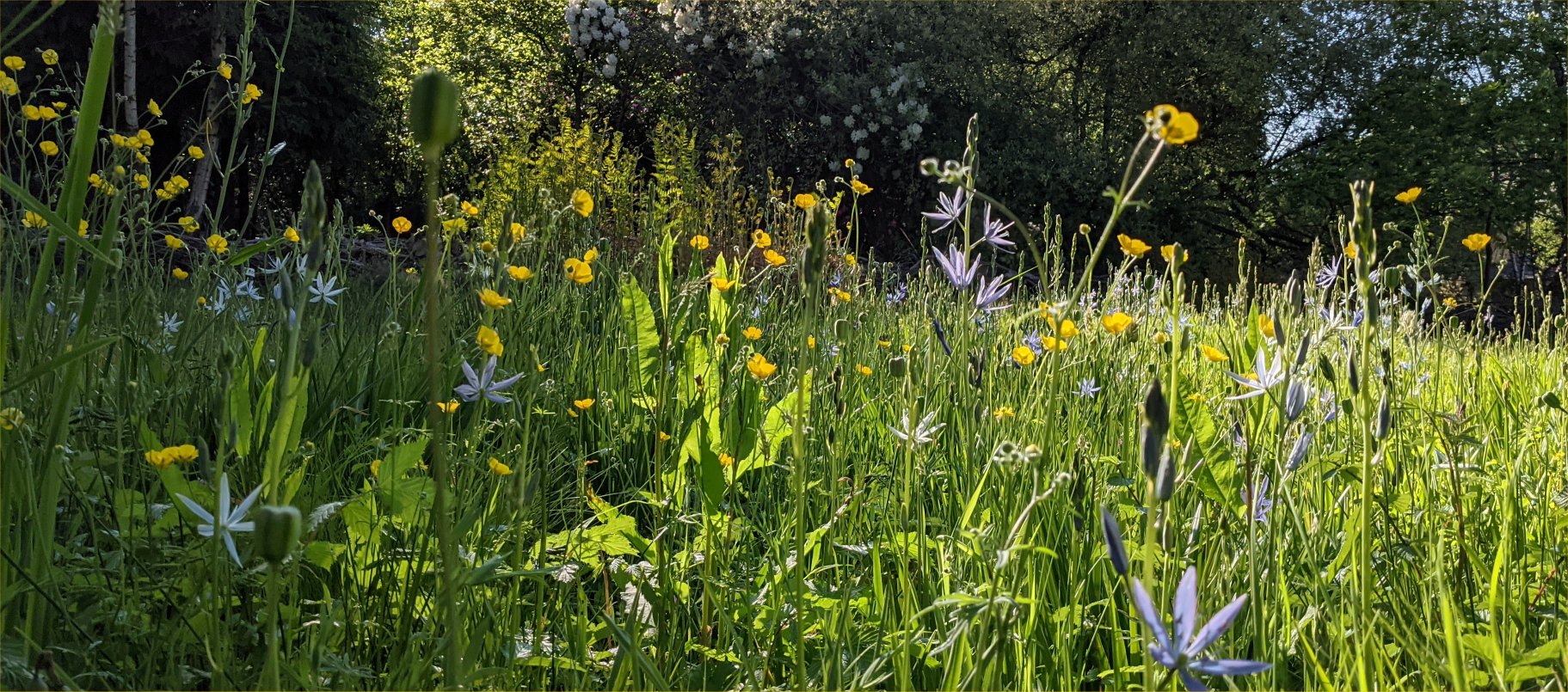
Plantlife are running their No Mow May campaign again this year. Don’t mow, then between 23 and 30 May, count the flowers in a random 1m square of lawn. Send in the results to Plantlife and they will calculate a National Nectar index to show how our lawns are helping pollinators.

Wildflower meadow

Garden and flower photography

Some good tips from Helen Yemm, download to view: Tips to take photos in your garden

Tulip Bugs eye view

There was a great article in the Guardian this week about taking photos during lockdown. Some fantastic ones of tulips, very topical following our recent Spring Show photos!

And on another note, here’s a photo lifted from our Facebook page – a bug’s eye view of a tulip, which someone says makes it look a bit like the Coronovirus!


RHS Chelsea Exhibitors – A-Z List

The RHS is busy planning its Virtual Chelsea Flower Show, which will take place from Monday May 18th. In the meantime, they have put the whole A-Z list of exhibitors up on their website, and its a very good place to browse. Click on the exhibitor name and you get a short description of the nursery or company and the web link to their site. Good to support, some of these are small companies.

Feeling a little nostalgic…

I wonder how many people listened to the moving tribute on Radio 4 on 10 April from a woman who had just lost her sister to Covid-19? She listed a range of qualities for which Billie, her sister, would be remembered. If I were to write a tribute to my parents, gardening would be one of them. They were both growers. Brought up on the land, their year revolved around growing, cultivating and then preserving the fruit and vegetables produced. For me, gardening at certain times of year strongly evokes memories. I still have some sacks which, when they gave them to me, were full of potatoes; I have plant labels from the plants they gave me to grow on myself with the names of varieties like Moneymaker, Gardener’s Delight, Scarlet Emperor, Winter King. Their handwriting is still clearly visible. The varieties I grow myself is often informed by what they used to grow; tried and trusted varieties. Sometimes, it is the smell of fresh tomatoes on my hands, or hot sun on grass. The song of birds on my allotment and the quiet created by these strange times evokes memories of childhood with my father on his plot.

Gardens are, of course, places of remembrance and memories. In many cultures they have been created as oases of peace. A few years ago I drove around Normandy with a friend, visiting the gardens in the region. Jardin de Sericourt tells the story or war and peace and contains symbols of a once war-torn-landscape. One area (the garden is designed into ‘compartments’) has a series of topiary symbolising fallen soldiers, for example. This does not, however, create a sombre atmosphere. Rather it is a garden full of joy and hope.

jardin de sericourt 1
The Warrior Garden at Jardin de Sericourt

This page on Jardin de Sericourt’s website is well worth a look for the videos giving virtual tours. https://www.jardindesericourt.com/newpage

Vija