It started with Andrew’s snap of a Viola, surviving and flowering in the mortar on a school wall. Such optimism!
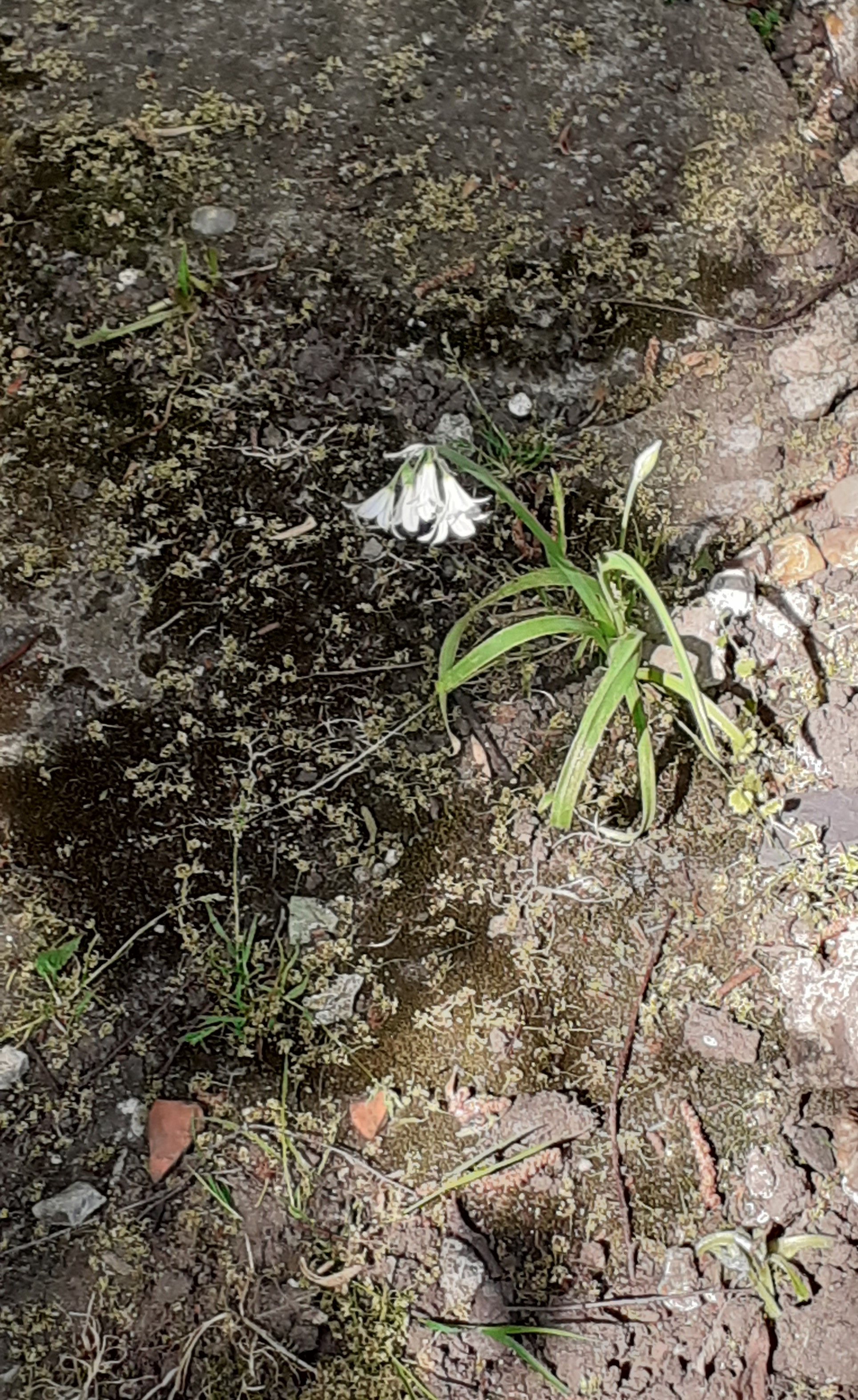

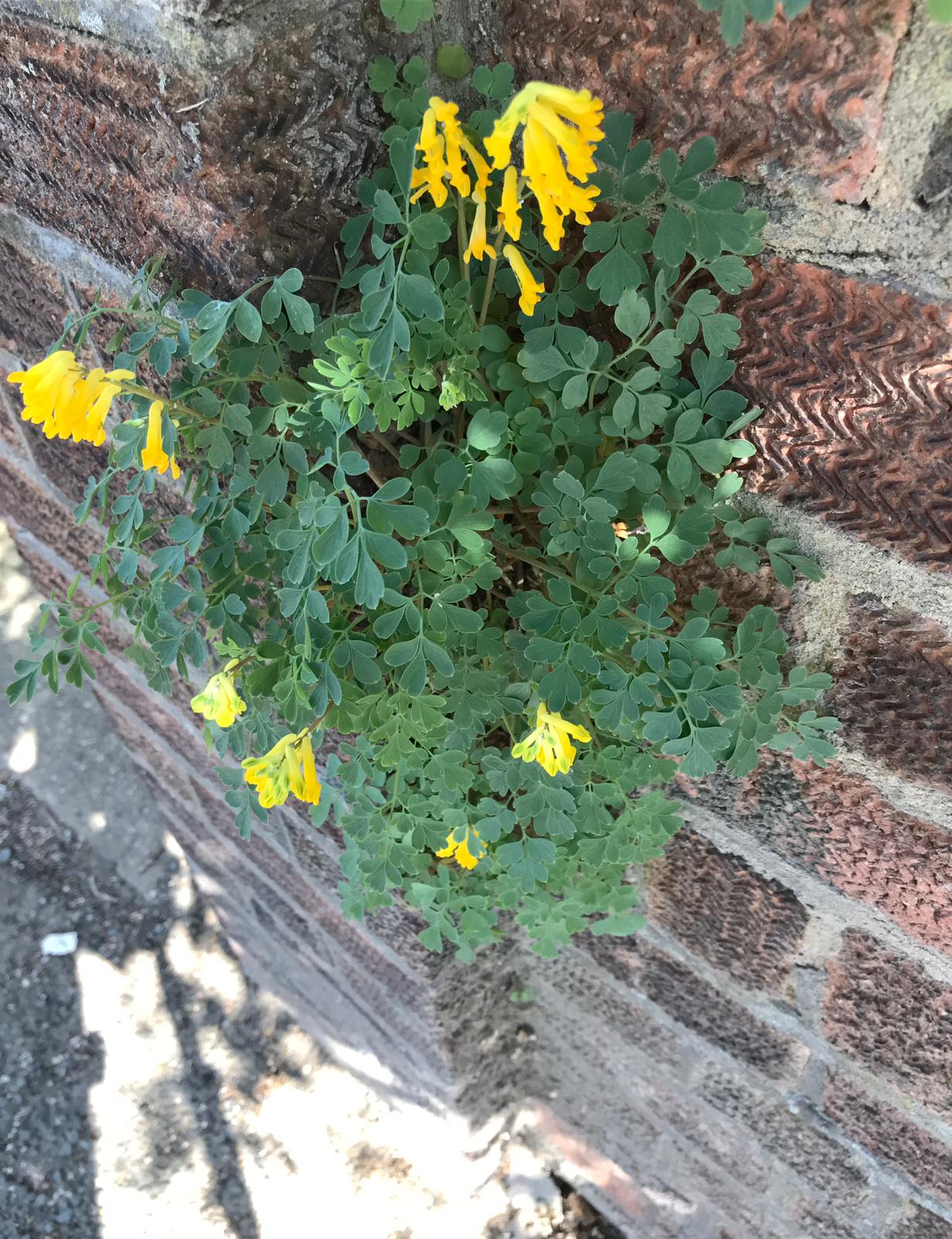
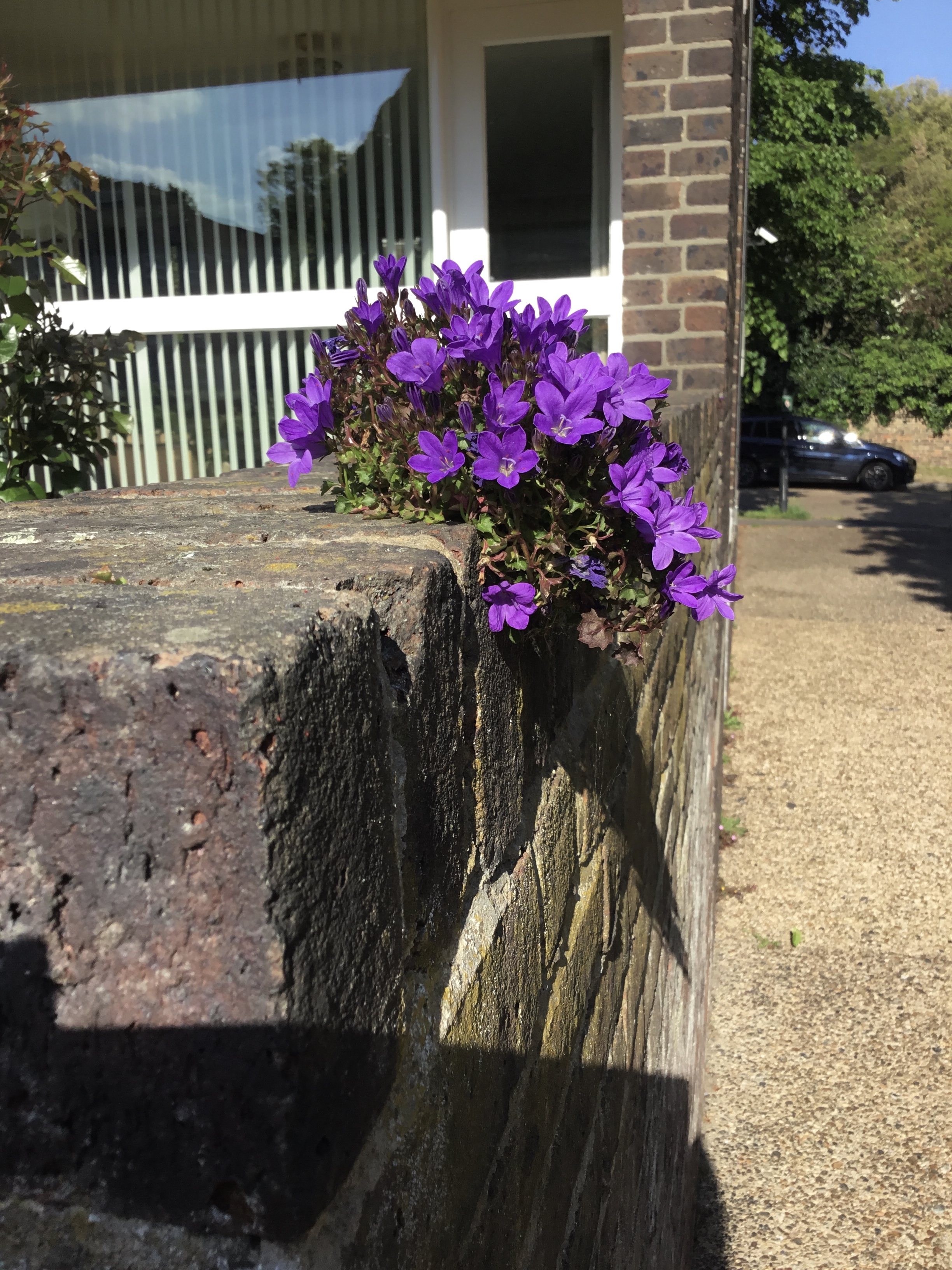
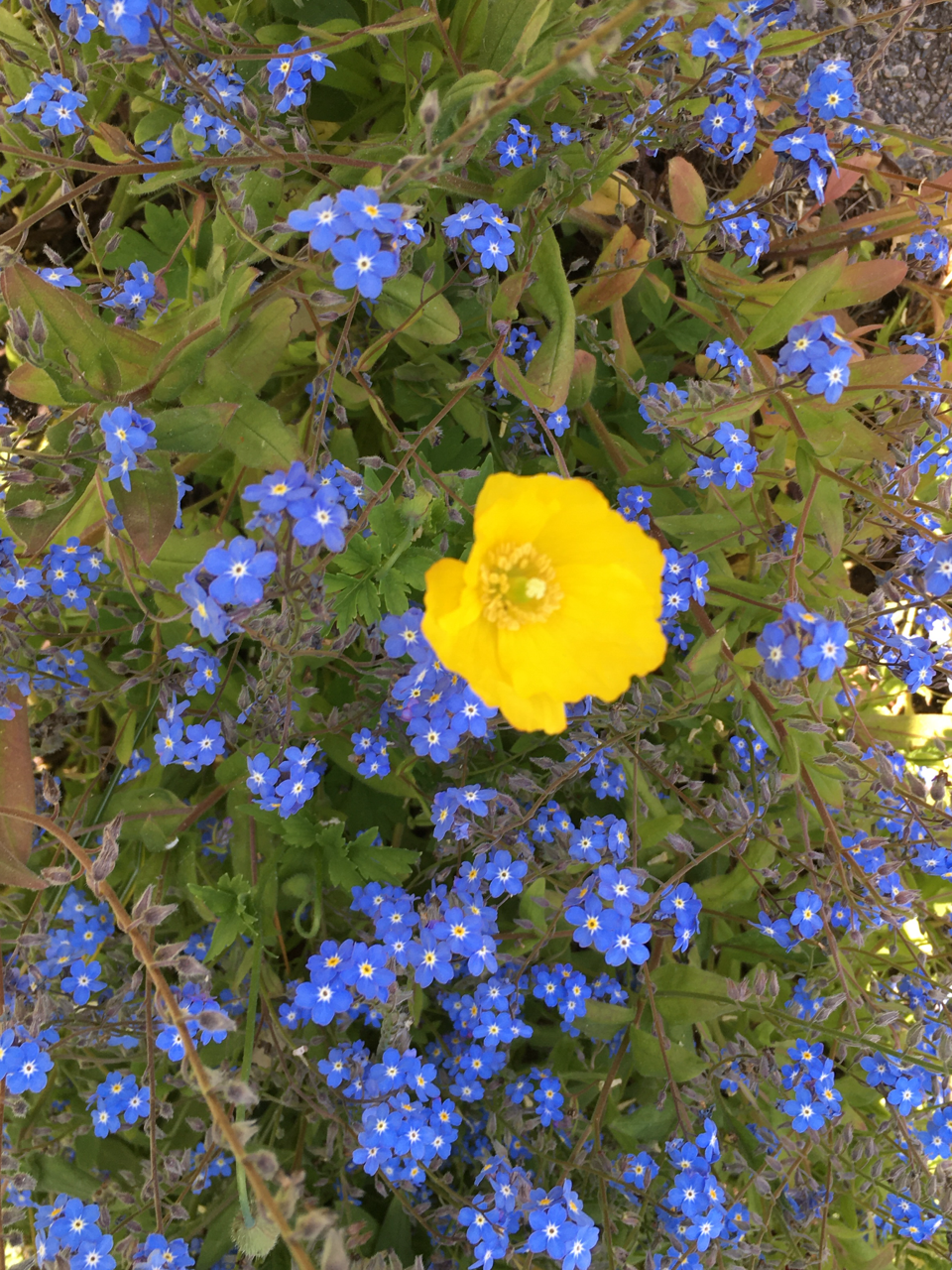
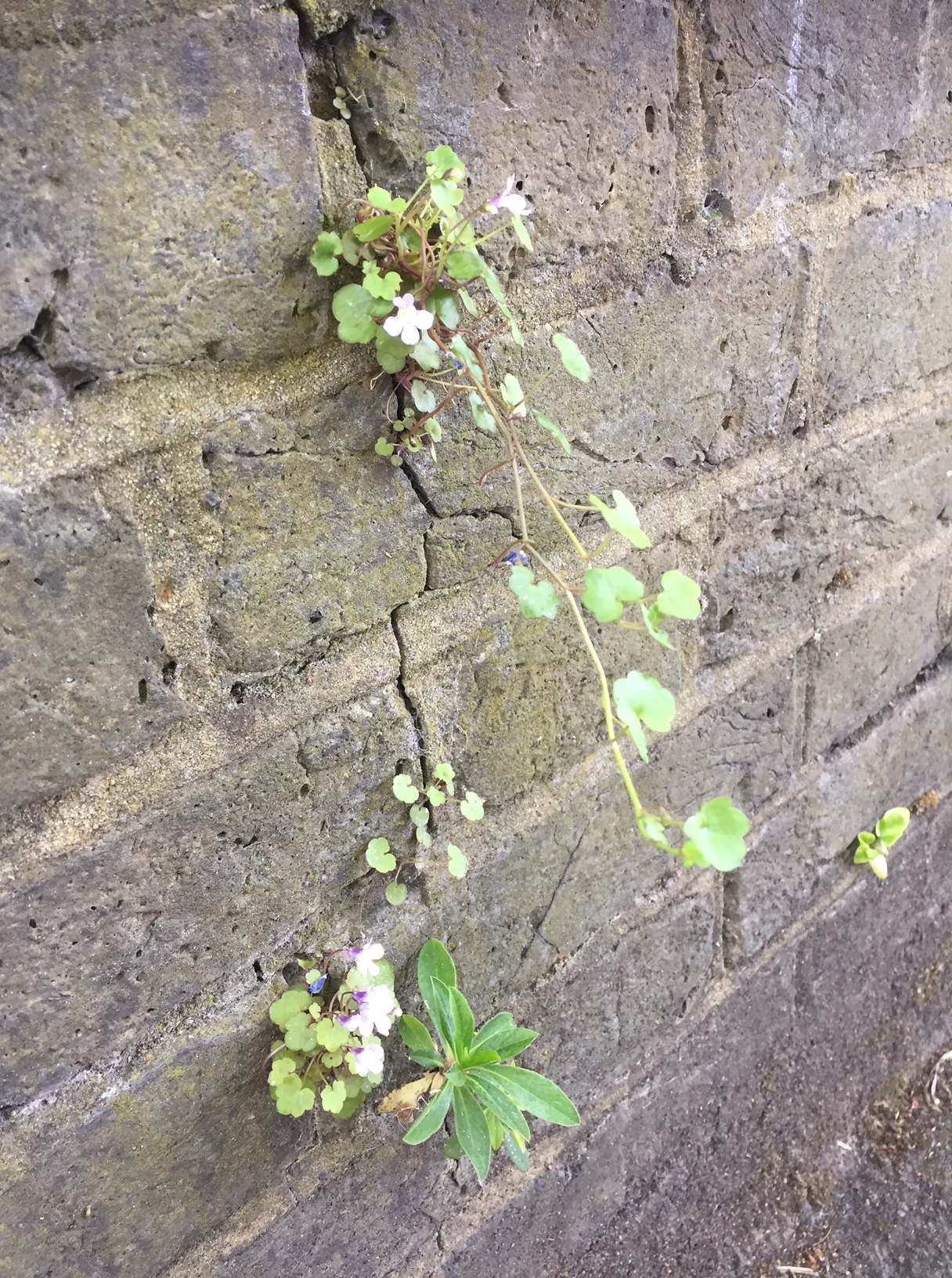
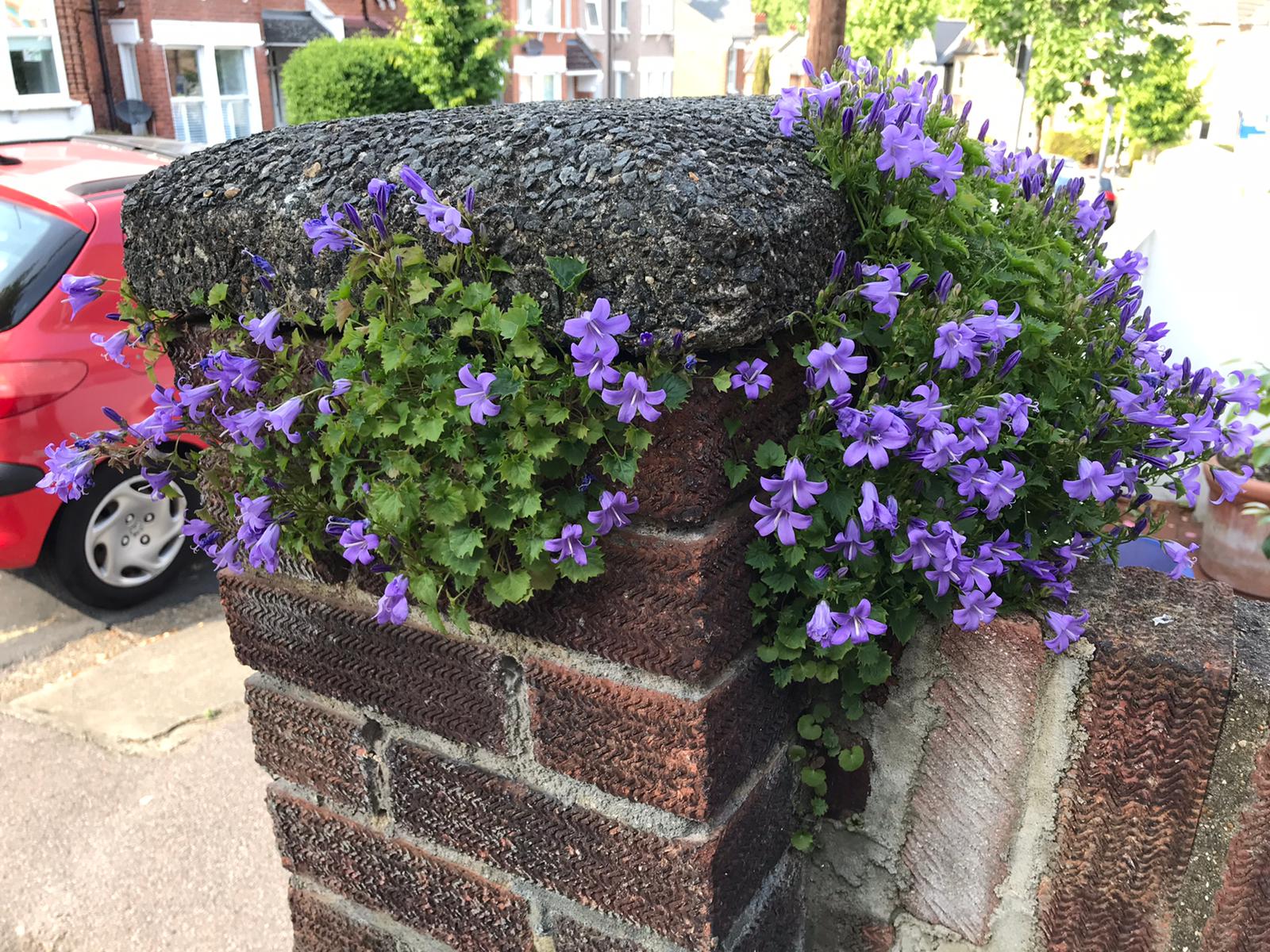
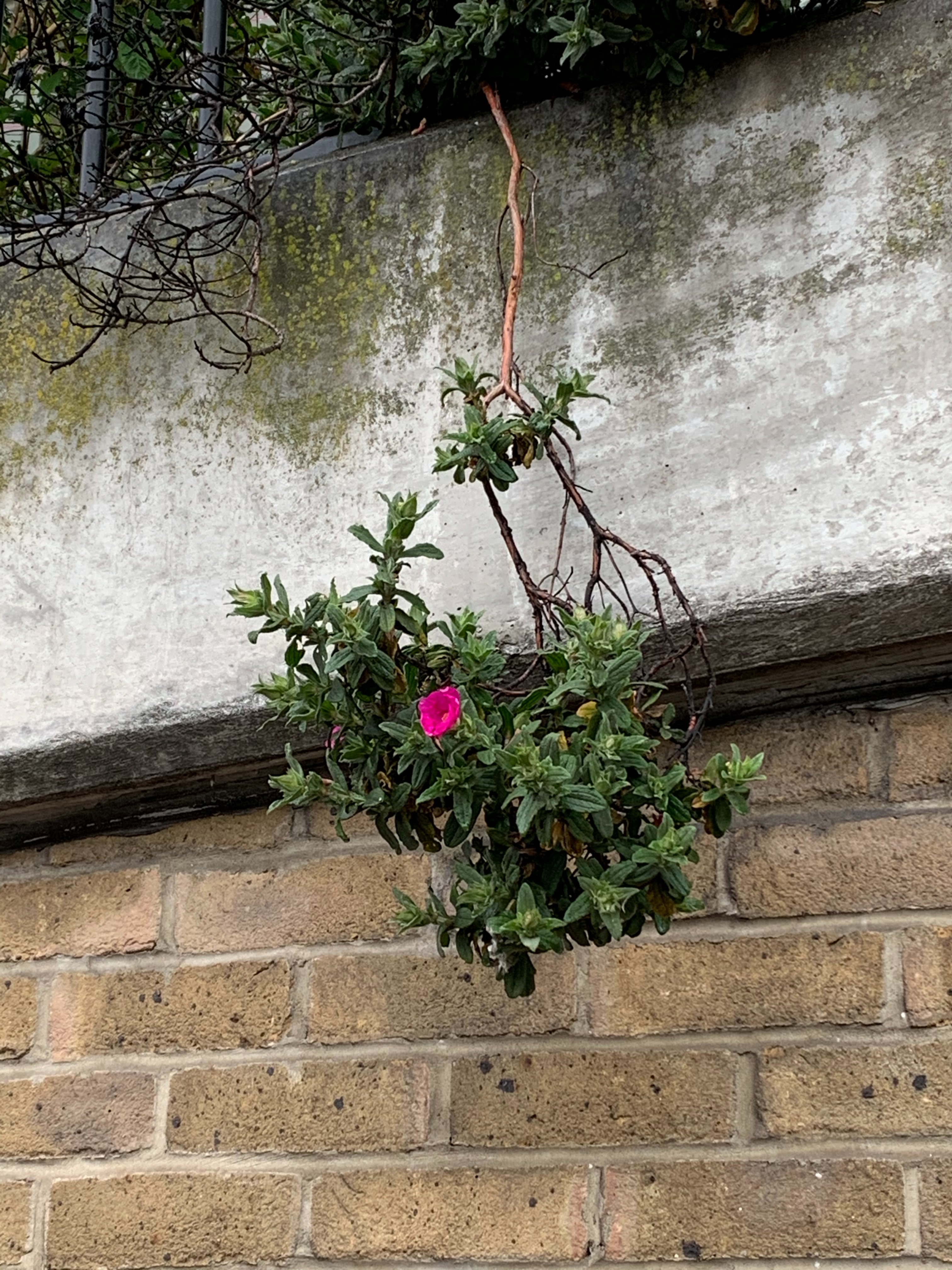
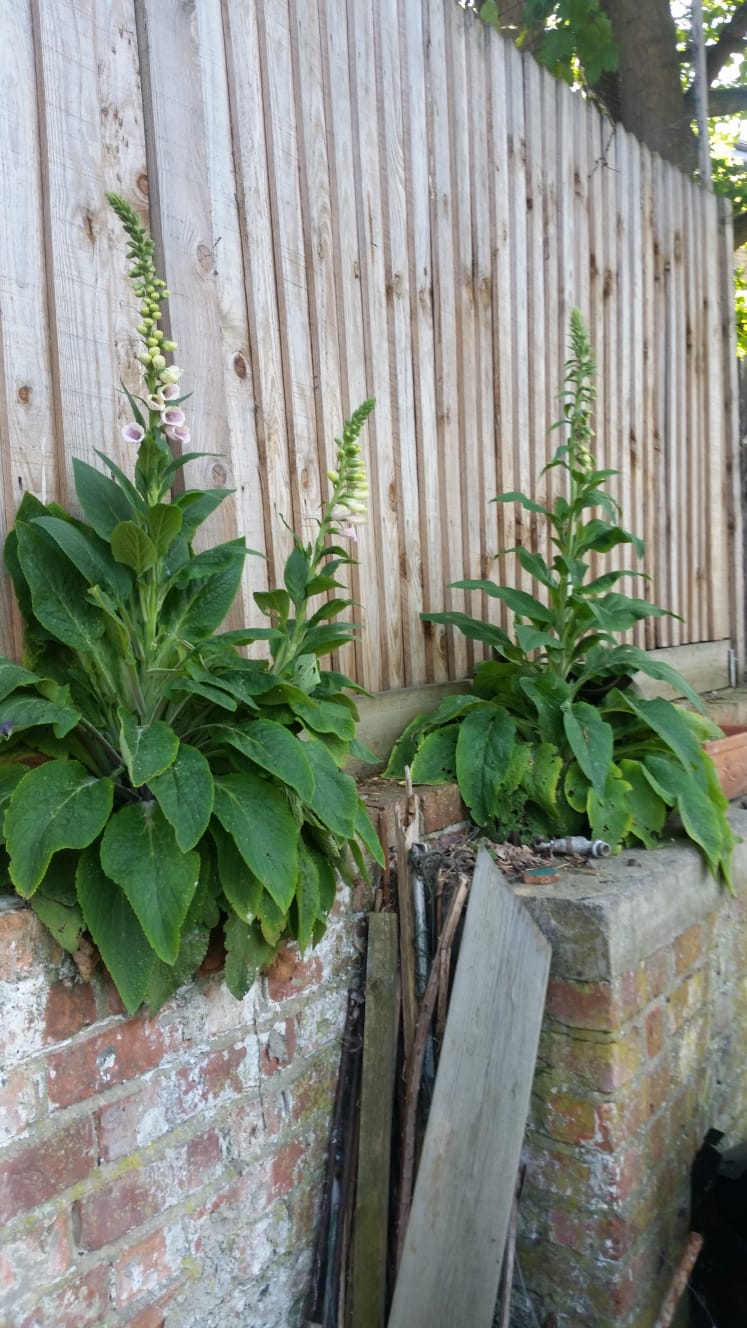
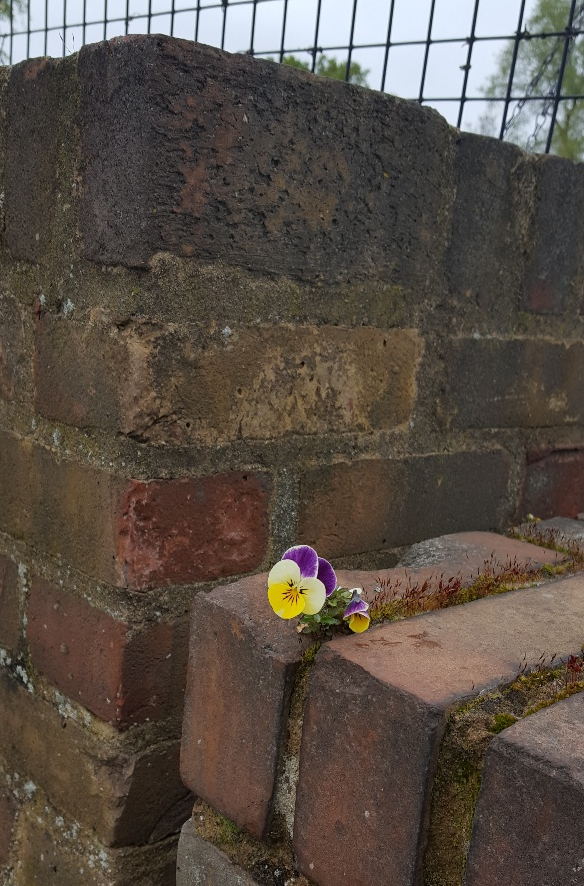
It started with Andrew’s snap of a Viola, surviving and flowering in the mortar on a school wall. Such optimism!
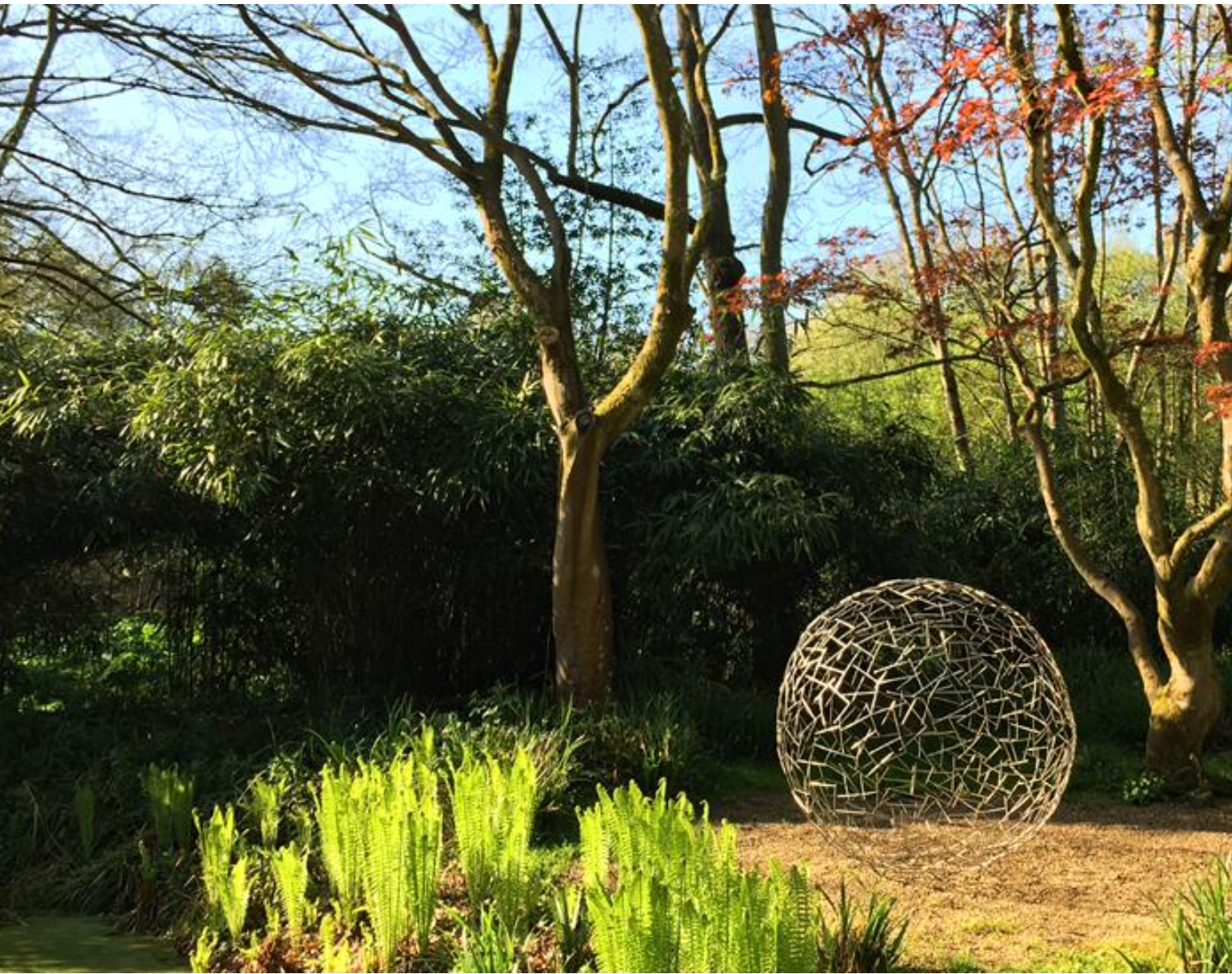


Sharon
As we are coming up to “rose” season, with the early ones already coming out, I have been reading a bit about the history of the Rose Garden. As everyone is taught at school, Josephine married Napoleon and became Empress of France. But did you know that she was much more than that for gardeners – she was also the Queen of Roses. She had a dream to create the greatest rose garden ever made, to collect a specimen of every single rose species and every rose variety growing anywhere in the world at that time.
To contemplate such a task today with all the miracles of modern travel and communications would be a vast operation. To have undertaken such a scheme at the beginning of the 19th century was like reaching for the stars. No aeroplanes, no telephones, no fast ships, no Google! Just war-torn France locked in a mighty struggle with the rest of Europe.
Yet she succeeded, and on the outskirts of Paris the world’s first great rose garden was created, and was called Malmaison.
Josephine gathered around her some of the great botanists of the time, to source the plants, and engaged Pierre-Joseph Redoutė to record the roses for posterity. After divorce from Napoleon in 1810, she moved permanently to Malmaison and devoted herself to her plants.
Malmaison contained about 250 different types of roses. If you could go back in time to 1810, you might have been disappointed, as you would have seen none of the vibrant colours, the repeat flowering and compact bushes of a modern rose garden. They would have been large, spreading bushes with a single flush of flowers each year. There would have been Gallica roses, the classic red rose, also tough Rugosa roses, Blood roses from China and Virginia roses from America. The finest would have been the Damask roses, but nearly all would have been white, pink and red.
There were just one or two dull yellow or dark orange roses from Persia – and these were the ones which were eventually to produce most of our modern colourful varieties.
Malmaison gardens are no more, they were destroyed in the Prussian War in 1870. They live on in the paintings of Redoutė and in his volumes of Les Roses.
Kathy
Monty Don has always been a keen exponent of the health benefits of gardening, in particular its effect on the not so quiet mind. I have recently read that some hospitals have introduced ‘secret gardens’ where patients recovering from the Coronovirus are taken for periods every day, even in drizzling rain, for the beneficial effects. And, of course, this week it is Gardens and Health Week, sponsored by the NGS with Rachel de Thame as its Ambassador. The NGS website has various links to the personal stories of people for whom gardens have played a vital role in their recovery.

Also recently published is Sue Stuart-Smith’s (wife of the garden designer Tom Stuart-Smith) book, ‘The Well Gardened Mind: Rediscovering Nature in the Modern World’, in which she points out the pleasures of growing and nurturing things and argues for a ‘greening’ of all of our lives.
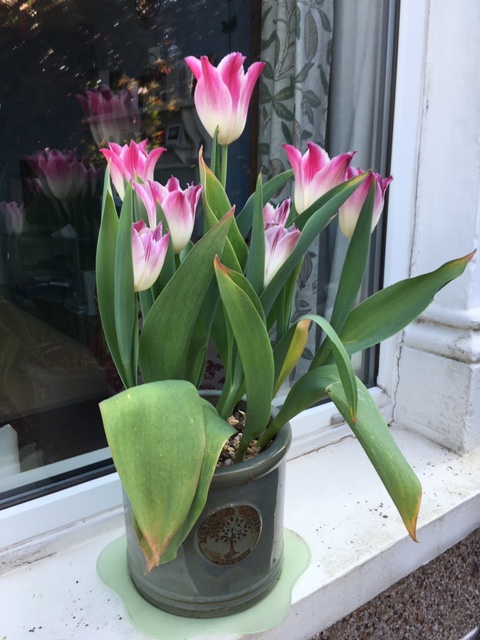
Despite exhortations to sit and enjoy our gardens, I think keen gardeners often don’t do that! But this spring there has been one thing that has brought me joy every time I look at it! In the autumn I bought a collection of ‘ tulips for a window box’. When it came to planting them, I decided the window box was too small, so I jammed them all into a pot. The three varieties are absolute beauties and even now they are fading are still immensely lovely.

I rarely sit outside, but I am greeted by them every morning when I have breakfast.
At the end of my garden I have a Clematis ‘Freckles’ which flowered constantly through the winter. However, I only saw this when I ventured further down the garden. I have resolved to plant something which gives me such pleasure closer to the house where I can see it even in inclement weather. In these unusual and difficult times, let us take pleasure where we can.
The tulips are Double Early and Double Lates: Anthracite, Copper Image and Dream Touch.
Vija
Create a walk via common and unusual trees, starting at your postcode. Such a good idea for your daily lockdown walk!
There is something very soothing to the soul to live near water, and if you can’t get a sea view in London then at least you can sit by a pond. (By this I mean a wildlife pond, not some unnatural Koi fishpond, you won’t get much wildlife around that!) I grew up with a mother who was a primary school teacher and every Spring we had to go frog spawn hunting so that she could teach the cycle of life to a new generation of pupils. It’s actually a rather horrid lesson, when you think of the thousands of tadpoles and how many actually make it to Froghood. Everything eats tadpoles! I used to spend my days trying to save them from newts and blackbirds etc., only to find they did something stupid like sunbathe on a lily leaf until they frizzled up.
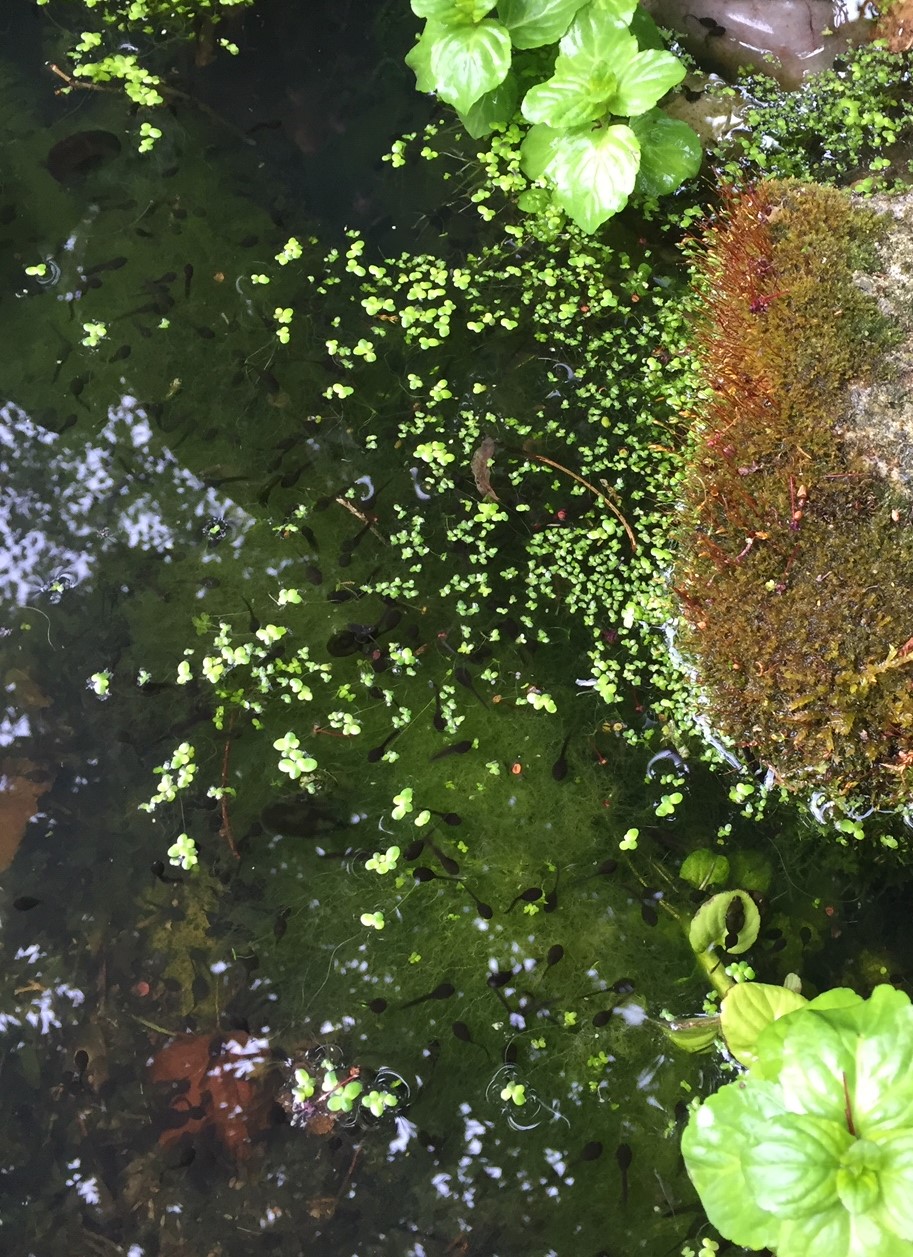
Hooking duckweed etc out of my pond was a lengthy process as I had to help each little black blob back into the water. I have great respect for Gardeners World and Monty, but he’s absolutely wrong when he says to just “leave the weeds on the side of the pond for a while and the creatures will crawl back in”. They jolly well don’t, and you go back to find these poor little Ramshorn snails and water slaters gasping away on the bank, or worse, idiotically crawling away from the pond. The only things that seem to be able to wriggle back in are leeches and diving beetle larvae (– which also eat tadpoles…).
Anyway, I am now older and wiser, or perhaps just have better things to do. We have so many toads and frogs that come back to our 30 year old pond every year that it has dawned on me nature carries on working without needing my help. I do still net the pond at mating time when the Heron and Crows come down for party snacks, and I don’t mow near the pond in July when the froglets are leaving to make their way in the Big Wide World, after one traumatic year.. It seems to work!
Apparently 1 in 7 of us now have a garden pond, which act as a network for wildlife since so many agricultural ones have gone. Our recent survey of CABAHS members showed that 32% have a pond, so we are much better than the average! Apparently in 1890 there were 1.25 million ponds in the UK, a mix of natural ponds and dew ponds created by farmers for livestock. About 70% of those have been lost or are polluted with fertiliser and pesticide run-off. Or salty runoff from de-icing the roads. So garden wildlife ponds are increasingly important, not to mention a whole lot of fun!
Here are some pictures of mine, trying to turn itself into a bog garden at this time of year, but very full of life.


Kathy A
I realise that Lily of the Valley is not everyone’s cup of tea but these little flowers and I have history: quite a bit of history in fact. 
My photograph doesn’t show them at their best (ahem) which causes me a pang of guilt and a determination to look after them a little better. Experienced CABAHS gardeners will perhaps find it a little eccentric of me to “look after” what many consider to be nothing more than a weed.
The new shoots you can see in this picture sit in their pot outside my door in south east London, but I have known them (or maybe their great grandparents) since 1968, when they made the journey from my grandmother’s house in Stanley Road to our house in Hollingworth Street, Oldham. I am astonished to find that Google Maps thinks that distance is 60 yards. I would have put it at far less!
My dad was born in the house in Stanley Road in 1924. He and my mother had moved to Hollingworth Street after they were married in 1951. Neither house had a garden; just a small, and rather dark, backyard. In 1968 his mother died. The house was sold, the contents dispersed but my mother rescued the plant pot of Lily of the Valley, the single item of colour in my grandmother’s backyard, installing it as the single item of colour in our own backyard. So it remained for many years. A bit of the rim of the pot came away in a particularly harsh winter but my dad stuck it back together and the pot lives on still.
With my mother’s encouragement I became almost as excited as she did when the first shoots of the Lily of the Valley started to appear, letting us know it was Spring. And their perfume! Nothing can ever match it for me. 
When I left home my mother began to accumulate more pots of plants for the backyard, so that in time it became almost impossible to see the bare flagstones in the summer. If I concentrate now I can hear my dad grumble about these pots and see my mother wink and say, “He thinks they’re great, really!”
I’d quite forgotten about the Lily of the Valley until I moved into my own house. In 1988 the clump was divided and I became owner of a half-share of the inheritance. They stayed in their pot, a plastic one this time, and came with me on two house moves. Some of their offspring have found a home in Ireland, some in Scotland. They’re now well-travelled!
These days I think about them a lot. I wonder how old any of the individual plants are. I wonder too where my grandmother acquired them from in the first place. It pleases me to think that I can trace them back for 50 years at least.
Shortly after my mother died I was in Vienna one Spring. At every station on the underground system there were tiny, impromptu flower stalls with just one thing to sell: small bunches of Lily of the Valley, which infused the entire station, so it seemed, with their heavenly perfume.
I discovered then that in some countries Lily of the Valley is traditionally given as a May Day gift. Happy May Day, everyone!

Melanie A
Juli’s project to keep busy has been making a bird table. She says it took the birds less than a day to find it, and she’s restocking it daily. She now has 6 feeders and 3 coconut suet holders, and her garden is quite small. A real hit with the wildlife though!

This common Hawthorn in full flower is one of many that line the Vanburgh Pits, just by the top Maze Hill entrance to Greenwich Park. It is magnificent, and makes you wonder why we bother to buy and grow pampered garden shrubs like Spirea etc.!

Anna’s Coronilla was purchased as a small cutting from a garden Open Day. It grows happily in a pot and flowers around now for about 2 months. Every garden should have one!

Here is another from Anna, a pretty Epimedium pubigerum, in flower now. The common name for it is Hairy Barrenwort – rather nasty, I can see why we all stick to “Epimediums” even if that doesn’t trip off the tongue either.

Below is Juli’s apple tree in blossom overload. She says it is usually a biennial fruit bearer and wasn’t expecting much from it this year. Either the mild winter, or the fact it didn’t crop heavily last year, has sent it into overdrive this year! Lots of apples for the Autumn Show maybe..

Angerstein Lane, going well over the top on tulips, just gorgeous!

Sara B has been out on dog walks and spotted some lovely blossom in Maryon Road, enjoyed her Whispering Dream tulips (a birthday present) and got crafty making the most of the spring flowers!

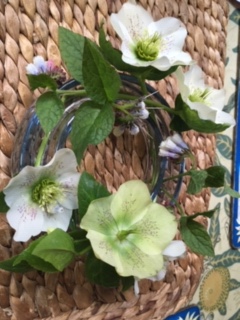
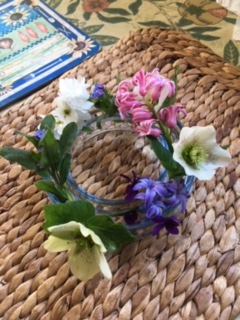
Vija’s pots of Narcissus, in the early morning April sunlight:

This is Juli’s “cloud-pruned” patio Cherry! It really couldn’t fit any more flowers on, I bet the bees just love it.

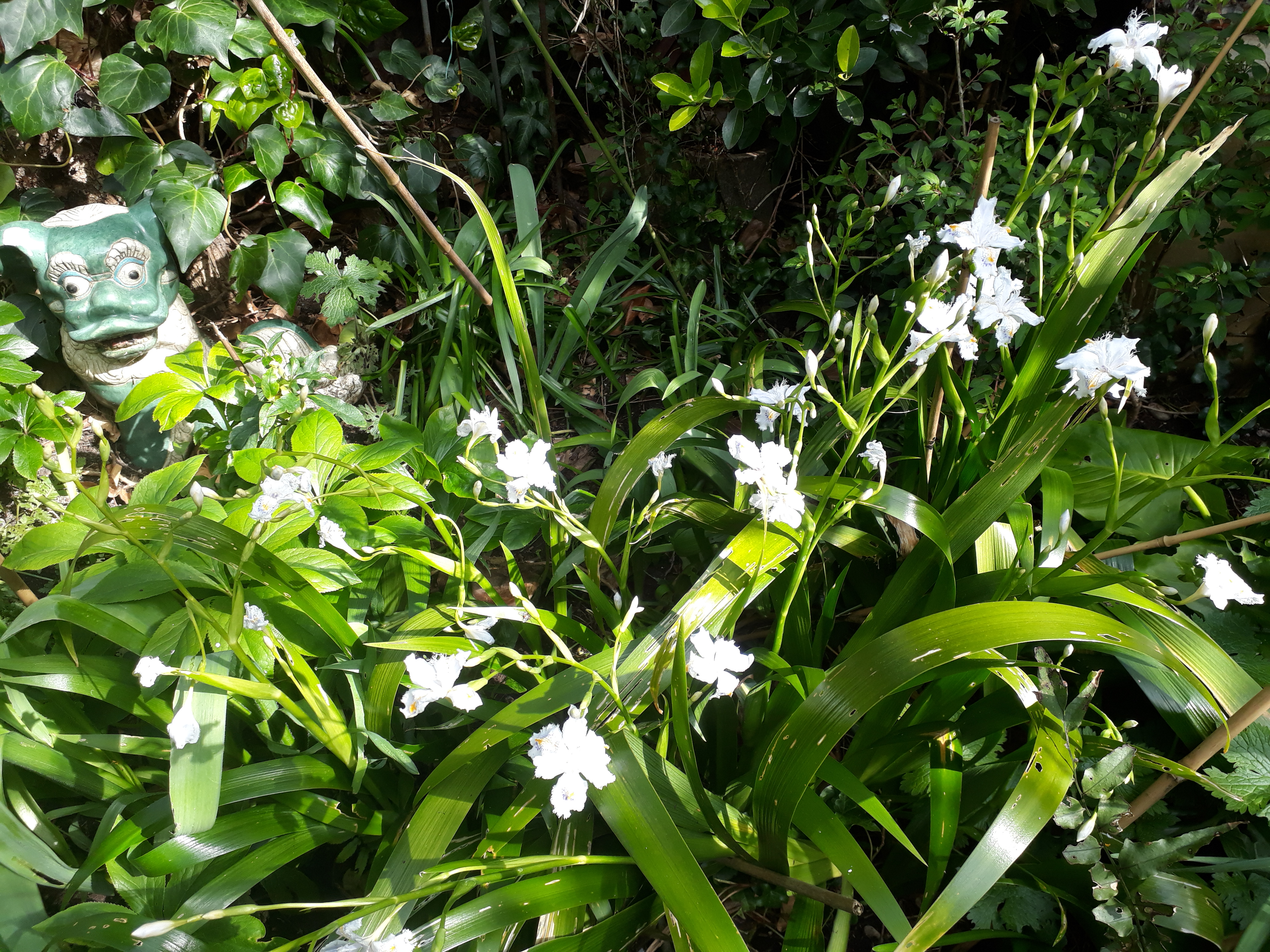
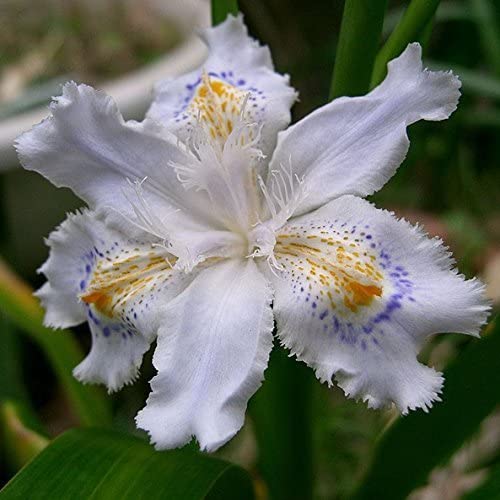
Here is Angela’s Iris japonica, or Fringed Iris, looking fab. The flowers are almost like orchids and seem to float above the foliage, which is why it is sometimes called the Butterfly Flower.
Below: Not very pretty perhaps, Kathy is very proud of her two year old “black gold”, especially as its so tricky to get hold of compost now!

Here’s Pat K’s Chionodoxa sardensis, in full bloom and some!

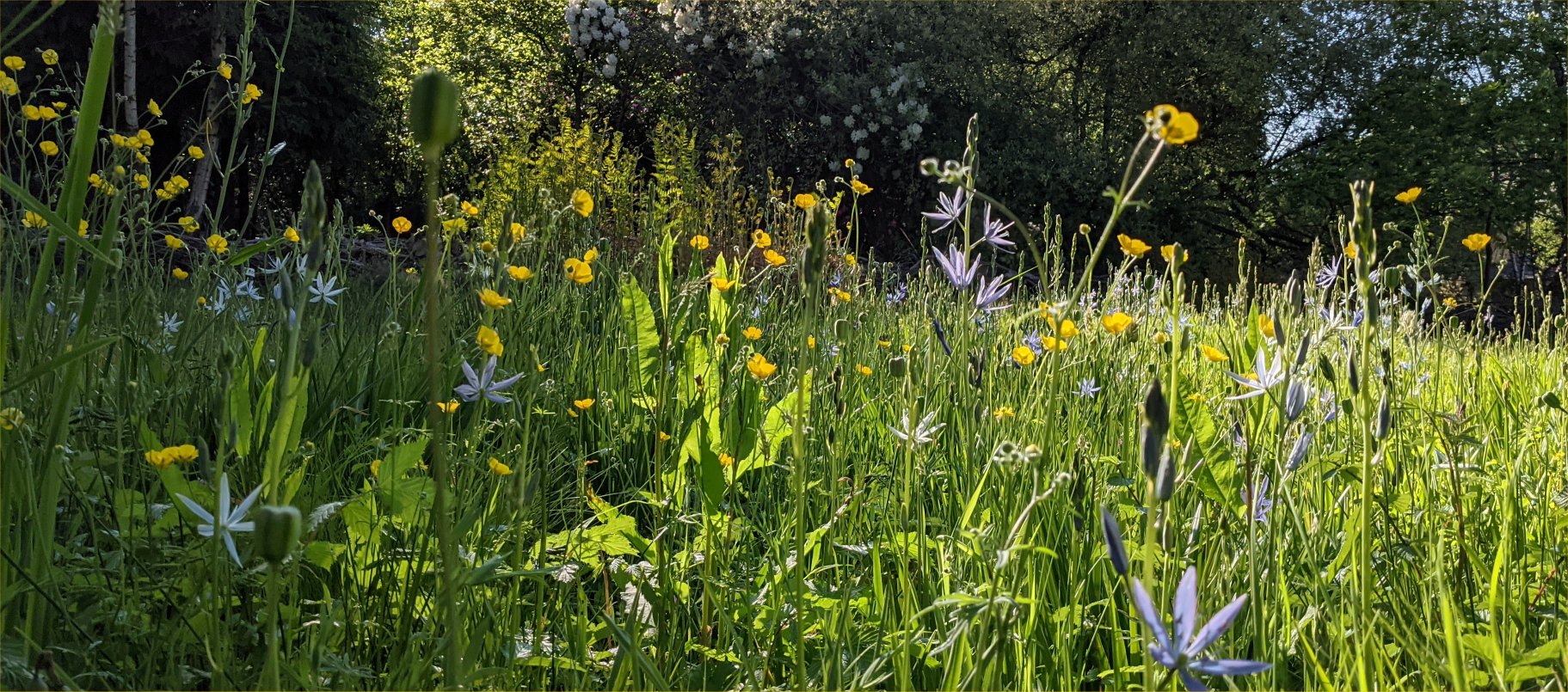
Plantlife are running their No Mow May campaign again this year. Don’t mow, then between 23 and 30 May, count the flowers in a random 1m square of lawn. Send in the results to Plantlife and they will calculate a National Nectar index to show how our lawns are helping pollinators.
Some good tips from Helen Yemm, download to view: Tips to take photos in your garden

There was a great article in the Guardian this week about taking photos during lockdown. Some fantastic ones of tulips, very topical following our recent Spring Show photos!
And on another note, here’s a photo lifted from our Facebook page – a bug’s eye view of a tulip, which someone says makes it look a bit like the Coronovirus!
 Charlton and Blackheath Amateur Horticultural Society