Hosta heaven and lots of spring colour in Vija’s garden. For slug control, she recommends the Gardeners World recipe for garlic spray (see Here we go gathering slugs in May).

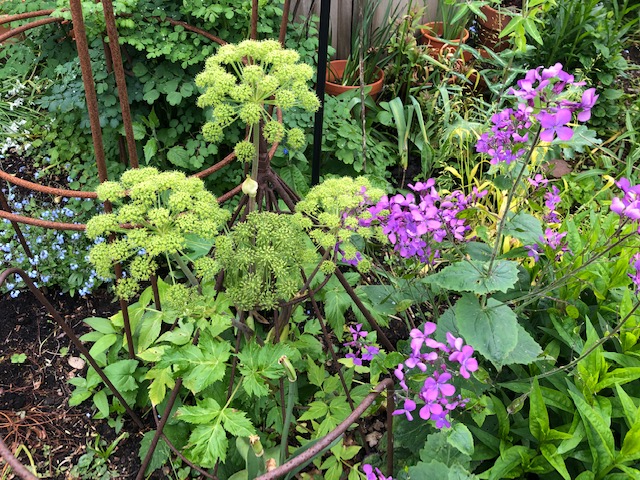

Here is Annie’s colourful Spring garden view.


Hosta heaven and lots of spring colour in Vija’s garden. For slug control, she recommends the Gardeners World recipe for garlic spray (see Here we go gathering slugs in May).
Here is Annie’s colourful Spring garden view.
Our May talk on Zoom was presented by local naturalist Joe Beale. He discussed the changing management of the local area, including Charlton Park, Greenwich and Blackheath and the impact this is having on local plants as well as lichens and animals.
He discussed the approach to take to habitat management – that there were lots of things worth fighting for. He discussed the need to carry out research and ecological surveys, the need for a conservation action plan and to take conservation action appropriate to the conservation site. Also the necessity to work in collaboration with local residents, communities, landowners, specialists and the local council. He commended the support given by Greenwich Parks and Open Spaces and its willingness to assist.
Joe began by showing a photograph of the Vanbrugh Pits in 1983 when vegetation there was scarce, but rich in bio-diversity, and now, when it is dense with brambles and Holm Oak which are killing off the flora and fauna. He pointed to the need for pursuing in management a middle path there, including getting rid of the Holm Oak, Cherry and Turkey Oak (as well as the dogs mess!).
Key diverse wild life plants in this area he suggested were species that needed low nutrient soil e.g. blackthorn plantain and lichens such as Cetraria aculeata and Chaldonia furcata. He said 29 types of butterfly had been found on the Greenwich Park side of Blackheath in 2010 which was about half of the UK total and 173 species of bees and wasps.
Also found in acid grassland and sandy soil are sheeps sorrel (Rumex acetosella), birds foot (Ornithopus perpusillus), spurry (Spergularia rubra ) and lichen (Cetraria aculeata).
Blackheath and the Greenwich Park side of it is well known for plants and clovers which thrive on soil of of low nutrient value. Such as hare’s foot clover (Trifolium arvense), knotted clover (Trifolium striatum), woolly clover (Trifolium tomentosum,) and clustered clover ( Trifolium glomeratum).
Wildlife included gorse( Ulex europaeus) for the whinchat birds, ragwort visited by 43 bees and wasps, the burnet and cinnabar moths and small copper butterflies.
Joe said sympathetic mowing was crucial in particular the need to remove the hay to promote biodiversity as it was nutrient rich. Always have wildness at heart. Leave the edges of sites, leave verges and banks and mow in rotation. Expose earth and deadwood. Consider the food, plants, shelter, nesting and breeding needs of key wildlife.
He described the increase in biodiversity in verges in Blackheath since it has had relaxed mowing as well as Charlton’s Maryon Park. He also referred to the Wildlife Meadow which is being constructed in Charlton Park. The policy there of not sowing wild flowers, just digging the area over and seeing what grows. He pointed out the value of cemeteries in promoting biodiversity. He mentioned that cemeteries such as Charlton cemetery are expected to be neat and tidy, but, in fact are bustling with wild life and like Charlton they should have an area left to encourage biodiversity.
To help promote and encourage more biodiversity Greenwich Park has also taken a more relaxed approach to mowing and is allowing grass to grow in some areas as well as setting up biodiversity friendly habitats. This policy has been incorporated into its multimillion pound Heritage funded renovation programme. Many CABAHS members are already keen promoters of biodiversity and wildlife. Hopefully Joe’s enthusiastic talk will encourage the rest to consider the needs of biodiversity and wildlife in their own gardens.
Angela
Joe Beale is a naturalist who, in addition to carrying out surveys of local wildlife, giving talks and writing, also offers guided walks. He is across social media platforms with an active Twitter account, updating people on what to see in our area.
Early May
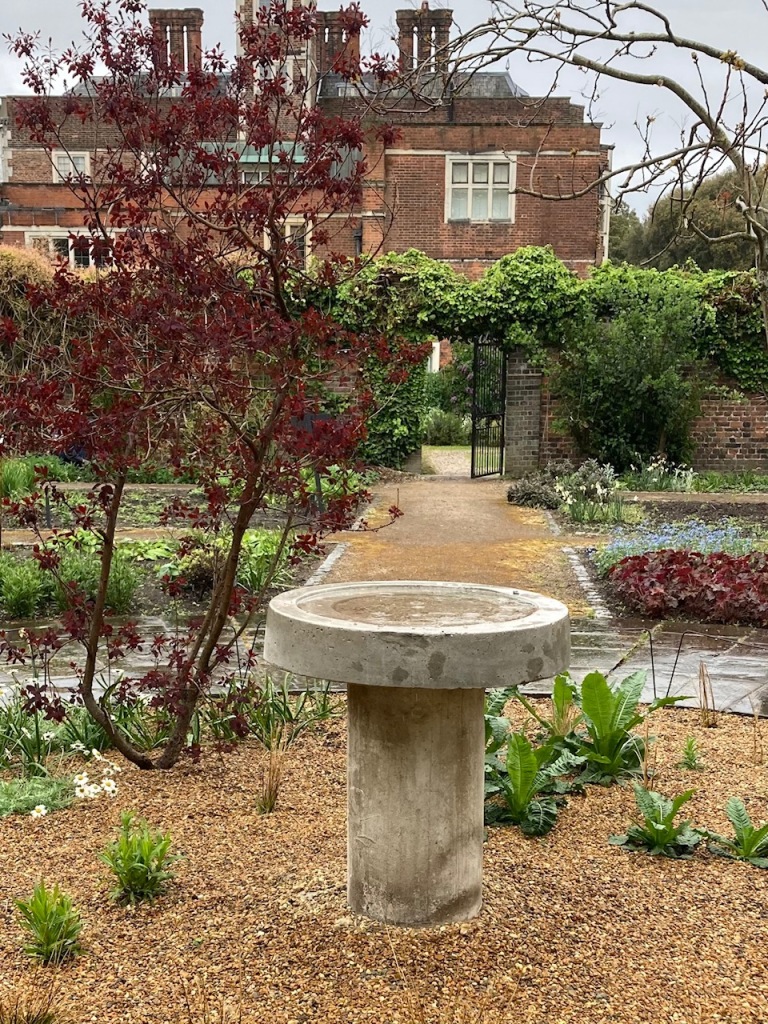
The rainiest May for years, wet volunteers still working away. (They come for the Lotus biscuits at half time…). The gravel garden looks rather good in the rain actually. But for heaven’s sake when is that Alianthus (Tree of Heaven) going to come into leaf? It’s almost as slow as the Mulberry.

Bird bath being used, and our lovely Cotinus (Smoke Bush) is coming out.
Sunday 30 May
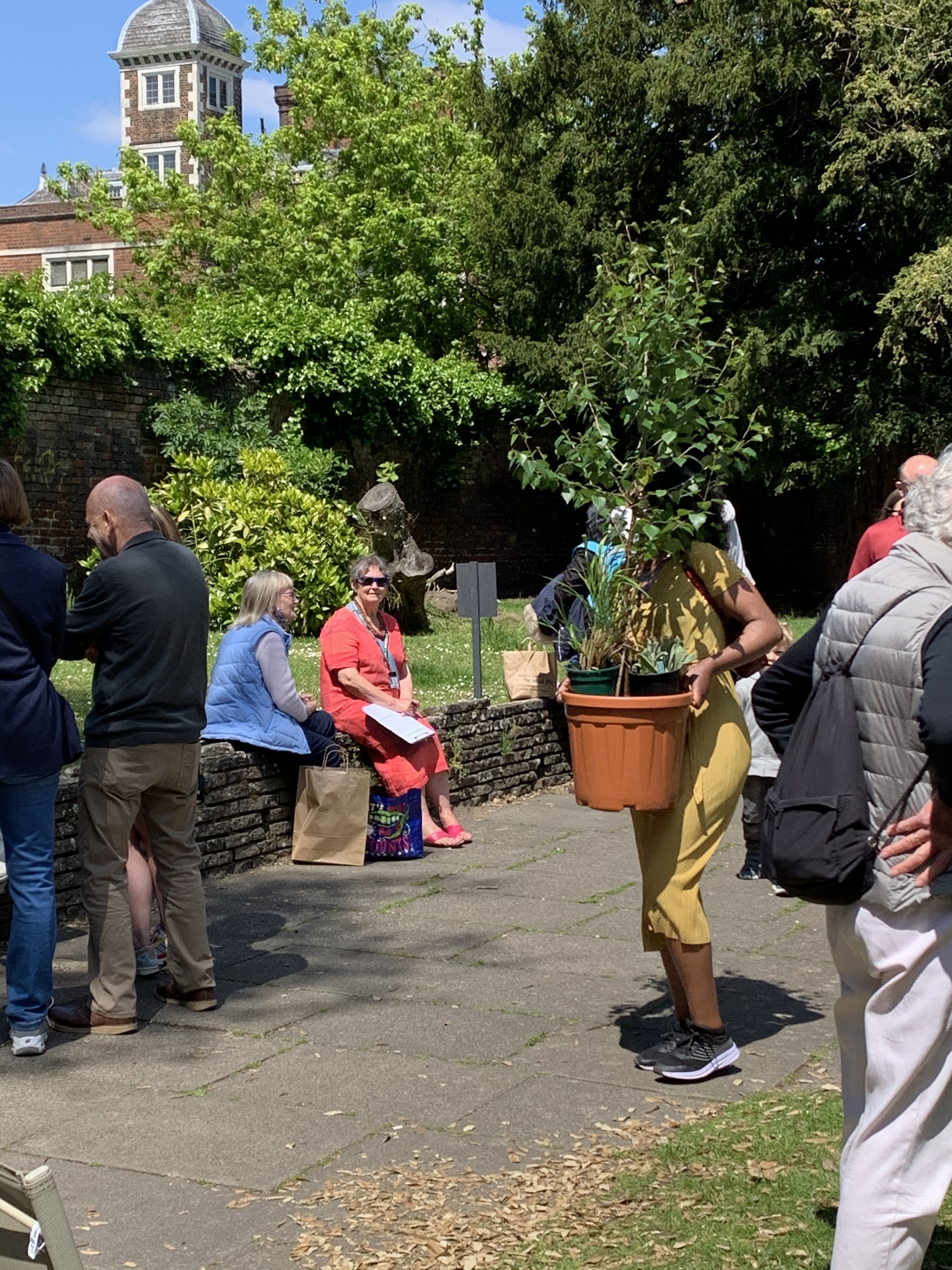
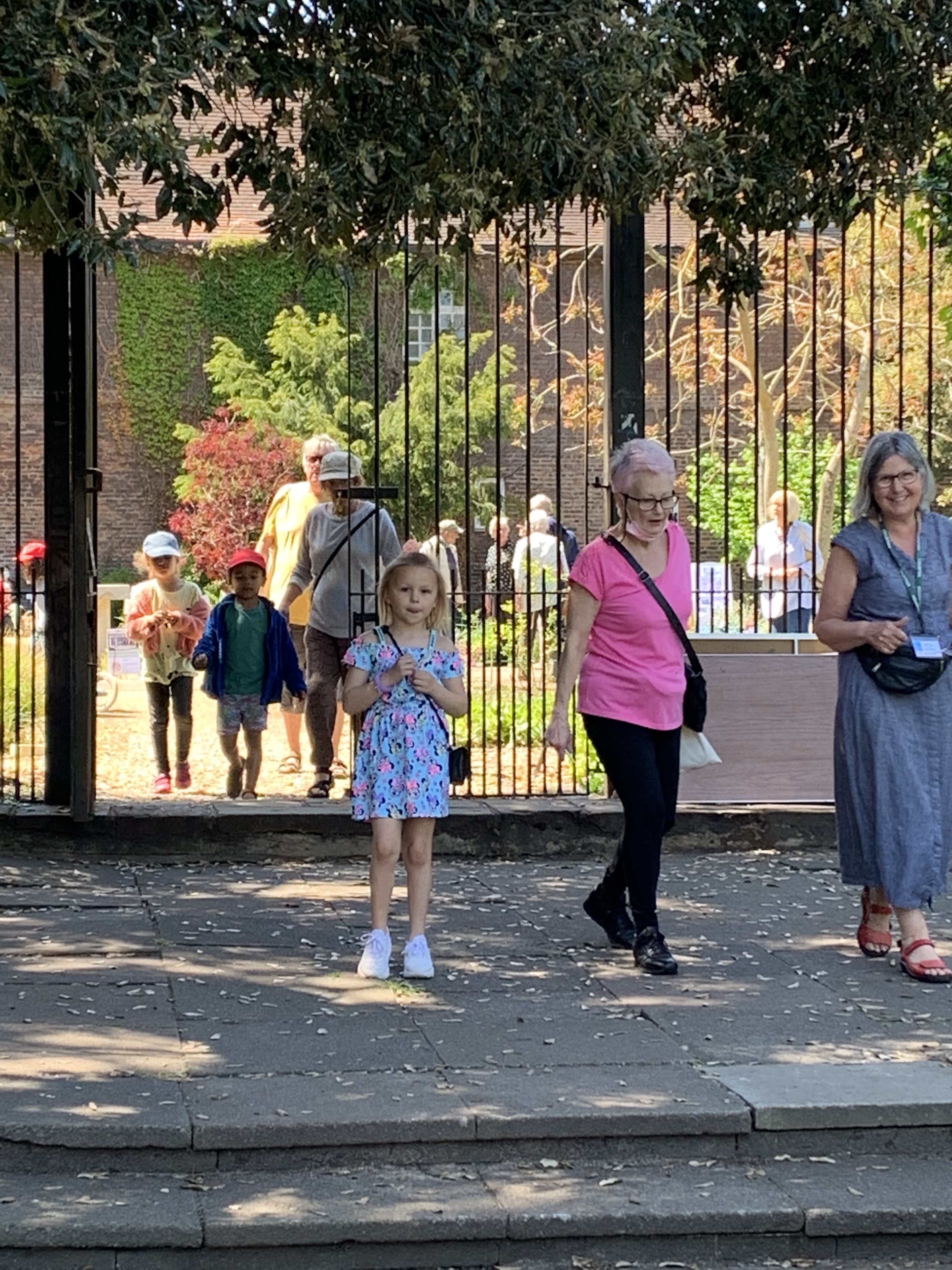
Our Plant Sale and Community Day was a great success – all those pleas were answered and the sun did come out. Thank you so much to everyone who donated plants or gave their time on the day to help. This was the biggest plant sale CABAHS has ever held, and has raised over £950 for the Hospice, plus more funds to continue the garden revival.




The City of London might not be the first place that you would look to understand how nature conservancy developed in this country. The Wildlife Trusts, the umbrella organisation for local groups that care for their environment, makes it clear that they owe their existence to the Society for the Promotion of Nature Reserves, for which Charles Rothschild, a partner in the merchant bank of N M Rothschild & Sons, was the catalyst.
I thought about him during Joe Beale’s excellent talk on Zoom to the CABAHS meeting on 17 May. Members learned a lot about biodiversity in the area of Greenwich Park, Blackheath and Charlton. We also learned how important it is for people to work together. Joe didn’t just mean small groups of concerned individuals, although those are crucial. He meant engaging with local councils and other bodies to make sure everyone’s interests and concerns are understood.
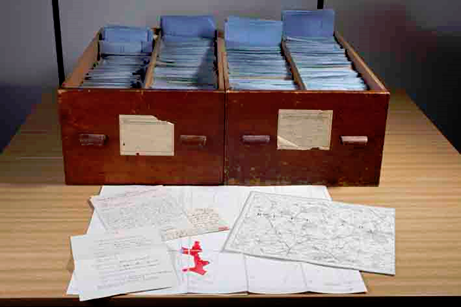
This is what Charles Rothschild did. He sent out questionnaires to local natural history societies, asking for nominations for sites that could be nature reserves: sites that were ‘worthy of preservation’. On the basis of these returns, the newly-created Society for the Protection of Nature Reserves published a list – Rothschild’s List – and sought government intervention to protect the sites. Here is the list, published in 1915.
https://www.wildlifetrusts.org/about-us/rothschilds-list
Joe also brought home the importance of keeping records over time so that measurements of improvement and, sadly, deterioration have value. In the link above The Wildlife Trusts also presents an analysis of the condition of Rothschild’s Reserves, 100 years on.
This document features a pie chart of habitats, 2% of which are pavements. I wonder if our very own Terry might well be responsible for some of that, based on what he told us he was up to at the end of his road!
Charles Rothschild was an extraordinary man by any measure of means. His collection of fleas, now the national collection of fleas in the Natural History Museum, was lovingly catalogued by his daughter, Miriam, who was herself a powerful advocate for nature, advising the Prince of Wales on the creation of his garden at Highgrove.
One of his fans is sports- and nature-writer Simon Barnes, whose book, Prophet and Loss: Time and the Rothschild List is available on Kindle for only £2.37. If members were to buy the book (profits to The Wildlife Trusts) they could buy a cake from the WI at the CABAHS community day at Charlton House on 30 May and still have change from a fiver!
Melanie
On Sunday I picked 22 slugs off my small hostas (just to reassure readers, I don’t do this regularly – I do have other things to do!). With the advent of damper weather they are really starting to show themselves. For those who love growing hostas, slugs and snails are probably the biggest pests and even the giants like Sum and Substance and Big Daddy are not always immune to their predations. Growing in a coarse medium, or using environmentally friendly slug pellets, doesn’t necessarily solve the problem because slugs are smarter than you think. If necessary they will abseil down a neighbouring plant to get at the leaves of your hosta, so anything at ground level will not always stop them.

Preparatory products have been, rightly, removed from the market as they have proved toxic. A garlic wash has long been recommended as an alternative and I have used this myself in the past.
When I recently bought some new hostas (those of you who know my garden might wonder why I need any more, but I justified the purchase on the basis that one was a replacement for Dancing Mouse and the other was a gift) the recipe for a garlic wash was included with the plants, which I thought I would share with you. Please see below.

Vija
Here is Pat’s Spring garden, the squirrels have left her some tulips then!
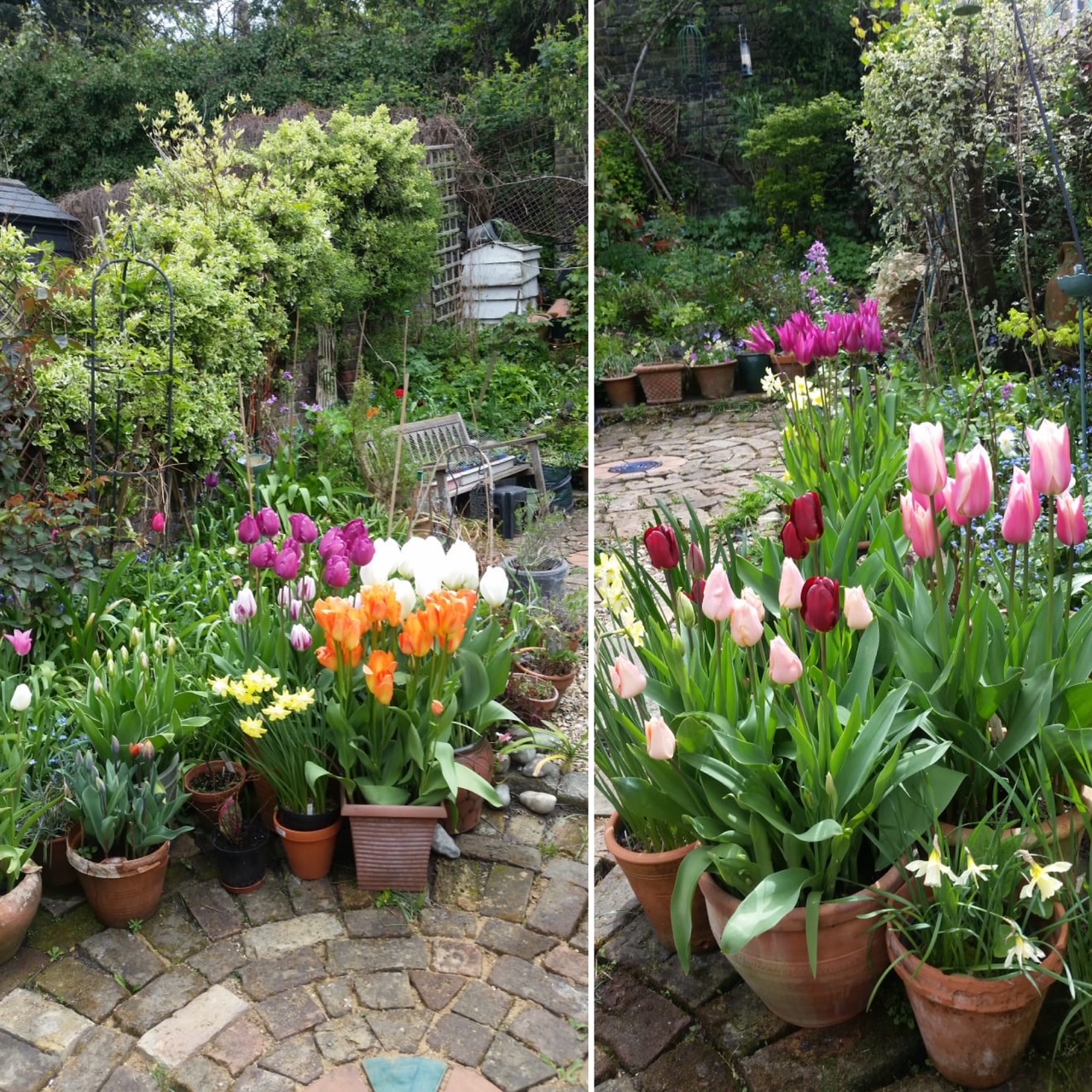
This is a selection of colourful plants from Elizabeth’s garden:
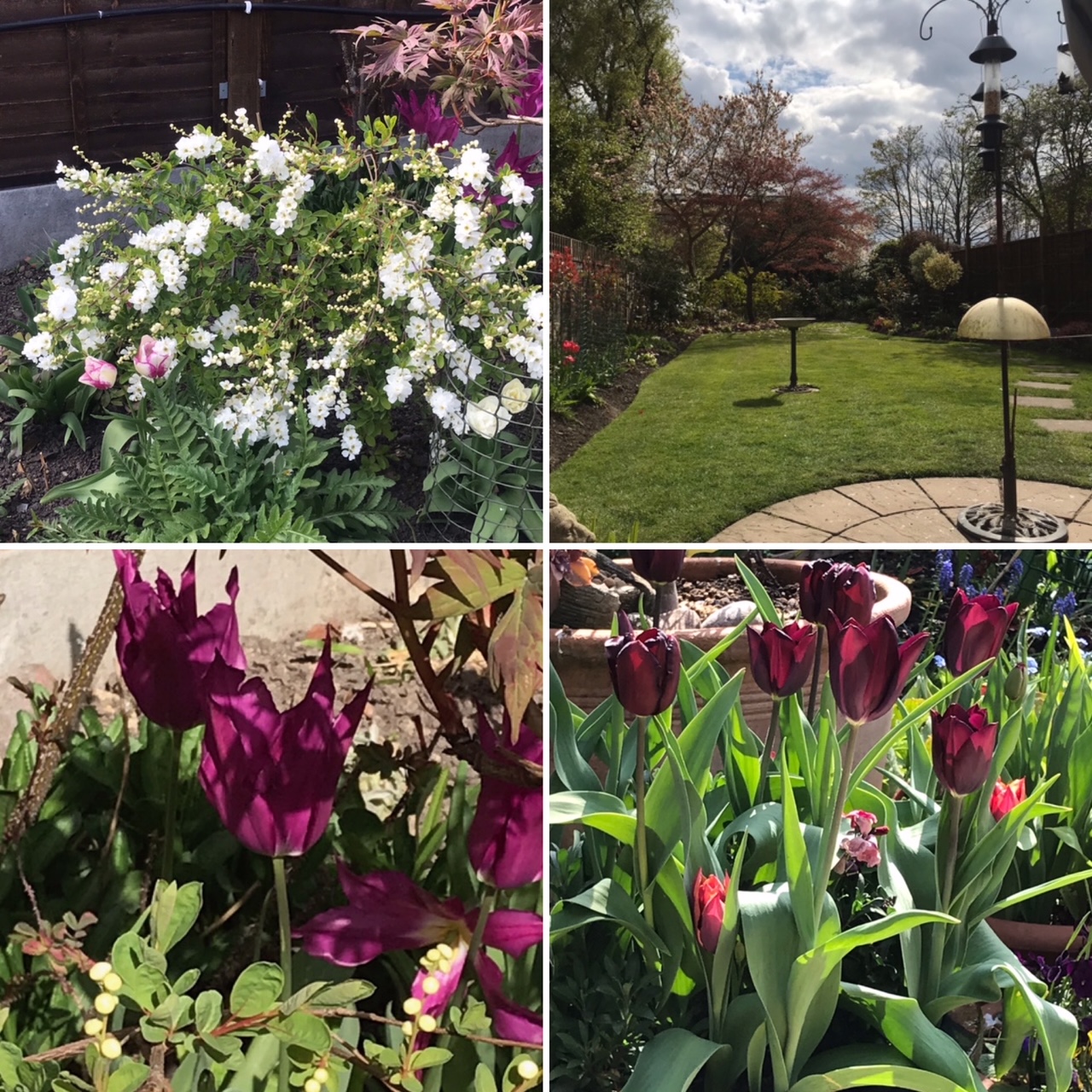
Here is Jillian’s garden in the Spring sunshine. She has some new compost bins to die for! The unusual shrub (bottom left) is a bitter orange or Ponceris trifoliata, it has vicious thorns but beautiful flowers.
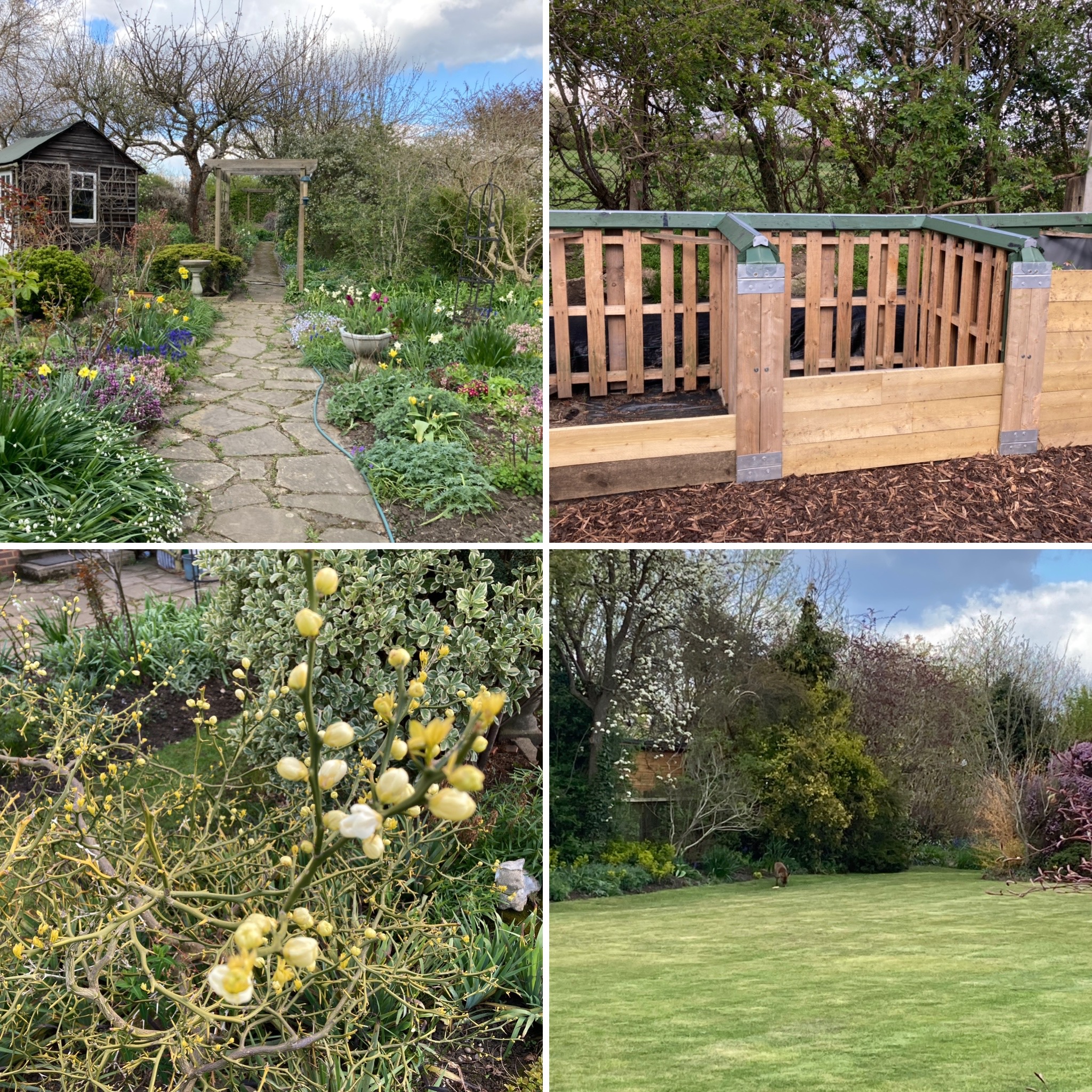
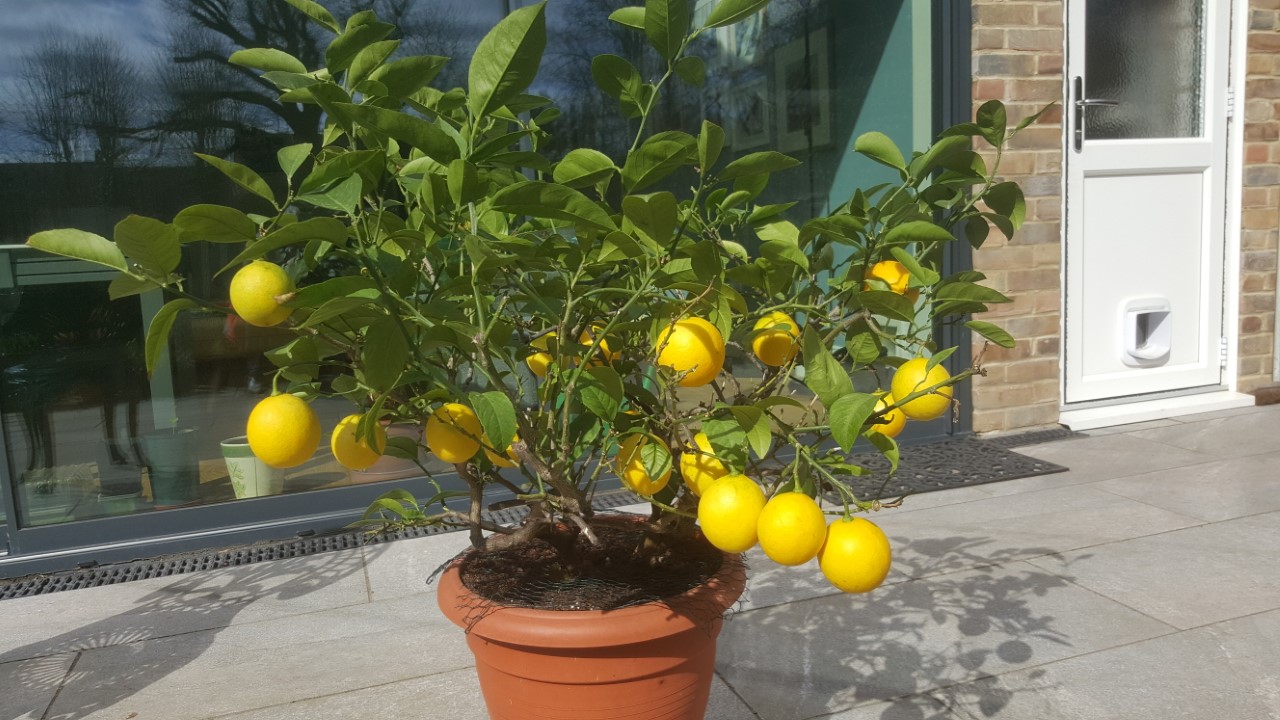
Hugh has sent in the picture below – he says: This is a “Meyer Lemon” and it is probably 30 years old now. There are 18 lemons on the tree this year which is enough for 36 gin and tonics! The fruit are delicious and the blossom in spring is really very fragrant.
Meyers lemons are not frost hardy so I bring it indoors every winter but this year it has become a bit confused and seems to have ripened over Christmas. As we do not have a conservatory in our new house it has spent the winter in our bike store cupboard. This is not heated but seems to obtain some warmth from the house and it only has obscured glass in the doors.
Sometimes the fruit take over a year before they are ready and often the tree is in flower again before I have picked all the fruit from the previous season.
Every year is different and it has looked like dying a couple of times but this year has truly been a record year. I can well recommend it!
Our recent Zoom talk featured Adam Pasco, horticultural journalist and editor of Gardeners World magazine for many years, who provided ten tips and ideas on how to create a garden for all seasons that would provide garden interest and colour throughout the year. He used as a backdrop and example his own beautiful back garden in Peterborough which he had created over the last 30 years. A garden that we amateur gardeners could relate to and achieve.
1) CHOOSE PLANTS WITH STRUCTURE AND FORM: Adam suggested as examples, the Wedding Cake Tree – Cornus controversa variegata, Hydrangea paniculata, Cardoon – Cynara cardunculus.
2) PICK PLANTS THAT HAVE A LONG SEASON OF INTEREST: He suggested putting the perennial Spanish Dagger – Yucca Gloriosa variegata in a large pot and surrounding it with annual bedding plants which could be changed each season.
3) USE PLANTS AND COMBINATIONS FOR CONTINUITY OF COLOUR: For example Phlomis russeliana (AGM) and Nepeta racemosa.
4) ADD FEATURES AND FOCAL POINTS: He gave examples such as seated areas with benches, painted wooden fences, paths, arches and water features. He gave East Rushton Old Vicarage garden, Barnsdale Gardens, and Old Wallerton Hall as examples.
5) CREATE STUNNING SEASONAL DISPLAYS: So that you have a display in each season. He gave the red border at Hidcote as an example of a summer display.
6) ADD VALUE ACROSS ALL SEASONS: Also design your garden so that it looks good all the year round. Focus on one area that looks good for one season. Adam suggested Camellia ‘Garden Glory’ Feb – March, dwarf Rhododendron ‘Snipe’ Feb – March, Camellia ‘Contribution’ Mid March-April, Skimmia x confusa ‘Kew Green’ (AGM) – April, Lithodora ‘Heavenly Blue’ – Spring through summer, Azalea ‘Sheila’ – May, Rhododendron ‘Yakushimanum’ – May, Rhododendrum ‘Surrey Heath’ – May, Kalmia latifolia -Early June, Clematis ‘Oh La La’, Boulevard Series, Hydrangea -Summer into Autumn, Taxus baccata ‘Standishi’ (AGM) -Year round, Tibetan Cherry Prunus serrula.
7) EXCITE THE SENSES: He suggested sensory plants such as Nemesia ‘Wisley Vanilla’ and Lilium ‘Pink Romance’.
8) GROW SOMETHING DIFFERENT: He suggested Sophora ‘Sun King’ (AGM), Hollyleaf Sweetspire, Itea ilicifolia (AGM), Phygelius ‘Moonraker’ and Ptilotus ‘Joey’ for a sunny patio pot.
9) PLANTS THAT ATTRACT WILDLIFE: He suggested Alstromeria initicancha ‘Sunshine’ and Cotoneaster horizontalis for berries.
10) HAVE A STAR PLANT FOR EVERY MONTH:
EARLY SPRING: Plant Narcissus ‘Tete- a- Tete’, Camellia x Williamsii ‘Saint Ewe’ (AGM) and Summer Snowflake ‘Leucojum aestivum (AGM) with Brunnera Jack Frost (AGM).
MID SPRING: Star Magnolia – Magnolia stellata, ornamental fruit and trees e.g Self fertile Pear ‘Concorde’ (AGM), Epimedium x Perralchicum ‘Frohnleiten’.
LATE SPRING: Rhododendron ‘Yakushimanum’ (AGM), Perennial Wallflower Erysimum ‘Bowle’s Mauve’, Clematis koreana ‘Amber’.
EARLY SUMMER: Roses including ‘Gertrude Jekyll’ and ‘The One and Only’, Allium ‘Globemaster’ (AGM). Annual climbers e.g. Sweet Peas, Thungbergia alata ‘Superstar Orange’, Spanish Flag – ‘Ipomoea lobata’, Cup and Saucer Vine – Cobaea scandens.
MID SUMMER: Astranta major ‘Roma’ (AGM), Echinacea magnus, Lavender Fathead ‘Pretty Polly’, ‘Willow Vale’, L. Viridis.
LATE SUMMER: Crocosmia ‘Lucifer’ (AGM), Rudbeckia ‘Goldstrum’ (AGM), Sedum Thundercloud’, ‘Purple Emperor’ (AGM), ‘Rose Carpet’, Sedum takesimense ‘Atlantis’.
FOLIAGE FAVOURITES THROUGHOUT THE SEASONS: Acer shirasawanum ‘Aureum’ (AGM), Euphorbia ‘Ascot Rainbow’ (AGM), Brunnera ‘Jack Frost’ (AGM), Persicaria ‘Red Dragon’, Physocarpus ‘Diabolo’ (AGM), Elder – Sambucus ‘Black Lace’ (AGM), Viola ‘Heartthrob’, Acer palmatum ‘Seiryu’.
EARLY AUTUMN: Perennial Sunflower – Helianthus ‘Lemon Queen’ (AGM), Aster x Frikarti ‘Monch’ (AGM), Japanese Anemones ‘Pretty Lady Susan’ ‘Honore Joubert’ (AGM), Prinz Heinrich ‘Pamina’ (AGM) and ‘September Charm’ (AGM).
MID AUTUMN: Autumn colour- Stag’s Horn Sumach – Rhus typhina, ‘Kashmir’, Rowan – Sorbus ‘Cashmiriana’ (AGM).
LATE AUTUMN: Crab Apple – Malus ‘Red Sentinel’ (AGM), Skimmia japonica ‘Pabella’ (female for berries).
EARLY WINTER: Silver Birch – Betula ‘Silver Shadow’ (AGM).
EVERGREEN FORM AND COLOUR FOR ALL SEASONS: Japanese Sedge – Carex ‘Evergold’, Helleborus argutifolius (AGM), Skimmia ‘Kew Green’ (AGM) (male), Chamaecyparis ‘Boulevard’ (AGM), Choiysia ‘Aztec Pearl’ (AGM), Choisya ternate ‘Sundance’ (AGM), Hebe ‘Margaret’ (AGM), Evergreen Fern – Soft Shield Fern Polytsichum setiferum (AGM).
MID WINTER: Mahonia x Media ‘Winter Sun’ (AGM), Daphne bholua ‘Jacqueline Postill’ (AGM), Winter Aconite – Eranthis Hyemalis (AGM),
LATE WINTER: Crocus ‘Tricolor’ (AGM), Snowdrop – Galanthus nivalis (AGM).
Finally, Adam suggested garden jobs for April: it is a good time to transplant and split Agapanthas. Also he recommended buying seeping hosepipes, and that timers could be attached to taps. A time too for testing old seeds to see if they are worth using. Take a few, soak in water overnight, dry them and cover them with cling film. Check after a couple of days to see how many have germinated.
Angela
Adam Pasco launched the BBC Gardeners’ World magazine in 1991 and edited it for 22 years, he currently edits the Waitrose magazine, and has worked alongside gardening icons Geoff Hamilton, Geoffrey Smith and Alan Titchmarsh; he also lectures, is a renowned photographer and runs his own media company, adampascomedia.com
The gardens opened to the public on18 April for our ‘Bunnies in the Beds’ Easter trail, and a plant sale in the Long Borders. We were very impressed to receive a visit from keen gardener, the Mayor of Greenwich, Linda Bird. The gardens are now open Monday to Friday, 10am-4pm.

More pics below: top right is Viv in front of her re-located driveway, now the gravel garden. And the bottom left picture is of Bunny number 4, Borage, or Panic Bunny as he is better known since we discovered rather late that there was no Borage in the Peace Garden, so we had to hastily plant some!

Flowers out! And thirsty bees out too.

In his book The Flower Yard, Arthur Parkinson writes lovingly about his grandmother Min and her gardening practices, typical, he writes, of an older generation of gardeners. He describes the kinds of plots tended by Min and her neighbours and how ‘there was no acceptance of insect life, as proved by the cupboard of death in the garage, its shelves packed with poison, weed killers and bug spray’[1].

My Mother’s death bequeathed to me not only her gardening tools, but a similar shelf’s worth of gardening aids. I have very vivid memories of the shed she and my Father had in their garden, the tools neatly lined up and clean, sweet jars ready for pickled vegetables, saved seed in envelopes and plant labels ready to be re-used. But alongside all this were also the toxins.
And it is not only a younger generation of gardeners who believe in far more environmentally friendly gardening practices. In a recent online talk given by Fergus Garrett, he argued that ‘gardening and ecology have to come closer together’ and devoted one whole lecture to how gardening at Great Dixter has become much more sustainable in recent years and delighting in the huge quantity of species that the gardens are home to.
Driving somewhere in the 1970s meant cleaning the windscreen and headlights of bugs on arrival home. That no longer happens and is a sure indication of how much insect life has been destroyed in a very short space of time.
Vija
[1] Parkinson, A. The Flower Yard (2021) Kyle Books p.119.

At our recent Zoom talk, Dr David Marsh, a garden historian, gave a detailed account of the history of elephants in gardens focusing primarily on menageries and then on large scale mechanical elephants. His interest in elephants was stimulated by a visit to a café at the grade I listed Chiswick House and gardens where he noticed a coaster had an elephant depicted on it.
The earliest mention of a menagerie in the UK is in 1199 in the grounds of Woodstock Manor situated on the site of the present day Blenheim Palace.
The monarchs over the centuries were very keen on menageries and elephants. Elephants were often given as gifts. Henry 111 was given an elephant in 1255 by the French King which cost £24.14s.3p to feed over a period of 9 months. A colossal sum at the time. So too were Henry VIII and Elizabeth I. James I was especially attracted to menageries. He was given one by the King of Spain.
Henry VIII set up a menagerie in the Tower of London where an area was set aside for it. Over the centuries the menagerie became a tourist attraction. A viewing platform was erected in 1597. The animals were sometimes baited to entertain tourists. In the 18th century the entrance fee was 3p, or if you could not afford it a cat or dog to feed to the lions.
Elephants over the centuries were often fed and housed inappropriately. One was fed wine. Not surprisingly some did not live very long. Henry VIII’s elephant only lived 2 years.
By the mid eighteen century menageries became must have features found in many country estates. There were estimated to be as many as 40 at one point. Though rare that they had elephants. One well known elephant was Sadi who was given to the Duke of Devonshire at Chiswick House by the Marquis of Hastings of India fame as a present. He even introduced her to the Russian Czar. The animals in menageries became increasingly varied and exotic. A reflection of the expanding British empire overseas.
By the early 19th century menageries had also become commercial enterprises. The Exeter Exchange was set up in the Strand near Somerset House in 1815. One elephant there, Chunee was taught tricks. She was hired out to theatres, but eventually had to be killed as she became too dangerous.
The early nineteenth century was the heyday and also the swansong of menageries. The tide turned on Chunee’s death and a more humane and educational approach was introduced during the 19th century. George IV had a menagerie set up at Windsor using a more enlightened approach.
In 1826 the Linnean Society spear headed by its members, Sir Joseph Banks, Humphry Davy and the Stamford Raffles founded the present day London Zoo in Regents Park where the animals were provided with more spacious accommodation within beautiful gardens. In the 1830s William 1V closed the Tower menagerie and its animals were moved to Regents Park. It did not have an elephant so the new zoo quickly bought two.
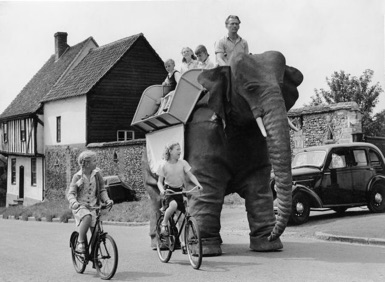
The Exeter Menagerie was moved to a site in the Walworth Rd by its owner Edward Cross. He situated it in a large beautifully designed and laid out garden. It became a major tourist attraction.
Dr Marsh then moved on to mechanical elephants They were first mentioned by Jules Verne in 1880 and started to be manufactured at the beginning of the twentieth century. Frank Smith and then in the 1940s and 50s, Frank Stuart , developed and manufactured and sold world wide large scale mechanical elephants. They became major tourist attractions. They were also used for advertising purposes, including by Chipperfields Circus. One in Australia called Nellie played a central part in the annual Adelaide Christmas Parade. One huge automaton in Nante took 20-30 passengers and shot water from its trunk. Some still exist. One is in the Bewley Motor Museum. One was even sold on Ebay in 2011 for £1,600. Another featured in Jeremy Clarkson’s Top Gear!
Dr David Marsh is a garden historian, lecturer and writer, as well as a trustee of the Gardens Trust, a charity dedicated to the conservation of our historic parks, gardens and designed landscapes. He is an expert on garden history and co-convener of the History of Gardens and Designed Landscapes seminars at Institute of Historical Research, London University. A brief introduction to his talks can be found at gardenhistorytalks.com and he also writes a weekly blog for the Gardens Trust.
 Charlton and Blackheath Amateur Horticultural Society