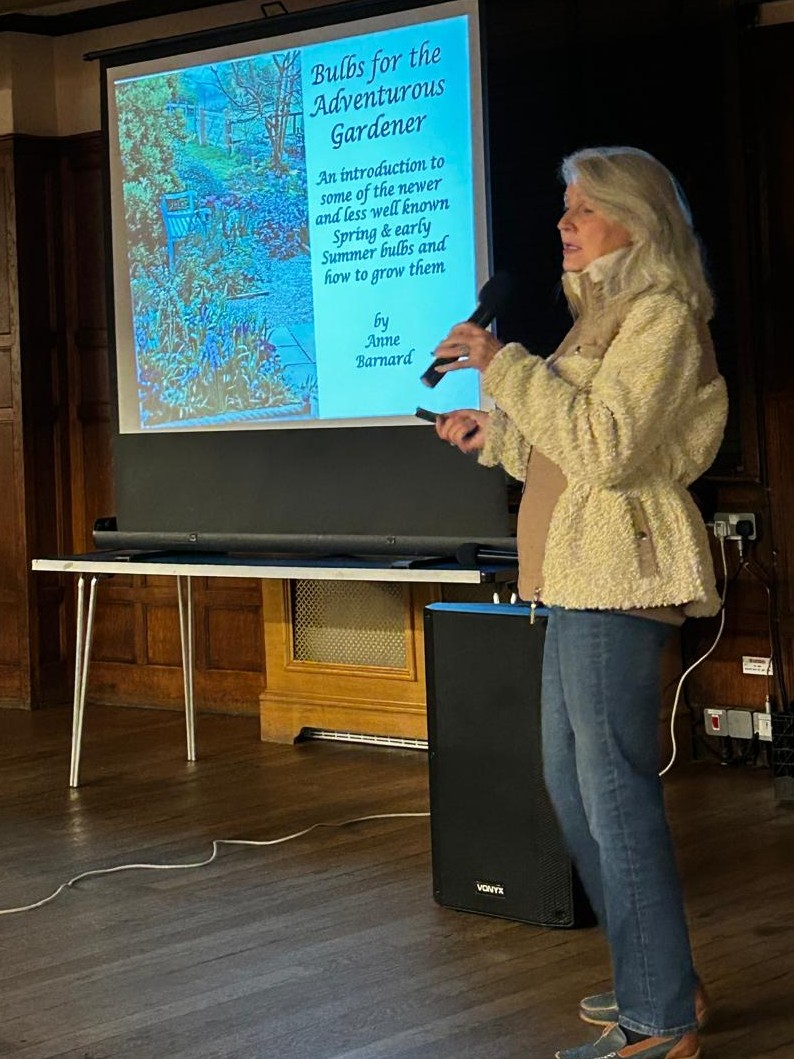
With nights drawing in and a chill in the air for our October meeting, it was a pleasure to welcome Anne Barnard of Rose Cottage Plants for her talk ‘Bulbs for the Adventurous Gardener’: an introduction to some of the newer and less well known spring and early summer bulbs with advice on how to grow them *.
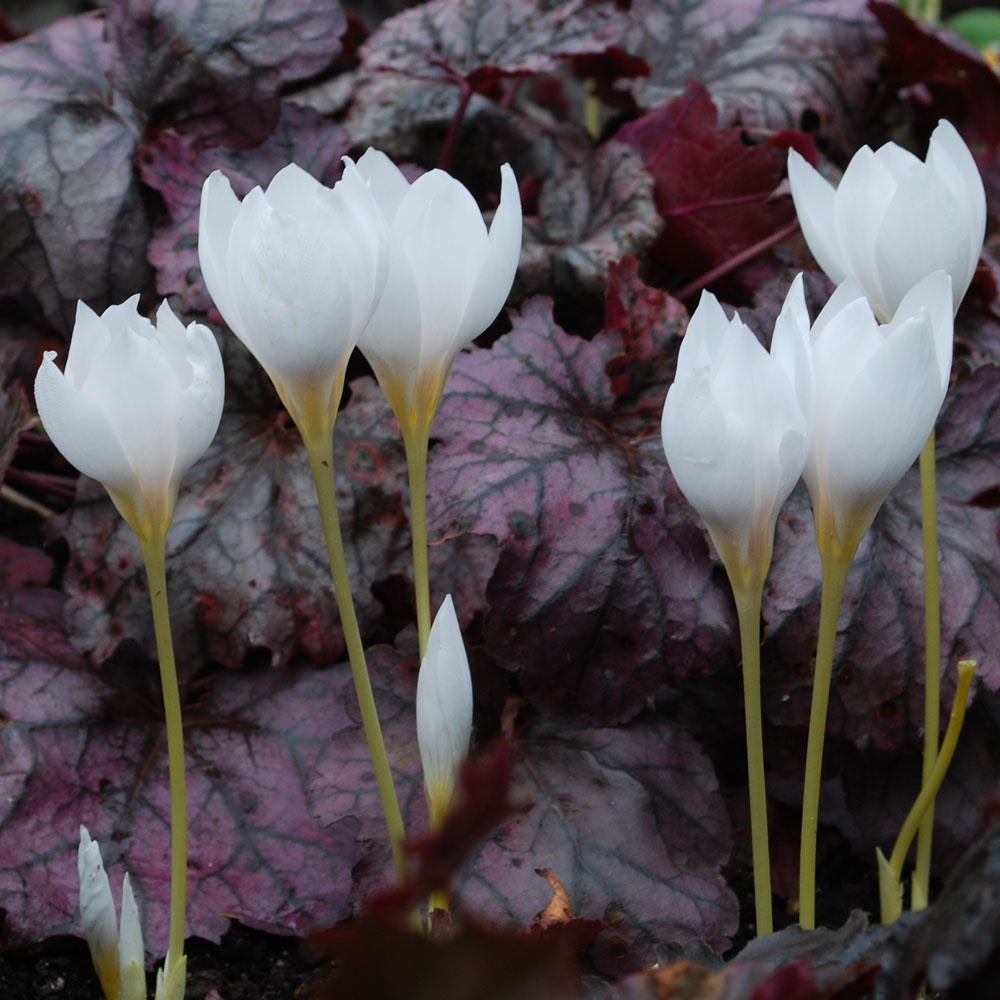
Our tour through the bulb year started with Crocus. Although most appear late winter to early spring, a few like Crocus speciosus ‘Albus’ are Autumn flowering. This looks good grown through a dark leaved Heuchera, its leaves protecting bulbs from squirrels and mice.
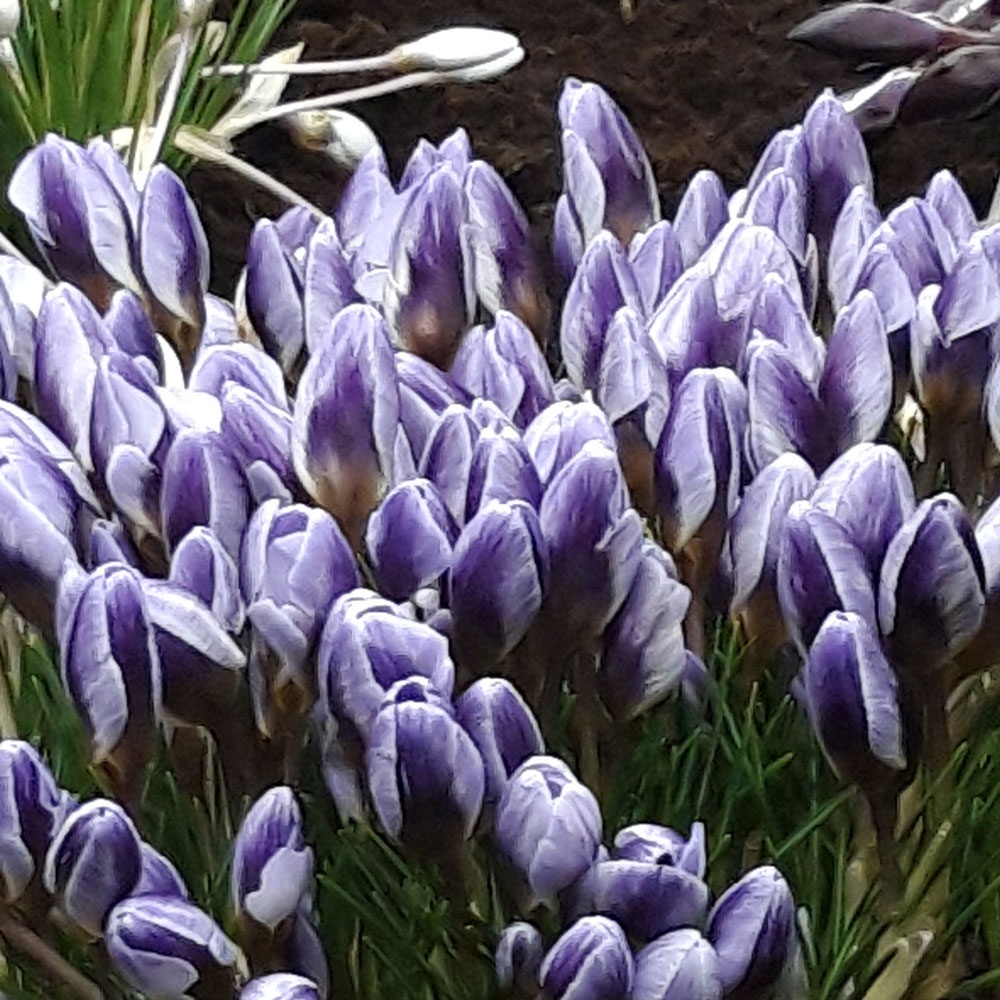
Anne favours smaller species Crocus, planting them in bowls and containers where they can be best admired. One of the earliest, C. laevigatus ‘Fontenayi’ shows lilac and purple flowers around Christmas. C. imperati ‘de Jager’ has fantastic perfume. Desirable C. minimus is tiny, expensive but stunning when open revealing golden centres that shine like stars. C. tommasinianus ‘Roseus’ is an uncommon pinkish form of this species available from specialists. New varieties of note include C. chrysanthus ‘Panda’, deep purple and white and C. chrysanthus ‘Blue Marlin’ – shiny and silvery blue like the fish. Anne makes an exception for Dutch Crocus ‘Candle Light’, its ghostly pale lilac flowers with yellow anthers stand out against bare soil and naturalise well.
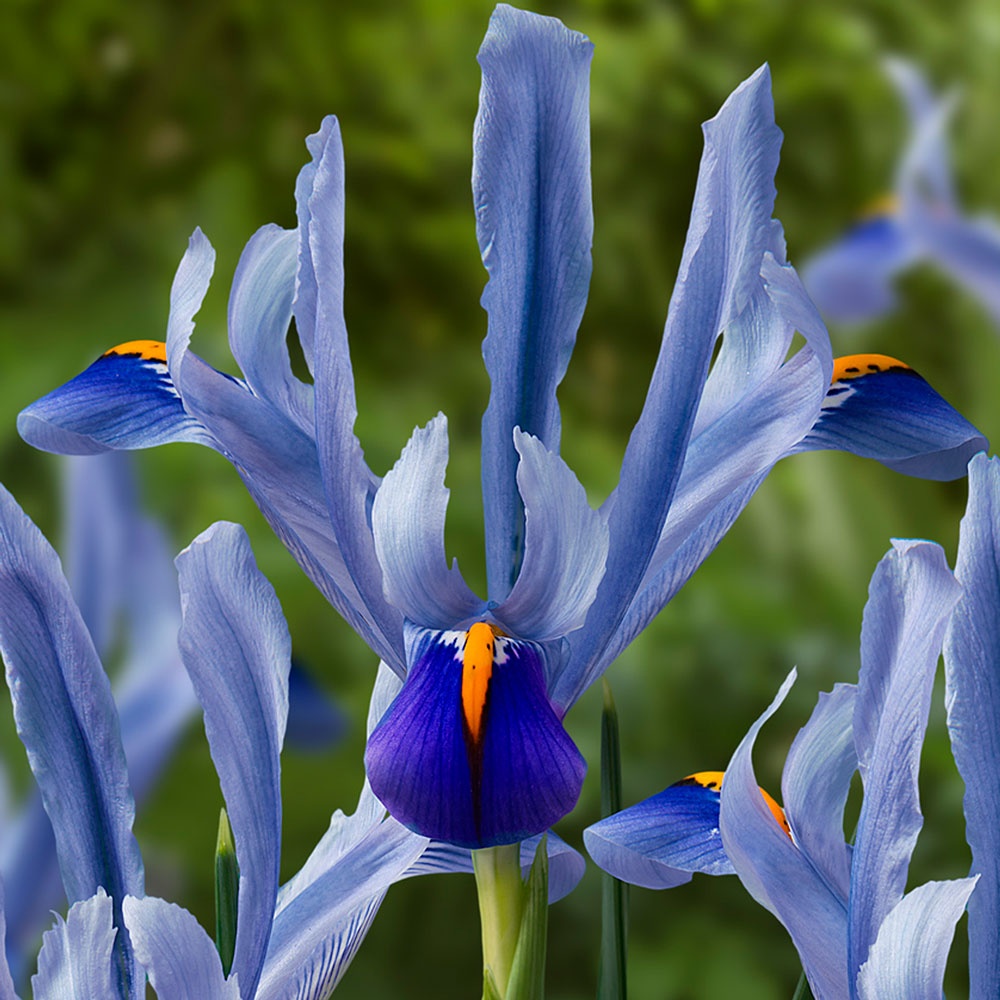
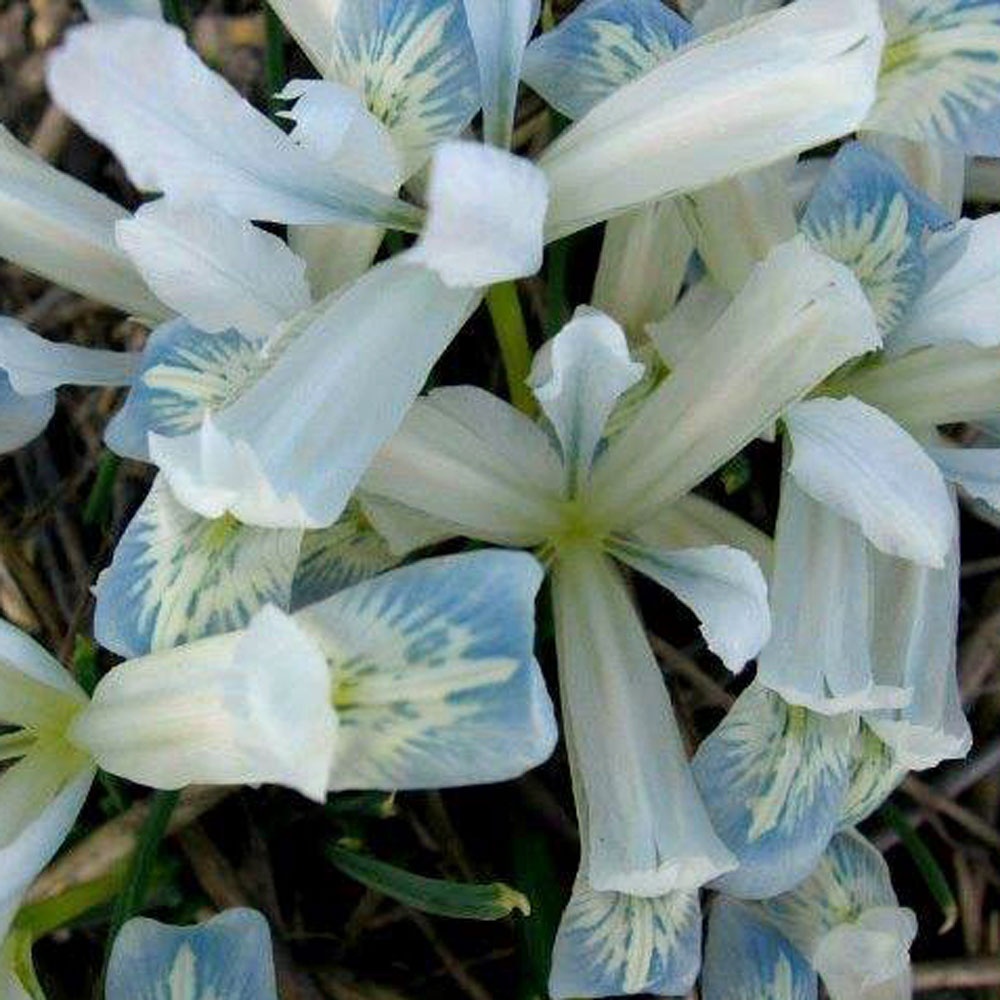
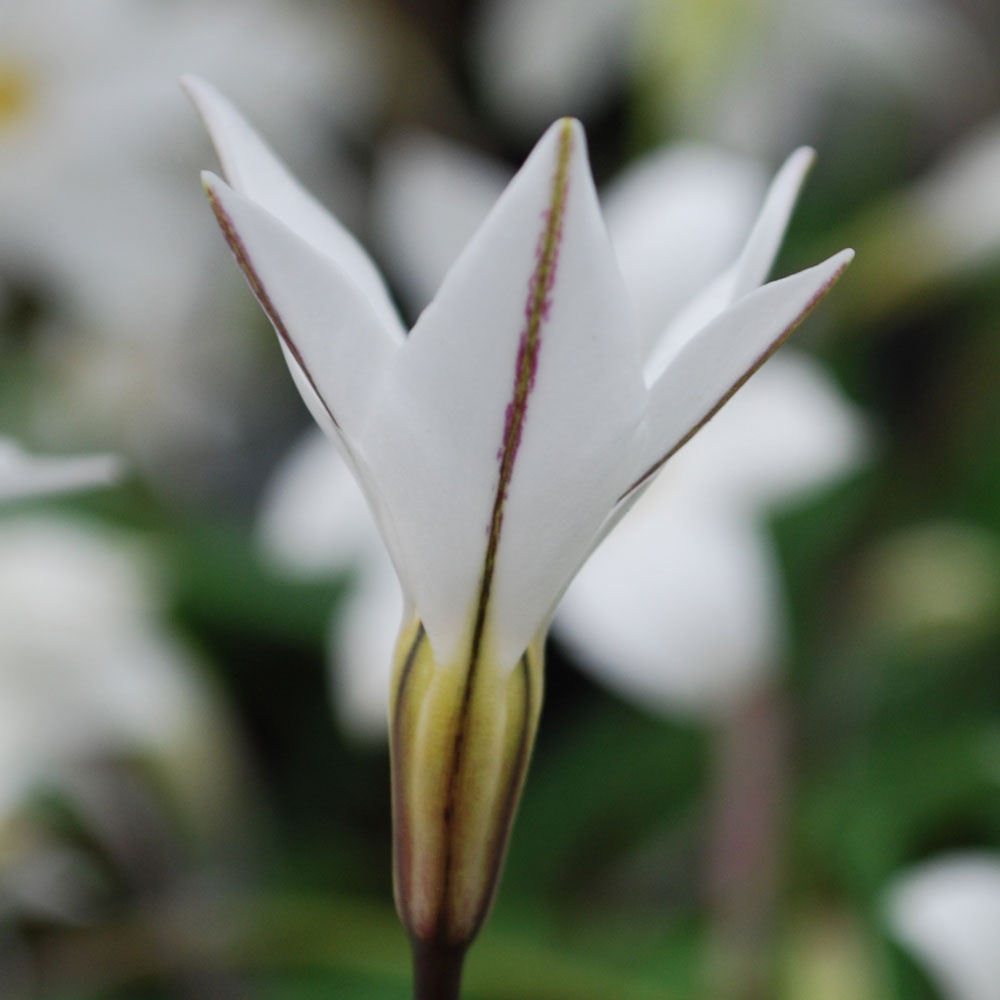
Iris reticulata is another early flowering bulb. Older varieties have fallen out of production replaced by pest resistant varieties more suited to modern gardening methods; I. ‘Angela’ for example, an early variety appearing between January and March; ‘Louise’ and ‘Pixie’ are others. I. ‘Frozen Planet’ shines like little jewels against bare soils whilst darker colours like I. ‘Blue Note’ work better against gravel. Anne advised planting them in groups of the same kind for a better show. Iris or Crocus can work planted on top of tulips but she doesn’t favour the ‘bulb lasagne’ method as it becomes messy with too many leaves.
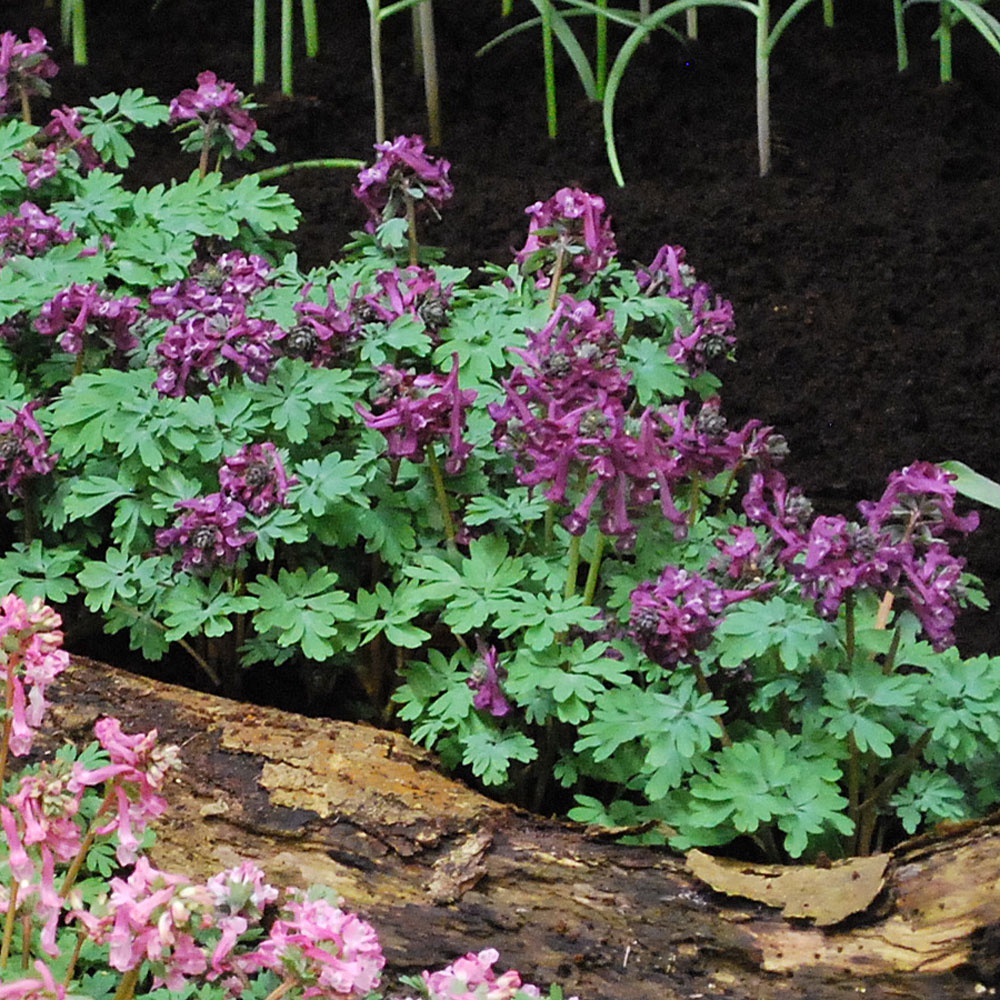
Scilla, Ipheion and Corydalis provide early season interest then become dormant over summer so ideal for planting under Hosta or perennials. Scilla sardensis has star shaped blue flowers appearing from February to March. Ipheion ‘Alberto Castella’ has white star like flowers with needle fine onion scented foliage. I. ‘Charlotte Bishop’ is a warm pink variety. Corydalis solida corms flower in March and April. Pink C. ‘Beth Evans’ and C. ‘Purple Bird’ also have fine silvery foliage.
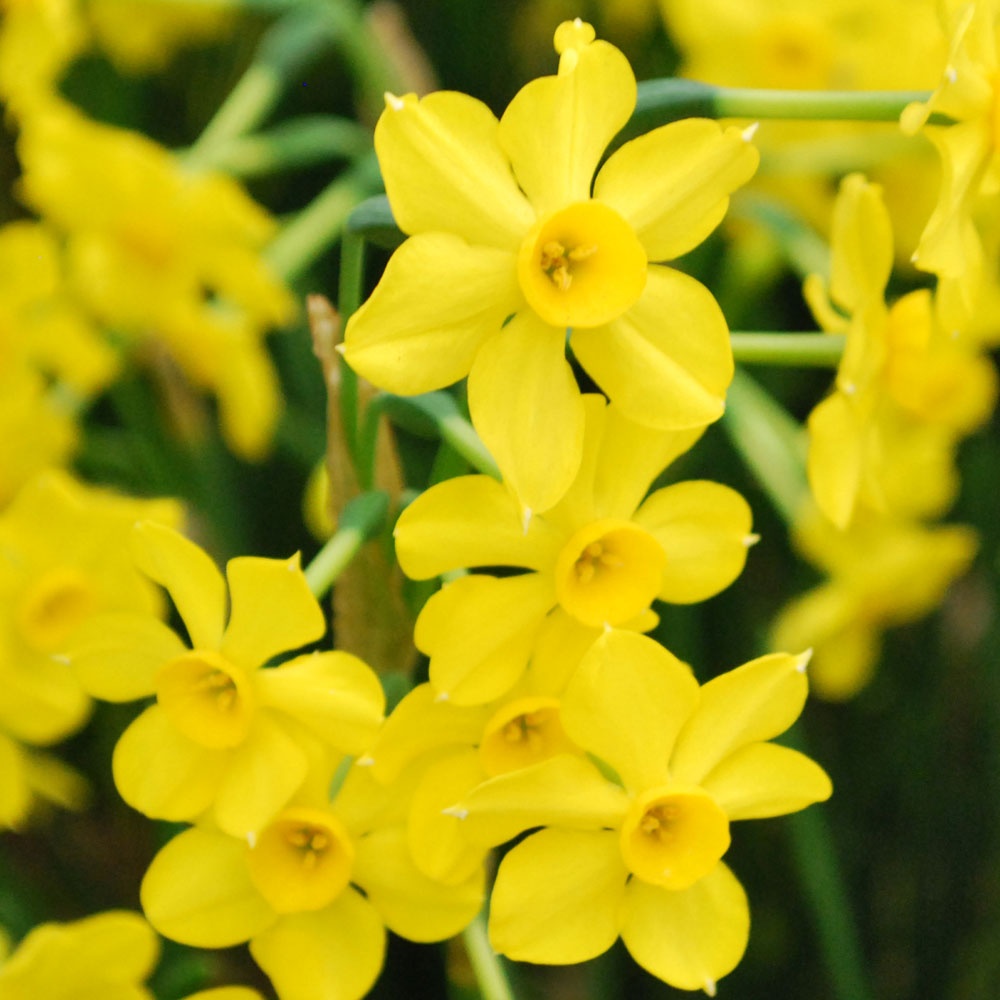
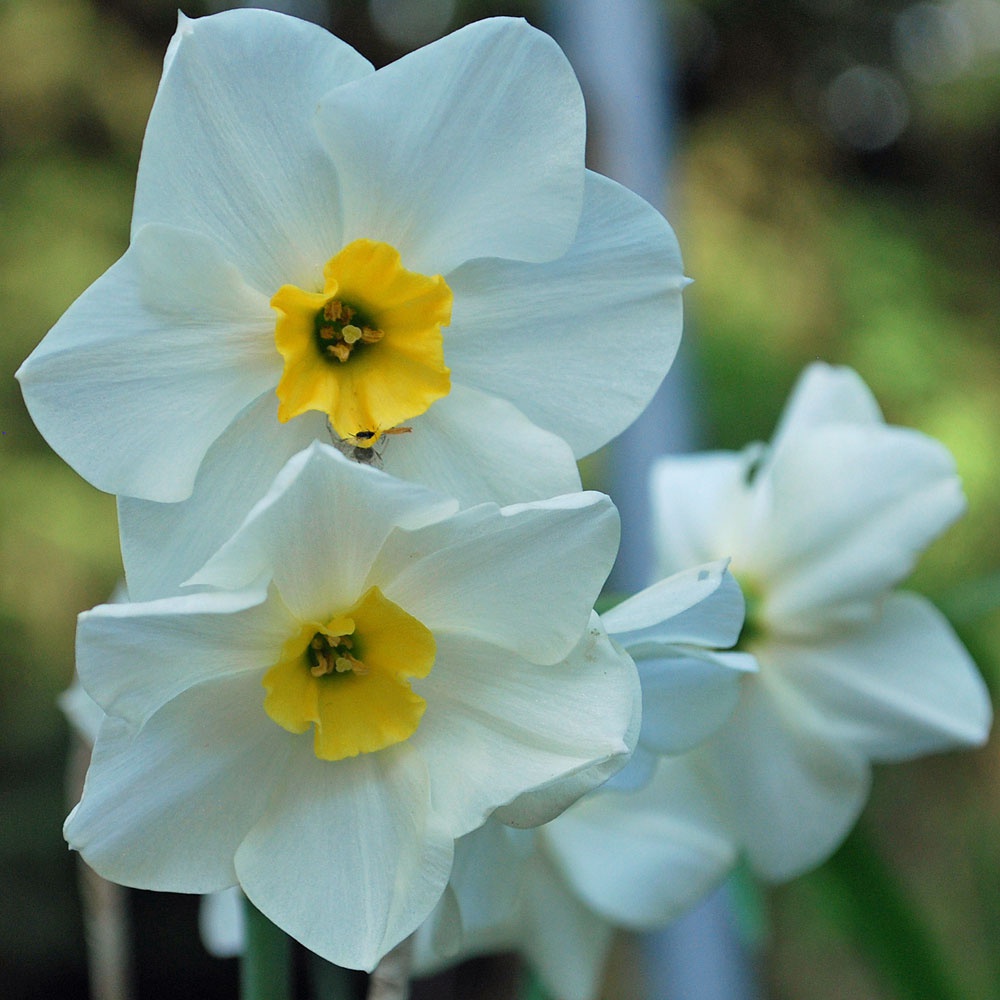
Anne prefers species and smaller varieties of Narcissus suited to containers or the front of borders; these appear around February and March. Plant at a normal depth, not too deep or too shallow as this causes them to grow blind. Good choices include N. Baby Boomer with multi-flowered stems and strong scent. N. ‘Angels’ Whisper’ for fragrant dainty yellow flowers. N. ‘Doll Baby’ has scented white flowers with a peach coloured trumpet. N. x odorus ‘Plenus’ or Queen Anne’s daffodil is an early flowering species with fine leaves and a scented double flower.
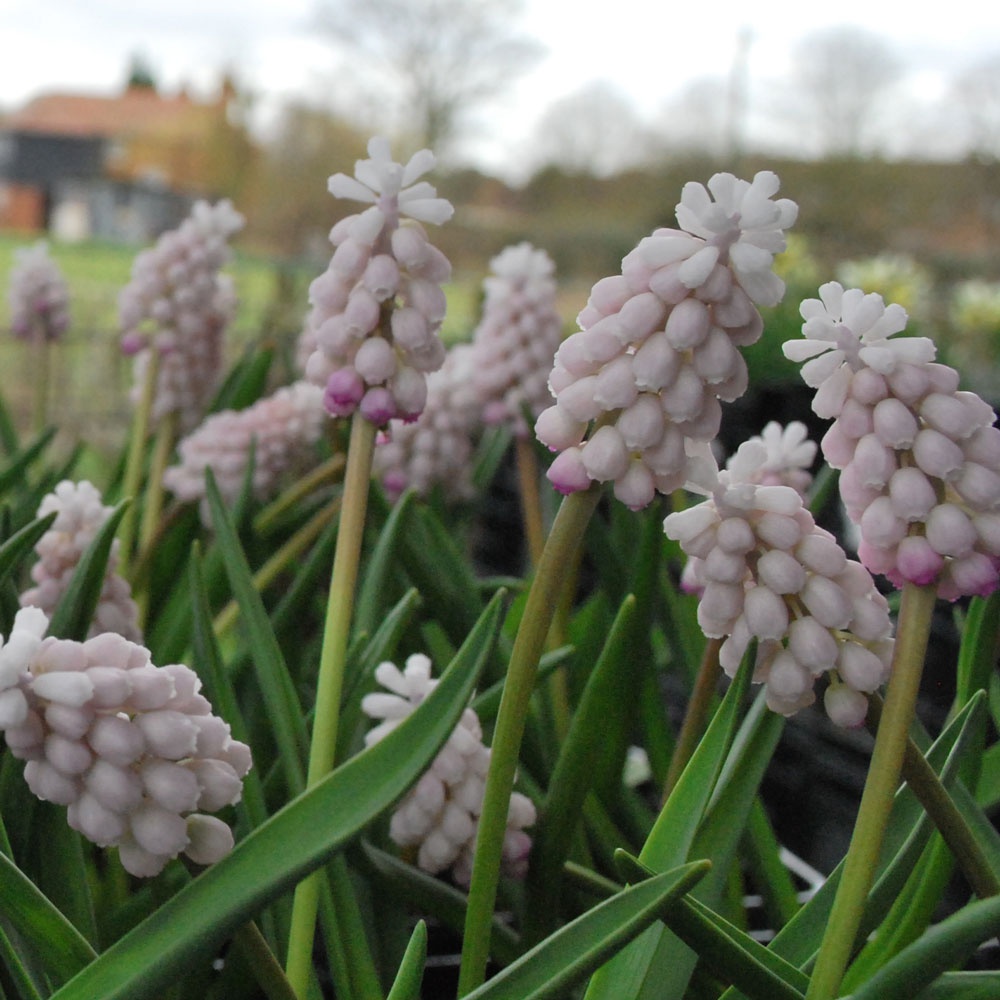
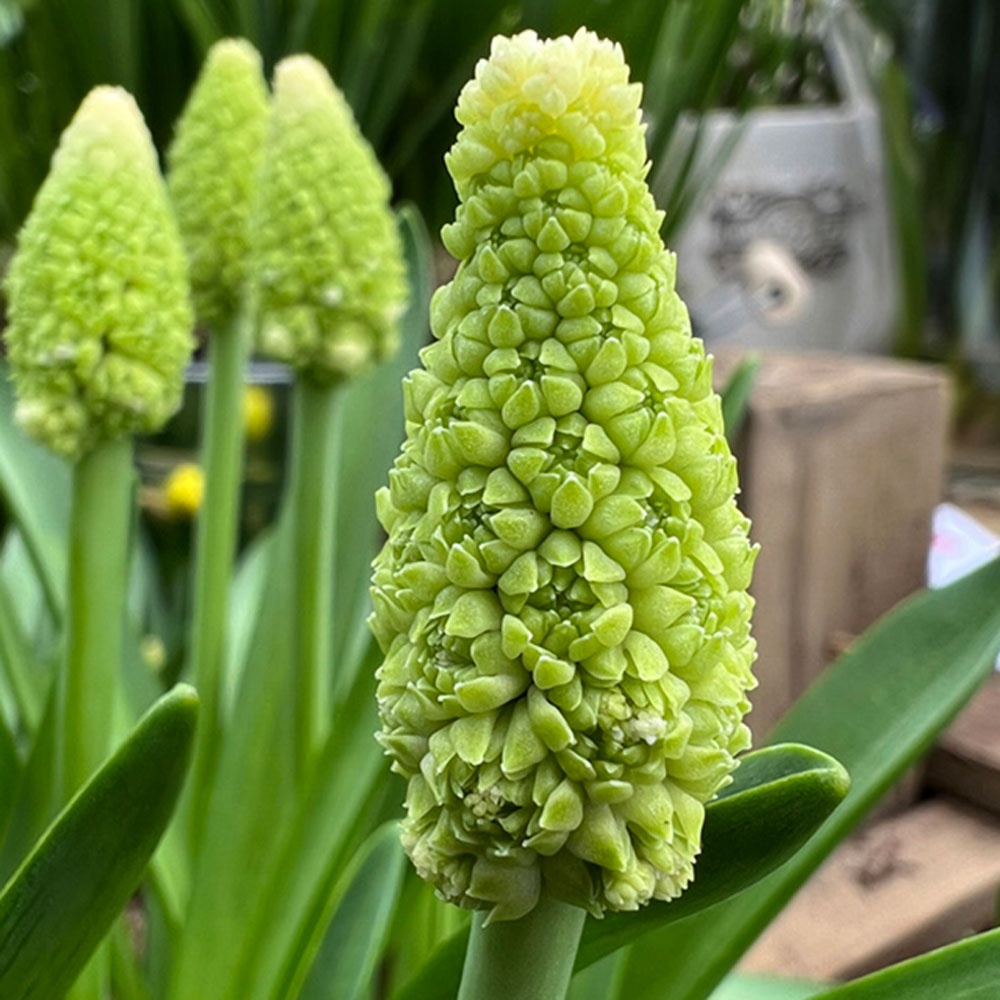
Anne trials all the Muscari (grape hyacinths) she stocks to make sure they are well behaved and won’t spread everywhere. M. ‘Valerie Finnis’ is pale blue with a subtle fragrance. M. ‘Baby Blue’ is the same colour and comes back well. M. armenicum ‘Night Eyes’ is deep violet with a white edge to the flowers. M. ‘Lady Madonna’ is a new introduction attractive at all stages, turning from vivid green in tight bud to cream as flowers open. M. ‘Pink Sunrise’ is a delicate pink while M. ‘Grape Ice’ flowers go from dark a base to a white top.
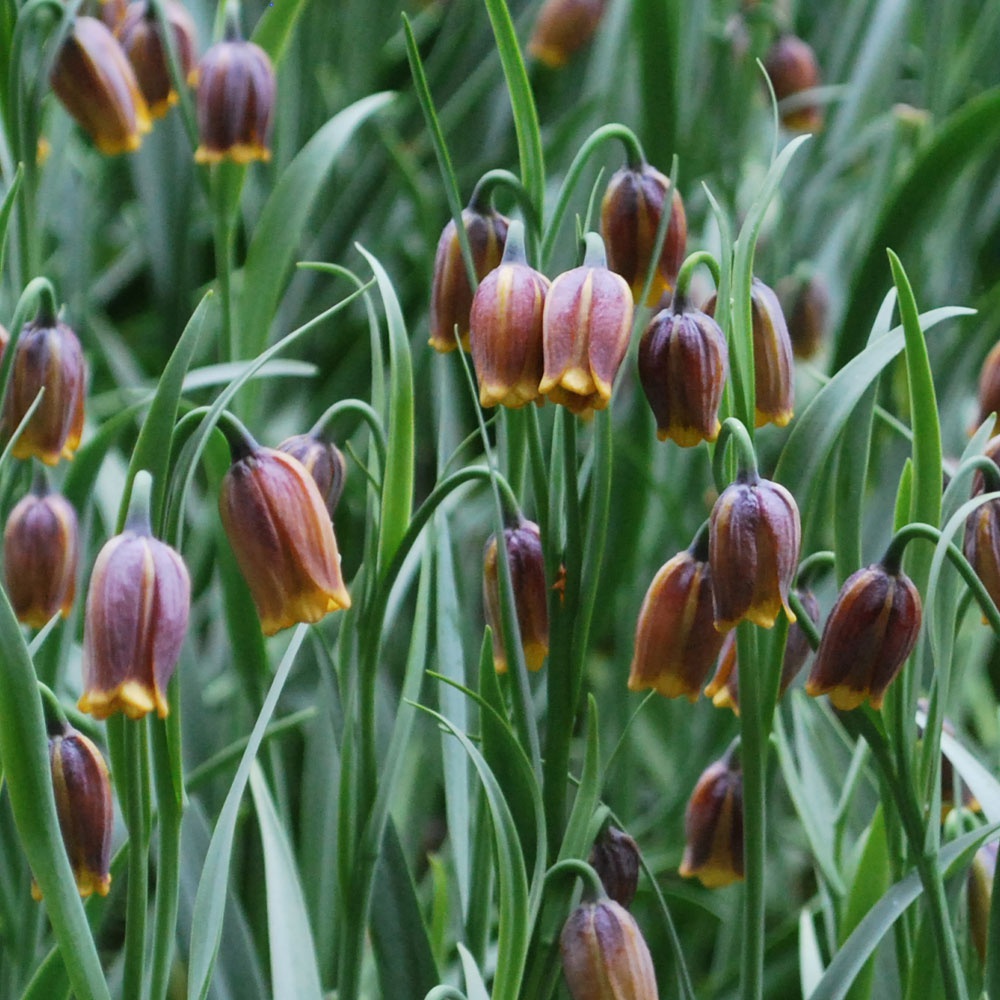
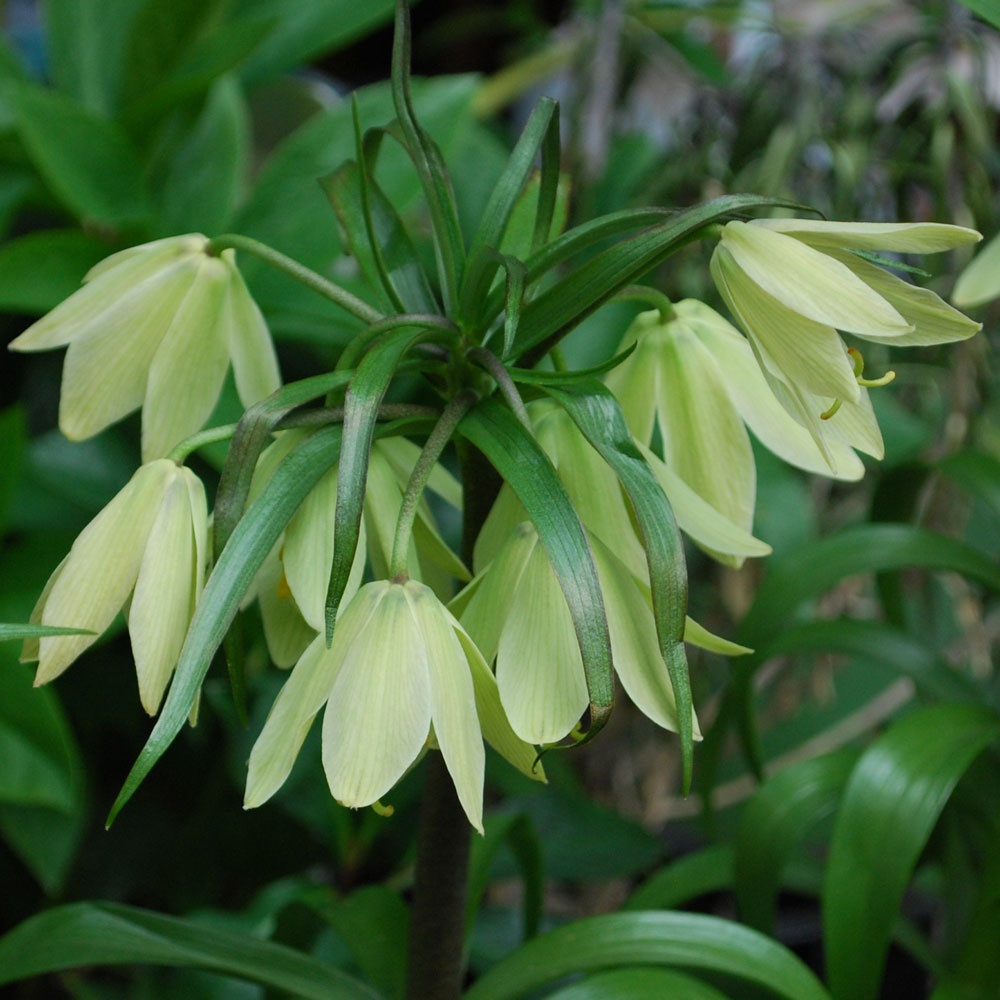
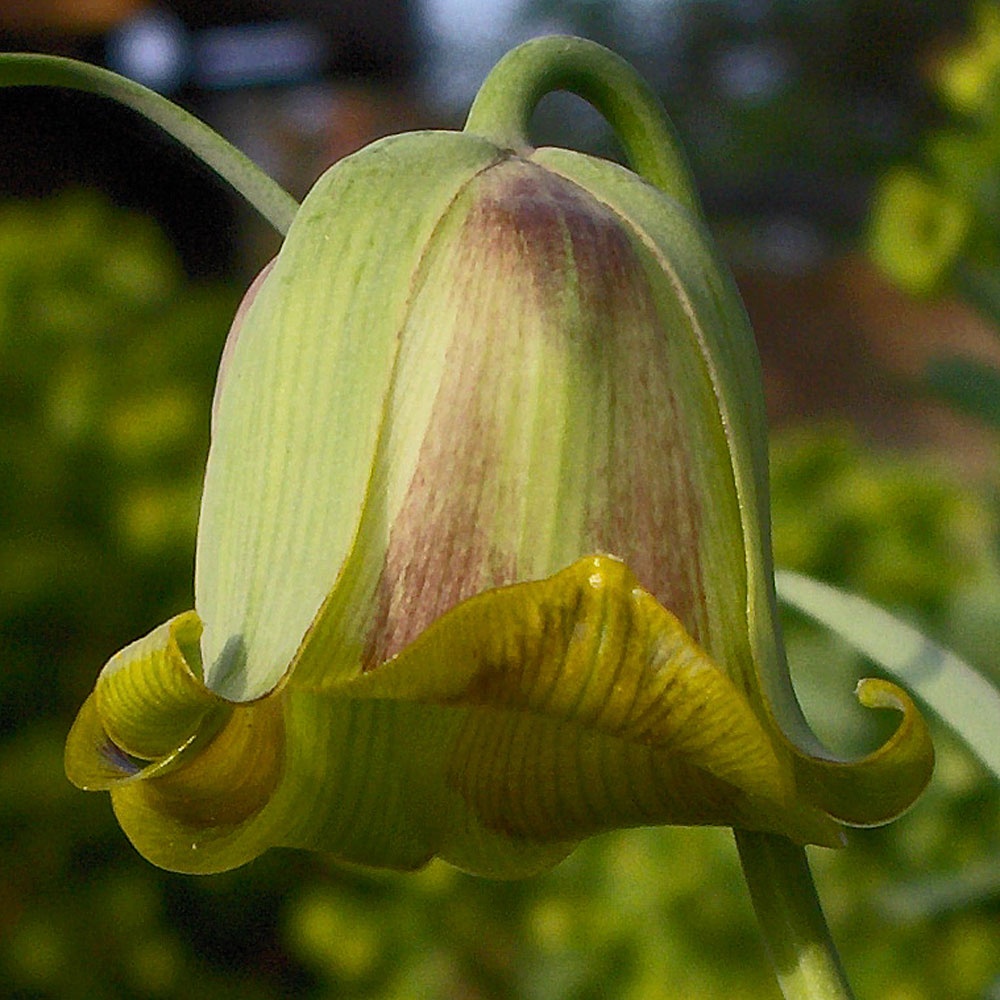
Fritillaria is a large group of plants which includes the showy crown imperials. They are are quite demanding to grow and need to be planted deep (around 10 to 12 ins) with the bulb on its side to prevent rot and promote flowering. These plants originate from Central Asia so need good drainage and shelter from heavy rain. F. radeana is a more subtle relative of the crown imperials and as a species makes viable seed. F. sewerzowii ‘Green Eyes’ is a lovely mix of golden green and bronze as is F. acmopetala, one of the easier species to establish. F. uva-vulpis is a relative of the snake’s head fritillary and will grow in shade; its dark mahogany golden edged bells, pair well with Narcissus.
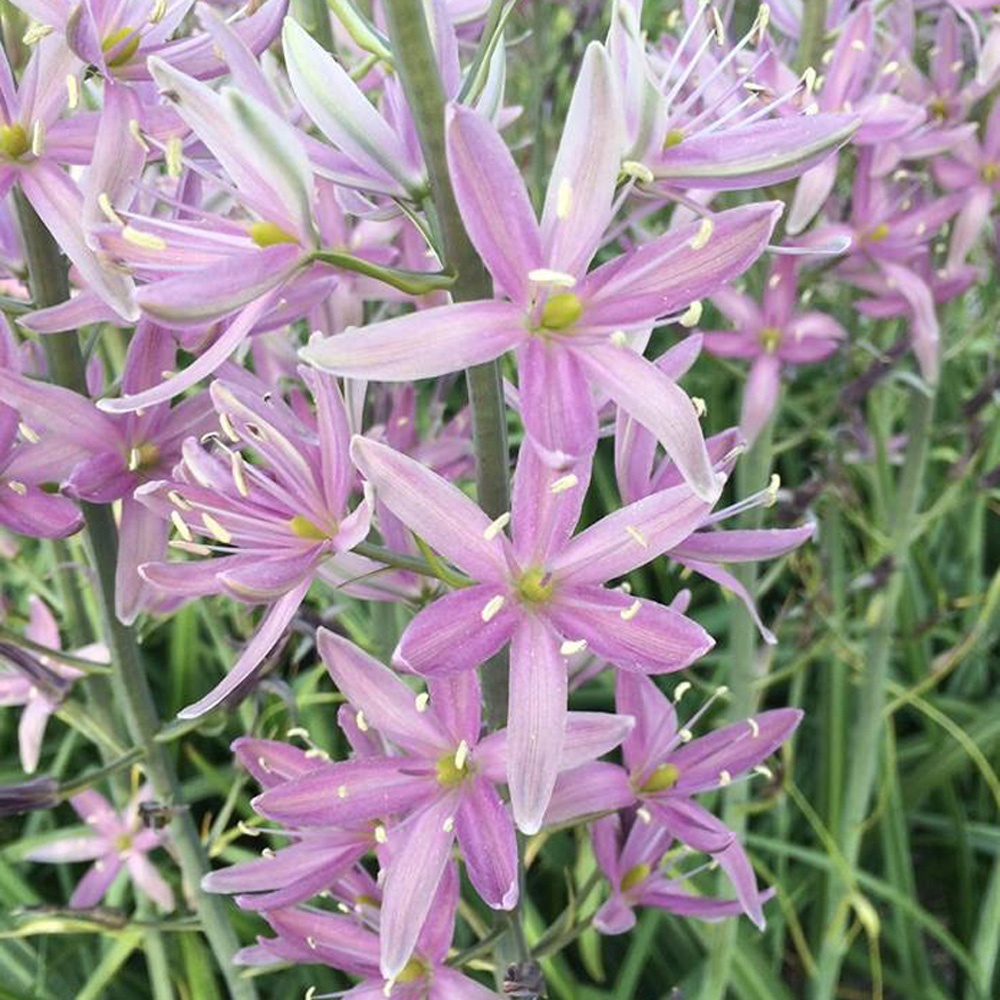
Camassia flowers from May to early June, grows practically anywhere and is surprisingly tolerant of different conditions including heavy soil. It naturalises well in un-mown grass. C. quamash ‘Orion’ is a brighter blue than the species; stunning C. leichtinii ‘Pink Star’ sells out almost immediately but other introductions offer shades of pink and violet e.g. C. leichtinii ‘Sweet Candle’ with star shaped flowers in soft pink tones.
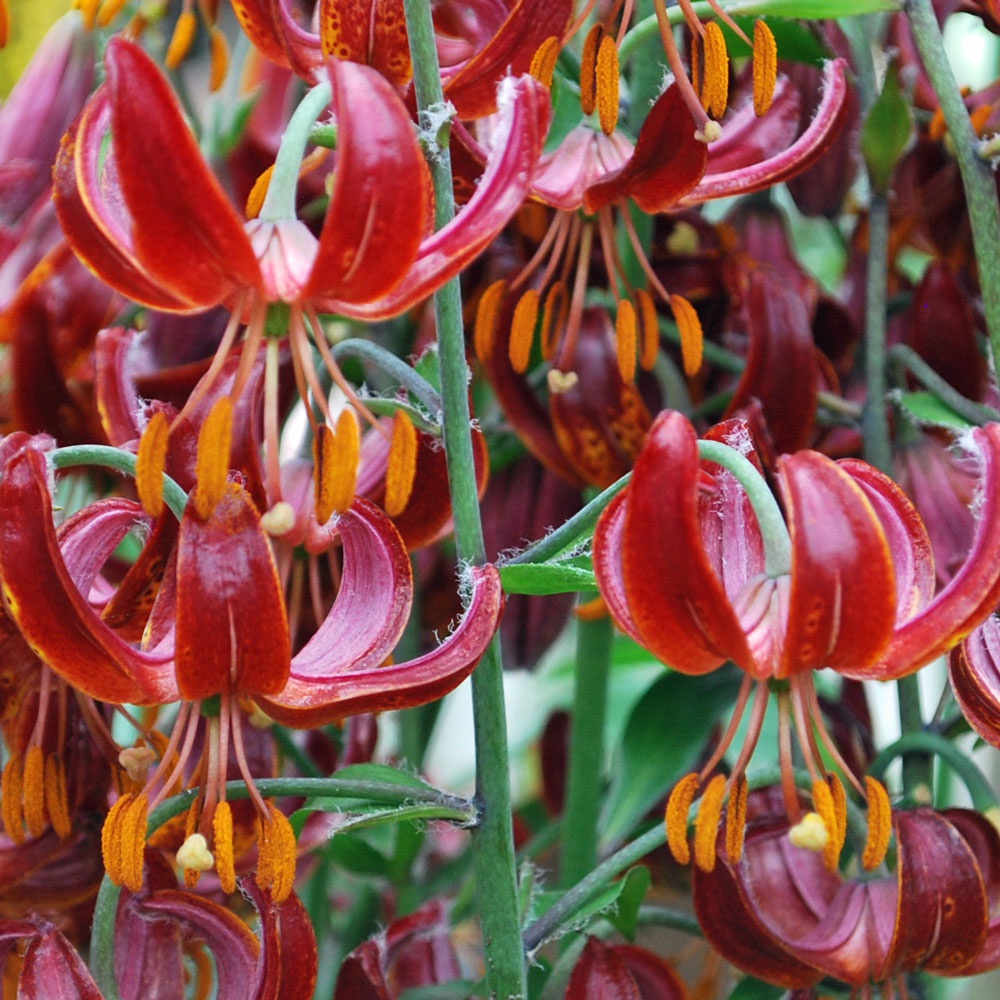
Turk’s cap or martagon lilies flower in mid to late Spring and produce dramatic stems of hanging lily flowers. Hybrid Lilium ‘Claude Shride’ is deep red with orange spotting on its petals. Grow in semi-shade on the edge of woodland in light friable soil with leaf mould. They need time to settle but will then be reliable and hardy. Watch out for lily beetle!
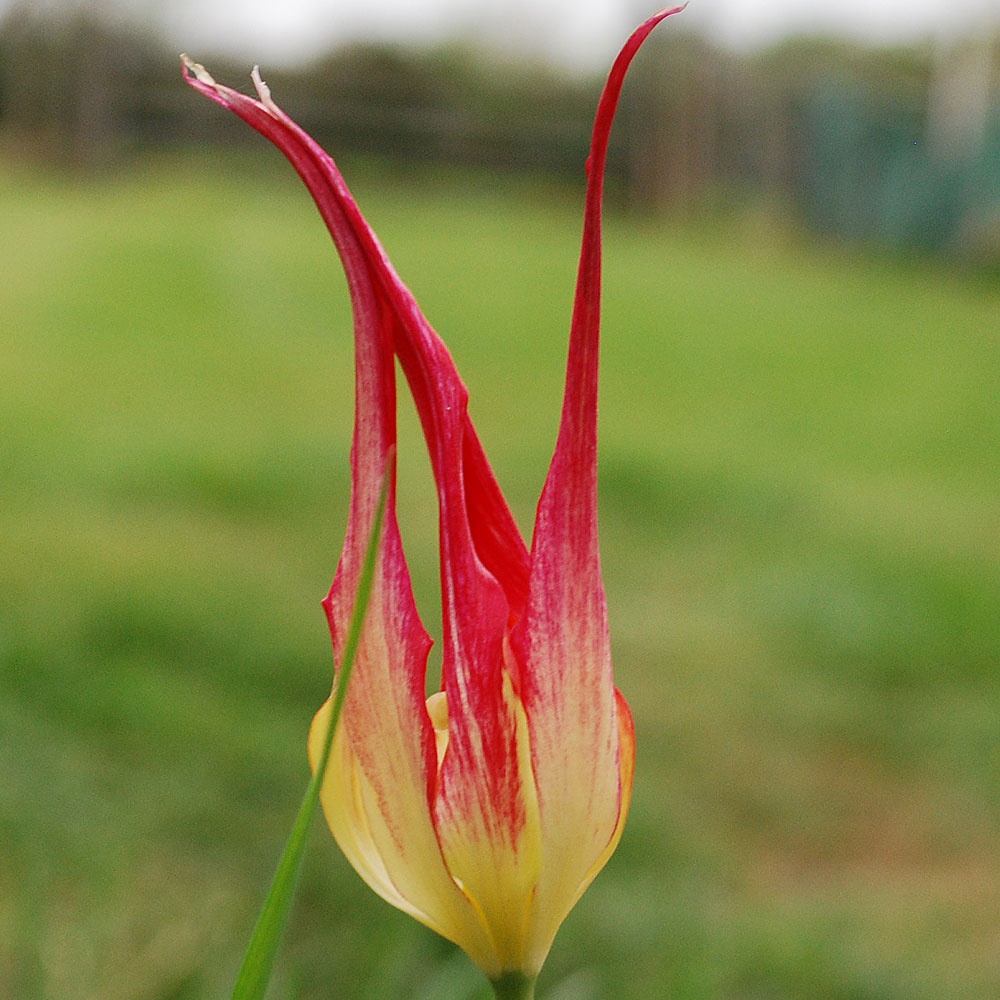
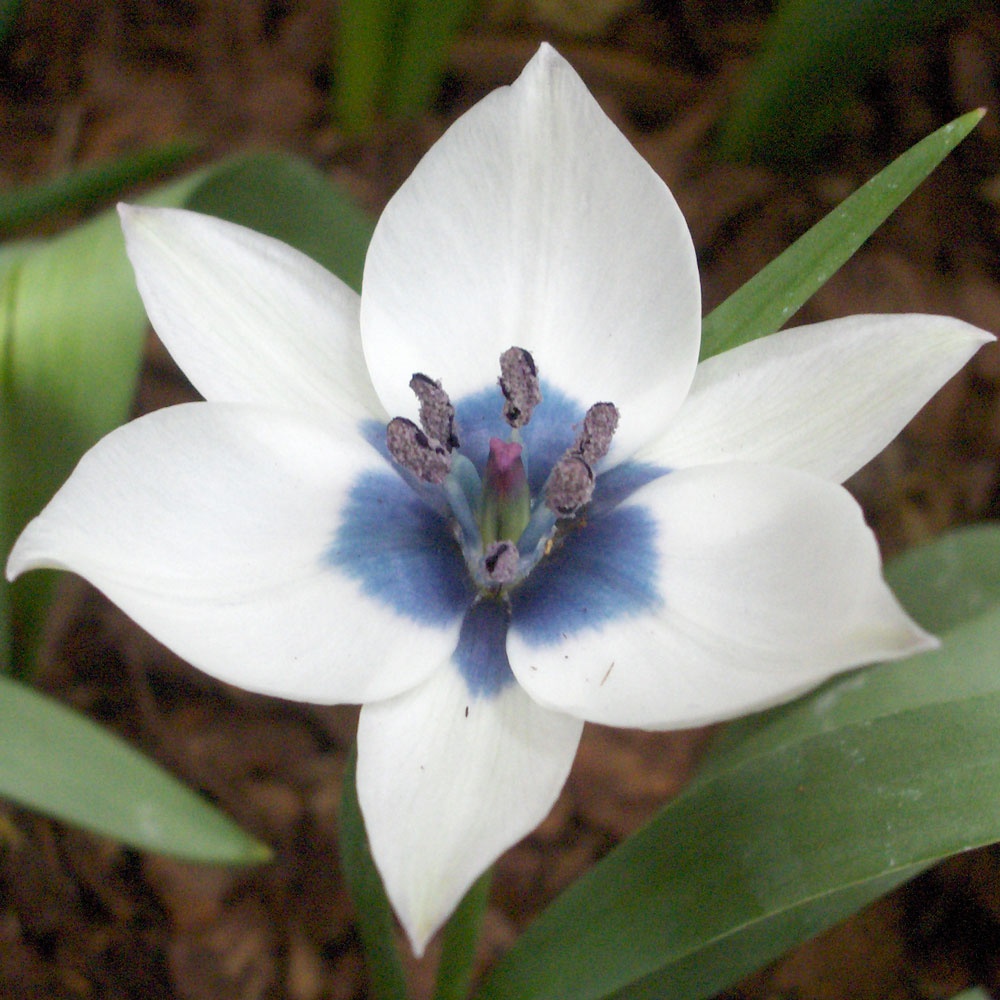
Tulips are stars of the late spring garden. Wait until temperatures drop to below 7 degrees around early January before planting and avoid wet as this encourages tulip fire. Species tulips can be planted in the Autumn; their increased popularity has made sought after varieties quite expensive. Most need sun and good drainage, flowering around April. Tulipa aucheriana is a tiny species with rose pink white-centred flowers. T. humilis ‘Albocaerulea’ has white flowers with a black-blue base. T. clusiana ‘Lady Jane’ is a true species, lovely but expensive; T. ‘Peppermint Stick’ will give you a similar look without paying a fortune. Early flowering T. acuminata, made popular by Monty Don, is not true species but similar to those from Turkey. T. sperengi takes light shade but again is expensive to buy.
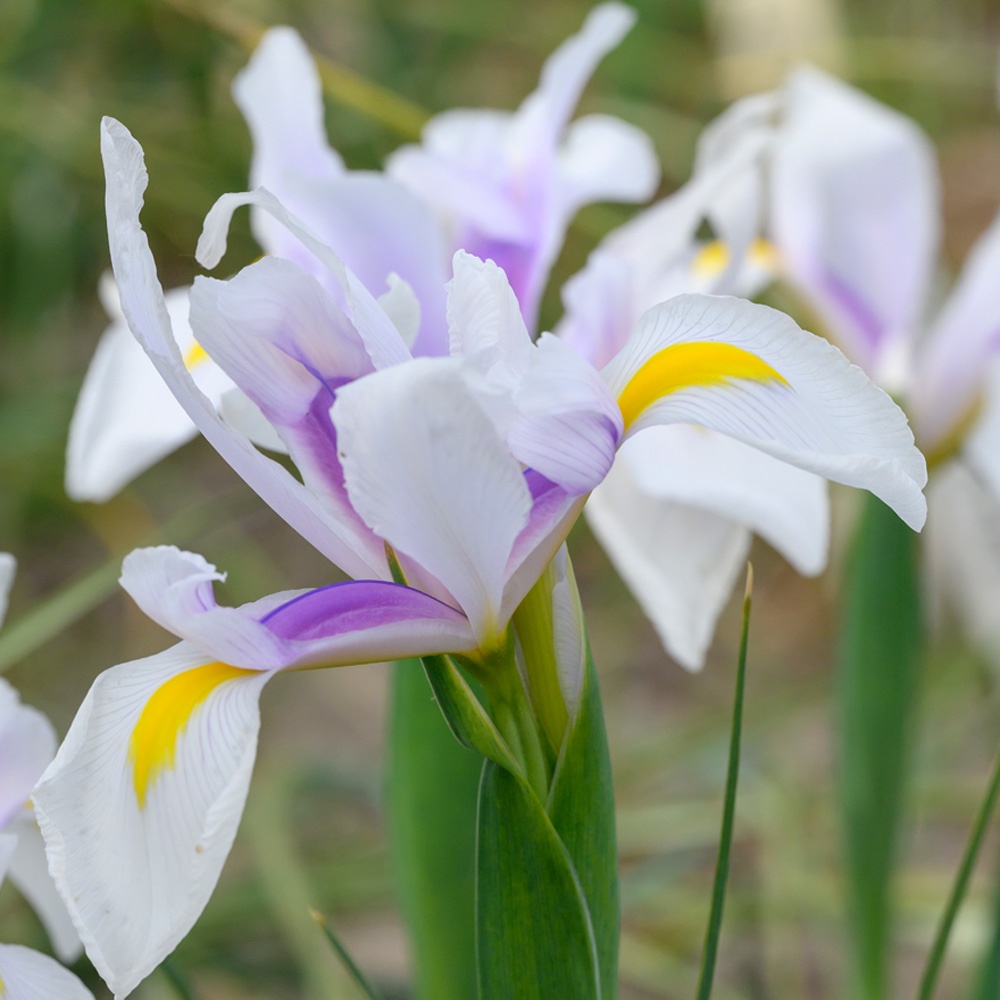
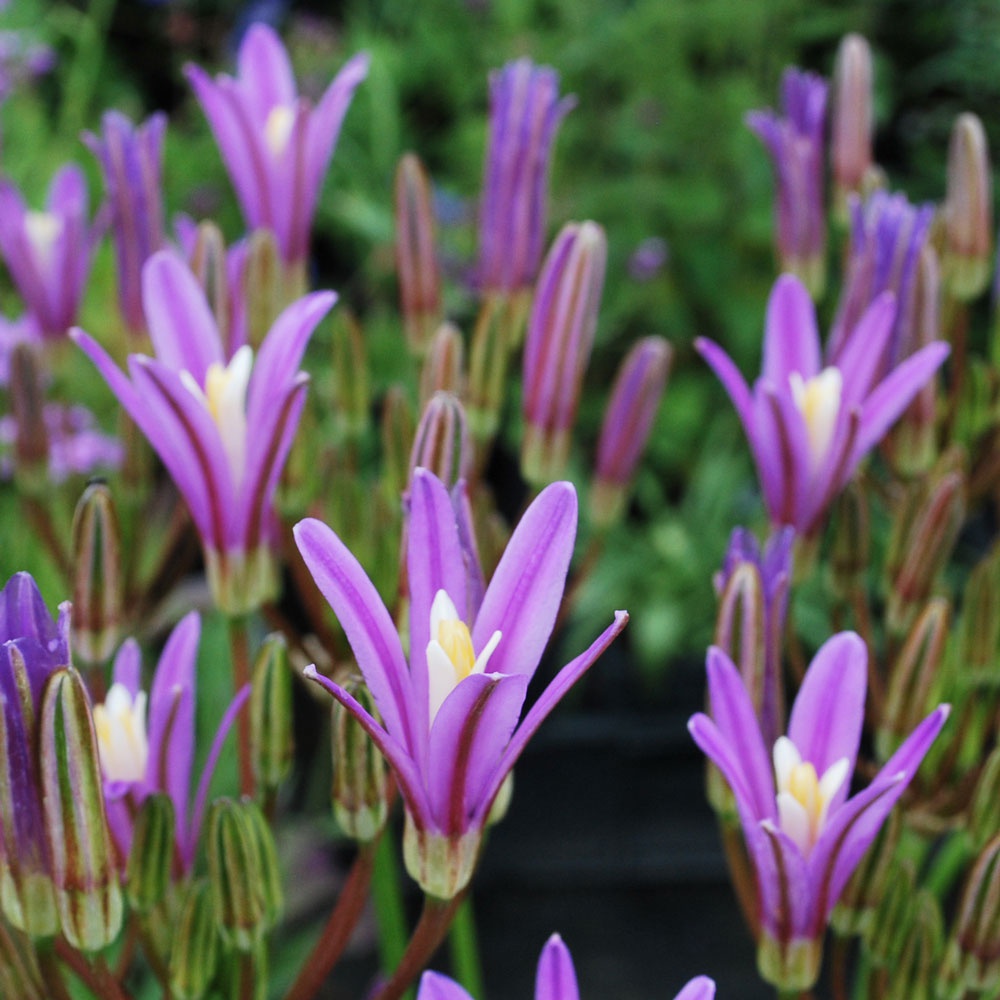
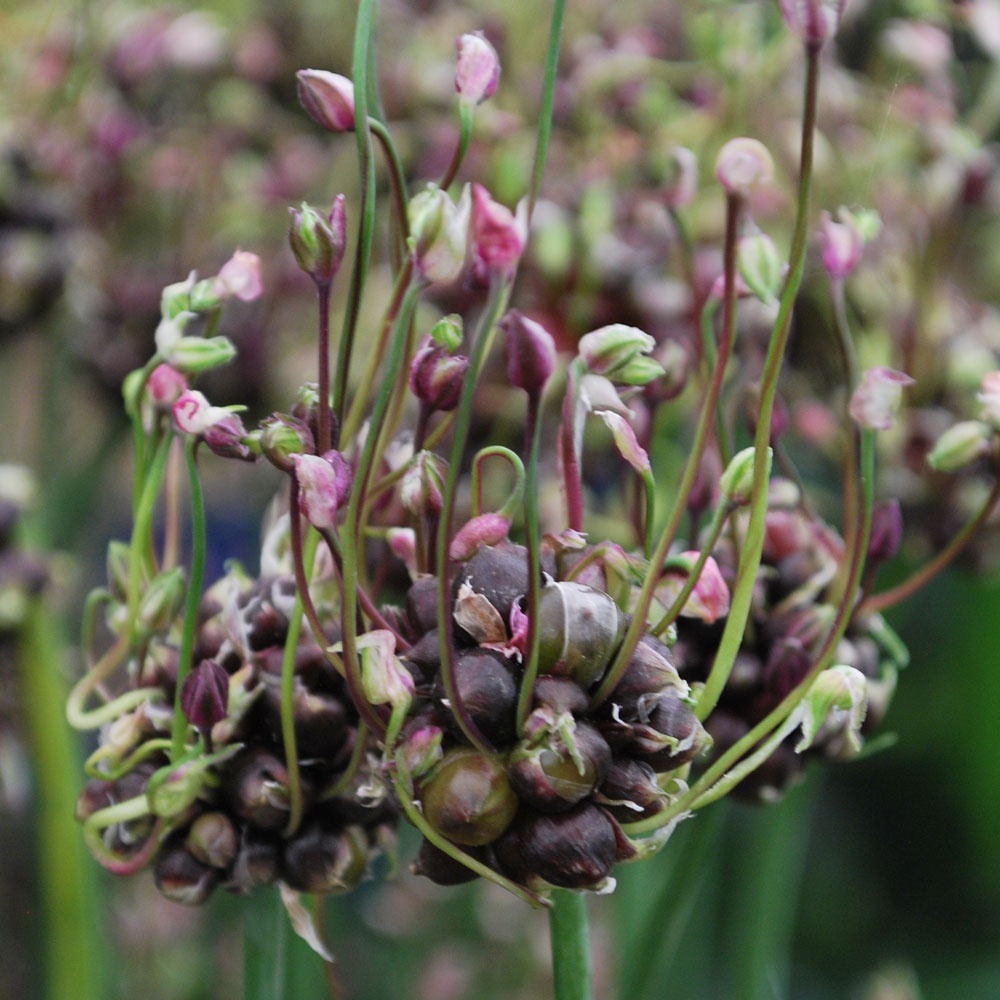
Iris hollandica fill the gap after tulips; I. hollandica ‘Carmen’ is a lovely pale blue variety. Allium and Brodiaea follow on providing more early summer colour before perennials take over. Brodiaea ‘Babylon’ flowers reliably in June, is great for cutting and has hardly any leaves. Allium varieties recommended by Anne include A. ‘Starlight’ and A. ‘Universe’ flowering reliably in mid-June. A. scorodoprasum ‘Art’ has small dark flowers, and self seeds.
Many members took inspiration from Anne’s informative and insightful talk and bought bulbs from the selection Rose Cottage Plants brought along. Little bags of gardening promise to see us through the dark cold winter to come. If you missed out, Rose Cottage Plants also does mail order from their excellent web site.
Jayne D.
* The plant images above have been used with permission from Rose Cottage Plants.
All the plants listed in this article can be found, with photographs and further information, on their site.
Discover more from Charlton and Blackheath Amateur Horticultural Society
Subscribe to get the latest posts sent to your email.


One thought on “October 2026 Talk: Bulbs for the Adventurous Gardener”