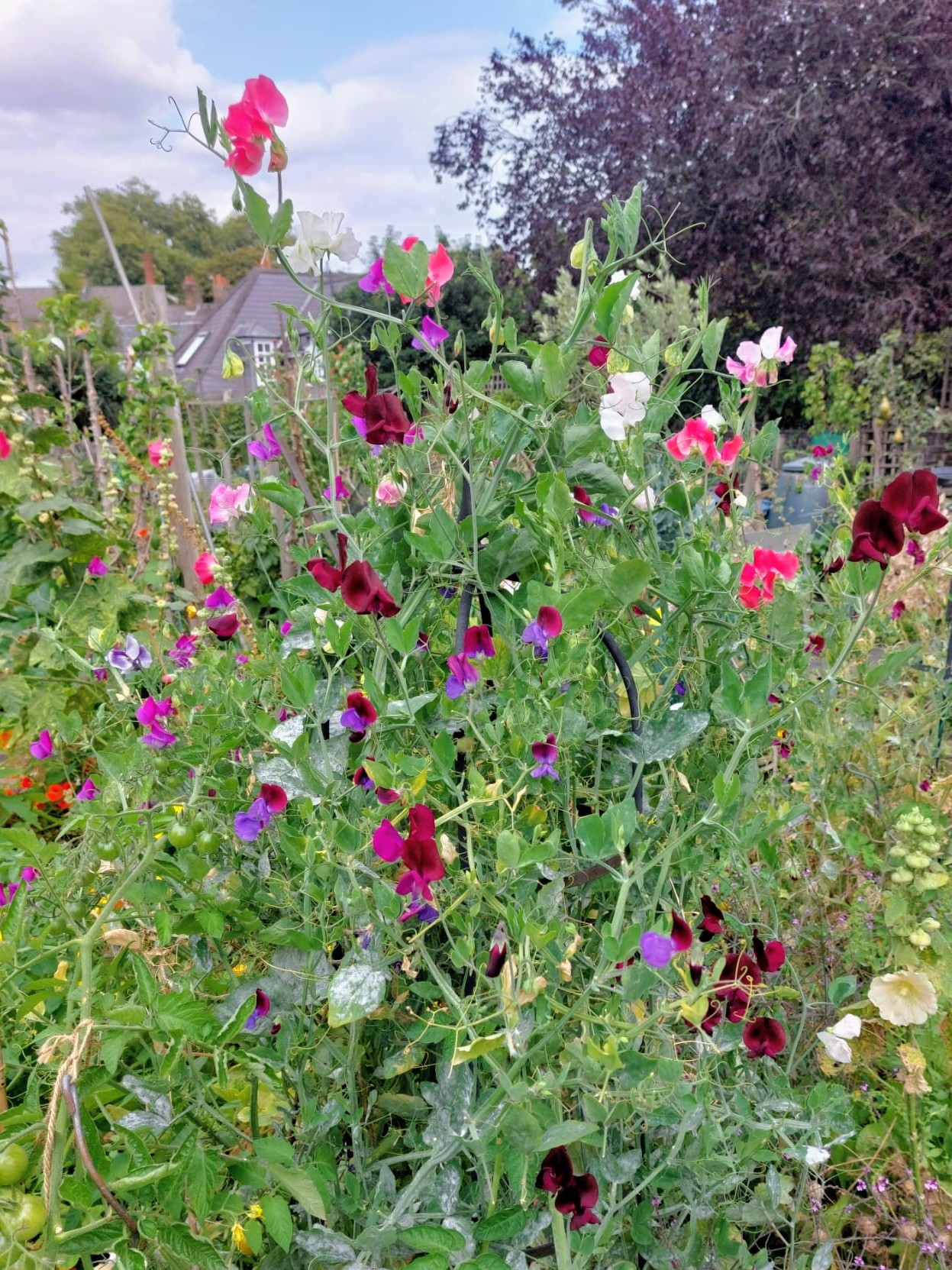

1. You can sow some sweetpeas now for an early start next year. Sow in root trainers or sow five seeds to a 3″ (9cm) pot and keep in warmth until germinated, then keep in an unheated greenhouse, coldframe or cool room until spring. Sweetpeas are pretty hardy. A sheltered corner of the garden may work too.
2. Plant Narcissus and daffodils now so they have a chance to make good roots for a spring flowering. If planting in soil plant as deeply as you can at about three times their depth.
3. As perennials go over they can be cut back or dug up and split to make new plants either for our plant sale or to rejuvenate other parts of your garden – but leave hollow and attractive stems for overwintering insects. Tough plants need two forks back to back, or failing that a sharp knife to cut through the roots. Don’t forget to water really well afterwards.
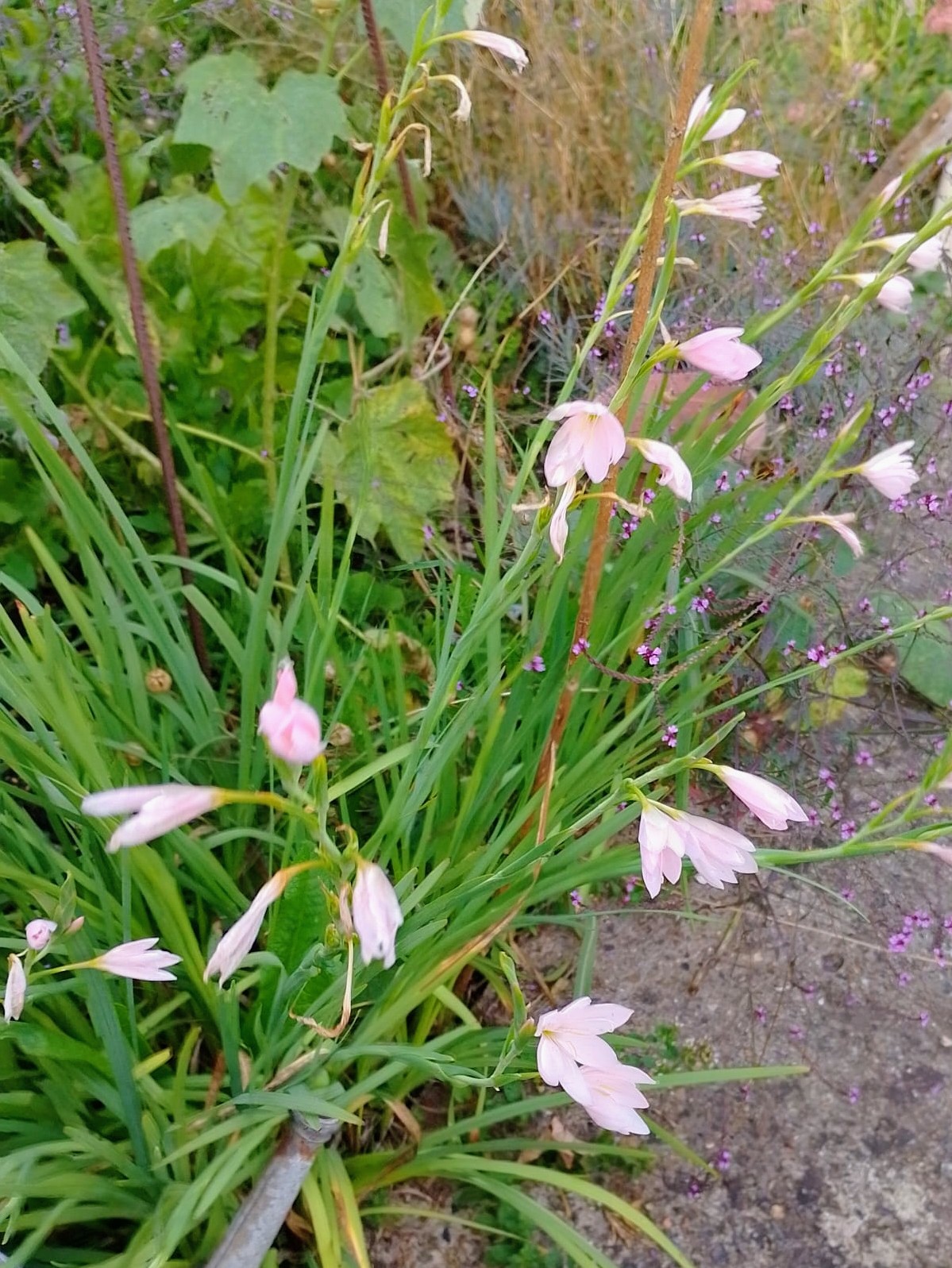
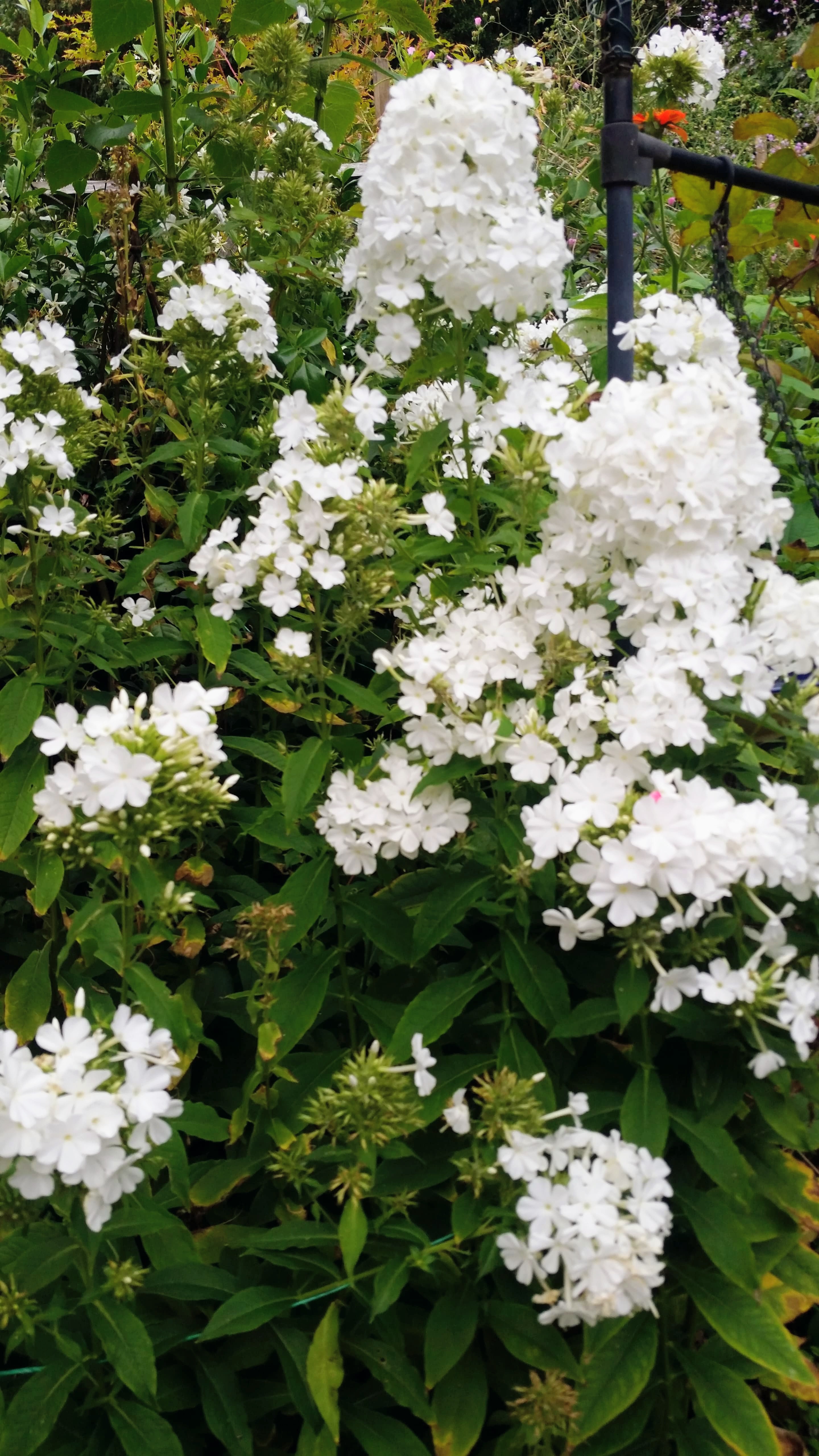
4. Now is a great time to plant new shrubs and baby trees but you will need to soak the planting hole and the roots as we have had so little rain. And keep watering until you’re sure they are settled in their new home.
5. If you have a greenhouse or coldframe give it a good scrub before you use it for housing tender plants over the winter. This can also help eradicate pests… last year I bought in some slugs on pots who had a field day on my plants during the winter!
6. Try to mist house plants or place them on trays of water and gravel to help create a damp atmosphere once central heating dries the air out.
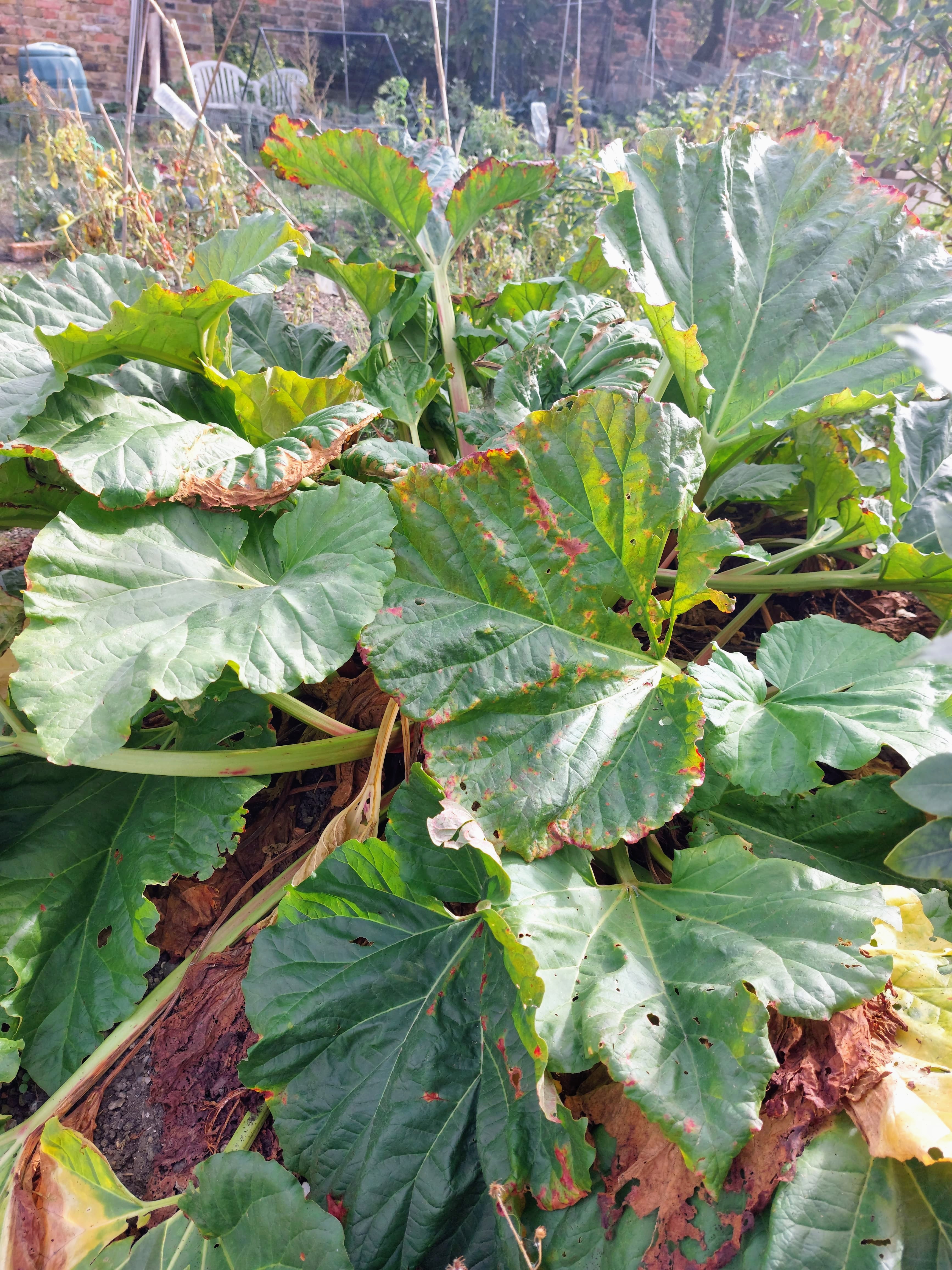
7. You can plant rhubarb now, or lift and divide existing plants by removing dead leaves. This exposes the crown to frost and should provide a better crop of tenderness next year.
8. Finish lifting late crop potatoes before they end up with slug damage, and store in hessian sacks in a dark cool space.
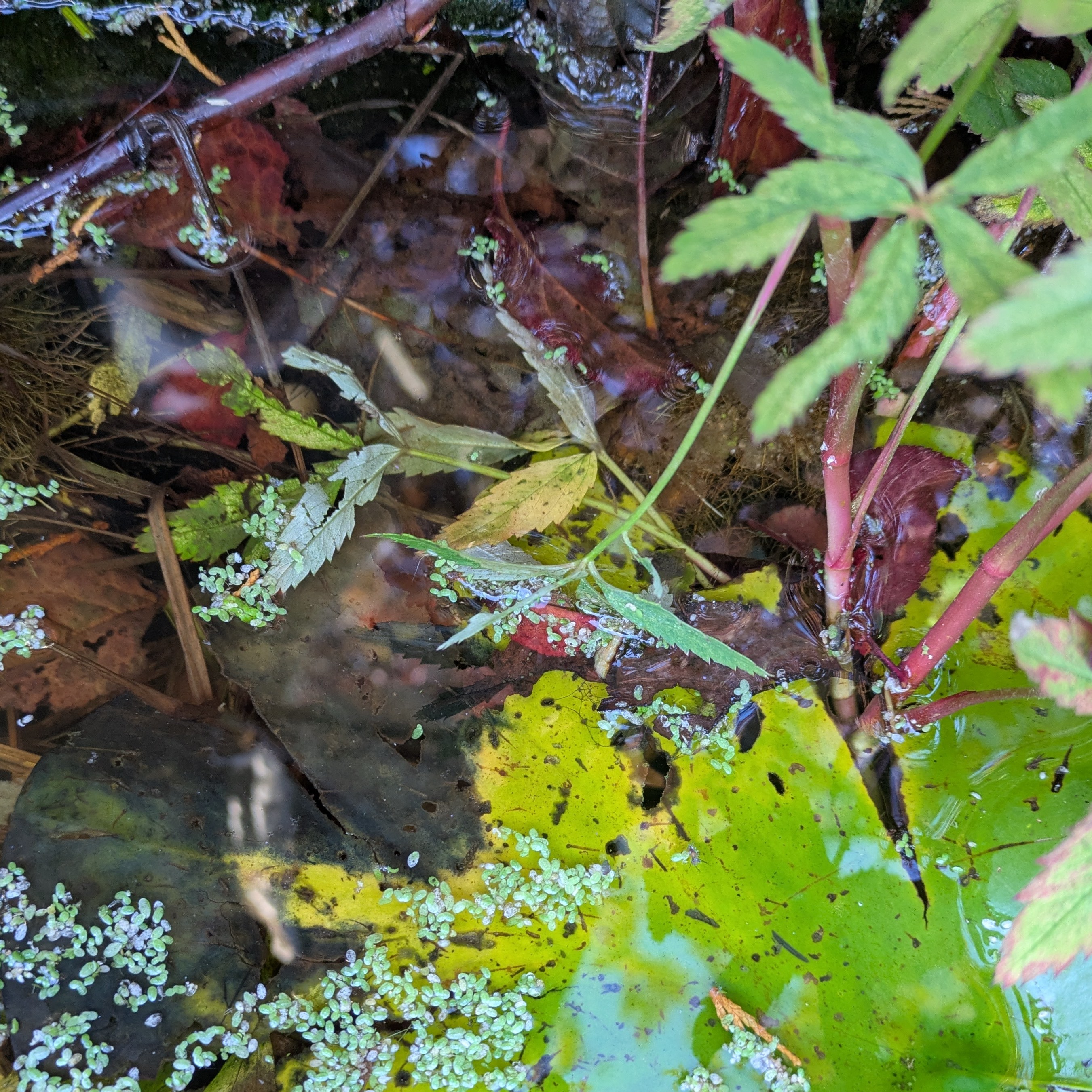
9. Remove leaves from ponds before they pollute the water, but leave them on the side to allow any wildlife to reenter the water.
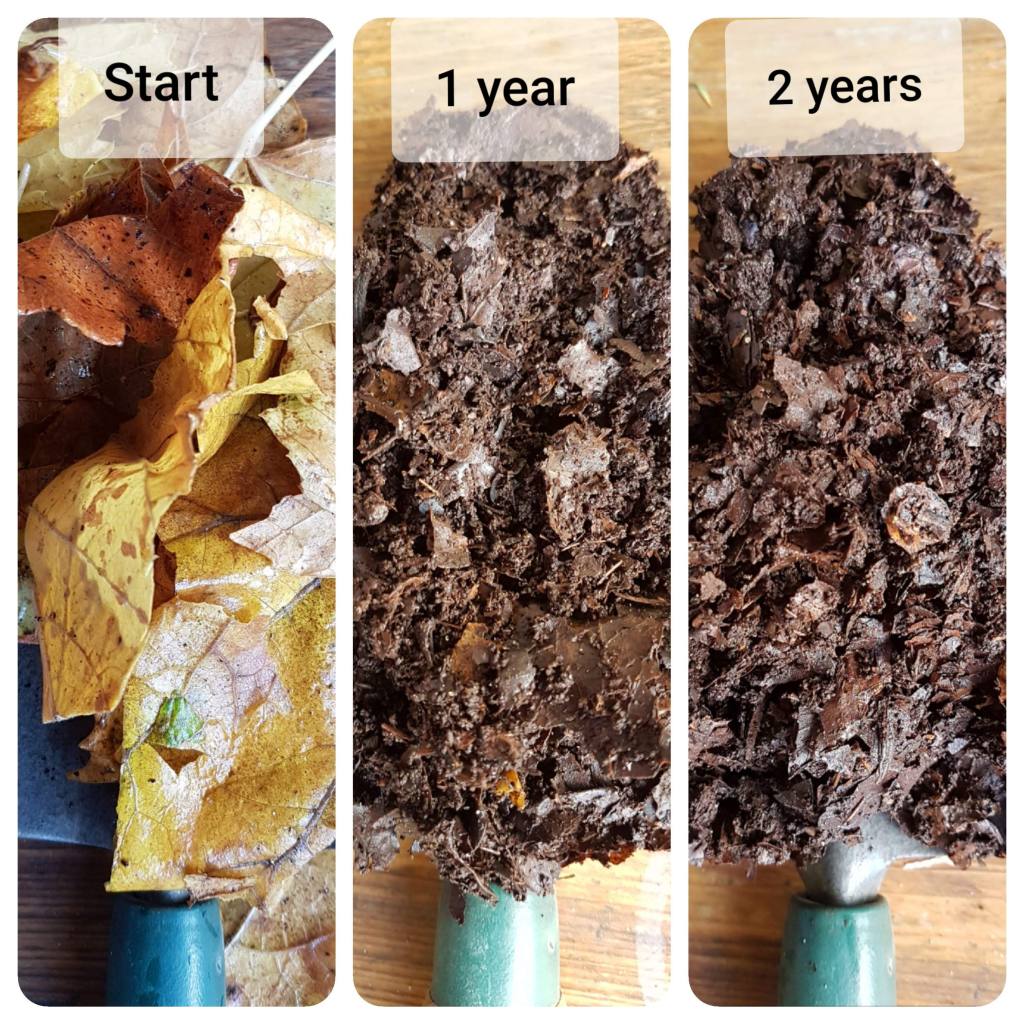
10. Make a leafpile for wildlife, or place leaves in an open container to make leafmould as a soil conditioner and for adding to your potting compost. You can also use empty compost bags: perforating with a fork, fill with leaves and store in a corner of the garden. Be patient… I allow 2 years for decent leafmould.
Happy gardening all!
Pat K
Discover more from Charlton and Blackheath Amateur Horticultural Society
Subscribe to get the latest posts sent to your email.

