Wild about Weeds: Garden Design with Rebel Plants,
by Jack Wallington (2020)
Weeds: The Story of Outlaw Plants,
by Richard Mabey (2010)
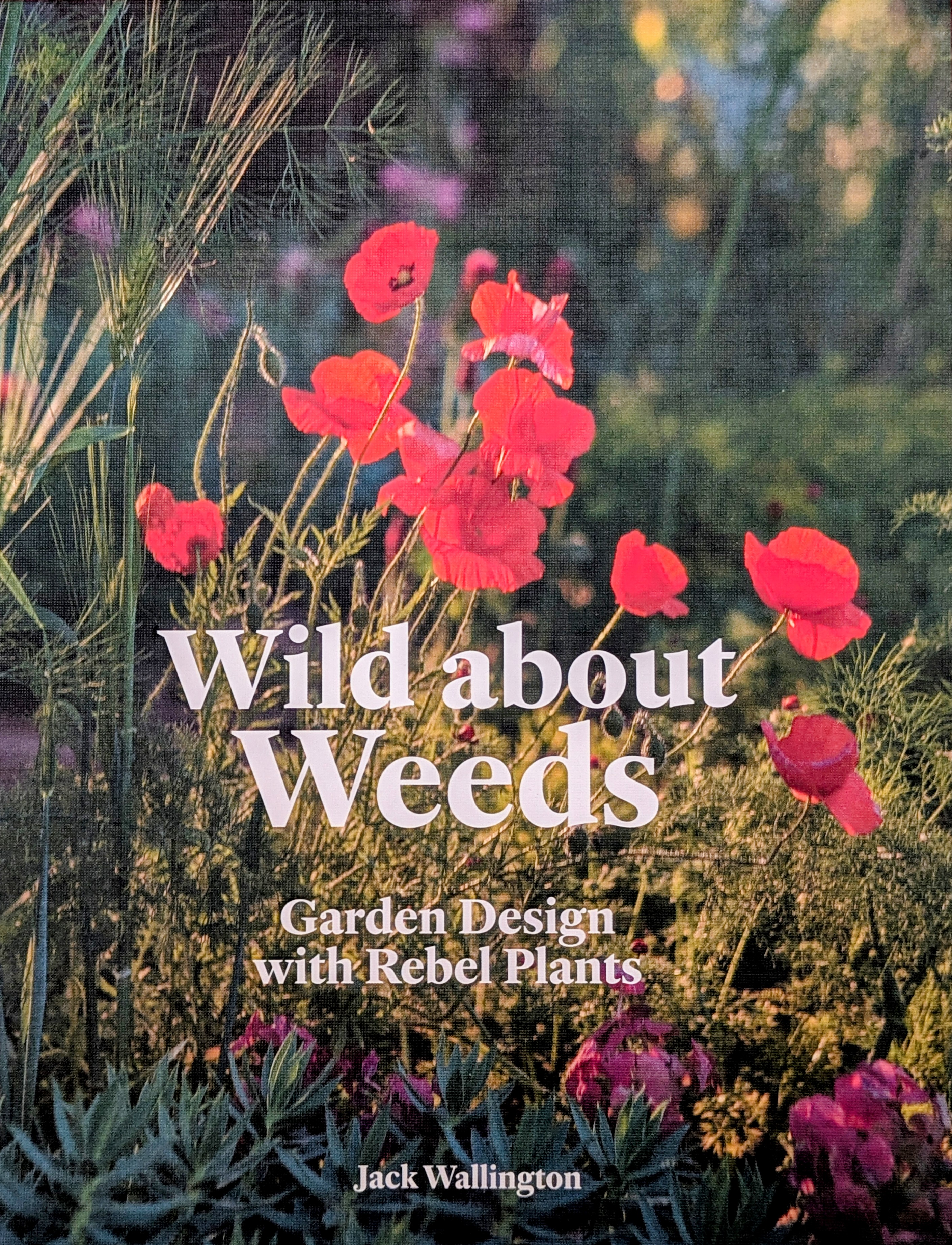
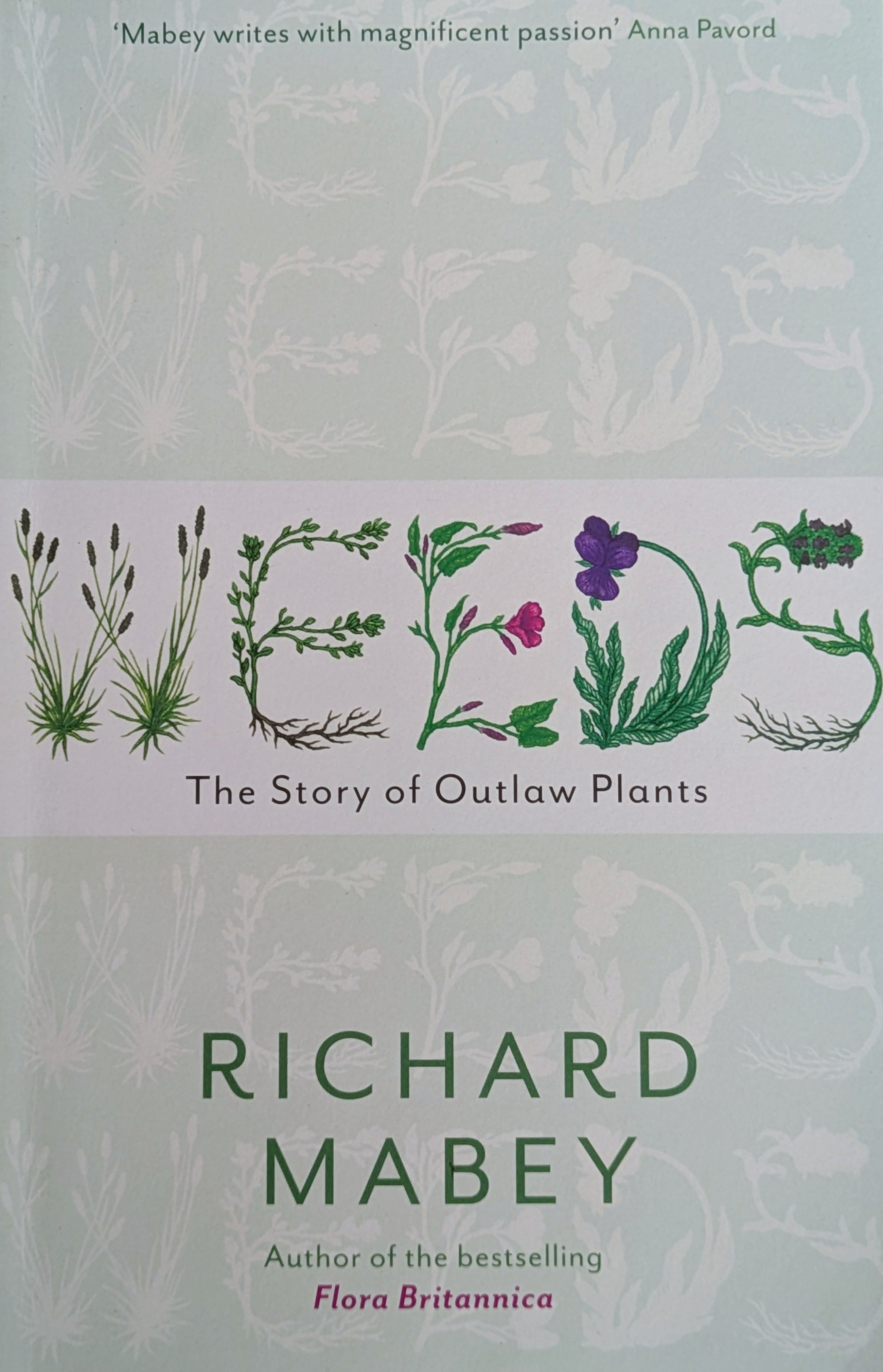
Here are two books about weeds, one by a long-established nature writer, the other by a current garden designer and garden writer, and each has a very different way of approaching their subject. The theme of ‘rebels’ and ‘outlaws’ is common to both, as the longer subtitle of Mabey’s book illustrates: ‘How vagabond plants gatecrashed civilisation and changed the way we think about nature’. Strong words!
Both are arguing the case for reintegration of weeds into the larger perception of plants as a whole, rather than as a whole different category: how many times have you heard the question “Is this a plant or is it a weed?”… to which the answer is of course, “Yes”.
Mabey goes about his task as a nature writer – giving a historical or even philosophical background to why some ‘plants in the wrong place’ are demonised depending on their effect on the other plants or people around them. Some are just a very successful nuisance and others count as worthy garden plants for many, if not all, gardeners. This is not a practical guide book, more of an opportunity to learn about plants and consider our perceptions.
Wallington has a more immediate purpose: ‘garden design with rebel plants’, and after a brief introduction in defence of weeds (including sections entitled ‘Weeds aren’t always messy’, ‘When rebels become good’ and ‘When ornamental plants rebel’), he gives direct, illustrated advice on which weeds he would recommend in different garden situations such as shady borders, containers or poor soils. These are interspersed with short Q&As with gardeners and designers from around the world on their perception of weed plants.
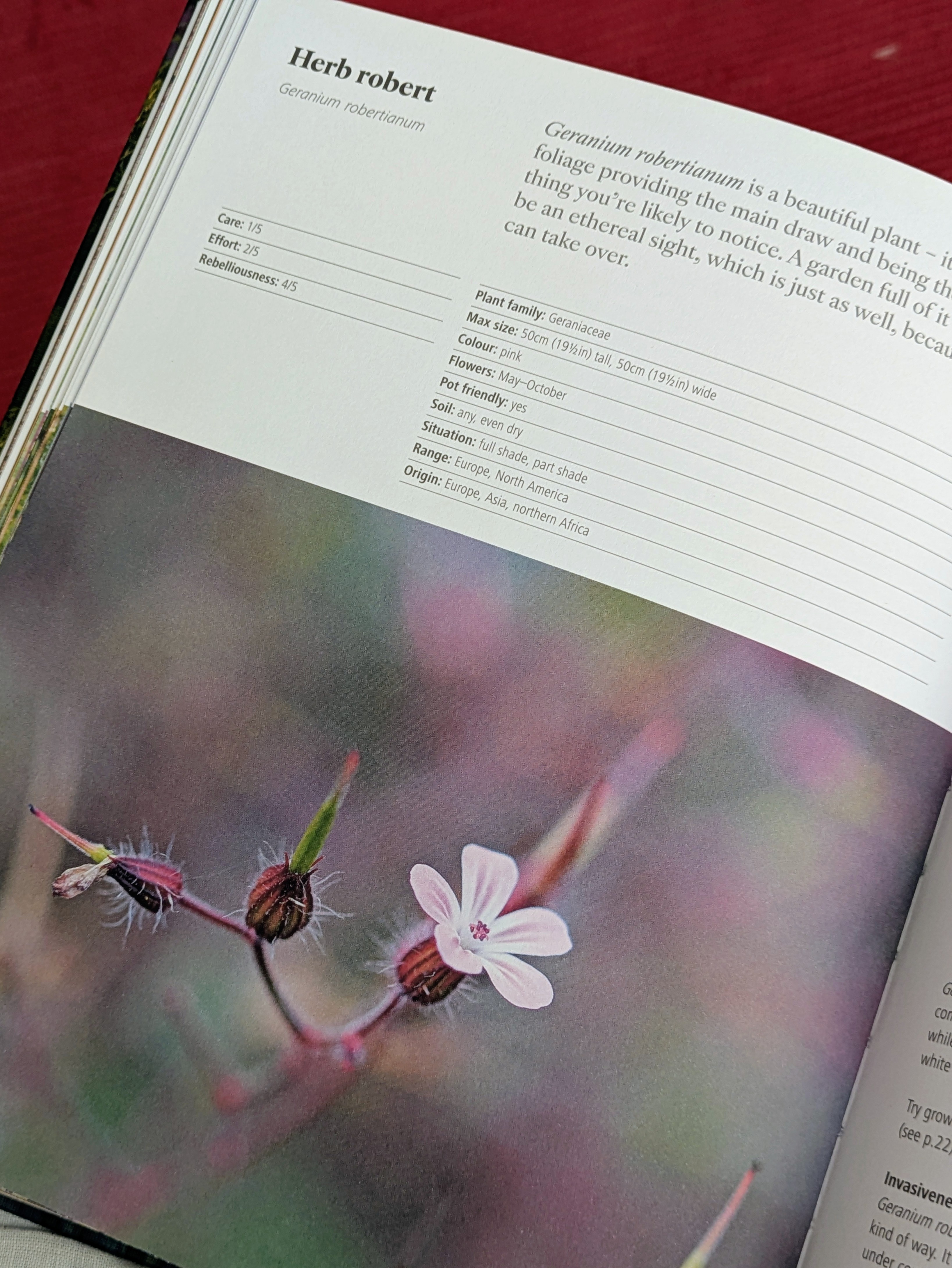
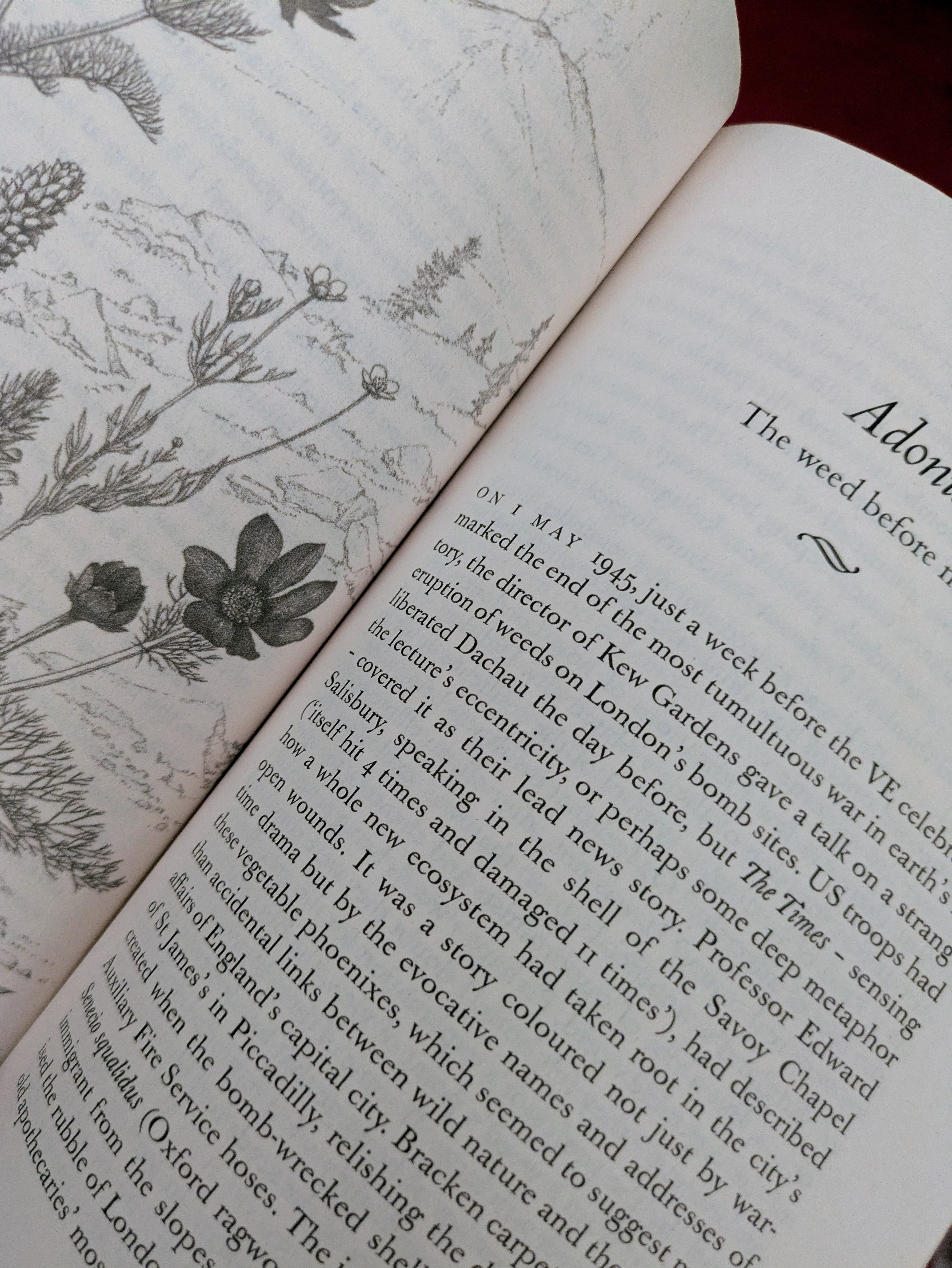
I would recommend both books, I enjoyed reading them as a pair. ‘Wild About Weeds’ can be dipped into as more of a reference book (though I would not personally follow his advice on certain weeds!), though a cover-to-cover reading doesn’t take long and gives better context. Mabey’s book is more of an easy-to-read academic work, but if you’ve read any of his other books (for example, ‘Food for Free‘ which is something of a foragers’ bible) you will know that he is very grounded and accessible.
Have you read either book? Let us know in the comments.
Ali H
If you read a book that would be of interest to our members, please think about writing a review and sending it to garden@cabahs.com and it could become a post like this.
Discover more from Charlton and Blackheath Amateur Horticultural Society
Subscribe to get the latest posts sent to your email.

