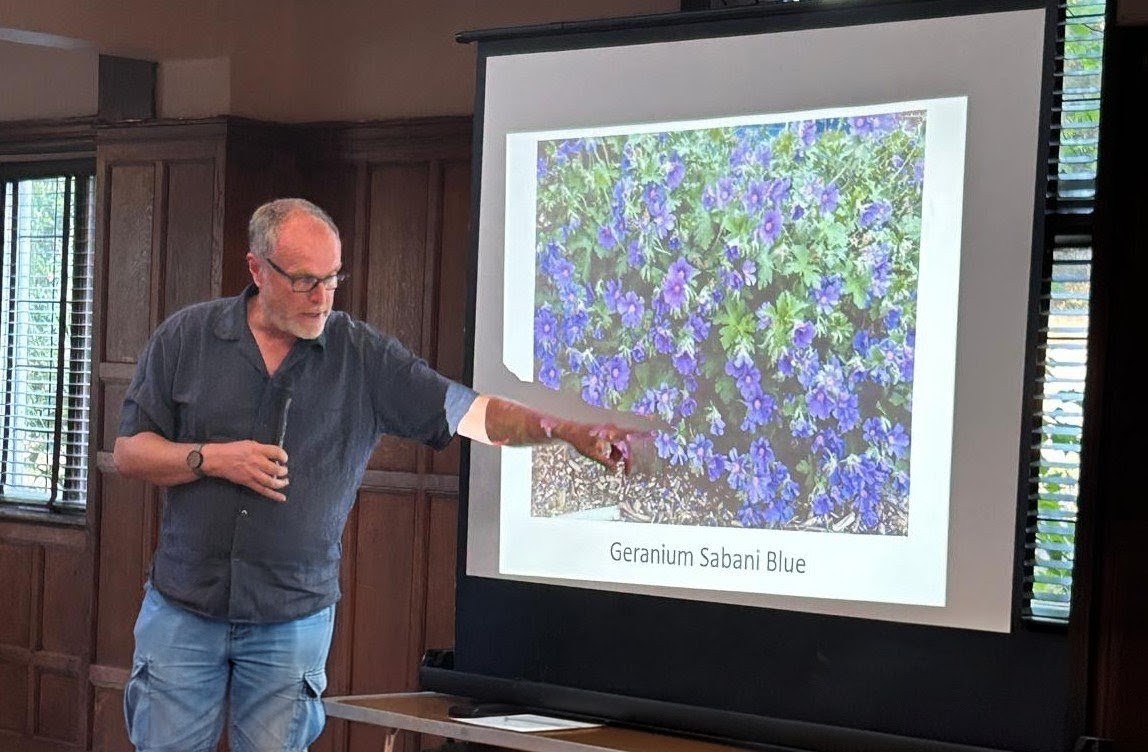
July’s meeting featured an entertaining and informative talk about hardy geraniums by Graham Spencer who has been involved in the horticultural industry for over 30 years, including 15 years as a nursery manager and perennial plant specialist. In 2003 he set up Plants for Europe and now works with plant breeders to bring new varieties to market giving him a strong understanding of current trends and an expert insight into what makes a plant exceptional.
Graham gave us a comprehensive overview of this huge genus, with fascinating insights into the different species, their natural habitats and the many hybrid varieties bred to take on the the best characteristics of parent plants. Easy to grow and loved by bees, this popular group of plants includes 120-130 species and some 500-600 named varieties. Once established most are drought tolerant and flower from April to June or July. After a dormant period many flower again in September. British native geraniums include Herb Robert (Geranium robertianum) although many think of it as a weed.
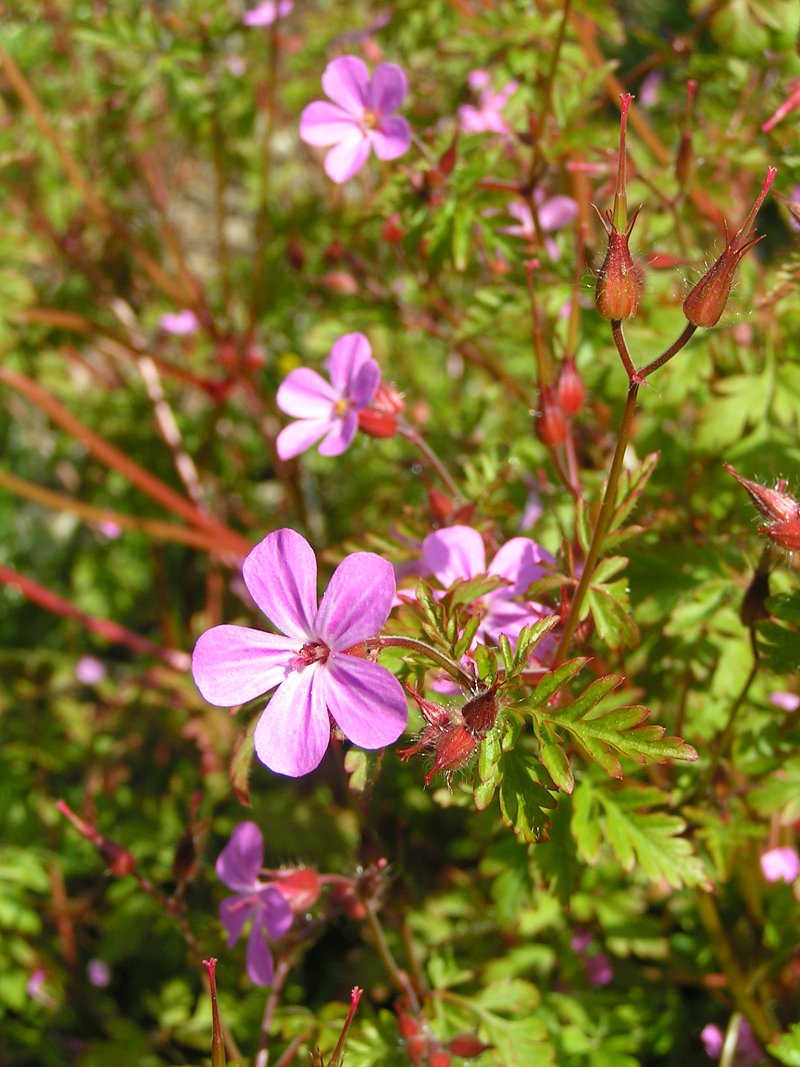
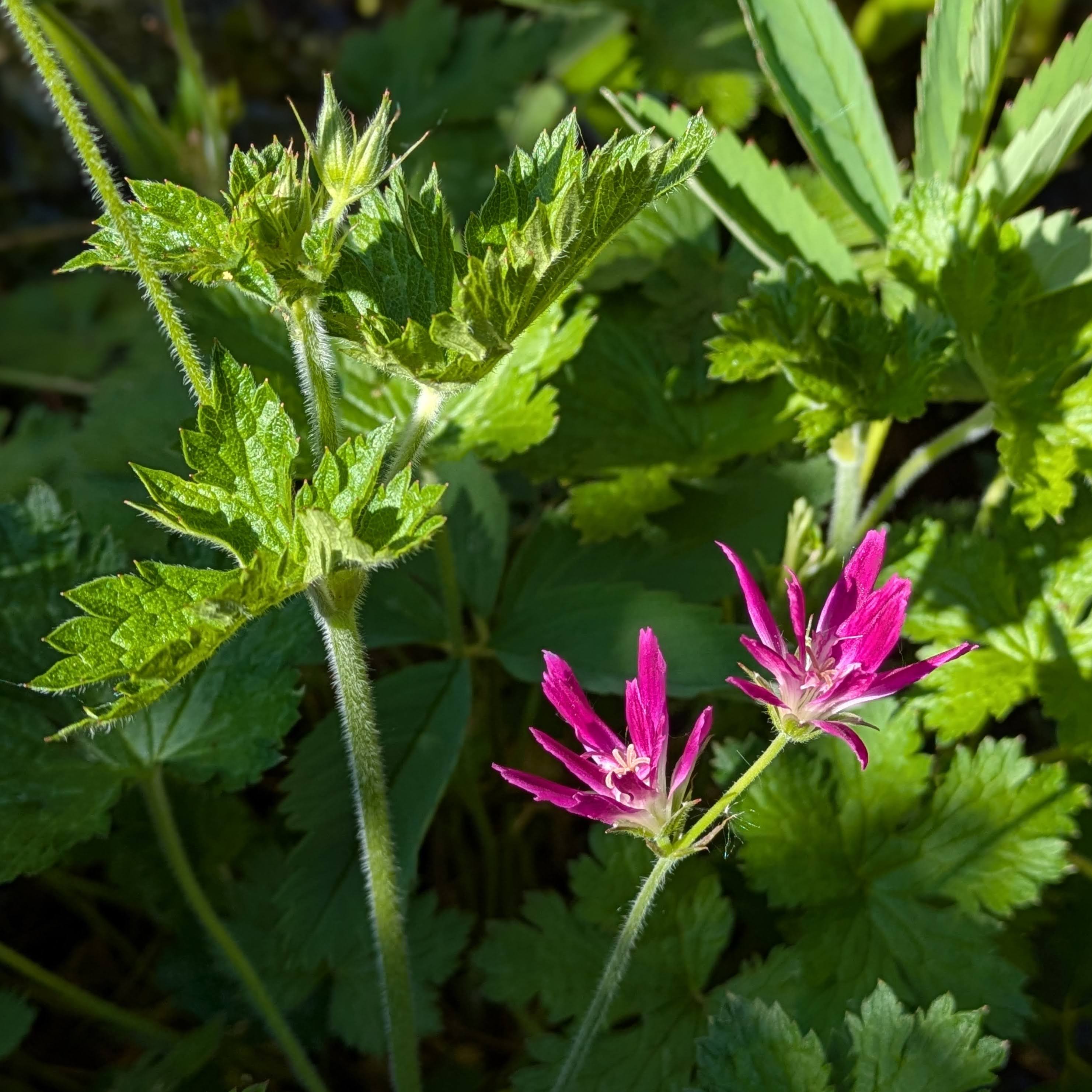
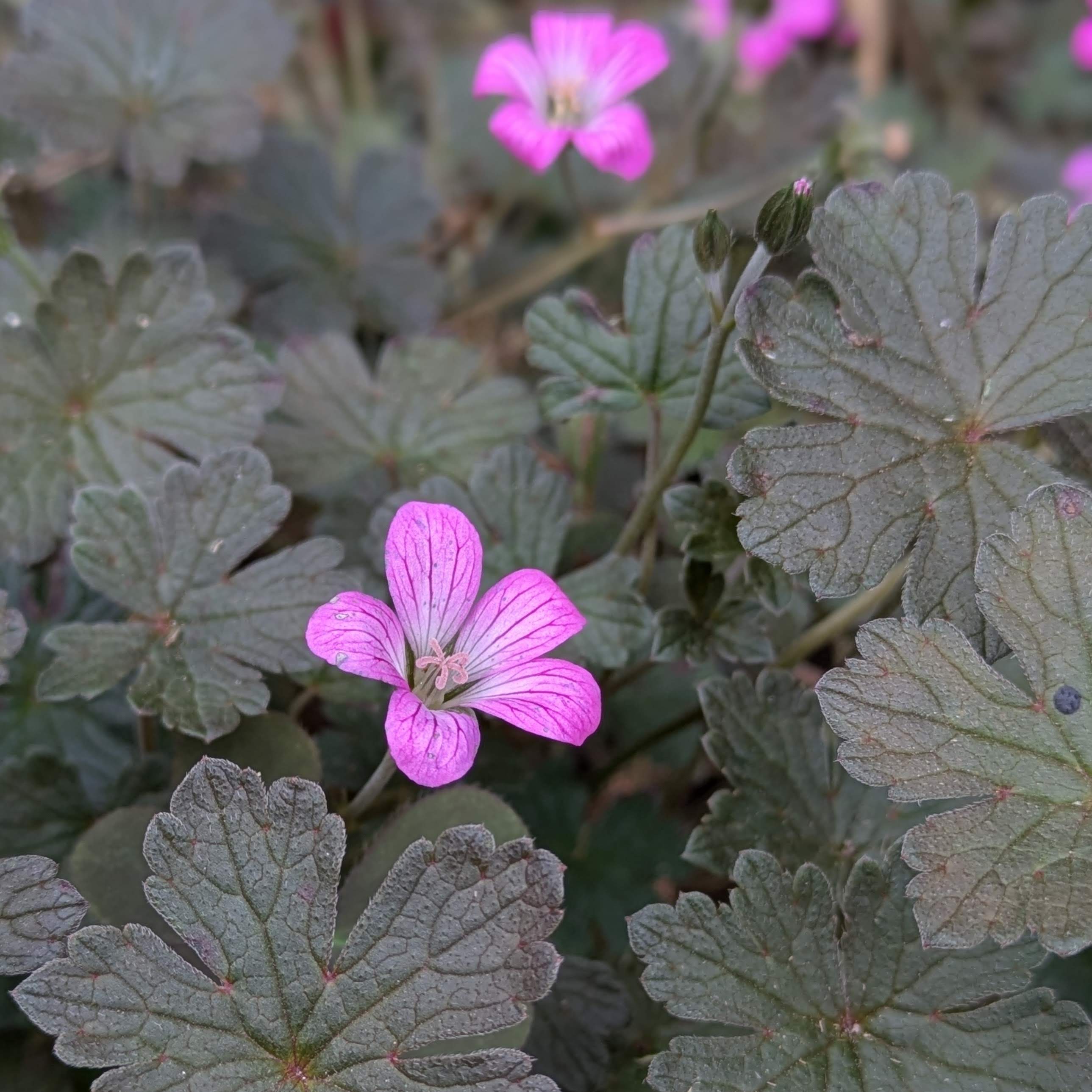
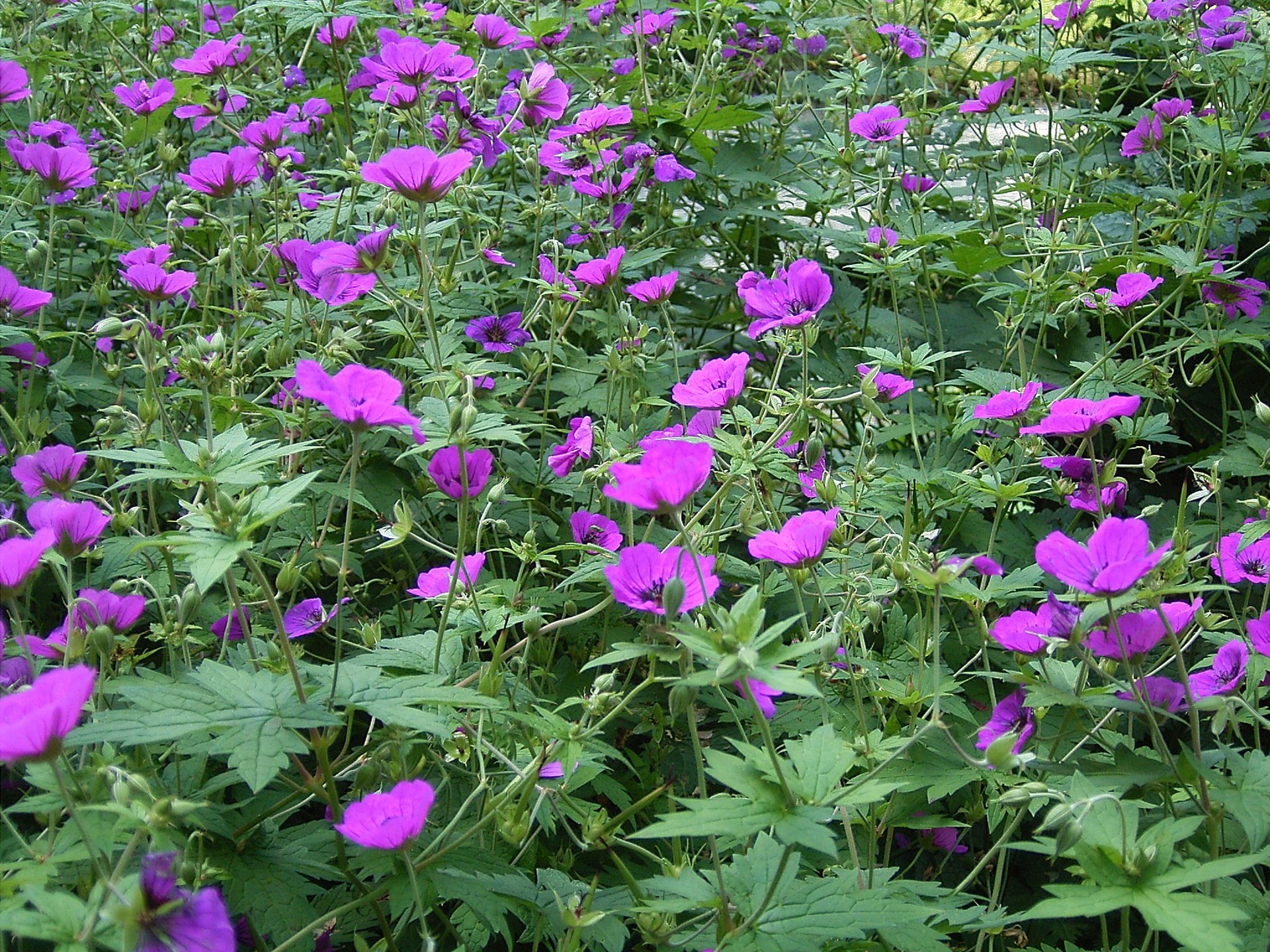
Graham started by explaining the difference between Pelargoniums and Geraniums as these very different (though related) plants are often confused. The tender potted flowers often sold as ‘Geranium’ are actually Pelargonium. True Geraniums, often called hardy Geraniums or cranesbills, are herbaceous perennials that die back in autumn but return each spring.
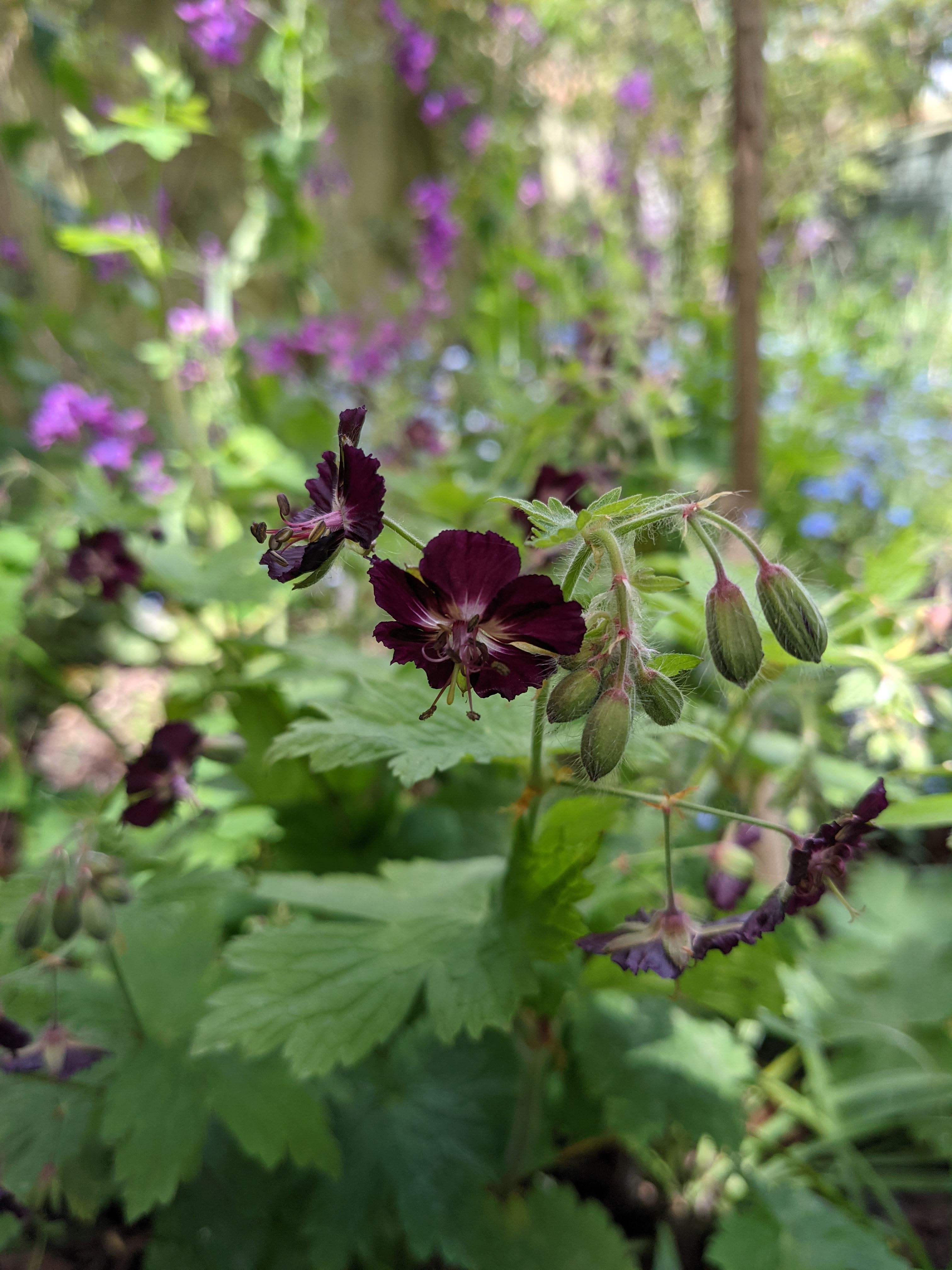
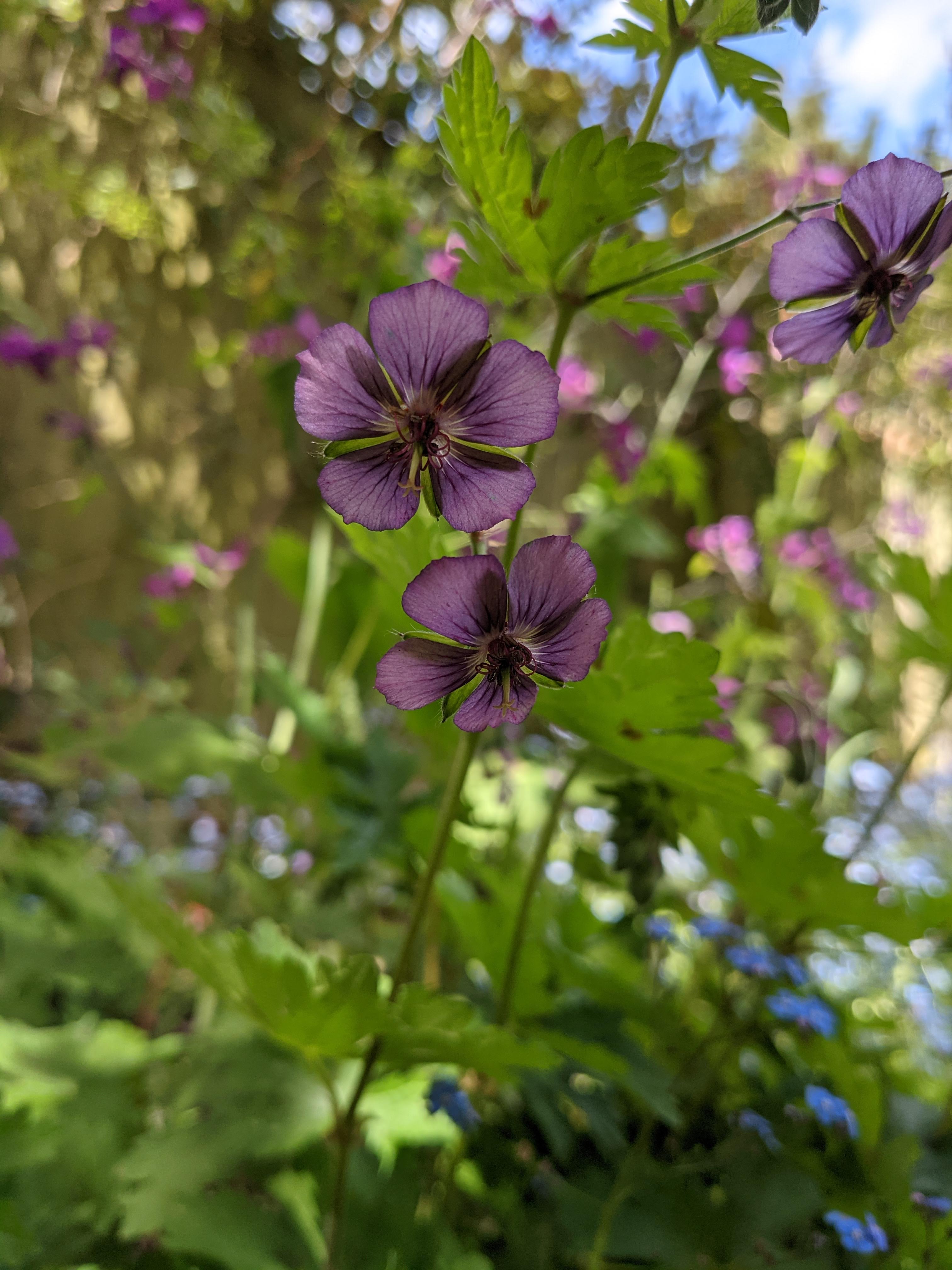
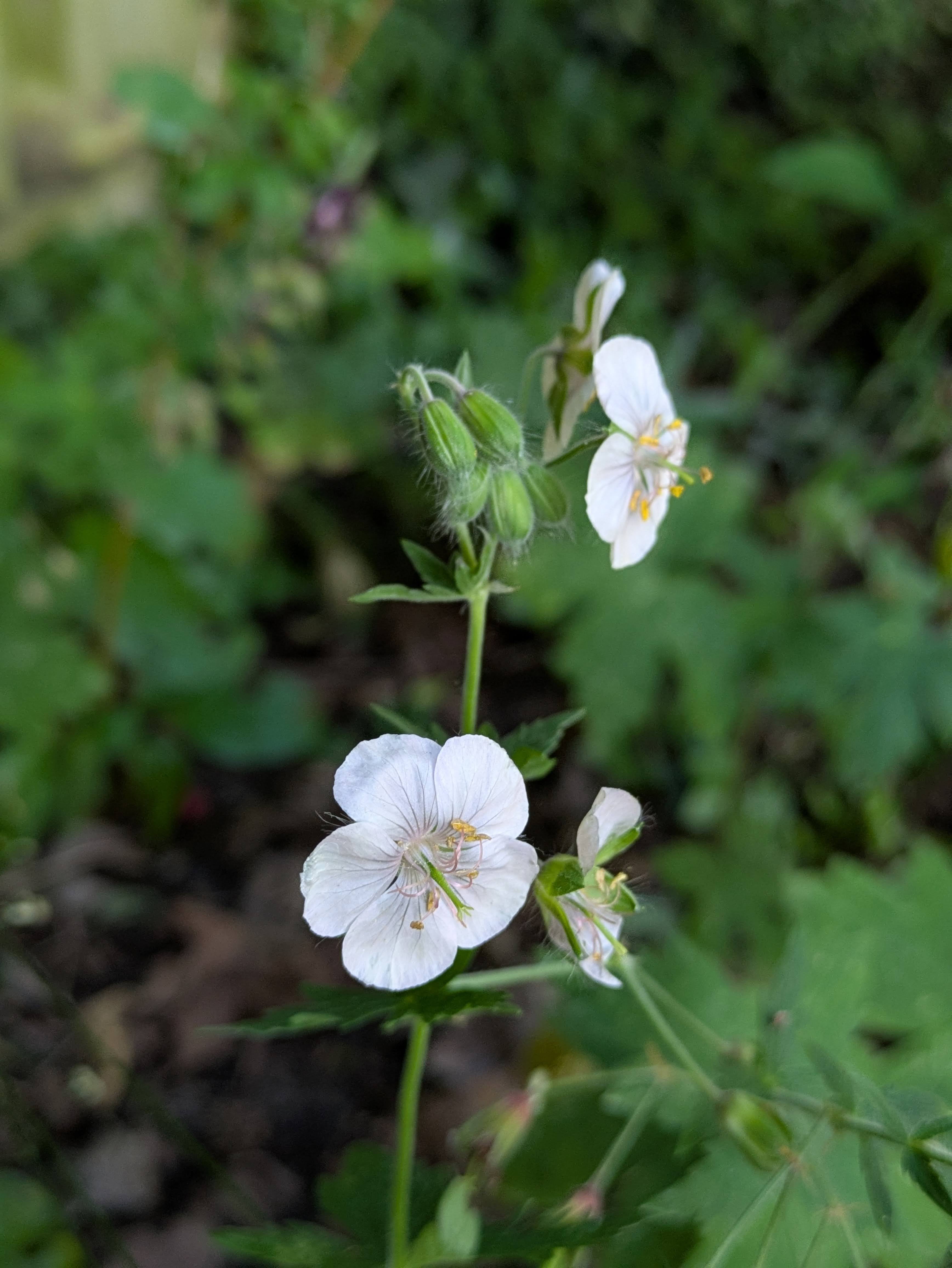
He took us through some of his favourite Geranium varieties from dry shade lovers such as the phaeum group to those preferring full sun like G. cantabrigiense ‘Biokovo’ or G. ‘Orkney Pink’. We got a description of each plant’s best qualities, favoured growing conditions and eventual size. He gave us advice on variety selection, cultivation and how to use these beautiful and versatile plants in the garden. His top tips include planting in groups of 3, 5 or 7 as single plants can get lost. He favours using clear white flowering forms of shade tolerant varieties to really stand out and brighten dark shade.
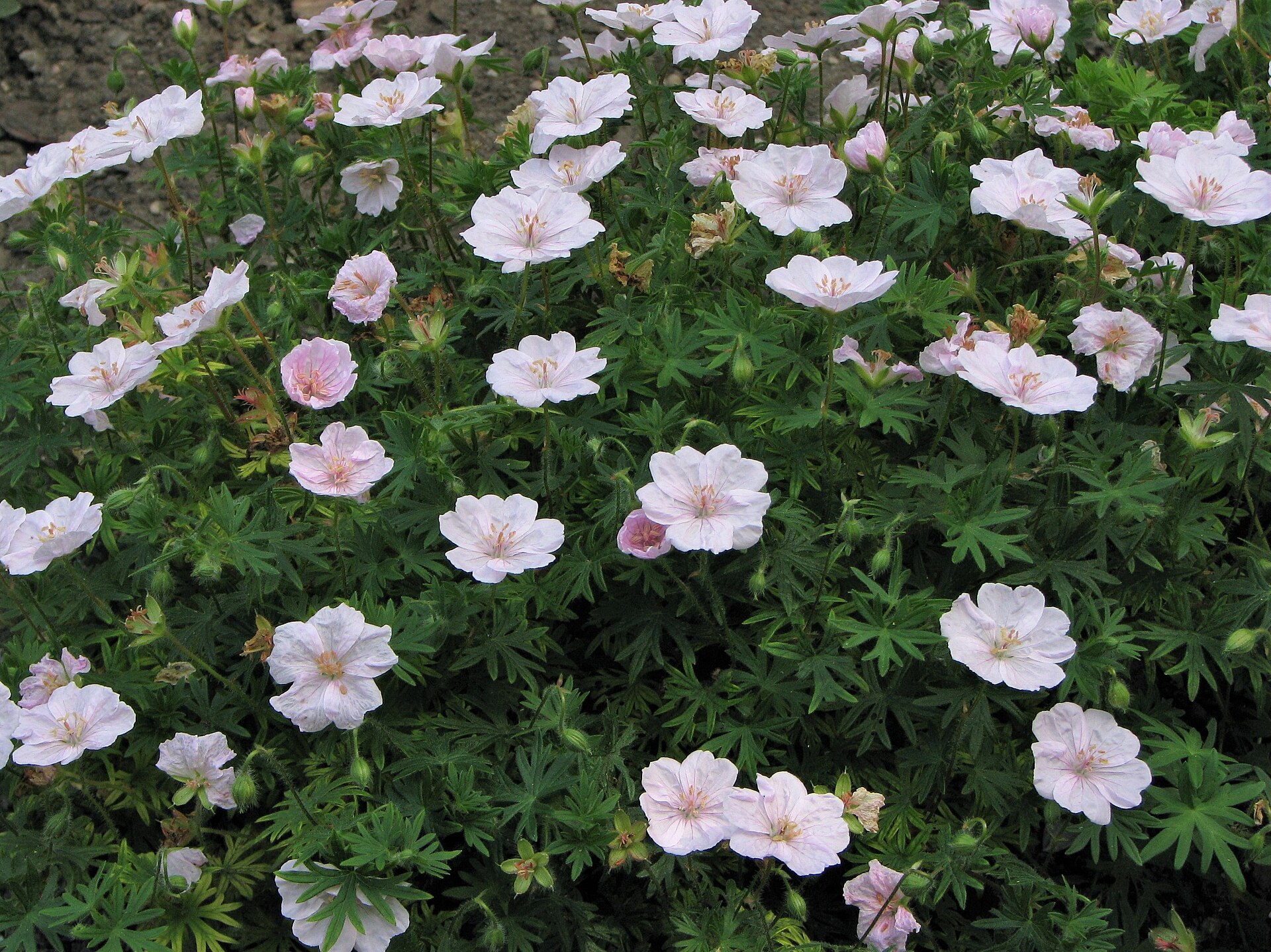
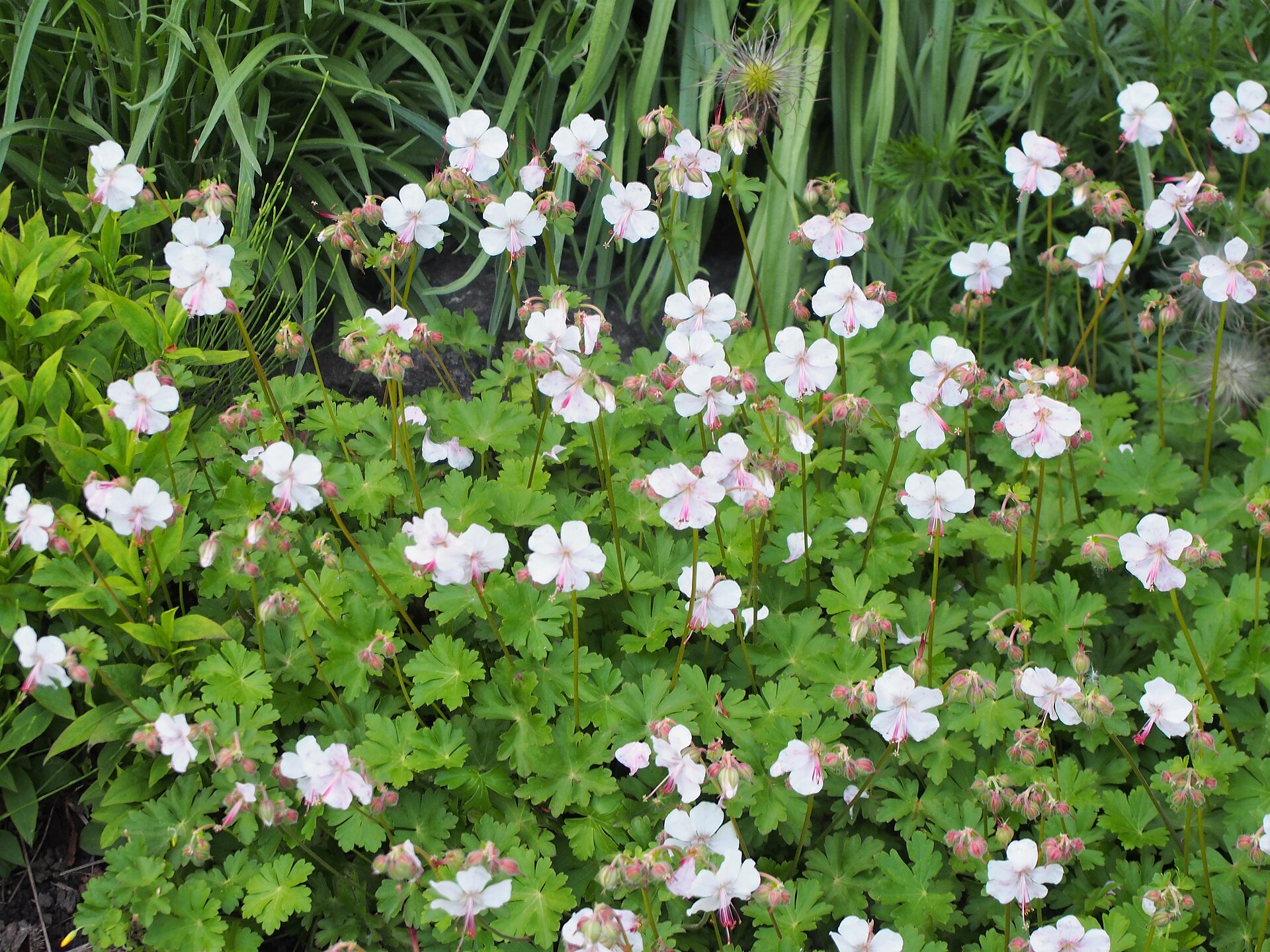
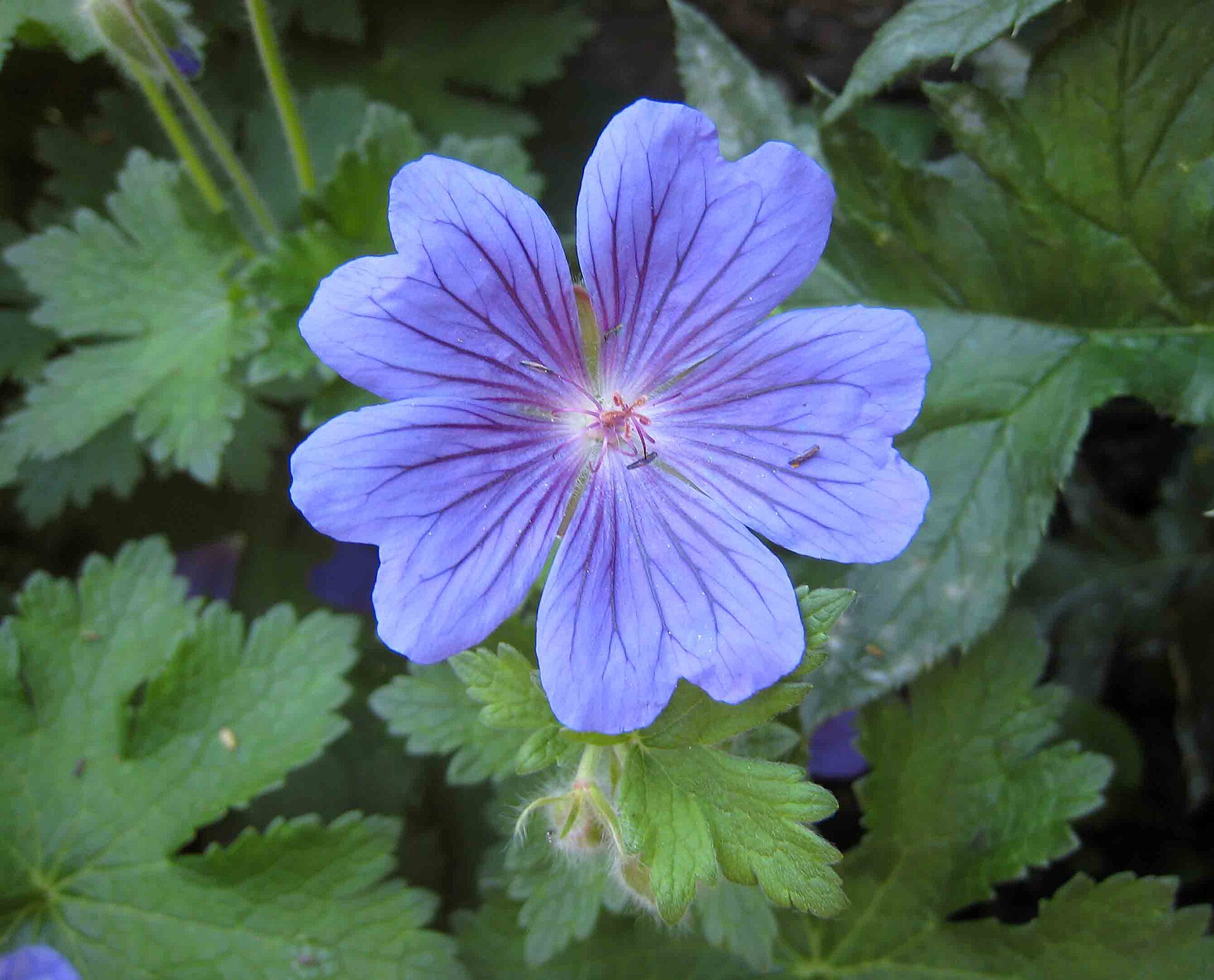
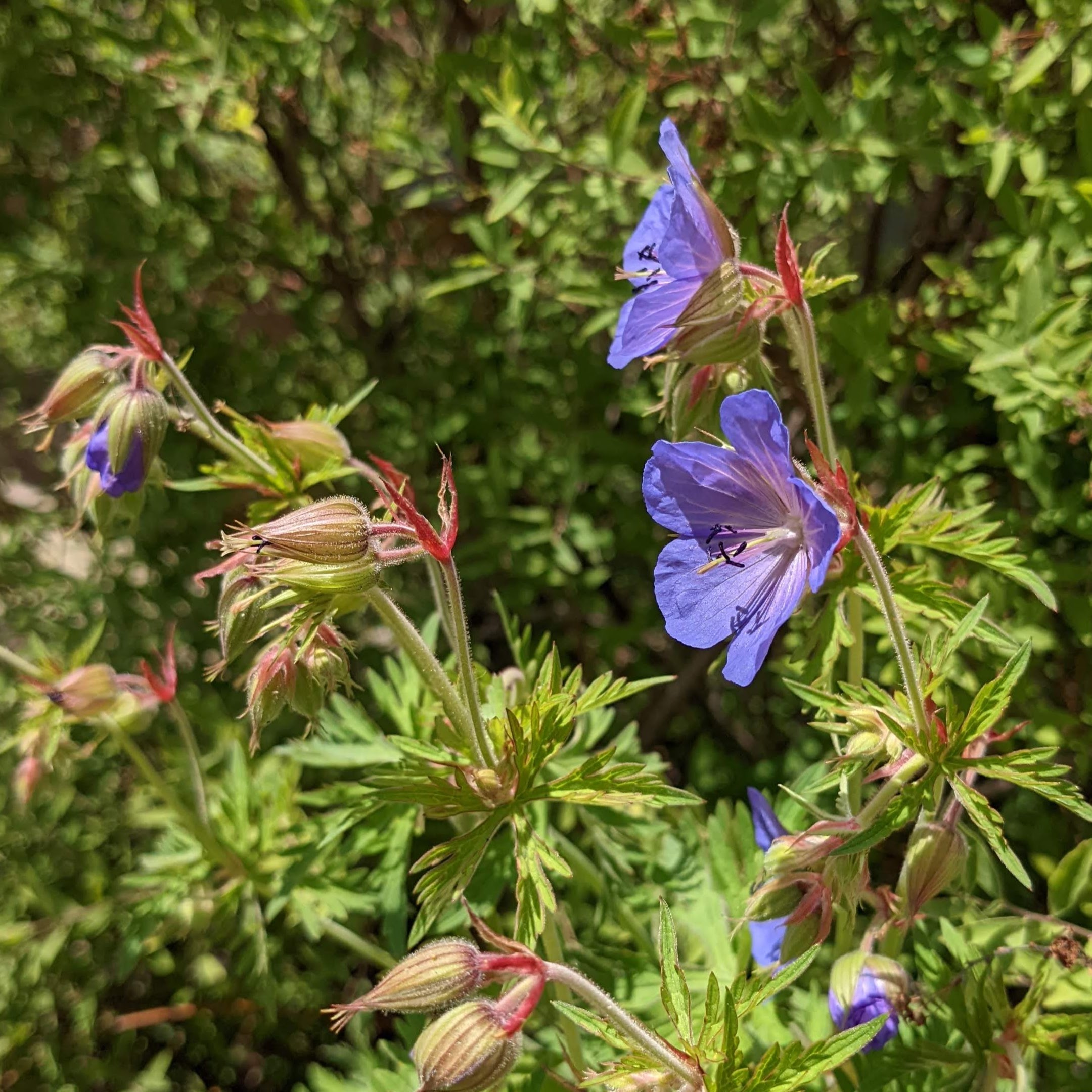
Blues can be bred to emphasise desirable qualities such as G. Sabani Blue by Alan Bremner, or taken as they are, such as the native meadow cranesbill, G. pratense
In borders, Geraniums form mounded shapes so he recommends combining them with contrasting shapes, forms and textures. Vertical spires such as Veronica ‘Pink Damask’ or Siberian iris, the flat flower heads of Achillea, contrasting foliage of purple leaved Heucheras, curves of Nepeta or mat forms of Sedum kamtschaticum var. kamtschaticum ‘Variegatum’ all work well.
Many Geraniums come in strong colours such as magenta and vivid pink so care is needed to avoid clashes with adjacent plants, although when put to the vote many members were all for the clashing colours in Graham’s photographic example! Many Geraniums can be propagated by division in Spring, however some varieties including G. ‘Ann Folkard’ have a single crown and can only be propagated in vitro from tissue culture.
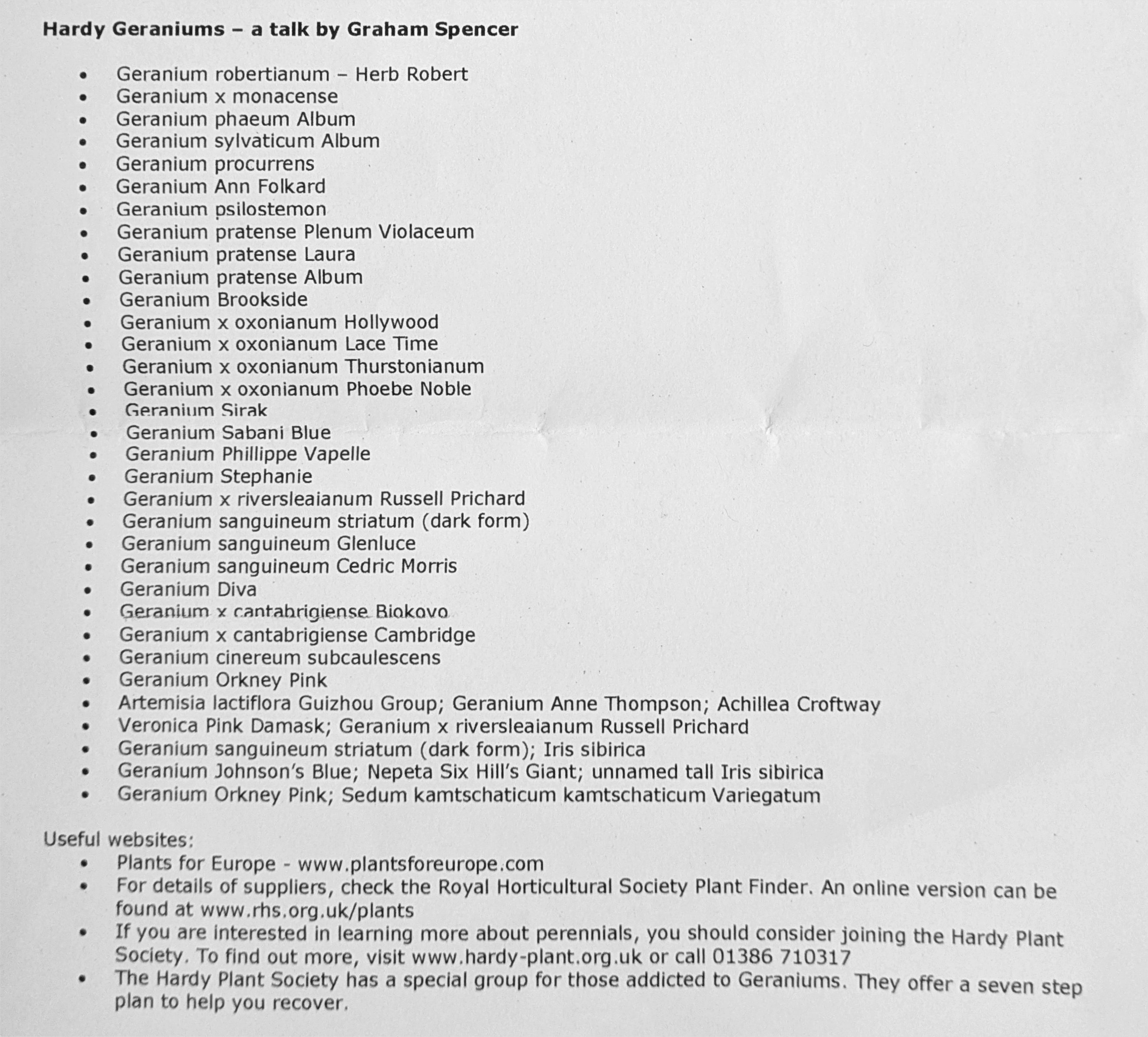
Graham provided a useful handout listing all 33 plants in the order they were mentioned starting from the most shade tolerant through to full sun loving varieties along with suggested planting combinations and useful websites.
Finally he warned that Geraniums can be addictive and left us with the plantaholic’s caution that “addiction is a real affliction”. Very possibly after listening to this inspiring and thoroughly enjoyable talk.
Jayne D
Discover more from Charlton and Blackheath Amateur Horticultural Society
Subscribe to get the latest posts sent to your email.

