Allotment life, and surprising bulbs

Do you ever plant things in your garden and forget that you have done so? I have clearly planted these tulips in a pot (last year? The year before?) and they have surprised me by coming up a treat.
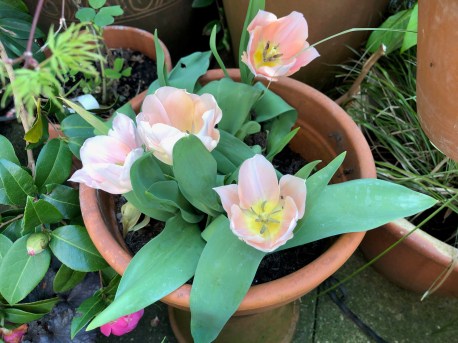
Vijas suprising tulips

That is probably part of the interest in planting bulbs. It is deferred gratification if ever there was an example. The anticipation of beauty to come. To some extent it is similar to sowing seeds, although here there is less of an excitement of immediate colour. Gardening is a thing of hope!

March and April are hugely busy in terms of seed sowing. At home I have a small patch given over to vegetables. It used to be bordered by trimmed box, but with the depredations of the box moth, all this has had to be removed. This year, I have decided to sow the annual SalVijas Claryvia Viridis to create the borders. It used to be grown so much, but seems to have become less popular and I haven’t seen it for years. I am hoping this will create an attractive foil for the tomatoes, salad greens, shallots and climbing beans that I plan to have here.

For my allotment I have my usual courgettes ( three varieties) tomatoes ( four varieties) runner and French beans, potatoes (earlies and maincrop)  cucumber, beetroot,  celeriac, cavalo nero and purple sprouting broccoli. I am going to add carrots, turnips and swedes. If the seed stocks in the garden centres on the weekend of 22 March are anything to go by, a large proportion of the population is anticipating a problem with food supply! I hope I have enough to feed the extended family.

My allotment soil is incredibly heavy and successive years of cultivation have done little to break it down. For those new to gardening, this could be very off-putting. Watching Monty Don or Joe Swift or Adam Frost plant vegetables in soil that is honed to a fine tilth you could blow on it and create a hole and then be confronted by the average plot, is something that might make you quail. In the week before lockdown ( are we all thinking in terms of ‘before lockdown’ and ‘after lockdown’ now?) I had two guys dig over the plot, but this still leaves large clods of soil which need to be broken up. I am now in the backbreaking process of doing this. Only then can I direct- sow into the soil, or plant things like French beans.

Vija
March 2020 – Russell Bowes on ‘Dig For Victory’

As we had quite a small turnout on Monday (understandably!) I thought you might like to know a little about Russell’s great talk. Russell started his talk with some facts, such as that when war broke out in 1939, nearly 80% of Britain’s food was imported. Imports were by ship and German blockades threatened supplies almost immediately.

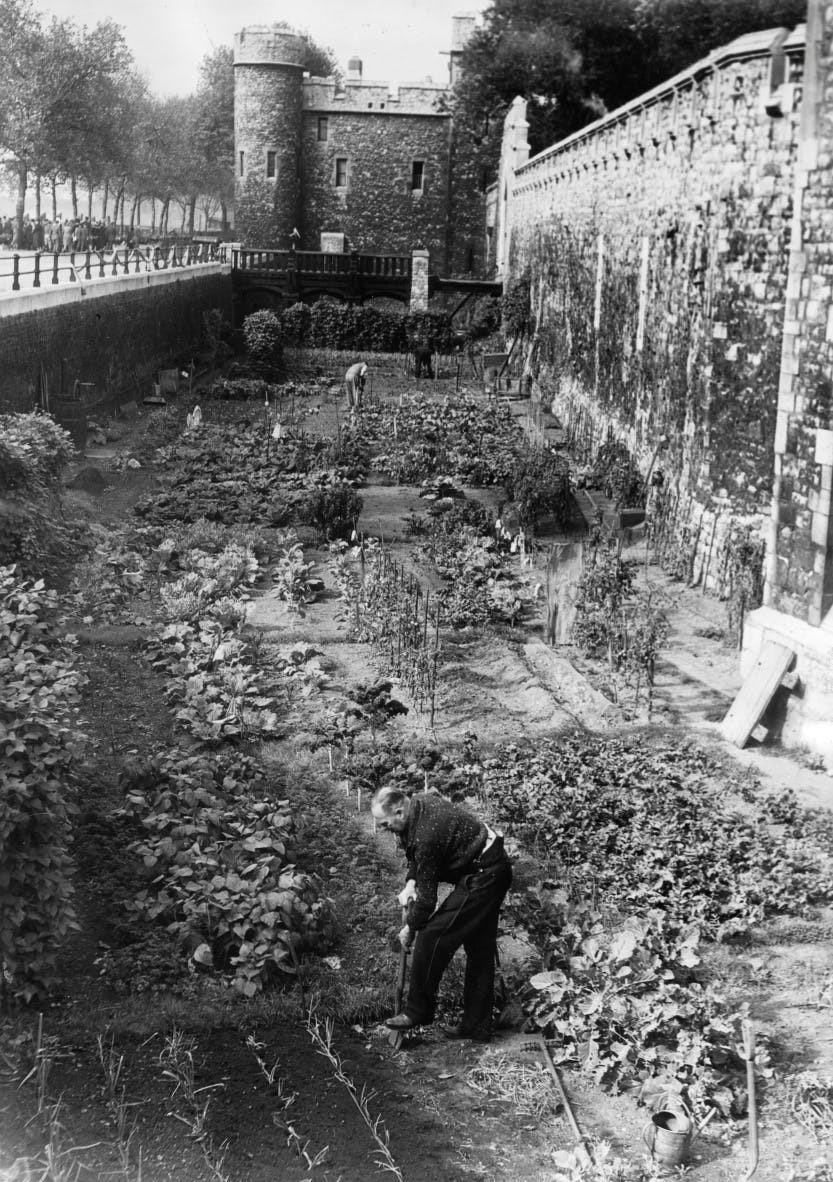
A “Dig for Victory” campaign was started and people were urged to use any spare land to grow vegetables – this included parks, golf clubs and even the moat at the Tower of London:

Tower of London allotments

The campaign featured lots of posters, this one was interesting because as Russell pointed out, the man is using the wrong foot. In fact the photo was taken using a mannequin’s dummy leg!

Dig for Vic poster

Much of the campaign’s success, which was overseen by the Ministry of Agriculture, was thanks to the Royal Horticultural Society’s role in teaching men and women across the country how to grow vegetables year round.

Another way of increasing food production was down to the War Agricultural Executive committees which were formed in Autumn 1939 and given expansive powers over farmers and landowners in the United Kingdom. After performing surveys of rural land in their county, each Committee was given the power to serve orders to farmers “requiring work to be done, or, in cases of default, to take possession of the land”. Committees could decide, on a farmer’s behalf, which crops should be planted in which fields, so as to best increase the production of foodstuffs in their areas.

Russell told us about the Womens Land Army too. This started in WW1 but was re-established shortly before the outbreak of the Second World War, in June 1939. It was finally disbanded in 1950. At its peak in 1943 over 80,000 women worked as ‘land girls’. They came from a wide range of backgrounds including towns and cities as well as the countryside.

He included lots of anecdotes about how dedicated the girls were, telling a story about one girl who turned up late with plaster in her hair, and asked the farmer not to mark her as late because she got there as soon as she could. Her house had been bombed that night! Another walked miles through waist-high snow to get to her farm and then apologised for being late.

Russell told us that one of the most missed vegetables was the humble onion. As they were nearly all grown in France, there were shortages immediately. One time, the post office received a parcel of onions where the address label was missing, so it went to lost property. They had 38 people turn up to claim it was theirs!

There were children’s campaigns too. Doctor Carrot popularised the myth that carrots could make you see in the dark.

Dr Carrot

We also heard about Cecil Middleton, who was really the first “celebrity gardener” on radio. He broadcast in Britain during the 30’s and 40’s, especially in relation to the “Dig for Victory” campaign. He was very knowledgeable but his programme went out on Sunday afternoons, and he had a soothing voice, so his main claim to fame was that he sent people to sleep after their Sunday lunch!

We thanked Russell for his entertaining talk and asked him to judge the Show Table and call the raffle. (We should really have had a loo roll as a raffle prize..!) It was a good evening, especially as we are going to have a bit of a break in meetings now. Take care everyone, stay well!


Russell Bowes is a freelance garden historian, garden tour guide and researcher.

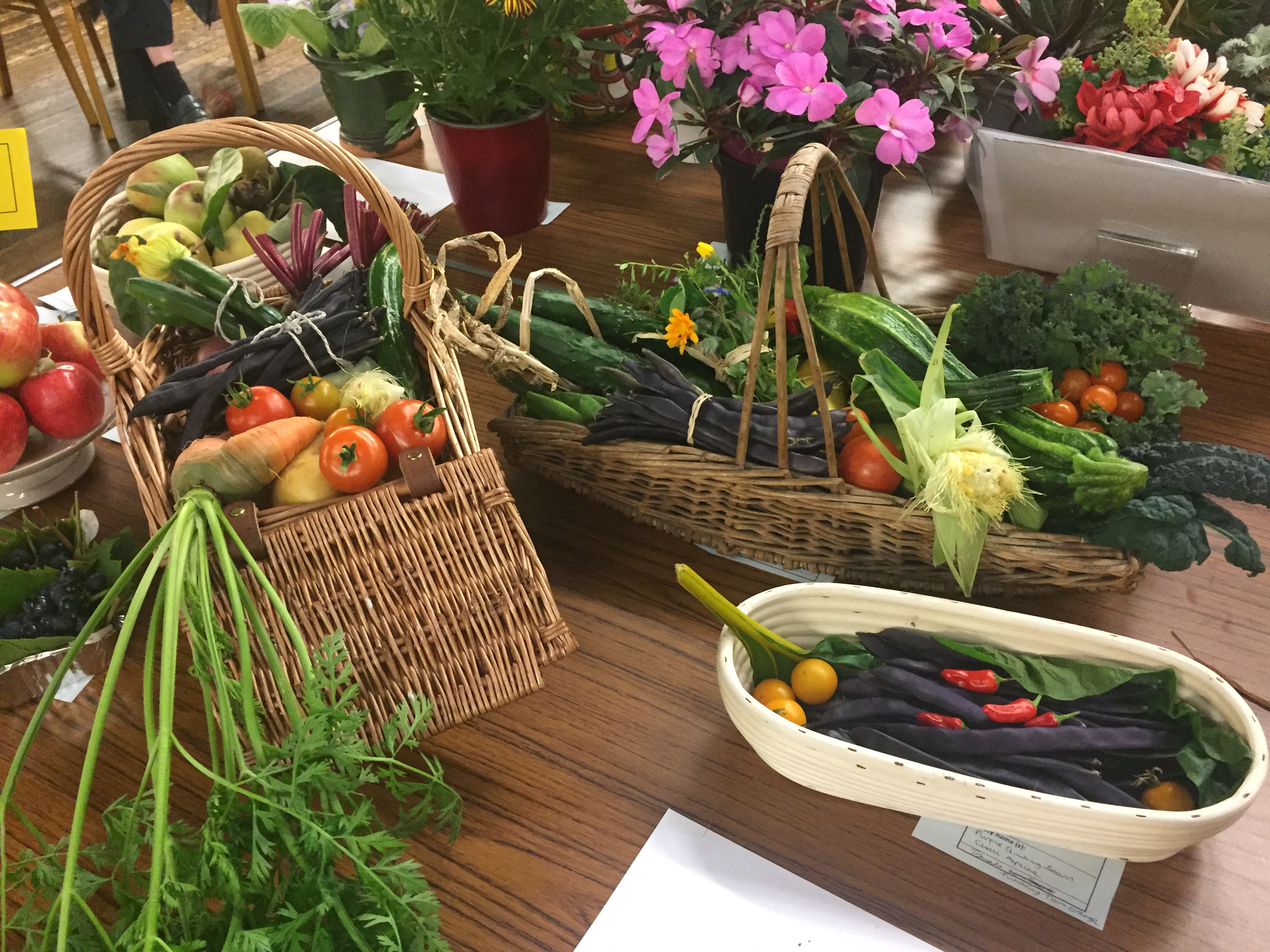
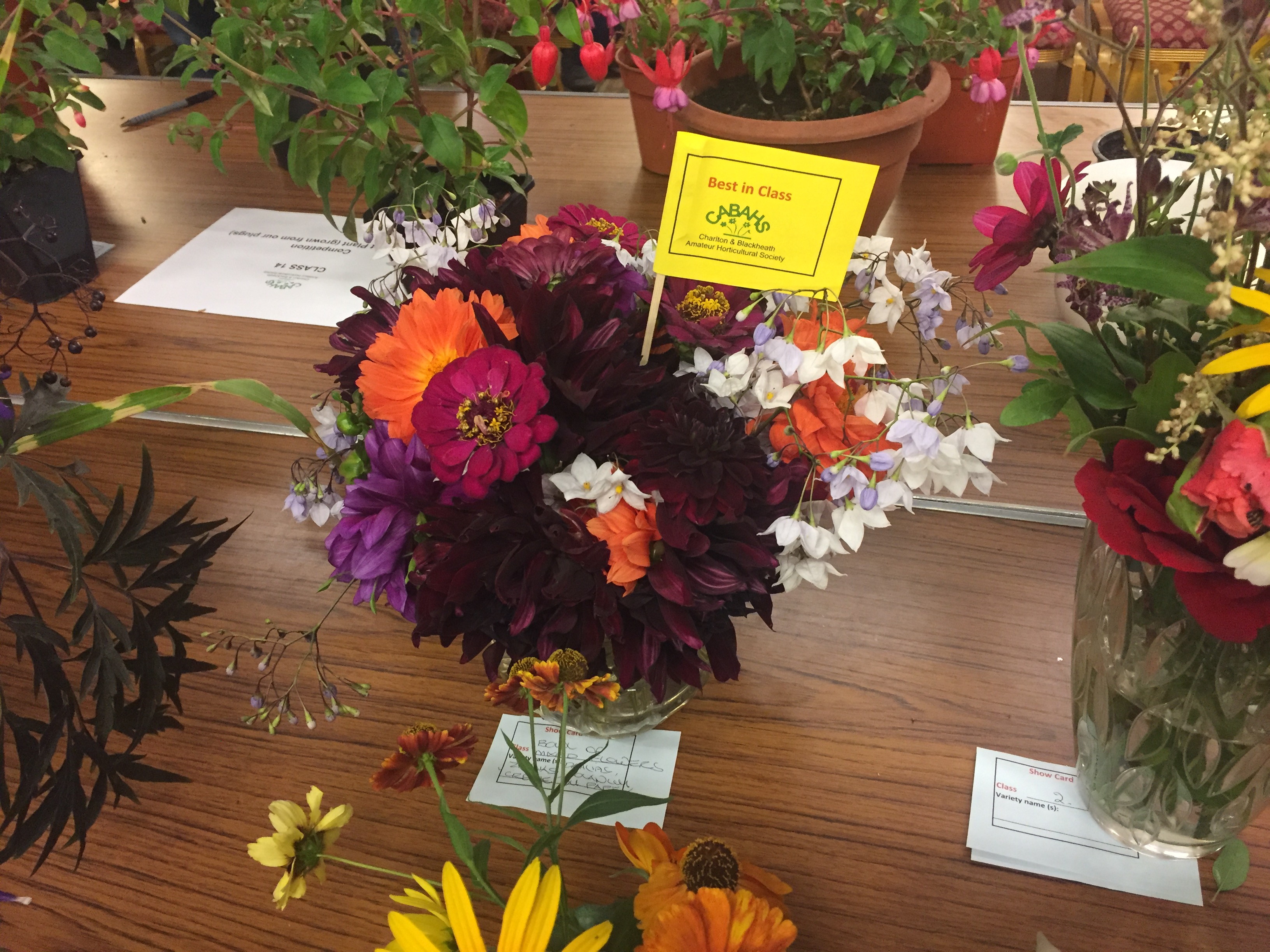
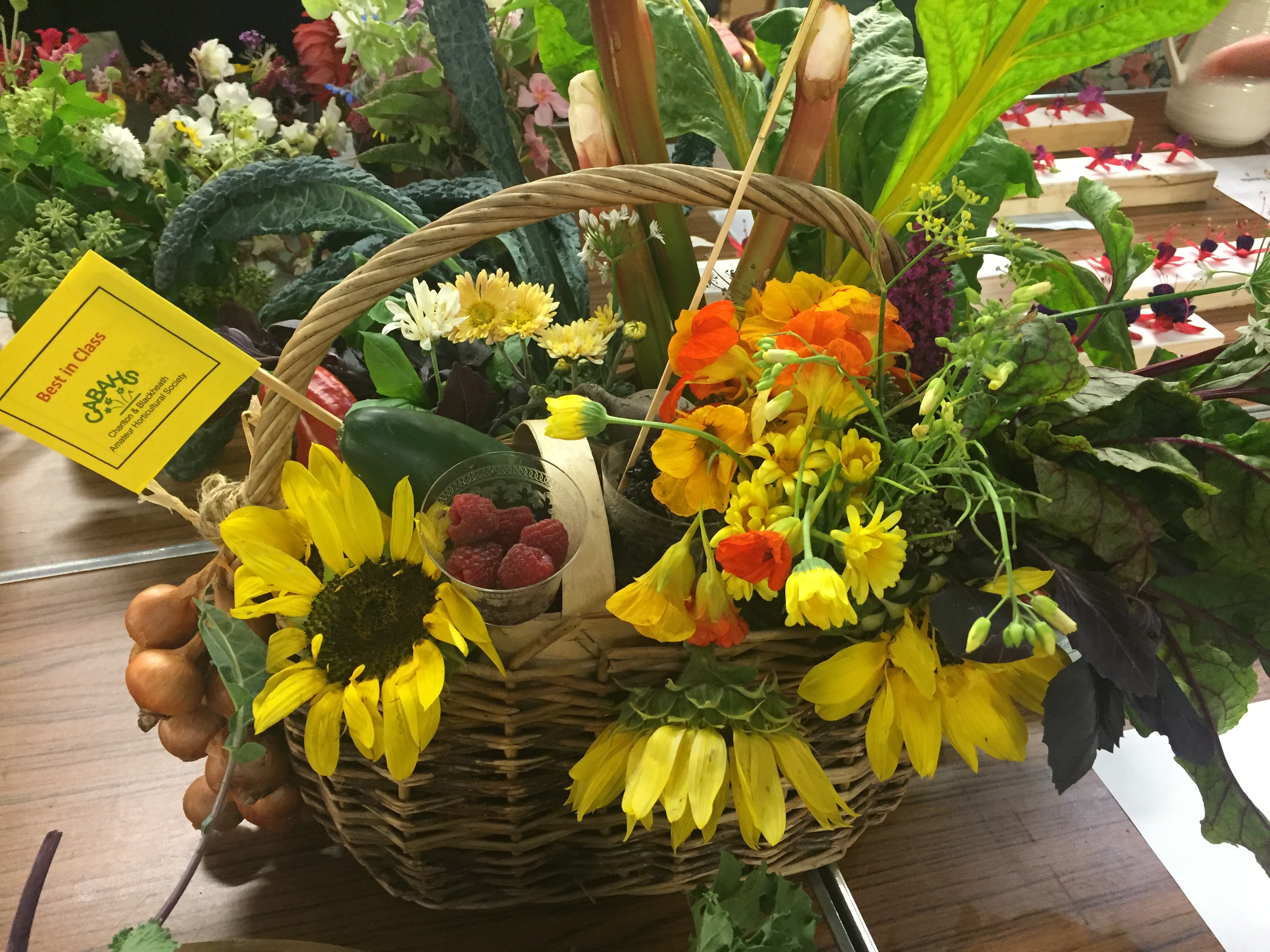
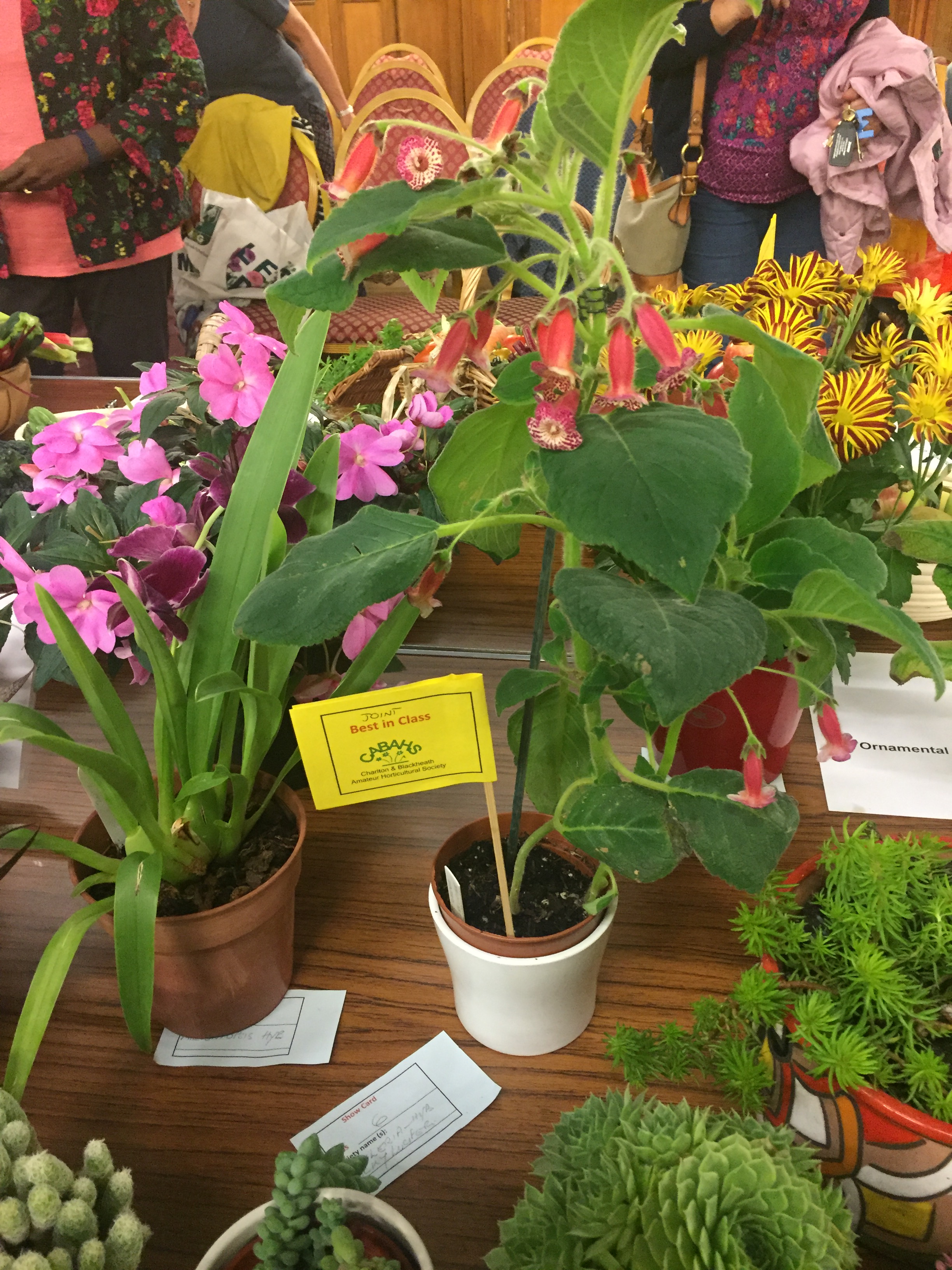
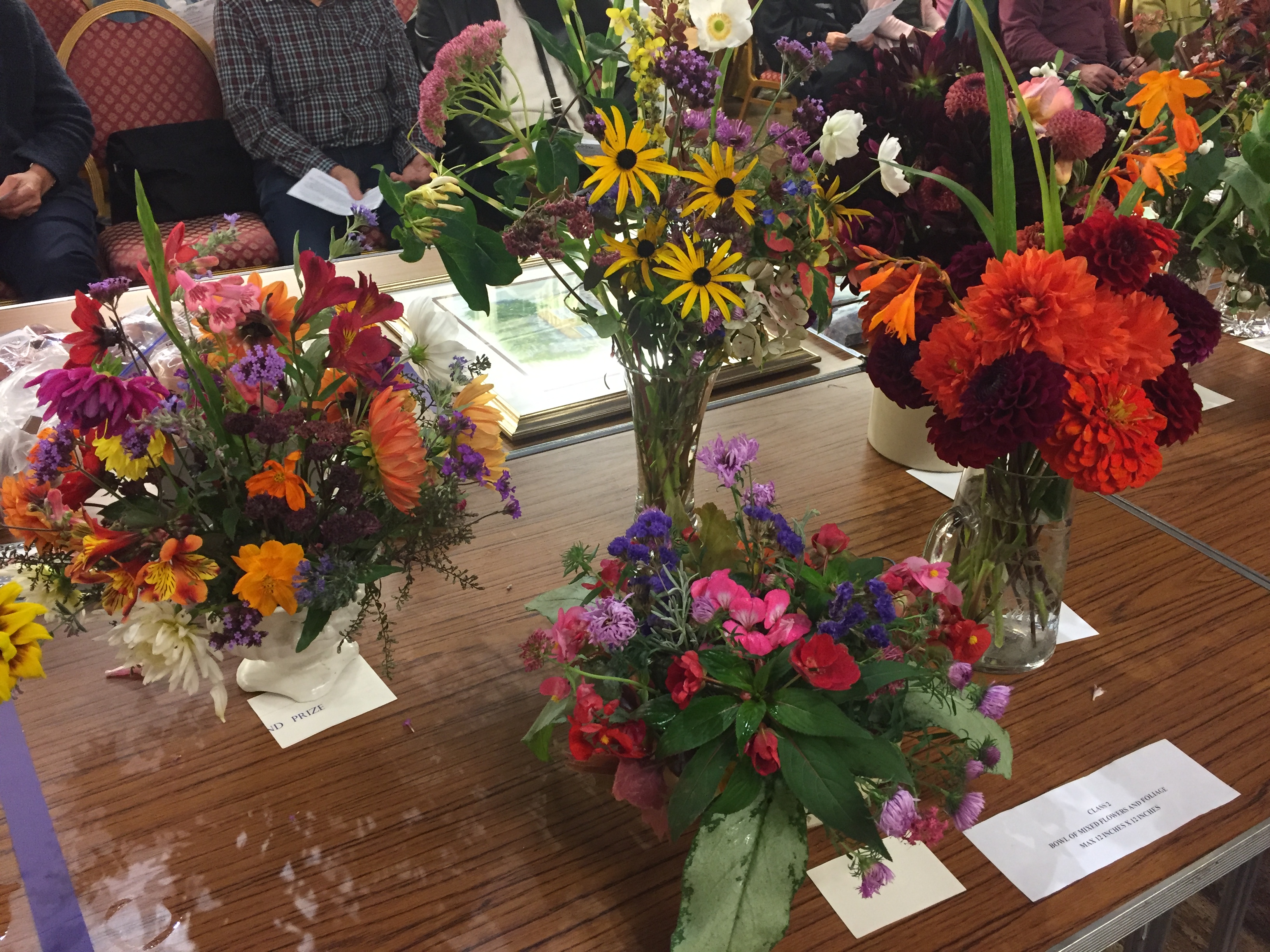
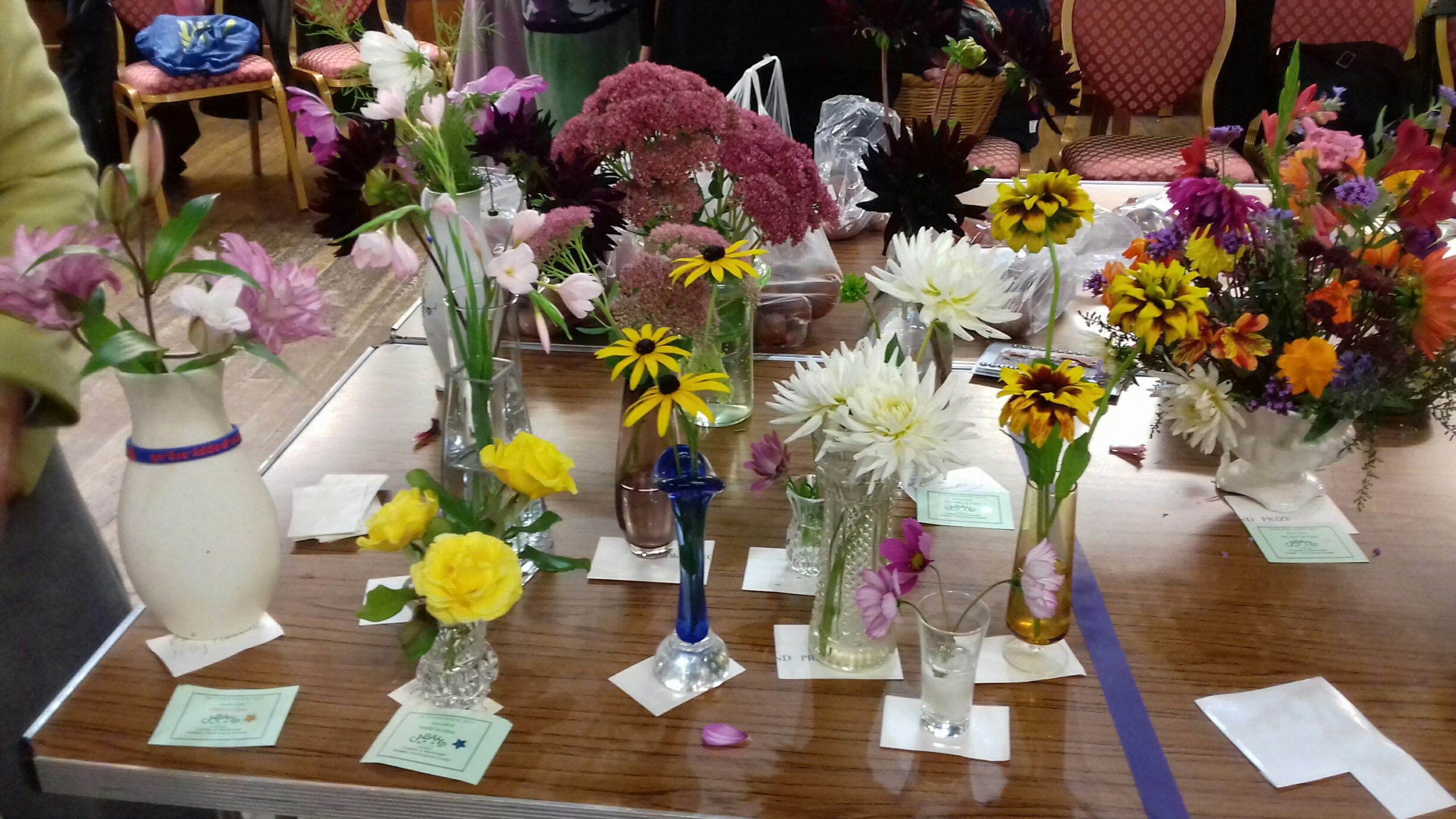
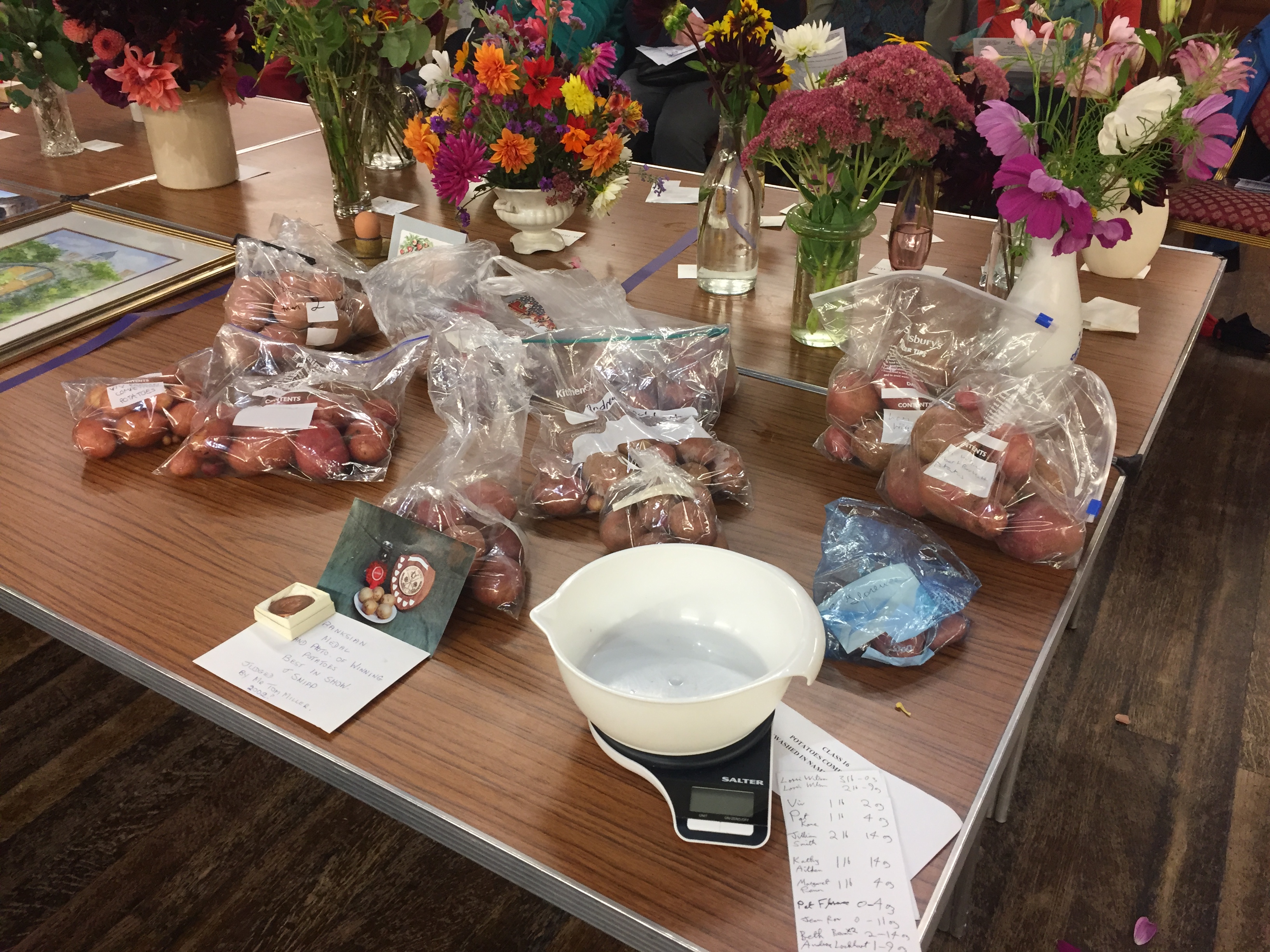
Autumn Flower, Fruit and Vegetable Display 2017