Easter bunnies arrived early this year at Charlton House & Gardens. On the Sunday before Easter, ten vegetable loving bunnies hid themselves along with their favourite vegetables in the flower beds of the Gardens and were ready to be found by young visitors to this joint CABAHS & RGHT event. The morning’s chilly weather did not seem to deter the children who all enthusiastically scoured the Old Pond Garden and the Peace Garden.


Once they had found all ten and identified each bunny’s favourite vegetable they were encouraged to sow some radish seeds as part of the Royal Horticultural Society’s Big Seed Sow https://www.rhs.org.uk/get-involved/big-seed-sow . They could also learn about ‘the Secret Life of the Pea’ and choose some seeds to take home with them. Some even made their own origami seed packets. Fingers crossed we have set some of our visitors on the joyous path to becoming a life-long gardener!


Thankfully the weather was kind: dry with even a spell or two of sunshine during the afternoon. The real live bunnies brought along by Juli were an extra special attraction! By 3 o’clock, around 180 trails had been completed with donations earning a sizeable sum for Charlton House & Gardens. Our Plant Sale also proved an attractive draw and took over £200.
Continue reading Bunnies in the Beds 2023
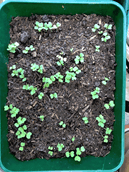
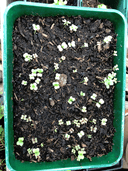 Trays of seedlings sown 5 September.


 r spot where they feel far more comfortable. I am thinking in particular of the Plume Poppy, Macleaya microcarpa. It has completely ceased to exist in its original spot and is now doing very well a good 5 metres further along the border. In fact, it actually looks better there. Once again, I am reminded of the maxim that plants will grow well if you provide them with the conditions which they need to succeed. Alternatively, it seems they find these for themselves.


