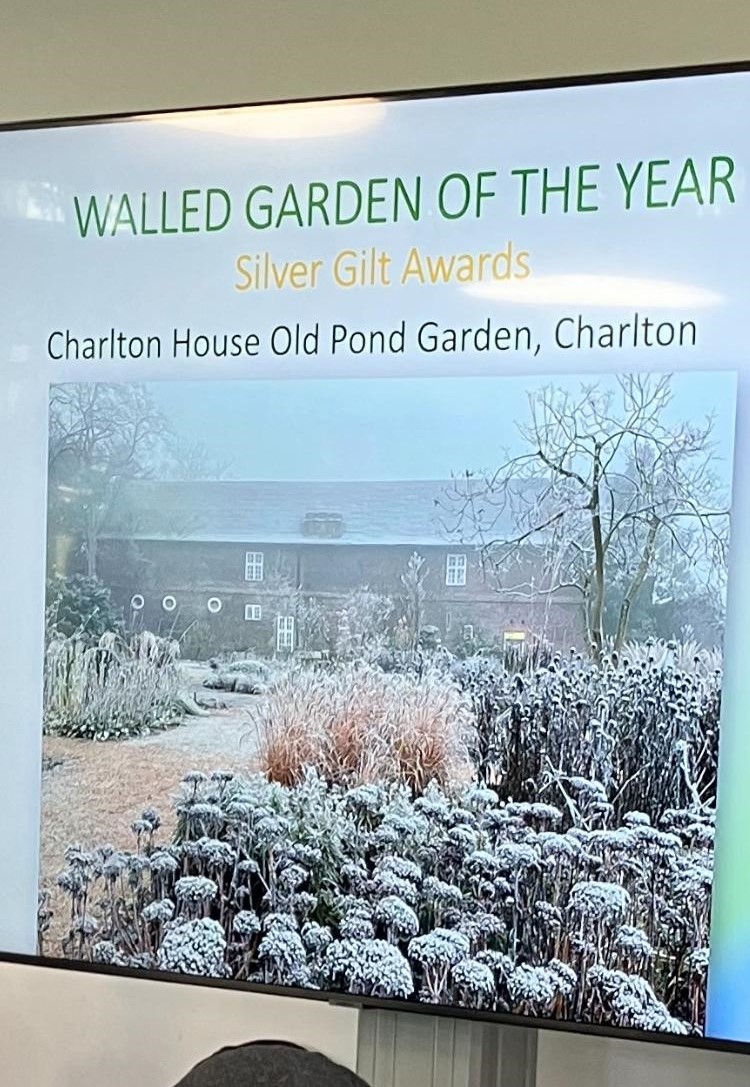
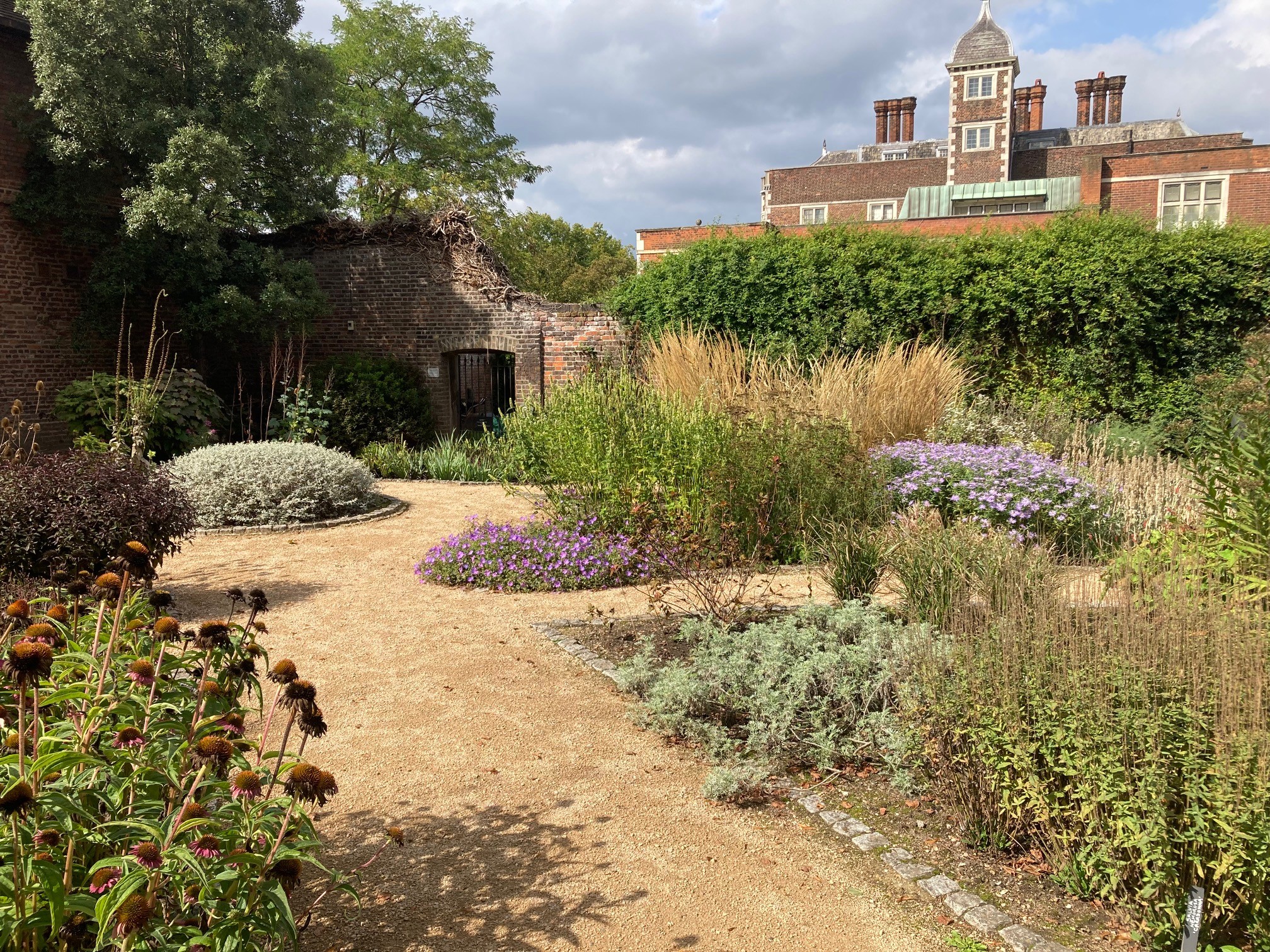
“The transformation by volunteers is incredible” began the report on the Old Pond Garden by the London in Bloom Judges. They awarded the garden 164 points out of 200, that’s 82% and a first in my world but Silver Gilt in this particular horticultural competition! Just 6 more points and it would have been Gold – so we are in touching distance of that magic category.
The judges assessment is split into 8 categories. Our top scores (in order) were for ‘community involvement’ (92%), ‘environmental sustainability’(88%), ‘maintenance-litter’ (well done Joe), and ‘range and quality of plants grown’. We scored lowest on ‘access for people’ and ‘maintenance – walls, paths etc’. The judges praised Jason’s “beautiful design” for the garden which has provided “radical planting changes” rather than a simple “tidy up”.
Easter bunnies arrived early this year at Charlton House & Gardens. On the Sunday before Easter, ten vegetable loving bunnies hid themselves along with their favourite vegetables in the flower beds of the Gardens and were ready to be found by young visitors to this joint CABAHS & RGHT event. The morning’s chilly weather did not seem to deter the children who all enthusiastically scoured the Old Pond Garden and the Peace Garden.
Once they had found all ten and identified each bunny’s favourite vegetable they were encouraged to sow some radish seeds as part of the Royal Horticultural Society’s Big Seed Sow https://www.rhs.org.uk/get-involved/big-seed-sow . They could also learn about ‘the Secret Life of the Pea’ and choose some seeds to take home with them. Some even made their own origami seed packets. Fingers crossed we have set some of our visitors on the joyous path to becoming a life-long gardener!
Thankfully the weather was kind: dry with even a spell or two of sunshine during the afternoon. The real live bunnies brought along by Juli were an extra special attraction! By 3 o’clock, around 180 trails had been completed with donations earning a sizeable sum for Charlton House & Gardens. Our Plant Sale also proved an attractive draw and took over £200.
Here is an update on what Jason and the Gardenauts have been getting up to in the gardens since my last post. Apologies it’s rather long, we’ve been doing lots!
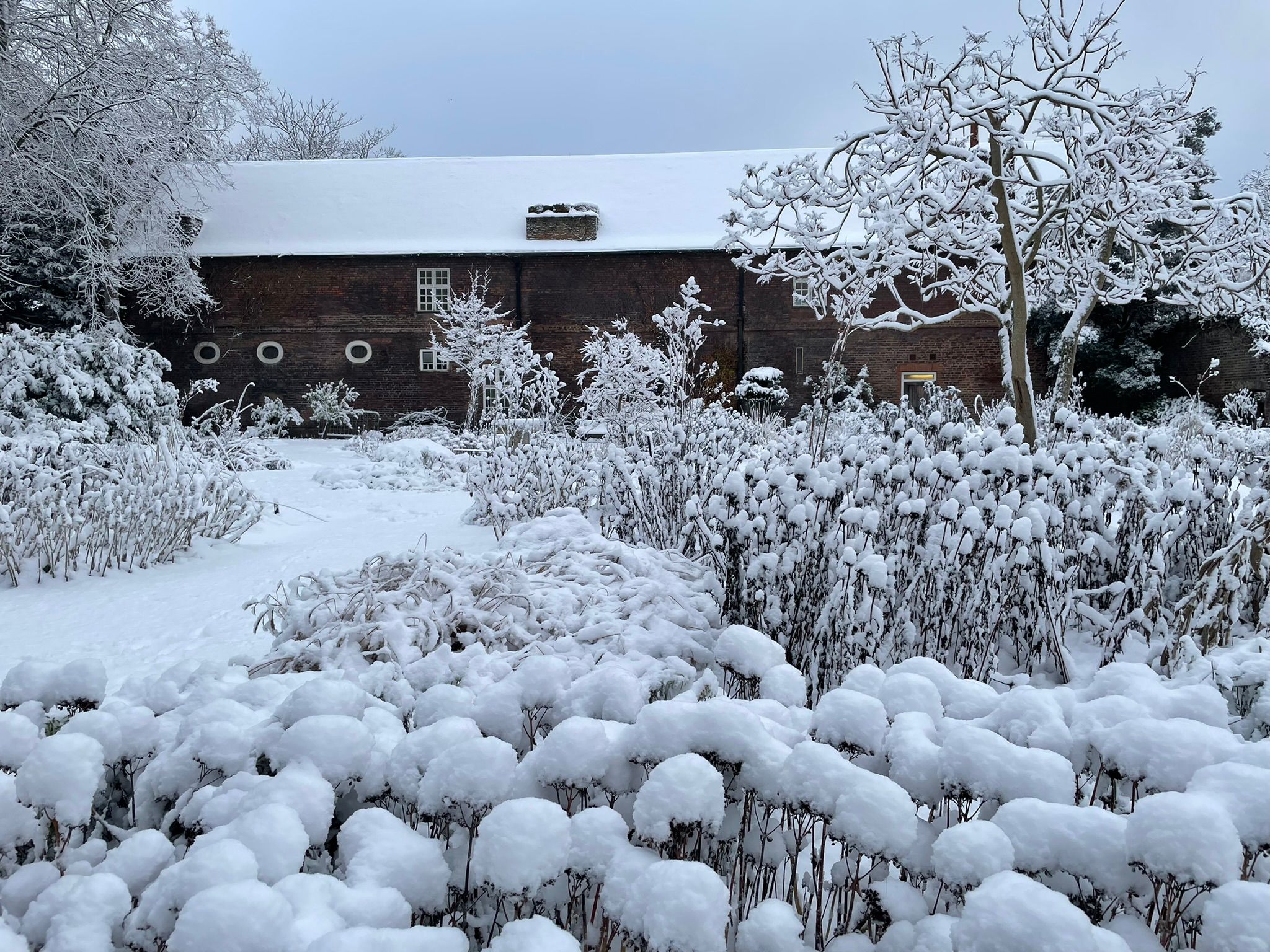
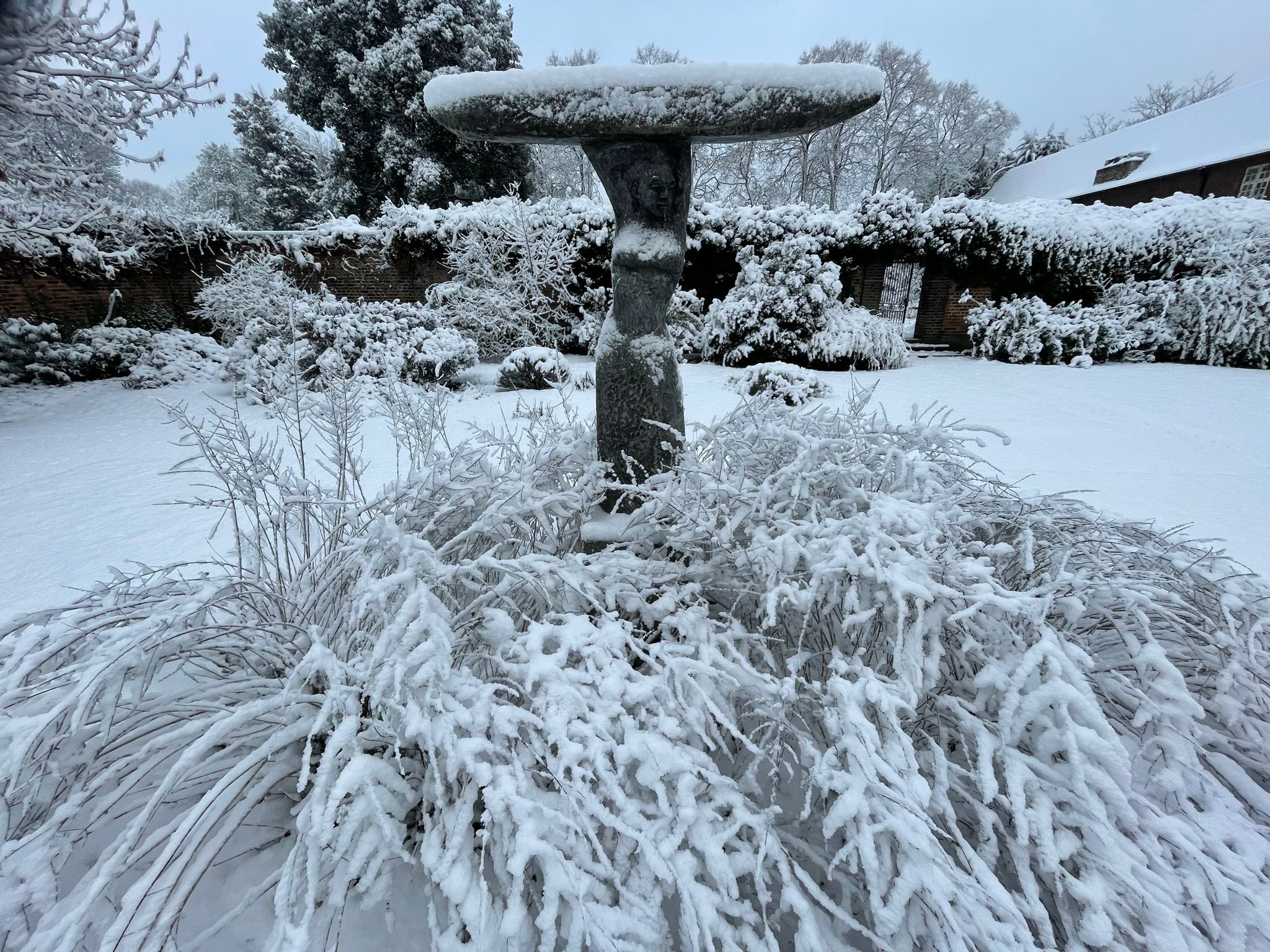
December turned the gardens into a winter wonderland, and caused us to miss a few days volunteering, but gave some great photo opportunities. The prolonged cold period hit a few of the more tender shrubs quite hard and we lost some big favourites like the Teucrium.
Hornbeam
January was about cutting back, the ivy in particular. The old walls cannot take the weight of the ivy so we are taking it off in stages and being careful of wildlife. Our efforts revealed the top of the doorway for the first time in some years!
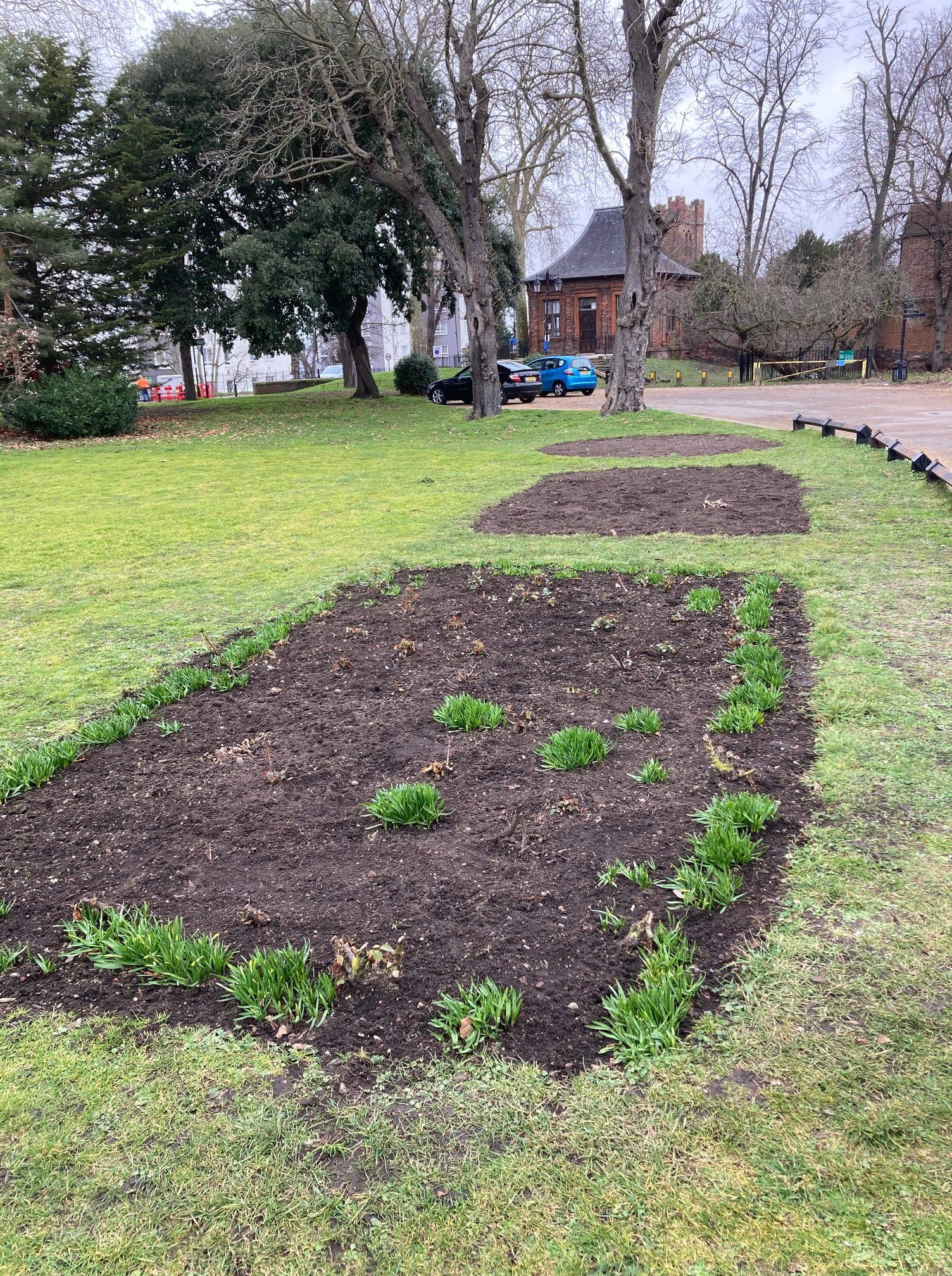
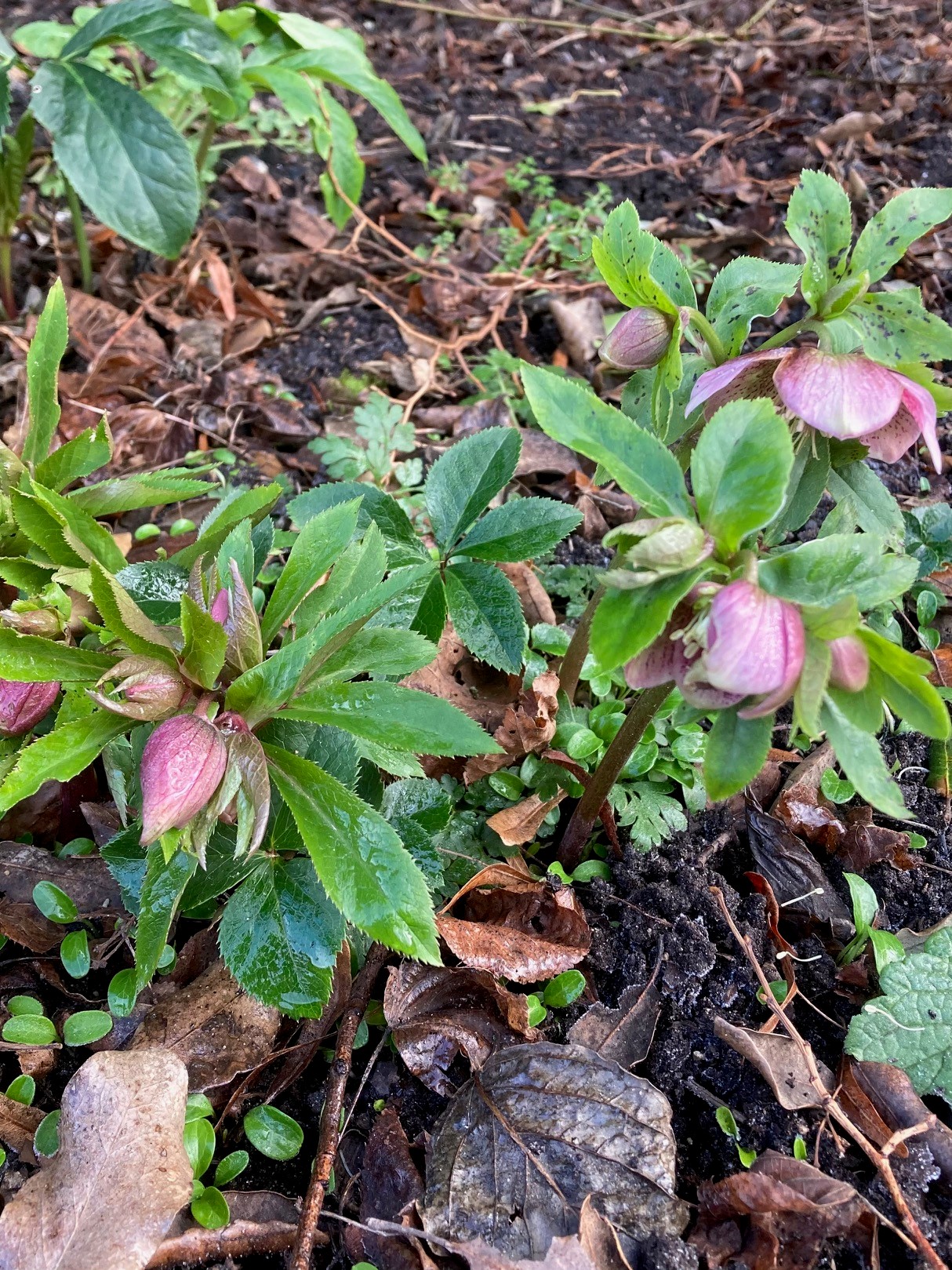
We have removed the palms from the front lawn beds and the beds will be re-designed this summer. The Palms were planted as part of an annual bedding scheme years ago and never envisaged to get as tall as they have. The Tete-a Tete daffodils have all been lifted and will go in the woodland glade next year. The Summerhouse has had a good weed and tidy-up, as has the Mulberry. Snowdrops and Hellebores popped up in the OPG woodland side.
In February, we discovered our regular feline visitor is called Casper and he lives in Canberra Road but clearly considers the gardens his playground.
Just before Christmas I posed a question for everyone, asking what you think make Charlton House Gardens unique. I had a good number of replies, and I’m pleased to report that most of you DO think they are unique! But I have had a real challenge trying to consolidate them into a single idea.
Here are just a few extracts from your replies:
“The gardens are rooted in their sense of time and place, where you can imagine them as Jacobean gardens but where you can also see modern day planting. There is a passion and desire to keep these gardens relevant for future generations.”
“The House is an architectural gem, whose early inhabitants played a significant role in the revolutions of the seventeenth century; today, the gardens are an oasis of beauty and peace in the midst of the urban sprawl of London.”
“The gardens are small but contain as diverse and exciting planting as you might expect from a much larger space.”
“The gardens are public but very community focused, beloved of local gardeners creating fabulous displays and running special events.”
“Not unique, but certainly rare, in that they still have the atmosphere of the Jacobean age. Planting with a “nod” to the Jacobean era.”
“An unexpected historic oasis in a desert of modern housing”
“They play to a sense of history and yet have a contemporary design adapted to change of climate.”
“Unique because they are community-run but following professional design principles.”
So, at then end of all that, let’s go with:
Charlton House Gardens: an historic oasis of beauty and peace in the midst of the urban sprawl of London, where local volunteer gardeners work together to ensure the gardens stay beloved and relevant for future generations.
As a Garden Volunteer at Charlton House Gardens, I was recently asked to explain what makes the walled gardens and estate “unique”. The question was born of a genuine desire to understand and perhaps help the gardens become better known. Of course, it’s one of those questions that you go away and carry on thinking about.. and wonder what you should have said.
I asked our regular Volunteers what they thought (they keep on coming back, so they must love it for some reason!)
Peace Garden, Winter 2022, by Head Gardener Jason Sylvan
Lots of great ideas came up around biodiversity and pollinators and sustainability. But you could argue that every garden is unique – what makes this particular combination of place and plants so special? We kept coming back to community spirit – particularly as the gardens have had only a tiny amount of external funding – the majority of their transformation has come from community fund raising and effort, and crucially, the use of a professional garden designer.
A good point was made that if you compare Charlton House Gardens with, say, Greenwich Royal Park, Charlton attracts mostly local people and not your average tourist – so there is an great feeling of ownership and responsibility. They may attract the discerning tourist in future (we certainly hope they do) but for now they are in “our” Trust.
We often call the Old Pond Garden the “Secret Garden”, after Frances Hodgson Burnett’s childrens story, but one Volunteer suggested the Lost Gardens of Charlton (Heligan) might be a better comparison now, as we re-discover and re-imagine the original spaces.
What do YOU think? Send in your ideas of why Charlton House Gardens are unique, we would love to hear from you (anyone, not just members) to cabahshortisoc@gmail.com. We will encapsulate your ideas into one “unique” statement in the New Year – and hopefully answer that question.
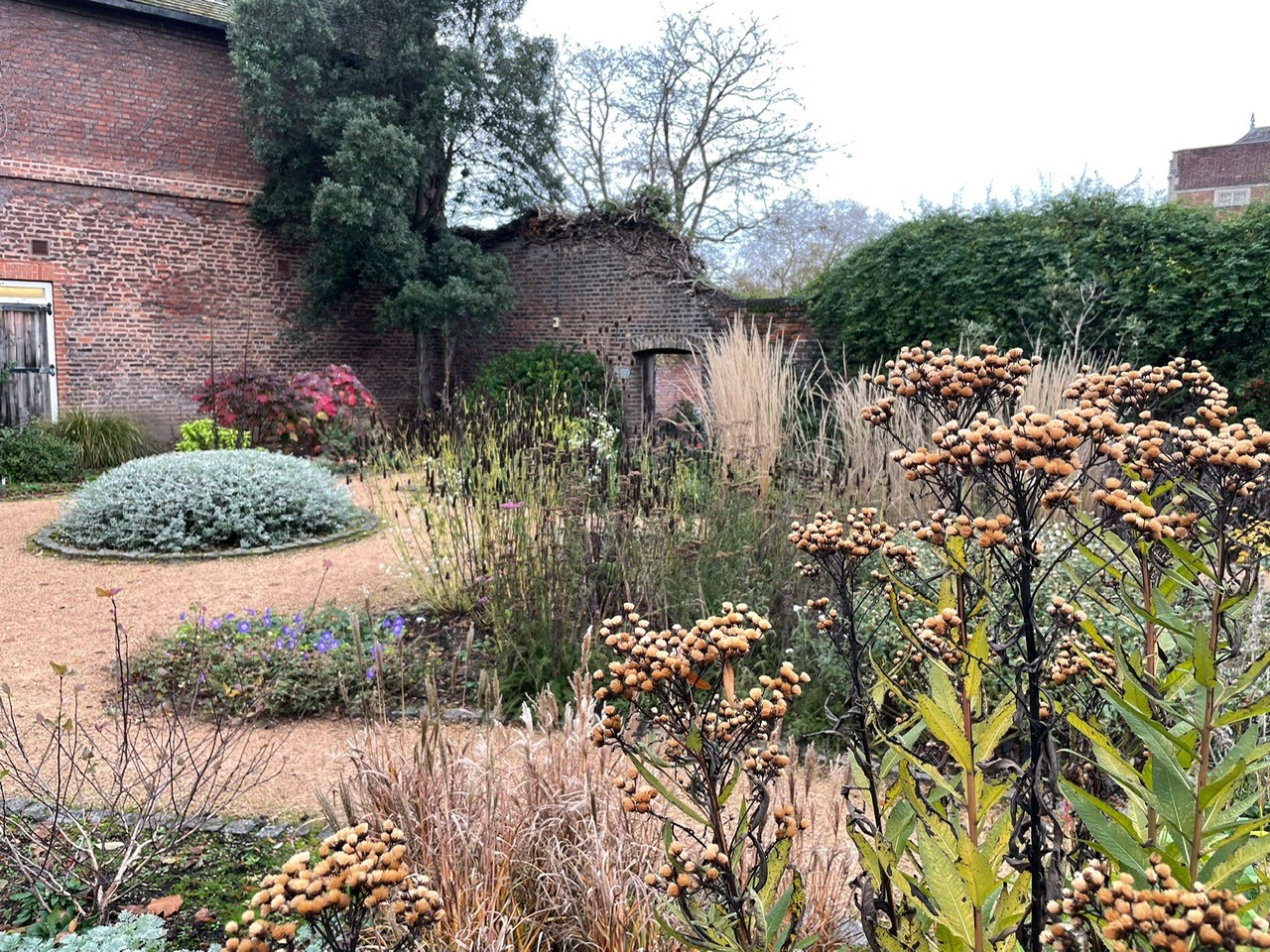
Old Pond Garden, Winter 2022, by Head Gardener Jason Sylvan
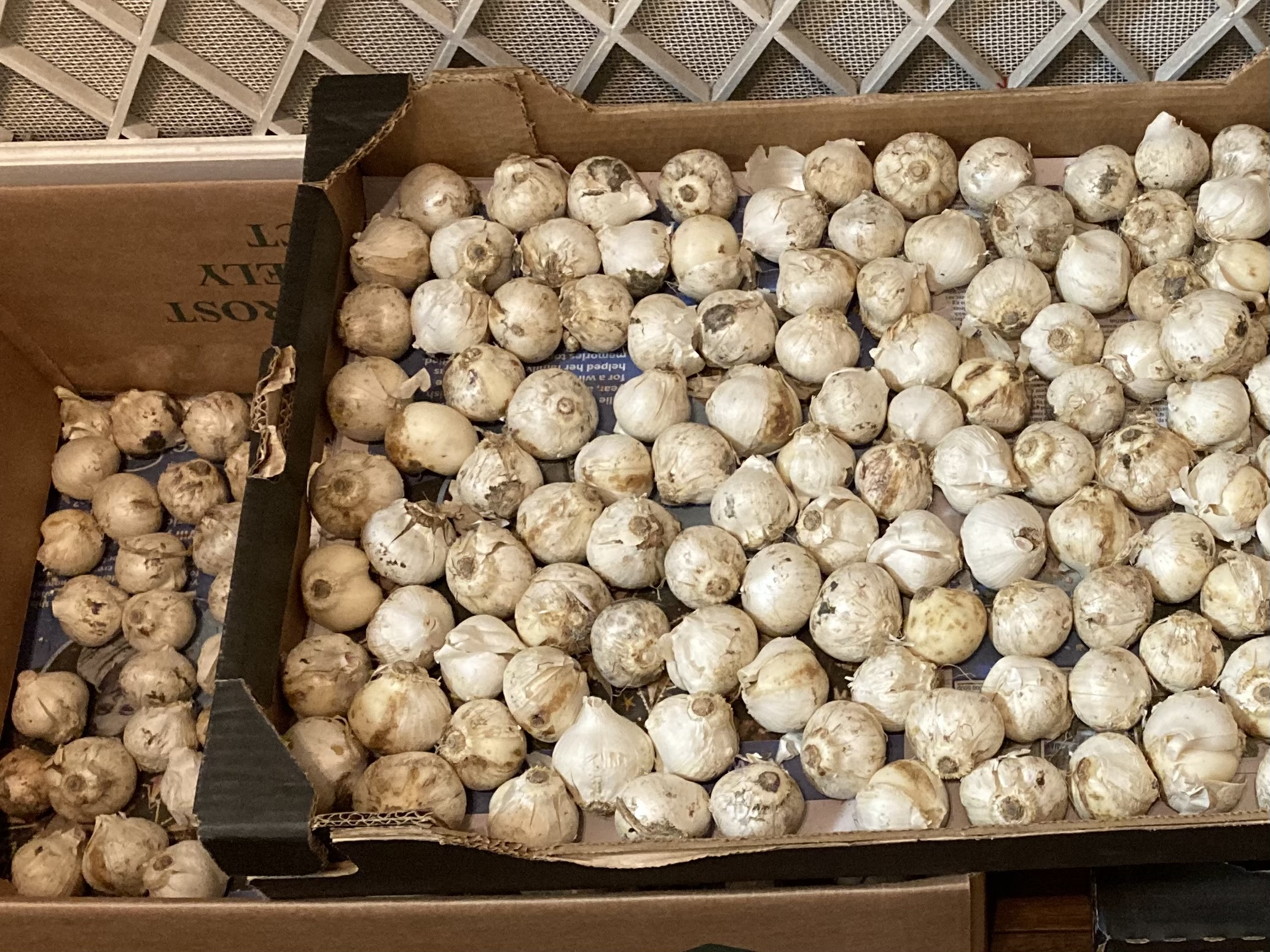
Welcome to Winter in the garden, and all the many lovely shades of brown. So many seedheads, grasses and winter leaves are keeping the Old Pond Garden looking beautiful. November was incredibly wet but the Volunteers tackled some great projects. The shrubbery in the front car park has benefitted from a comprehensive weed and some marathon pruning. A soakaway was dug by the steps to the Montessori Nursery, so that parents can pick up the kids without needing waders. Then it was on to bulb planting – we predict a River of Purple (Alliums) through the beds next year!
Thank you to all our volunteers, members and local residents who donated plastic bottle bases over the past year – look what we did with them! It might not be quite Tower of London level, but our poppy cascade makes a great “Stop and Remember” point on your walk around the park this week.
September started off with the tail end of The Drought and as it became wetter the Volunteers were very grateful to get back to some proper gardening. The great news is that we hardly lost any plants at all.
Volunteers on Tea Break
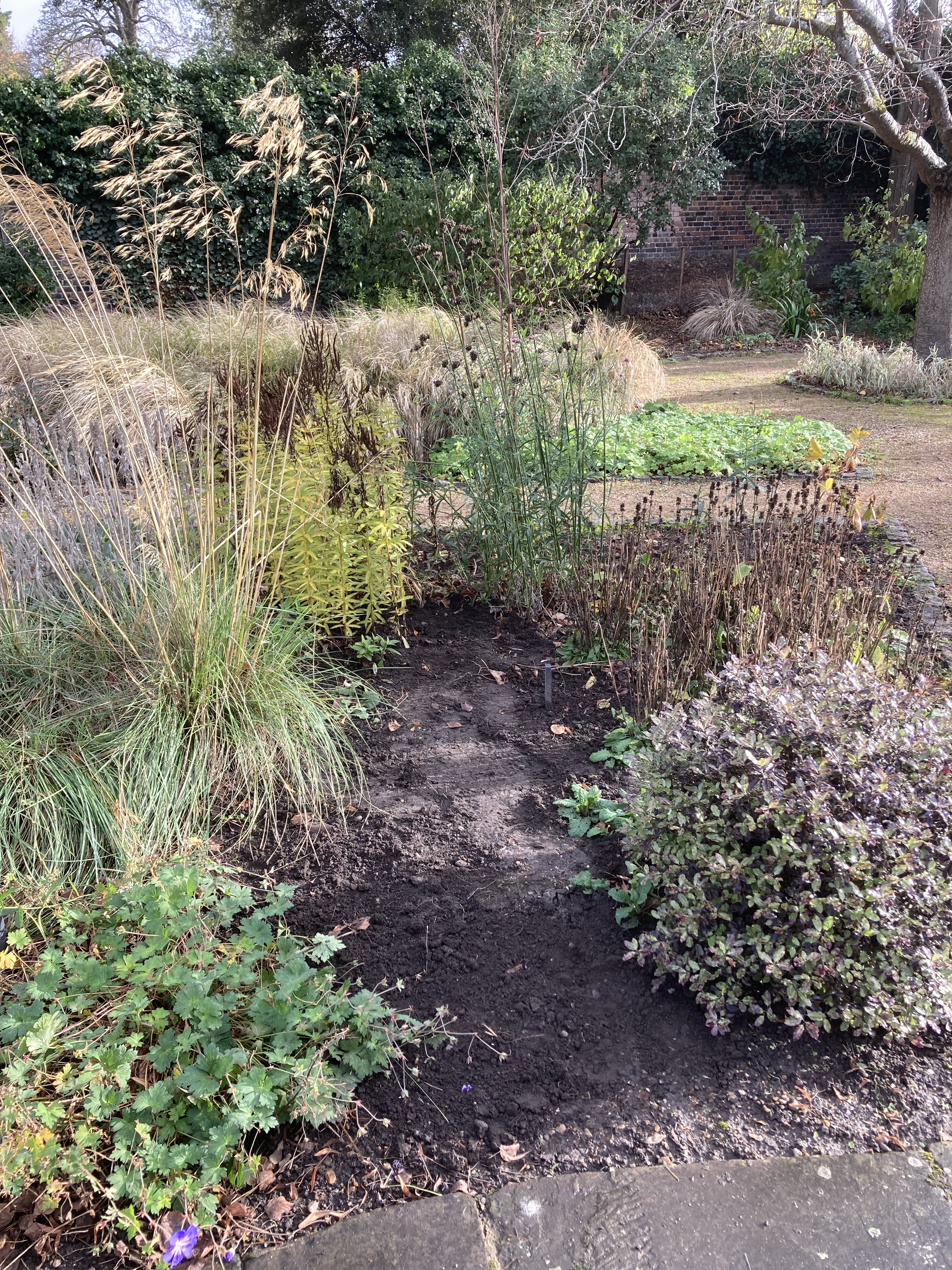
The Peace Garden has benefited from our attention, with the last of the annoying stones on the path edges being removed, and work on the shrubs and climbers along the walls making them look much more defined and trim.
Removing the last loose stones, saving the lawn mower!
In the Old Pond Garden, many perennials went to seed earlier than usual, due to the drought, but the seedheads are quite spectacular.
TeaselSea Holly
The Volunteers were thrilled to receive a donation of jars of honey from the Charlton House Beekeepers. The bees had a bumper year, partly due to our lovely gardens. To stop any squabbling, we held a raffle to decide who got a jar and the happy winners are shown here:
Vita Sackville-West wrote that “Of all fruits the pomegranate is surely one of the most romantic.” I would be willing to bet that most people walk through the Peace Garden gate at Charlton House without realising they have just passed under two “most romantic” pomegranate trees.
Pomegranates in the Peace Garden
When the Volunteer scheme started in 2020, these two trees were deeply entwined with ivy, choking them very UNromantically. I wish I had taken a photo of our volunteers, wrestling and chopping at the ivy around the base of the trees! It was one of the team’s early successes, as the next year the trees were covered in their startlingly bright orange flowers and looked very happy. We have yet to get the flowers to “set”, so no pomegranate fruits yet. But of course as gardeners, we live in hope.
Our previous post was all about how well the garden was growing – and it really was – except it then just stopped raining, for ever! At the beginning of July, everything was looking nice and green:
Peace GardenGACO Juneberry TreeOPG
But as the Summer heatwave went on, and ever hotter, the volunteers spent more time working in the shade..
Barbara in the PoppiesJane tidying the shrubberyLinda pruning, in her Ski boot! – Dedication.Lynda tidying up the HelleboresBarbara and Sharon watering
And pretty soon all we were doing was watering. It has been heart-warming to see the volunteers arriving every Tuesday or Thursday, picking up their watering cans and setting off to save many of the plants we planted in to the Old Pond Garden just last year. We have lost remarkably few in the end, and as long as we don’t have a repeat heatwave/drought next year, most should get their roots down and become more resilient for the future. There have been a few casualties, and a few that clearly don’t like where they are. So as soon as Autumn comes, Jason will be directing some tweaks. As August came around, the garden’s colours and textures changed to become Autumnal.



















 Charlton and Blackheath Amateur Horticultural Society