What to look out for in the Old Pond Garden: September 2023

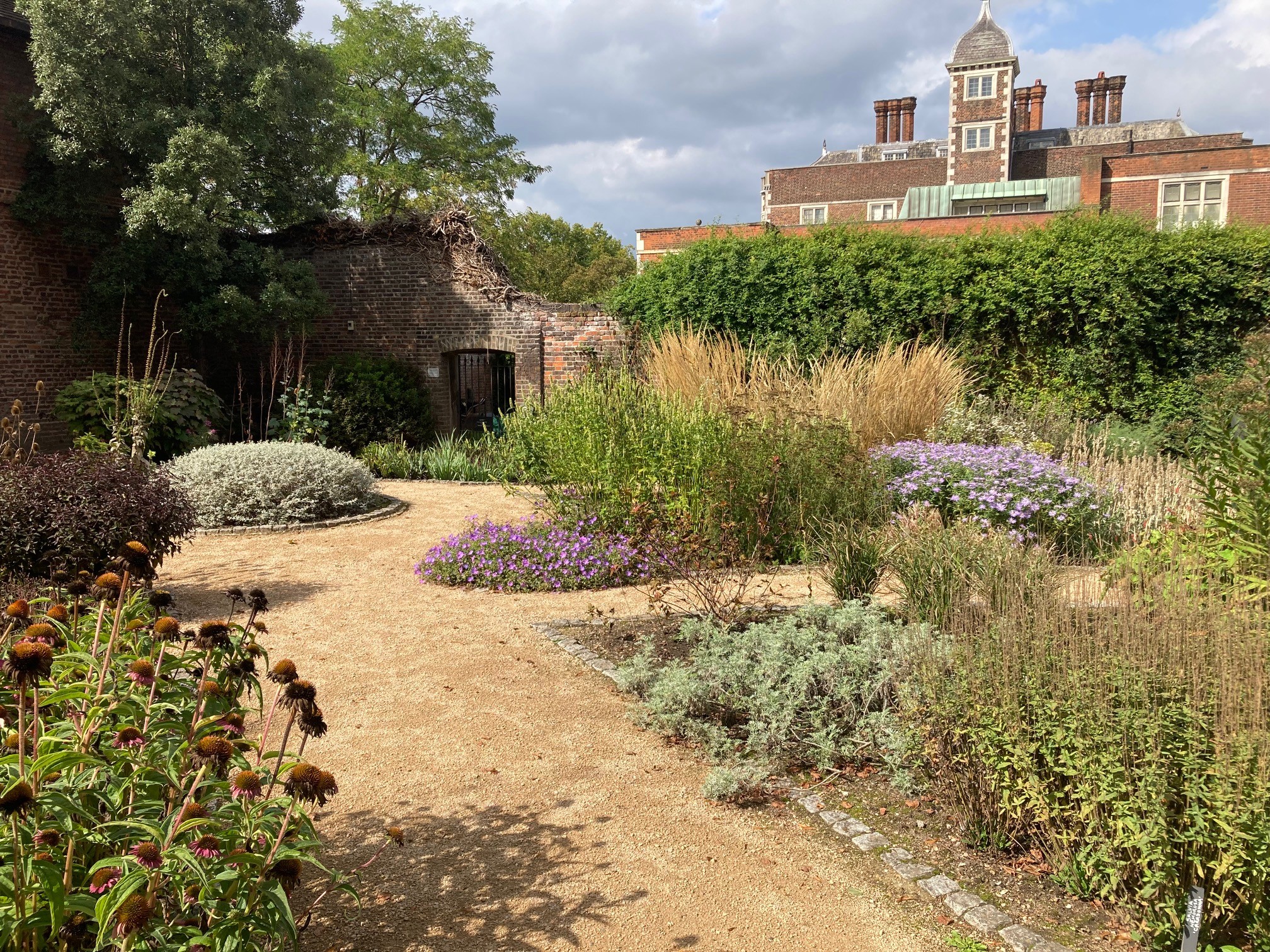
We hope you enjoy walking around the walled gardens at Charlton House!
This month, look out for:

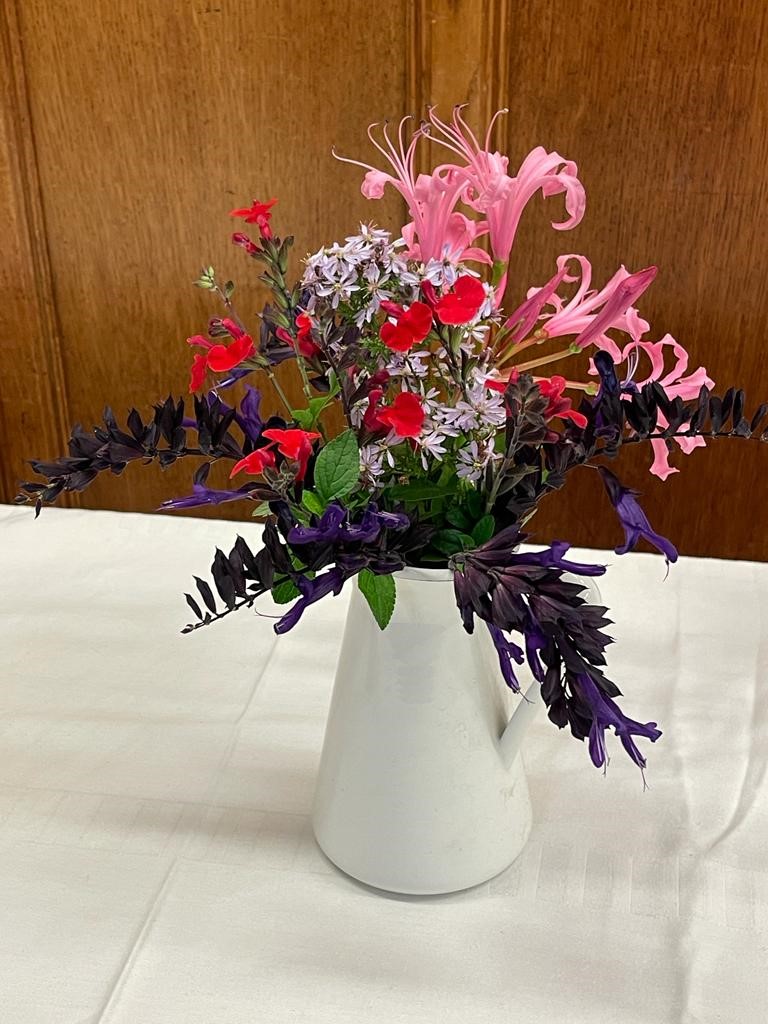
Night moth Salvia (Salvia nachtvlinder)

Salvia 'Nachtvlinder' in the Old Pond Garden, Charlton House, September 2023

With velvety plum-purple flowers, this Salvia is attractive to moths and other pollinating insects and flowers over a long period – well into late Autumn.
It has deliciously blackcurrant-scented leaves and is said to protect roses against black spot when it is planted under them.

Michaelmas daisy (Aster x frikartii ‘Monch’)

Aster x frikartii 'Monch' in the Old Pond Garden, Charlton House, September 2023

A bushy perennial with clusters of yellow-centred, lavender-blue daisies that flower right through the Autumn, it is very attractive to pollinators. One of the most reliable and popular Michaelmas daisies (so called because they flower at the time of the feast of Michaelmas on 29 September), it was bred by a Swiss nurseryman called Frikart and named ‘Monch’ after a Swiss mountain.

Continue reading What to look out for in the Old Pond Garden: September 2023

Lullingstone World Garden

I made my first visit to the charming Lullingstone World Garden today, and am very sure I will be back! This is the most eccentric and fun walled garden, as you might expect if you are trying to fit a worldwide range of plants into it. I especially liked the plant labels everywhere, so you know what you are looking at.

There is a nursery selling high quality plants and a cafe serving great sandwiches and drinks, also lots of seating for picnics. The private House wasn’t open when I visited, but opens sometimes for events. Add it to your list for visiting!

Continue reading Lullingstone World Garden

Autumn Flower, Fruit & Vegetable Display 2023

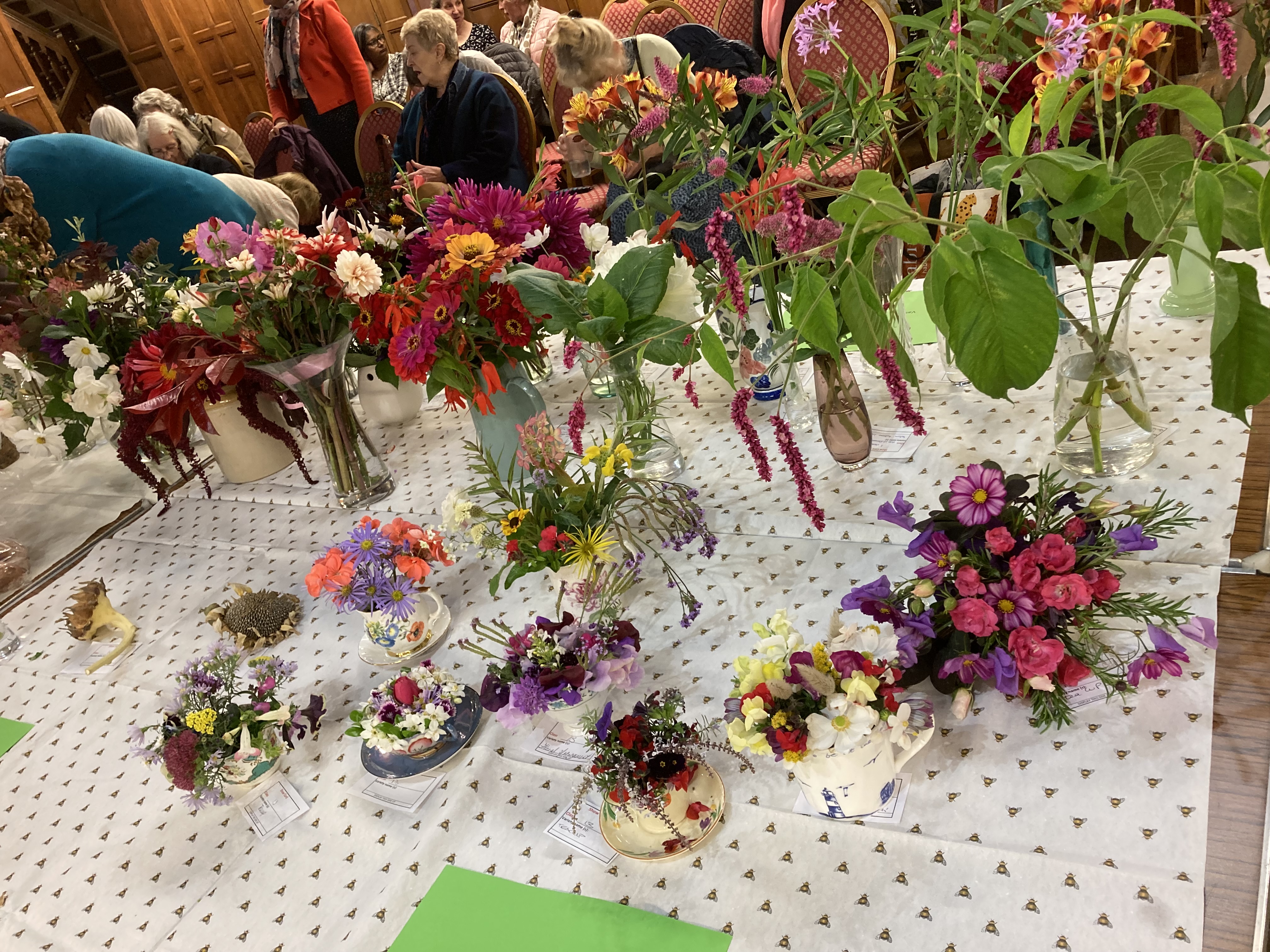
This year’s Autumn Show will be held in the Old Library on Monday September 18th at 7.30pm. Here’s a reminder of last year’s efforts!

The classes you can enter this year are shown below, please have a go at as many as you like!

CLASSES:

1. Vase of flowers, 3 stems of 1 cultivar

2. Bowl of mixed flowers (emphasis on quality of flowers, not arrangement).

3. Vase of shrubs or foliage, 3 or more stems, mixed varieties

4. Display of ornamental seed heads

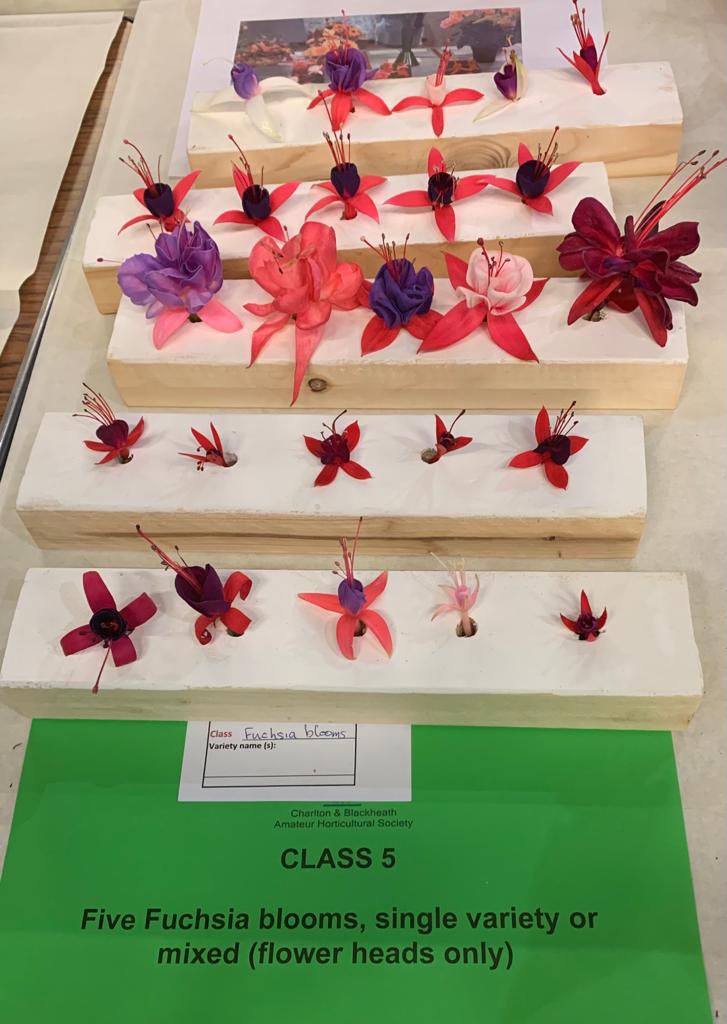
5. Five Fuchsia blooms, single variety or mixed (flower heads only)

6. Ornamental pot plant (incl. cacti & succulents)

7. Display of fruit, any mixed.

8. Display of vegetables, mixed

9. Tomatoes (dish of 5)

10. Display of herbs

11. Preserves: jam, jelly or marmalade, chutney or relish

12. Baking – Apple cake, your own recipe – but here’s an example recipe if you don’t have your own favourite!

13. Floral Arrangement – display in a tea cup, all flowers to be home grown. Emphasis on floral arrangement.

14. Wildcard – anything not covered by other classes!

15. Competition: Yield from one potato supplied in April. (washed, in named transparent bag)

Please bring your own vases, except for the Fuchsia heads (Class 5), where containers are supplied. Water will be available.

Remember this is not an RHS show, it’s a competition for fun! There are a few prizes to be won, and there will be a cup for Best in Show.

November meeting: Rose Growing made easy – Simon White

Simon White is the President of Norwich Horticultural Society and Sales Manager for the RHS award winning Peter Beales Garden Centre in Attleborough, Norfolk, where he has worked for 41 years.

He gave an entertaining and informative talk on growing roses. He said, if provided with the right conditions, it was not true that roses were difficult to grow. Simon said Beales had the largest collection of roses in the world. They primarily sell bare root roses and many old traditional classic roses. They grow from seed some 250,000  a year in fields rented from a local farmer and he described how they grew them.

He then went on to show how we at home could grow bare root roses:

1.THEY NEED GOOD SOIL PREPARATION: Ideally bare root  roses should be planted from November to March. Good  quality fertiliser,  including horse manure which is at least six month old, should be used. Do not use mushroom manure.

Continue reading November meeting: Rose Growing made easy – Simon White

OPG Diary – September /October

September started off with the tail end of The Drought and as it became wetter the Volunteers were very grateful to get back to some proper gardening. The great news is that we hardly lost any plants at all.

The Peace Garden has benefited from our attention, with the last of the annoying stones on the path edges being removed, and work on the shrubs and climbers along the walls making them look much more defined and trim.

Removing stones in the Peace Garden
Removing the last loose stones, saving the lawn mower!

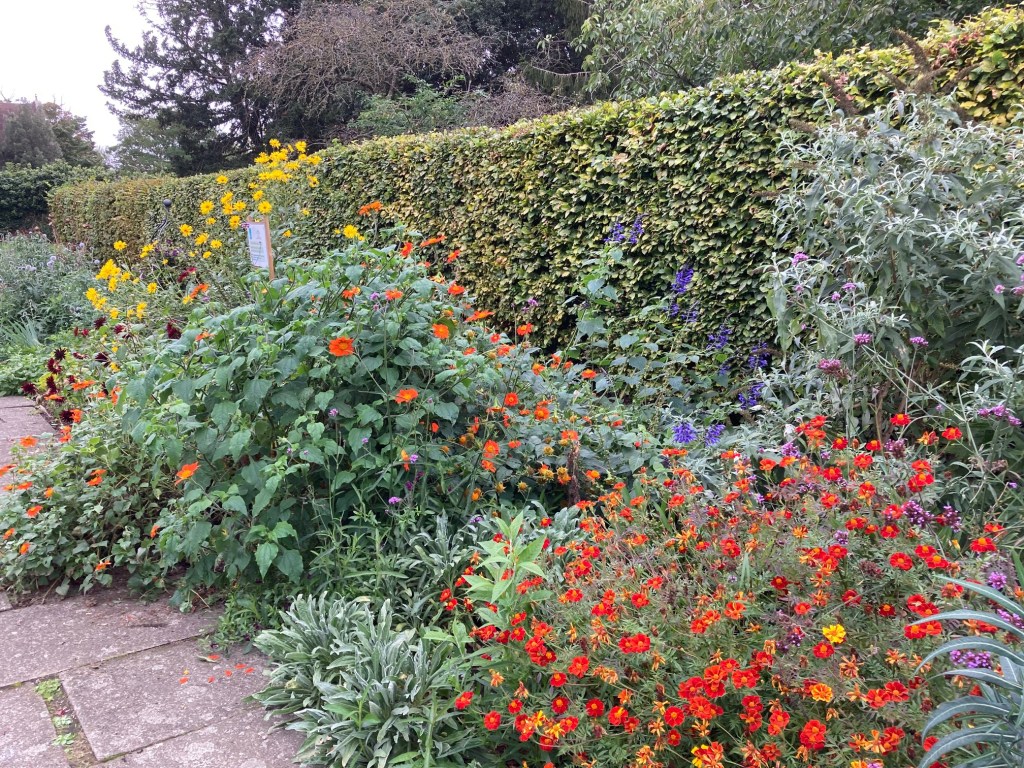
In the Old Pond Garden, many perennials went to seed earlier than usual, due to the drought, but the seedheads are quite spectacular.

The Volunteers were thrilled to receive a donation of jars of honey from the Charlton House Beekeepers. The bees had a bumper year, partly due to our lovely gardens. To stop any squabbling, we held a raffle to decide who got a jar and the happy winners are shown here:

Volunteers with Honey
Thank you for the lovely Honey!
Continue reading OPG Diary – September /October

October 2022 – Peter Skeggs-Gooch on Clematis for Every Season

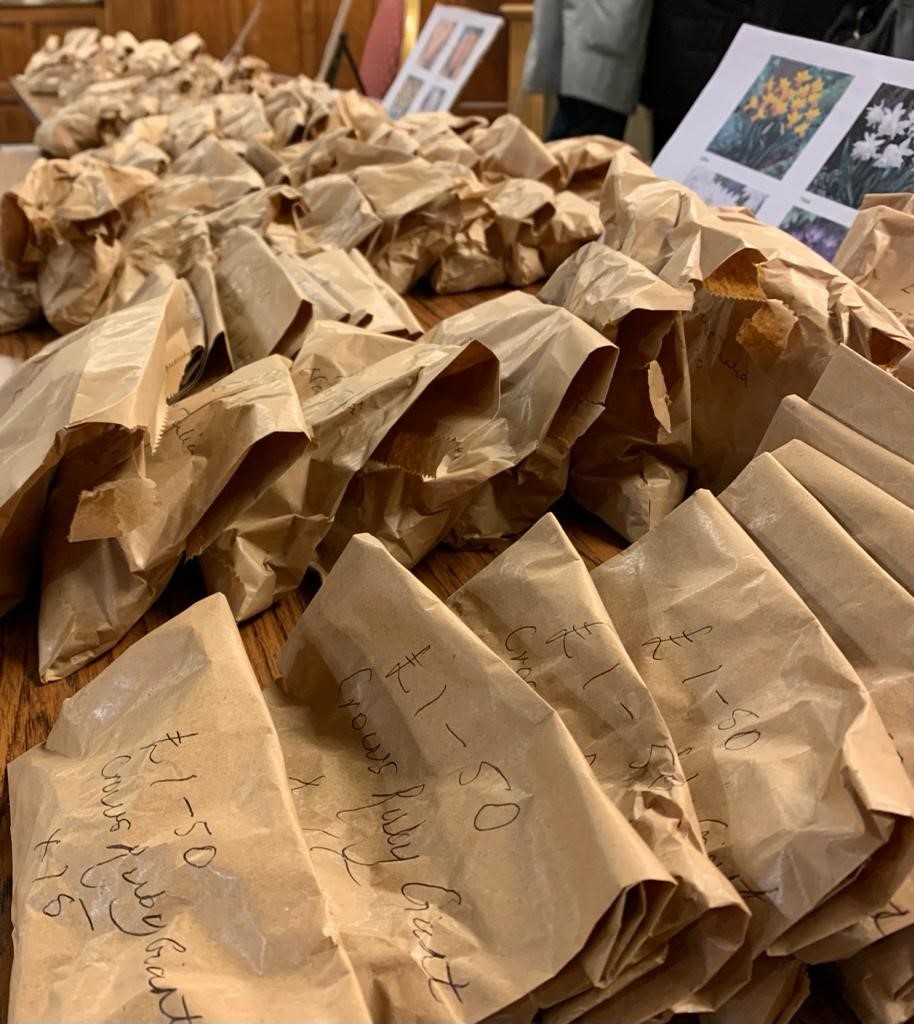
Our October members meeting was held on 17th October in the magnificent Old Library at Charlton House. A well attended meeting, we were treated to a great talk from Peter of Thorncroft Clematis, a wonderful Show Table, bulbs for sale and an amazing Autumn mandala from members gardens, which covered the entire grand piano!


It was clear that we were in for a treat of a talk. As well as a box of Thorncroft Clematis Catalogues, Peter Skeggs-Gooch laid out the nursery’s impressive collection of Flower Show medals: several Chelsea golds as well as a smattering of Silver-Gilts. Peter’s slide show took us from evergreen winter varieties such as the familiar ‘Freckles’ and the lovely, if large, armandii ‘Apple Blossom’; through Spring, with much-loved montanas now smaller and more manageable; into Summer with several scented varieties including the coconut-perfumed  ‘Lambton Park’;  and finally finishing with the viticellas of Autumn such as ‘Prince William’ and super easy ‘Alba Luxurians’. His nursery produces over three hundred varieties, so we were being given only a glimpse of what is on offer. For more information or to order head to their website.

Continue reading October 2022 – Peter Skeggs-Gooch on Clematis for Every Season

Sussex Prairie Gardens

The Sussex Prairie Garden is a six acre garden with naturalistic planting, created by Paul and Pauline McBride, who worked with Piet Oudolf some years ago. The garden is on a farm and surrounded by oak trees, featuring a wide range of herbaceous perennials, Veronicastrums, Thalictrums, Persicarias, Sanguisorbas, Kniphofias and Hemerocallis. Huge drifts of ornamental grasses and Asters extend the season of interest hugely. In addition to the planting in the borders there are some massive pots beautifully planted up with huge salvias, Melianthus Major and splendid Pelargonium Tomentosum. The expansive beds are planned with winding rough paths to allow visitors to wander through, brushing grasses and Heleniums as they pass. It is definitely a garden for a late summer visit and seems to have managed remarkably well through this hot summer of 2022.

The plant fair on the day of our visit was spread out through the garden and accompanied by a band and stalls selling refreshments. It had a decidedly festive air! There are dozens of varieties of Miscanthus, Panicums, Molinias, Sporobolis and Penisetum and several of the plant stalls capitalize on this by selling a good selection of grasses.

Beds of mixed grasses and herbaceous perennials

The garden is at its best in late summer and into the autumn as might be expected from the nature of the plants. I have visited earlier in the year when there is far less to see.

Beds of mixed grasses and herbaceous perennials

The planting is bold and on a grand scale, not much of it less than a metre tall, but for anyone interested in growing prairie type plants or simply just interested, this is a garden well worth visiting.

Vija

Pashley Manor Trip

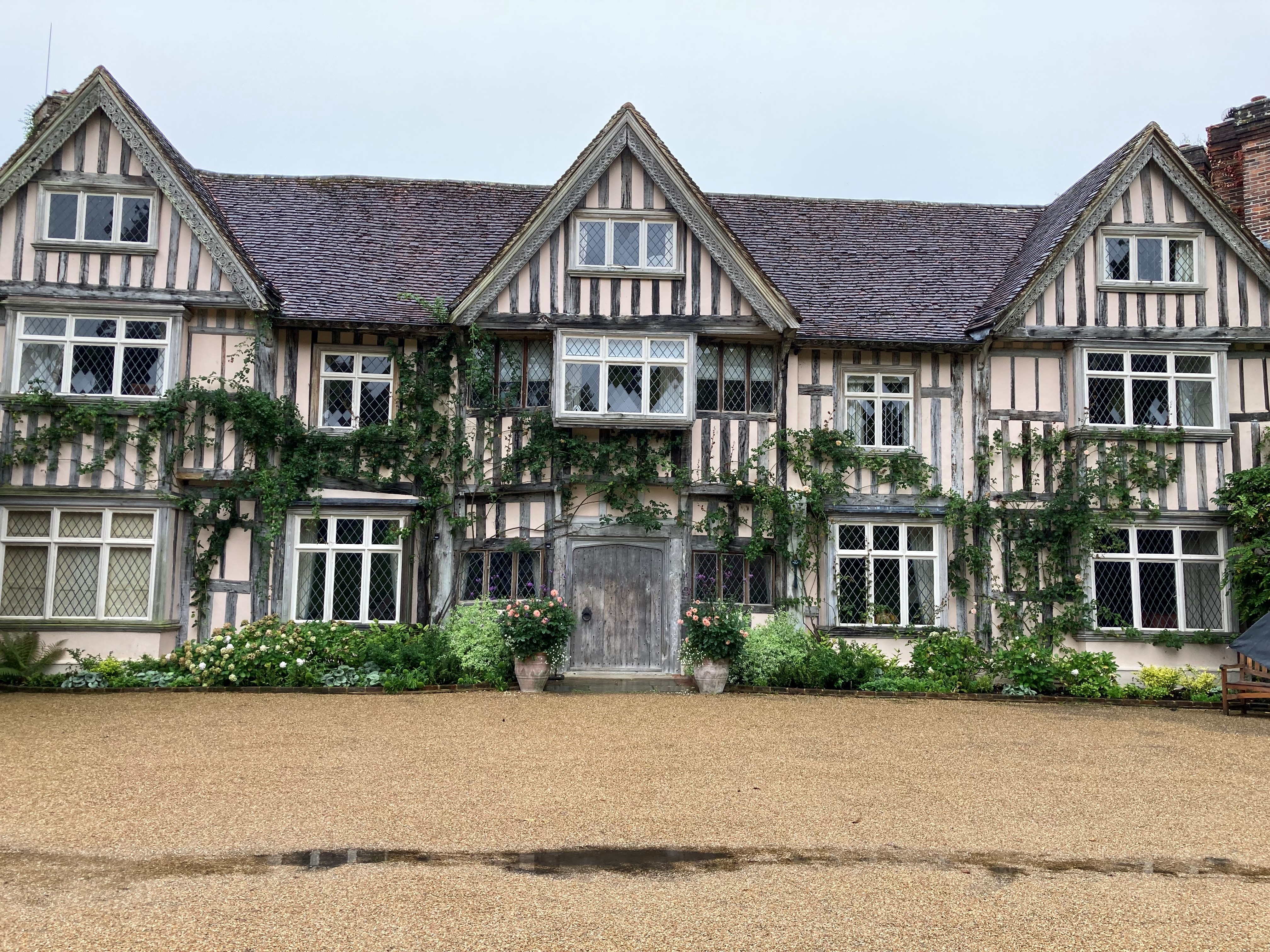
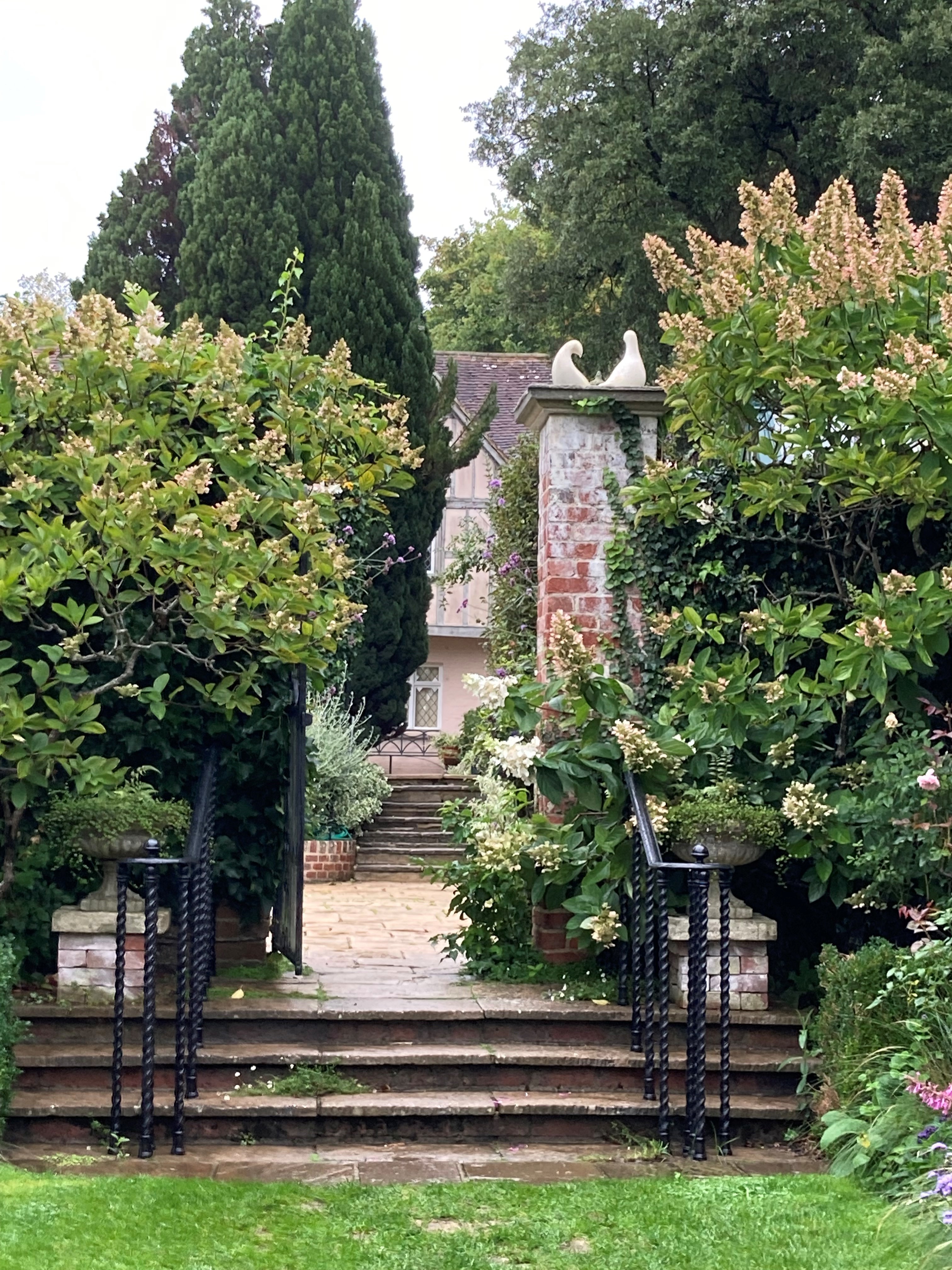
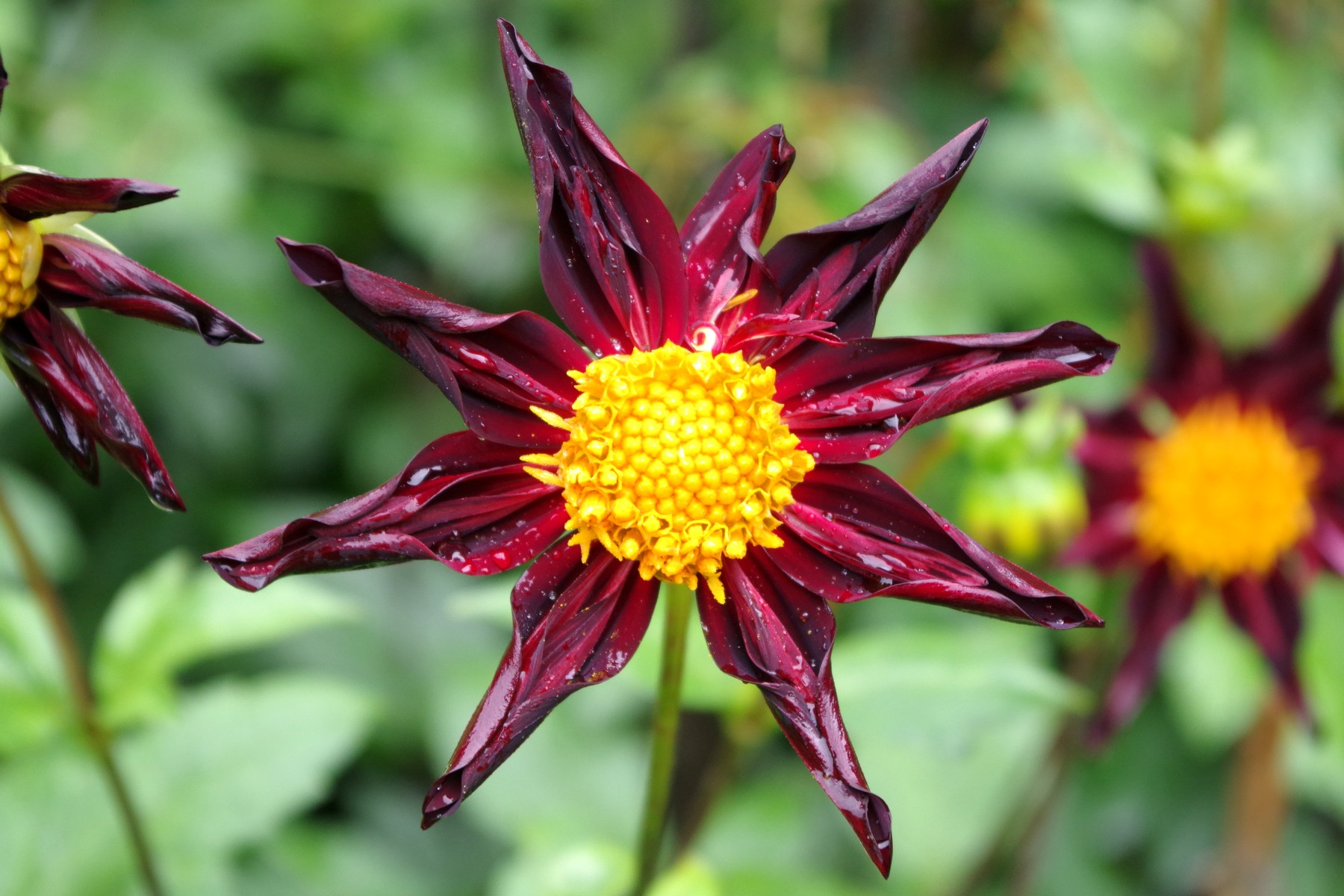
A lovely day was had by all, despite the rain, for our visit to Pashley Manor Gardens, on Wednesday 14 September.  The first wow factor was the magnificent and absolutely huge 500-year-old spreading oak tree that is the same age as the frontage of the Manor House. The second wow factor are the gardens: exquisitely beautiful, divided into several colour-co-ordinated garden ‘rooms’ which lead to the fabulous terrace, with sweeping views of the long borders, lawns, lake (once a moat) and surrounding trees to the countryside beyond. After a refreshing coffee, many joined a half-hour gardener’s dahlia ‘talk and walk’ around sections of the garden’s long borders. I loved the gardens so much that I am aiming to visit again on a sunny day so that I can relax on the terrace and absorb the spirit of the place.

Anna

OPG diary – October 2021

A rainy start to October! Autumnal tones everywhere now. The bees are still out in force though.

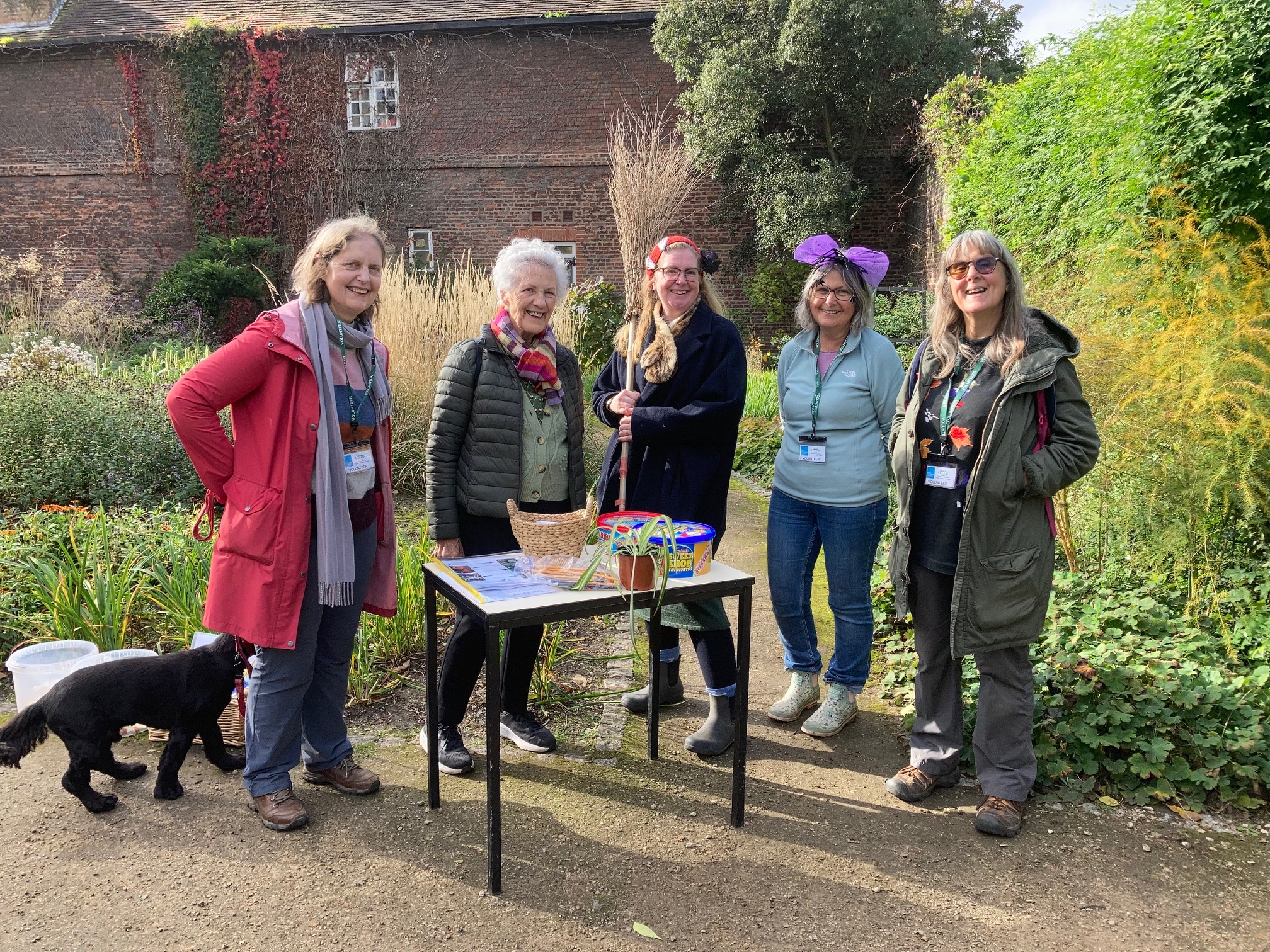
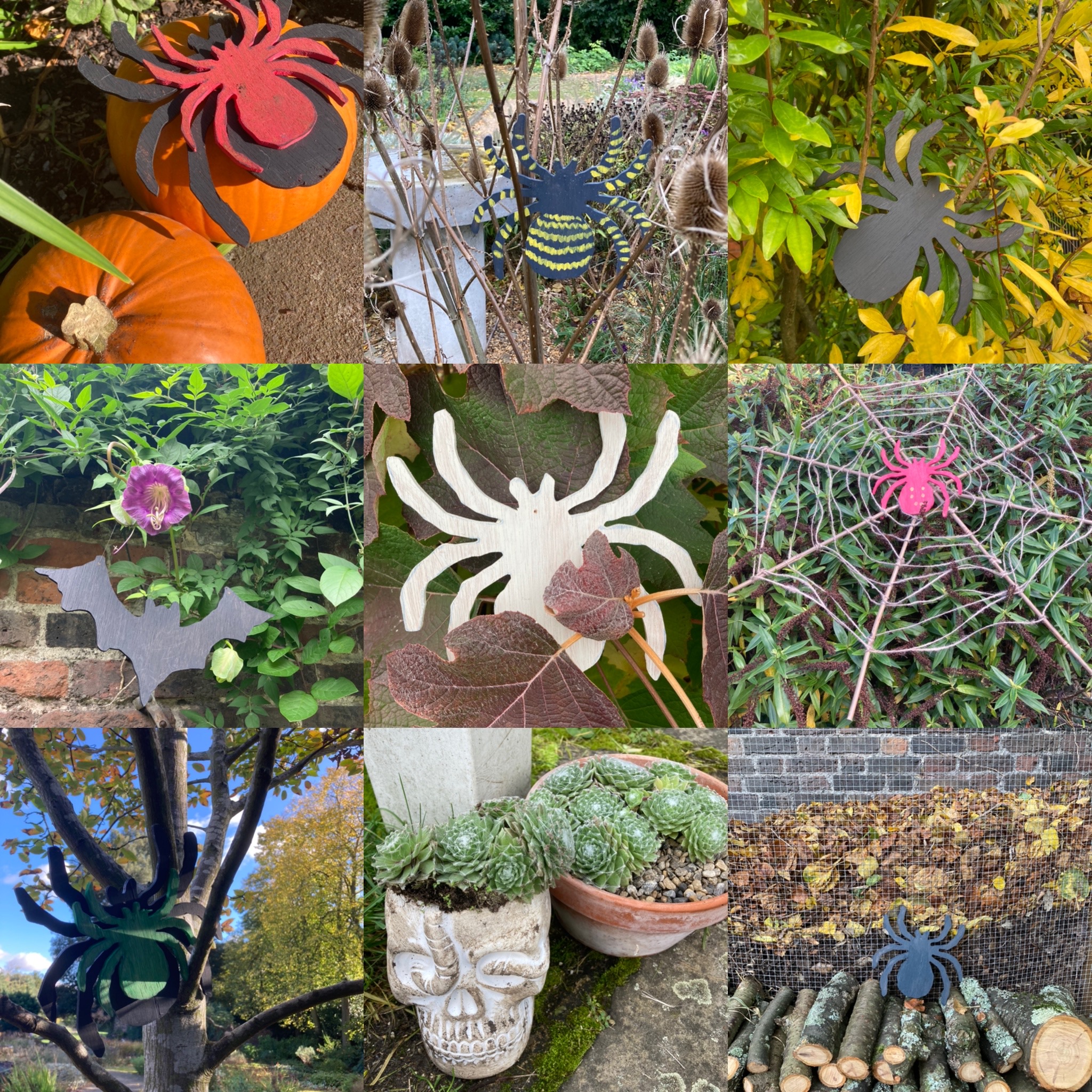
Our Halloween Spooky Spiders Trail went down well with Charlton House Explorers this half term. There were 10 spooks to find around the garden, and it kept them all busy after their Ghosts and Gargoyles session in the Long Gallery. We had 140 children through the gardens over the two days, phew.  Great fun, although we didn’t do much gardening this week!