OPG Diary – Dec to March 23

Here is an update on what Jason and the Gardenauts have been getting up to in the gardens since my last post. Apologies it’s rather long, we’ve been doing lots!

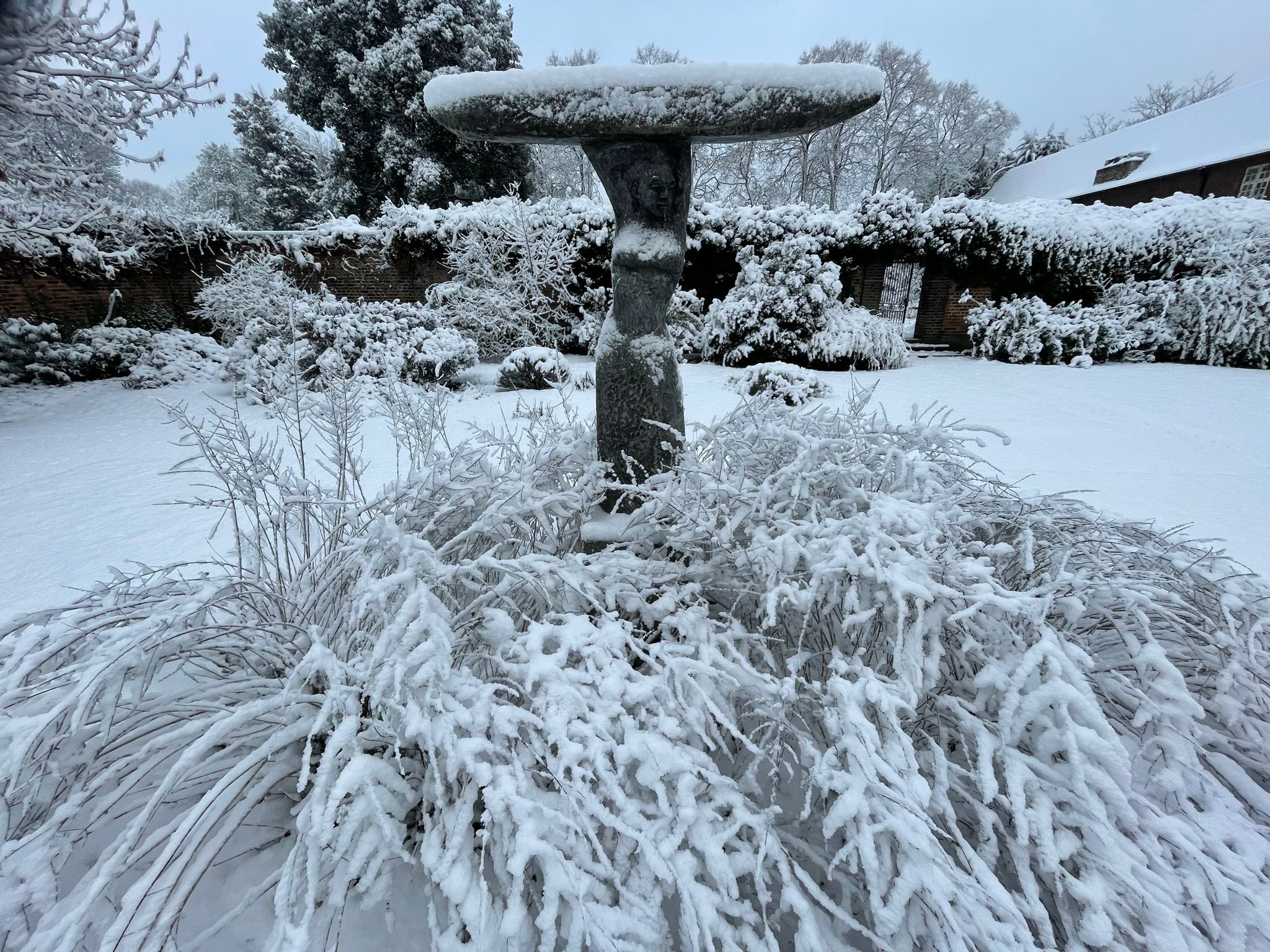
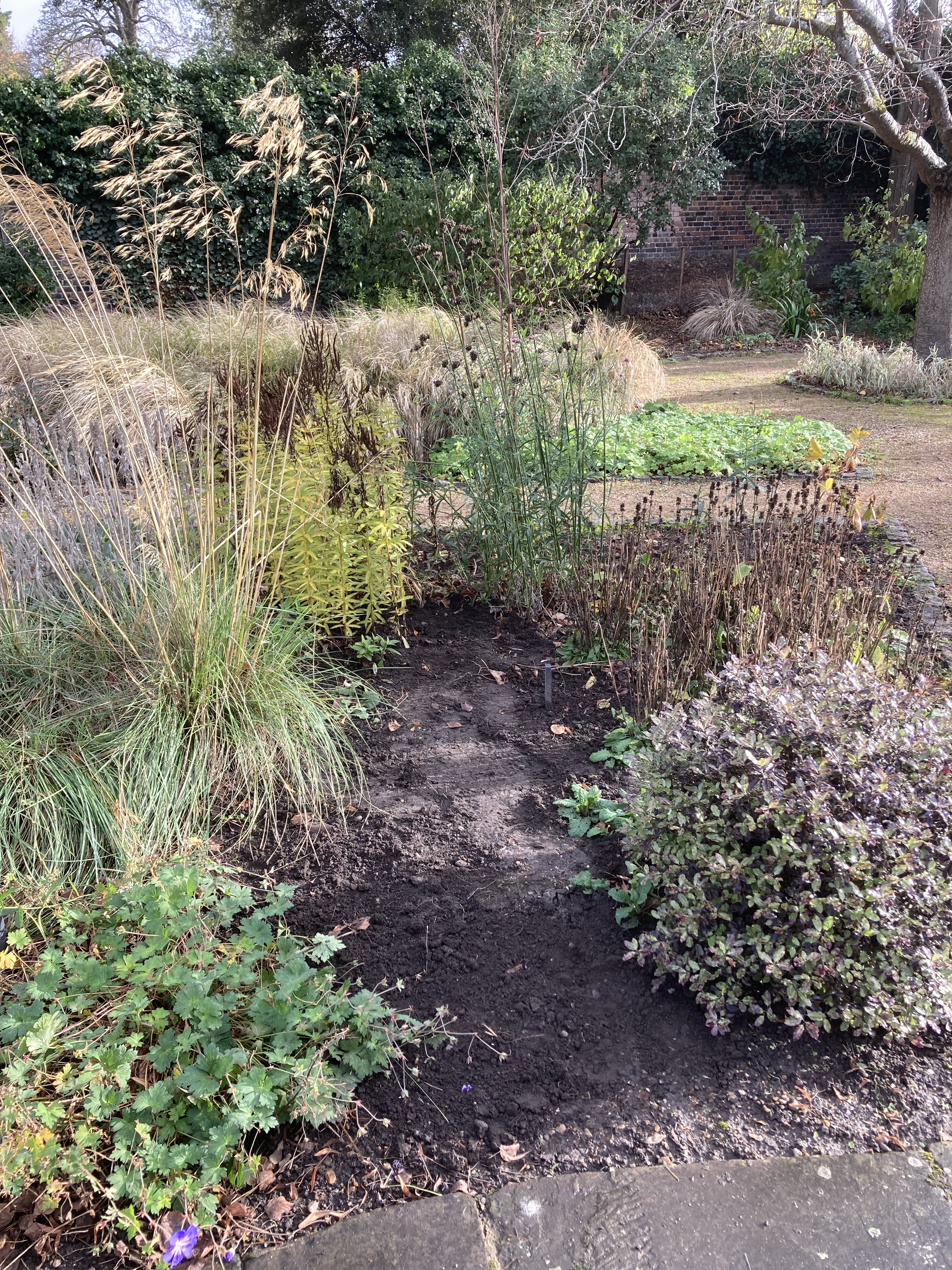
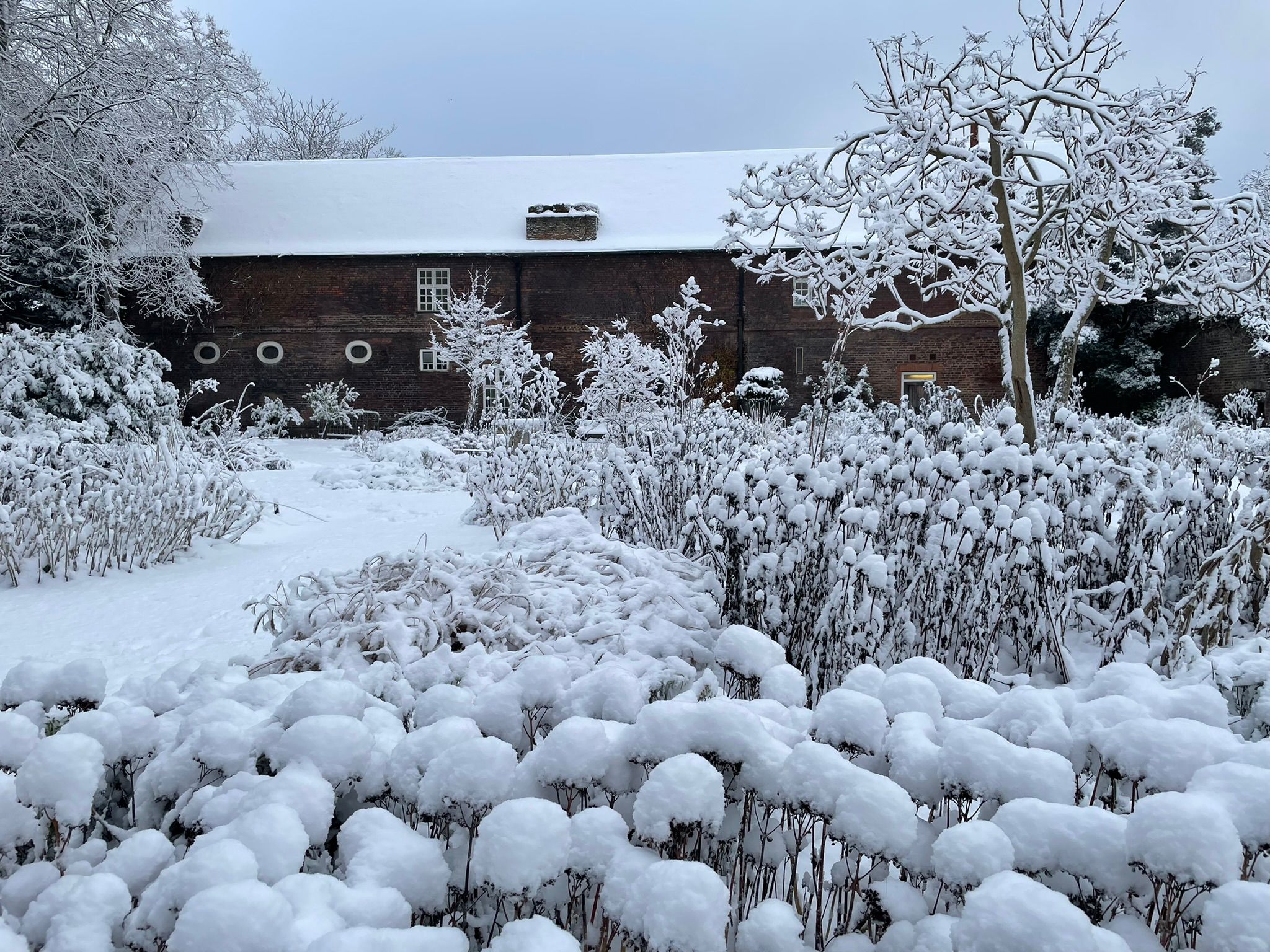
December turned the gardens into a winter wonderland, and caused us to miss a few days volunteering, but gave some great photo opportunities. The prolonged cold period hit a few of the more tender shrubs quite hard and we lost some big favourites like the Teucrium. 
January was about cutting back, the ivy in particular. The old walls cannot take the weight of the ivy so we are taking it off in stages and being careful of wildlife. Our efforts revealed the top of the doorway for the first time in some years!

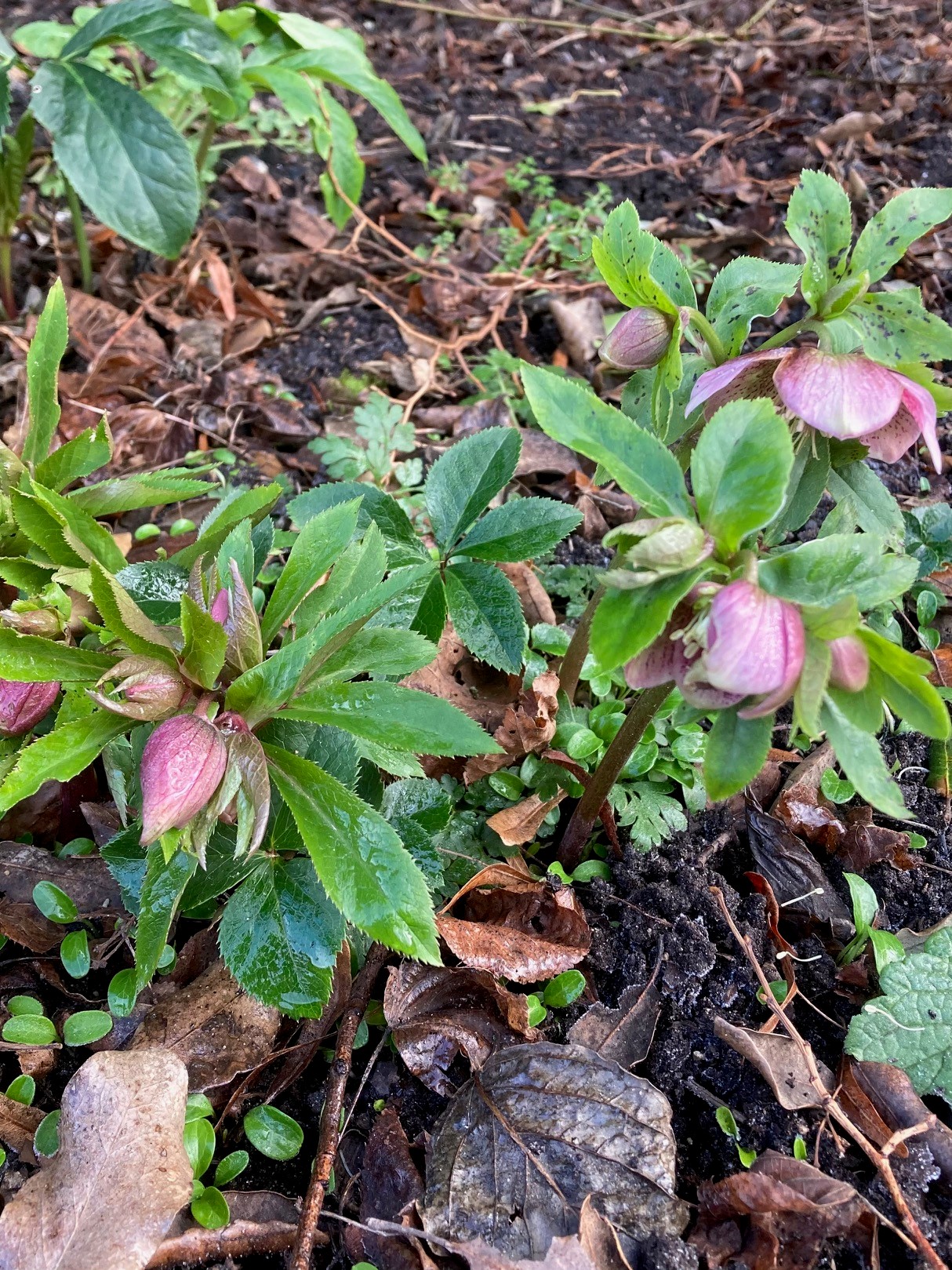
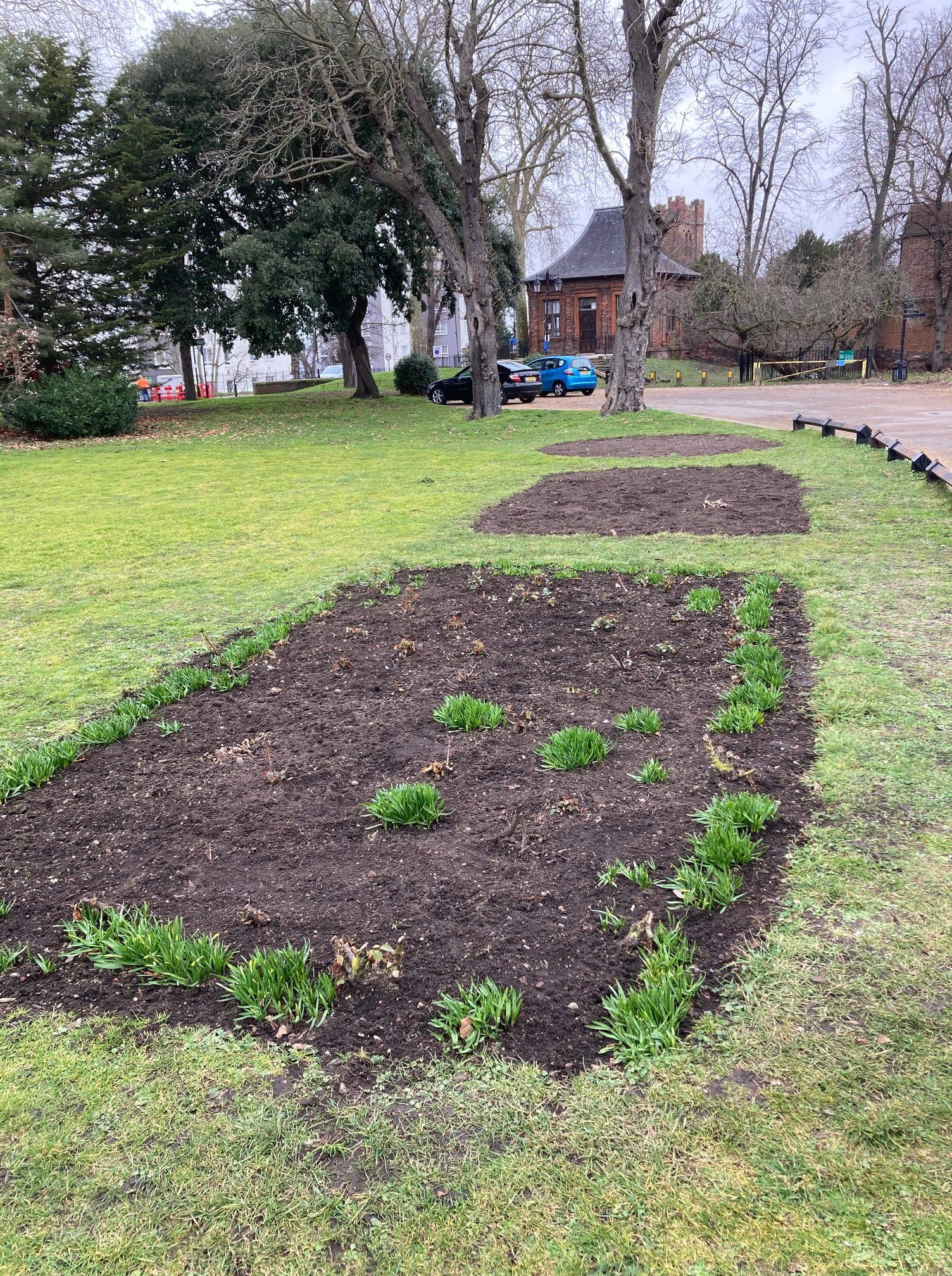
We have removed the palms from the front lawn beds and the beds will be re-designed this summer. The Palms were planted as part of an annual bedding scheme years ago and never envisaged to get as tall as they have. The Tete-a Tete daffodils have all been lifted and will go in the woodland glade next year. The Summerhouse has had a good weed and tidy-up, as has the Mulberry. Snowdrops and Hellebores popped up in the OPG woodland side.

In February, we discovered our regular feline visitor is called Casper and he lives in Canberra Road but clearly considers the gardens his playground.

Continue reading OPG Diary – Dec to March 23

Barbican Conservatory

The Barbican Conservatory is a tropical and sub-tropical botanical glass-roofed garden located on the third floor of the Barbican.   It’s an ideal place to visit during the winter months (and all-year round) but on 16th March we hit the jackpot and were thrilled to see Clivia plants in full flower – perfect timing, as it is this month’s Plant of the Month!

This is the second largest conservatory in London (Kew Gardens’ Temperate House being the largest). Opened in 1984, the walkways and terraces have been designed to encourage visitors to wander the pathways and along the walkways in order to explore and experience an urban jungle and to observe the characteristic form of every plant.

Amongst the tropical planting, various exotic palms stand out and the handsome foliage of Monstera deliciosa (swiss cheese house-plant as we know it) is there to be admired. The  majestically tall weeping fig tree emphasises the height of the conservatory and frames everything around it. Wide, arching stems of the handsome tree fern  and the striking tree, Araucaria heterophylla (which we rested under), plus unusual climbers and shrubs including yuccas and cordylines, are amongst the 1500 plant species on show for the public to appreciate. 

Continue reading Barbican Conservatory

Our unique Garden

Just before Christmas I posed a question for everyone, asking what you think make Charlton House Gardens unique. I had a good number of replies, and I’m pleased to report that most of you DO think they are unique! But I have had a real challenge trying to consolidate them into a single idea.

Here are just a few extracts from your replies:

  • “The gardens are rooted in their sense of time and place, where you can imagine them as Jacobean gardens but where you can also see modern day planting. There is a passion and desire to keep these gardens relevant for future generations.”
  • “The House is an architectural gem, whose early inhabitants played a significant role in the revolutions of the seventeenth century; today, the gardens are an oasis of beauty and peace in the midst of the urban sprawl of London.”
  • “The gardens are small but contain as diverse and exciting planting as you might expect from a much larger space.”
  • “The gardens are public but very community focused, beloved of local gardeners creating fabulous displays and running special events.”
  • “Not unique, but certainly rare, in that they still have the atmosphere of the Jacobean age. Planting with a “nod” to the Jacobean era.”
  • “An unexpected historic oasis in a desert of modern housing”
  • “They play to a sense of history and yet have a contemporary design adapted to change of climate.”
  • “Unique because they are community-run but following professional design principles.”

So, at then end of all that, let’s go with:

Charlton House Gardens: an historic oasis of beauty and peace in the midst of the urban sprawl of London, where local volunteer gardeners work together to ensure the gardens stay beloved and relevant for future generations.

If you can say it better, please let me know!

Kathy

A Unique Question – one for you!

As a Garden Volunteer at Charlton House Gardens, I was recently asked to explain what makes the walled gardens and estate “unique”. The question was born of a genuine desire to understand and perhaps help the gardens become better known. Of course, it’s one of those questions that you go away and carry on thinking about.. and wonder what you should have said. 

I asked our regular Volunteers what they thought (they keep on coming back, so they must love it for some reason!)

Peace Garden in snow
Peace Garden, Winter 2022, by Head Gardener Jason Sylvan

Lots of great ideas came up around biodiversity and pollinators and sustainability. But you could argue that every garden is unique – what makes this particular combination of place and plants so special? We kept coming back to community spirit – particularly as the gardens have had only a tiny amount of external funding – the majority of their transformation has come from community fund raising and effort, and crucially, the use of a professional garden designer.  

A good point was made that if you compare Charlton House Gardens with, say, Greenwich Royal Park, Charlton attracts mostly local people and not your average tourist – so there is an great feeling of ownership and responsibility. They may attract the discerning tourist in future (we certainly hope they do) but for now they are in “our” Trust.

We often call the Old Pond Garden the “Secret Garden”, after Frances Hodgson Burnett’s childrens story, but one Volunteer suggested the Lost Gardens of Charlton (Heligan) might be a better comparison now, as we re-discover and re-imagine the original spaces.

What do YOU think? Send in your ideas of why Charlton House Gardens are unique, we would love to hear from you (anyone, not just members) to cabahshortisoc@gmail.com. We will encapsulate your ideas into one “unique” statement in the New Year – and hopefully answer that question.

Old Pond Garden in snow
Old Pond Garden, Winter 2022, by Head Gardener Jason Sylvan

Kathy

OPG Diary – November/December

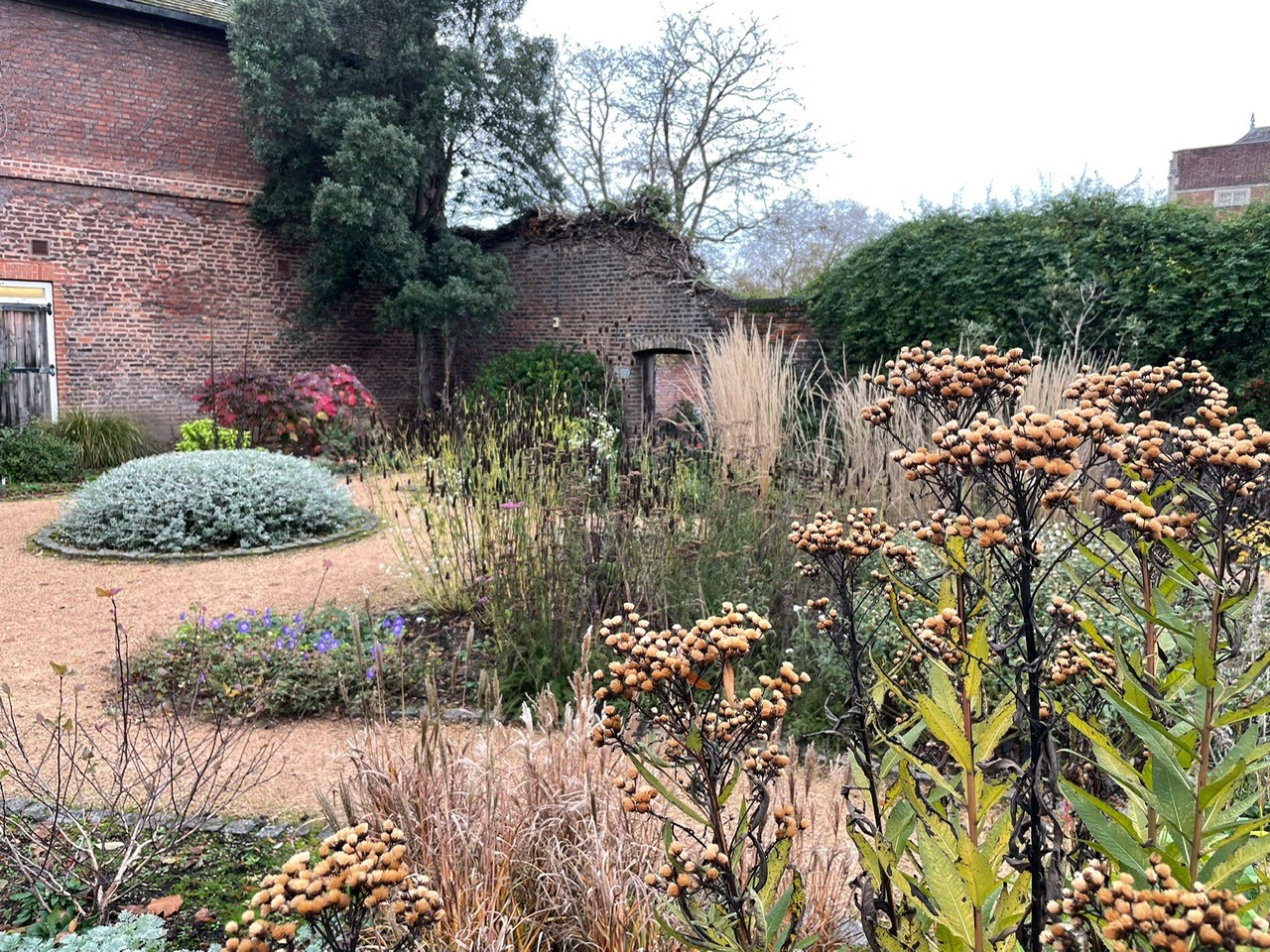
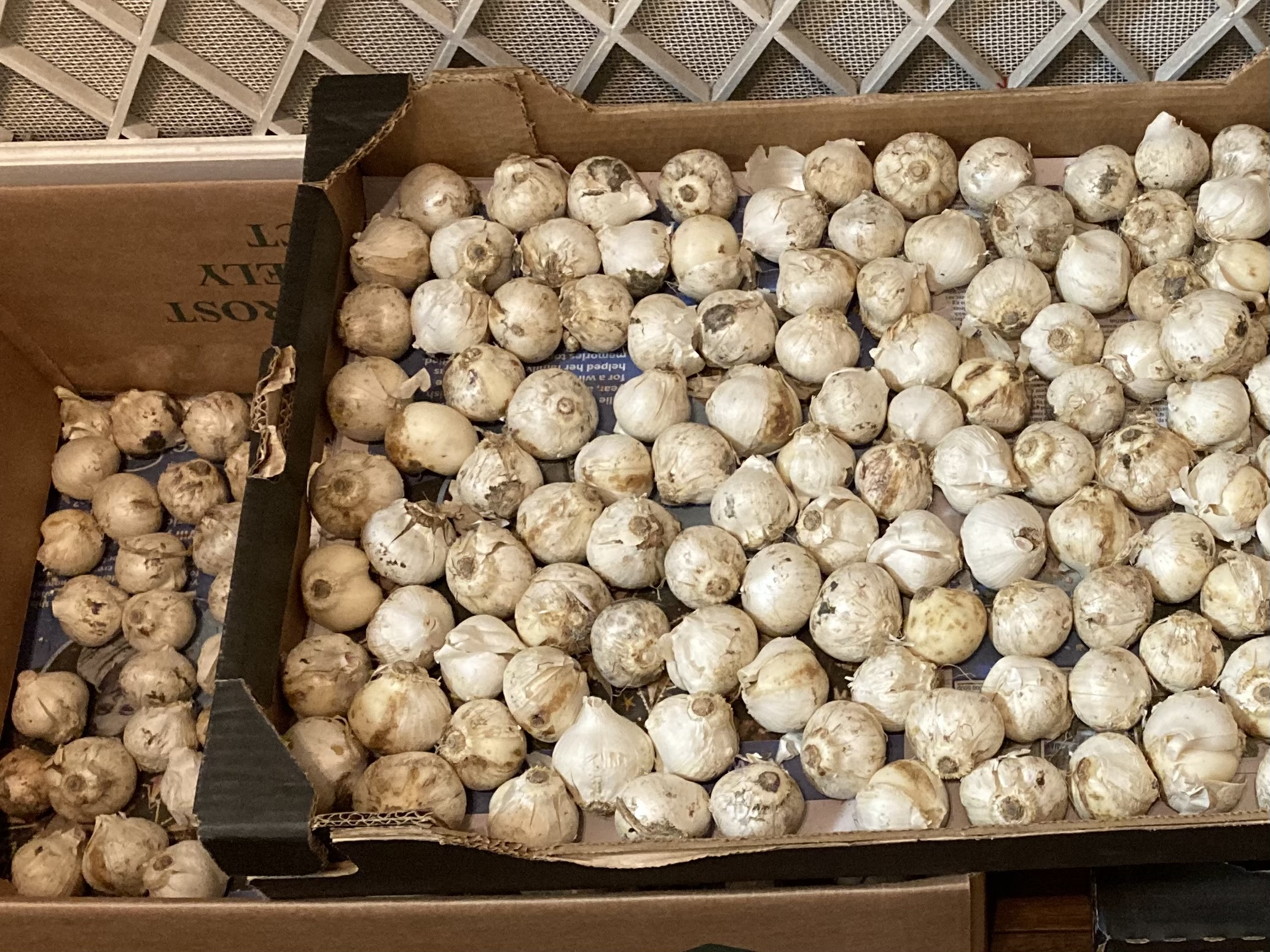
Welcome to Winter in the garden, and all the many lovely shades of brown. So many seedheads, grasses and winter leaves are keeping the Old Pond Garden looking beautiful. November was incredibly wet but the Volunteers tackled some great projects. The shrubbery in the front car park has benefitted from a comprehensive weed and some marathon pruning. A soakaway was dug by the steps to the Montessori Nursery, so that parents can pick up the kids without needing waders. Then it was on to bulb planting – we predict a River of Purple (Alliums) through the beds next year!

Continue reading OPG Diary – November/December

November meeting: Rose Growing made easy – Simon White

Simon White is the President of Norwich Horticultural Society and Sales Manager for the RHS award winning Peter Beales Garden Centre in Attleborough, Norfolk, where he has worked for 41 years.

He gave an entertaining and informative talk on growing roses. He said, if provided with the right conditions, it was not true that roses were difficult to grow. Simon said Beales had the largest collection of roses in the world. They primarily sell bare root roses and many old traditional classic roses. They grow from seed some 250,000  a year in fields rented from a local farmer and he described how they grew them.

He then went on to show how we at home could grow bare root roses:

1.THEY NEED GOOD SOIL PREPARATION: Ideally bare root  roses should be planted from November to March. Good  quality fertiliser,  including horse manure which is at least six month old, should be used. Do not use mushroom manure.

Continue reading November meeting: Rose Growing made easy – Simon White

Gardening for the Bees

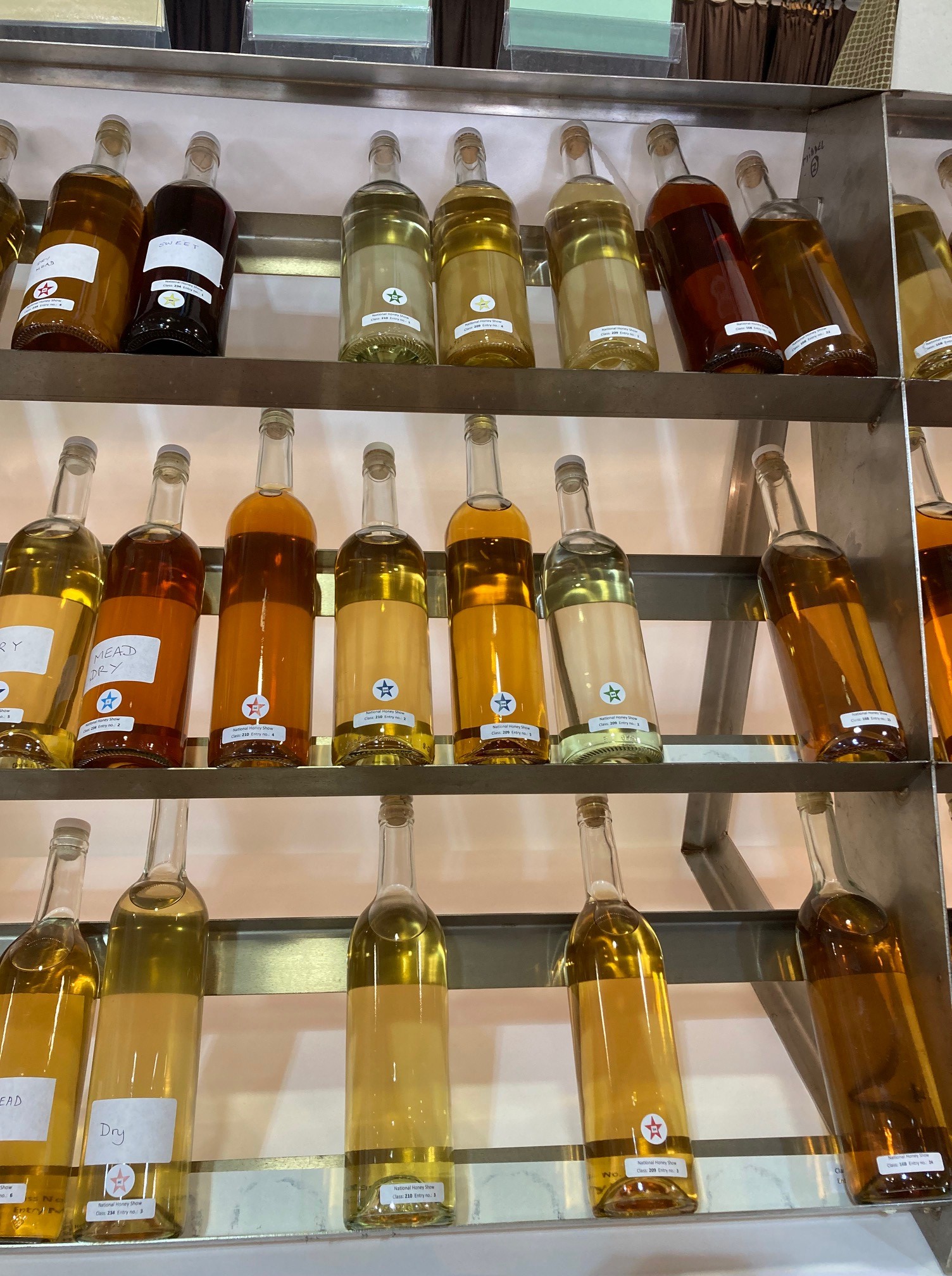
My husband ( a beekeeper) recently treated me to a visit to the National Honey Show, which is sort of like going to RHS Chelsea if you are a beekeeper. Apart from an enormous number of jars of honey, there were talks available, and we attended one  from Dr Nick Tew on “The role of gardens in supporting Insect Pollinators”.  It was a really good talk, with scientific research explained in easy terms.

Title slide

A few slides stood out for me – for instance, the time period for flowering plants in a garden, compared with a hedgerow or pasture. Most gardeners love to have something in flower all through the year, so although the volume of nectar/pollen in a garden might not be as high as in a meadow or hedgerow in full swing, it is available for a much longer time span. So in fact such a garden is more useful to insects.

There are some downsides to a garden – Nick calls it “horticultural bling”, a lovely phrase which unfortunately can be applied to a few parts of my garden (but luckily not many!)

 A version of the talk is on Youtube, the link is below, it’s a good watch.

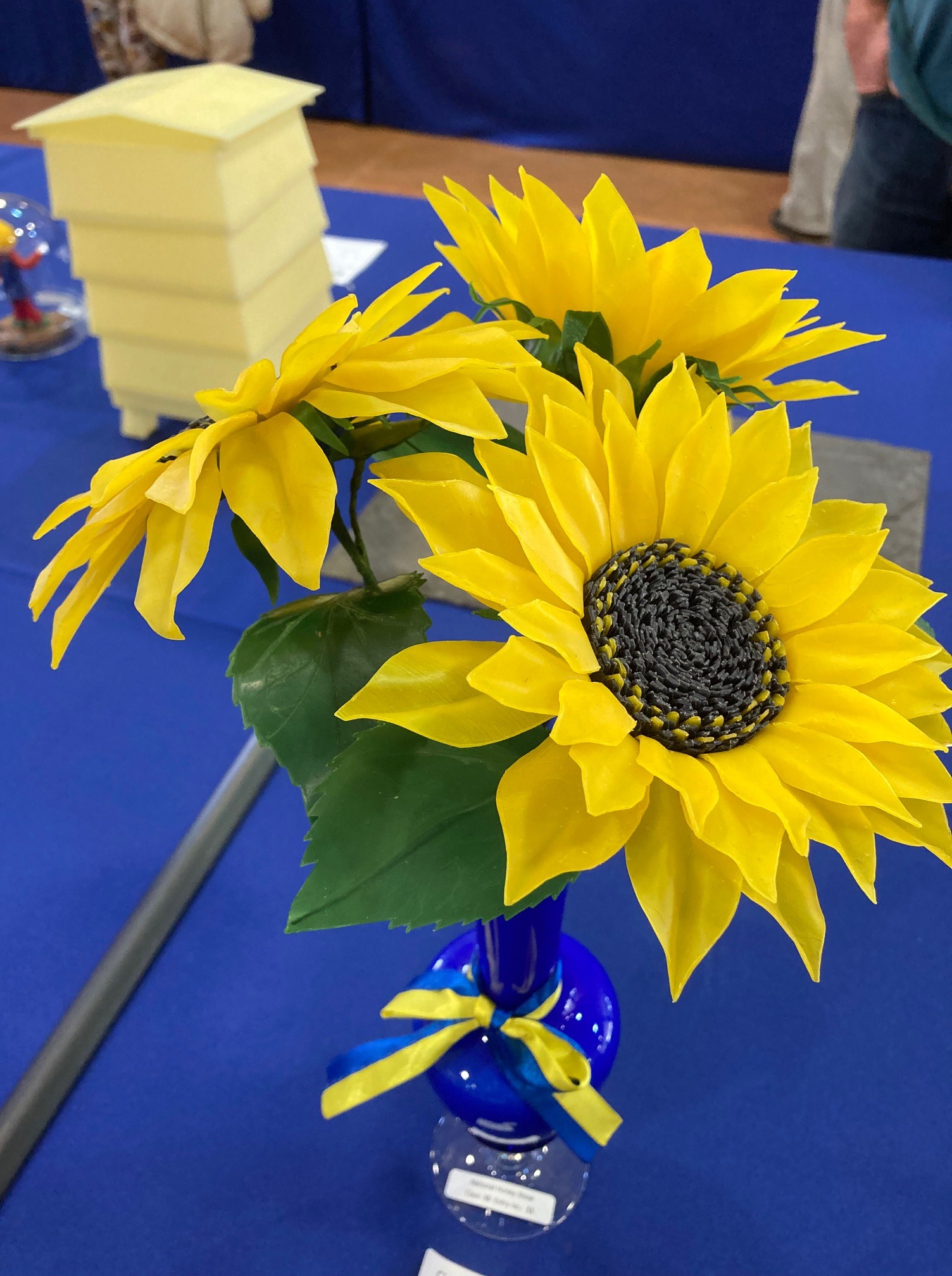
The Show was held at Sandown Park racecourse, and it was huge. It reminded me of a Horticultural Show in that it not only had classes for honey, but also eg craft and baking classes. The sunflowers shown here are made of wax!

I bought some sparkling mead from one of the stalls, took down a recipe for “Gin & Tonic Honey cake” and bought a couple of seed packets to convert my lawn into a meadow at some point in my dreams. The final stall we visited worried me a little, as it is giving my husband ideas!

Bee suits for the family

YouTube talk if you are interested: https://www.youtube.com/watch?v=JdLvAxNuEms

Kathy

Poppies to Remember

Poppies for Remembrance on the gates

Thank you to all our volunteers, members and local residents who donated plastic bottle bases over the past year – look what we did with them! It might not be quite Tower of London level, but our poppy cascade makes a great “Stop and Remember” point on your walk around the park this week.

We also added some to the Peace Garden gates.

Kathy

OPG Diary – September /October

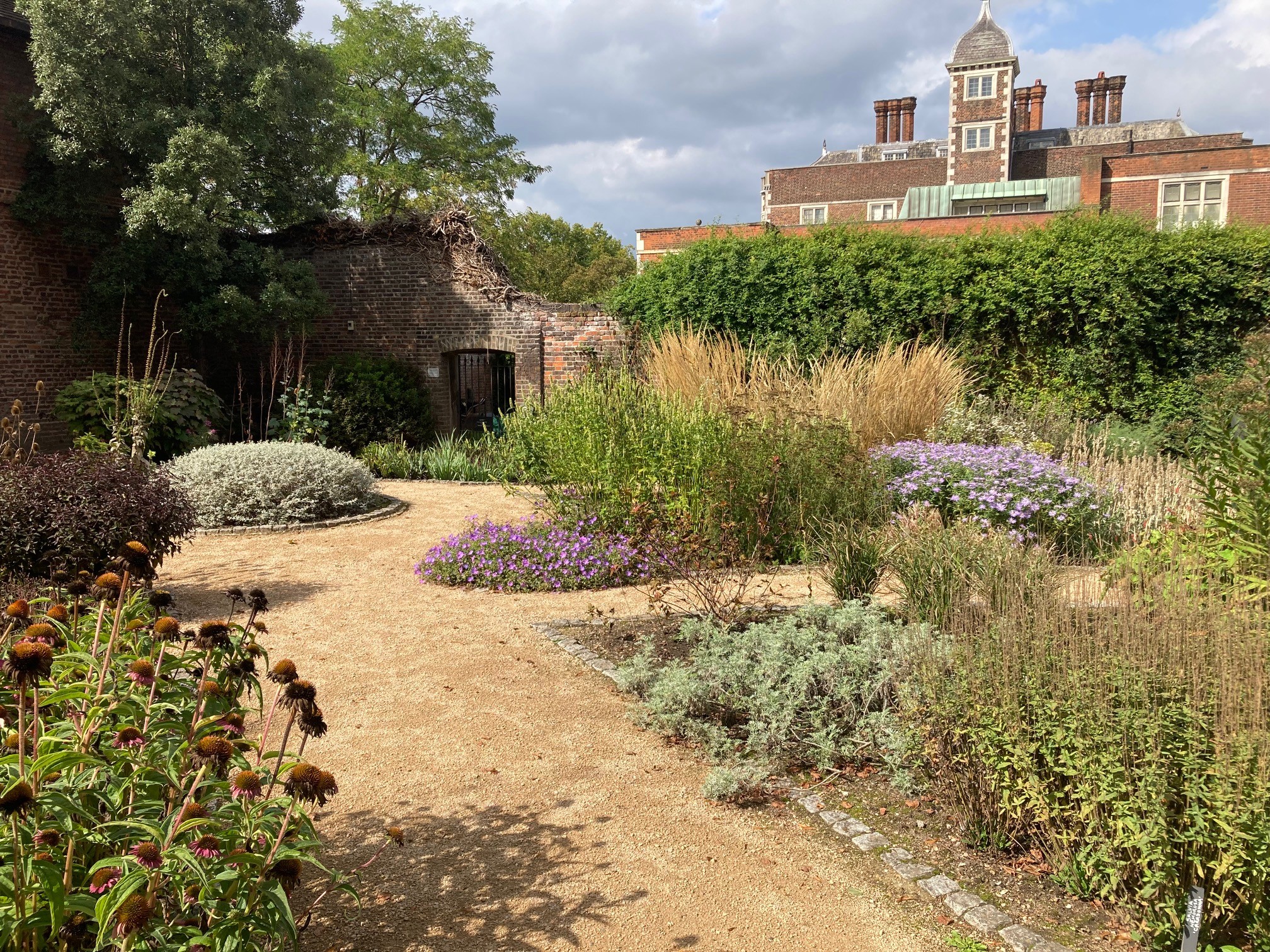
September started off with the tail end of The Drought and as it became wetter the Volunteers were very grateful to get back to some proper gardening. The great news is that we hardly lost any plants at all.

The Peace Garden has benefited from our attention, with the last of the annoying stones on the path edges being removed, and work on the shrubs and climbers along the walls making them look much more defined and trim.

Removing stones in the Peace Garden
Removing the last loose stones, saving the lawn mower!

In the Old Pond Garden, many perennials went to seed earlier than usual, due to the drought, but the seedheads are quite spectacular.

The Volunteers were thrilled to receive a donation of jars of honey from the Charlton House Beekeepers. The bees had a bumper year, partly due to our lovely gardens. To stop any squabbling, we held a raffle to decide who got a jar and the happy winners are shown here:

Volunteers with Honey
Thank you for the lovely Honey!
Continue reading OPG Diary – September /October