It started with Andrew’s snap of a Viola, surviving and flowering in the mortar on a school wall. Such optimism!
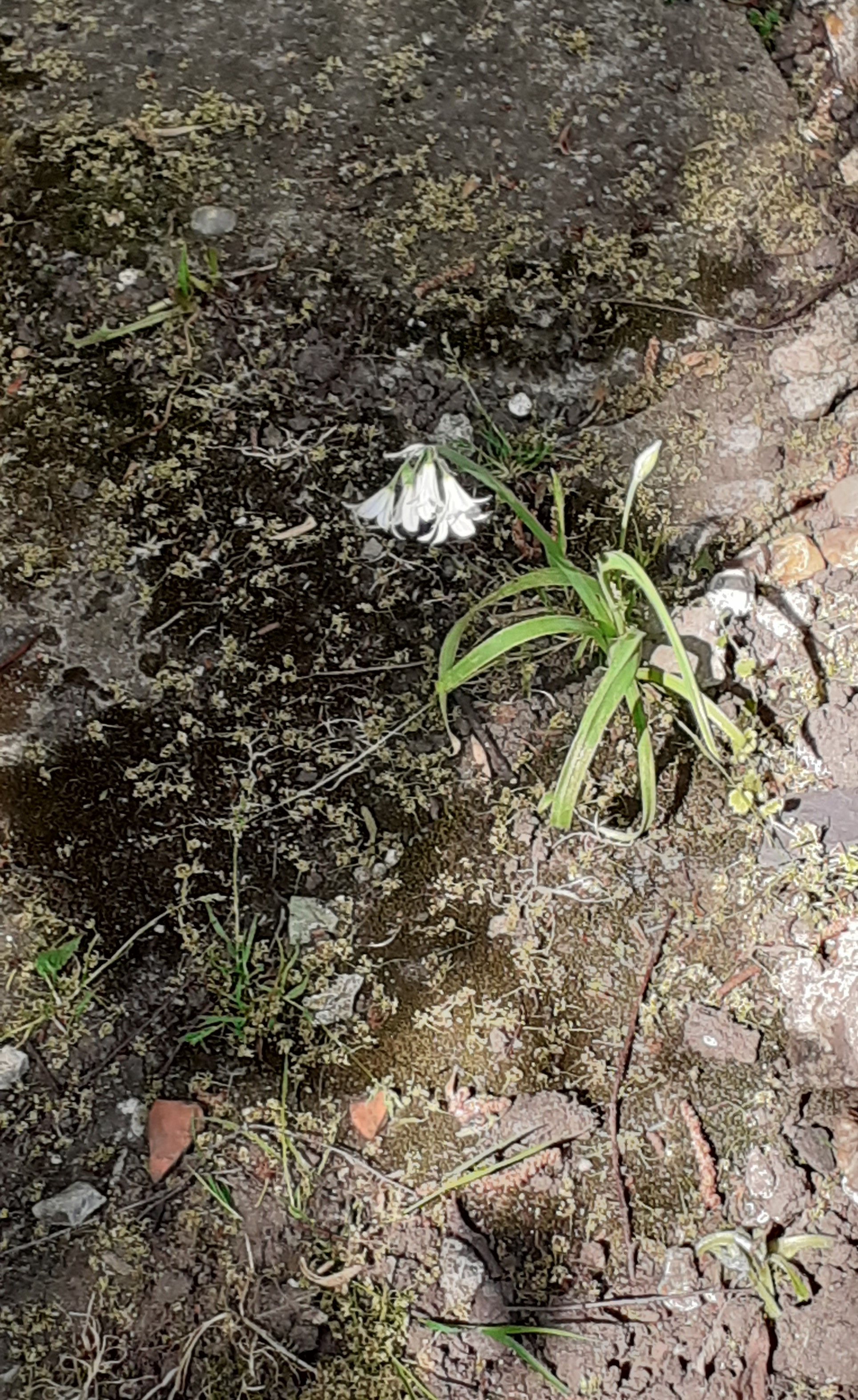

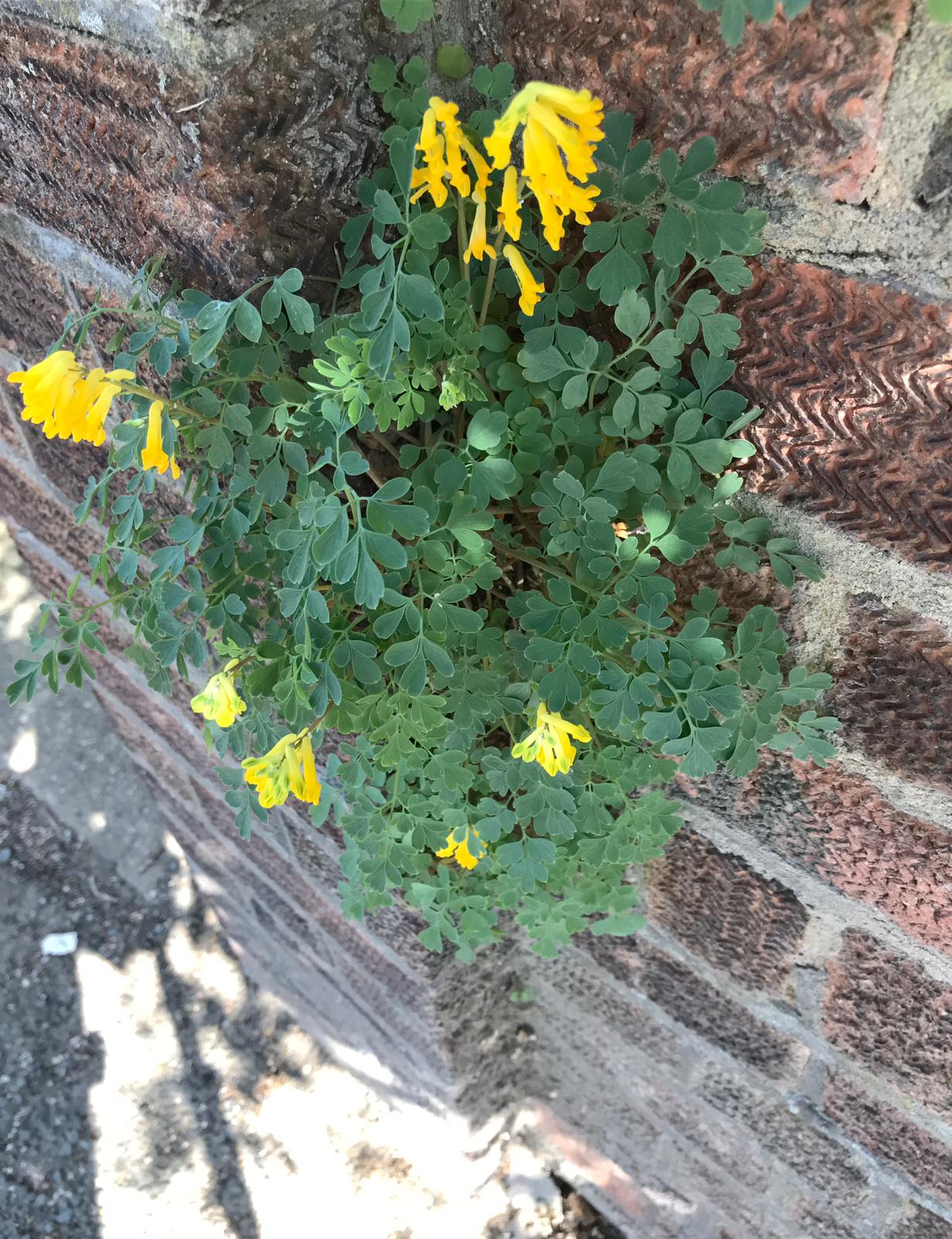
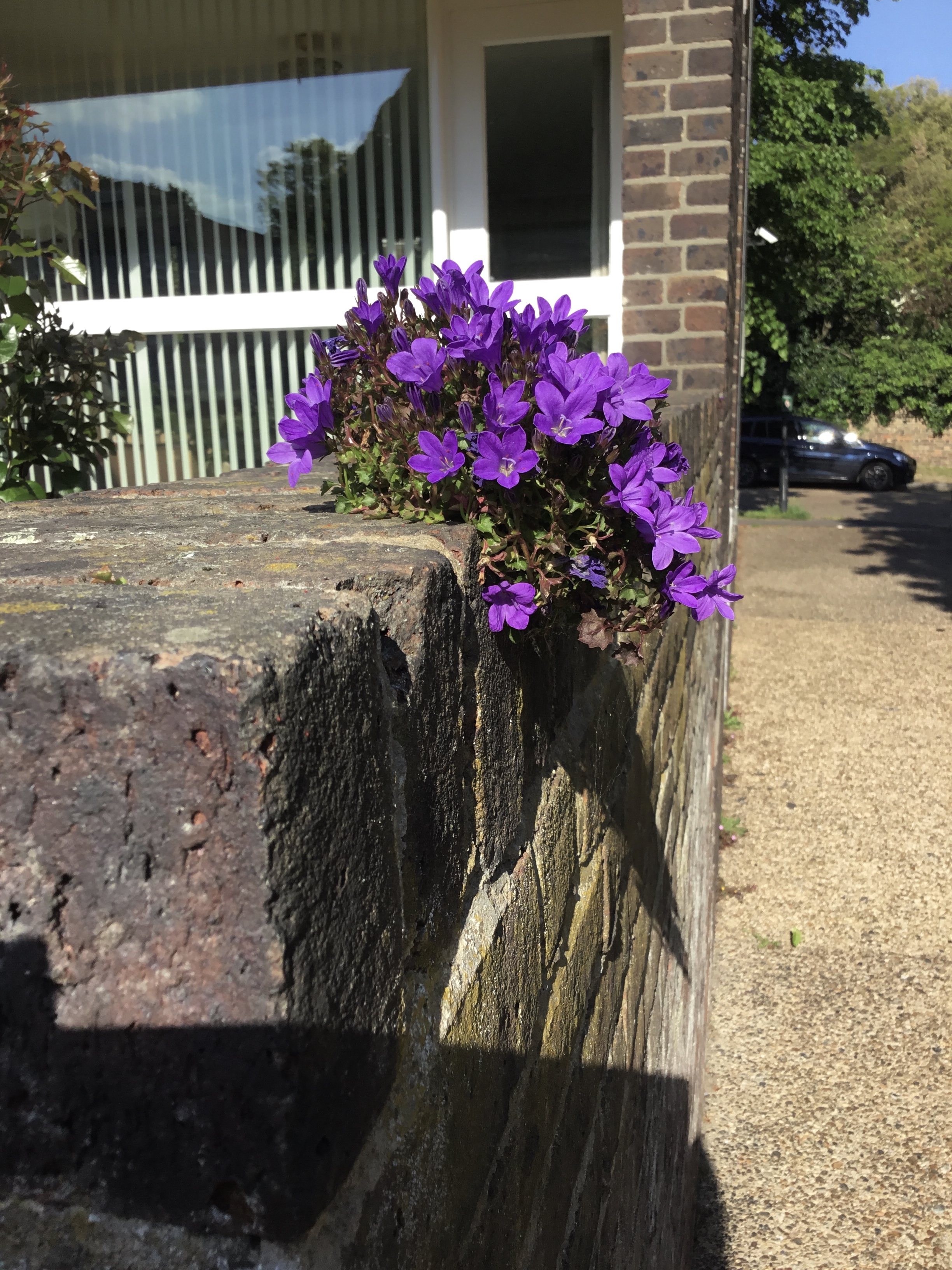
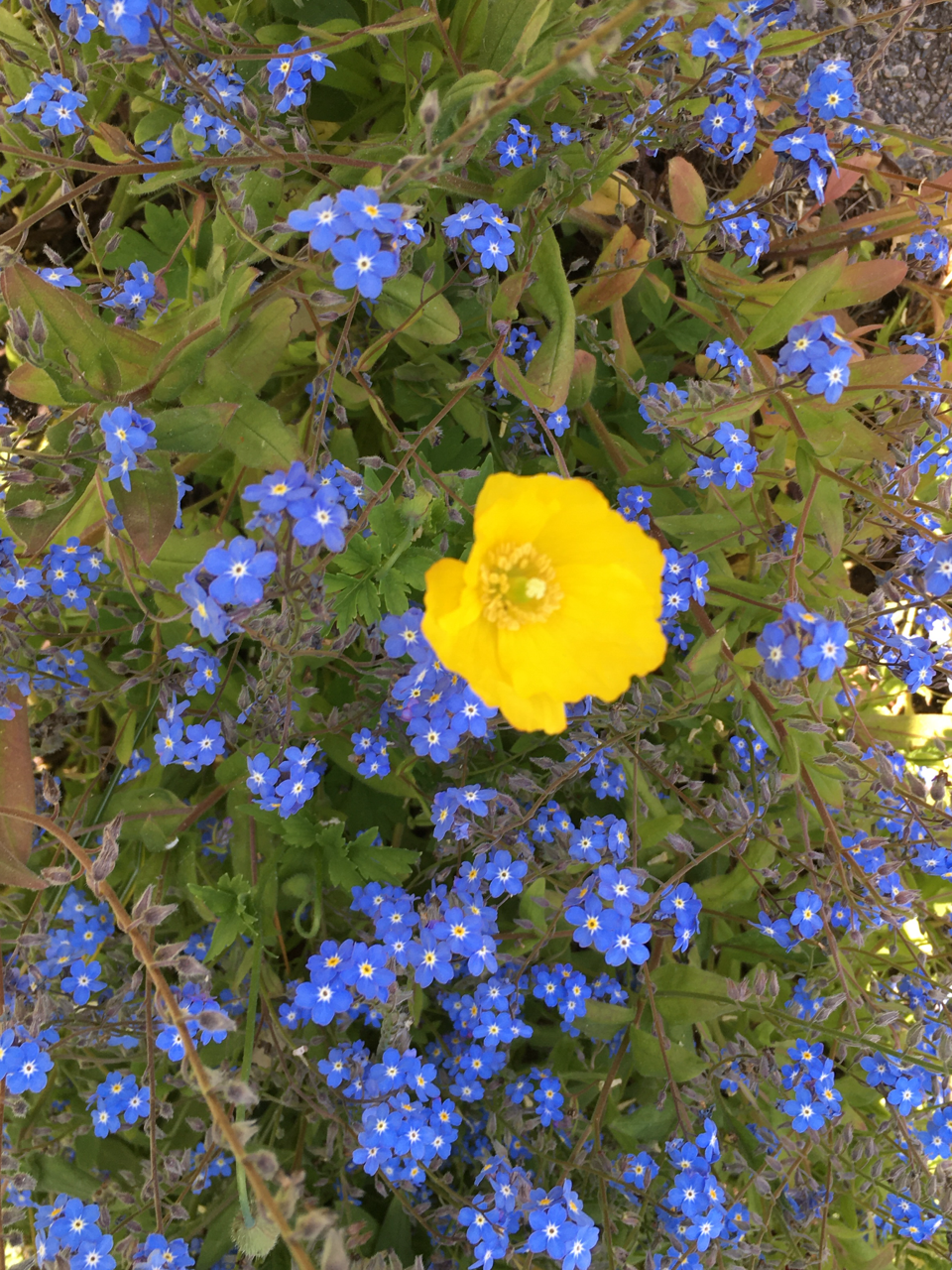
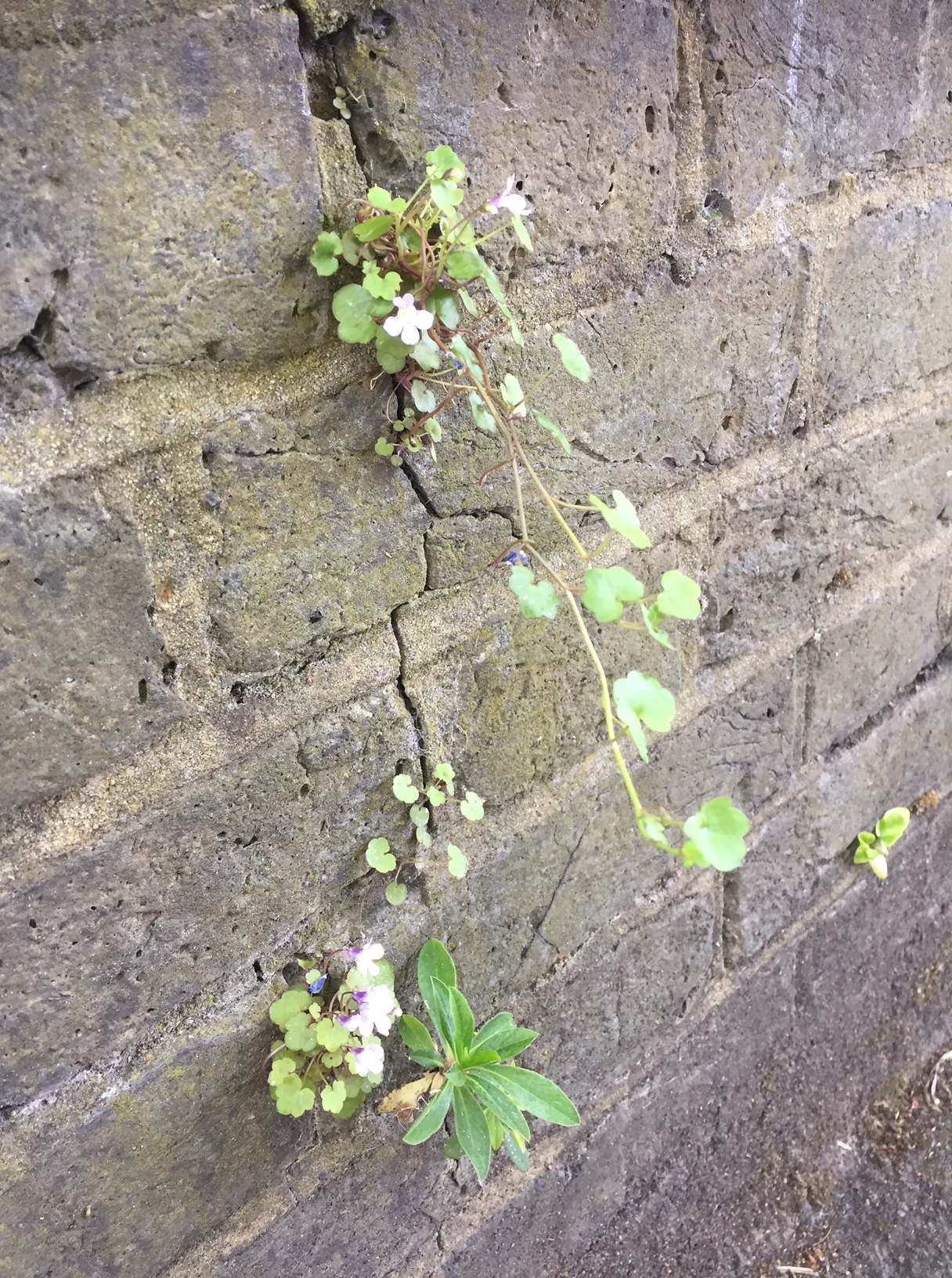
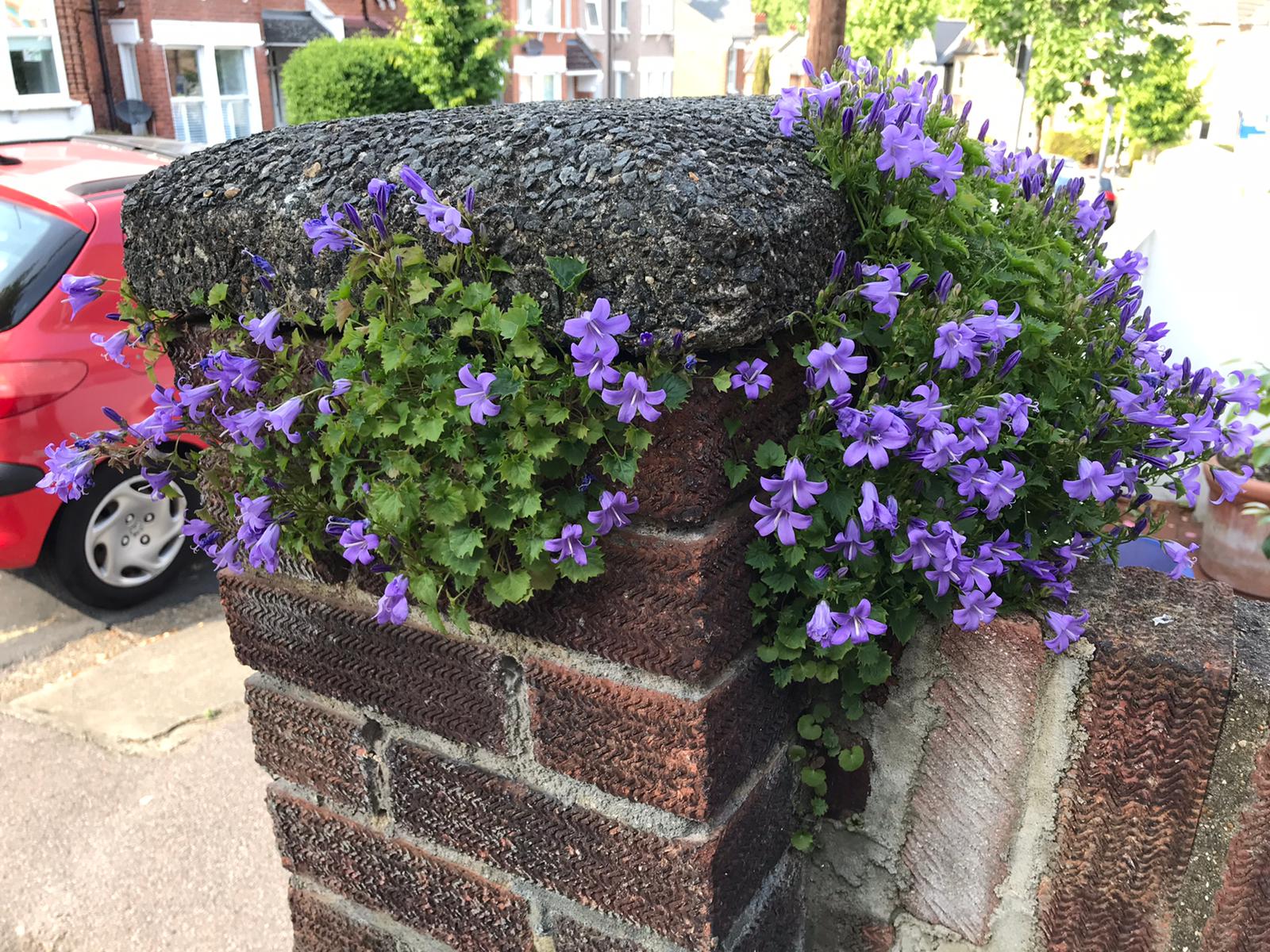
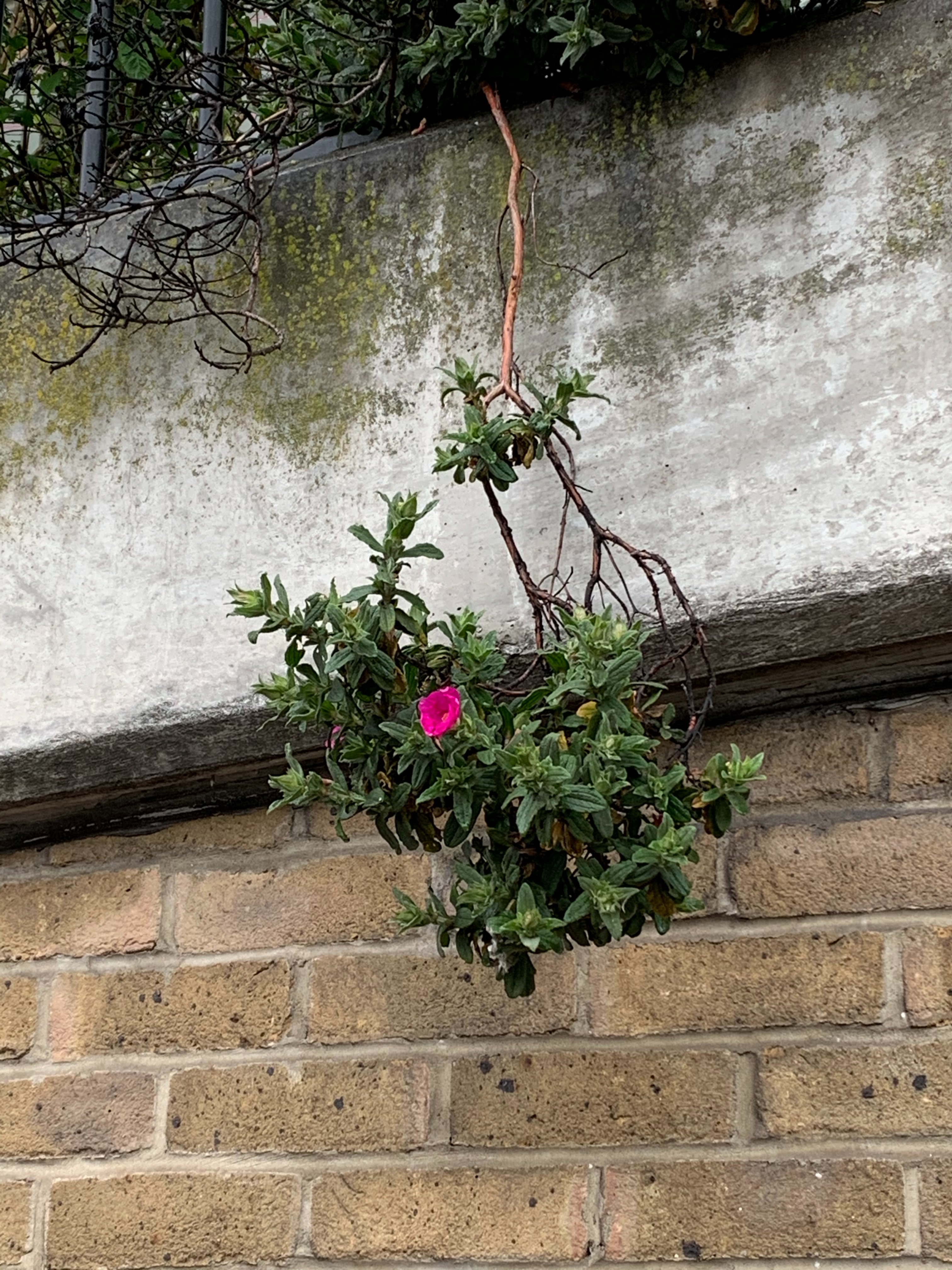
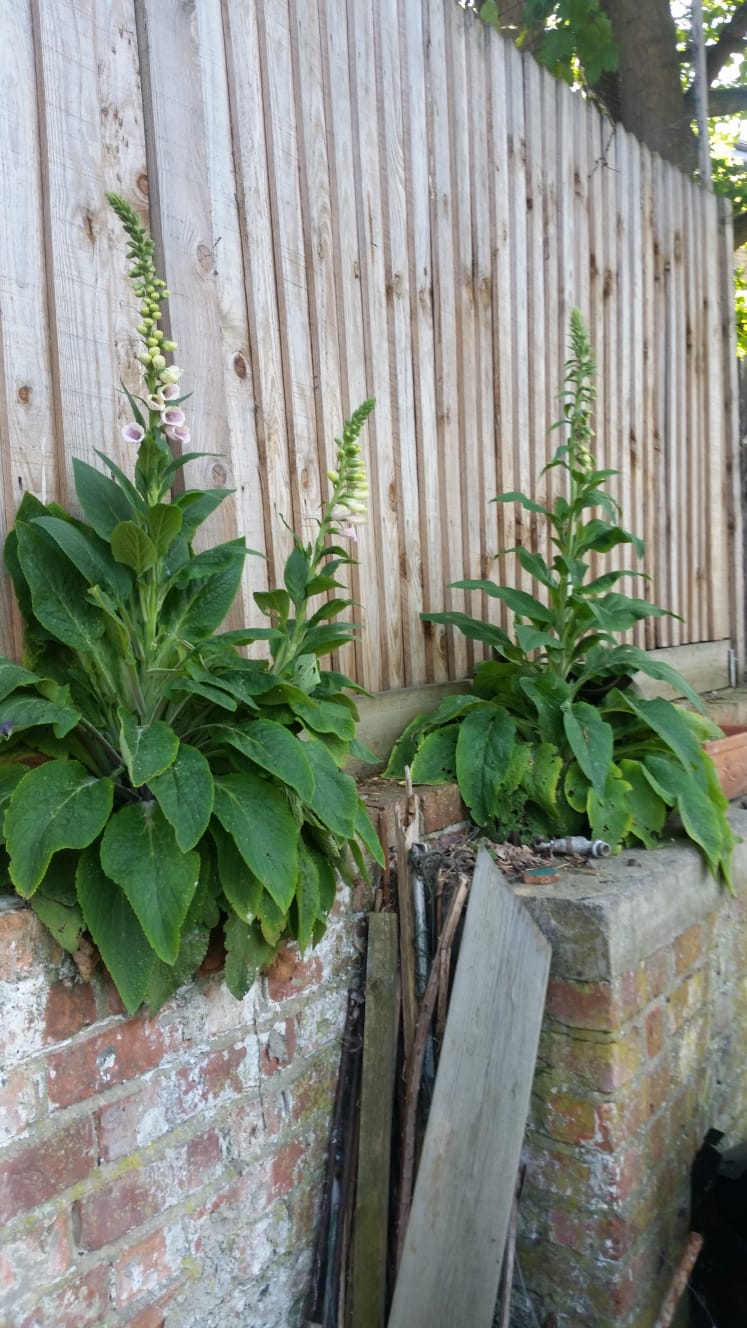
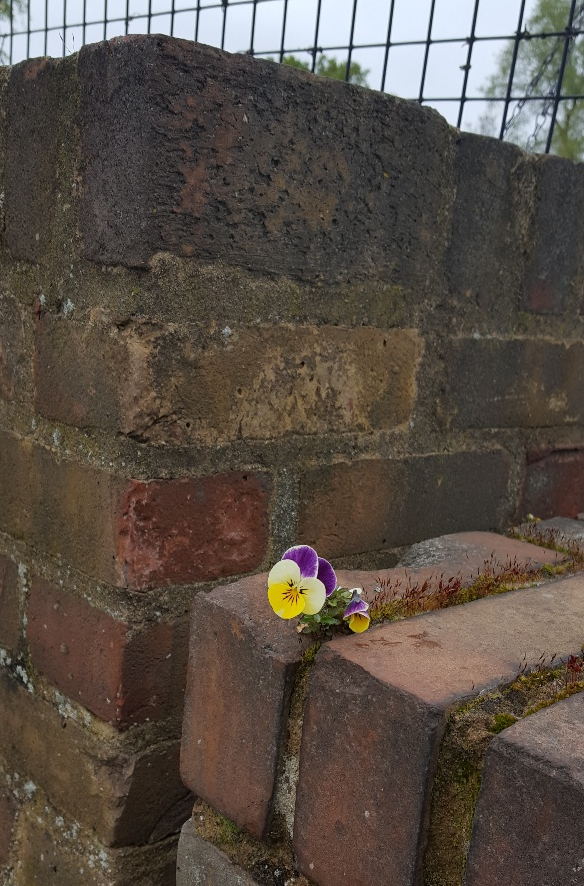
It started with Andrew’s snap of a Viola, surviving and flowering in the mortar on a school wall. Such optimism!
As we are coming up to “rose” season, with the early ones already coming out, I have been reading a bit about the history of the Rose Garden. As everyone is taught at school, Josephine married Napoleon and became Empress of France. But did you know that she was much more than that for gardeners – she was also the Queen of Roses. She had a dream to create the greatest rose garden ever made, to collect a specimen of every single rose species and every rose variety growing anywhere in the world at that time.
To contemplate such a task today with all the miracles of modern travel and communications would be a vast operation. To have undertaken such a scheme at the beginning of the 19th century was like reaching for the stars. No aeroplanes, no telephones, no fast ships, no Google! Just war-torn France locked in a mighty struggle with the rest of Europe.
Yet she succeeded, and on the outskirts of Paris the world’s first great rose garden was created, and was called Malmaison.
Josephine gathered around her some of the great botanists of the time, to source the plants, and engaged Pierre-Joseph Redoutė to record the roses for posterity. After divorce from Napoleon in 1810, she moved permanently to Malmaison and devoted herself to her plants.
Malmaison contained about 250 different types of roses. If you could go back in time to 1810, you might have been disappointed, as you would have seen none of the vibrant colours, the repeat flowering and compact bushes of a modern rose garden. They would have been large, spreading bushes with a single flush of flowers each year. There would have been Gallica roses, the classic red rose, also tough Rugosa roses, Blood roses from China and Virginia roses from America. The finest would have been the Damask roses, but nearly all would have been white, pink and red.
There were just one or two dull yellow or dark orange roses from Persia – and these were the ones which were eventually to produce most of our modern colourful varieties.
Malmaison gardens are no more, they were destroyed in the Prussian War in 1870. They live on in the paintings of Redoutė and in his volumes of Les Roses.
Kathy
Create a walk via common and unusual trees, starting at your postcode. Such a good idea for your daily lockdown walk!
There is something very soothing to the soul to live near water, and if you can’t get a sea view in London then at least you can sit by a pond. (By this I mean a wildlife pond, not some unnatural Koi fishpond, you won’t get much wildlife around that!) I grew up with a mother who was a primary school teacher and every Spring we had to go frog spawn hunting so that she could teach the cycle of life to a new generation of pupils. It’s actually a rather horrid lesson, when you think of the thousands of tadpoles and how many actually make it to Froghood. Everything eats tadpoles! I used to spend my days trying to save them from newts and blackbirds etc., only to find they did something stupid like sunbathe on a lily leaf until they frizzled up.
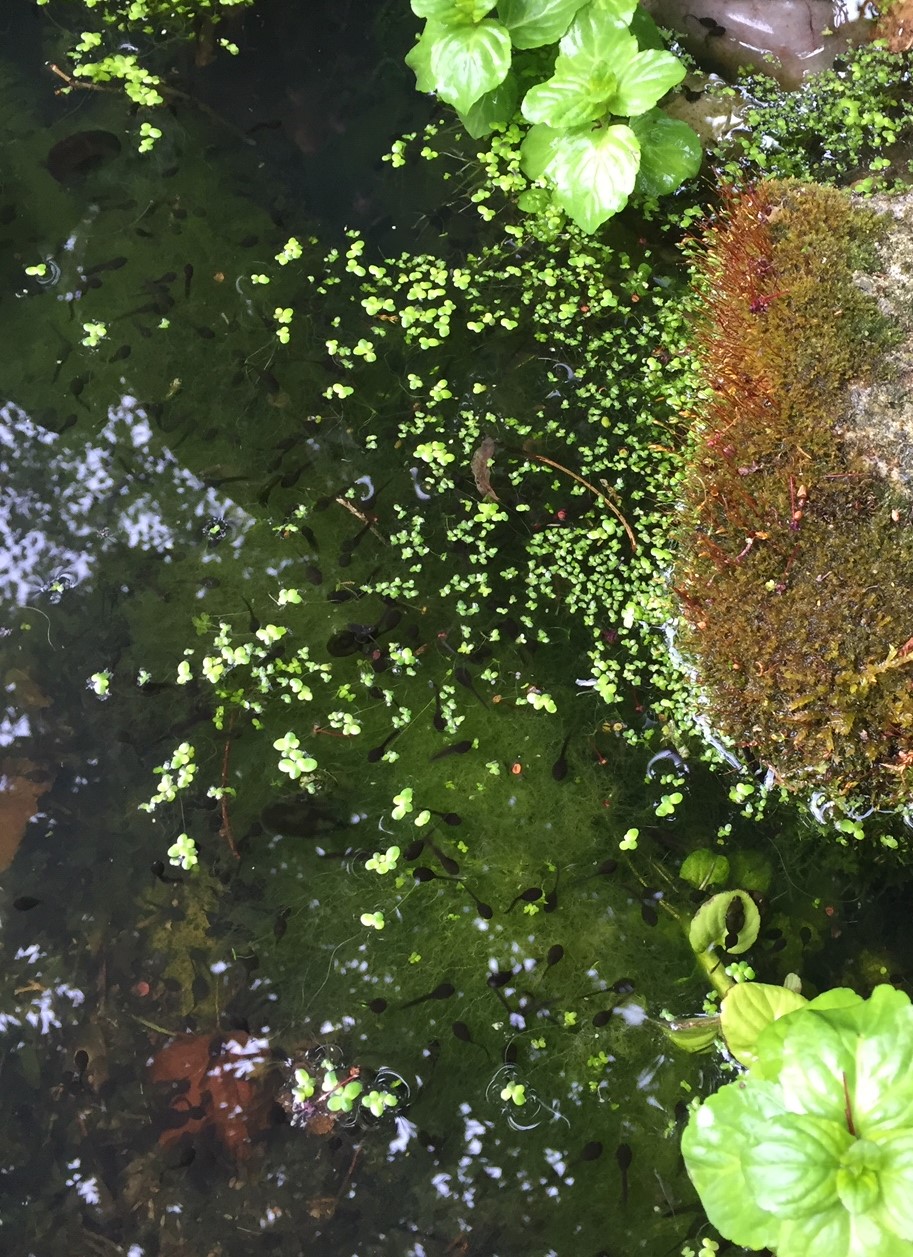
Hooking duckweed etc out of my pond was a lengthy process as I had to help each little black blob back into the water. I have great respect for Gardeners World and Monty, but he’s absolutely wrong when he says to just “leave the weeds on the side of the pond for a while and the creatures will crawl back in”. They jolly well don’t, and you go back to find these poor little Ramshorn snails and water slaters gasping away on the bank, or worse, idiotically crawling away from the pond. The only things that seem to be able to wriggle back in are leeches and diving beetle larvae (– which also eat tadpoles…).
Anyway, I am now older and wiser, or perhaps just have better things to do. We have so many toads and frogs that come back to our 30 year old pond every year that it has dawned on me nature carries on working without needing my help. I do still net the pond at mating time when the Heron and Crows come down for party snacks, and I don’t mow near the pond in July when the froglets are leaving to make their way in the Big Wide World, after one traumatic year.. It seems to work!
Apparently 1 in 7 of us now have a garden pond, which act as a network for wildlife since so many agricultural ones have gone. Our recent survey of CABAHS members showed that 32% have a pond, so we are much better than the average! Apparently in 1890 there were 1.25 million ponds in the UK, a mix of natural ponds and dew ponds created by farmers for livestock. About 70% of those have been lost or are polluted with fertiliser and pesticide run-off. Or salty runoff from de-icing the roads. So garden wildlife ponds are increasingly important, not to mention a whole lot of fun!
Here are some pictures of mine, trying to turn itself into a bog garden at this time of year, but very full of life.


Kathy A
Juli’s project to keep busy has been making a bird table. She says it took the birds less than a day to find it, and she’s restocking it daily. She now has 6 feeders and 3 coconut suet holders, and her garden is quite small. A real hit with the wildlife though!

This common Hawthorn in full flower is one of many that line the Vanburgh Pits, just by the top Maze Hill entrance to Greenwich Park. It is magnificent, and makes you wonder why we bother to buy and grow pampered garden shrubs like Spirea etc.!

Anna’s Coronilla was purchased as a small cutting from a garden Open Day. It grows happily in a pot and flowers around now for about 2 months. Every garden should have one!

Here is another from Anna, a pretty Epimedium pubigerum, in flower now. The common name for it is Hairy Barrenwort – rather nasty, I can see why we all stick to “Epimediums” even if that doesn’t trip off the tongue either.

Below is Juli’s apple tree in blossom overload. She says it is usually a biennial fruit bearer and wasn’t expecting much from it this year. Either the mild winter, or the fact it didn’t crop heavily last year, has sent it into overdrive this year! Lots of apples for the Autumn Show maybe..

Angerstein Lane, going well over the top on tulips, just gorgeous!

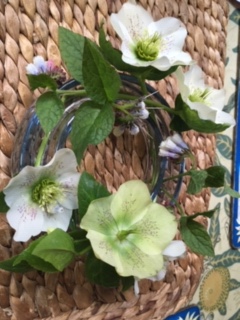
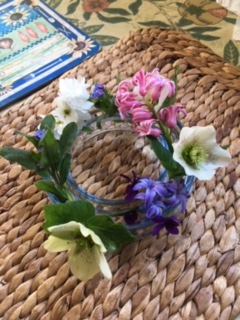
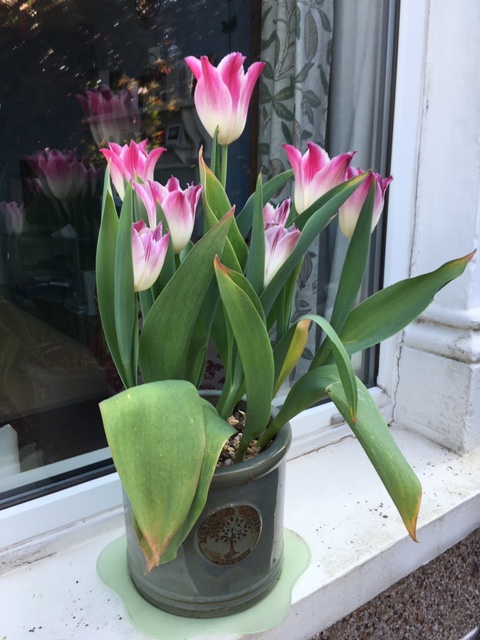
Sara B has been out on dog walks and spotted some lovely blossom in Maryon Road, enjoyed her Whispering Dream tulips (a birthday present) and got crafty making the most of the spring flowers!

Vija’s pots of Narcissus, in the early morning April sunlight:

This is Juli’s “cloud-pruned” patio Cherry! It really couldn’t fit any more flowers on, I bet the bees just love it.

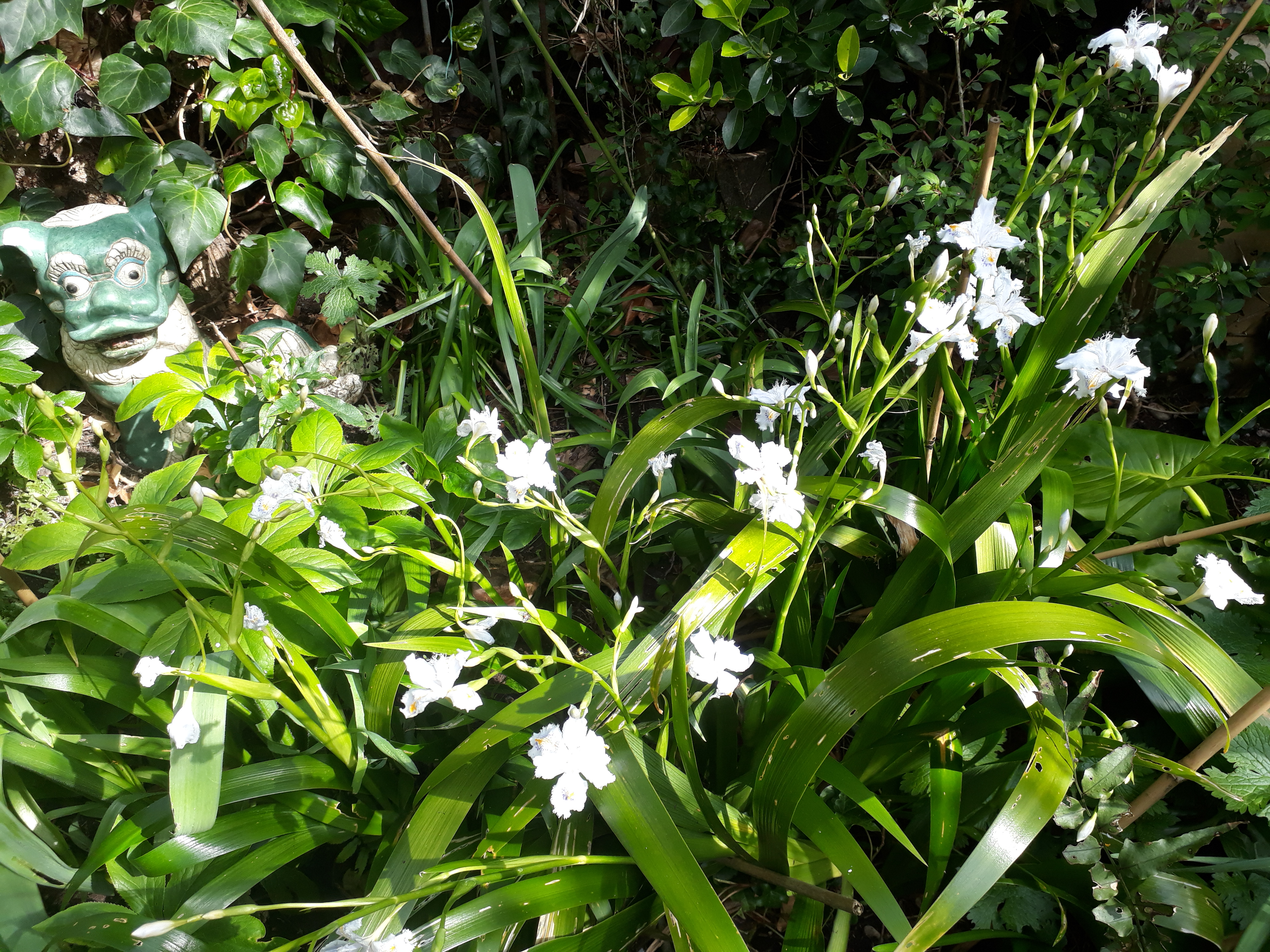
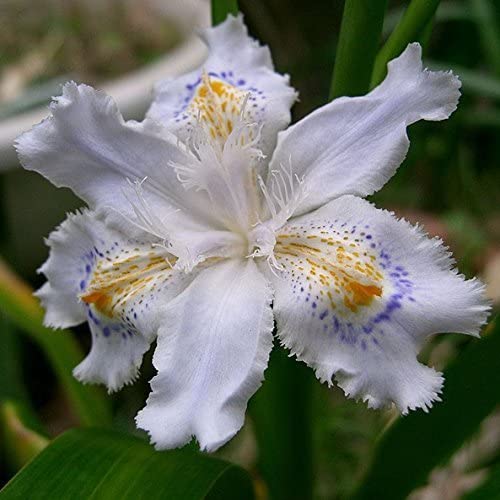
Here is Angela’s Iris japonica, or Fringed Iris, looking fab. The flowers are almost like orchids and seem to float above the foliage, which is why it is sometimes called the Butterfly Flower.
Below: Not very pretty perhaps, Kathy is very proud of her two year old “black gold”, especially as its so tricky to get hold of compost now!

Here’s Pat K’s Chionodoxa sardensis, in full bloom and some!

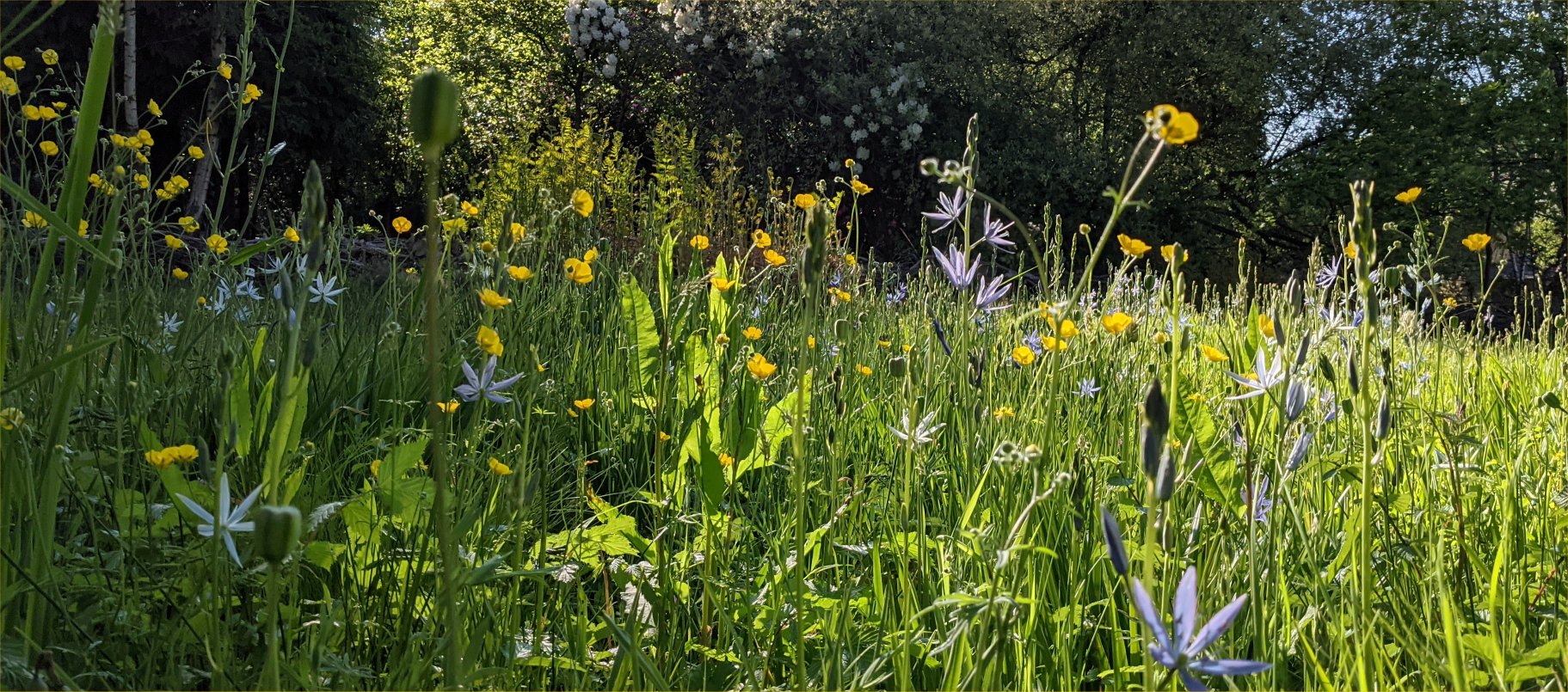
Plantlife are running their No Mow May campaign again this year. Don’t mow, then between 23 and 30 May, count the flowers in a random 1m square of lawn. Send in the results to Plantlife and they will calculate a National Nectar index to show how our lawns are helping pollinators.
Some good tips from Helen Yemm, download to view: Tips to take photos in your garden

There was a great article in the Guardian this week about taking photos during lockdown. Some fantastic ones of tulips, very topical following our recent Spring Show photos!
And on another note, here’s a photo lifted from our Facebook page – a bug’s eye view of a tulip, which someone says makes it look a bit like the Coronovirus!
The RHS is busy planning its Virtual Chelsea Flower Show, which will take place from Monday May 18th. In the meantime, they have put the whole A-Z list of exhibitors up on their website, and its a very good place to browse. Click on the exhibitor name and you get a short description of the nursery or company and the web link to their site. Good to support, some of these are small companies.
Photos of our 70th Anniversary and 1st Online SPRING SHOW 2020 winners
Our President, Sir Nicolas Bevan says, “I am greatly impressed by the quality of entries to our virtual Spring Show and I congratulate all those who sent in their photographs. At this time of anxiety and sadness our gardens can be a source of consolation and diversion and provide an outlet for our energies. I encourage all our members to carry on gardening and I look forward to the time when we can meet together again.”
The winner of Best in Show photograph is 10A, sent in by Faith. Congratulations! Here it is:

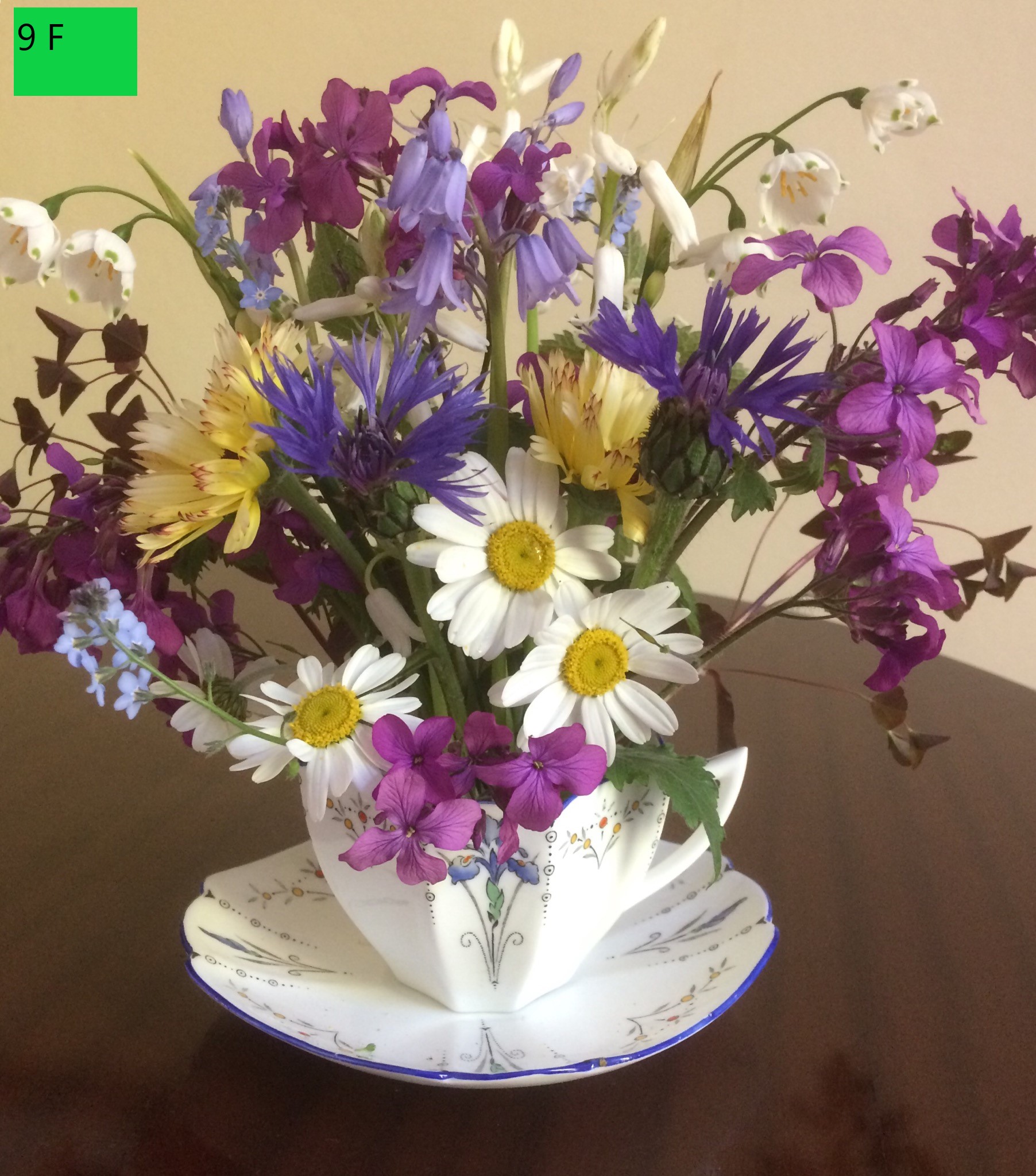
Close runners up were 9F, the tea cup display by Ann H, followed by 4D the stripy camellia by Peter S, and 2D, the white tulips by Anastasia.


We have submitted Faith’s lovely photo to the Horti-Aid Gardening competition being run by the Perennial charity, to be judged by Alan Titchmarsh, Jim Buttress & others.
CABAHS has traditionally helped to support Greenwich & Bexley Community Hospice over many years. Usually, we donate two months of our Plant Sales Table proceeds to the Hospice but this year we invited donations through this page, in celebration of successfully holding our first online Spring Show.
The National Garden Scheme has some good tutorials from their Open Garden owners. If you are going to risk planting out sweet peas due to the recent good weather, have a look at this one for some tips.

