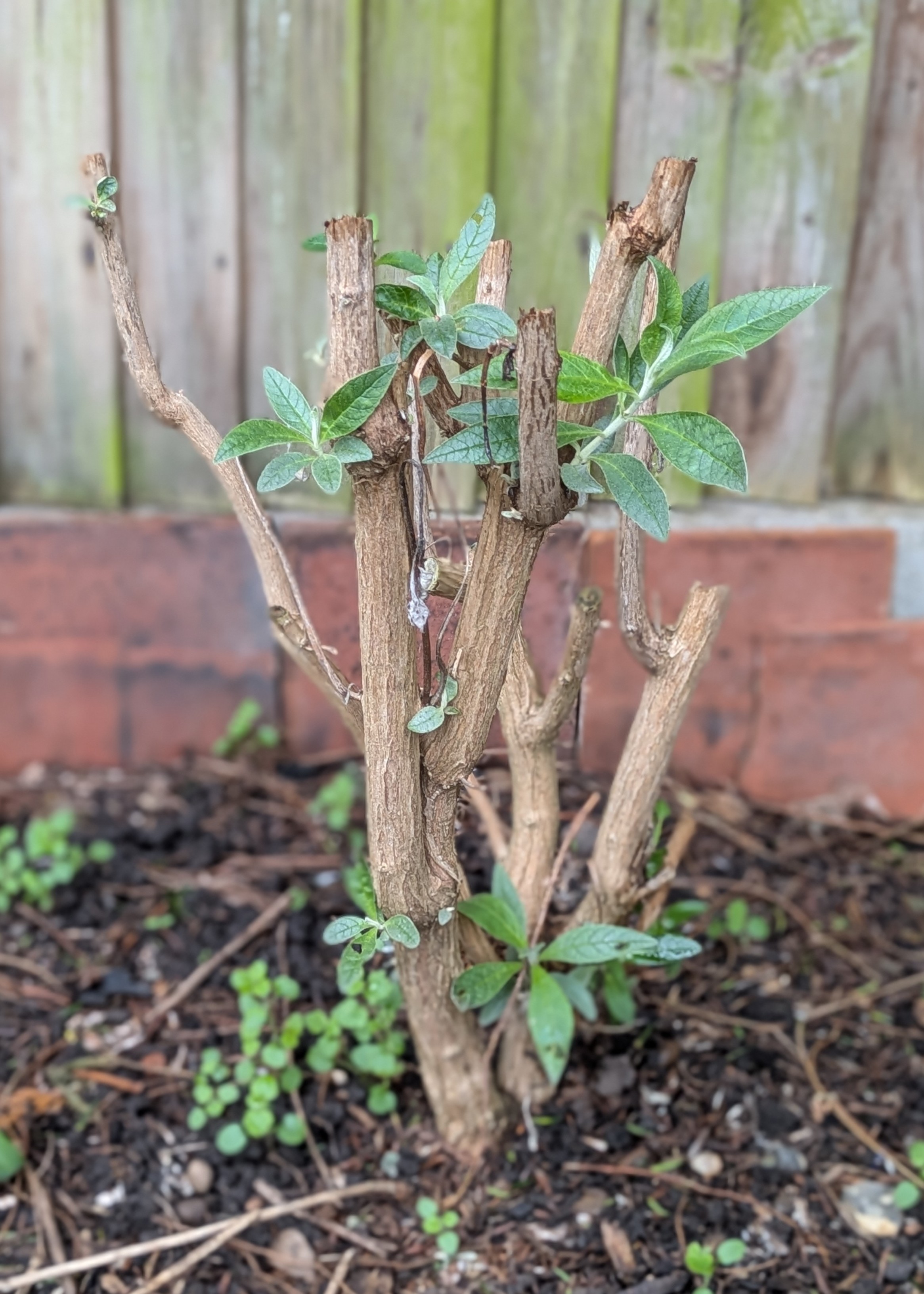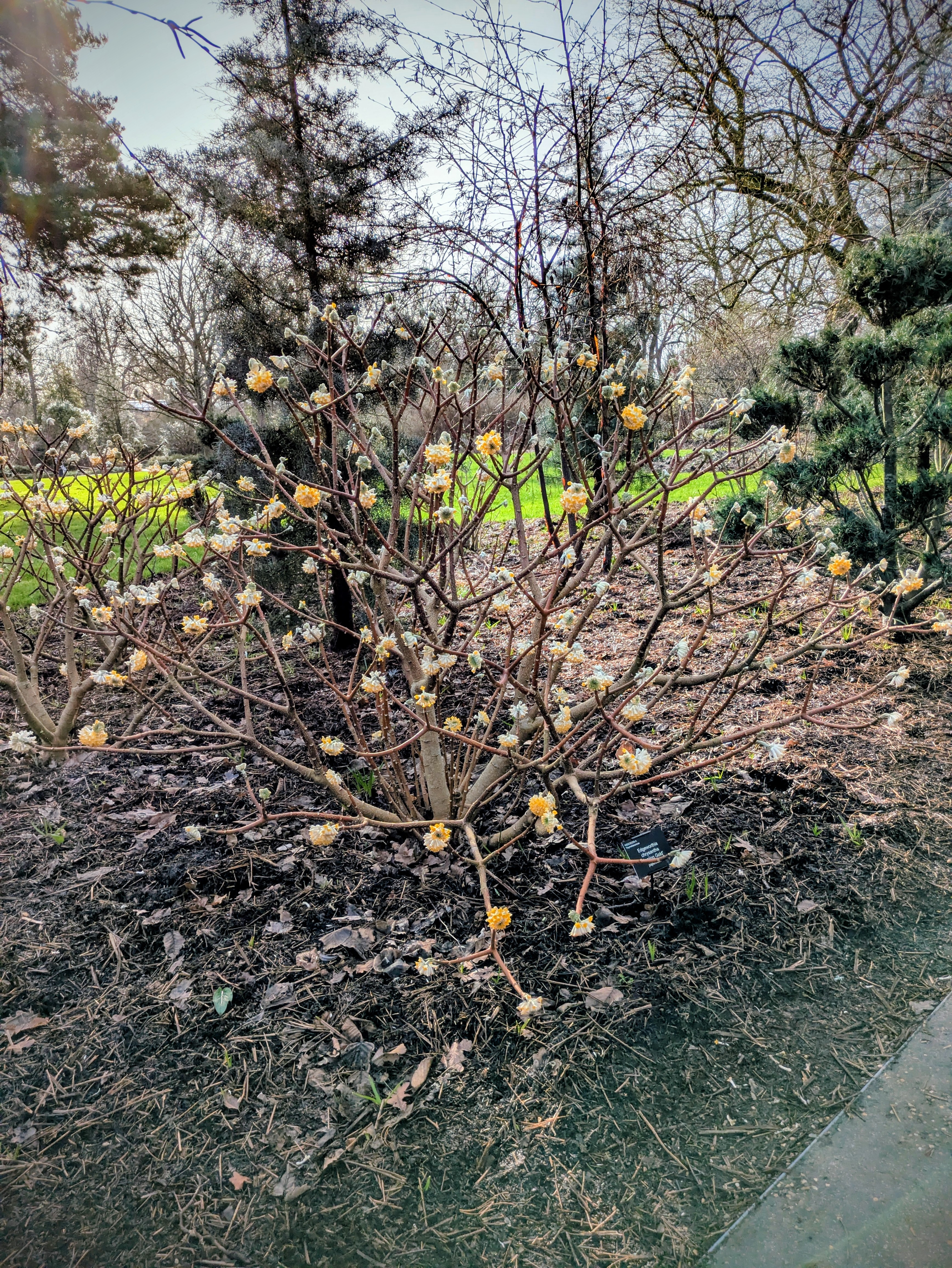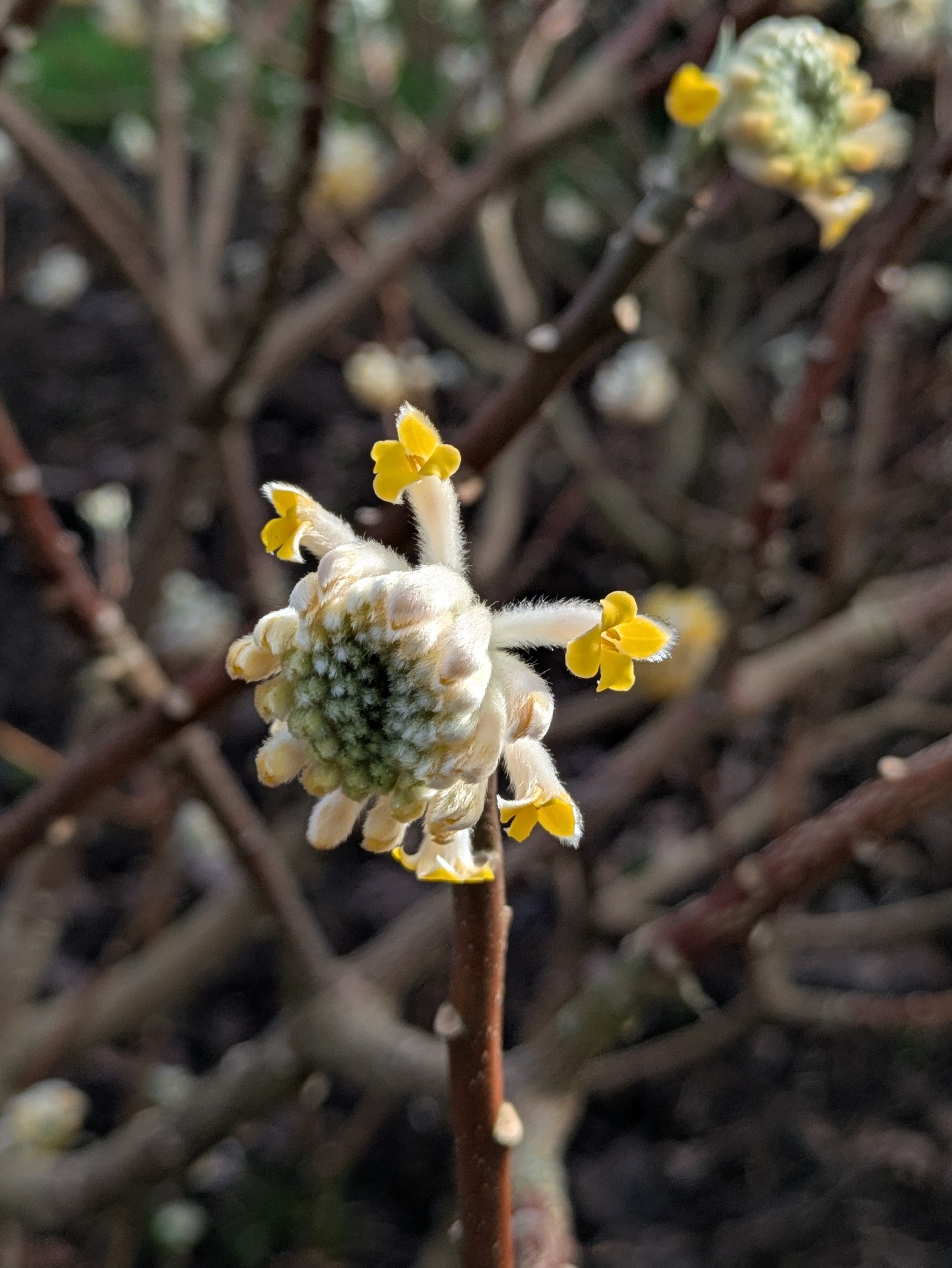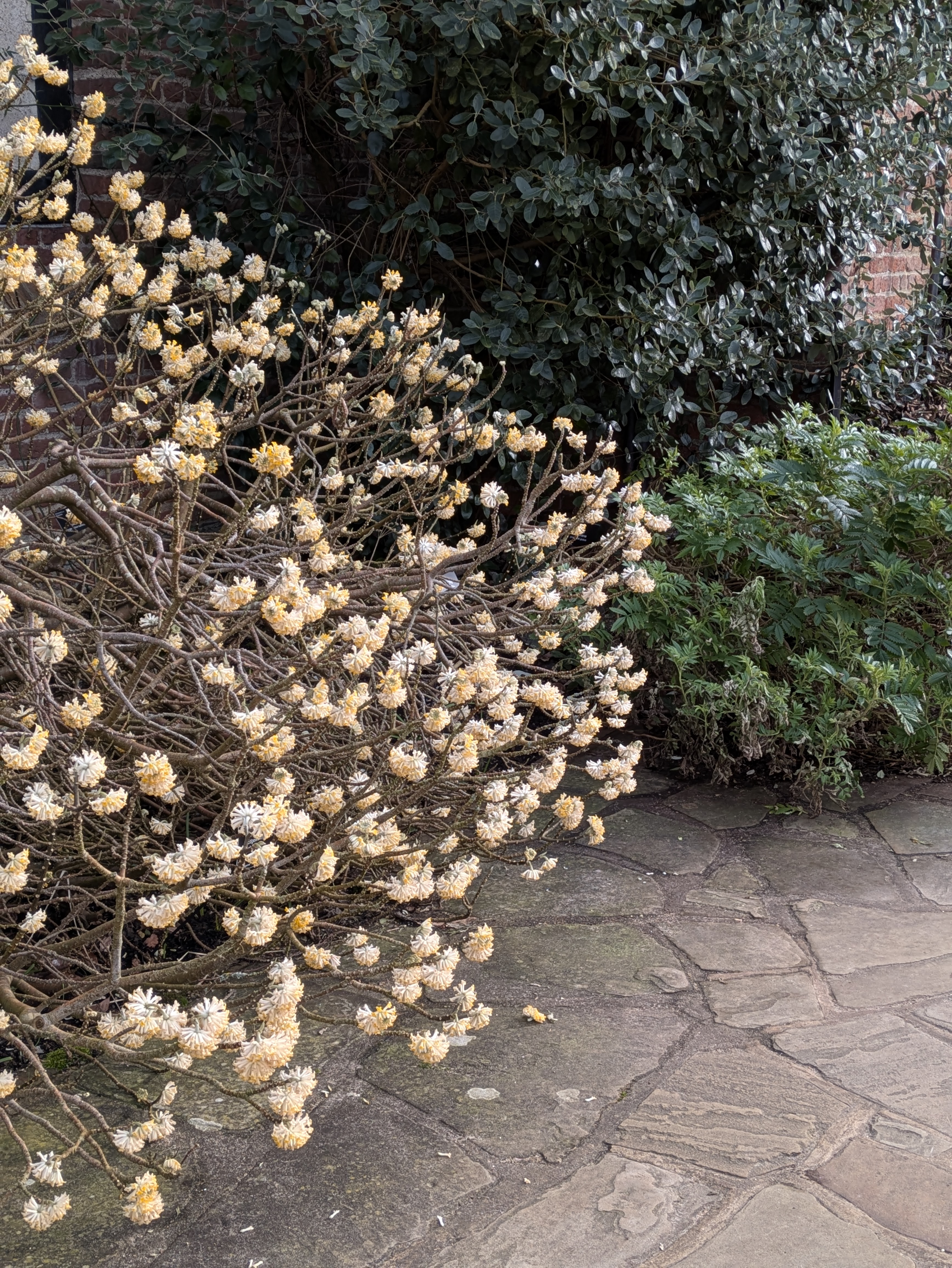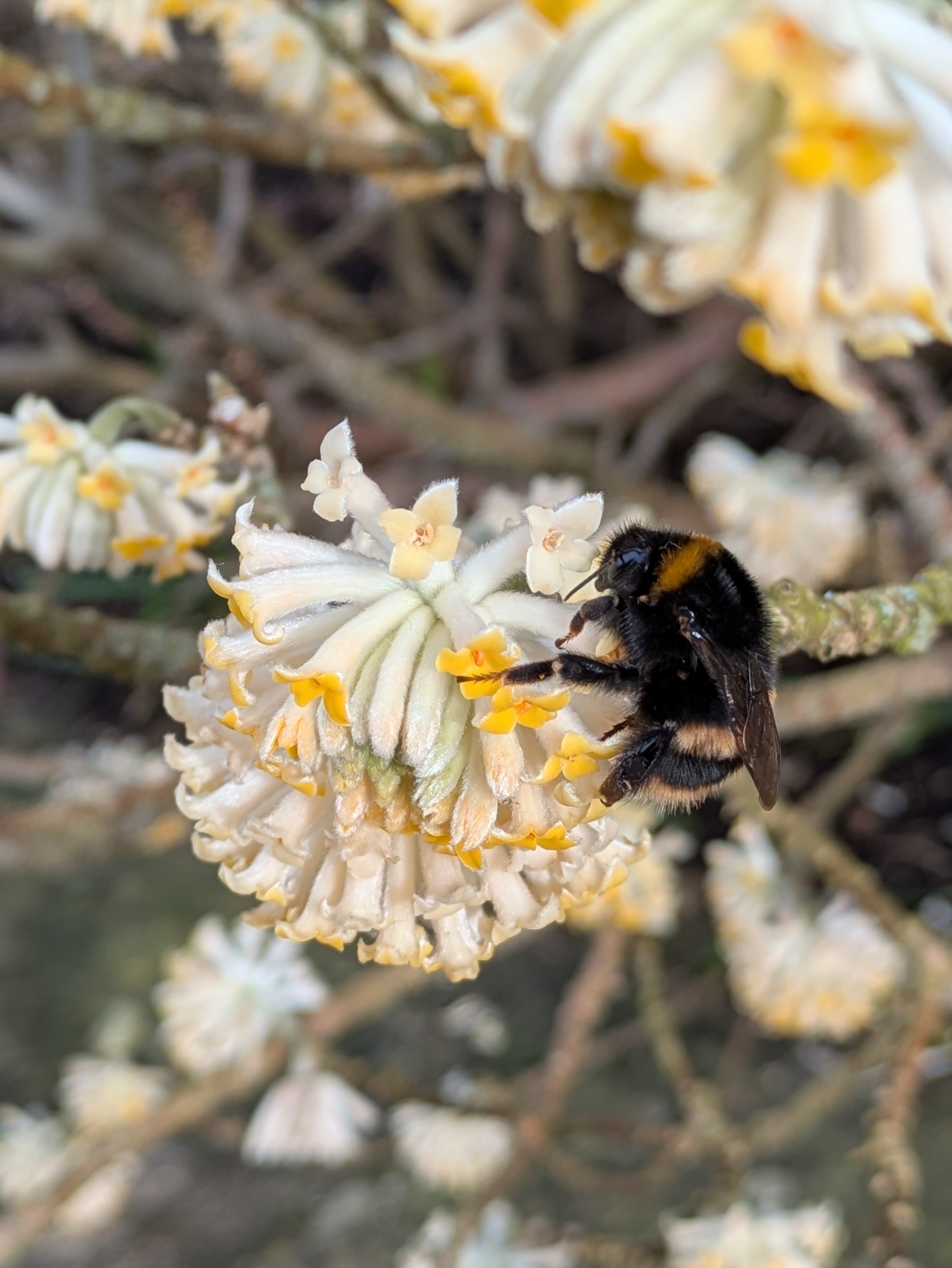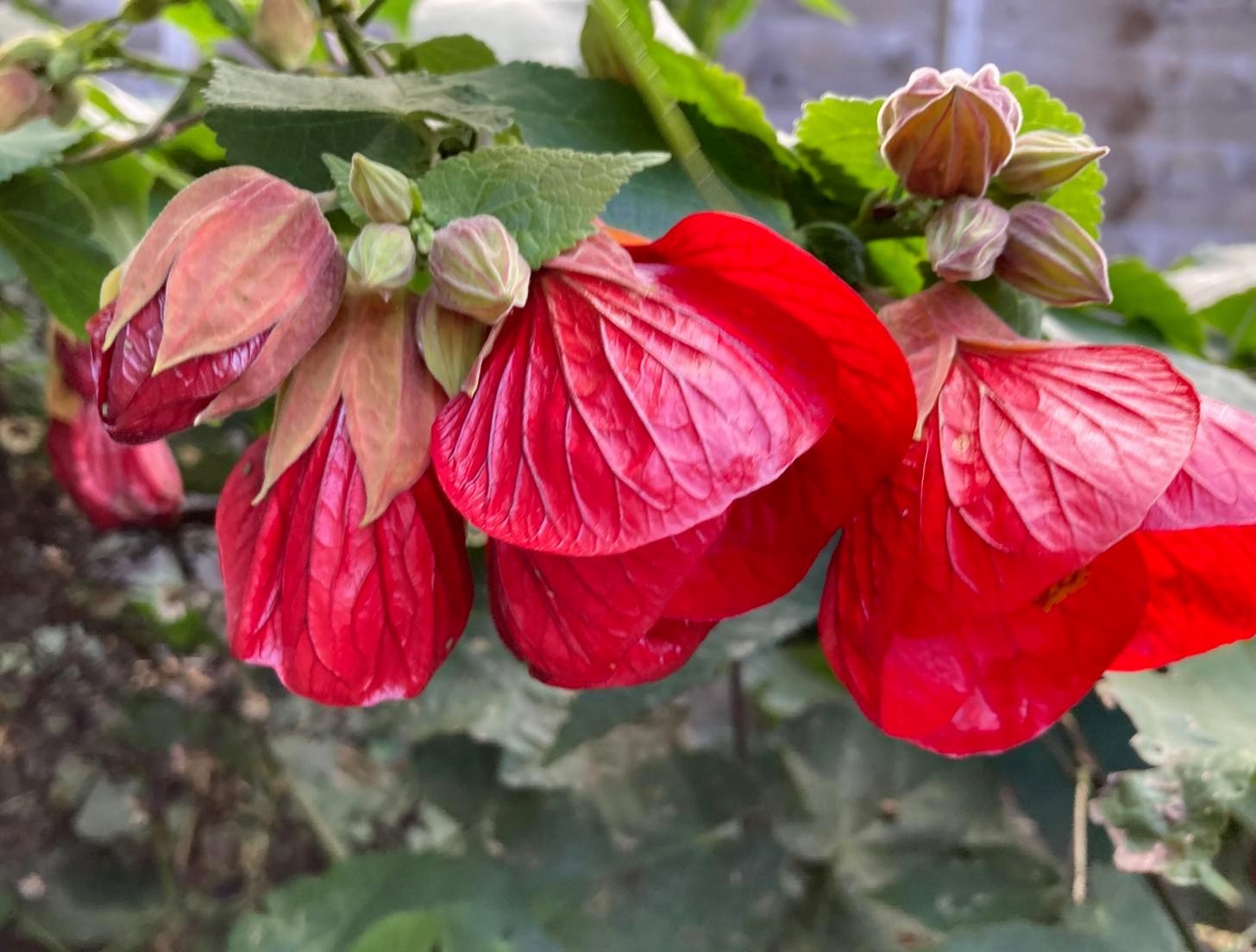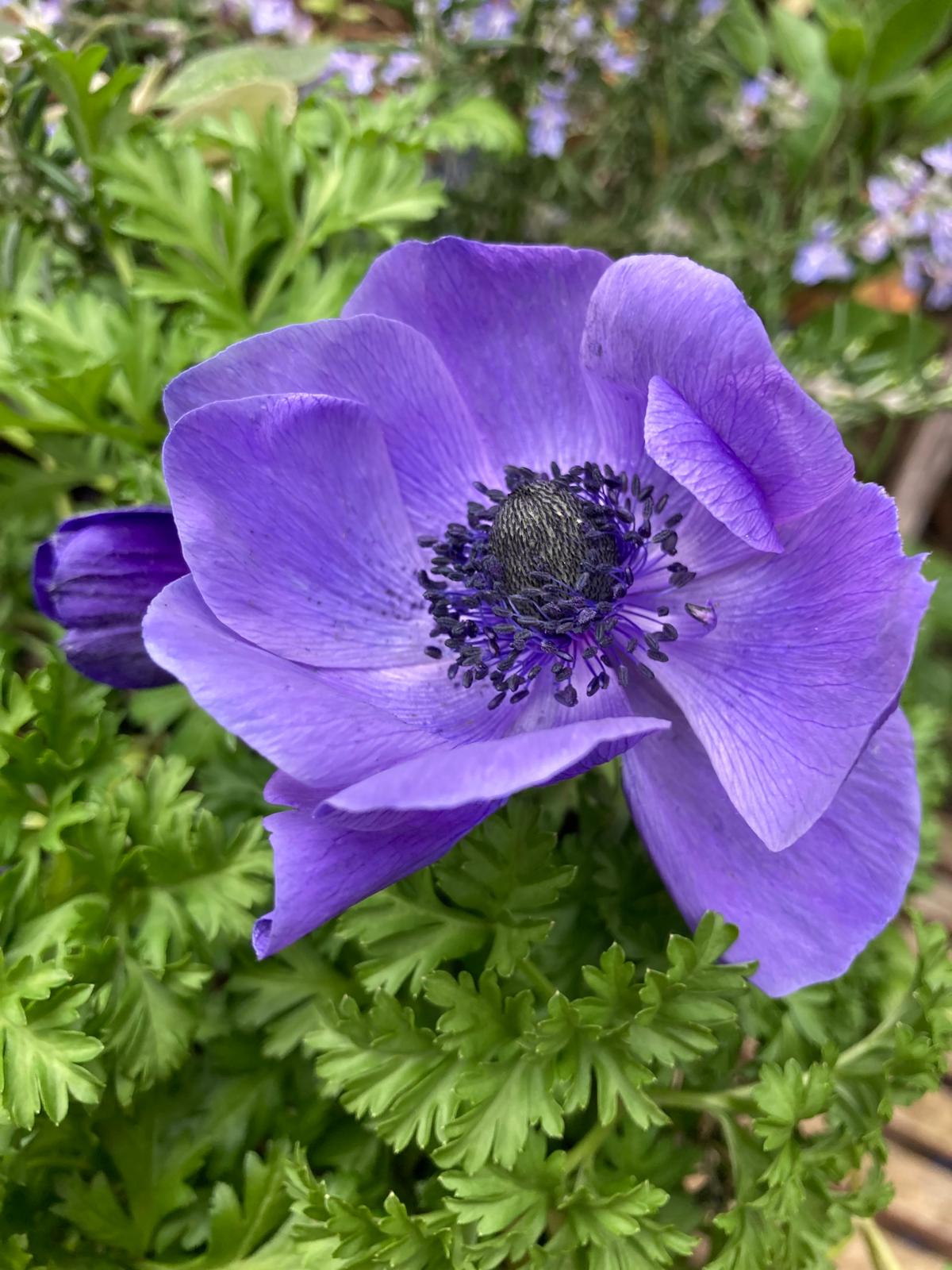
What a mild 2025 December we are having! So mild, the weather is confusing some plants, such as lavender, Calendula and yellow-flowered Phlomis, out in flower at present.
One of the joys of winter is admiring all the window boxes, the wide variety of beautiful Christmas door-wreaths and observing what’s flowering in front gardens whilst out strolling.
December is a month when the garden often takes a back seat, and when Pat deserves a break from helping you all with your garden jobs, so the CABAHS Committee have come up with a list of 10 Things that they are doing this month in, from, or for their gardens.
Everyone enjoyed seeing the autumn colour in CABAHS members gardens, so we thought we’d like to see some more – this time on the theme of ‘ingredients for a winter wreath’. People submitted photographs of evergreen shrubs and perennials, winter flowers, berries and seedheads, and here they all are, compiled into virtual wreaths – complete with festive bows! If you contributed a photo, can you spot your plant or plants?
Winter flowers and berries wreath, made up from Kathy’s ‘Spider’s Web’ Fatsia and yew berries, Jenny and Pat T’s Pyracanthas, Pat K’s ivy, a seedhead from the Old Pond Garden, Carolyn’s Fatsia, Pat T’s hellebore (won in a recent CABAHS raffle!) and Mandy, Brownie and Fran’s Mahonias.Continue reading Members’ gardens: virtual wreaths
Last week I was in Greenwich Park, in what was the Old Rose Garden for several decades, and now transformed into a fantastic herbaceous garden, a riot of colour, shapes and forms, tall grasses swaying and intermingling flowering shrubs (find out more about this transformation). I had gone there to see one specific Salvia – and what a show they were putting on!
It was a pleasure to welcome back Dr David Marsh, garden historian, academic and former trustee of The Gardens Trust. The intriguing title of his talk was ‘The Great Geranium Robbery’, about an Old Bailey trial in 1795 following the theft of numerous expensive plants…
The scene:
Daniel Grimwood’s Nursery (formerly The Kensington Nursery) in West Kensington.
There was a great turn out for CABAHS’ last meeting of 2025. As usual, there were refreshments (this month featuring mini-stollen and mince pies!), also a plant sales table, a raffle, the Show Table and – the main event – an engaging talk from Dr David Marsh, garden historian and blogger.
1. You can start planting tulips now, either in pots or in the ground. The deeper they are planted in the ground the more chance there is of them reappearing next year – but do protect them well from squirrels who love to eat them.
2. It’s not too late to plant Narcissus and other bulbs like Allium, but again as deep as you can if planting in the ground as squirrels do love to lunch on Allium.
Away from the main tourist area of Amsterdam, in the east of the city, is the tranquil oasis of the Hortus Botanicus (Botanical Garden). It is open daily from 10am – 5pm and tickets can be bought in advance online, although this is not essential.
The garden was established in 1638 and is one of the oldest in the world. It was originally a herbal garden for doctors and apothecaries. There are now about 4,000 species of plants at the Hortus.
This month we welcomed Ruth Cornett, one of our own members, who talked to us about Flowers in Art, building on some of the themes she had developed in an earlier presentation.
Ruth demonstrated that, over the years, artists have used flowers in their work to indicate and symbolise a range of meanings, from simple decoration to literary references. Depending on the context, flowers have been used to deliver a hidden message, promote certain ideas, to educate, to convey a Christian story or describe the cycle of life. Ruth’s presentation used one or two paintings to illustrate each of these themes.
Charles II of England being given the first pineapple grown in England by his royal gardener, John Rose Hendrick Danckerts, 1675