January 2025 Talk: Succession Planting for a Long Season

Our first meeting of 2025 was very well attended. The speaker and the topic obviously attracted a good audience. The Show Table received a good selection of displays, with Jean’s a worthy winner of Best on the Table.

Our speaker, Fergus Garrett, the highly influential plantsman and horticulturalist, has been Head Gardener at the internationally acclaimed Great Dixter Garden in Northiam, East Sussex since 1993 and is the CEO of the Great Dixter Charitable Trust. He gave an excellent, wide-ranging talk on how to keep our gardens looking vibrant and spectacular all the year round. He explained how to plant for a long flowering season with plants co-existing in one place, but performing at different times. He used photographs of the spectacular gardens at Great Dixter to illustrate his points. He said Great Dixter had the advantage of scale and greenhouses but it is possible to scale down what they do at Great Dixter and use their scheme in our own gardens with minimal labour.

January 2025 Talk audience

He particularly used the magnificent long border at Great Dixter as an example of how to plan a long flowering season. How to use structural under-planting, interlaying and interplanting with bulbs, self-sowers, perennials, clumps of bedding plants and climbers.

Continue reading January 2025 Talk: Succession Planting for a Long Season
Plant of the Month: Clematis (September 2024)

What a struggle it has been to protect the shoots of these two clematis from sustained attacks by the usual culprits this year!  Not only did I use a garlic spray (one clove of garlic simmered in water) but I also liberally (and continually) sprinkled spent coffee grounds around the base of the plants. Although they were saved, I did lose other clematis: scented C ‘Betty Corning’, C ‘Rising Star’ and C ‘Wedding Day’ – all absolutely lovely and such a loss that I will need to repurchase them.

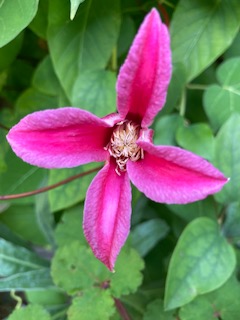
Clematis ‘Princess Diana’
This clematis is definitely one of my ‘top five’. The tulip-shaped flower is an unusual shade of bright pink, with beautifully striped markings both inside and outside of the petals (sepals).  This variety (texensis) was introduced by a British breeder to honour the Princess of Wales in 1984 and has deservedly been given the RHS Award of Garden Merit. 

As to be expected ‘Princess Diana’ came into flower late – in July, rather than June – and has been flowering continually, with eight flowers and a few buds on the vine at present. 

Continue reading Plant of the Month: Clematis (September 2024)

Pat’s Jobs for May

1. It’s a good time to take softwood cuttings of both tender and hardy perennials such as pelargoniums, anthemis and penstemons. Place in a shady spot until roots begin to form. 

2. Put plant supports in place to stop things flopping and make them yourself from shrubby prunings or just push prunings in the soil around the plant. 

3. I’ve Chelsea chopped my phlox today and also done a few clematis as they are far too tall and leggy after all the rain we’ve had. 

Continue reading Pat’s Jobs for May

Pat’s Jobs for March

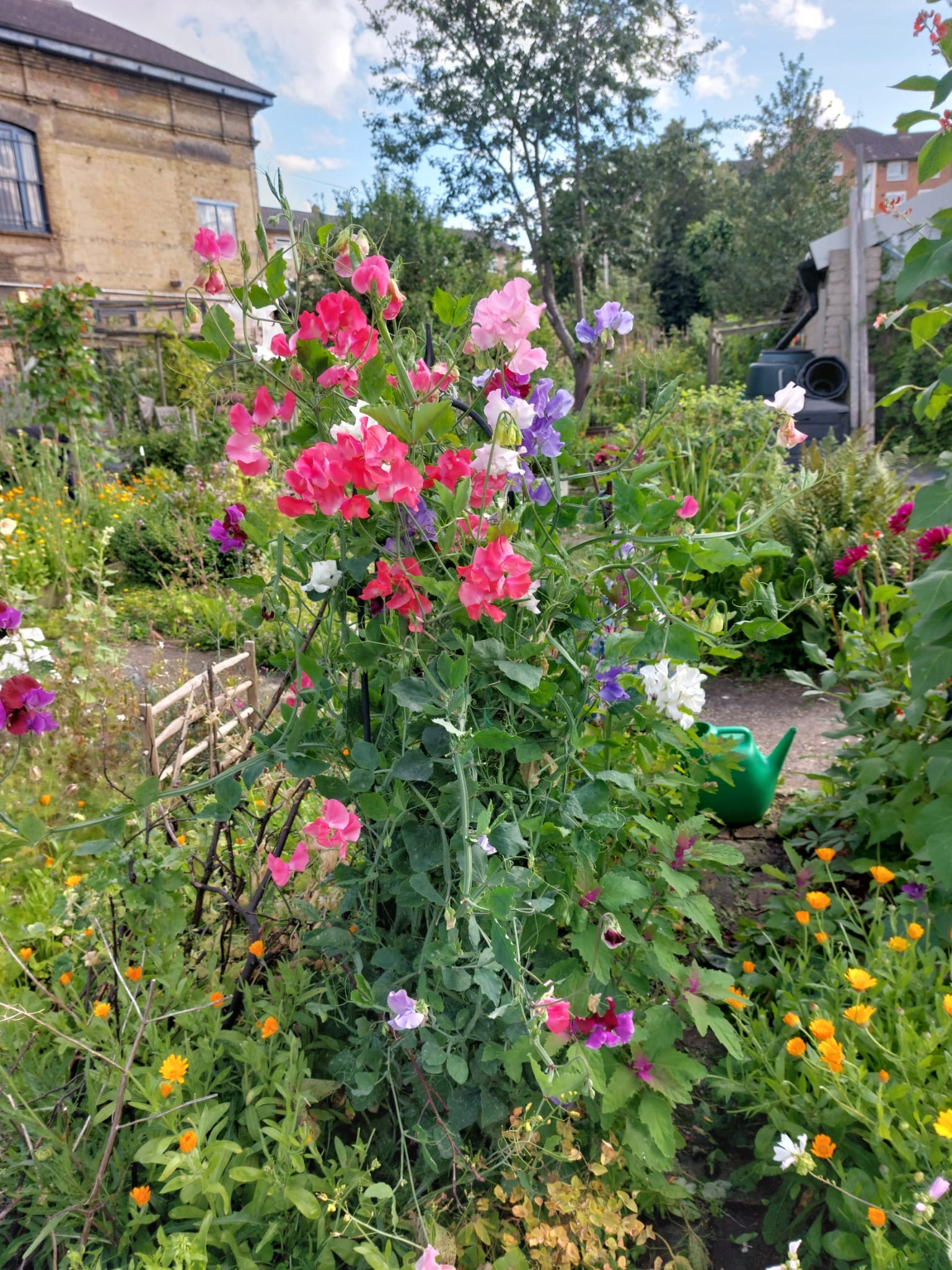
1. I sowed my sweet peas early in the month five seeds to a 3 inch pot and then placed them on a light window sill or greenhouse if you have one. They don’t need bottom heat and I don’t soak or nick the seeds but of course you can if you wish. Keep turning the pots so they don’t all lean towards the light.

2. Remove browning blooms from camellias to keep the display going especially the white ones which never seem to drop their spent blooms. I just wish I had room for more as they’re such a cheerful sight.

Continue reading Pat’s Jobs for March

Members’ gardens, May 2021

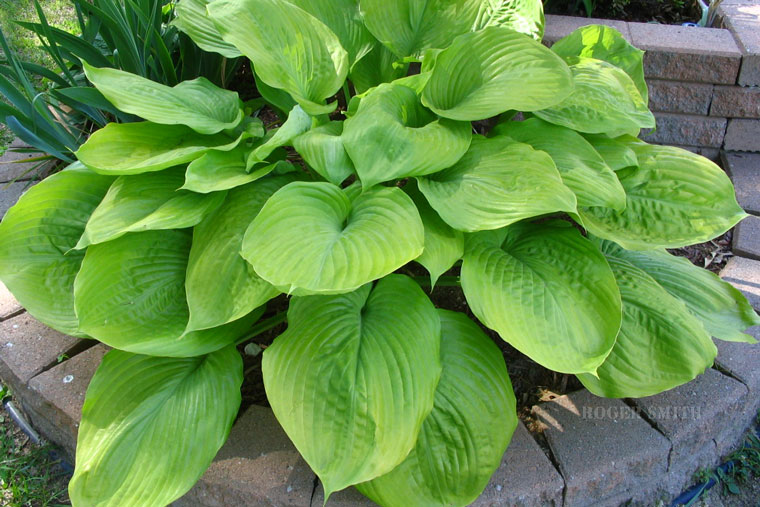
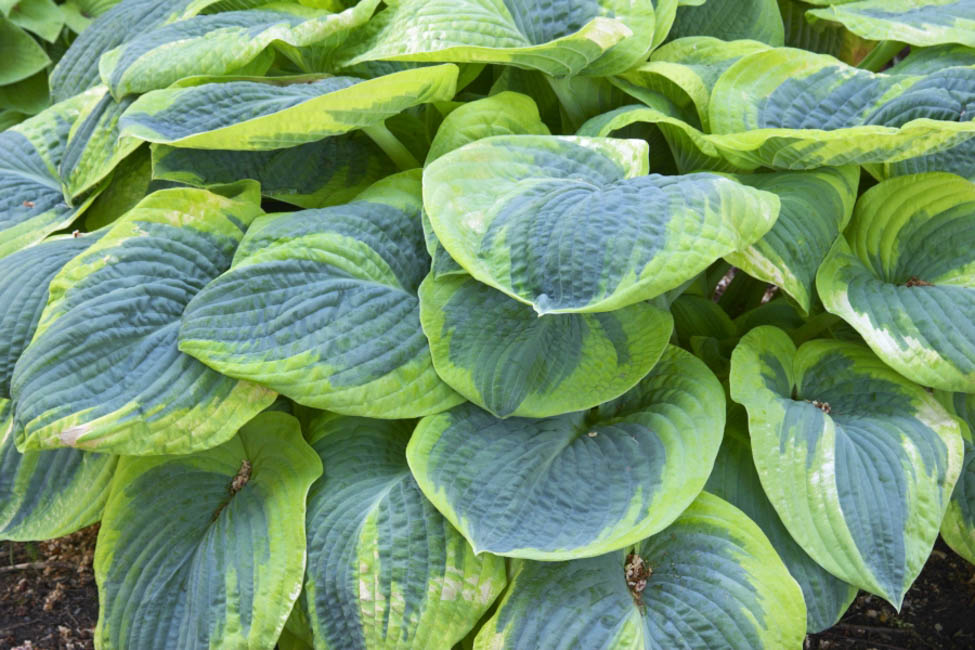
Hosta heaven and lots of spring colour in Vija’s garden. For slug control, she recommends the Gardeners World recipe for garlic spray (see Here we go gathering slugs in May).

Here is Annie’s colourful Spring garden view.

This is a little frog in Annie’s garden – she raised frogs from tadpoles in a bucket in 2019, so this might be a returning one!

Here we go gathering slugs in May…

On Sunday I picked 22 slugs off my small hostas (just to reassure readers, I don’t do this regularly – I do have other things to do!). With the advent of damper weather they are really starting to show themselves. For those who love growing hostas, slugs and snails are probably the biggest pests and even the giants like Sum and Substance and Big Daddy are not always immune to their predations. Growing in a coarse medium, or using environmentally friendly slug pellets, doesn’t necessarily solve the problem because slugs are smarter than you think. If necessary they will abseil down a neighbouring plant to get at the leaves of your hosta, so anything at ground level will not always stop them.

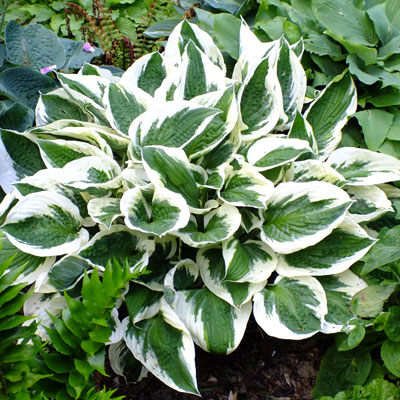
Emerging Hosta 'Patriot', with Hosta 'Undulata'

Preparatory products have been, rightly, removed from the market as they have proved toxic. A garlic wash has long been recommended as an alternative and I have used this myself in the past.

When I recently bought some new hostas (those of you who know my garden might wonder why I need any more, but I justified the purchase on the basis that one was a replacement for Dancing Mouse and the other was a gift) the recipe for a garlic wash was included with the plants, which I thought I would share with you. Please see below.

Vija

Hooked on hostas

At the last count, I had 32 hostas and most of these are in pots. Admittedly, some of these are miniatures, but nevertheless this means that in March a lot of checking and potting on needs to take place. My basic collection has increased over the years because people have given me hostas which they have bought and not had much luck with and then passed on to me. I am always grateful!

HostaSumandSubstance
Sum and Substance

I check all pots to see whether root growth is coming through the bottom of the pot; where small enough I tip the plant out and check to see whether it is root-bound or the compost is looking a bit stale.  However, Sum and Substance and Big Daddy are each about 4 feet tall and Big Daddy is in such a large pot it really needs two strong men to sort him out!  Empress Wu is catching up with these guys in terms of size. I then use John Innes number 3 to pot up again. I try and leave a fair bit of space at the top of each pot to allow for the addition of a protective mulch. I make this with a mixture of farmyard manure and home made compost, which I keep as rough as possible with eggshells – this does a good job of discouraging slugs and snails while the plants are young and gives them a good head start. The coarser leaved hostas then tend to manage quite well thereafter. This year I have added a granular feed which should last 6 months. Many years ago I read somewhere that feeding hostas produces weaker growth, more susceptible to attack and I have never fed mine apart from the spring dose of compost, manure and sometimes bonemeal.

HostaFrancesWilliams
Frances Williams

In my experience, the general gardening advice that the coarser the leaf the less likely a hosta is to be eaten by slugs and snails is true. Particularly resilient is Frances Williams and I can’t recommend this one enough. I also find Krossa Regal and Patriot very good. It’s also useful to think about where you are growing hostas. If they are crowded together in a border with lots of other plants, slugs and snails will still get to them no matter how many slug pellets you use. Snails can abseil down the leaf or stem of another plant to reach a hosta. As always in the garden, a consideration of the growing environment means there is less need to introduce artificial measures to control the pests.

HostapatriotDorset
Patriot

Vija