Before the 1920’s, the ten acres of land at Canford Cliffs was heathland. But along came a man with vision, one Thomas William Simpson, and, with the help of his head gardener Mr Middleton, a magical garden was created.
Mr Simpson was a businessman and entrepreneur (margarine) and having visited many countries, knew exactly what he wanted. Influenced by the gardens and architecture of Italy, Japan and the UK Arts and Crafts movement, he and his gardener set about creating a series of gardens, starting with the Italianate gardens, then a necklace of paths and ponds which connected finally to his Japanese Garden, thus turning his vision into reality, right up until WW2.
The garden sadly fell into neglect following the conflict, but in the 1950’s and 60’s, a new owner set about restoring it, planting the magnificent trees we see today – their maturity and majesty makes this garden quite a magical place to explore.
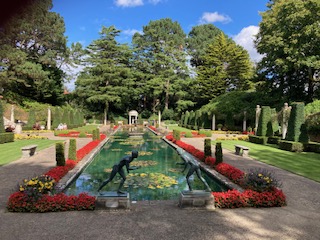

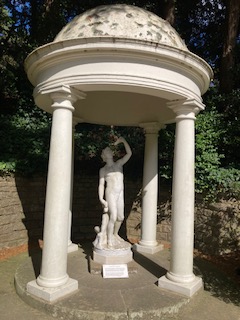
Upon entry into the garden, I came into the Roman Garden, passed through the Grotto and into the very impressive Grand Italianate Garden, the focal point being the rectangular formal pond and beyond, the statue of Bacchus, the Roman God of Wine, sheltering within a temple at the far end of the garden. This sheltered, south-facing, formal garden is a relaxing place to sit and admire its many features. This garden then leads into Palm Court, a formal garden with its row of impressive Chusan palms.
Continue reading Compton Acres, Poole, Dorset



 Charlton and Blackheath Amateur Horticultural Society