Fiona Davidson is the head of Libraries and Exhibitions at the RHS as well as being an author. Her talk at our March meeting was based on her recent book ‘An Almost Impossible Thing – the radical lives of Britain’s pioneering women gardeners’(previously reviewed by Stella). She described the lives of female gardeners in the late nineteenth and early twentieth century, a reflection of the restricted lives led by women in general during this time. Yet despite this, some pioneers became gardeners and had successful careers in gardening.
Professional gardening has long been a man’s world. The title of Fiona Davison’s book comes from a letter written by the retiring Director of Kew Gardens, Joseph Dalton Hooker in 1906. His unambiguous advice to Miss Symonds who fancied a job tending plants was to forget it. Yet women did enter the world of horticulture in the early decades of the twentieth century and Davison follows six of them as they make inroads into this male bastion.
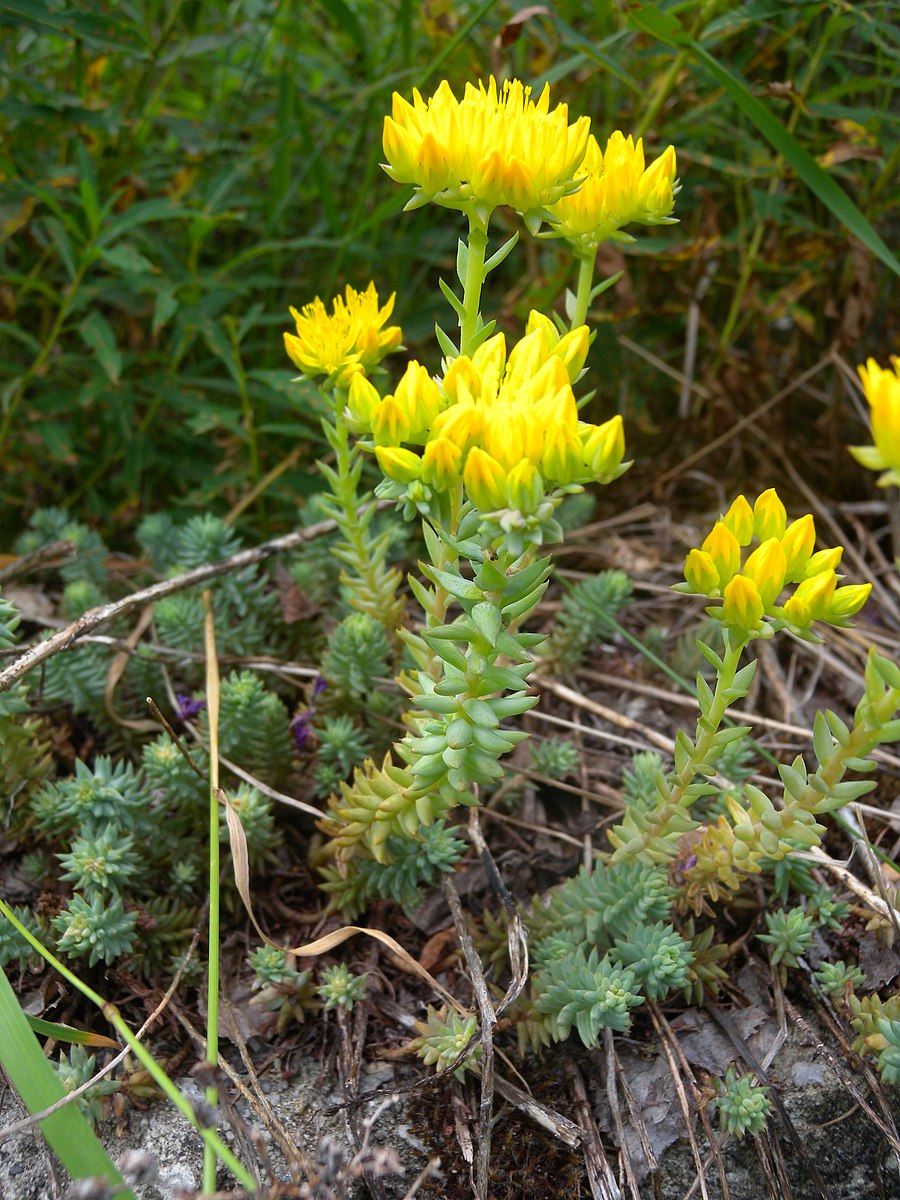
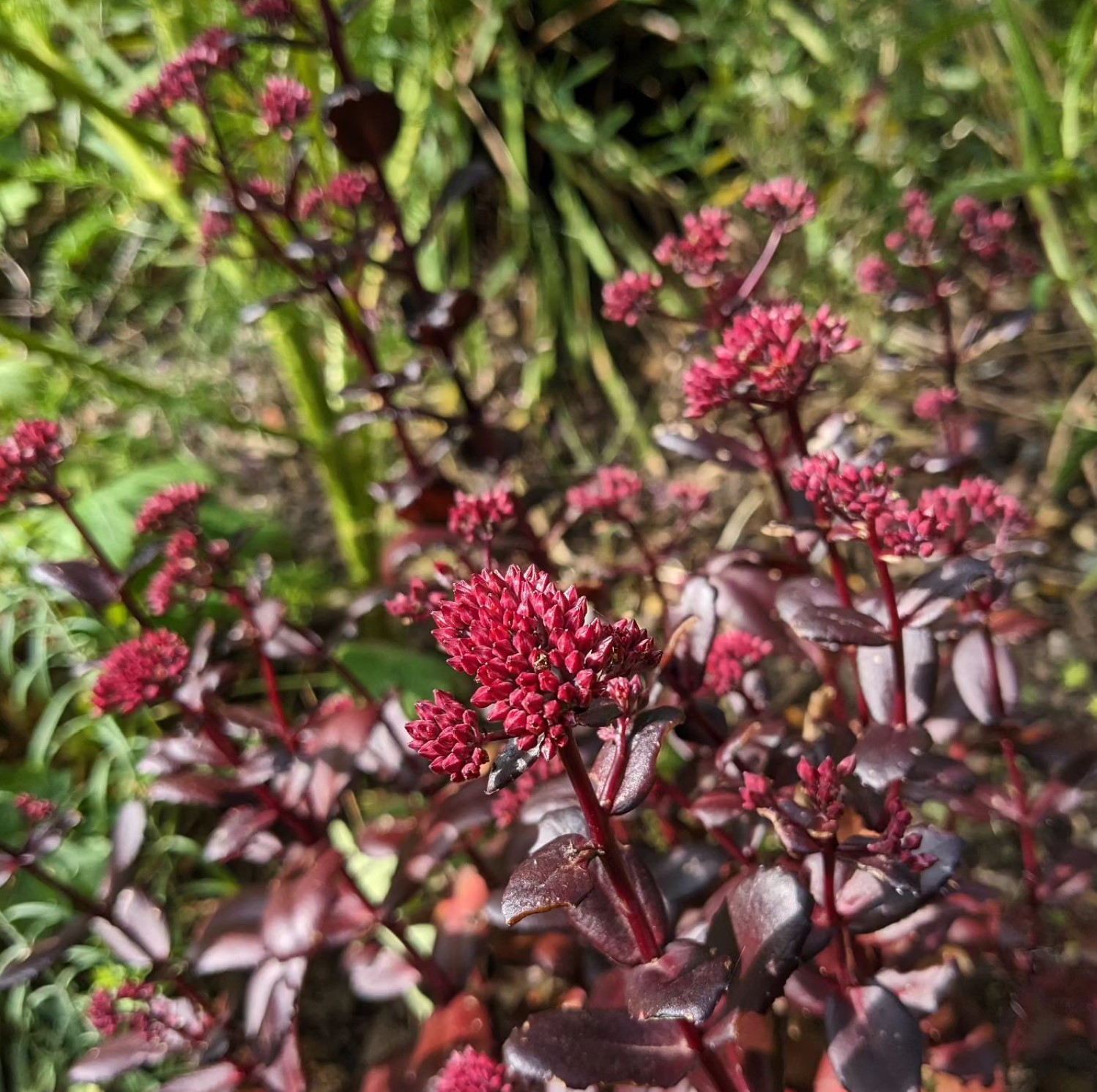
I’m sure you know by now that herb garden favourite rosemary had its botanical name changed following DNA testing. It was reclassified to the Salvia family and its proper name is now Salvia rosmarinus (while the common name of course remains ‘rosemary’). Another common garden plant, Perovskia (aka Russian sage), has been renamed Salvia yangii. And then there are the sedums, some (but not all) of which must have needed a few more syllables to sound properly botanical!
Gardeners often wonder why this happens, and feel like botanical names are simply there to confuse us. Many gardeners choose to stick to the ‘old’ names, and occasionally (but not usually!) this is rewarded as science progresses, as is pointed out in this useful article from Gardens Illustrated.
How many of us have been on holiday, fallen in love with the flora of the region and maybe even recognised a plant as one that we know can be grown in UK, either indoors or out? The temptation is huge to bring back a few seeds, to buy some rhizomes at a market (yes, those Madeiran Agapanthus were hard to resist) or – if we’re visiting friends, to accept a cutting or two. But we now know that as well as being illegal, in doing so we risk introducing plant diseases and devastating an aspect of the horticultural world we love.
The RHS give some clear advice on bringing plants back to the UK from your holidays (ie: DON’T!), but also what to do if you decide that you are willing to take on the administrative load and expense to get hold of a particular plant.
Olive trees affected by Xylella in Gallipoli, Italy. (Image from Wikimedia Commons)
As we had quite a small turnout on Monday (understandably!) I thought you might like to know a little about Russell’s great talk. Russell started his talk with some facts, such as that when war broke out in 1939, nearly 80% of Britain’s food was imported. Imports were by ship and German blockades threatened supplies almost immediately.
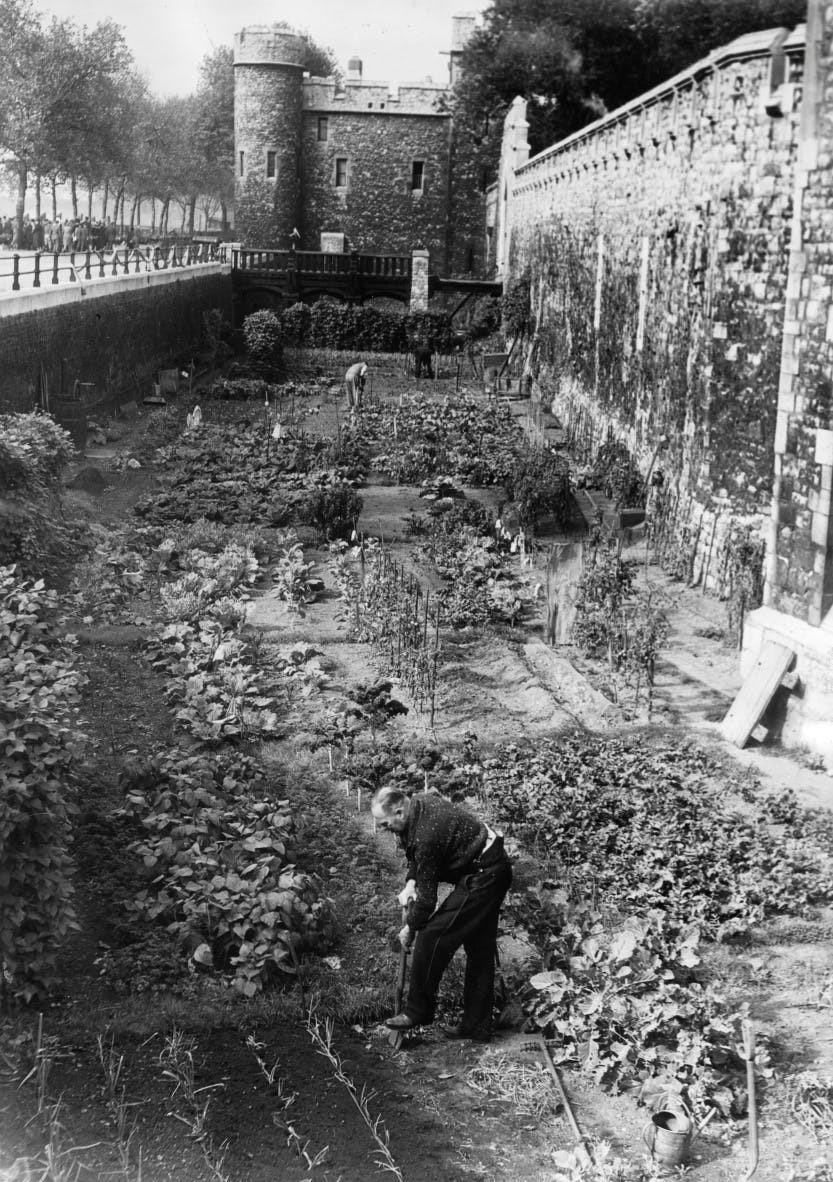
A “Dig for Victory” campaign was started and people were urged to use any spare land to grow vegetables – this included parks, golf clubs and even the moat at the Tower of London:
The campaign featured lots of posters, this one was interesting because as Russell pointed out, the man is using the wrong foot. In fact the photo was taken using a mannequin’s dummy leg!
Much of the campaign’s success, which was overseen by the Ministry of Agriculture, was thanks to the Royal Horticultural Society’s role in teaching men and women across the country how to grow vegetables year round.
Another way of increasing food production was down to the War Agricultural Executive committees which were formed in Autumn 1939 and given expansive powers over farmers and landowners in the United Kingdom. After performing surveys of rural land in their county, each Committee was given the power to serve orders to farmers “requiring work to be done, or, in cases of default, to take possession of the land”. Committees could decide, on a farmer’s behalf, which crops should be planted in which fields, so as to best increase the production of foodstuffs in their areas.
Russell told us about the Womens Land Army too. This started in WW1 but was re-established shortly before the outbreak of the Second World War, in June 1939. It was finally disbanded in 1950. At its peak in 1943 over 80,000 women worked as ‘land girls’. They came from a wide range of backgrounds including towns and cities as well as the countryside.
He included lots of anecdotes about how dedicated the girls were, telling a story about one girl who turned up late with plaster in her hair, and asked the farmer not to mark her as late because she got there as soon as she could. Her house had been bombed that night! Another walked miles through waist-high snow to get to her farm and then apologised for being late.
Russell told us that one of the most missed vegetables was the humble onion. As they were nearly all grown in France, there were shortages immediately. One time, the post office received a parcel of onions where the address label was missing, so it went to lost property. They had 38 people turn up to claim it was theirs!
There were children’s campaigns too. Doctor Carrot popularised the myth that carrots could make you see in the dark.
We also heard about Cecil Middleton, who was really the first “celebrity gardener” on radio. He broadcast in Britain during the 30’s and 40’s, especially in relation to the “Dig for Victory” campaign. He was very knowledgeable but his programme went out on Sunday afternoons, and he had a soothing voice, so his main claim to fame was that he sent people to sleep after their Sunday lunch!
We thanked Russell for his entertaining talk and asked him to judge the Show Table and call the raffle. (We should really have had a loo roll as a raffle prize..!) It was a good evening, especially as we are going to have a bit of a break in meetings now. Take care everyone, stay well!
Russell Bowes is a freelance garden historian, garden tour guide and researcher.






 Charlton and Blackheath Amateur Horticultural Society