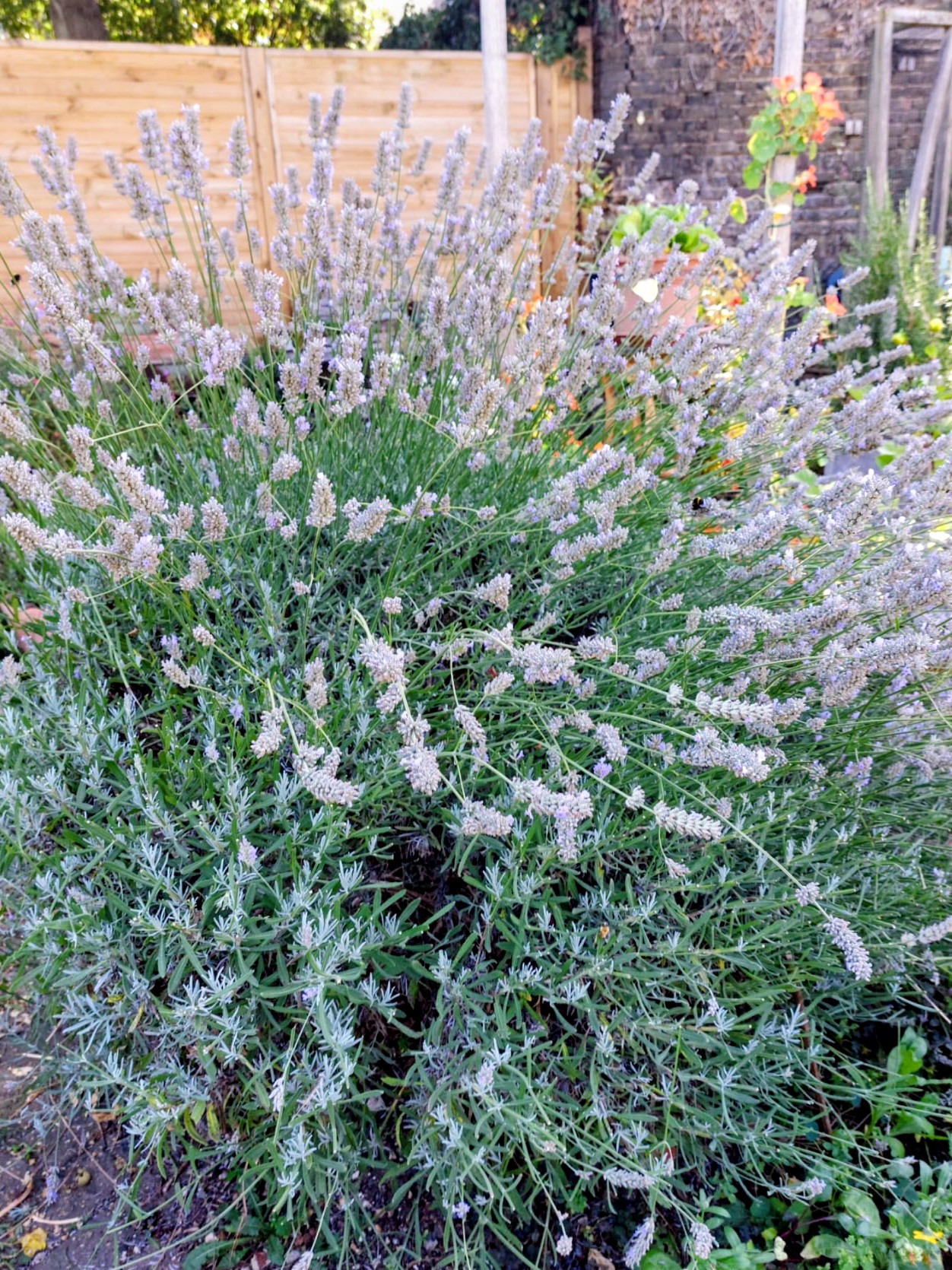
1. Time to trim back lavender hard if it has finished flowering, but try not to cut into the old wood. If you’re lucky you may get a few late flowers.
2. And time to give that Wisteria and Campsis a hack back by removing all the whippy growth and tidying up for the autumn.
Promote flowers by cutting back and watering in good time.
3. Azaleas. Camellias and Rhododendrons are making their flowers for next year and need regular water at their roots or they’ll drop their buds and have no spring blooms.
Jean and I were very sorry to miss the (highly successful) plant fair on 19 May but we did have a lovely visit to the fabulous garden at RHS Harlow Carr instead.
RHS Harlow Carr is a short drive or bus ride away from Harrogate, a very elegant spa town in North Yorkshire. The garden opened in 1950 with the intention of trialling and showcasing plants that would thrive in a northern climate as opposed to the possibly easier growing conditions of RHS Wisley.
1. It is especially important to keep Camellias and Rhododendrons damp at the roots this month as this is the time that the buds form for next Spring. Water well and mulch if you can.
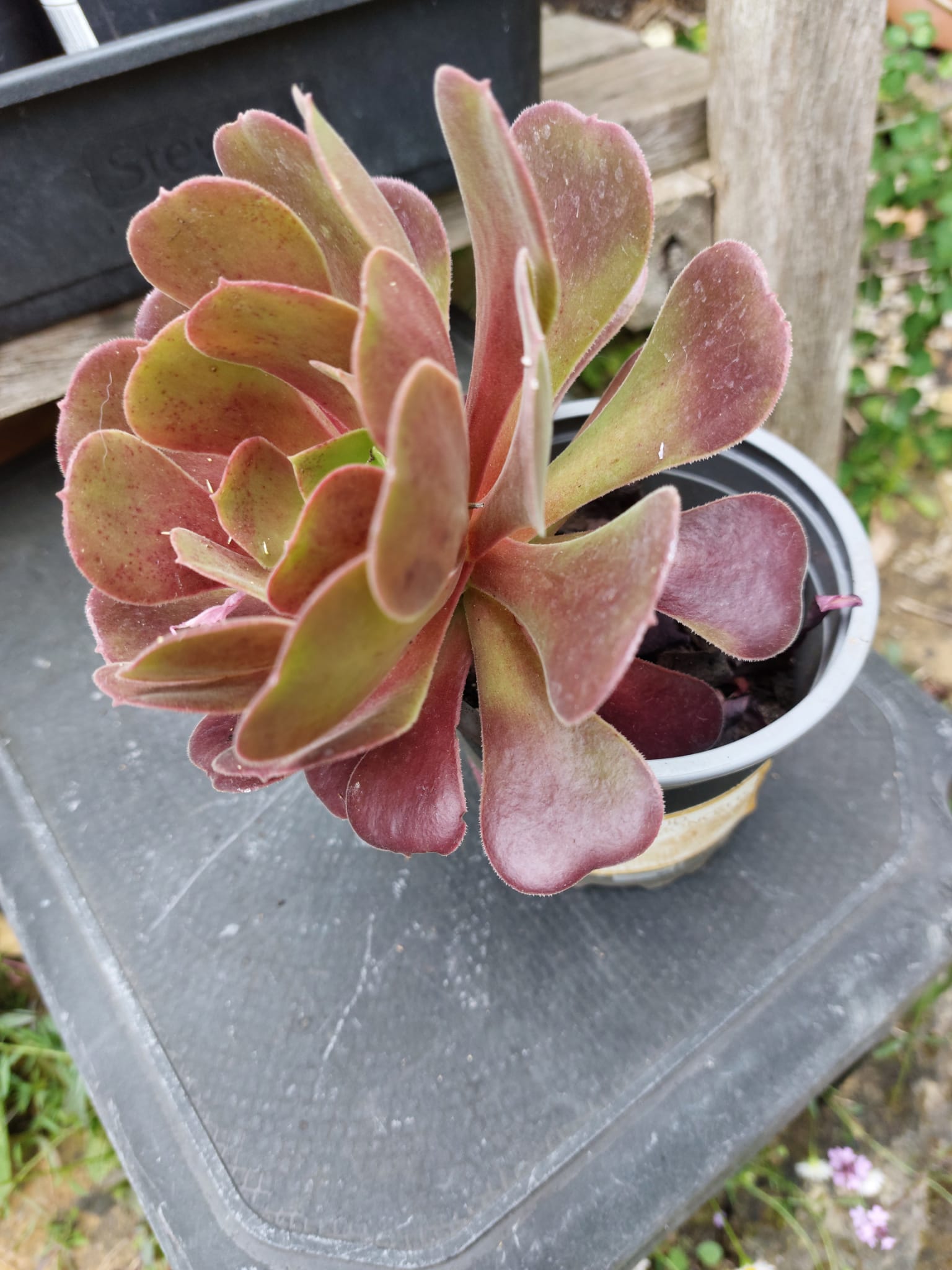
2. Take Aeonium cuttings now by severing leggy leaf stems a couple of inches below a cluster. Leave the stem end to callous over, then push into gritty compost and keep in a shady spot until roots start to form.
John Anderson has a very distinguished horticultural career. Trained at Kew, he has been head gardener at a range of famous gardens, and his contribution to horticulture was recognised in the award of the RHS Veitch Memorial Medal. In 2016, he became Keeper of Windsor Great Park Gardens, part of the Royal Estate, and managed by the Crown Estate.
It was a particularly interesting and informative talk. The gardens are unusual, situated as they are in a Royal Estate of 8000 acres, and Windsor Castle being a world tourist attraction. Yet the gardens and their management are less well known to the public. John Anderson showed a range of photographs of the gardens, described their history and development over the decades, and the challenges they now present.
The challenges include managing people whether they are tourists, cyclists or picnickers; dealing with vandalism and littering; and protecting its historic landscapes. Also the problems of climate change: evidenced in its Long Walk tree avenue, at over two miles the longest in Britain, where elm and horse chestnut were succumbing to disease, to be replaced by more resistant species such as ginkgo (Maidenhair) trees.
A successful meeting was held in June with a packed audience and we were lucky to be given an engaging and informative talk by Neil Miller, Head Gardener at Hever Castle. In 2002 Neil started as a junior gardener at Hever following 10 years as an Insurance Broker and within 4 years was Head Gardener. Quite an achievement!
Famously Hever Castle was the childhood home of Anne Boleyn, and Henry VIII frequently visited her there. At that time the surrounding land was marsh and bog land. Though there were many changes of ownership in the following centuries, it was not until 1903, when William Waldorf Astor bought the estate, that serious restoration and renovation took place and the design for the gardens was drawn up. Alongside the castle, a Tudor style Village was also built so that invited guests had rooms to stay.
On a gloriously sunny day in May, a visit was paid to the garden at King John’s Nursery. This ‘naturalistic’ garden is set within a beautiful landscape of ancient trees and meadows. We were given a laminated map of the garden layout and proceeded through the old honeysuckle-clad, wrought-iron gate to the garden beyond. This led us to the first garden room, beautifully planted in soft-pinks, the focal point being a circular, brick-built pond, fed by an imaginative water-gully. This led us into the gravel garden room, consisting of sun-loving and tender plants displayed to great effect on a slab-table, an artefact that many of us would love to possess for our own gardens!
Honeysuckle-clad wrought iron gate entrance to the gardenFirst garden room, planted with soft-pink flowersPond and water feature in the first garden roomSecond garden room featuring sun-loving and tender plants on the slab-table
From there we entered a magical place – a charming meadow with mauve-blue spires of camassias threading through and rising above the grasses, a stunning contrast to the shades of green all around. White-flowered camassias were in bud, ready to take over and bloom in the next week or so. In one corner of the meadow sat a toadstool circle, an enchanting addition for children to let their imaginations run wild. We exit beneath the clipped hedge archway into a larger meadow which includes an herbaceous long border, consisting of many taller plants such as grasses and flowering angelica. We follow the path around, to a shaded woodland dell and admire the luminosity of the rhododendron’s stunning white flowers by a gateway entrance, cow-parsley billowing alongside solomon’s seal and pass beneath the 350-year-old oak tree. Amongst the grasses, glistening in the sun, wild orchids are to be admired. We sat on the bench to absorb the idyllic setting before us, noticing glimpses of an old apple orchard beyond the boundary.
I have just spent a very happy week at Duloe Manor, a complex of self-catering holiday apartments and cottages near Looe in Cornwall. The main house was built in the 1690s for the Rectors of the local church. The whole complex is set in lush gardens of around three acres: a few mixed beds contained lovely combinations of saxifrages, irises and other familiar perennials while in less formal areas, swathes of wild garlic provided backdrops for beautiful pink campions as well as English bluebells in full bloom. In the car park several banks of pale yellow primroses remained stubbornly but delightfully in flower! Majestic rhododendrons provided splashes of magenta and purple.
A visit to Exbury Gardens in the week between two May Bank Holidays was a treat for the senses. I last visited after the summer drought and before the winter storms and asked myself, ‘how would everything look?’ In short, everything looked thrillingly fresh.
There have been some losses, which, while regrettable, have provided opportunities to the gardeners to open up views, plant new (drought-resistant) species and create entirely new gardens.
The talk was given by Melanie Aspey, a CABAHS member who has been the Rothschild archivist for 28 years. Providing photographs and documentation from the Rothschild archives, she said the Rothschilds are best known for banking, their art collections, philanthropy and wine, but many of them have also had a keen interest in horticulture reaching back to Mayer Amschel Rothschild (1744-1812), the founder of the dynasty, who lived in the Frankfurt Jewish Ghetto.
After the defeat of Napoleon, thanks to their support for the allies, the Rothschild family was able to lobby for the retention of the right for the Jewish Community to buy real estate outside the ghetto. Mayer Amschel’s son, Amschel, considered that building a house would be too ostentatious, but a garden would better serve their needs. Instead he established a garden which he subsequently opened to visitors and for charitable purposes. He spent vast sums on plants, some of which (and Melanie showed one of the plant sale receipts from the archives) he imported from England. Later taken over by the Nazis and bombed by the allies, the garden fell into disrepair but parts have recently been renovated.







 Charlton and Blackheath Amateur Horticultural Society