
I can’t remember how many years ago I picked up Margery Fish’s first book, the tale of how she and her husband Walter bought a house in Somerset just before World War Two and created a garden on its two acres of land. It’s an easy and enjoyable read, and I loved it. Her barely-veiled criticism of Walter’s martinet tendencies made me laugh, and her joy and enthusiasm for plants and gardening informed and excited me. On every re-reading (there have been many!) I learn more, and get new ideas, though as time goes on I think I like Walter less and less.
Each area of the garden gets a name: the Lido, the Ditch, the Herb Garden, etc – and each short chapter has a pithy title such as ‘Rock gardening’, ‘Gardening with a Knife’ and ‘We Made Mistakes’. Although the Fishes were of a class that would have been used to staff, the times meant that they did most of the work themselves, with just an occasional ‘garden boy’, so the descriptions are very hands-on. They did, however, still dress for dinner, and the image of Margery clambering up a rockery to water precious new plantings in the top of a wall whilst still in her satin finery is vivid in my mind.
Mrs Fish was in her forties when they bought East Lambrook Manor, and hadn’t really gardened before. She only really got into her stride after Walter died in her fifties (he was 18 years older), and wrote this, her first book, in her sixties, at which point she became known as a gardener and wrote several more books. All are lightly written and informative, but the combination of memoir, wry humour and discovery in ‘We Made a Garden’ makes it the most successful, in my opinion – a gardening classic.
As you can imagine, it has been a long-held ambition to visit East Lambrook Manor, now a Grade 1 listed garden, and I finally managed to get there in April 2024 …
Ali H
If you read a book that would be of interest to our members, please think about writing a review and sending it to garden@cabahs.com and it could become a post like this.



 People have collected and pressed plants from the earliest times, when explorers returned from faraway places laden with Botanical specimens. During the Victorian era, pressing became a genteel art and pressed plants were used to create pictures and decorate all manner of objects.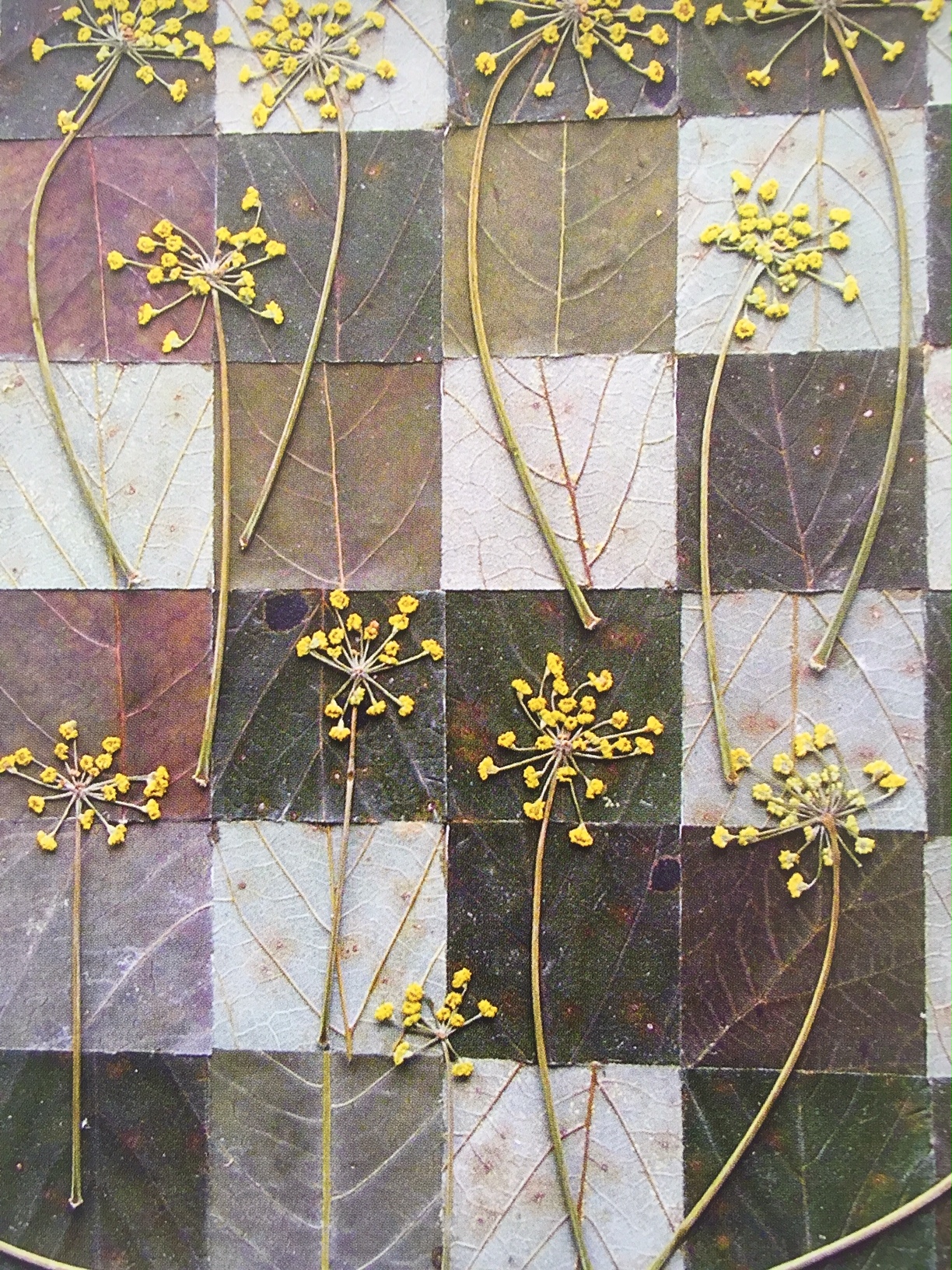


 Charlton and Blackheath Amateur Horticultural Society