Autumn Colour in Members’ Gardens

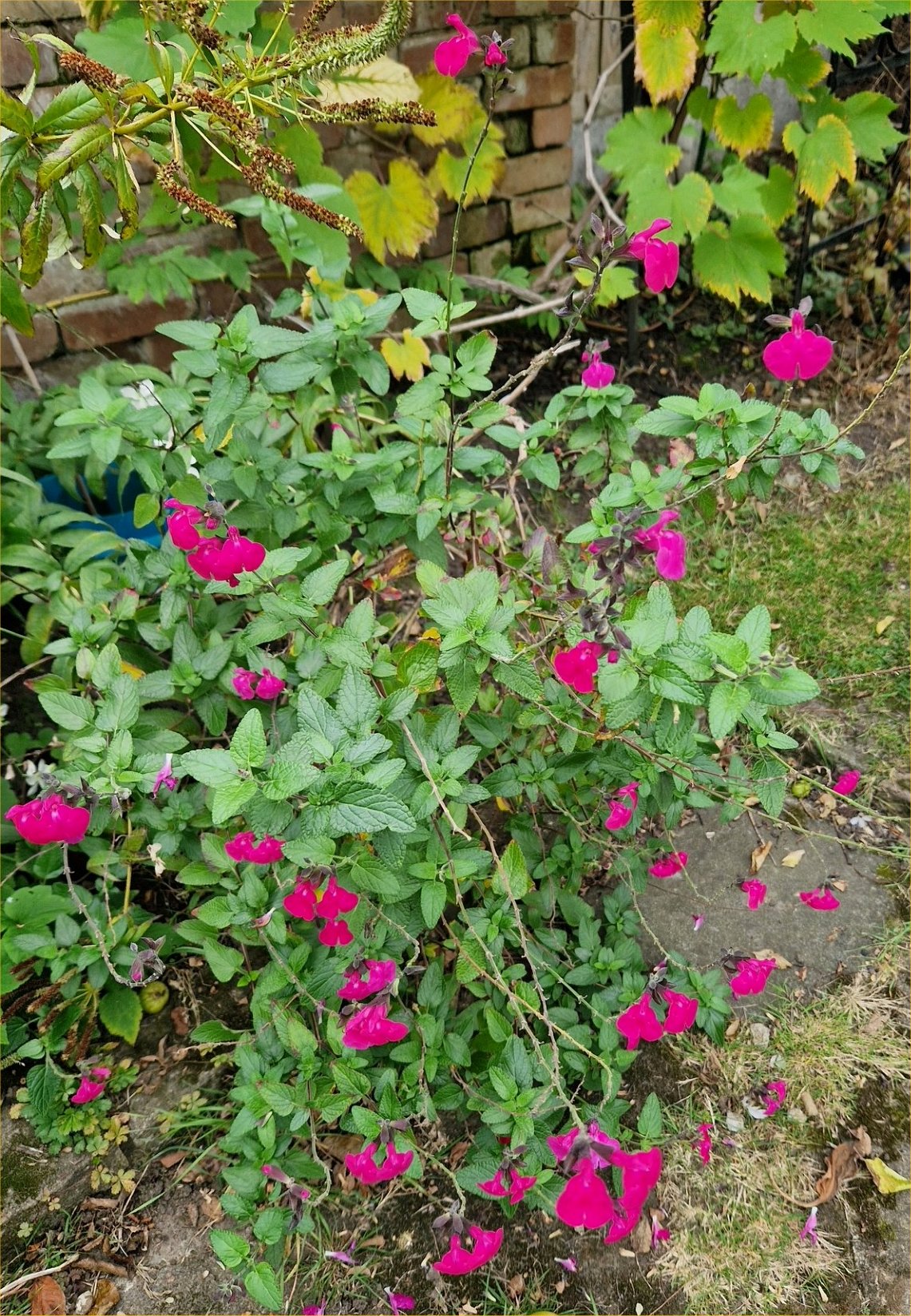
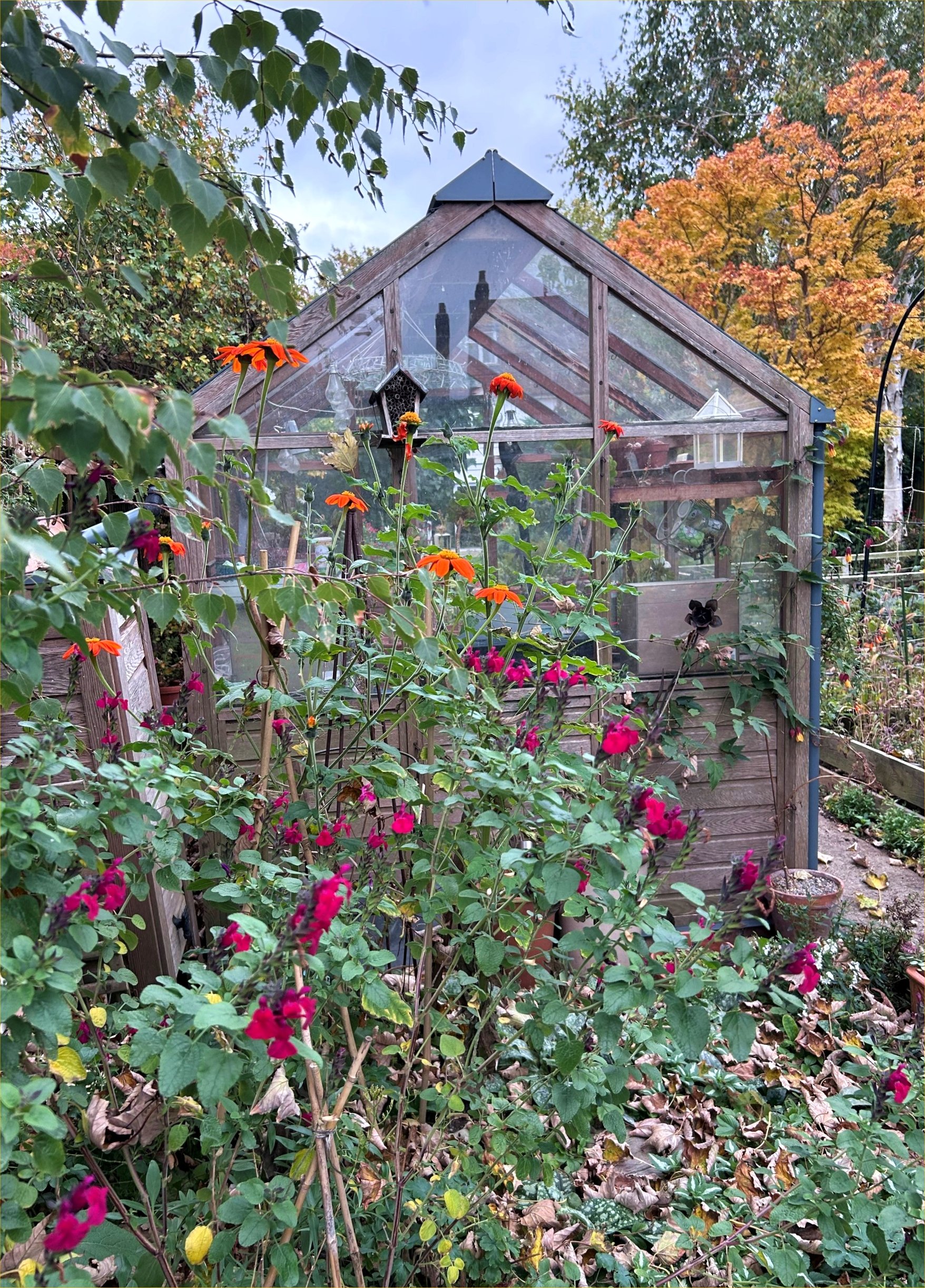
This year’s ‘autumn colour’ seems to have developed quite suddenly and intensely, but may be short-lived. So we asked CABAHS members to share photographs of the colour they could find in their gardens this week. The weather has been dull and grey most of the time, yet these late flowers and glowing leaves shine out of the gloom. You can click on the images for more information and to see at full size.
Take a tour…

We tend to focus on brightly coloured leaves when we think of autumn colour, but several groups of flowers add plenty of zing to the October garden. Salvia really is ‘Plant of the Month‘!

Salvia doesn’t get all the glory though – there’s competition from another richly-coloured group, the Dahlias.

Continue reading Autumn Colour in Members’ Gardens

Pat’s 10 jobs for October 2025

1. Salvias are flowering their hearts out now but make sure you have some cuttings on stand by to cover any winter losses. And remember that quite a few are tender and will need winter protection in the colder months.

2. Last year I dug up my Dahlia tubers and potted them up once they had died down but lost quite a few despite keeping them frost free. So this time I will try leaving some in the ground and giving them a thick mulch. Of course, the problem then is trying to protect the new growth in spring from slugs and snails, so they’ll need keeping an eye on.

Continue reading Pat’s 10 jobs for October 2025

The View from my Window

The small patio is shielded from the sun, in a south facing garden, by an Acer palmatum ‘Katsura’.  The tree caught my eye while on a trip to Kent.  Must have one of those I thought.  The sapling was bought and is now well mature.  Some of the limbs show signs of viral attack, but it soldiers on. 

Early to leaf, in February, the leaves are green and red.  It produces sap, which attracts the aphids. With the aphids, the small birds make regular visits to eat the goodies. The birds include Blue, Great and Coal Tits, Robin and Goldfinches.  The Dunnocks also pay a visit, foraging in the growth below, together with a variety of bees including the distinctive yellow faced variety. Soon after, it will produce a vast amount of blossom, and after that very small sycamore-like seeds.  In time and onto autumn, the leaves go from yellow to orange and then fall, covering all the surrounding ground.

Continue reading The View from my Window