


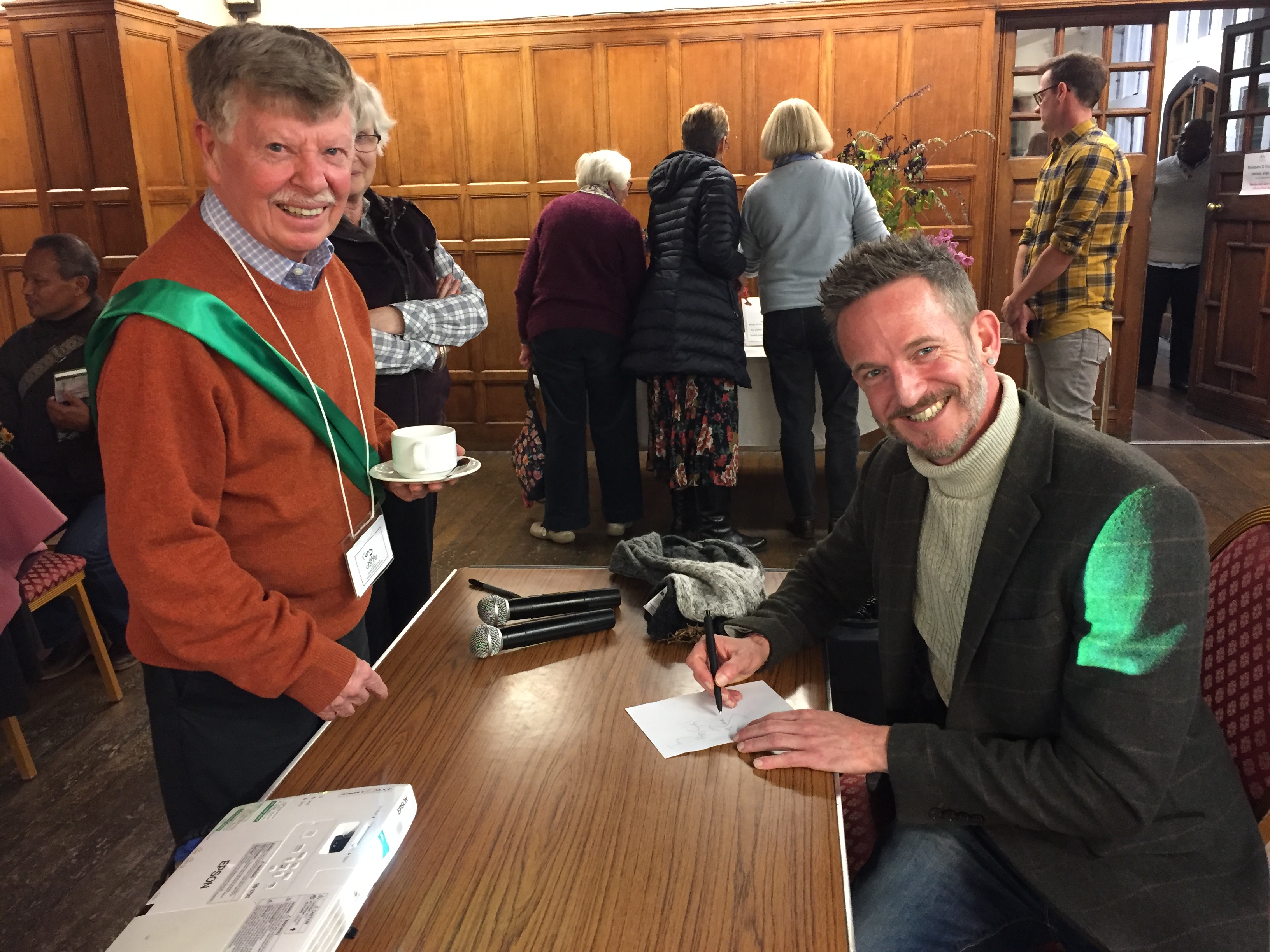
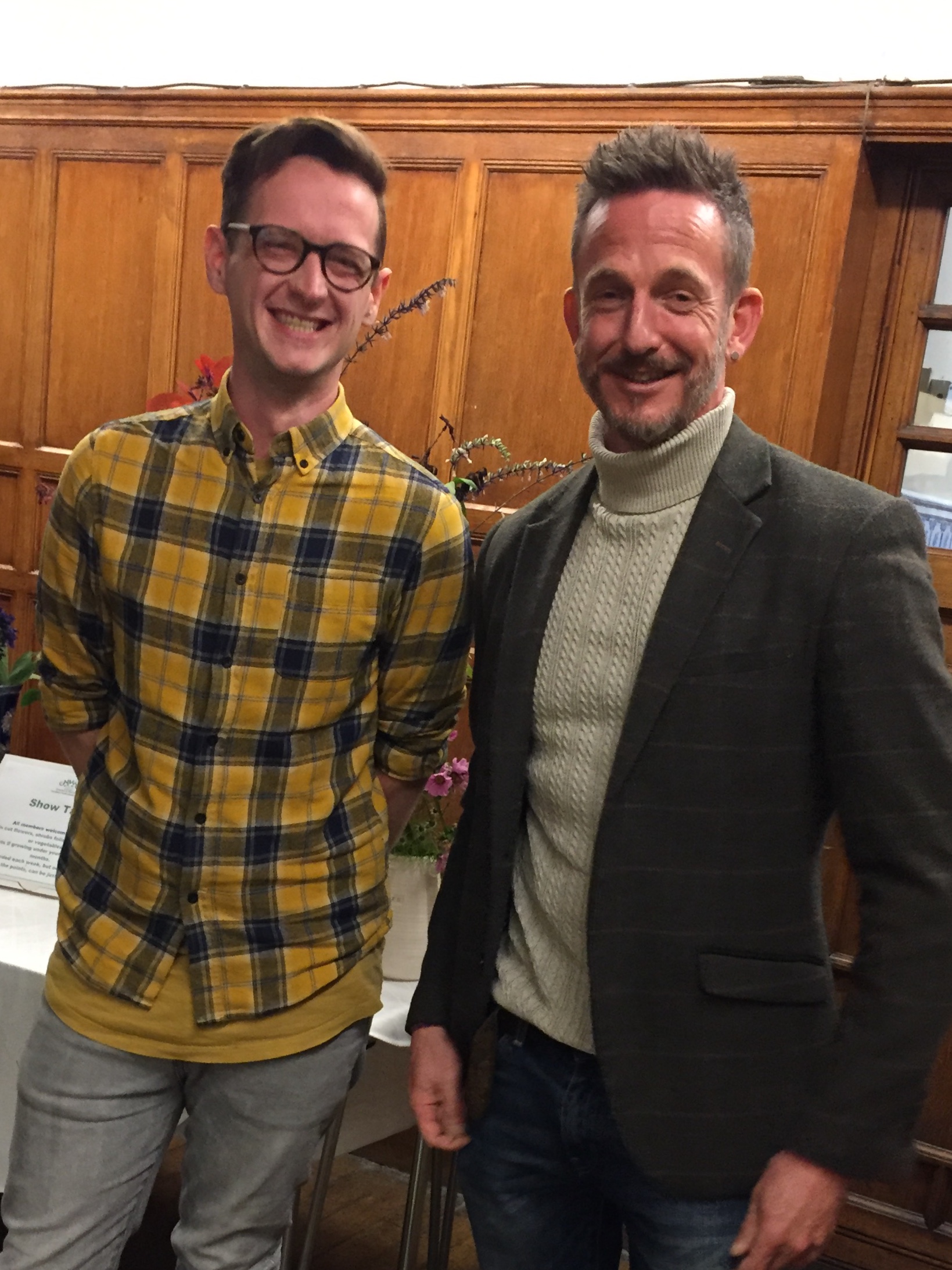


Congratulations to local heroes Charlton Community Gardens – Charlton Station and the Community Orchard in Charlton Park for achieving Gold and Outstanding awards at London in Bloom. An inspiration to all of us gardeners!
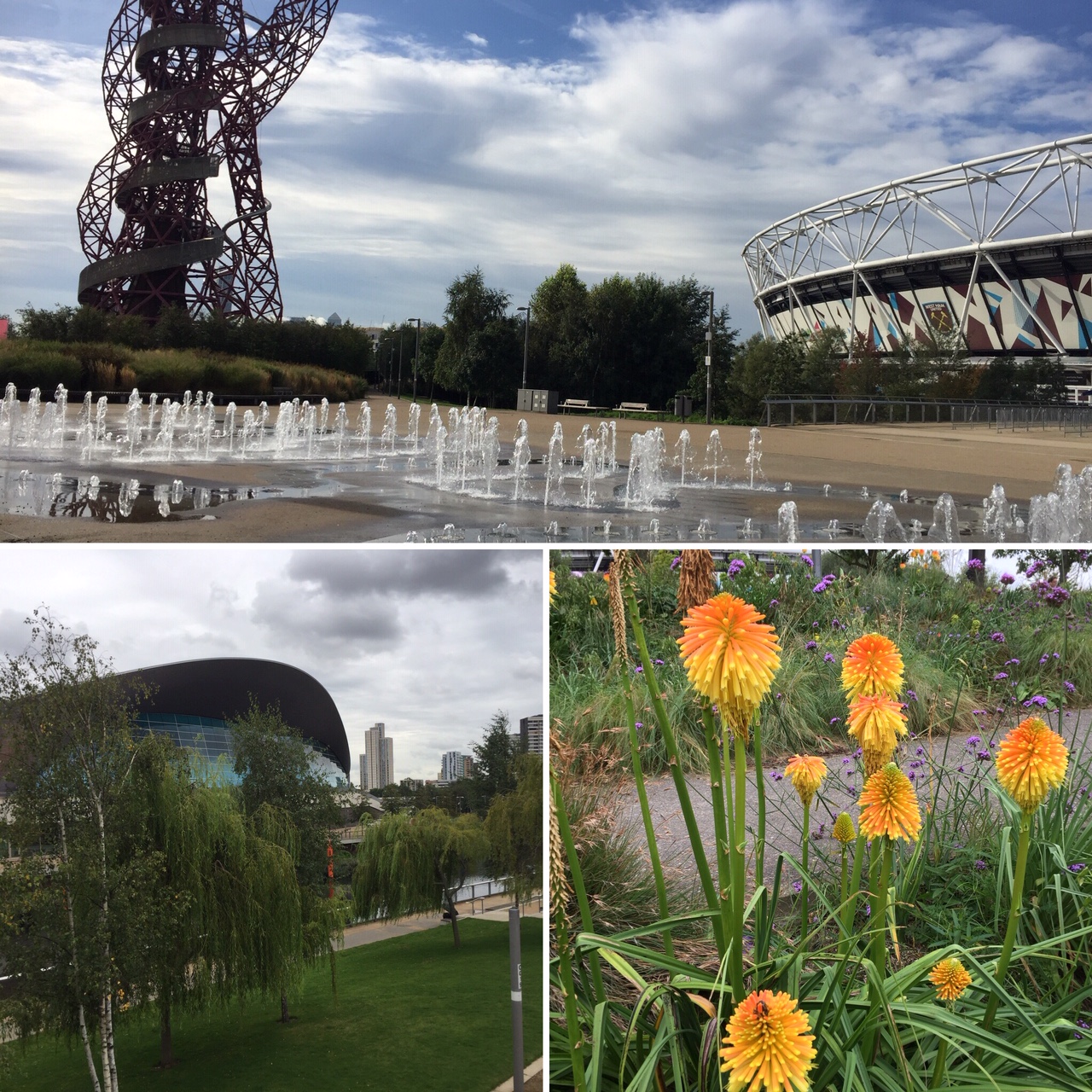
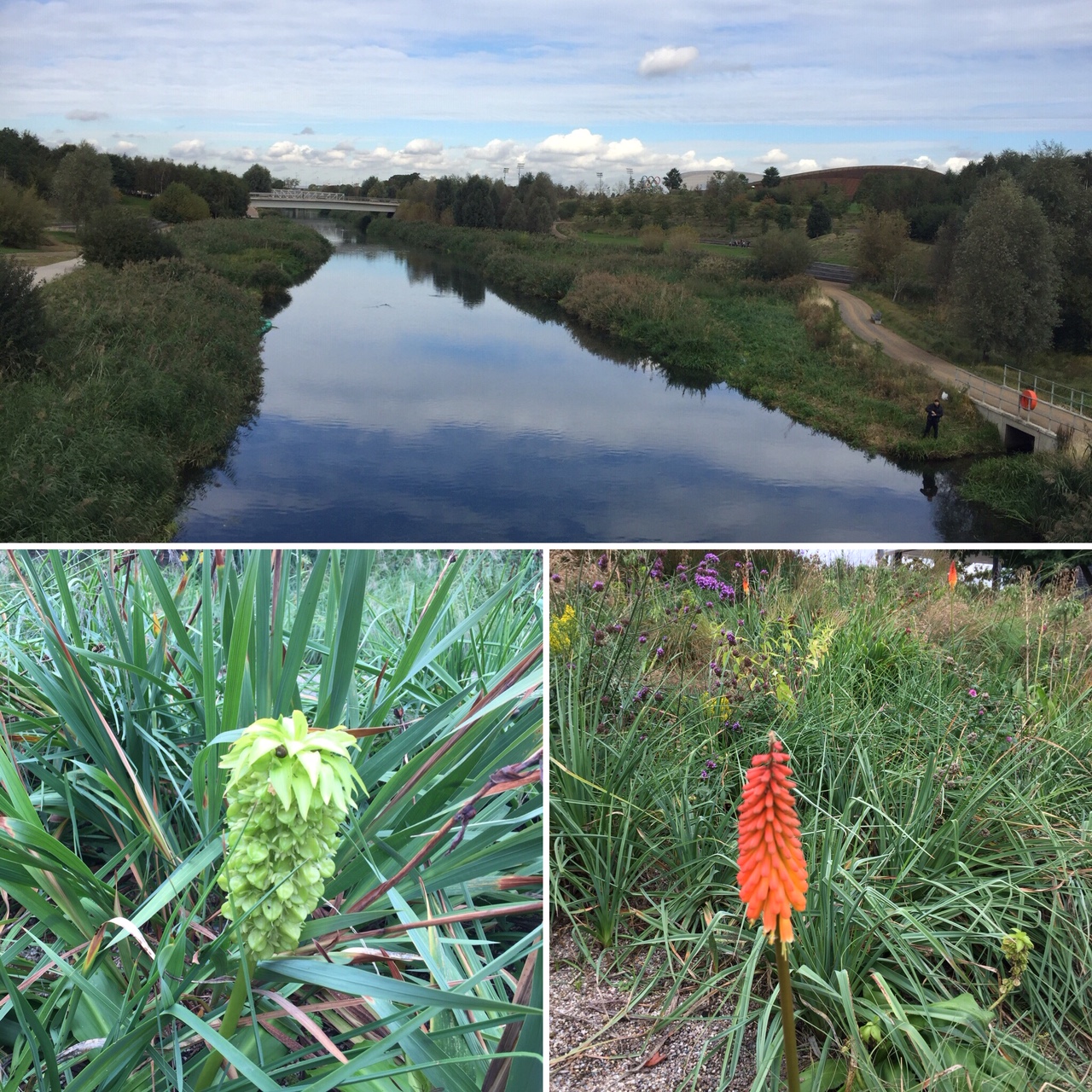
Anna led a walk around the Queen Elizabeth Olympic Park on 30 September 2019 – a slightly grey but thankfully dry autumnal day. Our small group had a great time meandering around the park. The planting is very natural-looking with some wonderful pops of colour from red-hot pokers and Eucomis. Definitely worth another visit at a different season.
There are some lovely front gardens in the Westcombe area and they give pleasure to passers-by, as well as to their owners.
There are many reasons why we should value them, the most obvious being that they greatly improve the appearance of the neighbourhood. And of course they increase the resale value of our homes through their kerb appeal.
But that’s by no means all! They help nature to do her work, and thrive; for example a front garden provides nectar for bees and butterflies thereby helping to reverse their decline. They also provide a habitat for birds, and the insects on which they feed.
Less obvious is the fact that they make the air we breathe safer because plants help capture pollutants. They also cool the air in hot weather – and help insulate homes in winter. And for householders who have experienced recent heavy downpours of rain, which seem to occur more frequently, a front garden can reduce the danger of flooding by soaking up rainwater. Unfortunately there is a continuous loss of front gardens as many are being paved over to provide hardstanding for cars.
No matter how small the front garden, with a little imagination it can be both practical and beautiful. Here are some tips to consider:
Front gardens can support wildlife, whatever their size!
Ann H
If you enjoyed Ann’s article and are thinking of re-designing your front garden, the RHS website has some good ideas for planning front gardens:
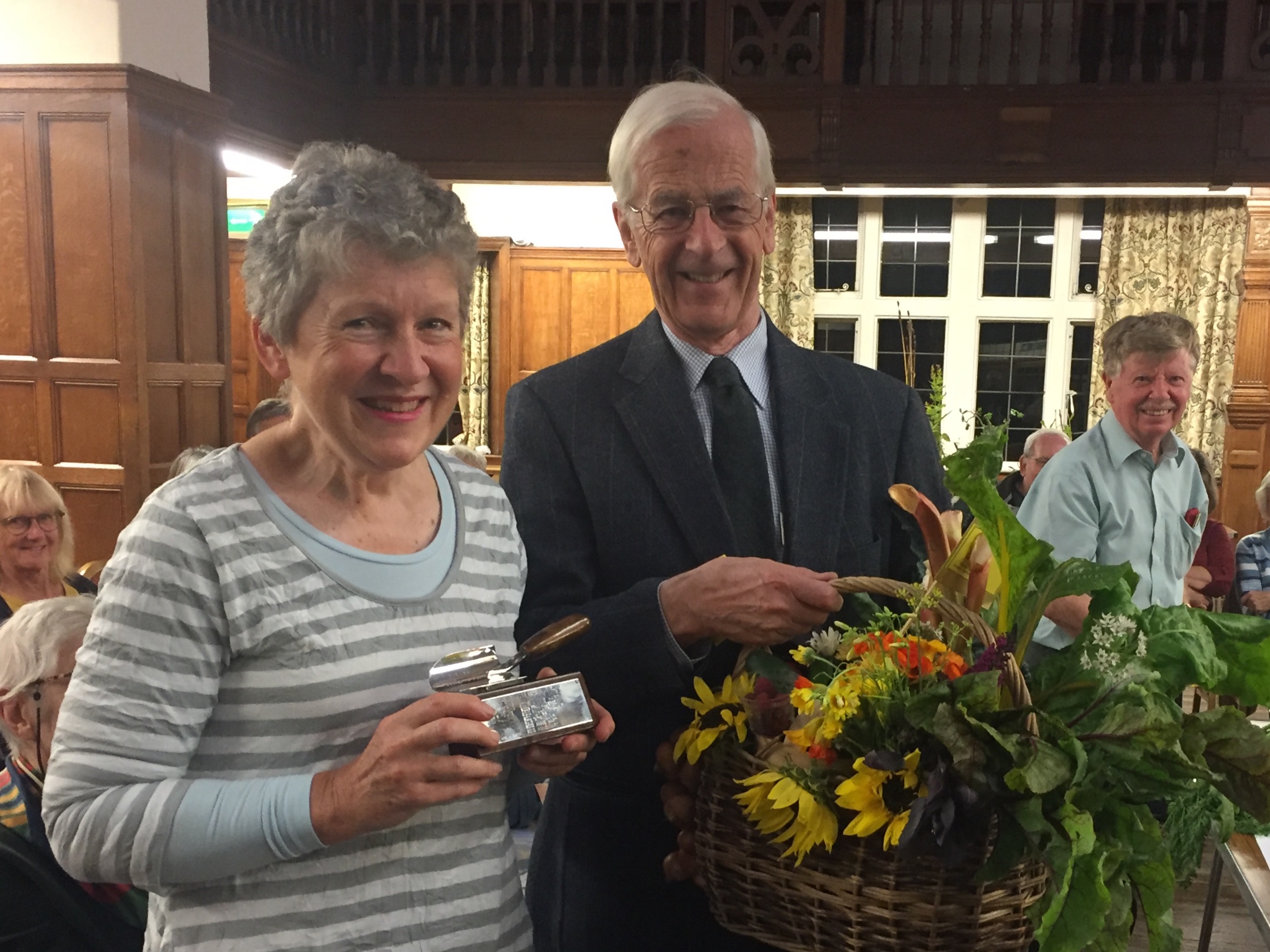
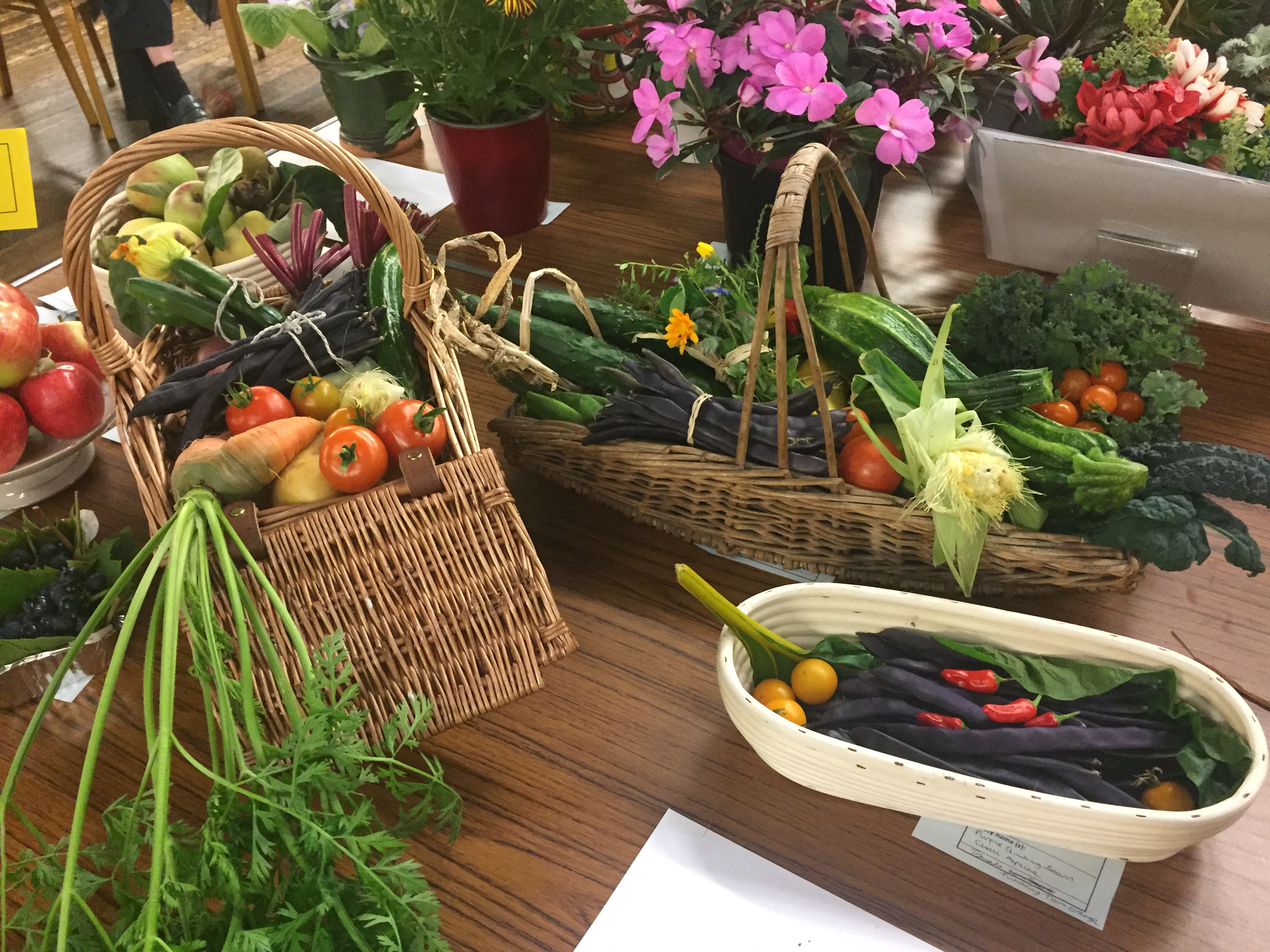


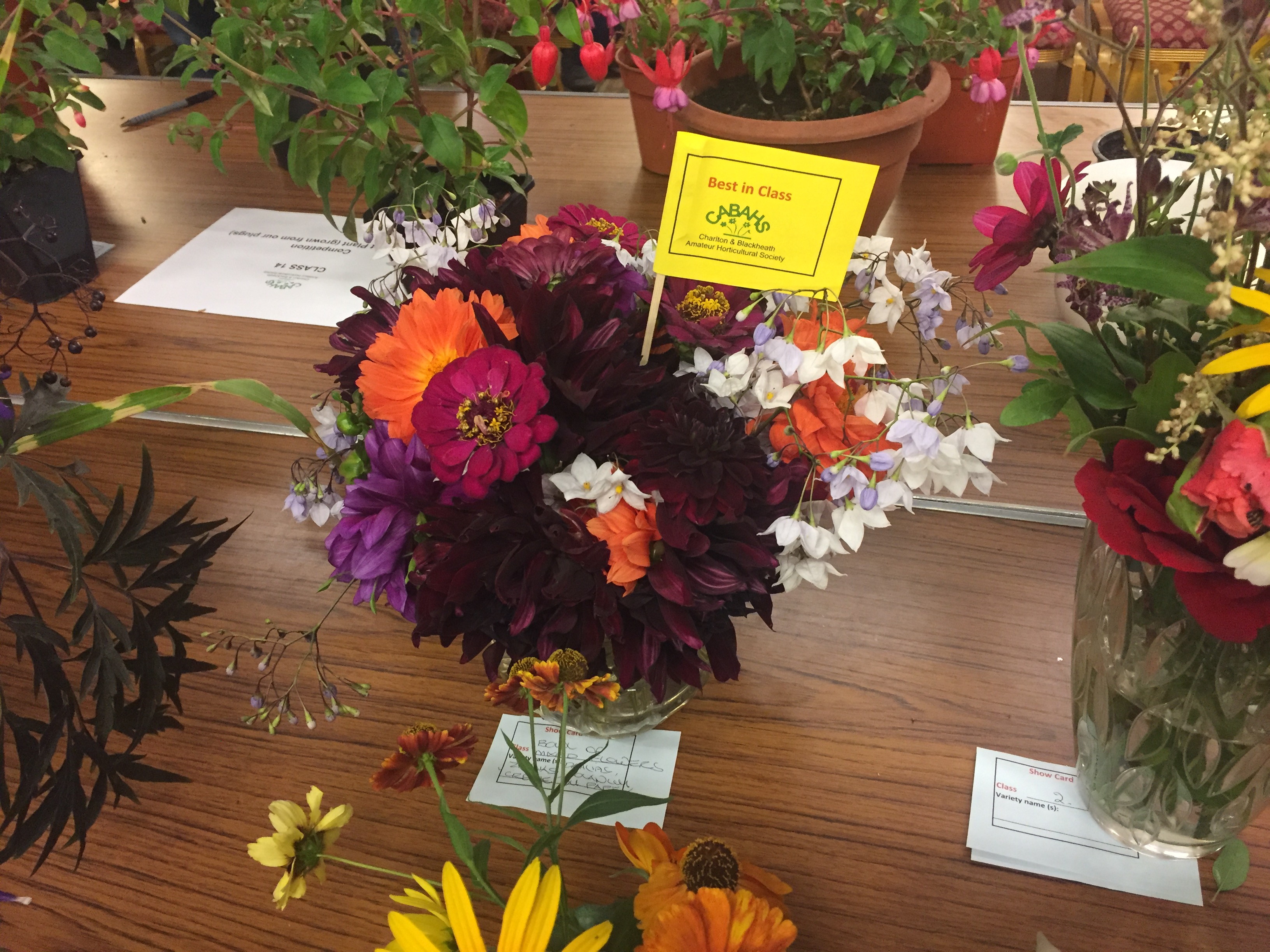


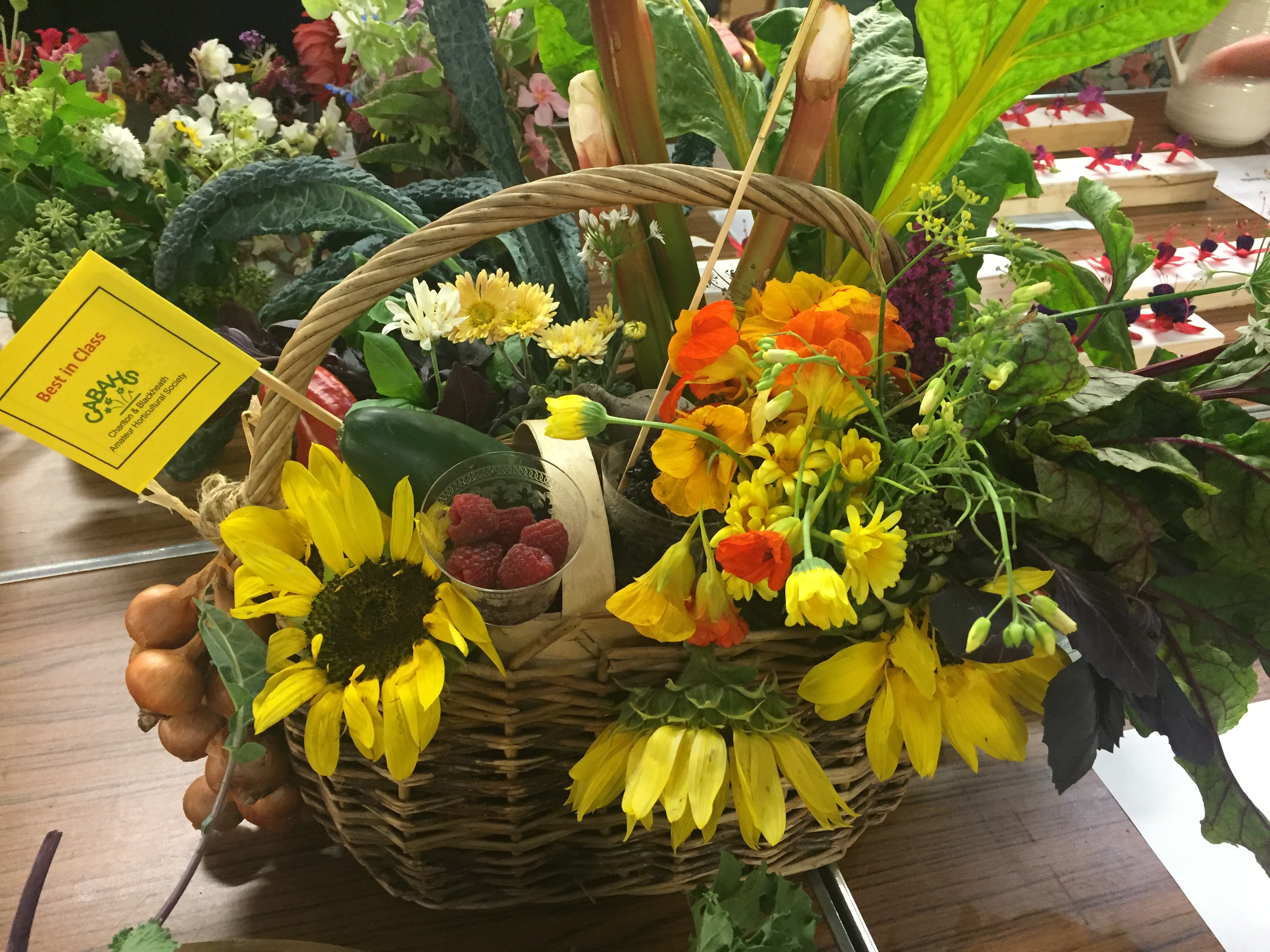

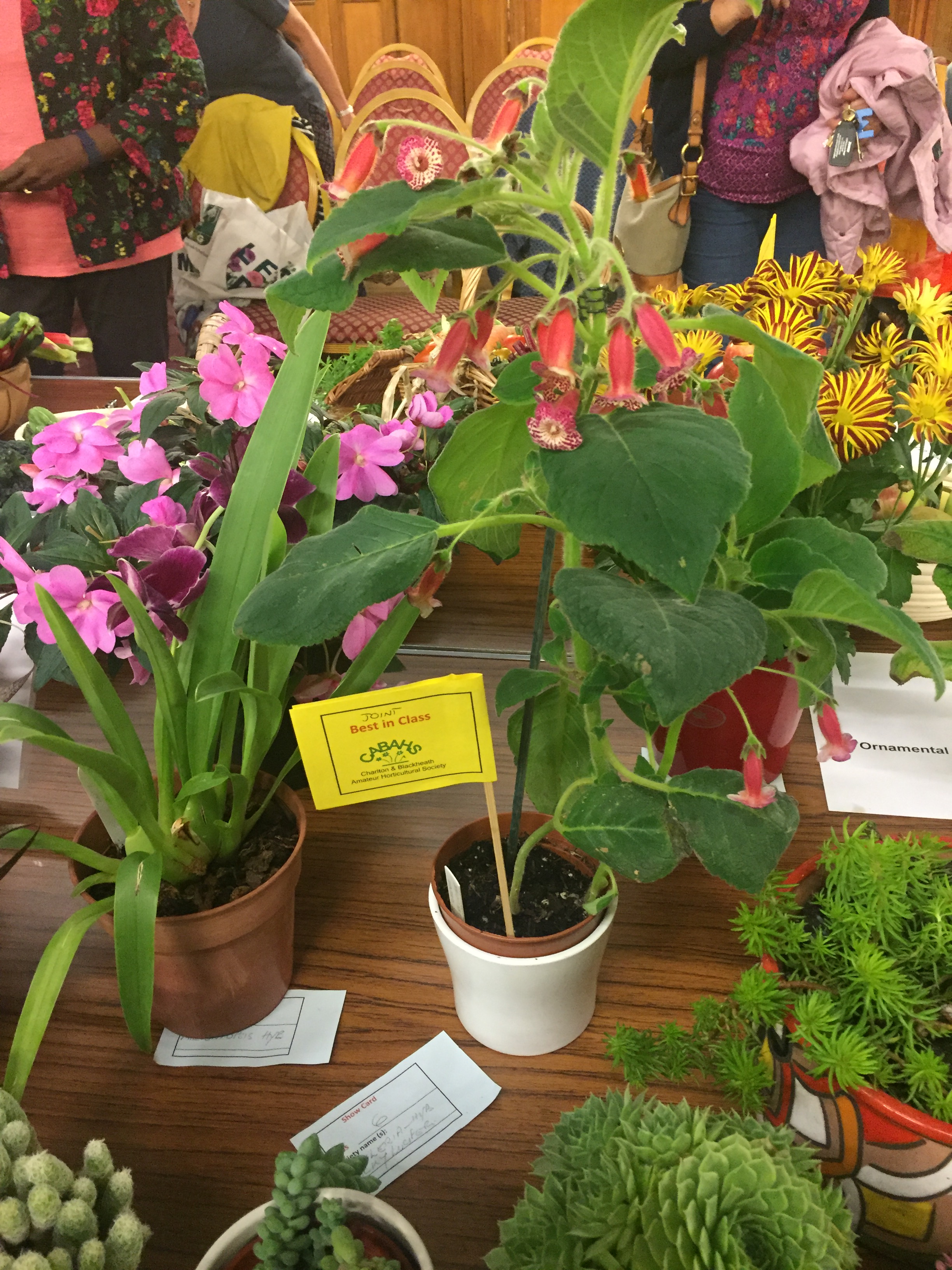


A show table with the WOW factor this month!


Since 2008, CABAHS has contributed the income from June & July’s monthly meeting plant sales to the Greenwich & Bexley Community Hospice in Abbey Wood. From 1999 to 2008 CABAHS had a plant stall at the Hospice Fun Day on Bostall Heath. Ron, our present CABAHS Treasurer, was one of the original Trustees and played a significant role in its development. Ron has written a book, well worth reading, entitled “A Cottage in the Woods : Greenwich & Bexley Cottage Hospital” (1994) about its history and the challenges, trials and tribulations it faced in its early days.
As Chair of a local GP practice Patients Participation Group, I recently arranged for two of its staff to come and give a talk to our members, followed soon after by a visit by our members to the Hospice itself. Having an academic Medical Anthropology background, including an interest in older people’s health, like our members I was extremely impressed. I thought CABAHS members might like to know how their donations are spent and some further information about what it does nowadays and the services it provides.
The project was launched in 1985 by Pat Jeavons and Don Sturrock. The site, on two acres of land, was given to them by the Coop for £1. The Hospice took its first patients in 1994. For the general public, hospices tend to have a negative image as a place where you go to die. But hospices have moved on a long way from their early days. Nowadays, whilst the Greenwich & Bexley Community Hospice retains a small number of beds for end of life, the majority stay no more than two weeks. Much of its work is in the community delivering palliative and respite care for people with long term terminal illnesses, their carers and families in their own homes, in care homes, at the hospice day hospice and in hospital. It offers a holistic approach that goes beyond physical needs, offering spiritual, social and psychological care. Where possible it aims to provide care as early as possible in a patient’s terminal illness, so that better knowing the patient’s needs and circumstances, it can provide the necessary support and so make their life and end of life easier. This makes it more likely the patient is able to die at home, which is often their preferred choice. The Hospice also provides support and training for health professionals so they can deliver high quality, individualised and co-ordinated care to the terminally ill.
At the moment the Hospice cares for over 2,500 patients a year. It provides care for those aged eighteen and over, mainly cancer patients. About 10% of its Greenwich patients are referred by their GPs, but most are referred by a Palliative Care Unit which it now runs at the Queen Elizabeth Hospital, Woolwich. The Hospice also runs a Day Hospice three days a week where patients can go to discuss their problems and get help. There is also a café and separate eating area for carers.
The free, wide-ranging services and support it provides are costly. For example, it employs approximately 180 staff. Only a third of the Hospice’s income comes from the NHS. It is very dependent on retail sales, legacies and voluntary donations. So if any of you are feeling generous, you can donate knowing that it is for a very good cause and the money is well spent.
Hospice: 185 Bostall Hill, SE2 0GB 0208 312 2244
Fundraising: 0208 319 9230 communityhospice.org.uk
Angela B
 Charlton and Blackheath Amateur Horticultural Society