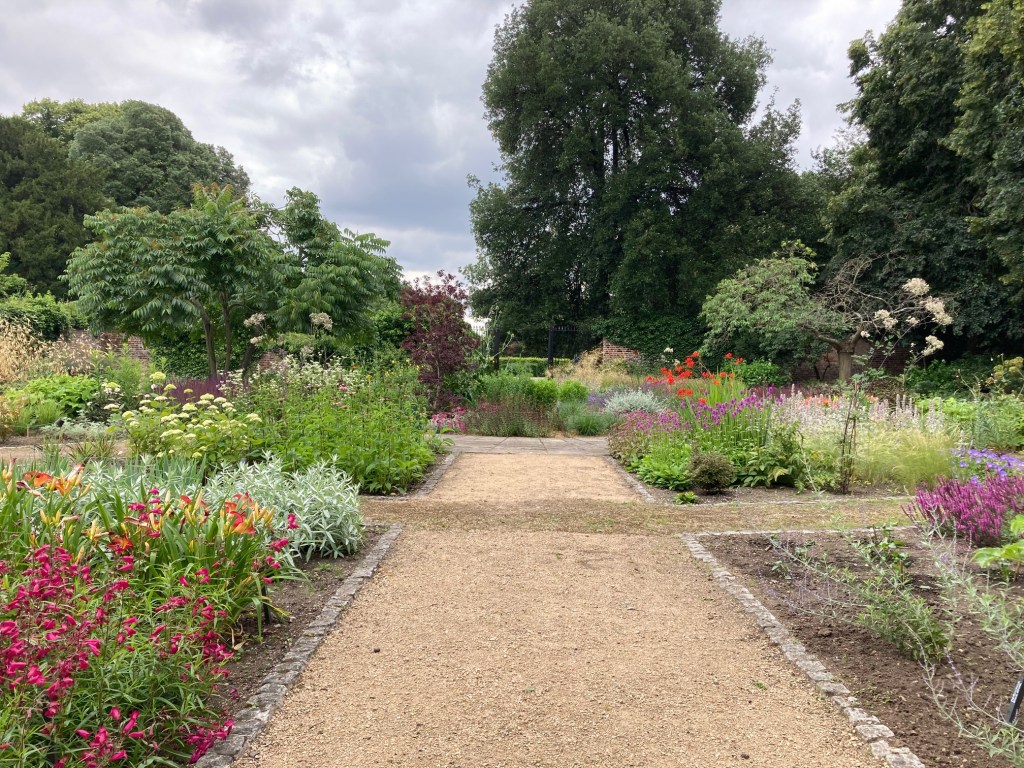
The garden is getting into it’s summer swing now, so much is in flower. It is amazing how complete it looks for a “first year”. Penstemon Garnet is just going on and on and on!
This is the view in July from the CABAHS 70th Anniversary bench:
A recent initiative – Star Plant of the Week. No contest: it was the teasels this week, they are gigantic, and covered in bees.
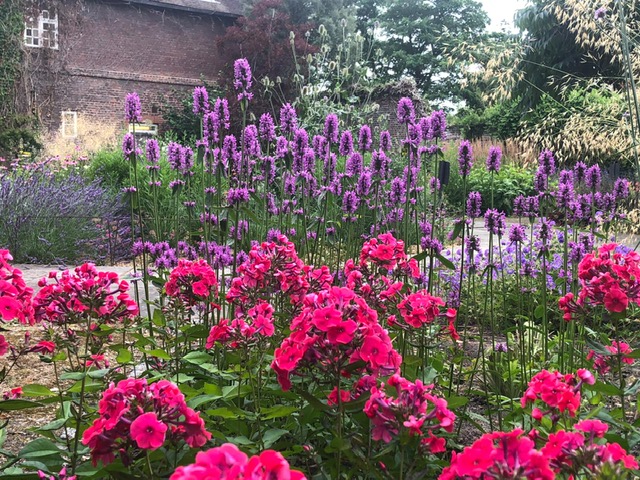
Betony and Phlox demonstrating The Clash!
And now it’s the turn of the Echinacea purpurea “Magnus”, with white Erigeron annuus frothing at the back and a yellow Patrinia photo-bombing in the front.
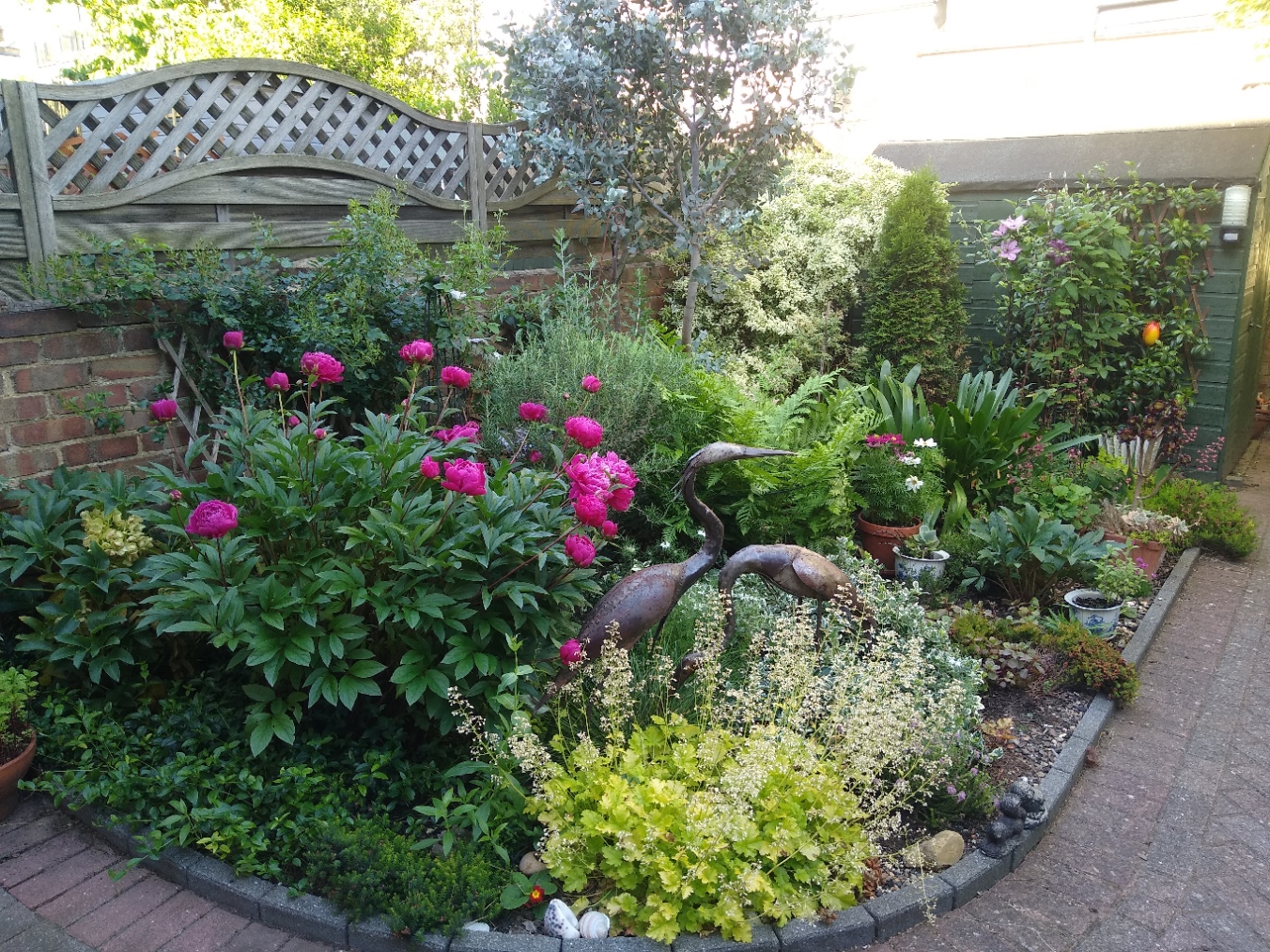
A selection of photos of Ruth & Matthew’s beautiful garden ‘The Gatehouse’. CABAHS members attended a lovely open evening, wandering around their garden recently, with donations in aid of the Hospice.
The Gatehouse bordersRoses (red one is WB Yeats) grown in a bed in the shape of a Tudor Rose
CABAHS member Anne R has sent a link to this rather lovely short film. The Excalibur Estate in Catford is being redeveloped, and the gardens will disappear. The film is produced for the Garden Museum, and features Matthew Wilson.
The Woolwich Garrison Church Trust has commissioned Chelsea Gold Medal winner Juliet Sargeant to create a Commonwealth and Gurkha garden on their site. They already had outline drawings, above, by local designer Don Albrecht, and are now looking for feedback about the plans.
The idea is to have an English Orchard and wildflower garden on one side of the church, and the Commonwealth countries and Gurkhas reflected in the planning on the other side. Chair of the Trust, Tim Barnes, says that in Gurkha villages there is always a central tree which acts as a focal point for village life – so there are plans for a circular seat around the base of one of the trees to reflect this tradition.
There are some lovely ideas, download the full document below if you are interested.
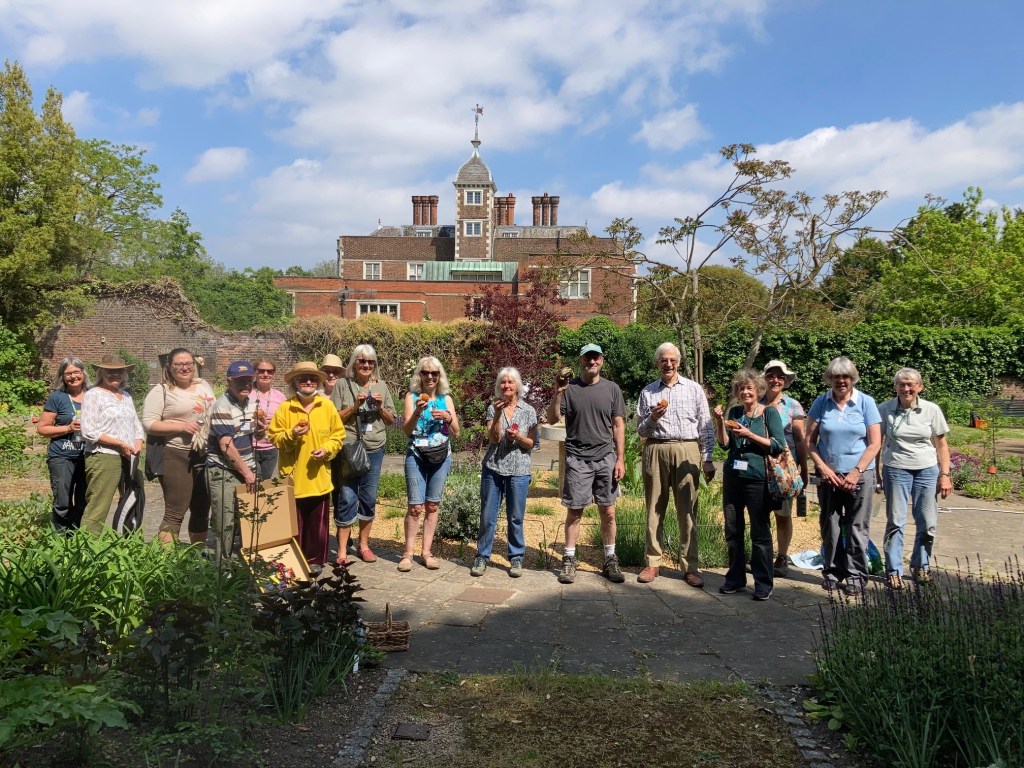
3 June National Volunteers Week. Thank you for the muffins Charlton House!
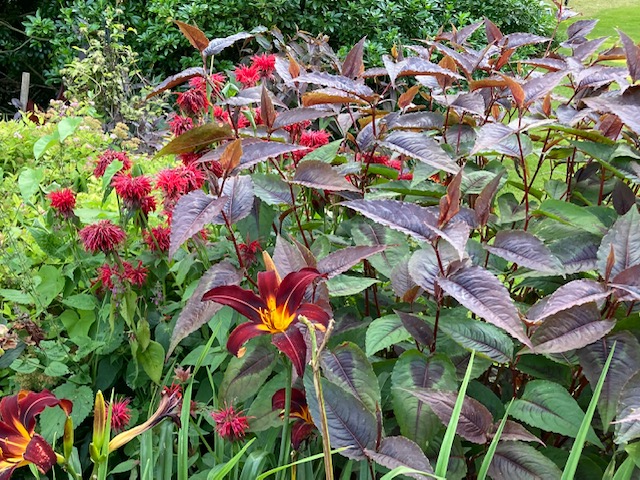
Rheum and foxgloves in the Long Border (foxgloves courtesy of Greenwich Park – thank you!):
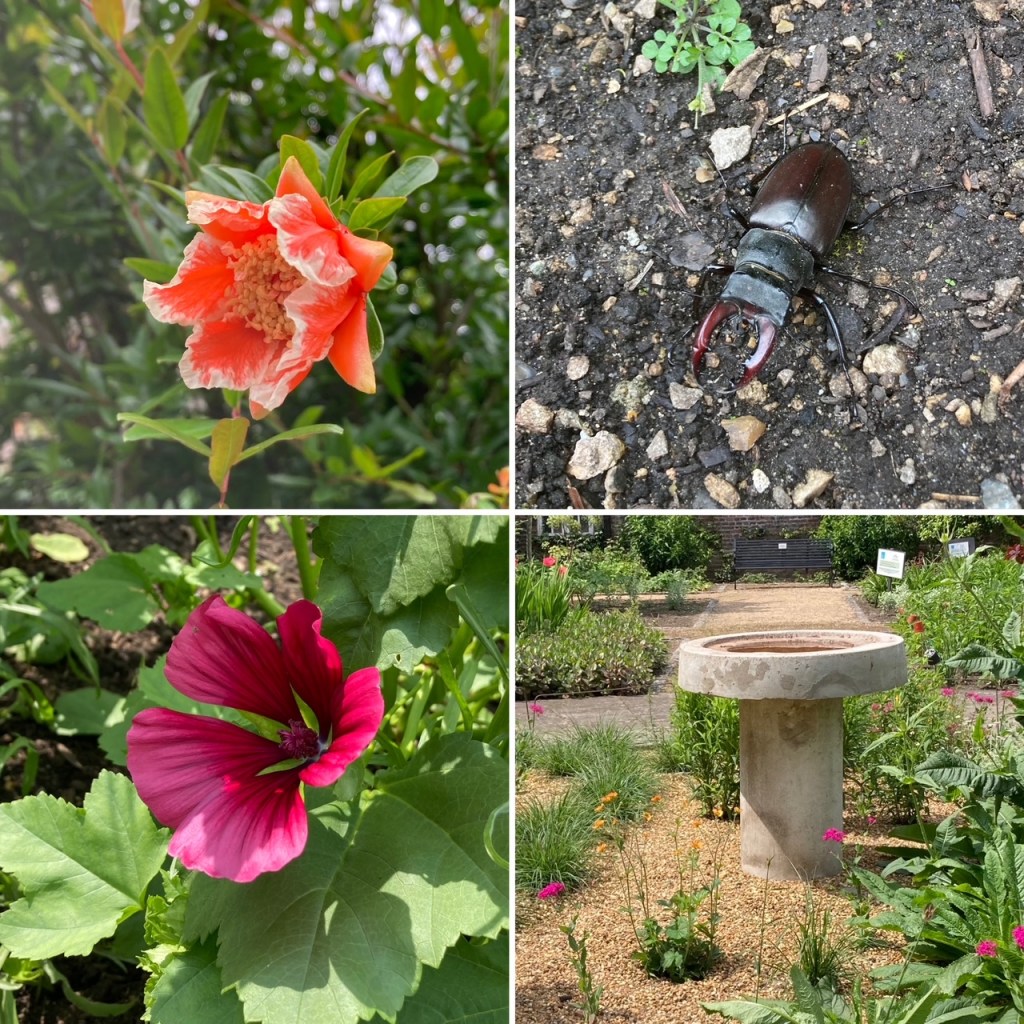
30June The pomegranate is flowering in the Peace Garden (top left) the stag beetles are hatching and marching, there is a lovely Malope trifida ‘Vulcan’ annual in the Long Borders (bottom left) and the gravel garden has a new addition of Geum ‘Totally Tangerine’ to add some more zing!
Our Papaver orientale ‘Burning Heart’ have exploded into flower this week. They are fabulous plants, look at the size of them! They came as bare roots, all the way from West Lothian. Thank you Binny Plants.
Here is Carolyn’s lovely peony before it was battered by the recent rain storms! And a picture of her lovely clematis Hagley’s Hybrid.
This is our Treasurer Ron’s lovely rose “Tender Loving Care”. Must ask him for some cuttings!
Wonderful Echium towers in Mike’s garden in Eltham, which he opened to raise funds for the Hospice Open Gardens scheme.
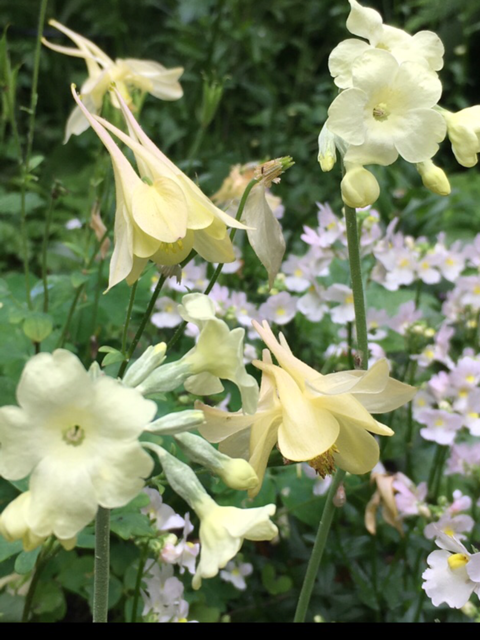
Member Sharon has sent these two pictures in. She says: “My favourite flower in the garden at present is a cream, fragrant Primula Alpicola. The scent is divine! It grows next to Aquilegias and Nemesia Wisley Vanilla. The best part about this little primula is that I bought it at the CABAHS plant sale in the Old Pond Garden held last summer 2020. Does anyone recognise this as a plant they brought in for sale? Thank you, I am very grateful.”
Here is Jillian’s favourite rose “Rhapsody in Blue” looking wonderful this June.
Libertia is doing its thing in Kathy’s front garden. Idea copied from a lovely dry garden at Winchelsea’s NGS open gardens a few years ago. This year the spiky leaves took a real hit from the cold Spring winds, and look sadly brown, but lots of nice new green ones are coming up from the base.
Graham Dear was welcomed to our meeting. He said he was pleased to talk to some fellow gardeners, though he hadn’t gardened himself for many years, as he had moved from being Manager of Greenwich Park to heading up the Greenwich Park Revealed Project (GPRP). This is a 4-year project aimed at revealing, restoring, protecting and sharing the park’s unique heritage now and for future generations.
Graham said the pandemic had had a profound impact on Greenwich Park and the way it is managed. From March 2020 all recreational activities and events in all the Royal Parks ground to a halt, which resulted in an overall revenue loss of £20million, some 50 percent of annual spend. In Greenwich, the Pavilion Café, boating lake, tennis courts and even the rose garden had to be closed as its gates needed pushing and touching. There was no income from bandstand concerts, filming or car park fees or catering. The park was also unable to get insurance to cover events in 2021.
It had a particularly devastating impact on the GPRP which originally had had a £10m budget allocated to it. £4.5m was funded by the Heritage Fund which had already begun to be implemented. Graham said he was faced with the challenge of making economies due to the loss of park revenue. He aimed to save £2m, so the GPRP budget has been cut to £8m. The cuts included the Nursery Yard reorganisation and the Sustainable Learning Centre.
Not all was bad though. Closing the through road and avenues was beneficial to pedestrians. Although the park no longer had tourists, there was a massive increase in local visitors to the park – who often arrived by bike or on foot – and used it for exercise and recreation.
Rubbish was an issue but the staff coped well with the challenge and more bins are now a feature of the park!
Visitors were naturally more spaced out because of social distancing needs. An informal poll showed they were much younger as well. Ethnic diversity also increased by 5 percent.
Graham then went on to discuss the revised plans they had for the park and showed a range of slides to illustrate the programme. He said the GPRP had now begun again.
They plan to preserve, renovate and manage the avenues of trees which have been decimated by diseases, pests and squirrel damage. The horse chestnuts are riddled with bleeding canker and the sweet chestnuts by ink stain disease.
The area around the grand ascent giant steps and parterre banks is to be renovated. Recreating a series of grass steps on the hill leading to the Royal Observatory following the original 17th century design.
The viewing space in front of the area around the statue of General Wolfe is to be increased and opened up. A café will open in the space behind.
The Old Wilderness and deer park community facilities will be enhanced including a new classroom. The deer herd is to be sent on holiday to Richmond Park for 2 years.
Vanbrugh Yard: The area in the SE corner of the park is to be reorganised. There will be a cafe aimed at taking pressure off the Pavilion Café. The boundaries of nursery yard, will be shifted and opened up to the public. It will feature a new glass house, kitchen garden, wildlife orchard, volunteer room and public toilet facilities.
The seating in One Tree Hill will be improved.
Car parking at the pedestrian entrance at Blackheath Gate will be removed and the pedestrian entrance will be improved.
The Victorian bandstand is to be improved and a power supply for community events installed.
The wildlife habitat is to be increased and mowing will use a meadow cut rather than an amenities regime.
The Victorian drinking fountains to be reinstated.
Two self-seeded mature trees are to be removed from Flamstead House to improve the view.
Finally, he discussed the park’s engagement with the wider community, including training schemes that were being introduced such as three year apprentices and cultural events such as the Tramshed and dance. Graham then answered members questions, and was thanked for such an interesting talk.
Angela
Graham Dear is Manager for Greenwich Park. His management has overseen Greenwich Park Revealed, ‘an exciting multi million pound project to conserve and to enhance Greenwich Park’s historic and natural heritage, putting the community at its very heart’.
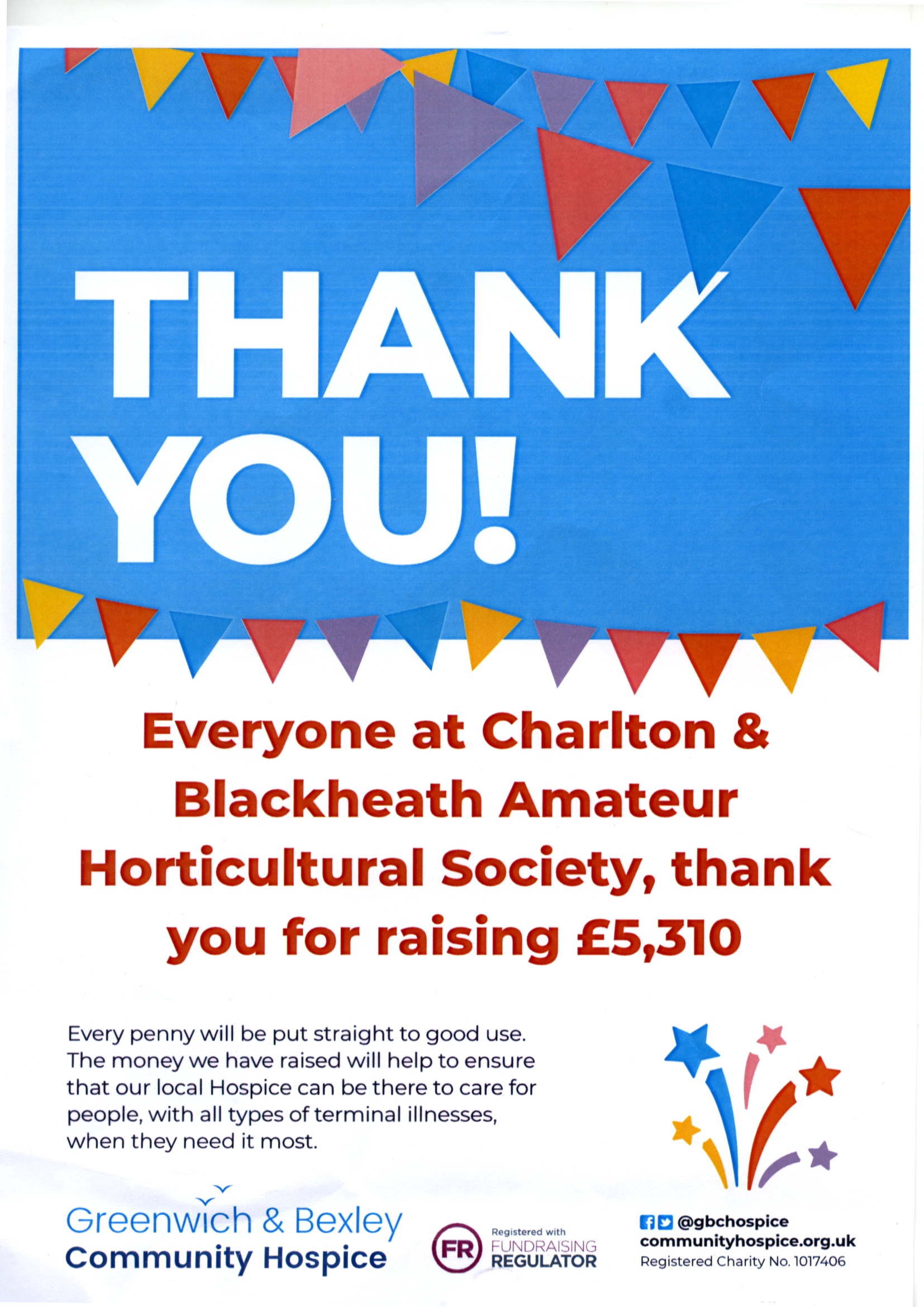
We received a lovely letter of appreciation from Greenwich & Bexley Community Hospice, when we sent them £950 raised at our recent Charlton House plant sale. They looked back over the last 17 years and sent us this certificate showing how much we have raised in total for them. Well done everyone!
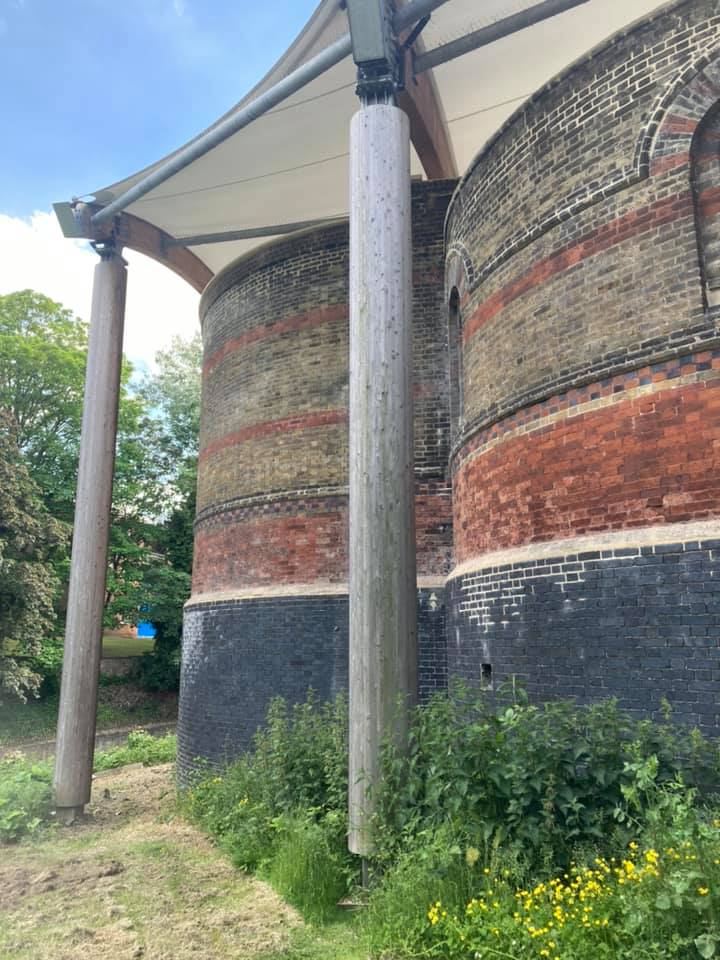
Members who came to this event on 5 June 2021 were treated to an interesting talk from Tim Barnes about the history of the Church, and the plans for the future, including a Commonwealth Garden designed by Chelsea gold medal winner Juliet Sargeant. We also saw the crypt and the beautiful mosaics. The award-winning gates feature three flowers of remembrance, the poppy, the forget-me-not (Germany) and the cornflower (France).
















 Charlton and Blackheath Amateur Horticultural Society