Well done, you have found all the Bugs in the Beds, and found the name of the last bug by putting all the letters in order…
…and you’ve found a bluebottle fly!
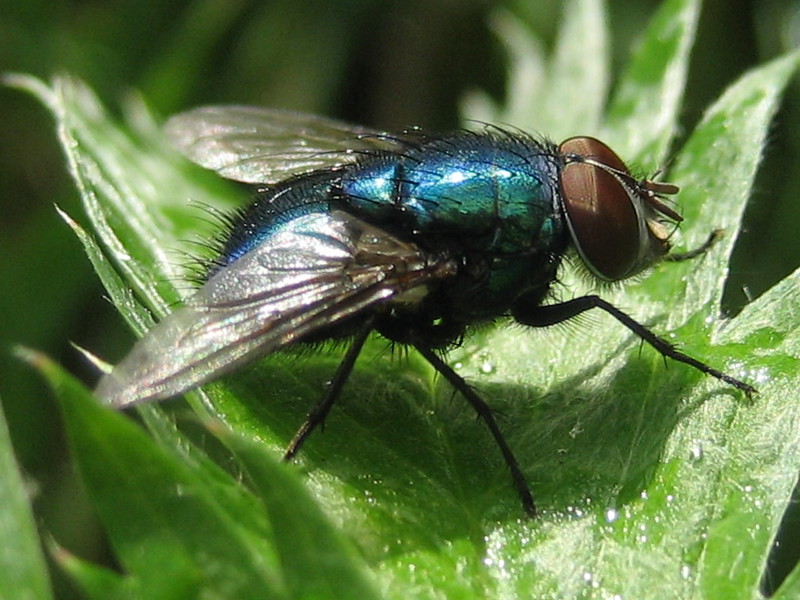
Bluebottle flies are often found on decaying meat or excrement (poo!) so understandably we prefer to keep them away from our food and out of our homes. But outside, we can pause to appreciate the roles they play in the circle of life…
Bluebottles lay their eggs in the decaying matter mentioned above, to provide a food source for the larvae when they hatch. The larvae, known as maggots, help to consume and dispose of dead and decaying things – a vital role!
In the Old Pond Garden, bluebottles also act as essential pollinators and enjoy the nectar-rich flowers.
Bluebottles are so called because they have a bright, metallic-blue abdomen.
The most common bluebottle in the UK is Calliphora vicina. They are almost identical to Calliphora vomitoria (also known as bluebottles) . Learn about their roles and lifecycle in this video:

If you spot any real live bugs / creatures / insects in the Old Pond Garden today, try to take a photograph and find out what it is. We’d love to see it, so if you post on Instagram you can tag us: @cabahs_hortisoc and use the hashtag #BugsInTheBeds
This page is part of the ‘Bugs in the Beds’ trail running on the Old Pond Garden, Charlton House, on 18th May 2024.
 Charlton and Blackheath Amateur Horticultural Society