1. If you can brave the cold and wet it’s time to winter prune that Wisteria by cutting back all long whippy branches to within two buds of the main framework, so you can shape the plant for flowering.
More information on Wisteria pruning, including a video, from the RHS.
2. Any form of mulch is good on the soil now, in the form of your own homemade or bought compost, or even leaf mould if you have it. If you can’t face lightly forking it in, the worms will do it for you.

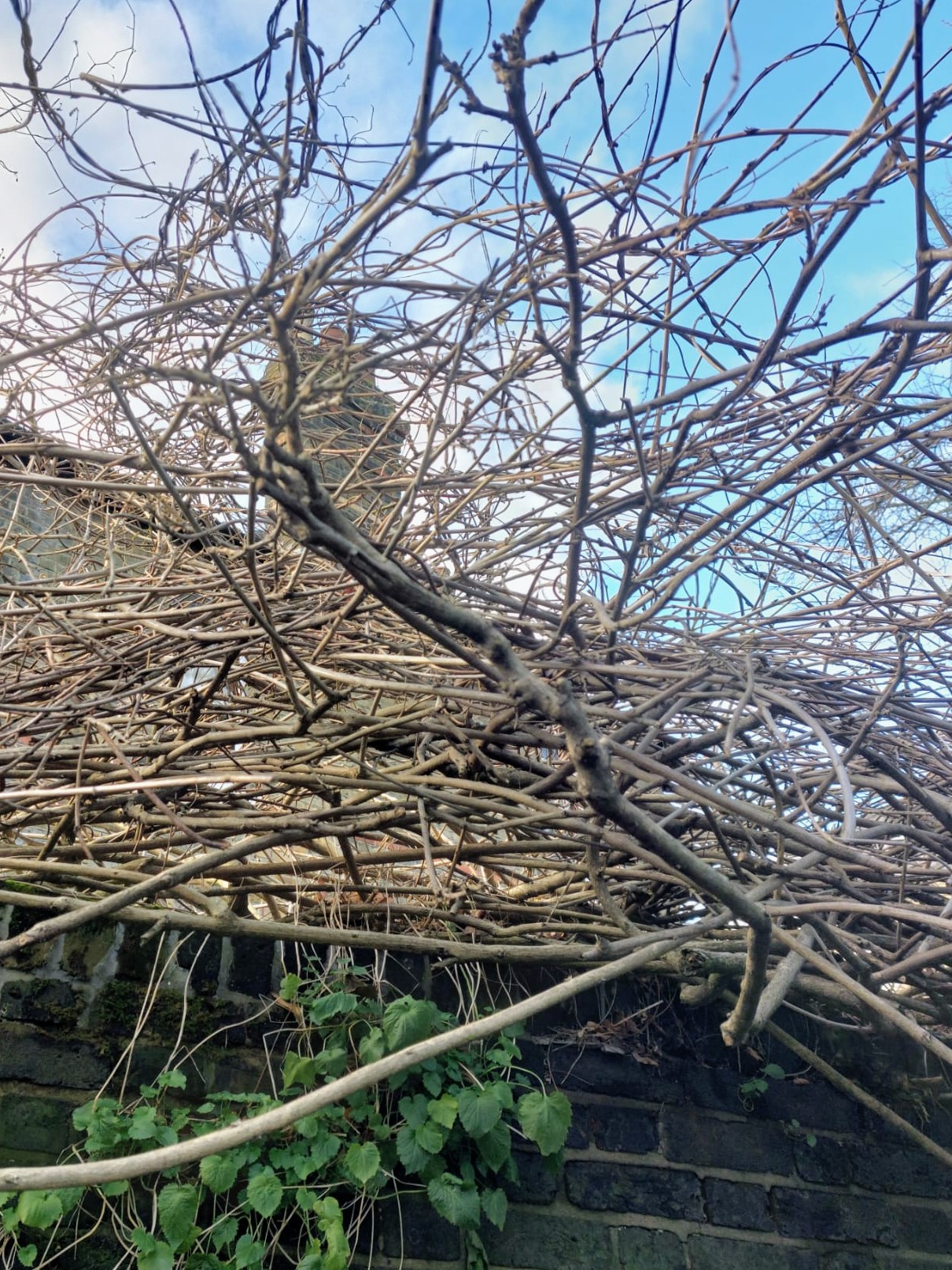
3. Untangle summer flowering climbers from the shoots of shrubs which will flower now or early, like Daphne and Camellia. I can’t believe how much spent clematis growth was twining round my shrubs!
4. Check overwintering plants for pests and diseases which can thrive in greenhouses and coldframes in mild weather.
5. Check over your houseplants too, and give the foliage a wipe with a soft cloth to remove dust and maximise light absorption.
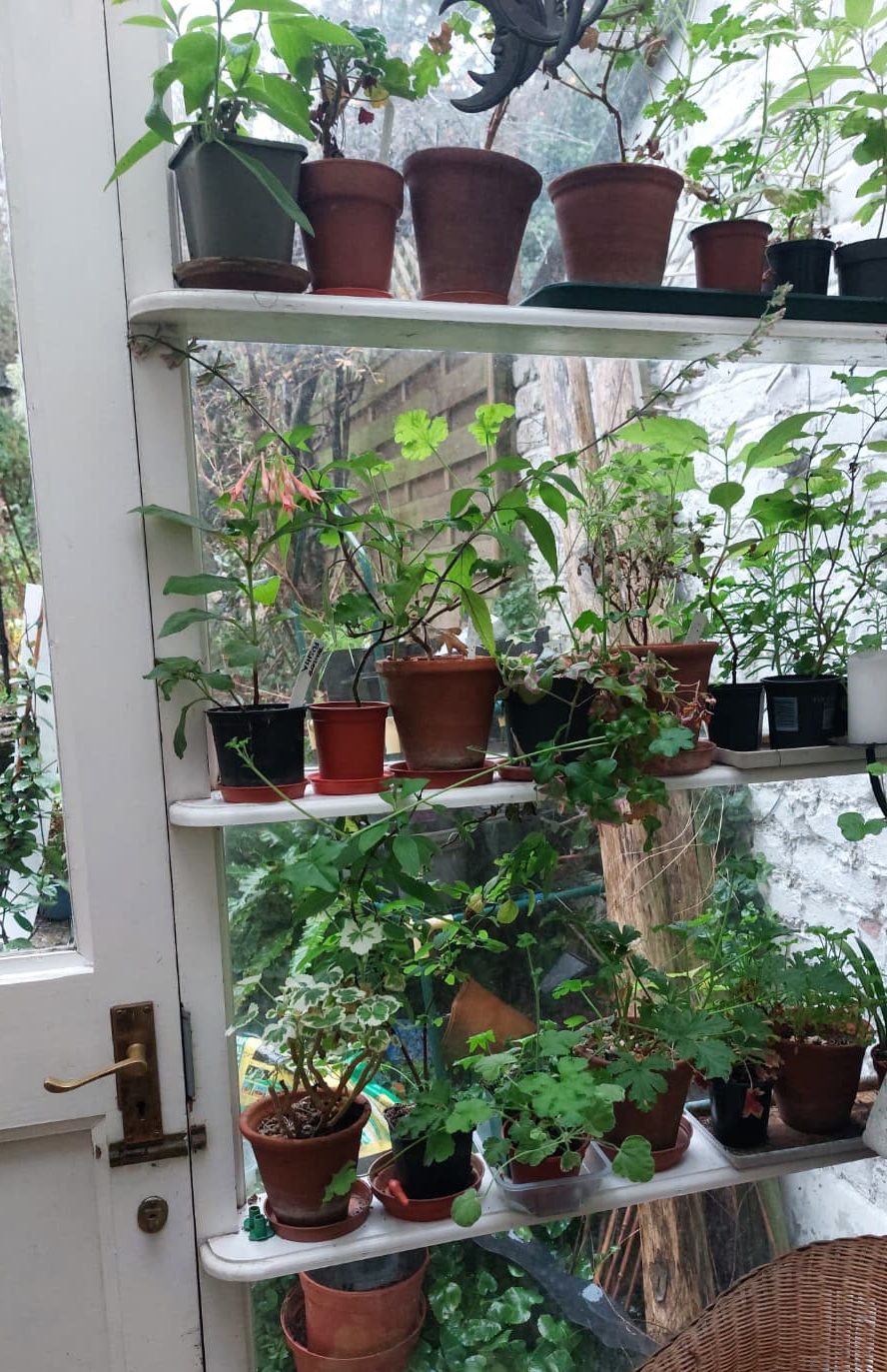
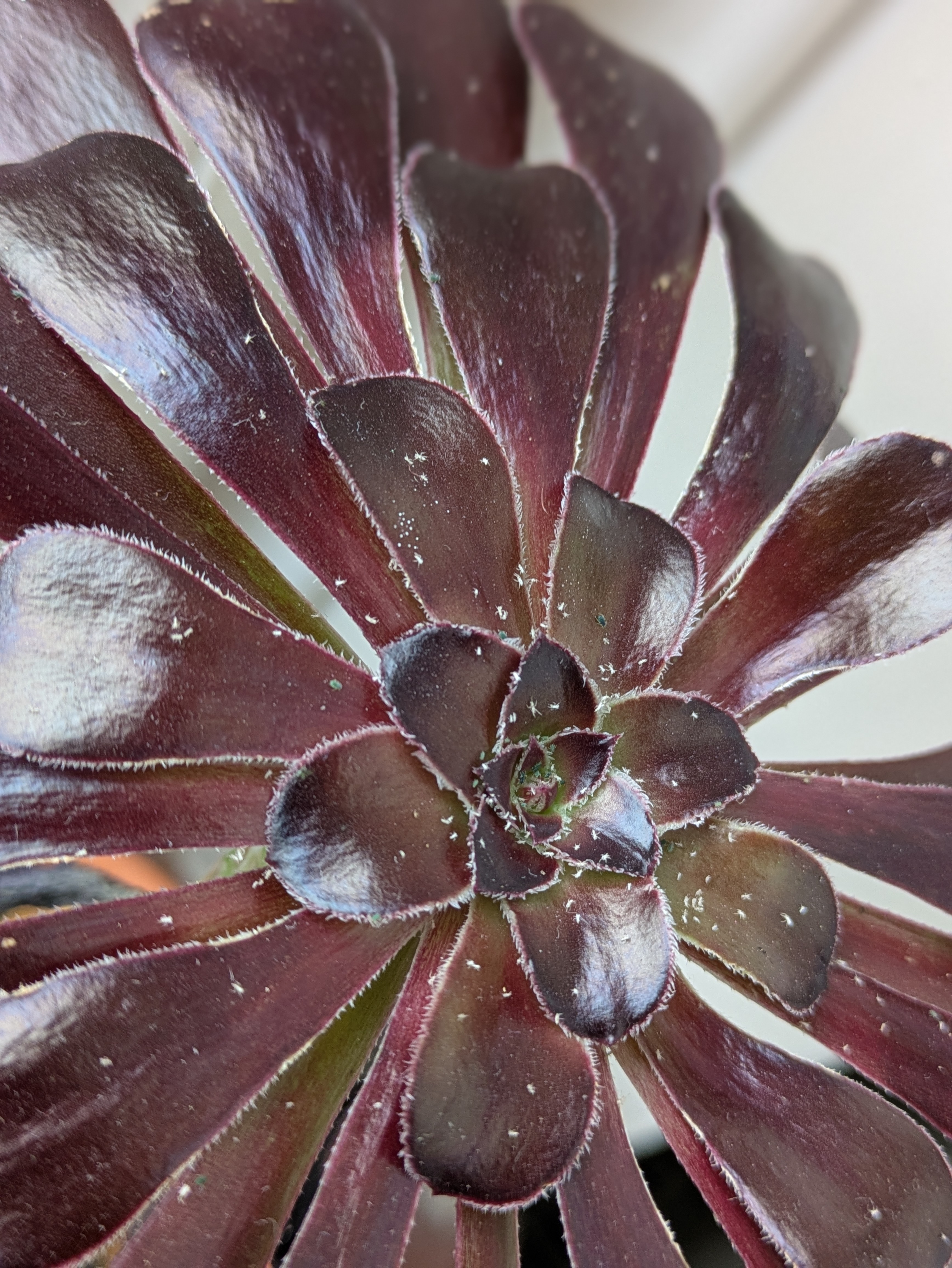

Dusty leaves can reduce photosynthesis too.
6. Sow some broad beans in pots for planting out later. My plants in the ground are only just coming through, knocked back by the cold and wet.
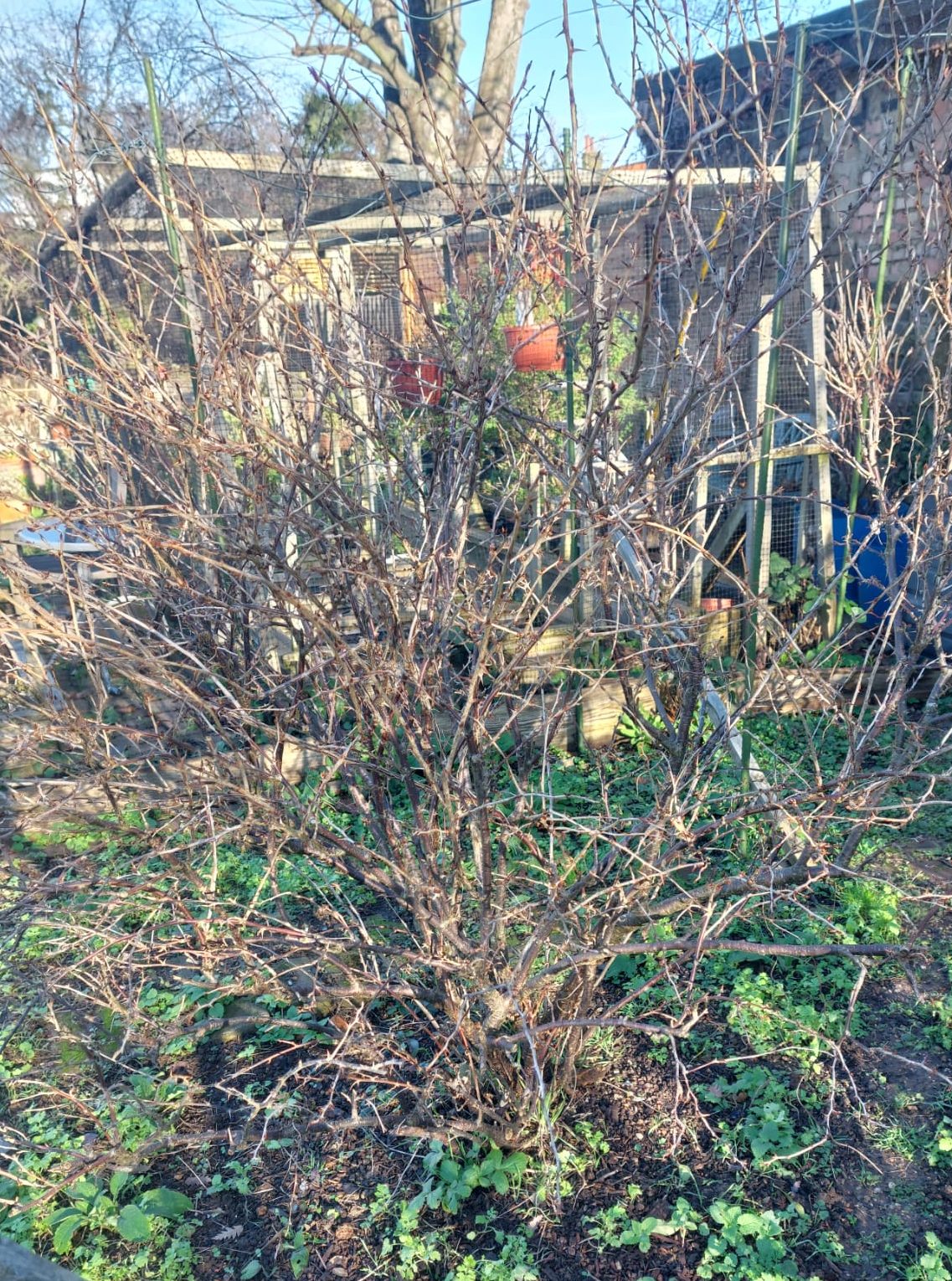
7. Blackcurrants need pruning now, or soon, while they are dormant. If they’re as unruly as mine the stems will need reducing by about a third, cutting out the old stems and reducing the length of all others above a leaf joint. Cut any crossing branches too and aim for a goblet shape overall.
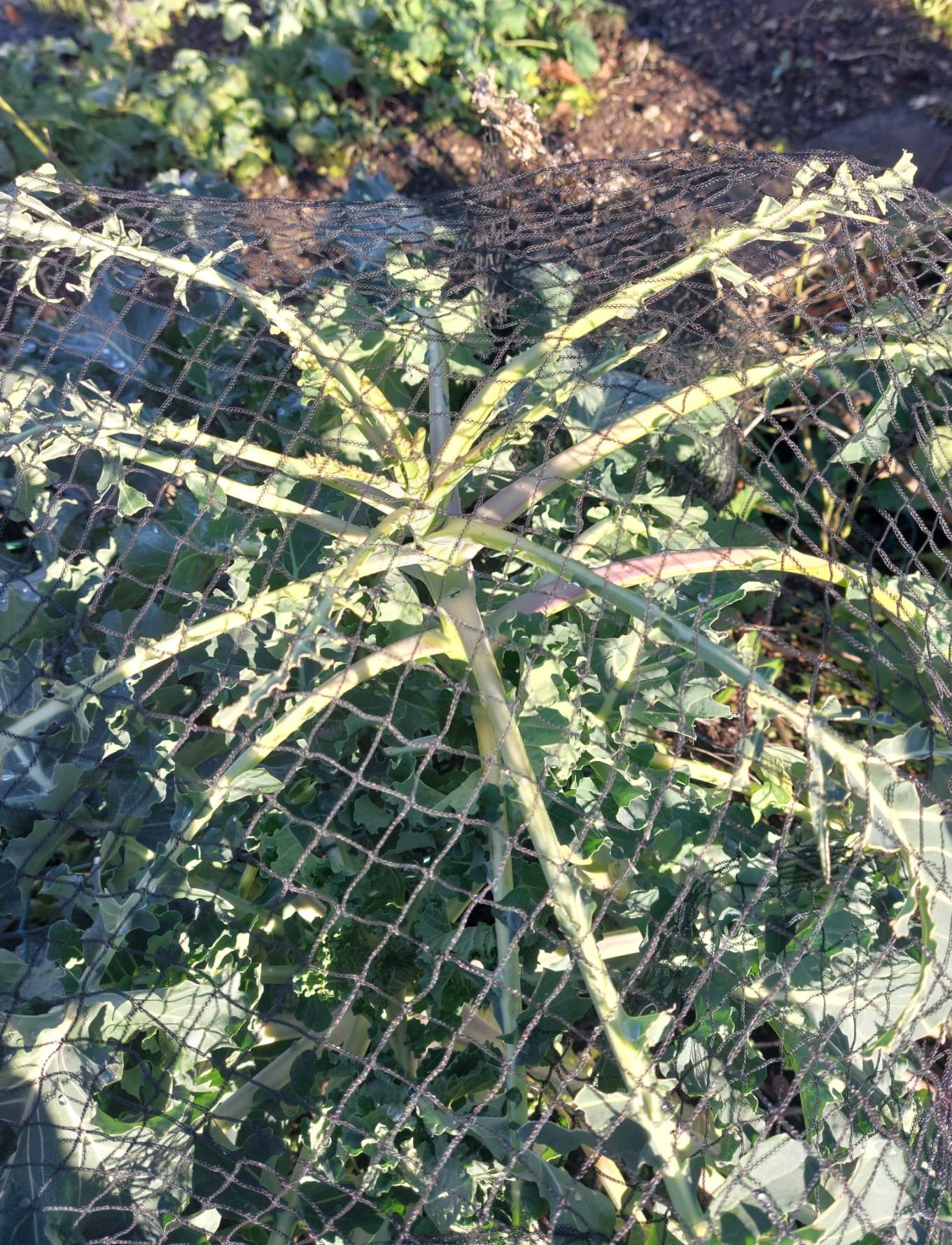
8. Despite netting, the pigeons have got to some of my kale and broccoli plants. The broccoli plants are huge but there are no sign of any florets coming. The same happened last year. Does anyone else have this problem?? They are usually so reliable.


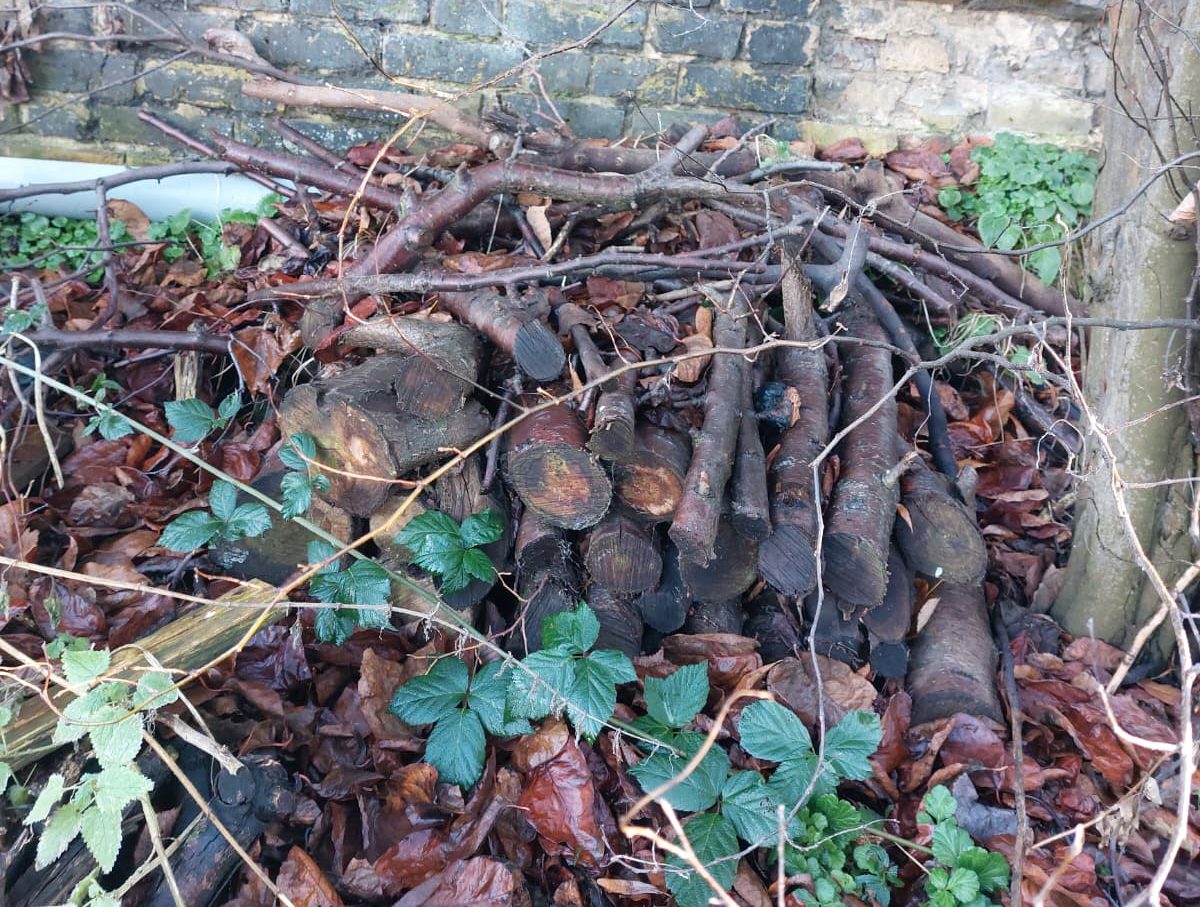
9. Cutting back shrubs and trees produces plenty of material for a wood and twig pile to provide a haven for frogs. toads and insects and then food for stag beetles if you’re lucky enough. It can be hidden in a discreet corner. Even a pile of leaves is beneficial or you can add those to the pile.
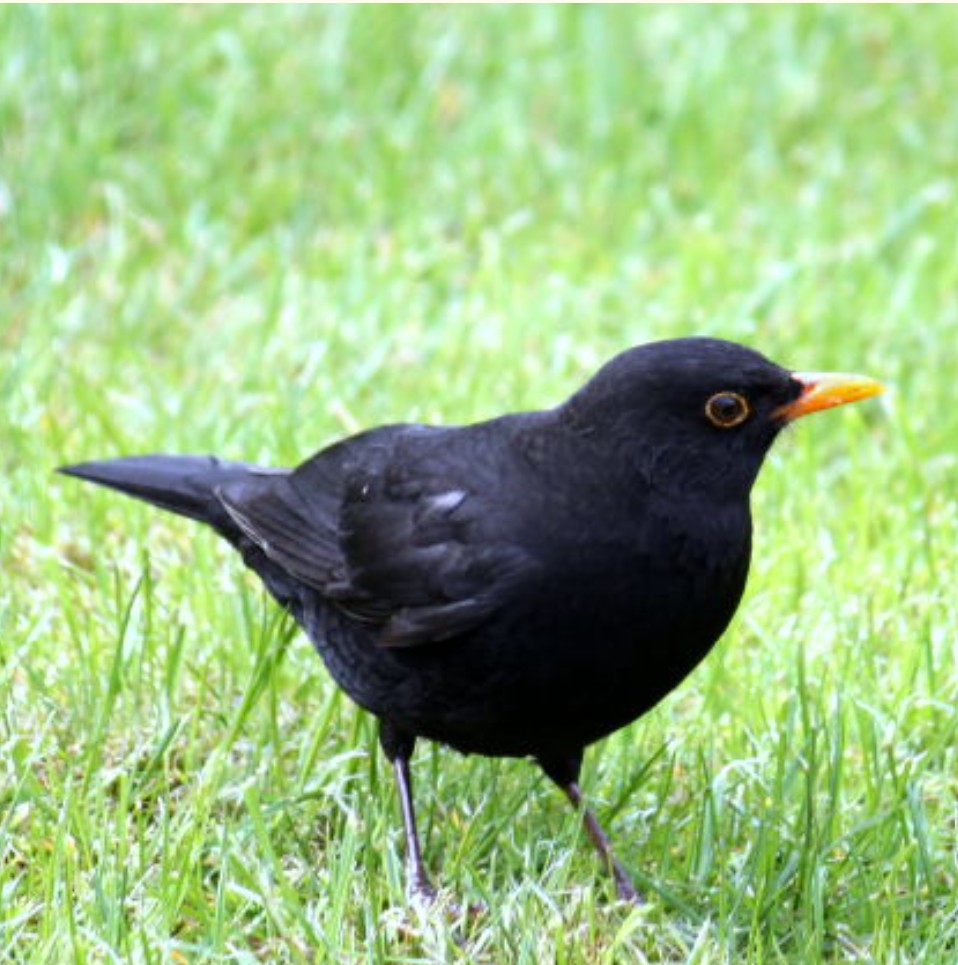
10. Finally, help blackbirds as there’s sadly a new mosquito-borne virus called Usutu (USUV) which is fatal to them and spreading across South East England from South Africa. Help to prevent the spread by covering water butts and avoiding stagnant standing water in saucers and buckets or tipping into covered containers. Wash birdbaths and feeders weekly and disinfect, rinsing well. Keep areas below feeders clean. You can report signs of disease to Garden Wildlife Health to help scientists track the spread of the disease. If you handle dead birds scrub your hands. It will be a sad thing if we lose our bold blackbirds searching for food for their young and scattering earth around the garden.
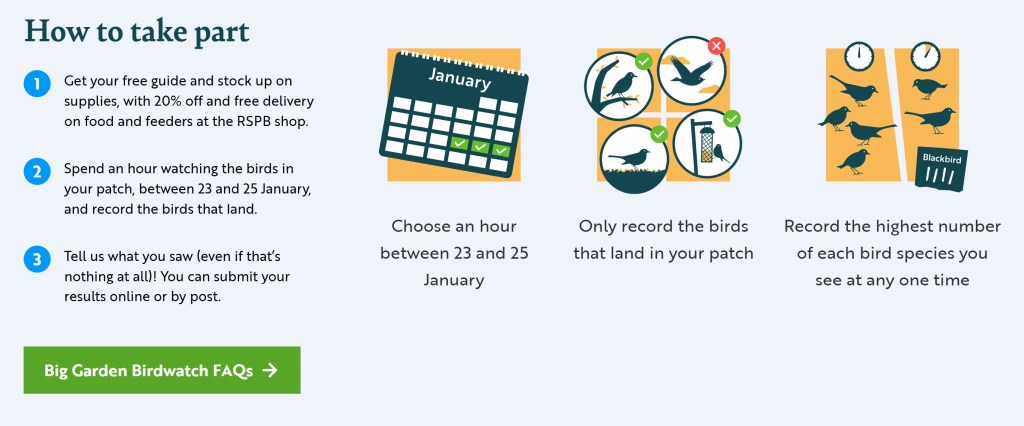
10a. On a happier, bird-related note, don’t forget to find an hour to join the RSPB Big Garden Birdwatch on 23 to 25 January. Remember, even if you see nothing, it still counts (but hopefully you will see something!)
Happy gardening all!
Pat K
Discover more from Charlton and Blackheath Amateur Horticultural Society
Subscribe to get the latest posts sent to your email.
 Charlton and Blackheath Amateur Horticultural Society