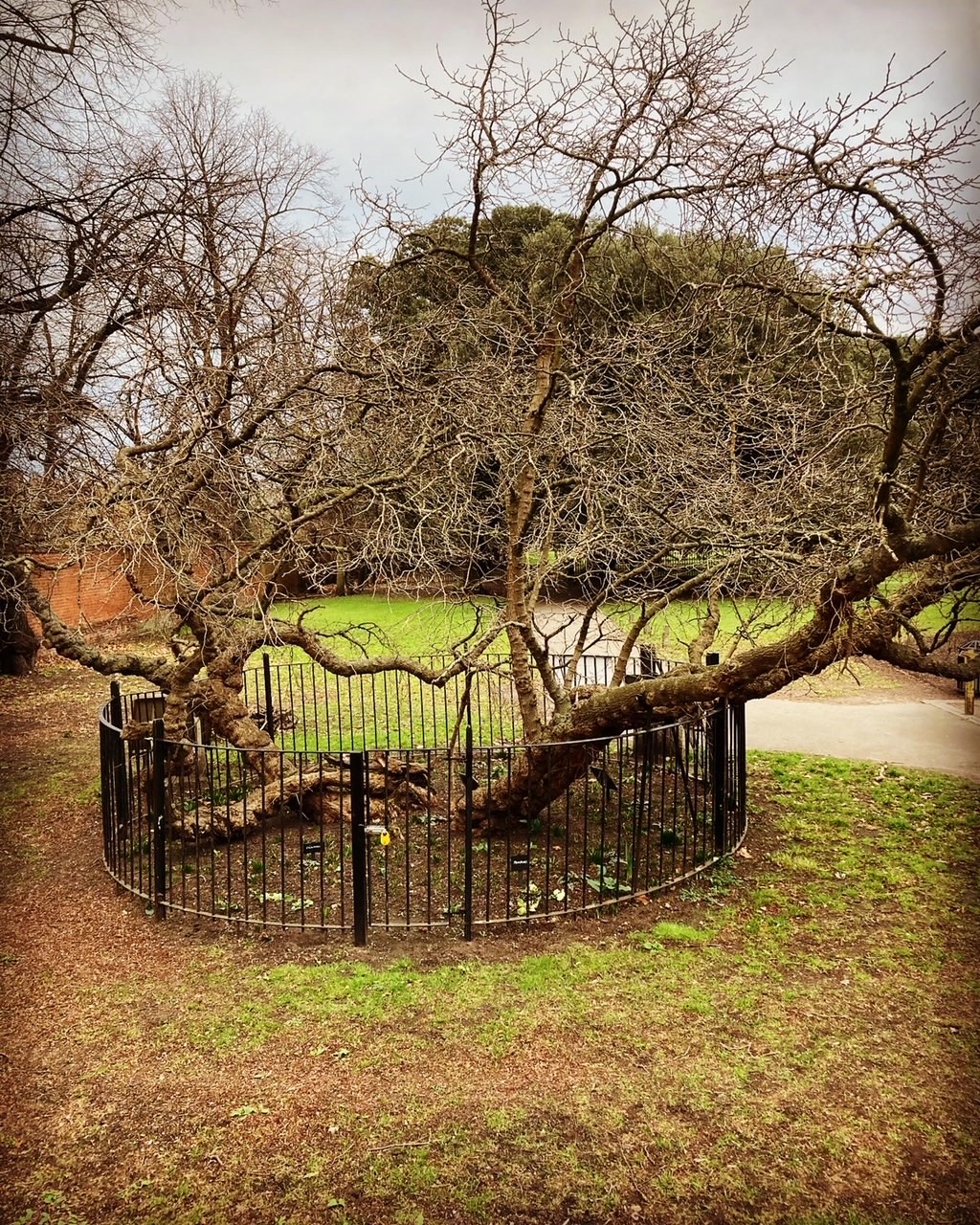
You may have spotted that the Charlton House Mulberry has just featured at Number 8 in the list of 20 Greatest Trees of Britain (the Telegraph) – what a well deserved honour!
I confess to being a bit of a Mulberry tree fan, having planted one in our garden in Westcombe Park just over 35 years ago. Our tree was a favourite retreat for my kids when they were growing up since, like all Mulberries, it has a very climbable branch structure and wonderful leaf canopy. Even Jerry our Jack Russell can climb up it when he has the momentum to chase squirrels!

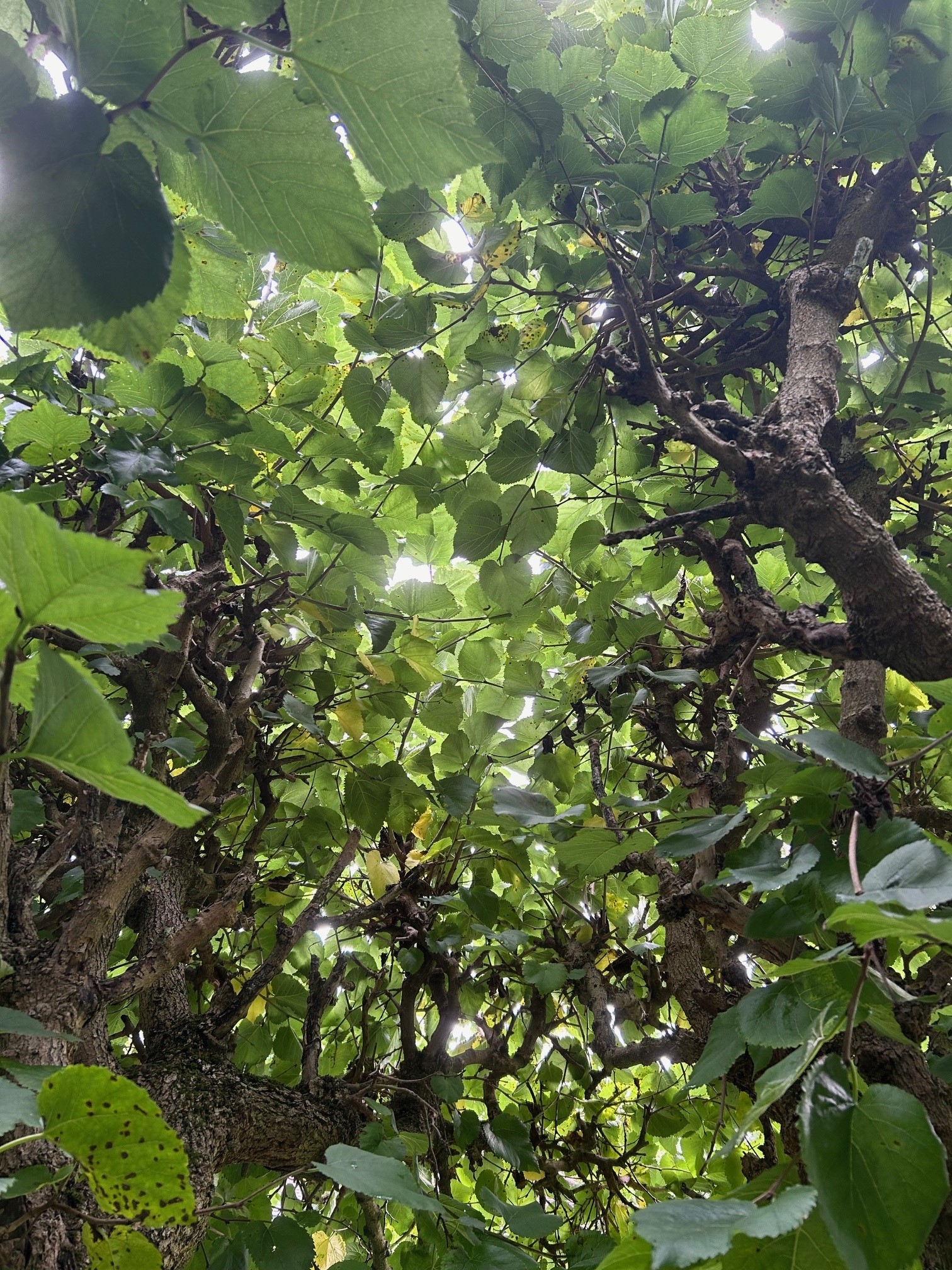

Last year I bought my grandson a lovely children’s book about an old tree standing through the ages (What did the Tree See, by Charlotte Guillain) and reading it led me to ponder what our venerable Mulberry Tree at Charlton House might have been witness to over its 400 plus years?
The story would start in 1607, around the time the House was being built, when King James required landowners to purchase and plant 10,000 Mulberry trees between them, to start his ill-fated silk industry. When Sir Adam Newton bought the “Manor of Charlton”, it included six orchards, 260 acres of land, 100 acres of meadow, 200 acres of pasture and 200 acres of wood – so he certainly had space to please the King by planting a whole field of Mulberries. A pity that the wrong kind of trees were planted for silkworms and the climate was too cold for them to thrive. At Charlton House we know that “a few trees” remained by 1845 but our beautiful and venerable one is all that remains today.

It must have been just a sapling when King James’ son Charles I, lost his crown and his head, and then a young tree, like mine, through Oliver Cromwell’s turbulent time, when Charlton House’s owner Sir Henry Newton had to flee to France. You can imagine it as a sturdy tree with a spreading canopy when Charles II came home and began ordering the first design of the “Grand Ascent” (ie the new grass steps!) in Greenwich Park.
With a little stretch of the imagination, our Mulberry might have been able to see the Thames flowing past – certainly you could see the Thames from the Summerhouse, before the modern high rise flats were built.
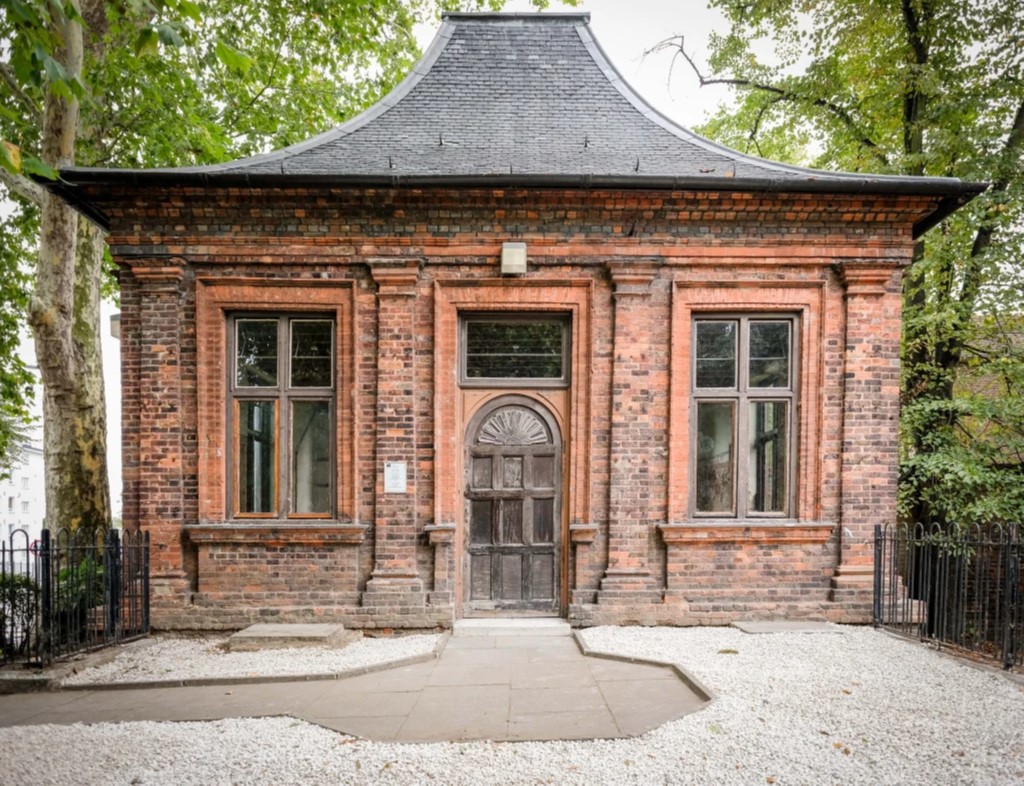
Perhaps Cutty Sark was one of those ships sailing past, in the 1870’s, carrying tea from China to the London docks. Our Mulberry was already an Ancient tree during WW1 when Charlton House became a hospital for convalescing soldiers – perhaps they relaxed and recovered under its shade. Then in WW2 it might have felt the trenches being dug in the back lawn and had its juicy fruits picked by people in the pre-fab houses or working on the allotments around the House. It certainly would have known about the night WW2 came too close for comfort when a V2 rocket hit the house right by the tree.
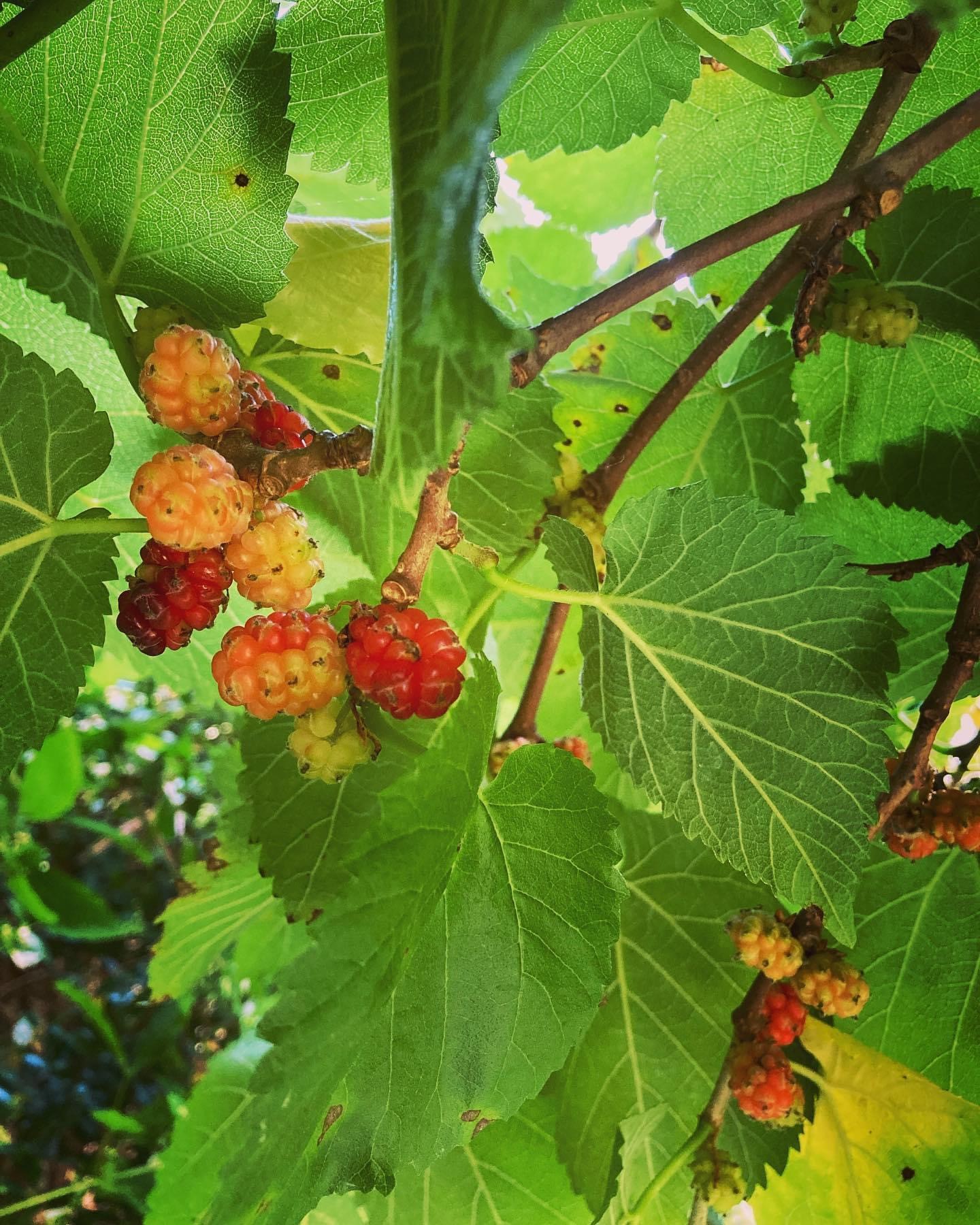
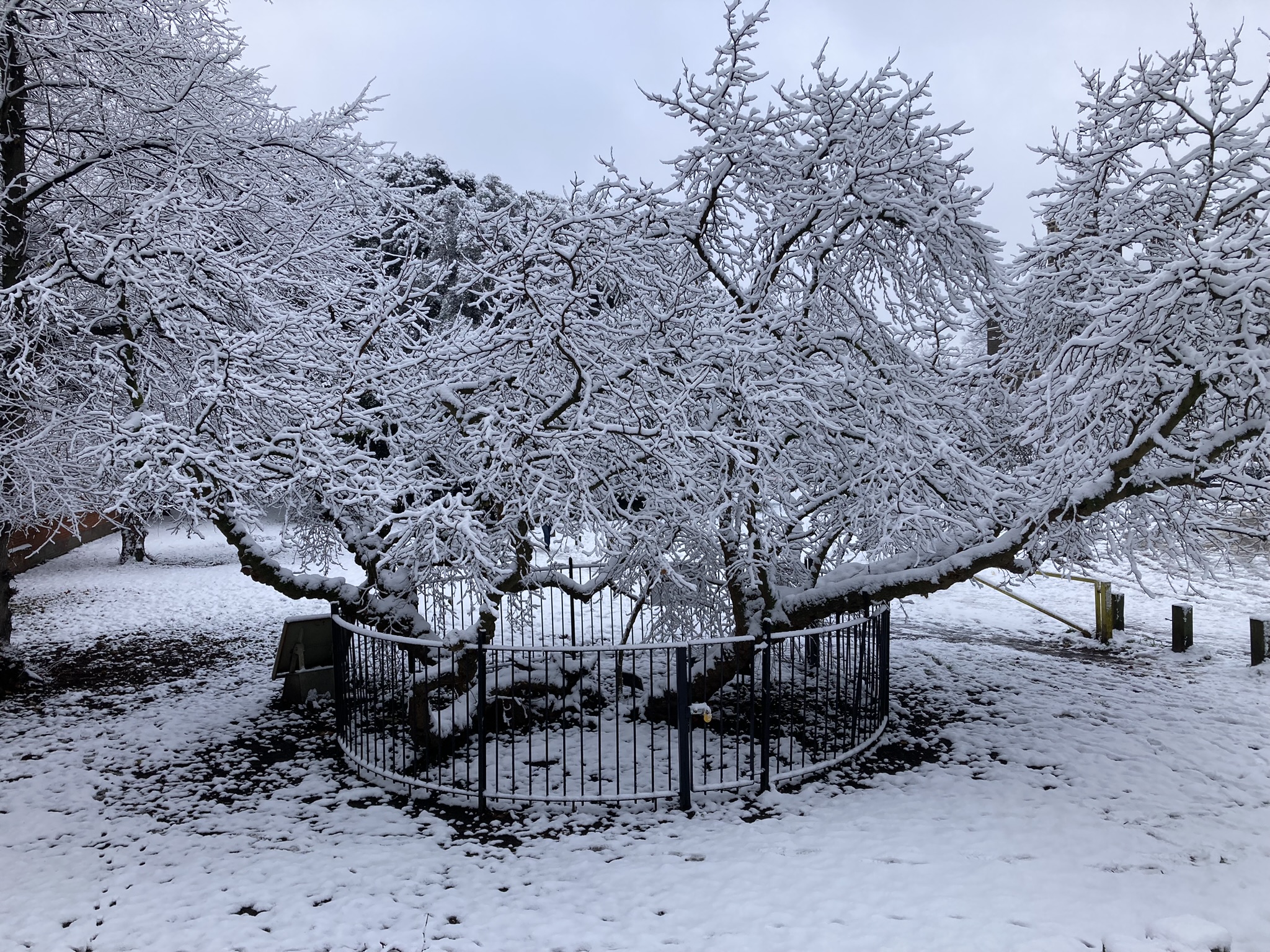
At some point the weight of the spreading branches split the trunk, as happens with most old Mulberry trees, but it has just carried on growing wider, with a “phoenix” trunk rising from the middle to take over.
We like to think our tree has had a happy time in the last 4 years, as the Garden Volunteers have cleared the Alkanet and brambles, planted primroses and bulbs and cared for it. But I have a feeling this tough old tree would probably have gone on just the same without us, as it will for the next 400 years!
Kathy A
Discover more from Charlton and Blackheath Amateur Horticultural Society
Subscribe to get the latest posts sent to your email.
 Charlton and Blackheath Amateur Horticultural Society